
New Dump Trailers For Sale in Texas
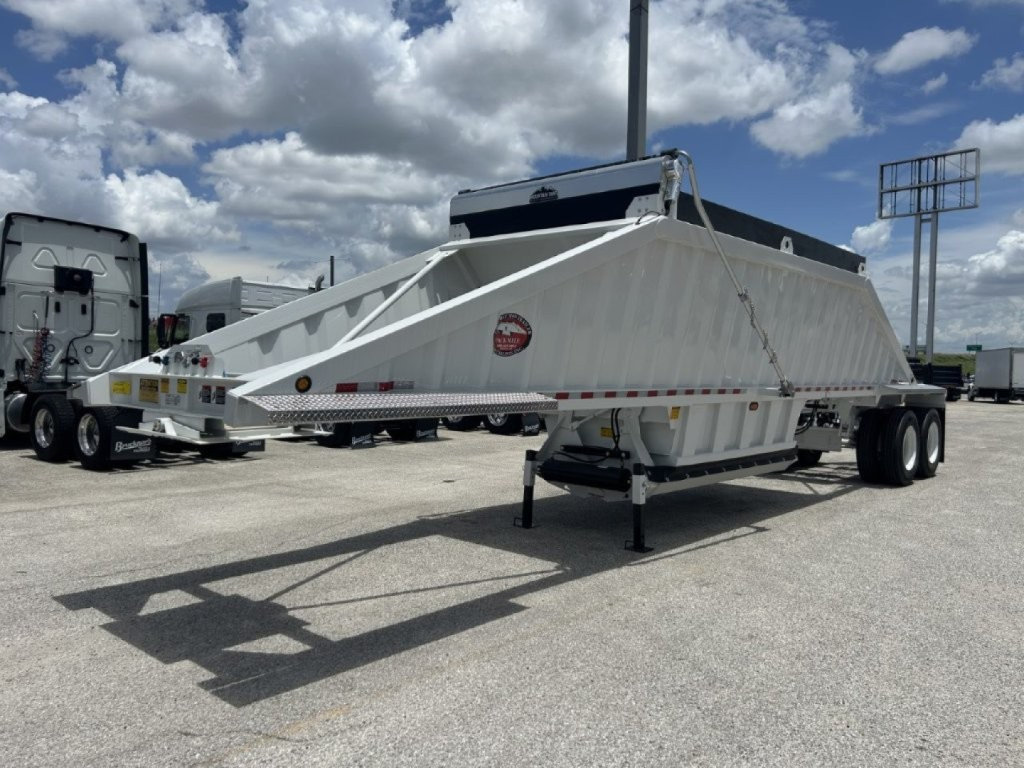
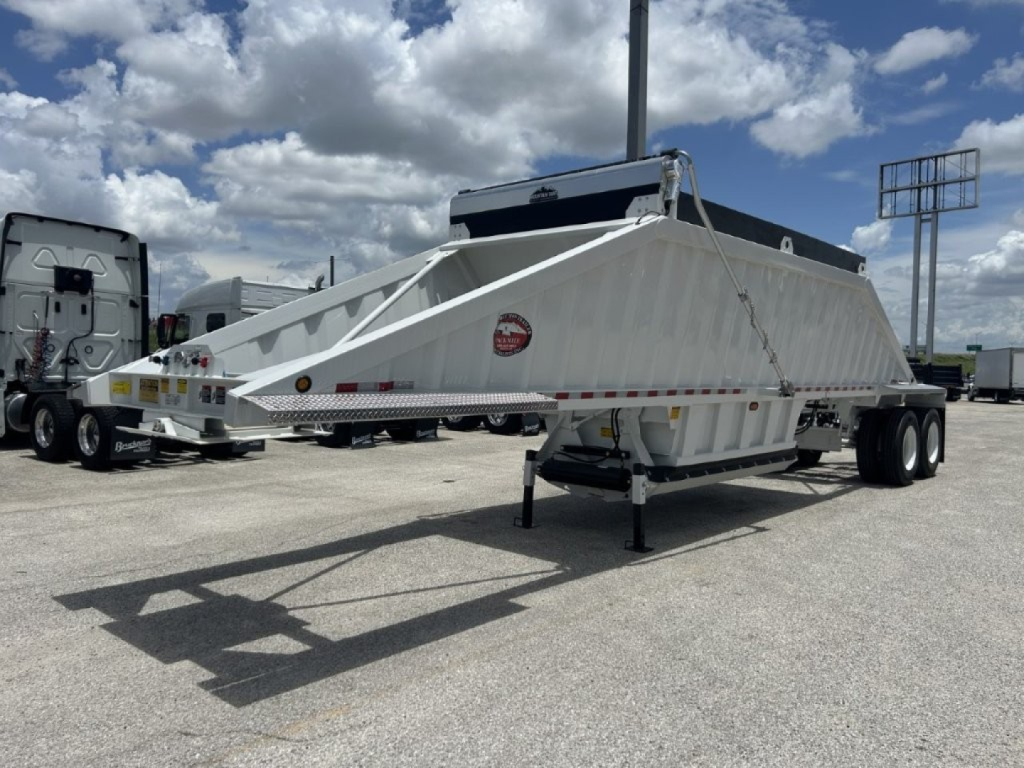
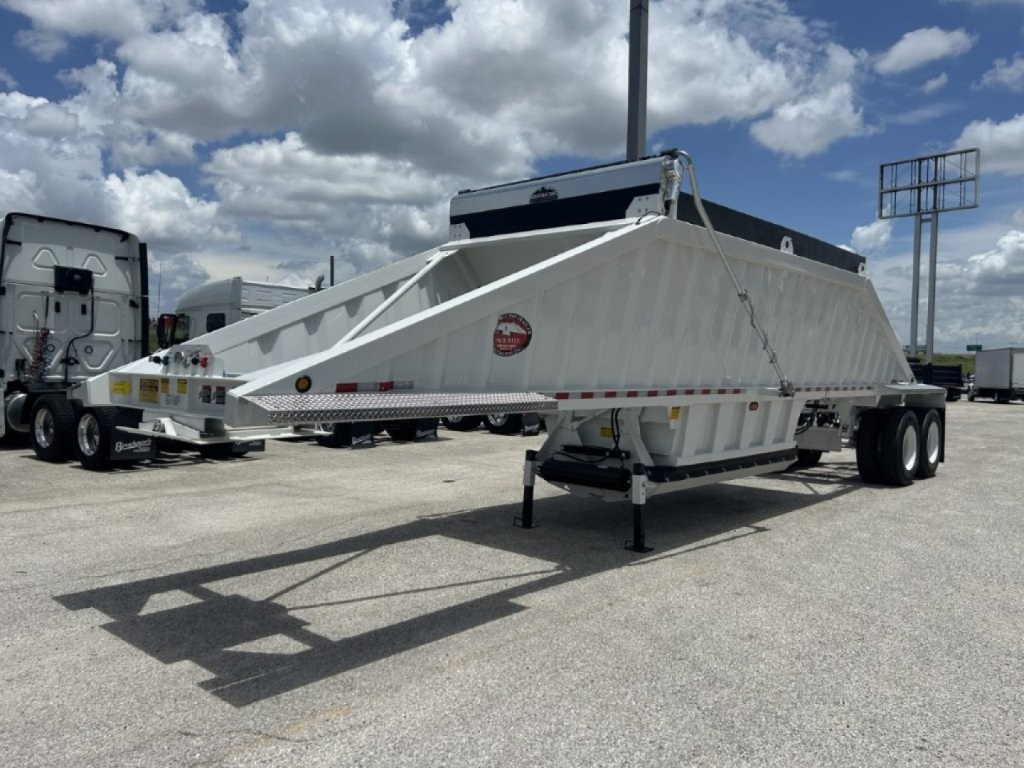
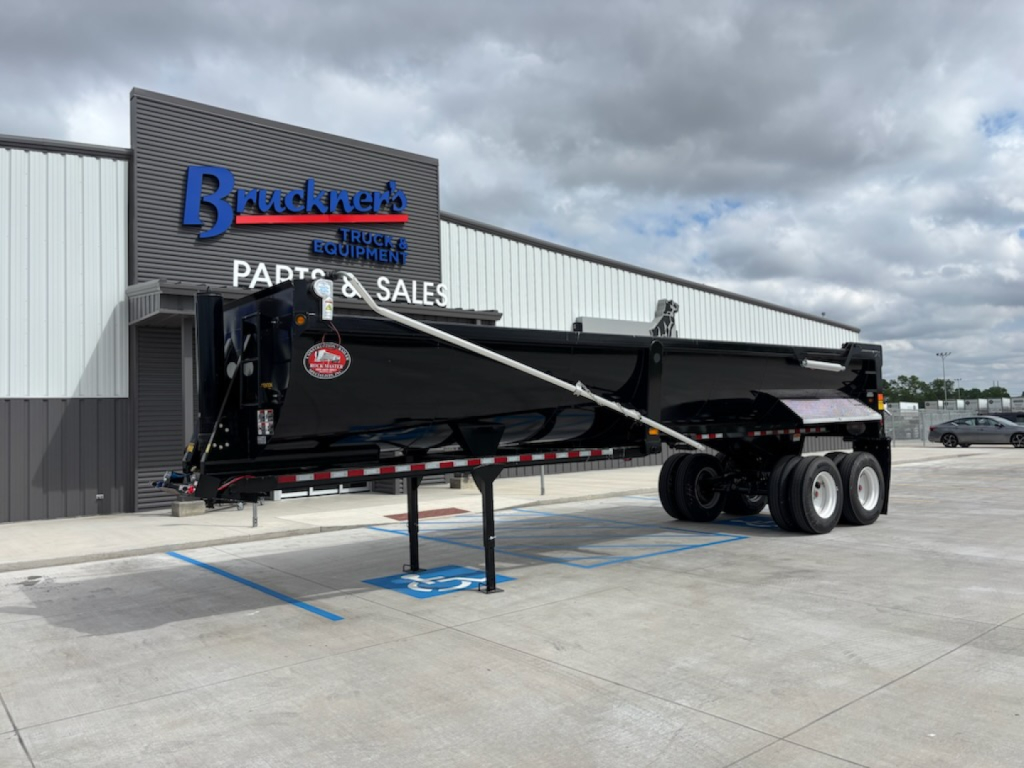
Shop new dump trailers in Texas, including end dumps and frameless designs built for aggregate, demolition, paving, and dirt hauling.
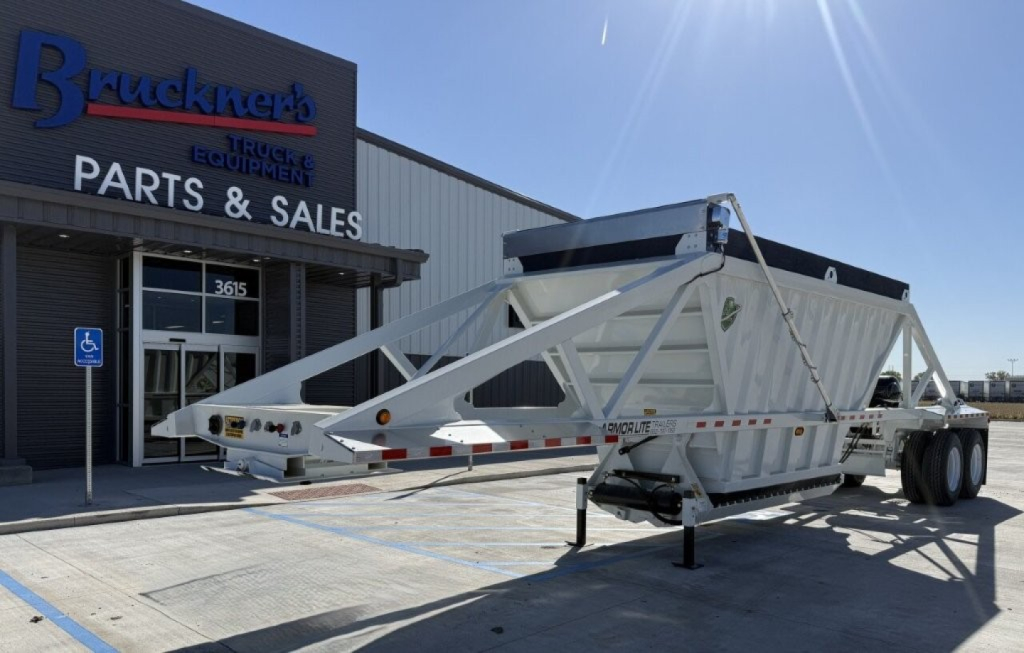
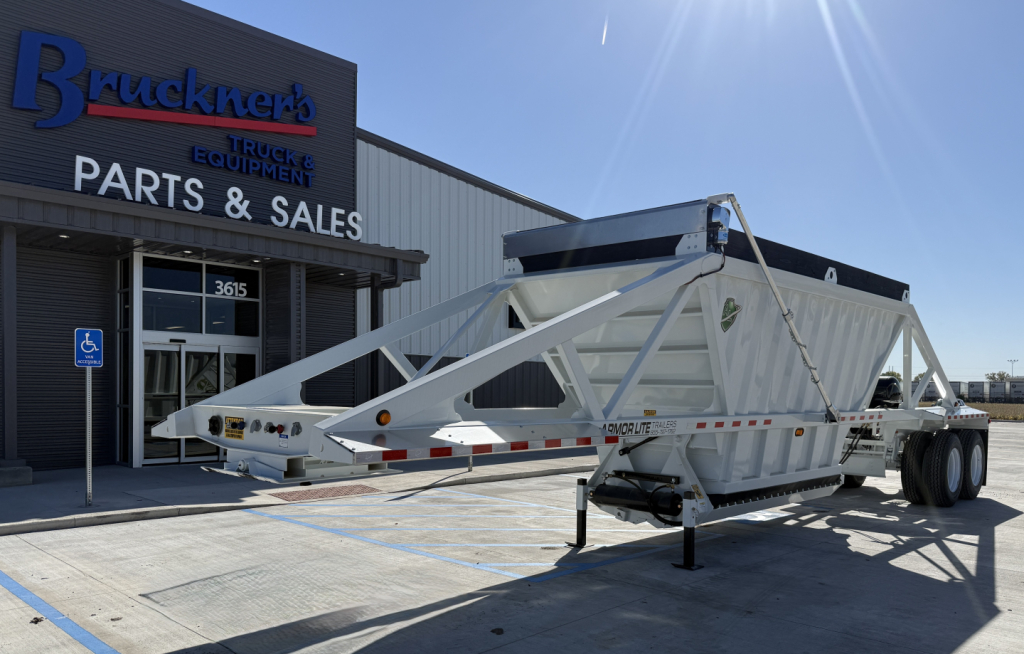
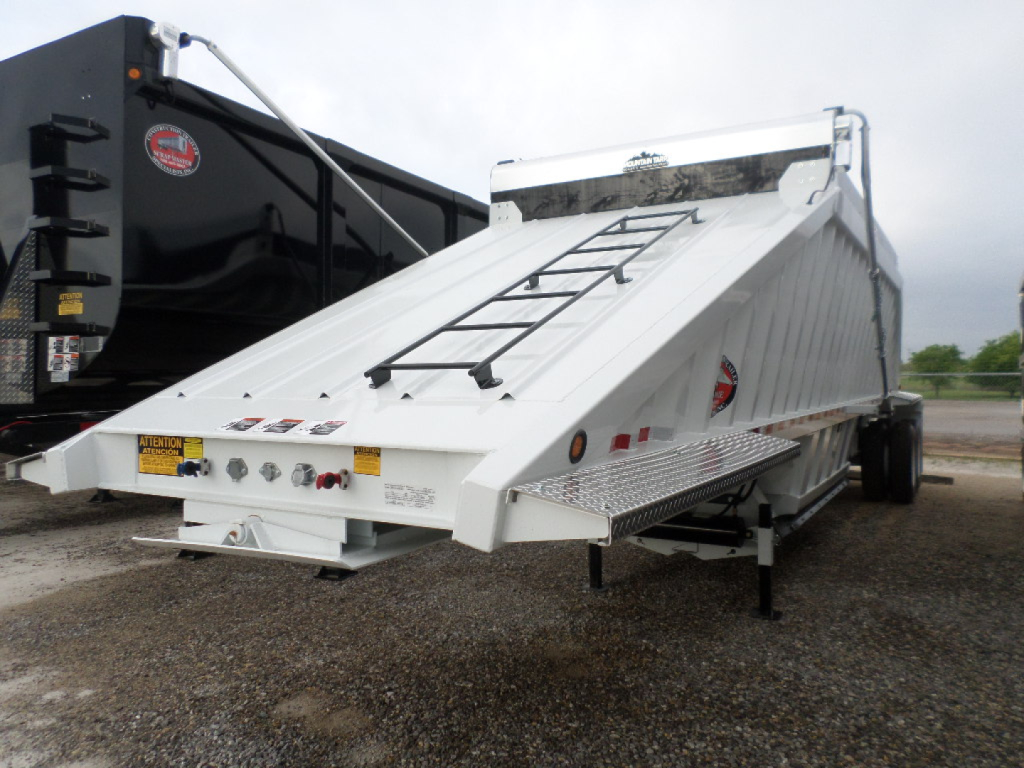
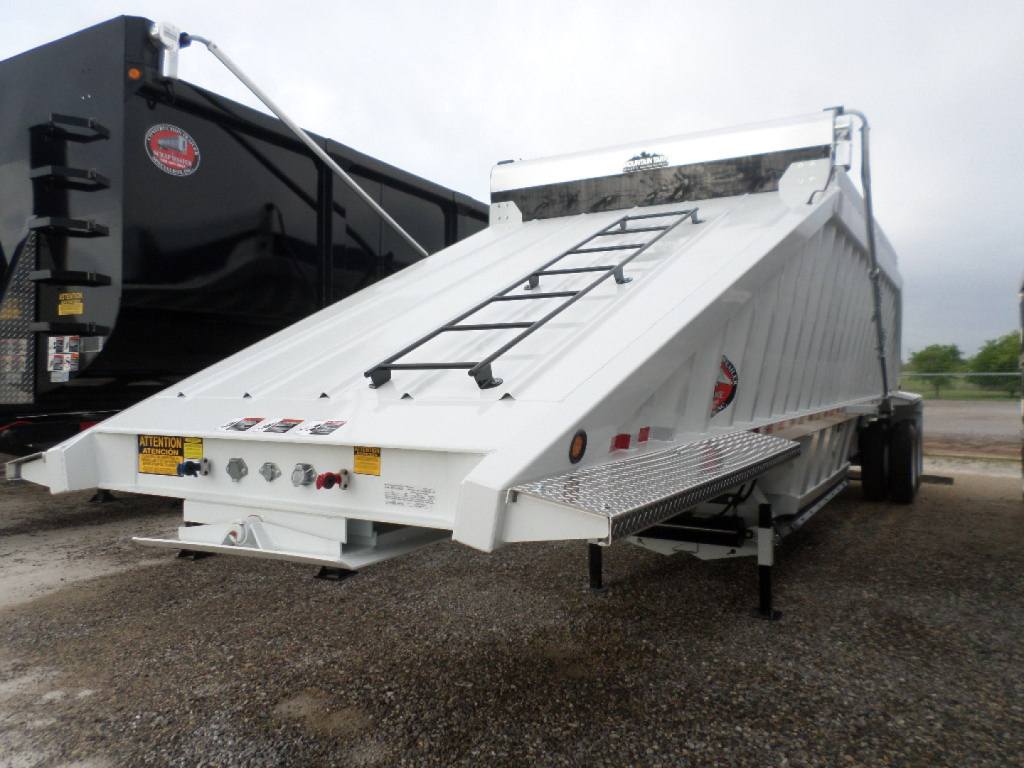
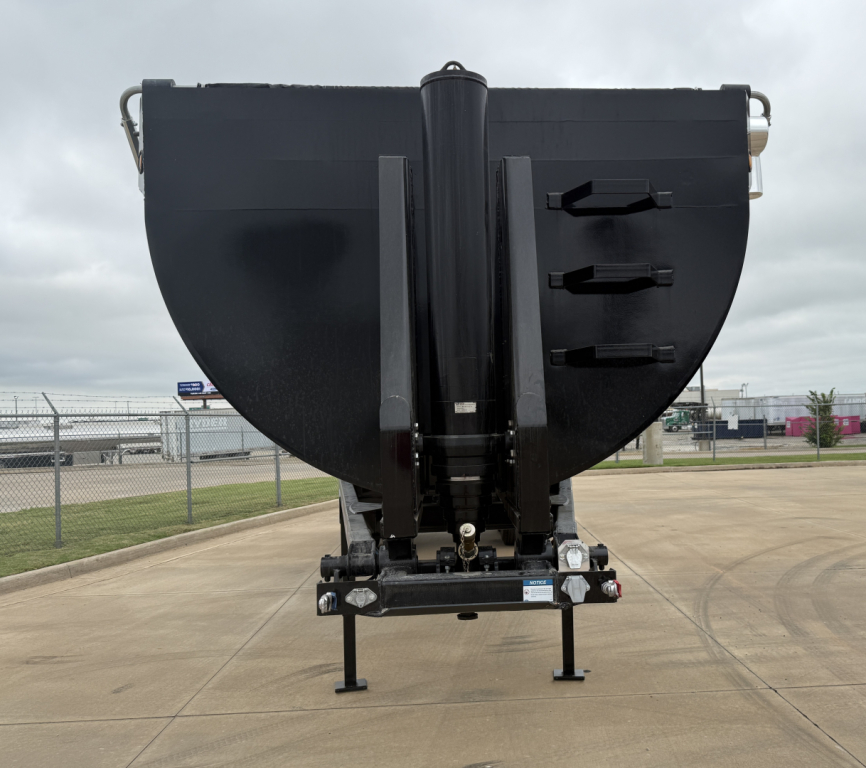
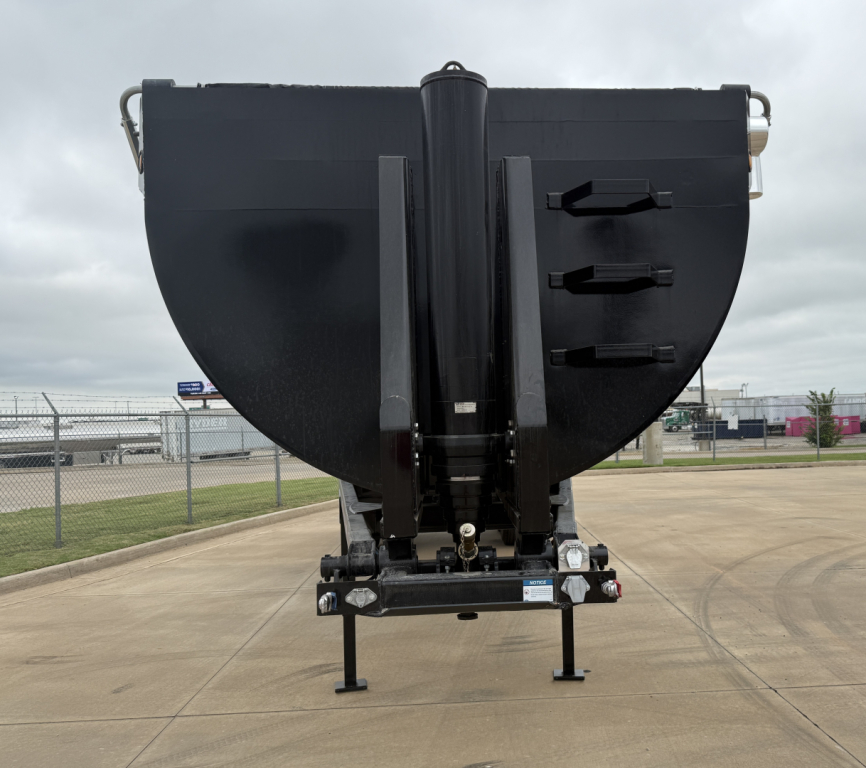
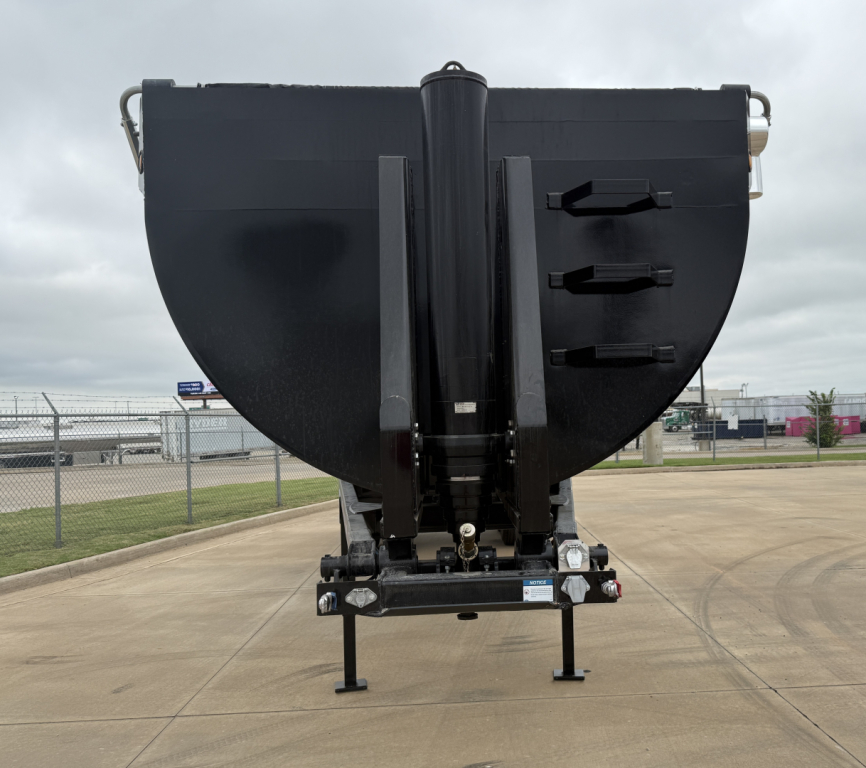
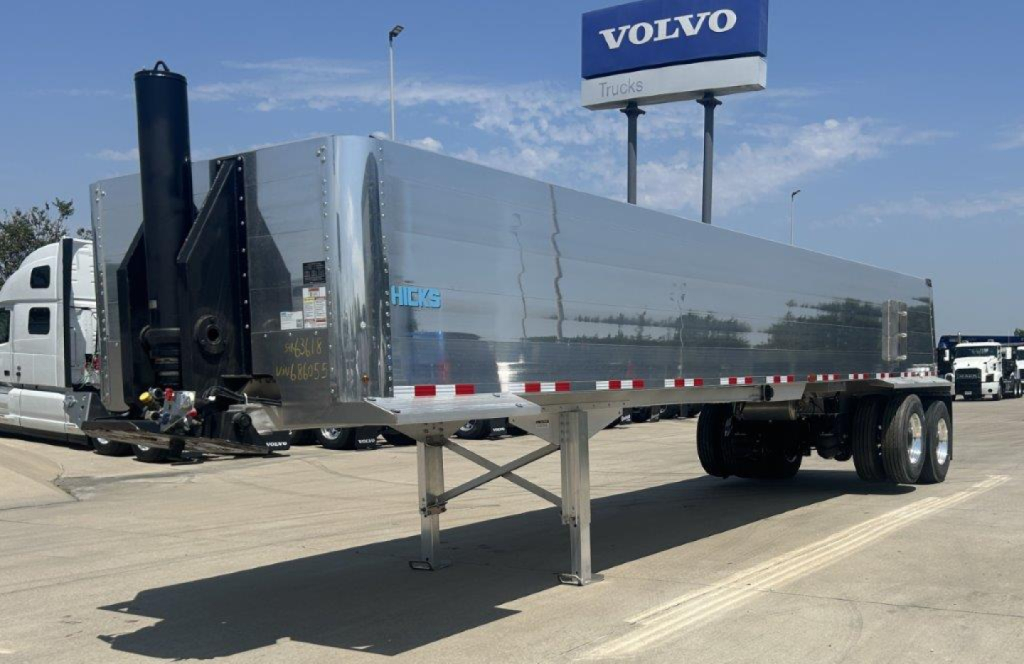

Selling a new dump trailer? List your new dump trailer for sale and reach thousands of commercial buyers.
New Dump Trailers in Texas
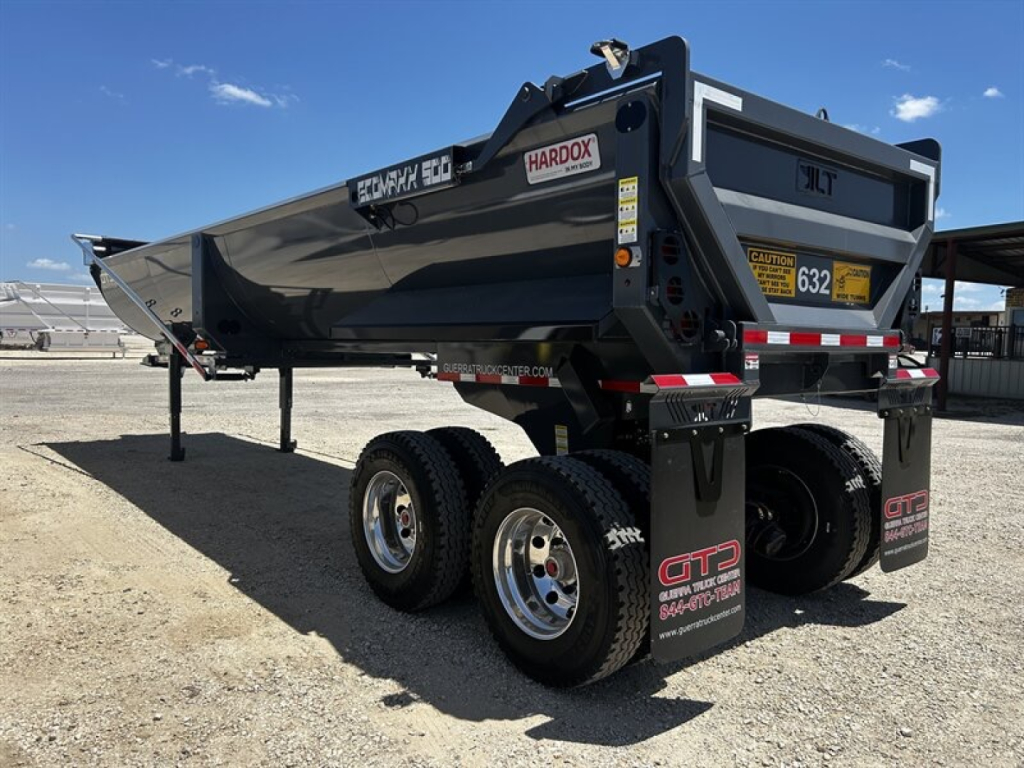
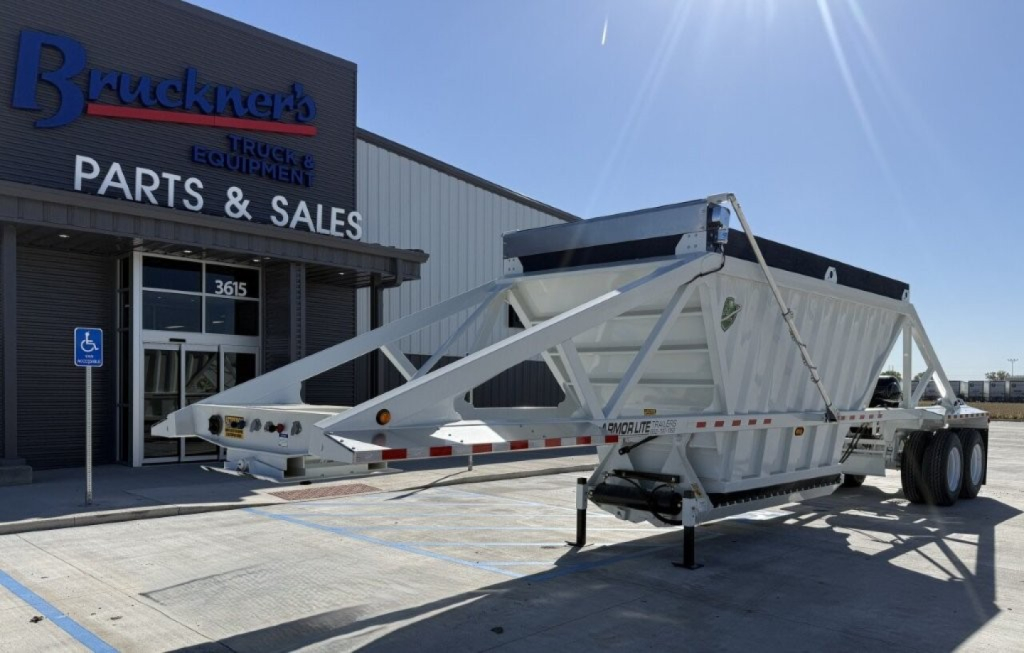
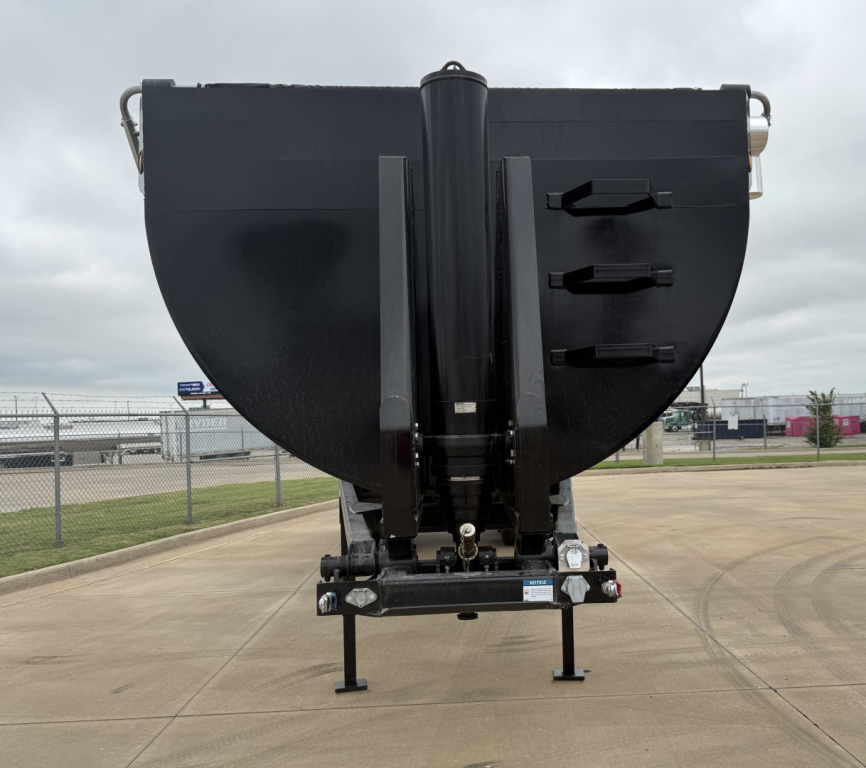
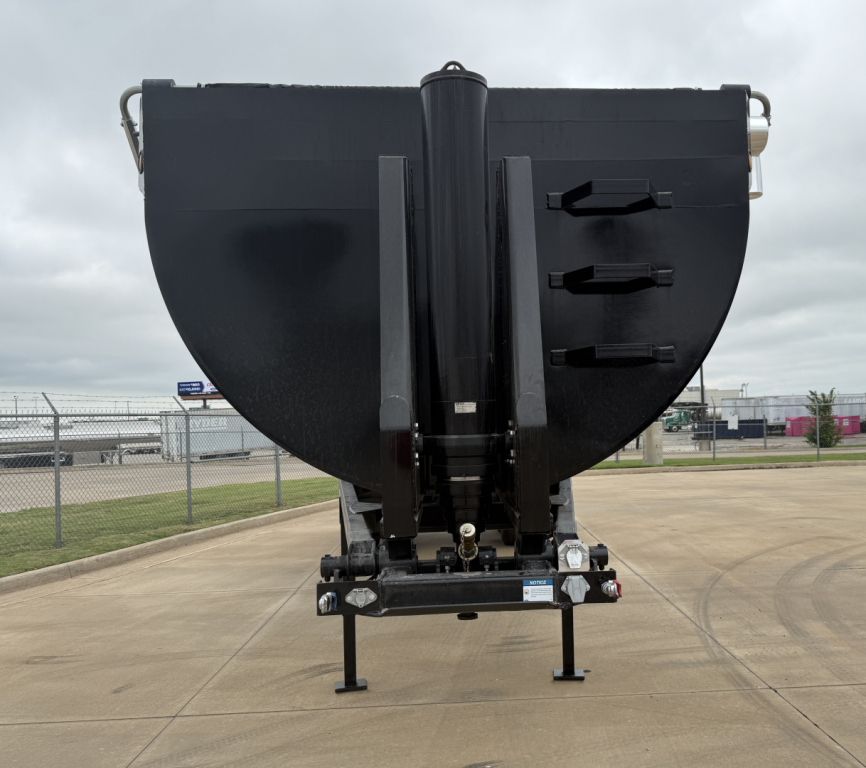
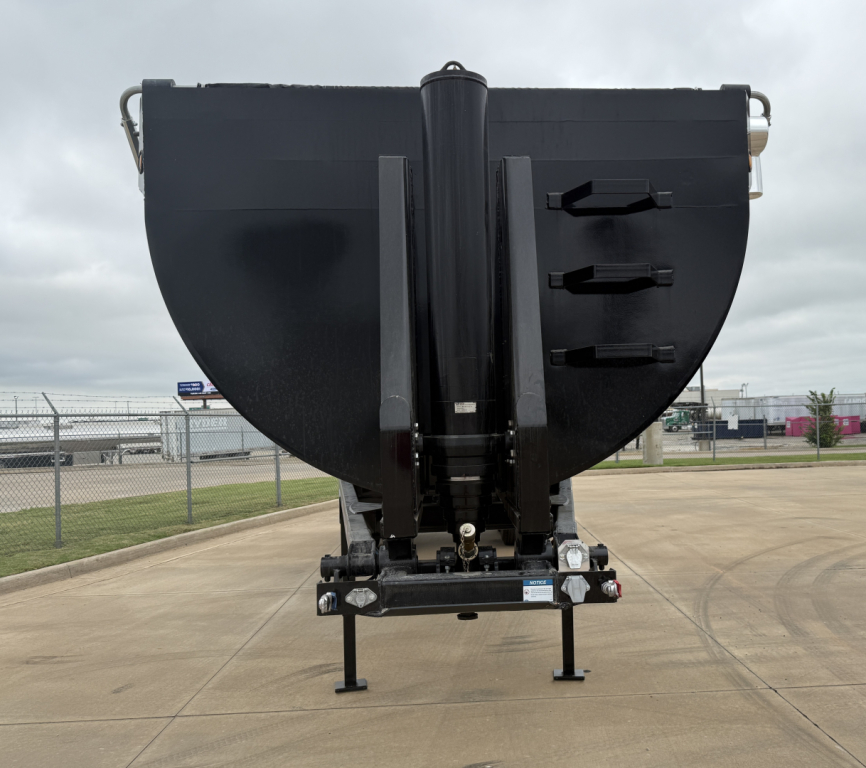
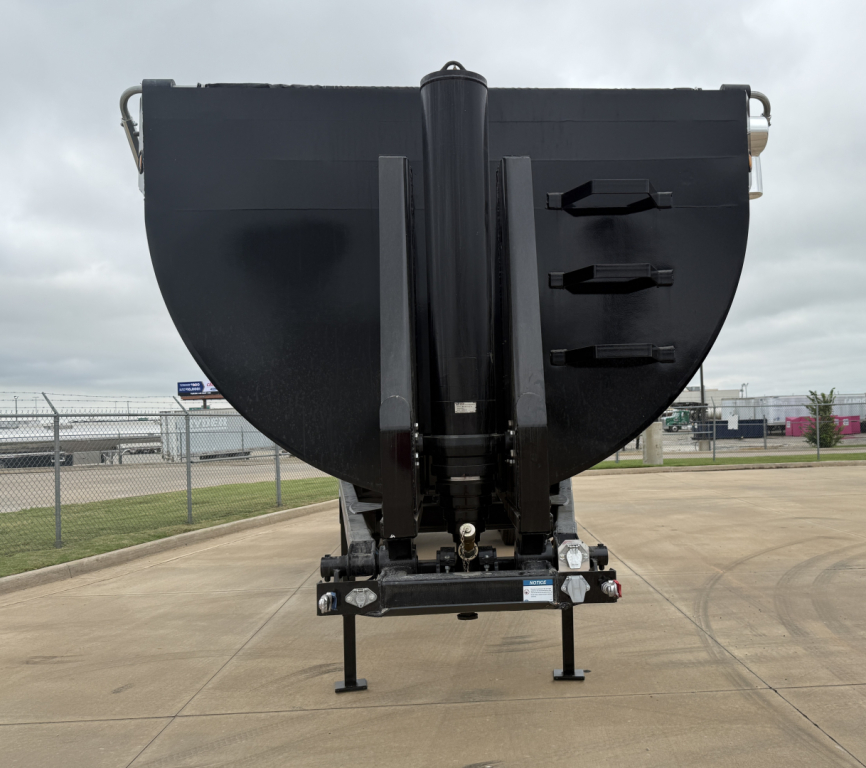
A key buying decision is frameless versus frame-type construction. Frameless dump trailers are popular for weight savings and strong payload numbers, especially in aggregate and dirt work, but they demand close attention to loading practices and dump-site conditions. Frame-type or conventional end dumps can offer a different balance of rigidity and application fit, particularly for fleets that see mixed-use work or rougher terrain. Body material matters just as much. AR steel floors and sides are common when hauling abrasive material, while lightweight aluminum bodies can make sense when payload is the top priority and the commodity is less punishing. Board height, tub length, slope sheets, and tailgate style all affect clean-out, load profile, and legal volume.
Suspension and running gear deserve careful review on any new dump trailer. Spring ride remains common for straightforward durability and lower upfront cost, while air ride is often preferred for improved ride quality, component protection, and better behavior on variable road surfaces. Tandem axle setups dominate this class, with 24.5-inch rubber, heavy-duty brakes, ABS, and a kingpin setting matched to the tractor and bridge law requirements. Buyers in Texas should also look closely at axle spacing, push block design, fenders, tarp system type, air tank capacity, quick-release valves, and grease line routing. Features like electric flip tarps, mesh or solid tarp systems, windrow deflectors, air-operated tailgate locks, and removable kingpins are not minor details in dump work. They directly affect cycle time, cleanup, and driver safety.
The best new dump trailer spec is the one matched tightly to the material, the haul distance, and the dump environment. A 40-foot lightweight end dump built for highway aggregate runs is a different tool than a shorter steel frameless trailer working jobsite dirt or demolition. Buyers comparing listings should focus less on sticker price alone and more on empty weight, body thickness, hoist configuration, suspension type, and how the trailer is equipped for the exact commodity being hauled. In Texas, where haul conditions can range from paved plant runs to uneven oilfield and construction access roads, the right dump trailer spec can make a measurable difference in uptime, stability, and cost per ton.
Frequently Asked Questions about New Dump Trailers in Texas
What is the difference between a frameless dump trailer and a frame-type dump trailer?
A frameless dump trailer usually weighs less, which can improve payload and revenue on bulk material hauls. It is a common choice for aggregate, sand, and dirt work where weight matters. A frame-type dump trailer adds a full frame structure under the body, which can provide a different feel in torsional rigidity and may suit some mixed-use or severe-service operations better. The right choice depends on load consistency, dump-site conditions, and how aggressively the trailer will be used off pavement.
What body material is best for a new dump trailer in Texas?
Steel is typically the best fit for abrasive or impact-heavy commodities such as rock, demolition debris, and asphalt-related material because it resists wear and abuse better. Aluminum is favored when payload is critical and the hauled material is less destructive to the body. Many buyers balance these priorities by looking at body design, floor thickness, side thickness, and wear package details rather than choosing by material alone. In Texas, where operations can range from quarry hauling to road construction and site prep, material choice should match the actual commodity mix.
How many cubic yards should a dump trailer hold?
Capacity depends on commodity weight, legal gross limits, and how the body is shaped. In this category, many end dumps fall around 23 to 31 cubic yards, but legal payload is often the real limiting factor, not just volume. Heavy material like wet sand, gravel, or rock can max out weight long before the tub is full, while lighter material may use more of the trailer's cubic-yard capacity. Buyers should evaluate both struck and heaped capacity along with the trailer's empty weight.
Is air ride or spring ride better on a dump trailer?
Air ride generally offers better ride quality, can reduce shock to components, and is often preferred for highway use and fleets focused on driver comfort and trailer stability. Spring ride is simpler, proven, and often less expensive to maintain upfront, which keeps it popular in vocational work. Neither is automatically better for every operation. The better suspension is the one that matches the road conditions, maintenance practices, and commodity being hauled.
What options matter most on a new end dump trailer?
The most important options are the ones that affect safety, cycle time, and service life. Buyers should pay close attention to tarp system design, tailgate locks, push block configuration, kingpin setting, axle spacing, brake package, liner or slope sheet setup, fender material, and hoist-related details. Small spec choices can have a large impact on clean-out, rollover resistance, bridge compliance, and how easily the trailer pairs with the tractor. A well-matched option package usually outperforms a cheaper trailer that is wrong for the job.