
New Armor Lite Dump Trailers For Sale in Texas
New Armor Lite dump trailers for sale in Texas. Compare lightweight end dumps with hard-ox tubs, tarp systems, gate options, and suspension setups.
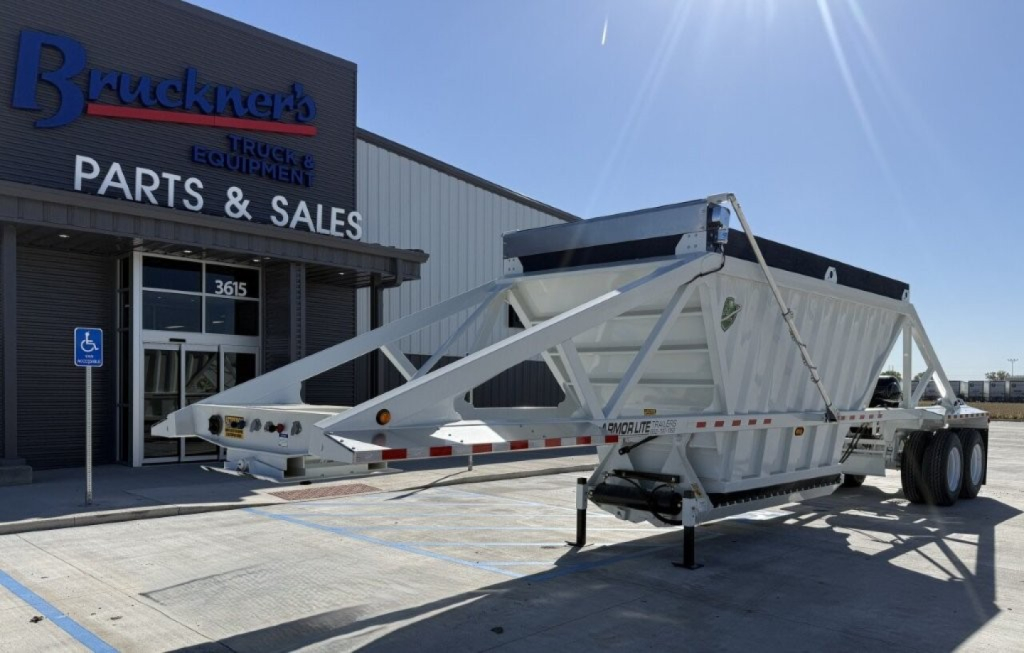
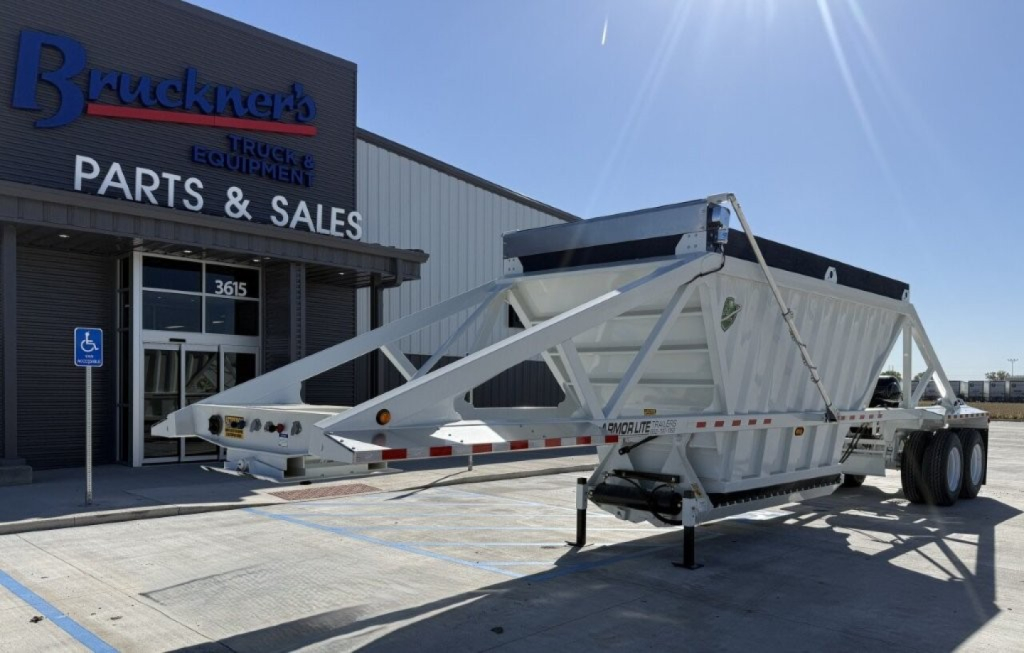
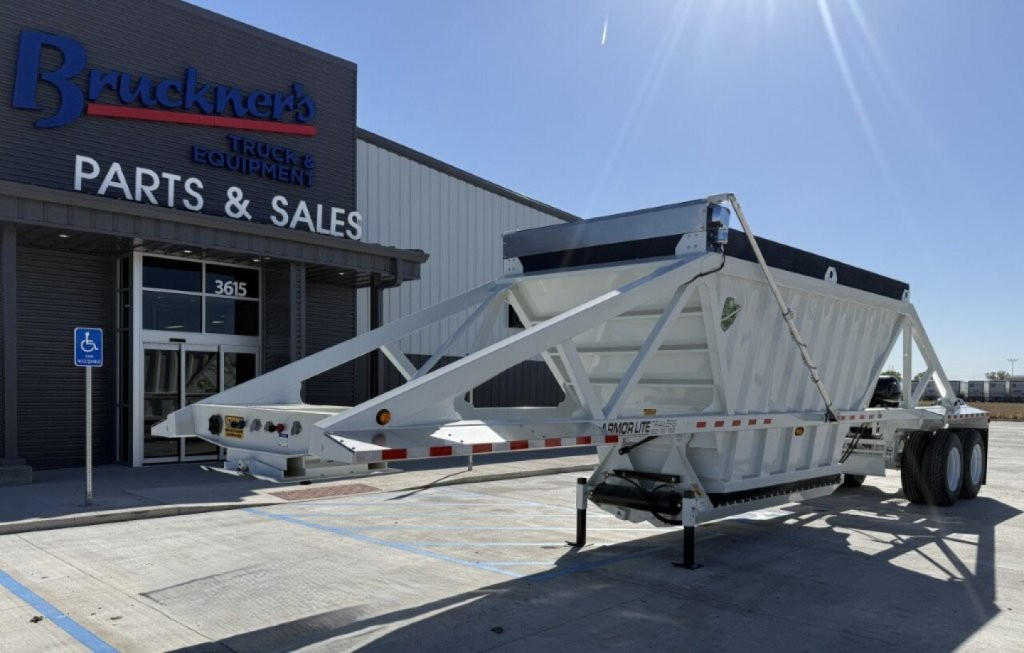
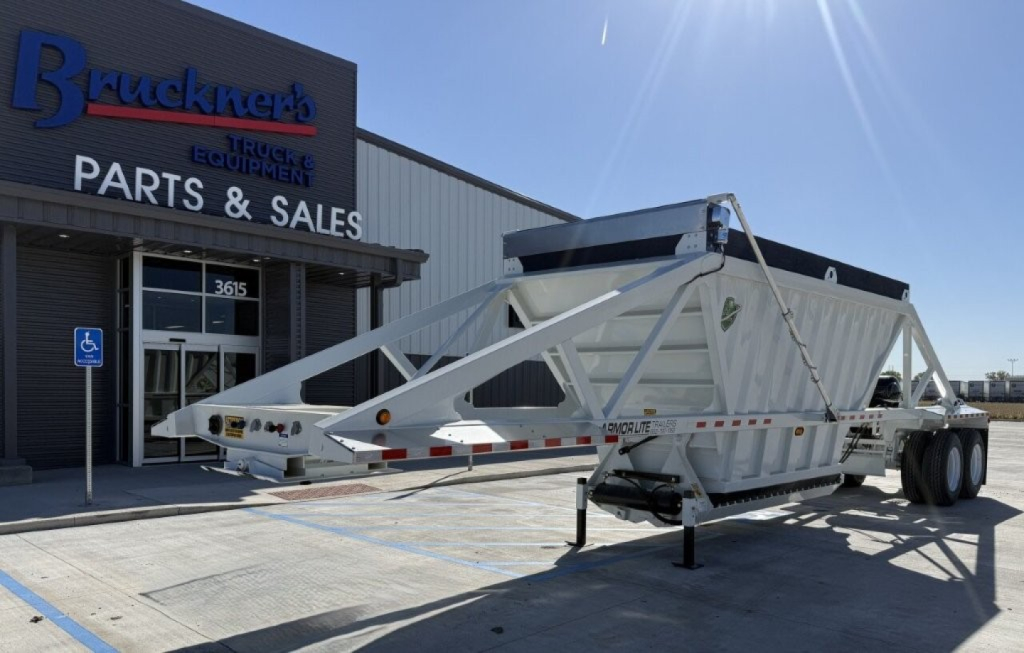
Selling a new armor lite dump trailer? List your new armor lite dump trailer for sale and reach thousands of commercial buyers.
New Armor Lite Dump Trailers in Texas
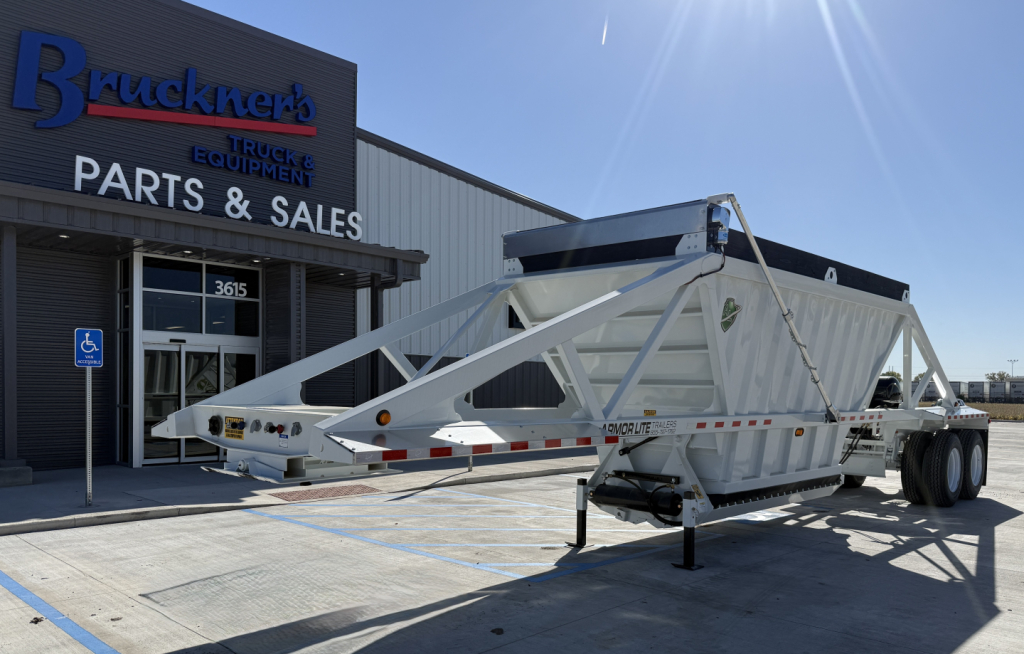
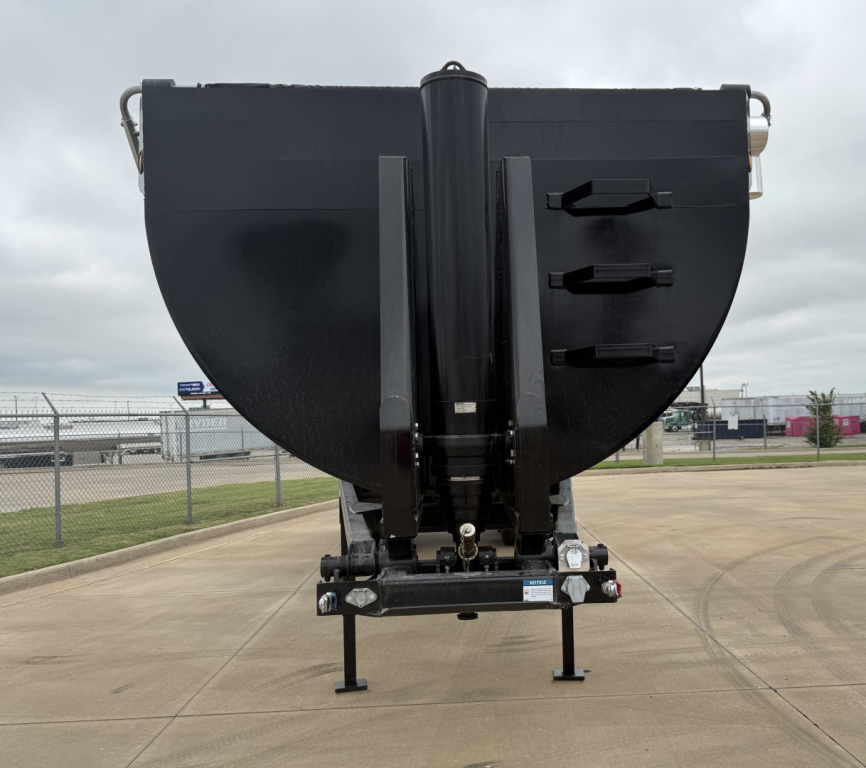
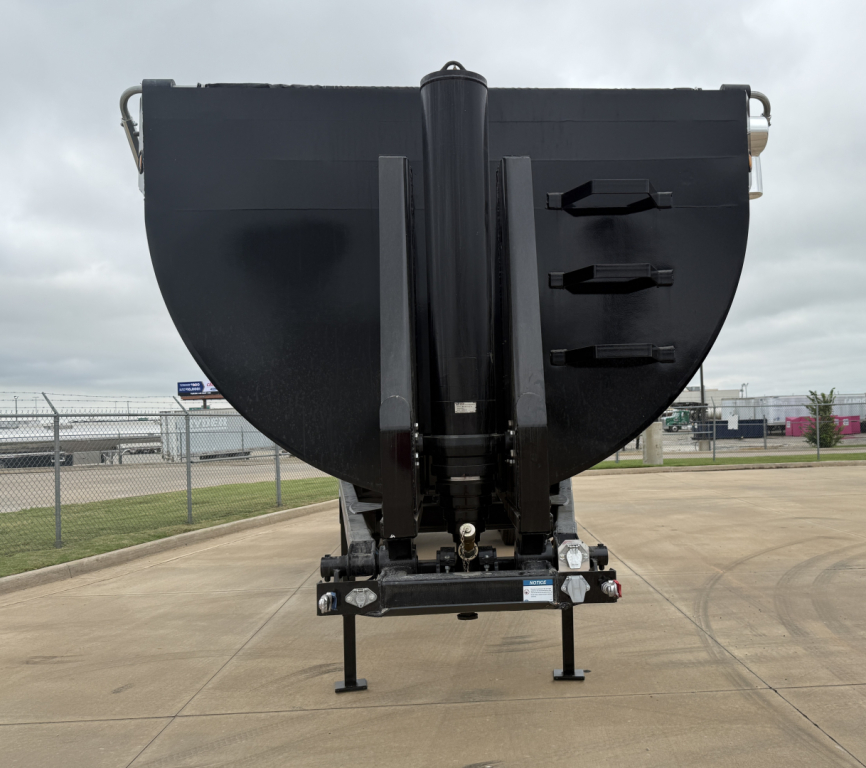
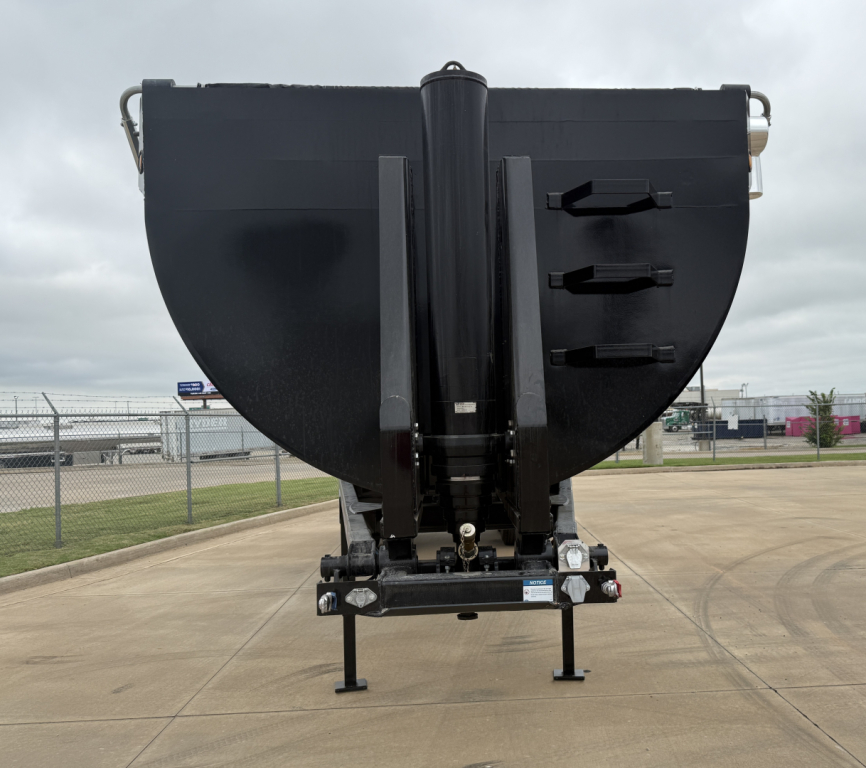
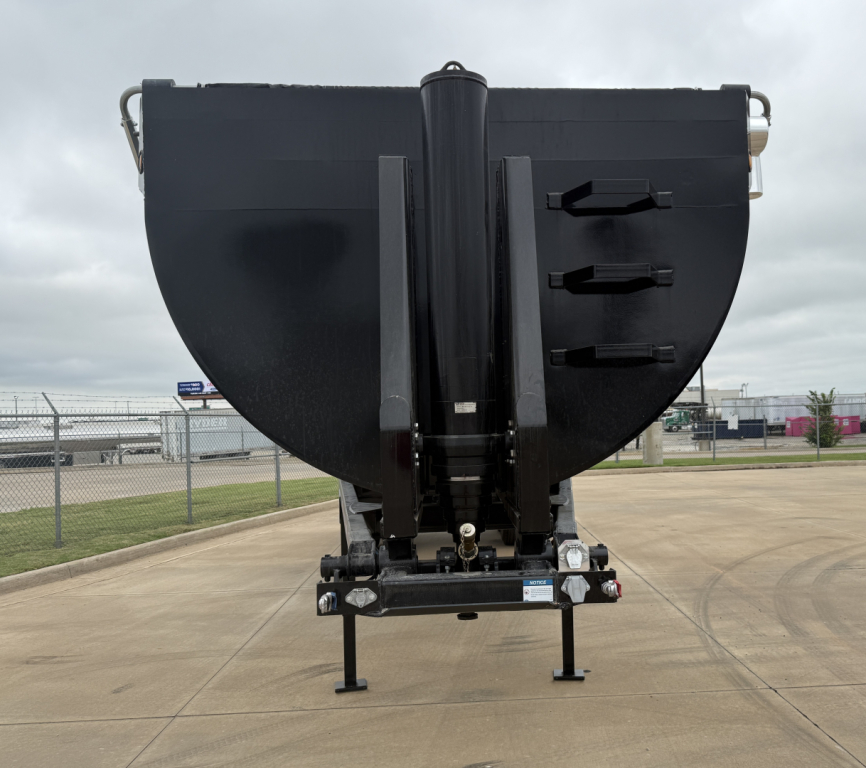
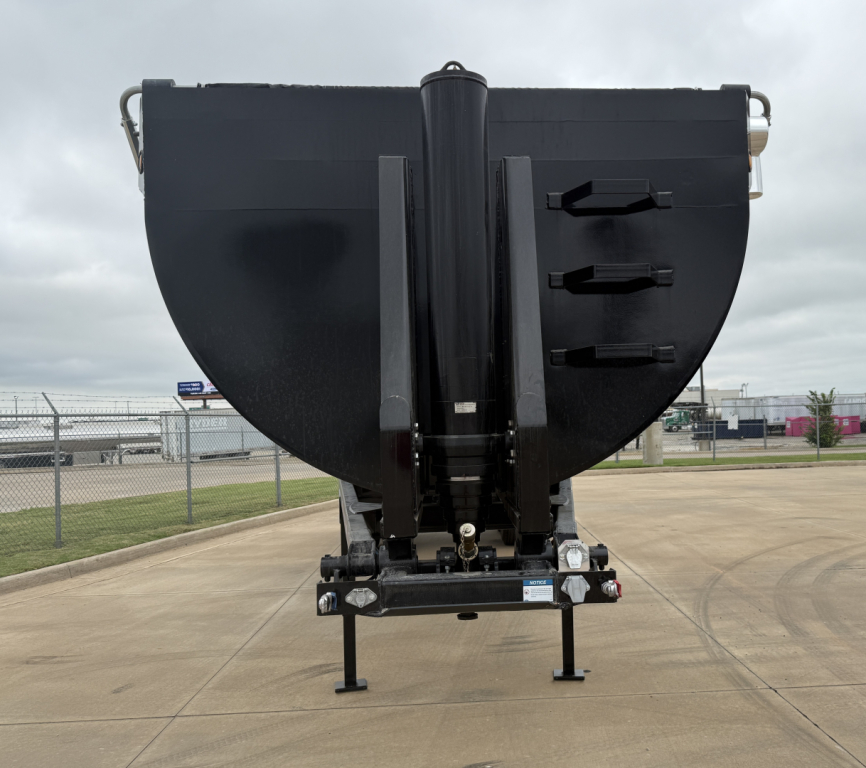
The biggest buying decision is usually light-duty versus heavy-duty body design. A lightweight 40-foot skeleton-style dump trailer with around 23.5 cubic yard capacity fits operators focused on bulk material and payload-sensitive work. Features like 10-inch boards, spring ride, electric tarp systems, and 11R24.5 rubber are common on that side of the category. A heavier tub-style trailer in the low-30-foot range is a different tool entirely. Units with a 32-foot tub, self-shedding top rail, 1/4-inch Hard Ox body, and high-lift gate are better suited for rock, riprap, chunk asphalt, and abrasive materials that would punish a lighter body over time.
Texas buyers should pay close attention to suspension and gate control details because those affect both uptime and jobsite flexibility. Spring ride remains a practical, lower-complexity choice for many fleets, while single-point suspension setups can improve stability and load handling depending on the application. High-lift gates matter when material needs to clear cleanly on uneven ground or when larger chunks tend to bridge at the rear. Electric flip tarps and mountain-style tarp systems are more than convenience items. They help with load security, compliance, and keeping turnaround times tight at pits, plants, and transfer sites. Tire package, steel versus aluminum wheels, and fender construction also matter more than they seem, especially on trailers seeing rough county roads, quarry entrances, and demolition access points.
When comparing new Armor Lite dump trailers, focus on empty weight, cubic yard rating, tub or frame construction, hoist and gate design, suspension type, and how the trailer matches the material stream you haul most often. A lighter trailer can improve revenue per load, but only if the body and gate arrangement fit the work. A heavier-spec dump trailer may carry less payload on paper, yet hold up better in severe service and reduce repair frequency. The right choice depends on whether the priority is maximizing tons on legal routes, surviving abrasive material, or covering a mixed Texas workload with the fewest compromises.
Frequently Asked Questions about New Armor Lite Dump Trailers in Texas
What is the difference between a lightweight skeleton dump trailer and a heavy-duty tub-style dump trailer?
A lightweight skeleton dump trailer is designed to reduce empty weight and increase legal payload, which makes it attractive for bulk commodities and operations paid by the ton. A heavy-duty tub-style dump trailer uses a more robust body, often with abrasion-resistant steel such as Hard Ox, to withstand rock, chunk material, demolition debris, and other punishing loads. The tradeoff is simple: skeleton designs usually favor payload efficiency, while tub-style trailers favor durability in severe service.
What materials are Armor Lite dump trailers commonly used to haul?
Armor Lite dump trailers are commonly used for sand, gravel, base material, asphalt millings, dirt, scrap, and other aggregate-related loads. The exact fit depends on body construction and gate design. Lightweight models are often better for high-volume, less abusive material streams, while heavy-duty configurations with thicker tubs and high-lift gates are better for abrasive or larger material that can damage lighter bodies or hang up during unloading.
Why does suspension type matter on a dump trailer?
Suspension affects ride quality, load stability, maintenance profile, and how the trailer behaves on rough jobsite approaches. Spring ride is a familiar and durable option that many fleets prefer for simplicity and serviceability. Single-point suspension can offer different load equalization and handling characteristics that some operators prefer in off-pavement or mixed-use conditions. The right suspension should match the roads, jobsite conditions, and maintenance practices of the fleet.
What should a Texas buyer look for in a new dump trailer specification?
A Texas buyer should start with legal payload goals, material type, and route conditions. Empty weight, cubic yard capacity, tub material, gate style, tarp system, and tire specification should all be reviewed together. A trailer running short regional aggregate routes may need a different setup than one serving demolition, ranch access roads, or asphalt operations. Features such as self-shedding top rails, chip and chunk resistant tires, and electric tarp systems can make a real difference in uptime and cleanup.
Is a high-lift gate worth it on a dump trailer?
A high-lift gate is often worth the cost when the trailer regularly hauls larger or irregular material that may not discharge cleanly through a standard gate opening. It improves material flow, reduces the chance of hang-ups at the rear, and can help on uneven dump surfaces where clean release matters. Fleets hauling rock, broken concrete, or chunk asphalt typically see more benefit from a high-lift gate than fleets hauling uniform fine aggregate.