
New CTS Dump Trailers For Sale in Texas
New CTS dump trailers for sale in Texas, including 40' tandem models with spring or air ride, 23.5 cu. yd. bodies, tarp systems, and jobsite-ready specs.
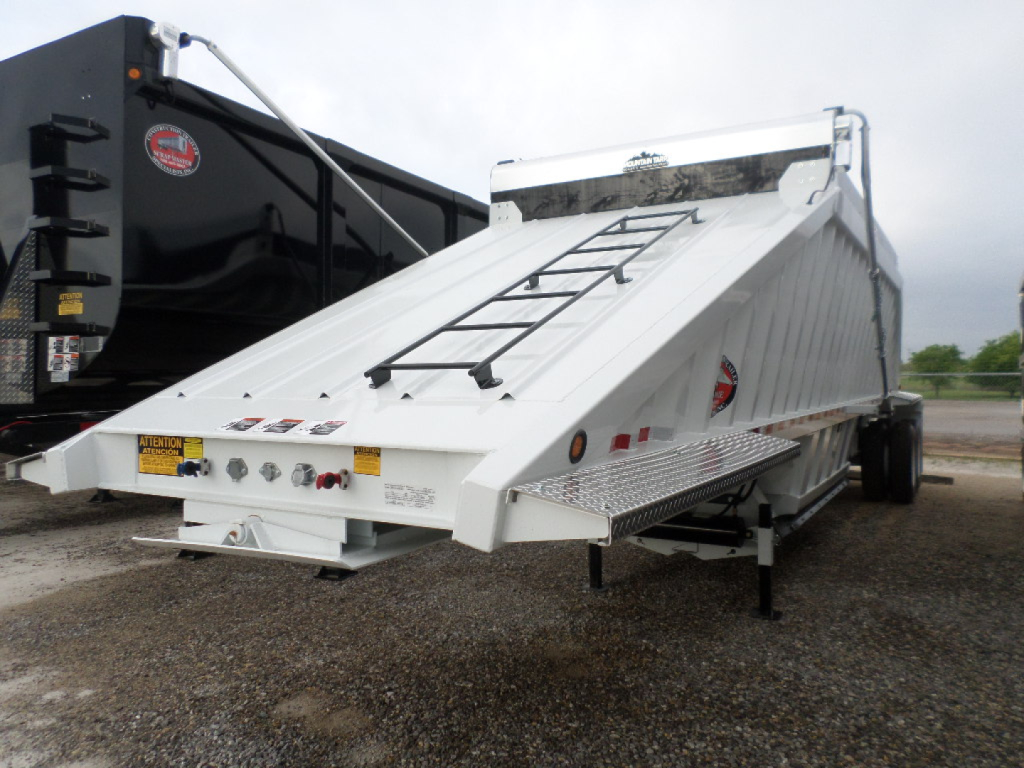
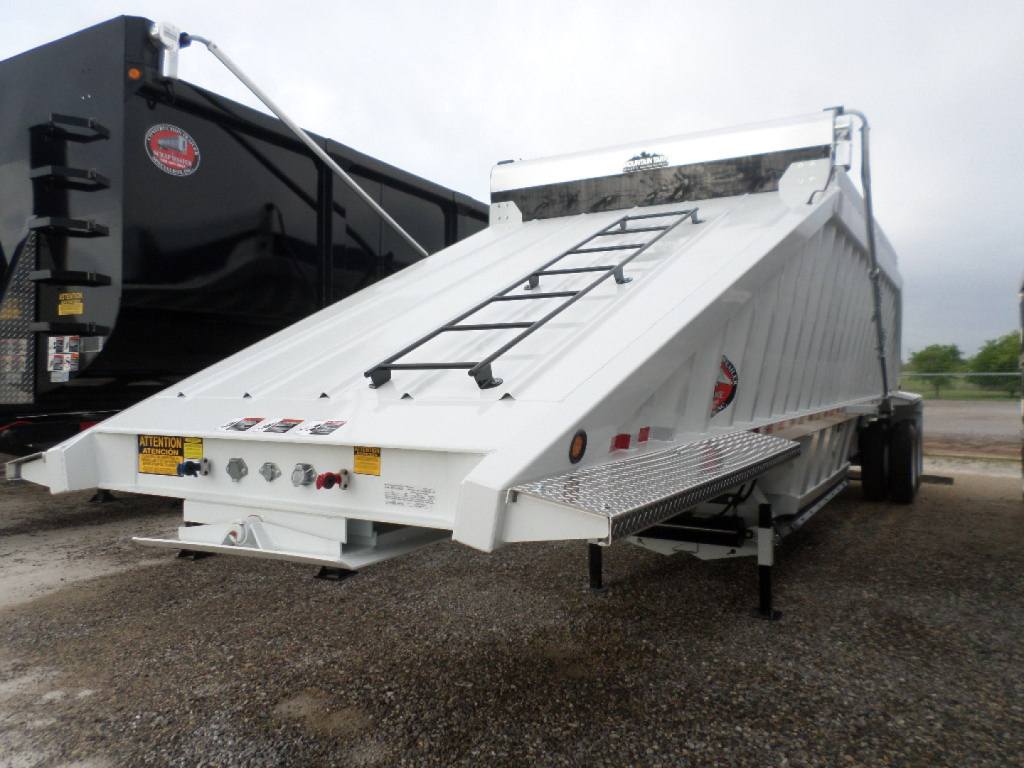
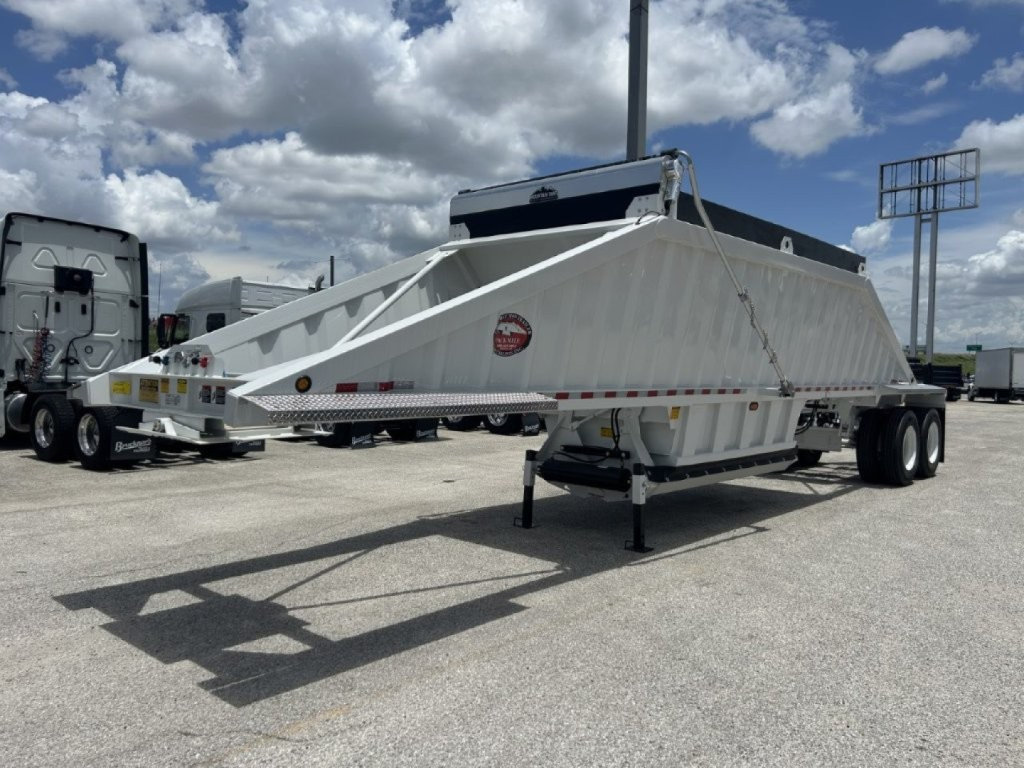
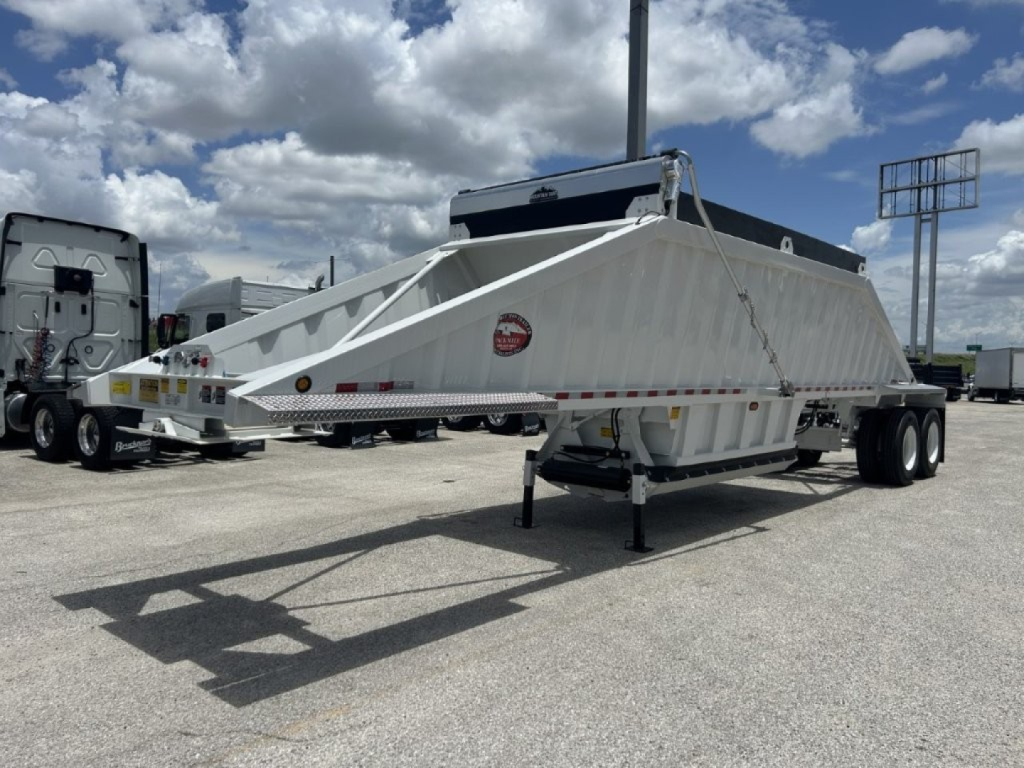
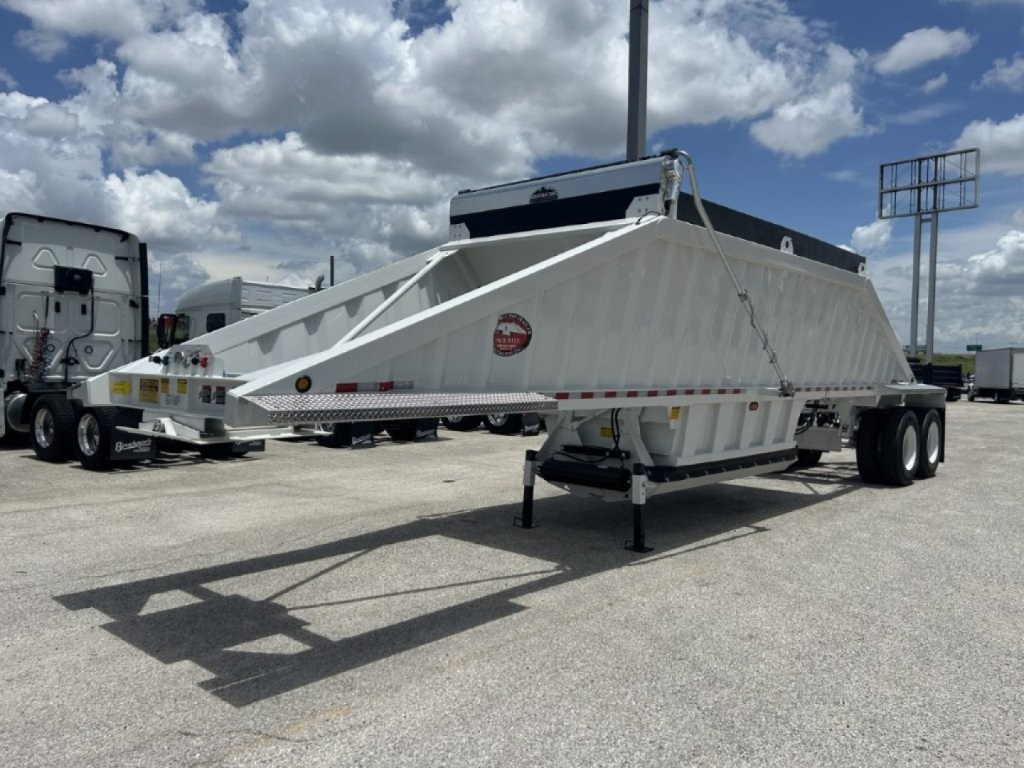
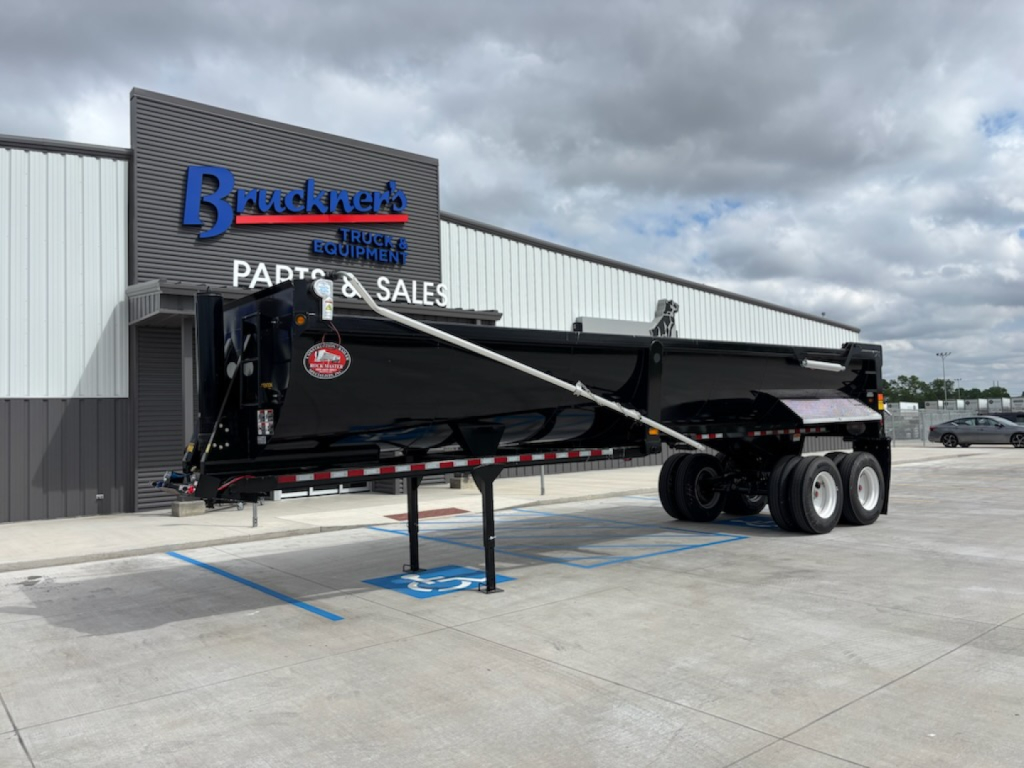
Selling a new cts dump trailer? List your new cts dump trailer for sale and reach thousands of commercial buyers.
New CTS Dump Trailers in Texas
One of the main buying decisions is spring ride versus air ride. Spring ride is straightforward, durable, and often preferred for rougher jobsite conditions where simplicity and lower maintenance are priorities. Air ride can improve load stability and ride quality, which helps when hauling material that shifts easily or when trying to reduce shock transfer to the trailer and tractor. Buyers should also compare slope sheets against smooth wall or no-slope-sheet bodies. Slope sheets help material evacuate faster and cleaner, especially with sticky or damp loads, while a lighter-weight body without them may appeal to operators focused on maximizing legal payload.
Details that look minor on paper can matter every day in the field. Electric flip tarp systems are practically standard for many dump trailer applications because they speed up load securement and help meet road compliance. Windrow deflectors, gate seals, quick-release valves, extended push blocks, and large-capacity air tanks all support easier operation and cleaner dumping. Front and rear fenders, steel wheels, and reinforced body construction are also worth reviewing closely, especially for fleets running in abrasive aggregate service or on uneven entrances. A new CTS dump trailer should be evaluated not just by cubic yard capacity, but by empty weight, hoist performance, gate design, suspension spec, and how the body is set up for the exact material being hauled.
For Texas operations, it also makes sense to match the trailer to route conditions and axle laws. A 40-foot tandem dump trailer is a common fit for contractors needing a balance of maneuverability and volume, but payload depends on material density and local bridge formula limits. Heavier materials like wet sand, rock, and millings can max out legal weight long before the body is full, while lighter materials may let you use the full cubic capacity. Buyers comparing new CTS dump trailers should pay close attention to body dimensions, suspension type, tarp setup, air system components, and unload characteristics so the trailer matches the work instead of forcing the work to match the trailer.
Frequently Asked Questions about New CTS Dump Trailers in Texas
What is the difference between spring ride and air ride on a dump trailer?
Spring ride is generally favored for its mechanical simplicity, lower upfront cost, and solid performance in tough jobsite conditions. Air ride usually offers a smoother ride and better load stability, which can be beneficial for certain materials and for reducing vibration transferred through the trailer. The right choice depends on haul distance, road conditions, maintenance preferences, and the type of material being moved.
Are slope sheets worth it on a CTS dump trailer?
Slope sheets can be a strong option when material flow and clean unloading are priorities. They help guide the load out of the body and can reduce material hang-up, especially with damp, sticky, or irregular products. A no-slope-sheet or lightweight body may save empty weight and increase payload potential, so the decision usually comes down to whether your work favors maximum legal payload or faster, cleaner dumps.
How much can a 40-foot tandem dump trailer haul?
Capacity is usually discussed in both cubic yards and legal payload, and the two are not the same. A 40-foot tandem dump trailer in this class may offer around 23.5 cubic yards, but actual payload depends on trailer empty weight, tractor setup, axle configuration, and the density of the commodity. Dense products like gravel, sand, and asphalt can reach legal gross weight before the body is full.
What features matter most on a new dump trailer for paving and aggregate work?
The most important features usually include the right suspension, a dependable tarp system, durable body construction, gate sealing, adequate air capacity, and fast-acting brake components such as quick-release valves. Buyers should also consider fender construction, wheel choice, push block design, and whether the body is configured to release material cleanly. These details affect uptime, ease of operation, and how well the trailer handles repetitive load-and-dump cycles.
Why is trailer empty weight important when comparing new dump trailers?
Empty weight directly affects how much payload you can carry while staying legal. Two trailers with similar body dimensions can perform very differently if one has a heavier build or more options. If your operation hauls dense materials, shaving unnecessary tare weight can make a real difference in revenue per load, but it should be balanced against durability and the demands of your routes and jobsites.