
Commercial Trucks For Sale in Nebraska
Used trucks for sale in Nebraska. Compare day cabs, sleepers, dumps and vocational specs for I-80 long haul, grain, livestock and regional work.
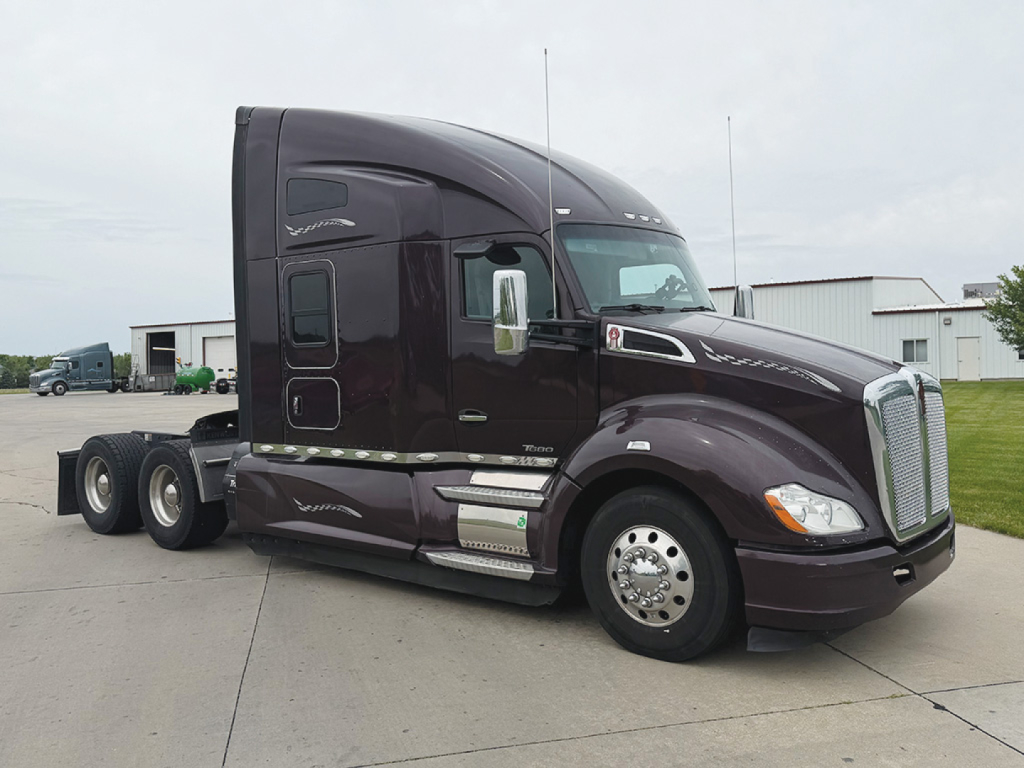
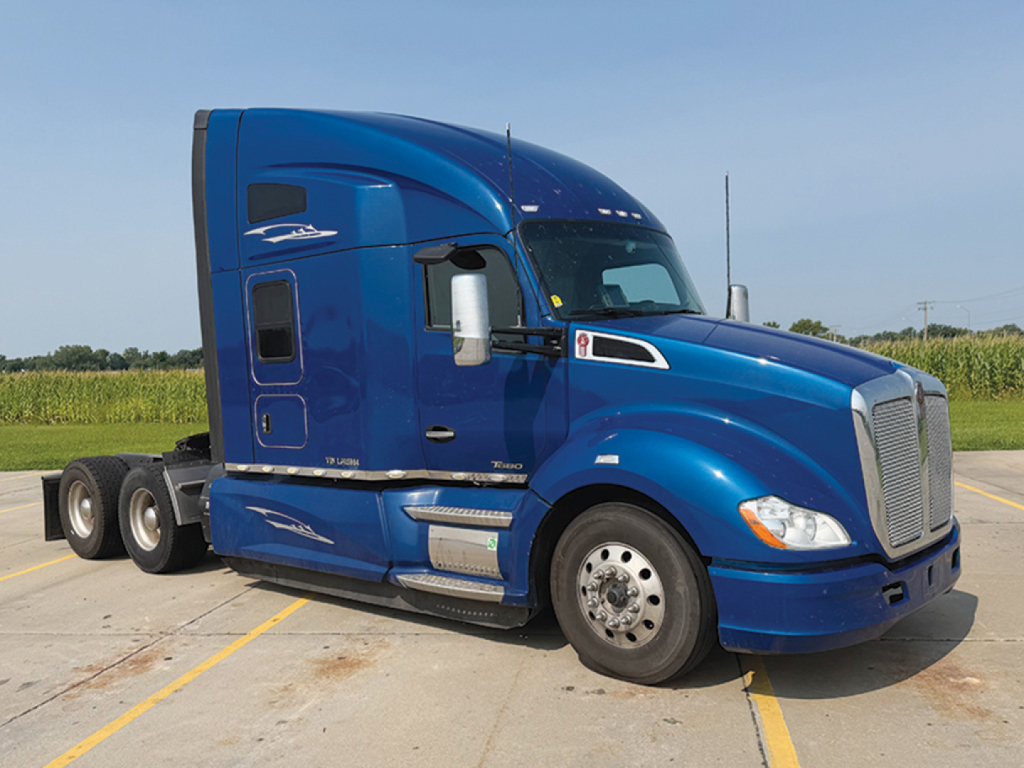
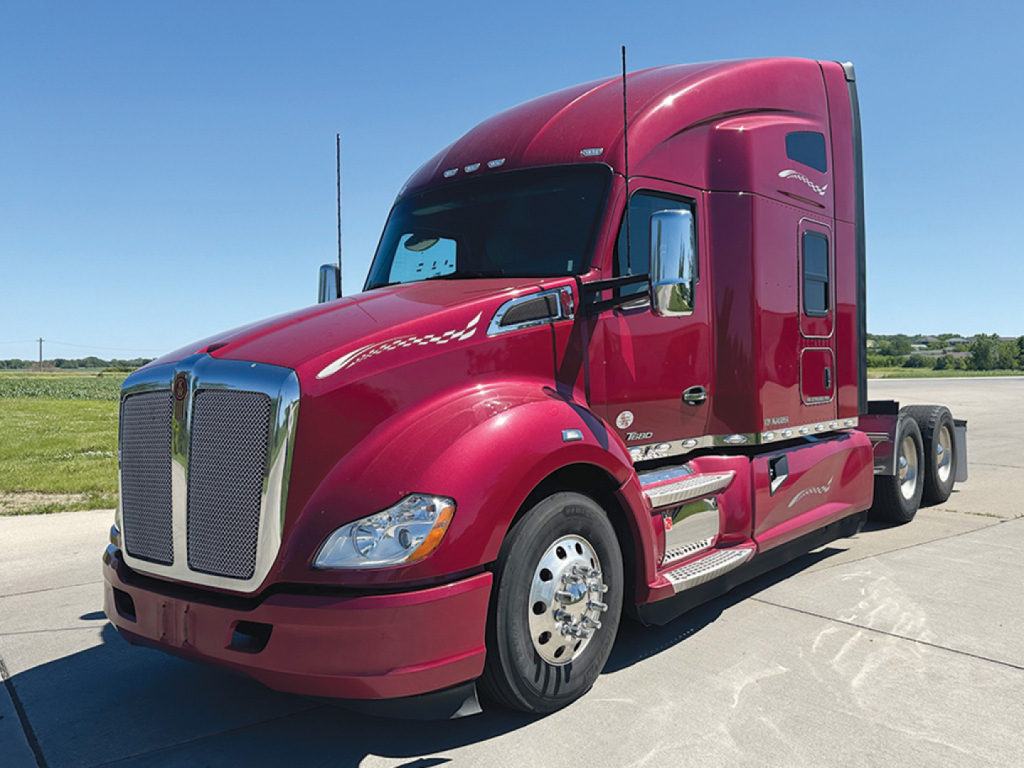
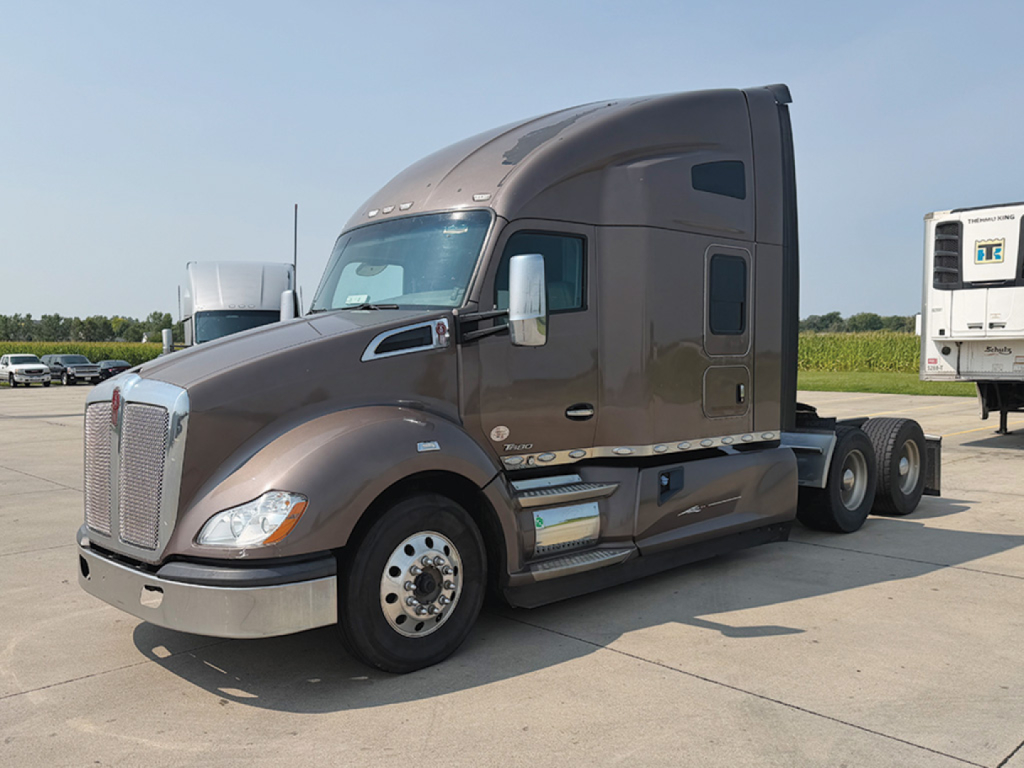
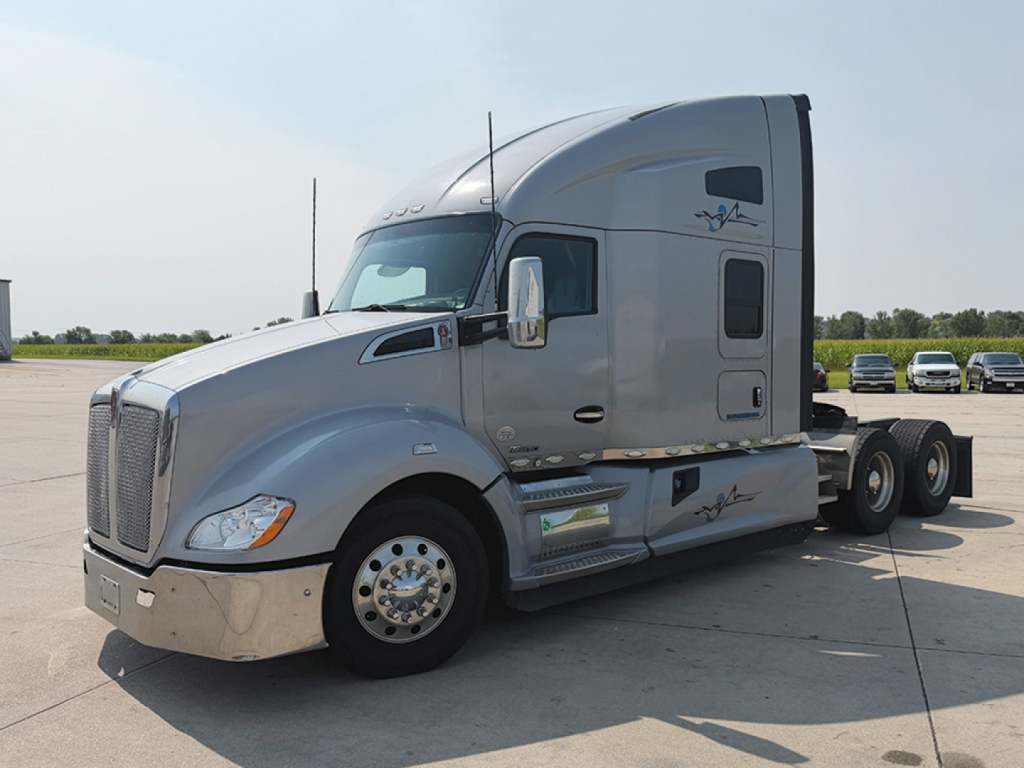
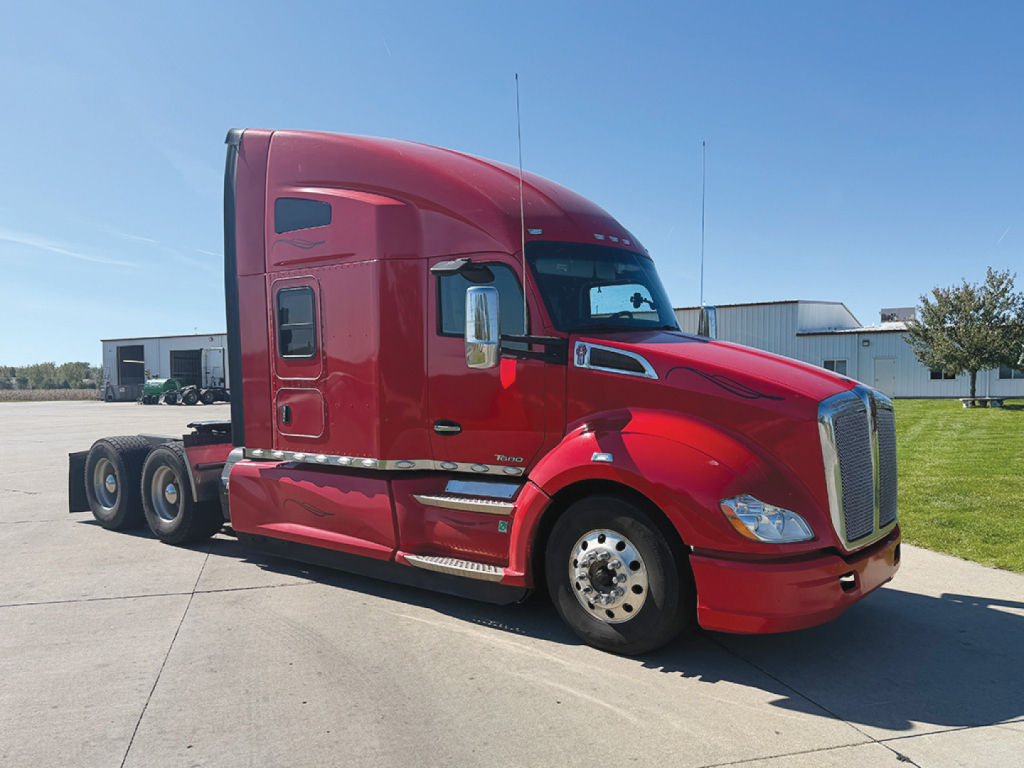
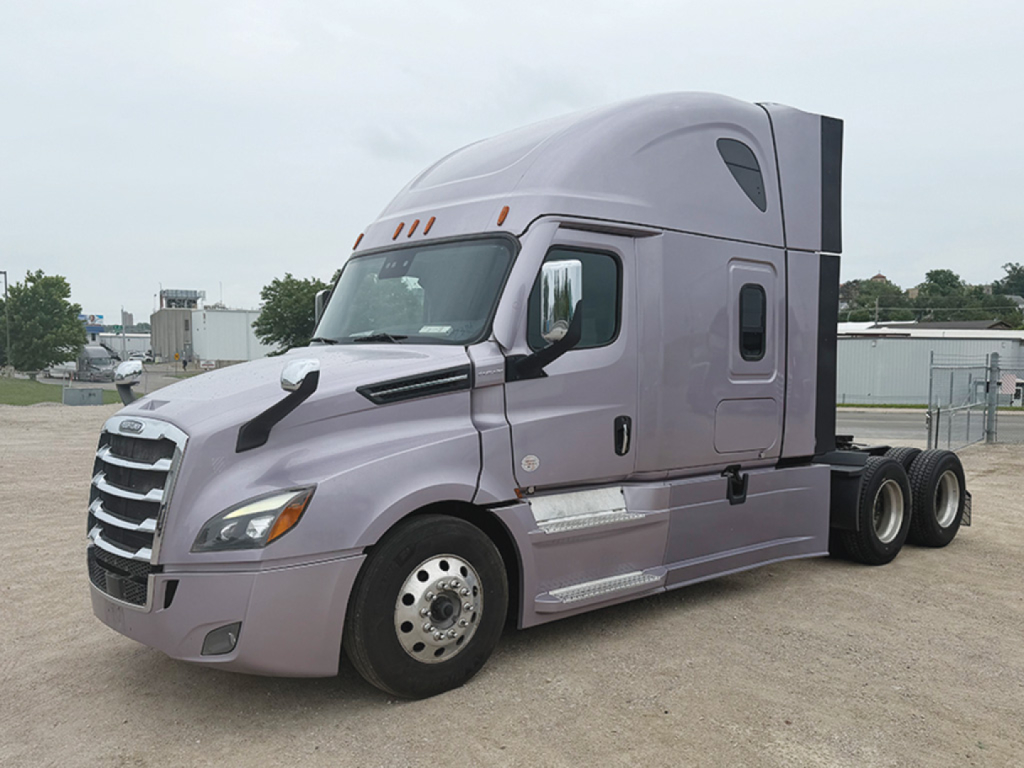
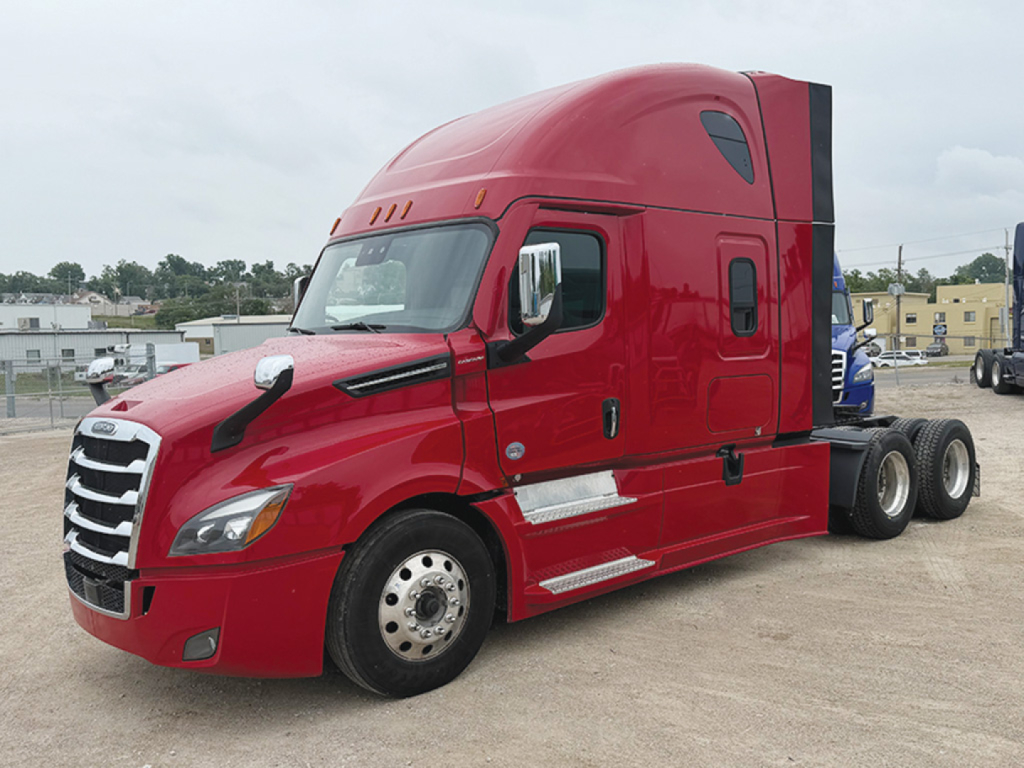
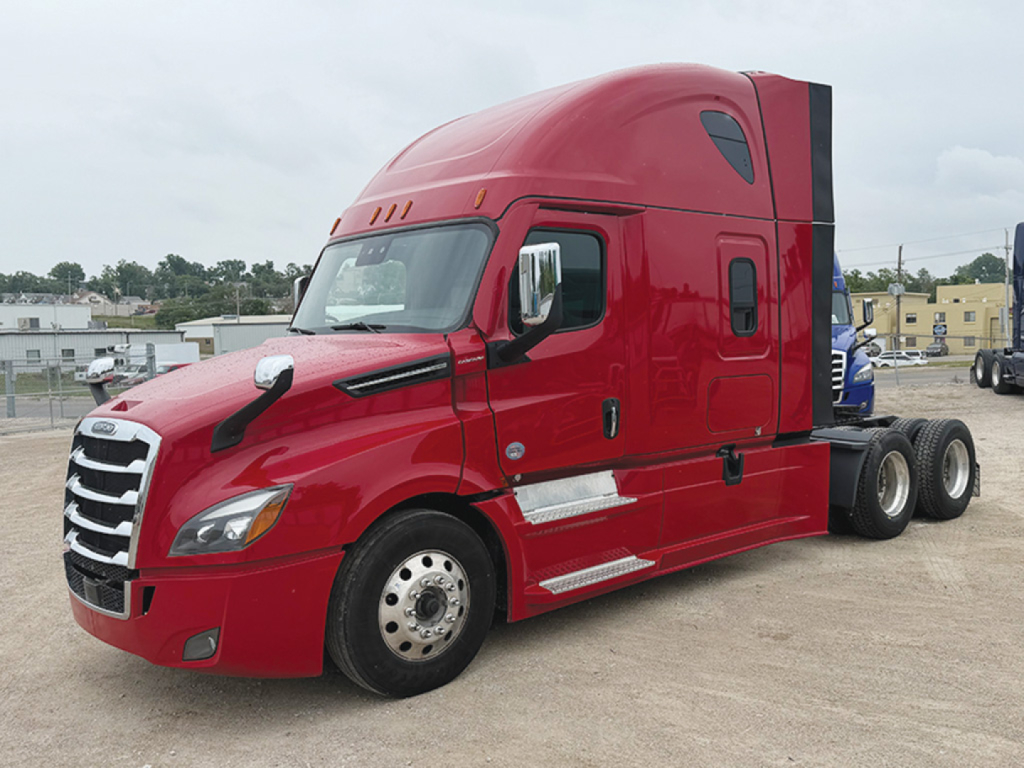
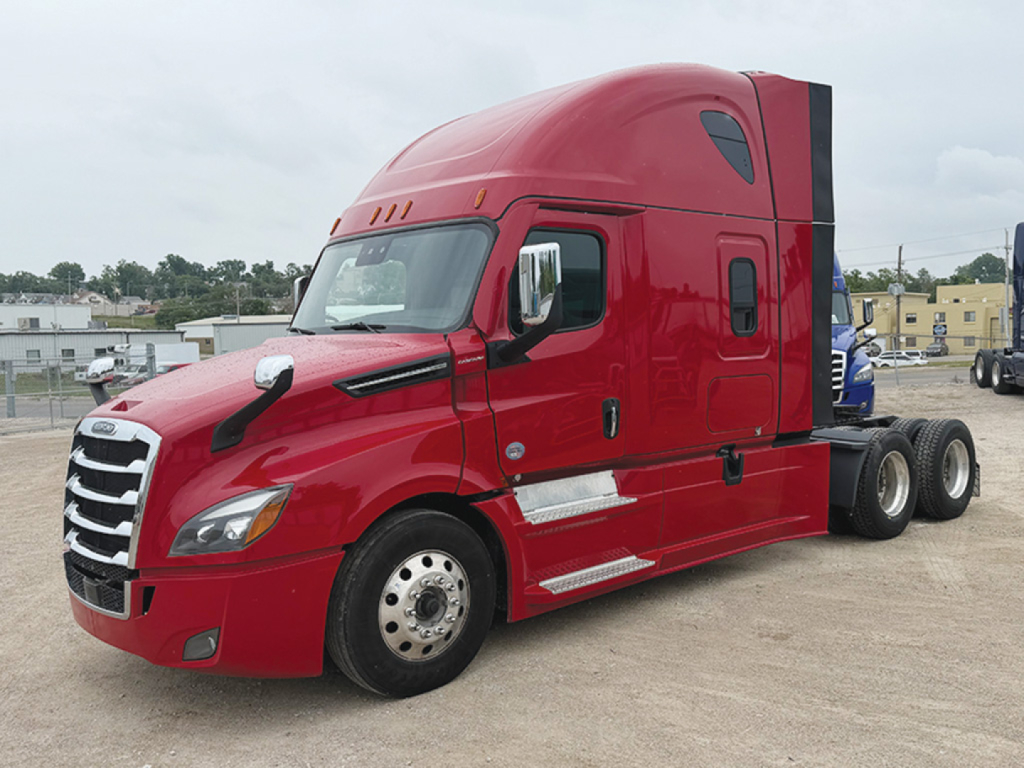
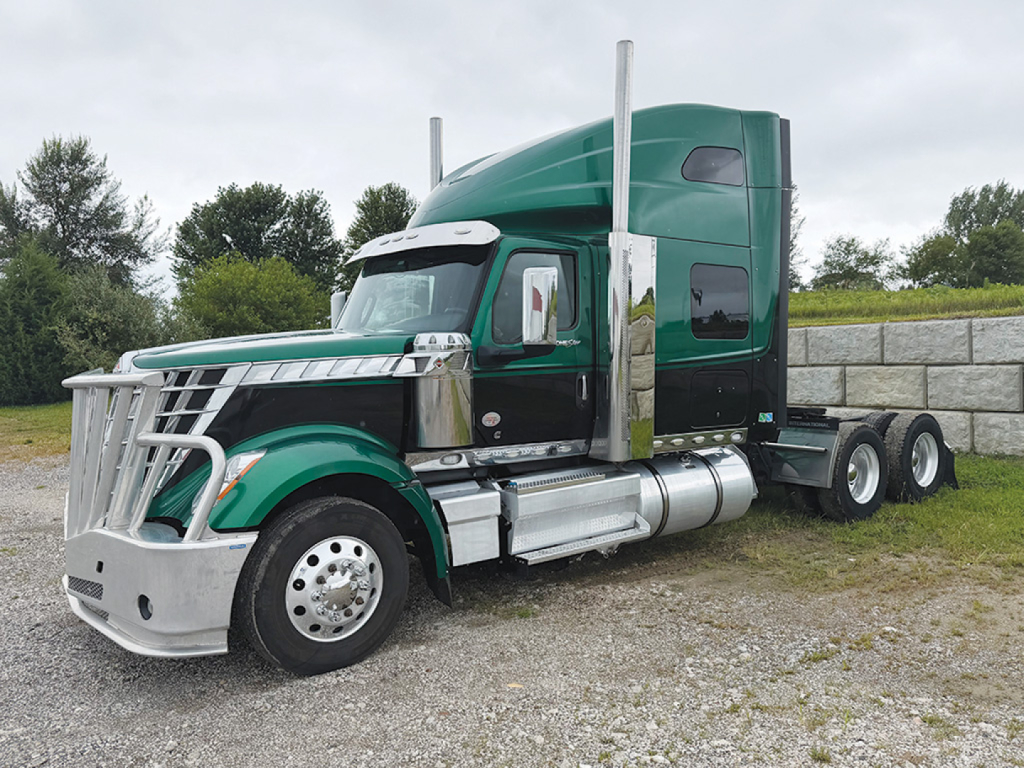
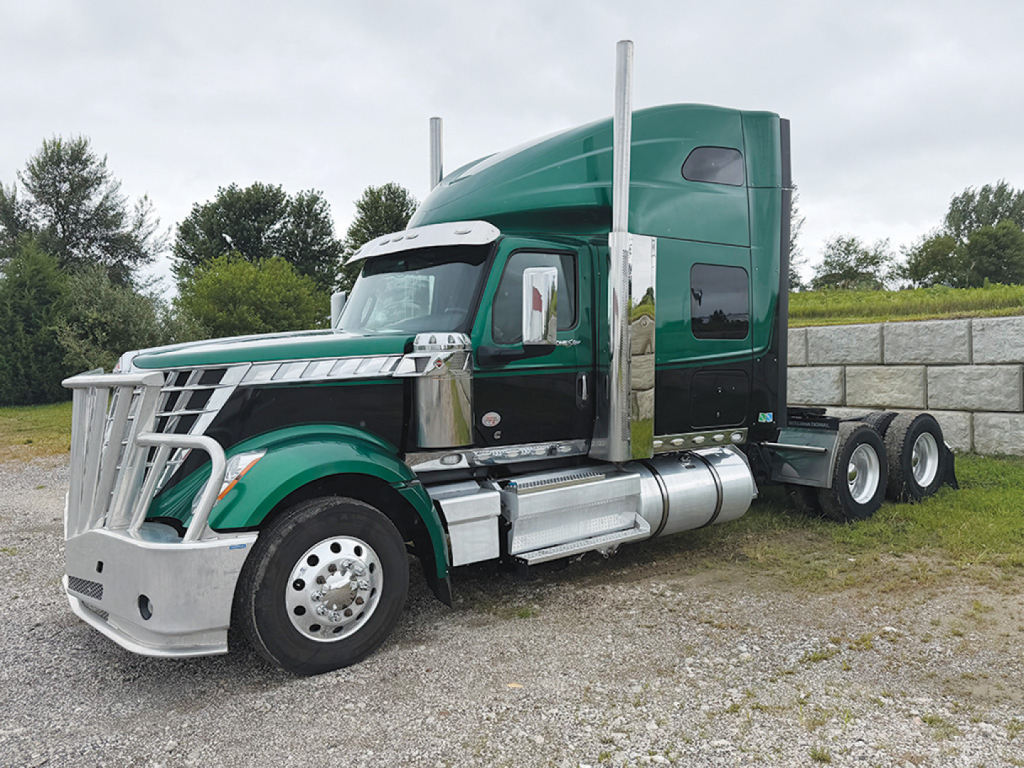
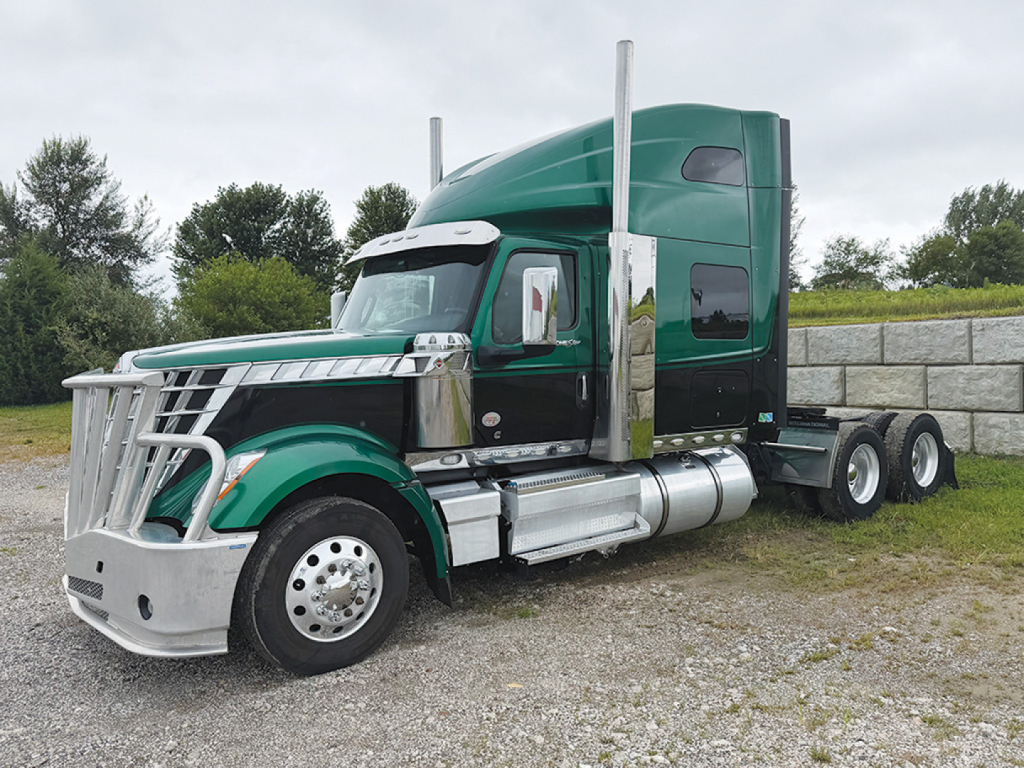
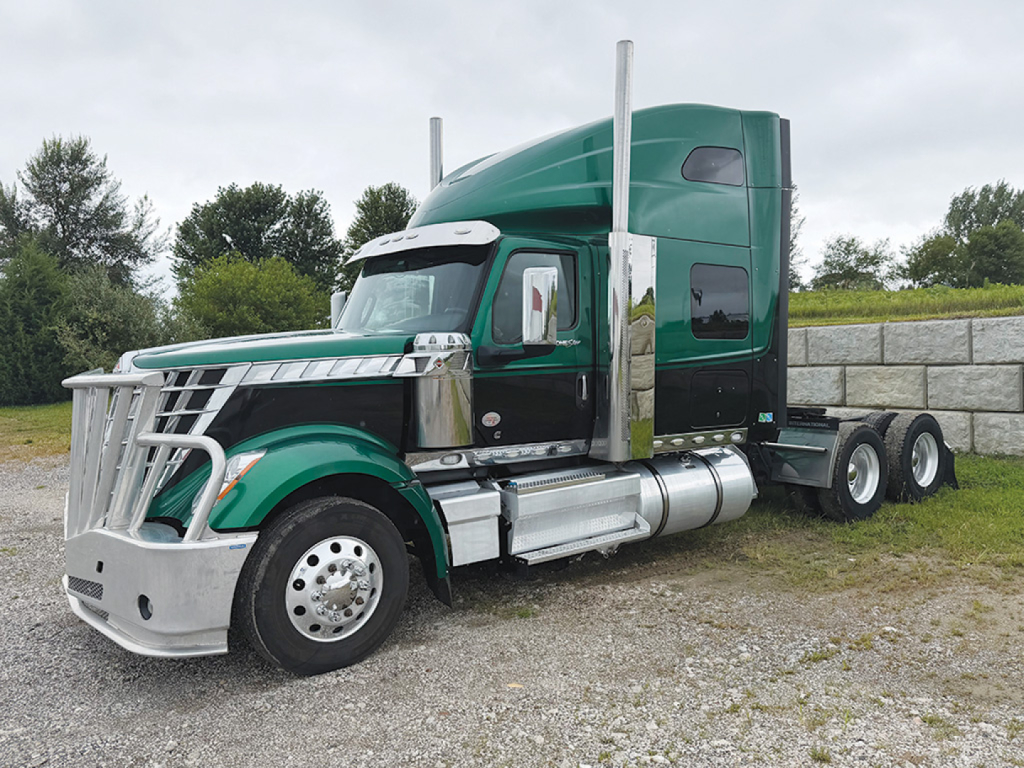
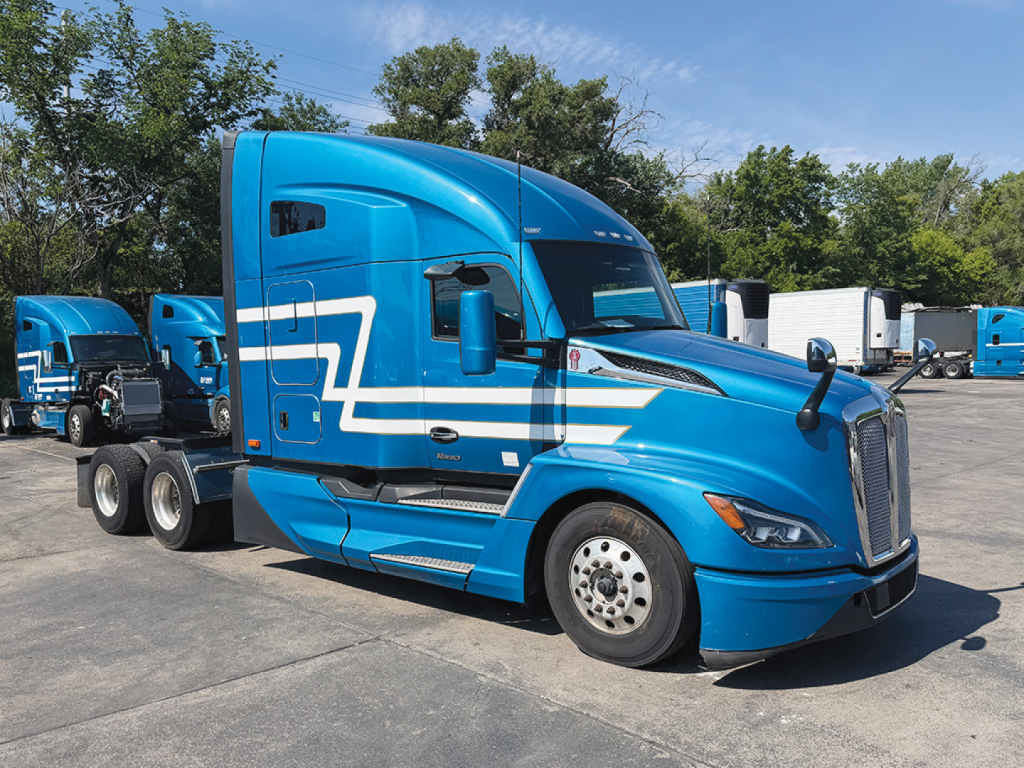
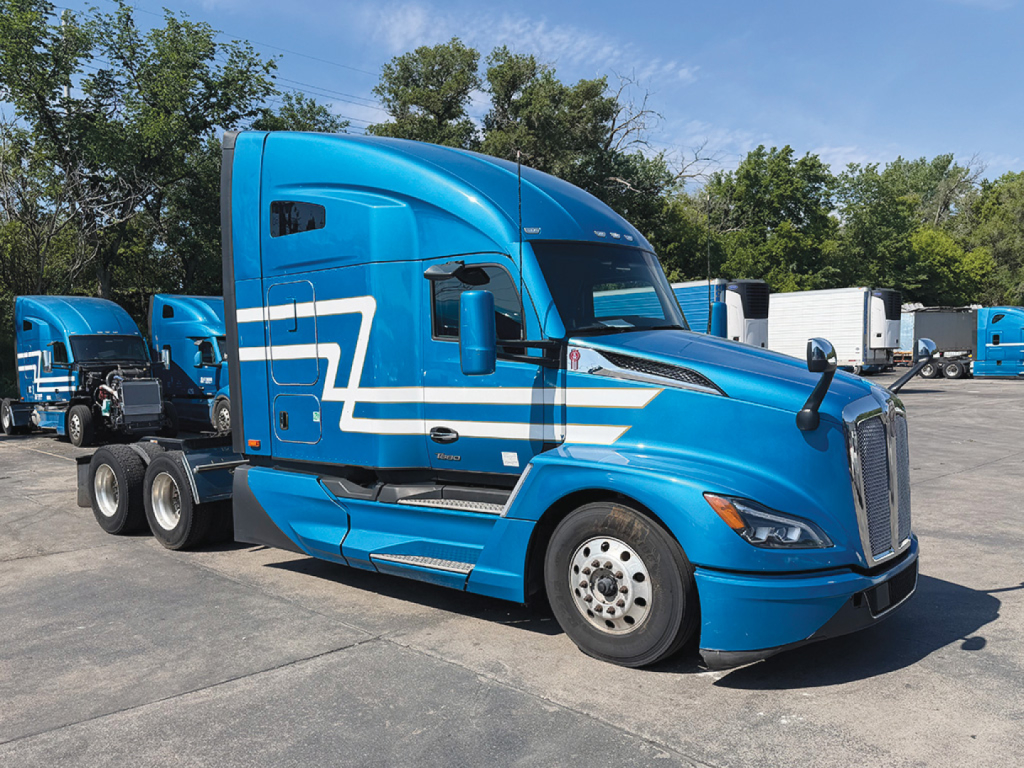
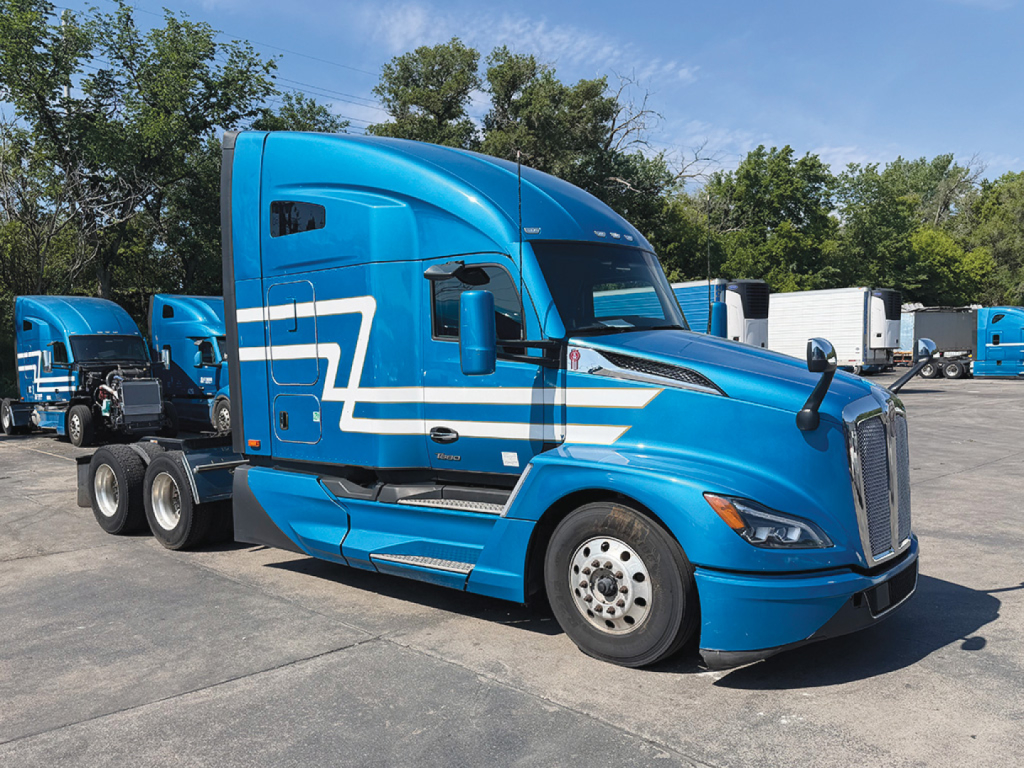
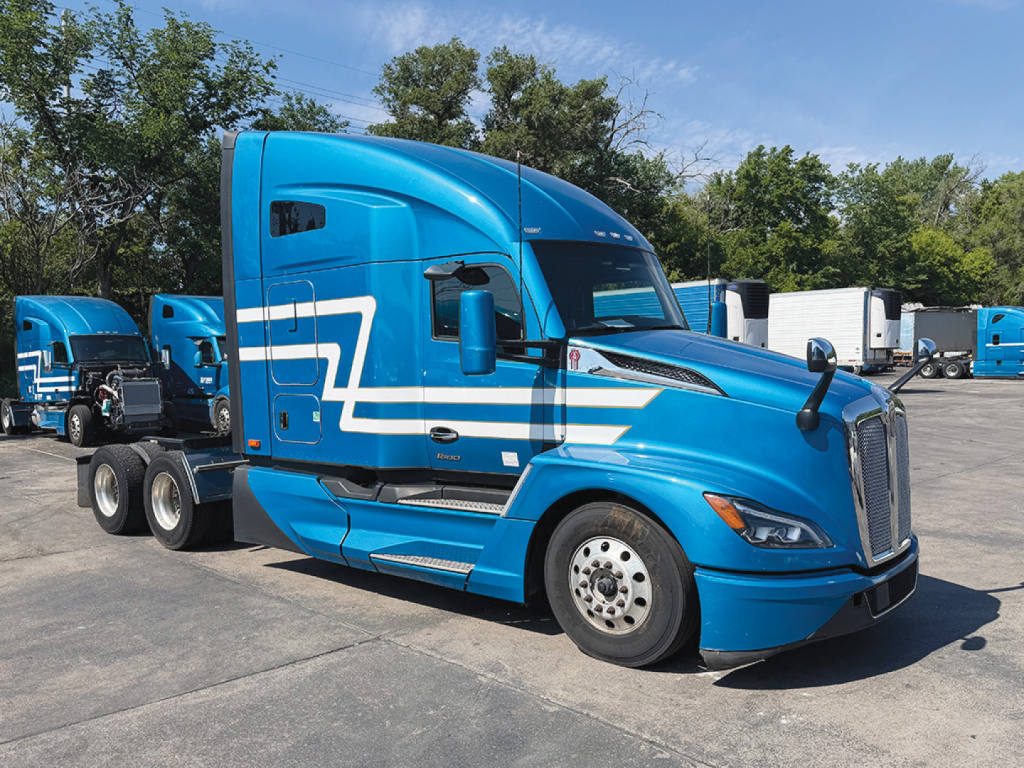
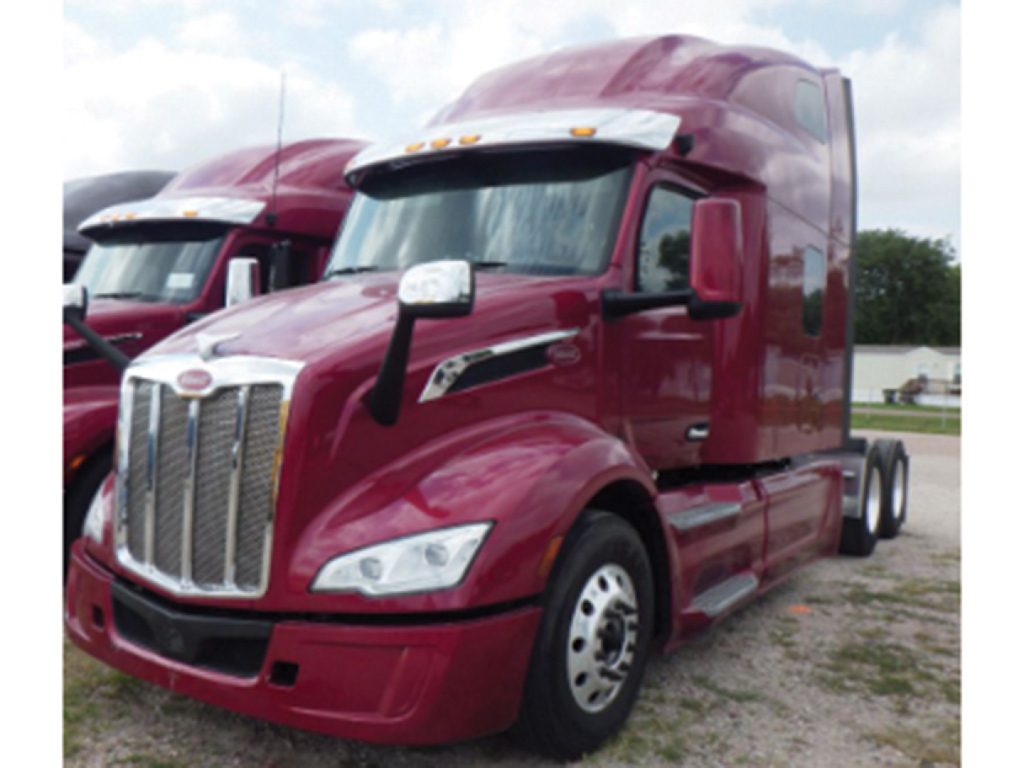
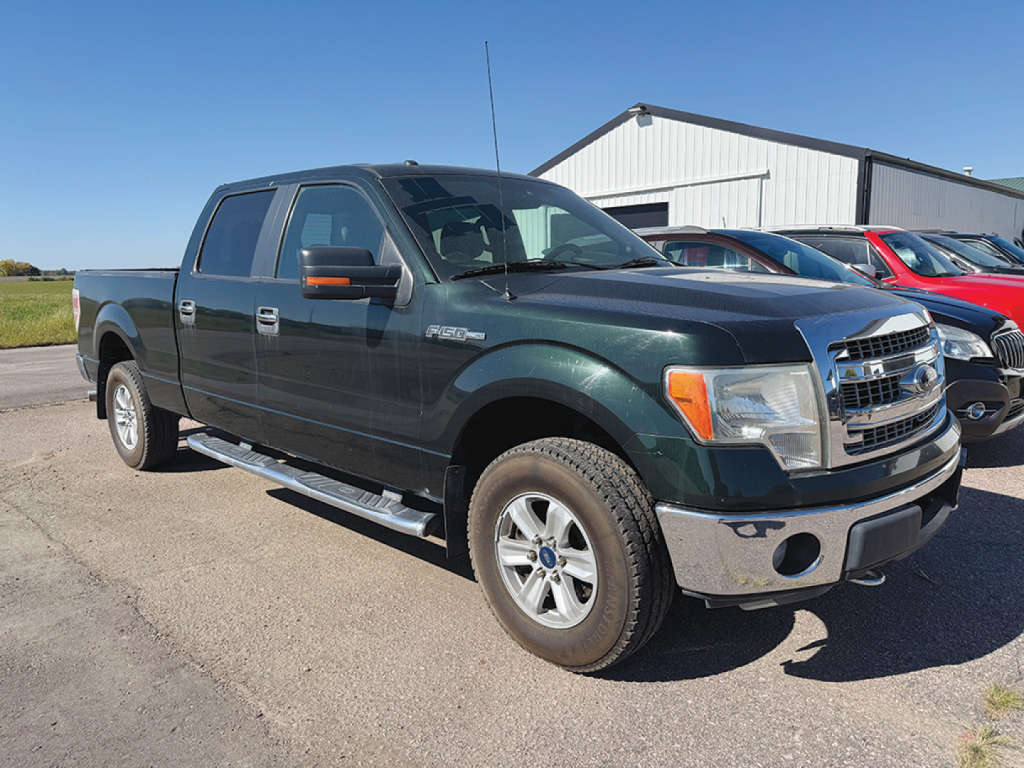
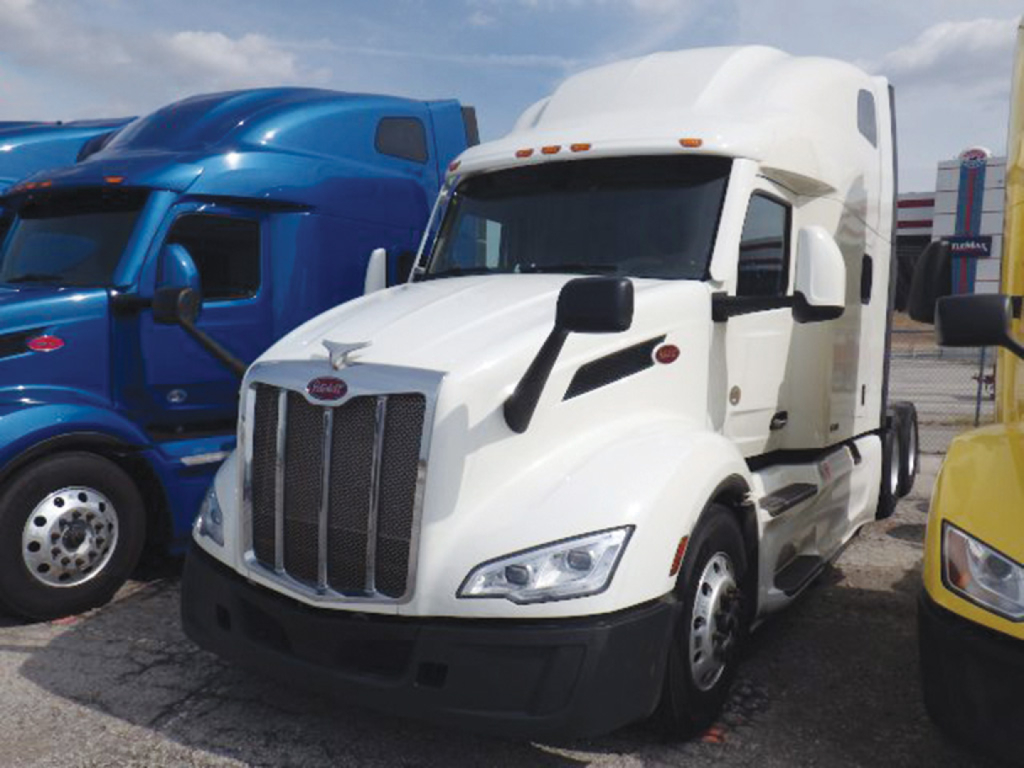
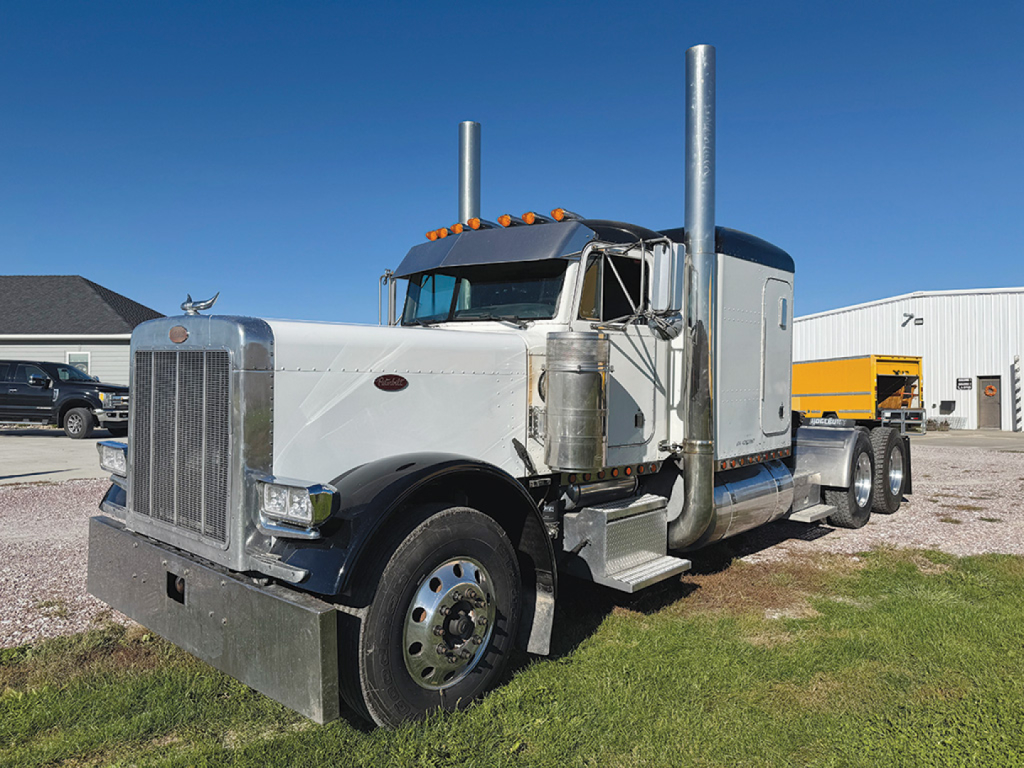
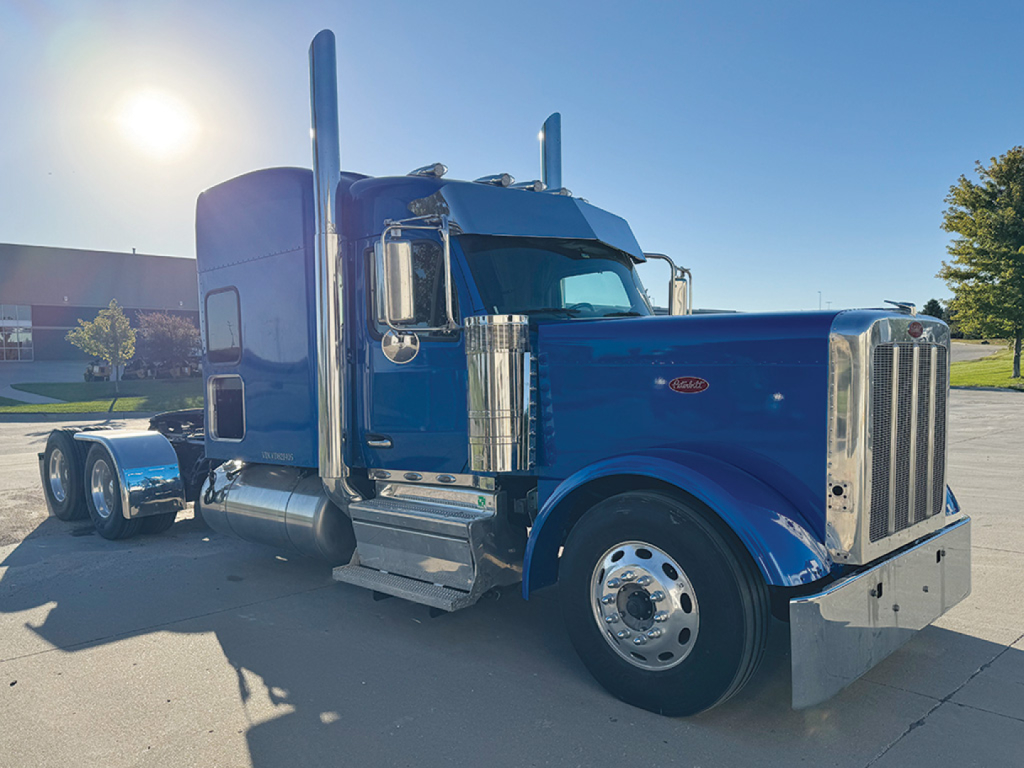
Showing 1 to 28 of 131 results
Selling a commercial truck? List your commercial truck for sale and reach thousands of commercial buyers.
Commercial Trucks in Nebraska
Day cabs dominate grain, fertilizer and regional freight where home-daily schedules matter and shorter wheelbases improve elevator and farmyard maneuverability. Sleepers suit livestock, reefer and long-haul dry van across the I-80 corridor, where aero packages, fairings and low-rolling-resistance tires pay back quickly. Fifth wheel slider travel, ride height and cab-to-axle dimensions should match common trailers in the area, from hopper bottoms and cattle pots to end dumps. Nebraska winters reward practical traction specs like inter-axle and full-locking differentials, good engine brake control and 11R22.5 or 24.5 tires with adequate tread depth. Cold-start gear such as block heaters, battery blankets and fuel tank heaters reduces downtime when temps drop.
Vocational trucks for construction, aggregate and feedlot service often run heavier frame rails, insert liners and 20k steer with 40k to 46k rears. Lift or pusher axles help bridge compliance and spread weight on county roads. Body selection matters: aluminum grain boxes save tare, steel dump bodies add durability, and high-wear liners and electric tarp systems speed cycle times. Spec the right PTO and wet kit for end dumps, live bottoms or blower work at mills and ethanol plants. Suspension choice should reflect terrain and duty cycle, with air ride favored for highway and livestock comfort and walking beam or heavy rubber block setups for off-pavement durability. Drum brakes remain prevalent for serviceability, while air disc brakes improve fade resistance on frequent stop routes.
On used units, emissions generation and maintenance history are key. EPA 2007 introduced DPFs, 2010 added SCR with DEF, and 2017 onward tightened GHG standards with more aggressive downspeeding and aero. Inspect aftertreatment condition, doser and sensors, check for forced-reg history and verify recent DOC/DPF cleaning. Cold-weather readiness includes a healthy air dryer, tested batteries, correct coolant concentration and functioning bunk heat or APU for sleeper tractors. Look for corrosion from liquid de-icers on frame flanges, crossmembers, brake lines and cab mounts. A thorough pre-purchase evaluation should include an ECM download, blow-by test, alignment check and oil and coolant sampling. Match final spec to gross weights, routes and commodity, and confirm axle spacings and permits align with current Nebraska bridge and seasonal rules.
Frequently Asked Questions about Commercial Trucks in Nebraska
What specs work well for Nebraska grain hauling with a day cab?
A mid-HP 13 to 15 liter engine around 430 to 485 horsepower with 1650 to 1850 lb-ft torque, a 10 to 12 speed automated or manual, and rears in the 3.08 to 3.55 range is a versatile starting point. Aim for inter-axle and at least one driver diff lock, good approach angle and a wheelbase that balances bridge needs with elevator maneuverability. Aluminum wheels and 22.5 LP tires help tare weight. If you pull hoppers or end dumps, confirm fifth wheel height, slider travel and a PTO or wet kit if your trailer requires it.
What axle ratio is best for I-80 long-haul in Nebraska?
For steady highway speeds, downsped combinations with 2.26 to 2.64 rears paired to a direct-drive or small overdrive transmission are popular because they lower engine RPM at cruise and improve fuel economy. The ideal choice depends on your tire revs per mile, governed speed and terrain. If you routinely operate below 60 mph, haul heavier or see more rolling terrain, a slightly faster ratio such as 2.79 to 3.08 can keep the engine in its efficient torque band without excessive shifting.
How should I evaluate a used truck for cold-weather readiness?
Confirm the presence and condition of a block heater, strong batteries with recent test results, clean battery and ground connections, and functioning fuel tank heaters or a fuel filter heater. Inspect the air dryer and purge valve, verify coolant concentration and service history, and check that cab and bunk heaters work properly. Look over air lines, harness connectors and frame rails for corrosion from liquid de-icers. A winter front and proper grill sealing help maintain engine temperature during extended idling or low-load operation.
Which emissions model years are easiest to live with on the used market?
Later 2010 and newer SCR-equipped engines generally have more stable regeneration and better fuel economy than early DPF-only systems, provided the DEF and dosing components are maintained. By the 2014 to 2017 period many OEMs refined EGR coolers, sensors and software. Regardless of year, the best predictor of reliability is documented maintenance: regular DPF cleanings, timely sensor replacements, quality DEF usage and coolant system care. An ECM download and aftertreatment inspection are more important than the badge on the hood.
Can I run heavier during harvest on Nebraska roads?
Nebraska may offer seasonal or permitted weight allowances on certain routes, but details vary by roadway type and permit. Always verify current limits, permit requirements and bridge spacing with the Nebraska Department of Transportation and local jurisdictions before loading. Make sure your axle group ratings, tire ratings and suspension capacities match any planned weight increase, and confirm your elevator or mill scale policies to avoid surprises at delivery.