
2026 Commercial Trucks For Sale in Nebraska
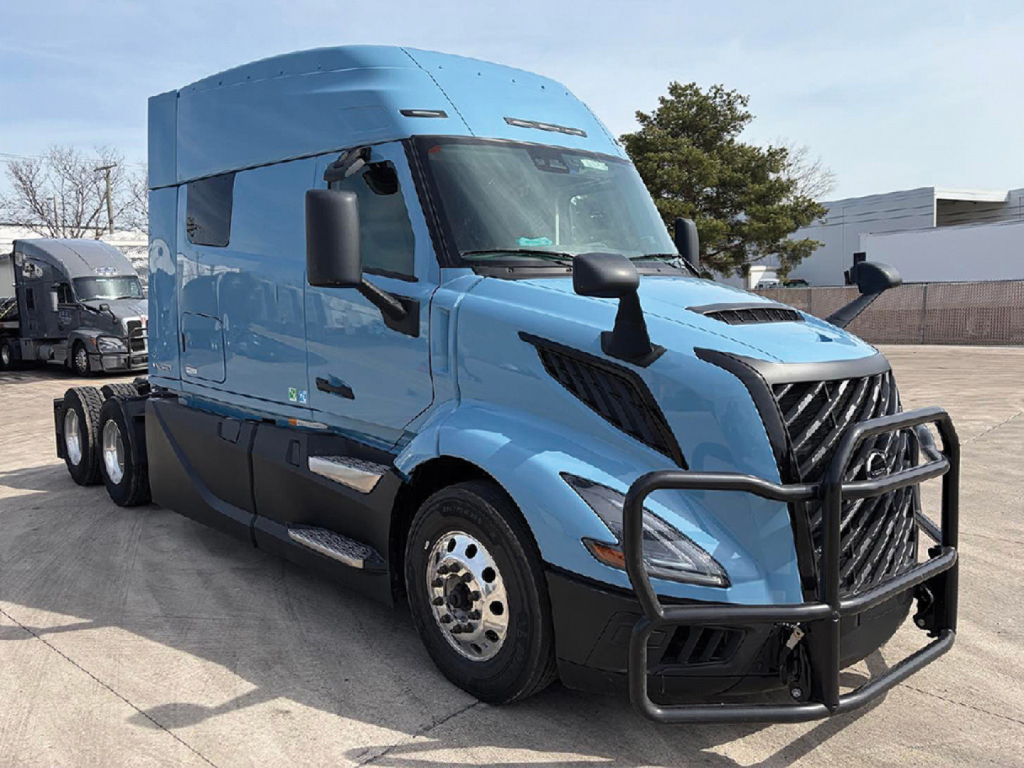
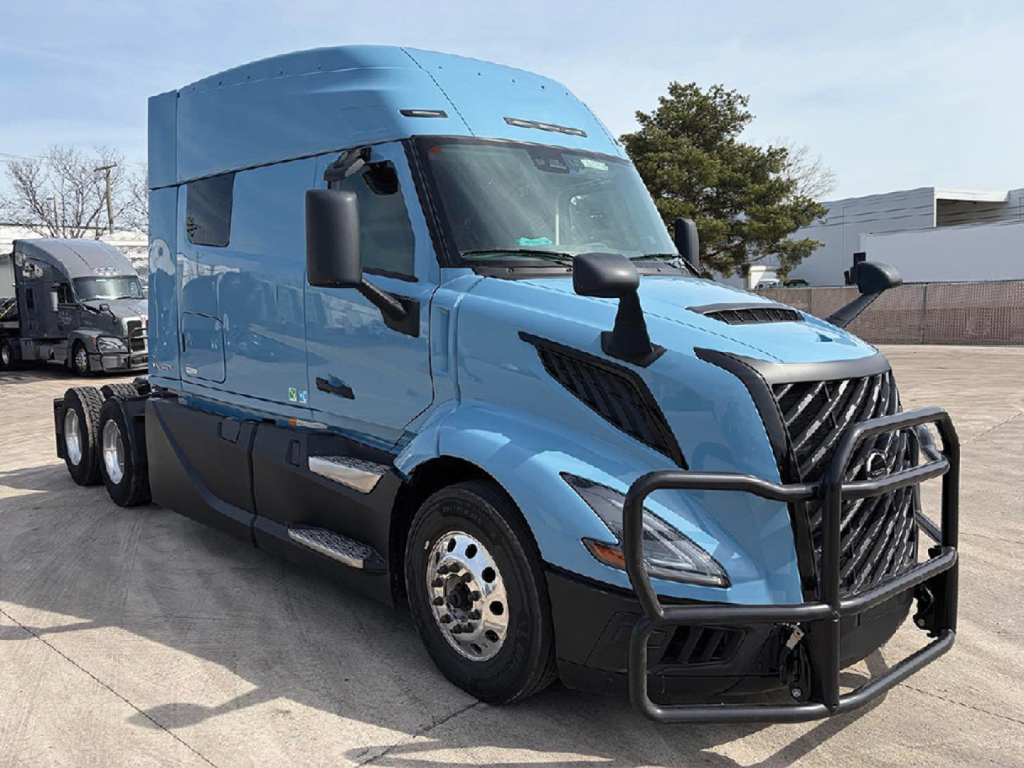

Have 2026 commercial truck to sell? List it here to reach thousands of buyers.
2026 Commercial Trucks in Nebraska
Frequently Asked Questions about 2026 Commercial Trucks in Nebraska
What should I look for first when comparing 2026 trucks for sale in Nebraska?
Start with the application, then match the truck’s cab, wheelbase, axle ratio, and powertrain to that job. A day cab with a shorter wheelbase and faster rear ratio fits local hauling, feed runs, and regional freight better than a long-wheelbase sleeper. A sleeper with a fuel-efficient automated transmission, fairings, and a lower numerical rear ratio usually fits interstate miles and longer dwell times better. Nebraska buyers should also pay close attention to winter drivability, suspension setup, and tire spec because a truck that sees I-80 year-round needs a balanced spec, not just a high horsepower rating.
Are 2026 trucks mostly automatic, or are manual transmissions still relevant?
Most 2026 highway trucks are built with automated manual transmissions because they improve driver consistency, support fuel economy targets, and reduce clutch wear in mixed fleets. They also integrate well with collision mitigation systems, adaptive cruise functions, and engine brake strategies. Manual transmissions still have a place in specialized applications, including some heavy haul, vocational crossover, and owner-operator specs where direct gear control matters. The right choice depends on driver pool, terrain, maintenance practices, and how standardized you want the fleet to be.
What engine and axle specs are common on newer 2026 conventional trucks?
Many 2026 conventional trucks fall in the 400 to 500-plus horsepower range, with torque and axle ratio selected around the intended load and duty cycle. Regional and fuel-mileage-focused specs often pair an automated transmission with a 2.64 to 3.08 rear ratio, while heavier or more performance-oriented setups may use 3.25, 3.36, or 3.55-plus gearing. Tandem rears around 40,000 pounds remain common in highway tractors, and air ride suspension is still the standard for ride quality and freight protection. Buyers should also compare wheelbase, fifth wheel travel, and fuel capacity because those details affect trailer compatibility and route flexibility as much as the engine badge does.
Do 2026 trucks have noticeably better safety and driver-assist systems?
Yes. Newer trucks typically offer more integrated safety technology than older models, including collision mitigation, adaptive cruise control, lane departure alerts, electronic stability systems, and improved brake integration. These features can reduce incident exposure and support insurance and fleet safety goals, but buyers should verify which systems are actually installed on a given truck because feature availability varies by make, trim, and original order spec. A truck with the right safety package can be more valuable operationally than one with a bigger engine but fewer driver-assist systems.
Is a sleeper or day cab better for Nebraska operations?
Neither is better across the board. A day cab is usually the stronger choice for local grain, shuttle work, short regional lanes, and operations where drivers return home daily. A sleeper is better suited for longer runs across Nebraska and into surrounding states, especially when route lengths, detention, weather delays, or team driving make bunk space useful. The better question is how many nights the truck will realistically spend away from the terminal, because that usually decides the most cost-effective cab configuration.