
2026 Conventional Sleeper Trucks For Sale in Nebraska
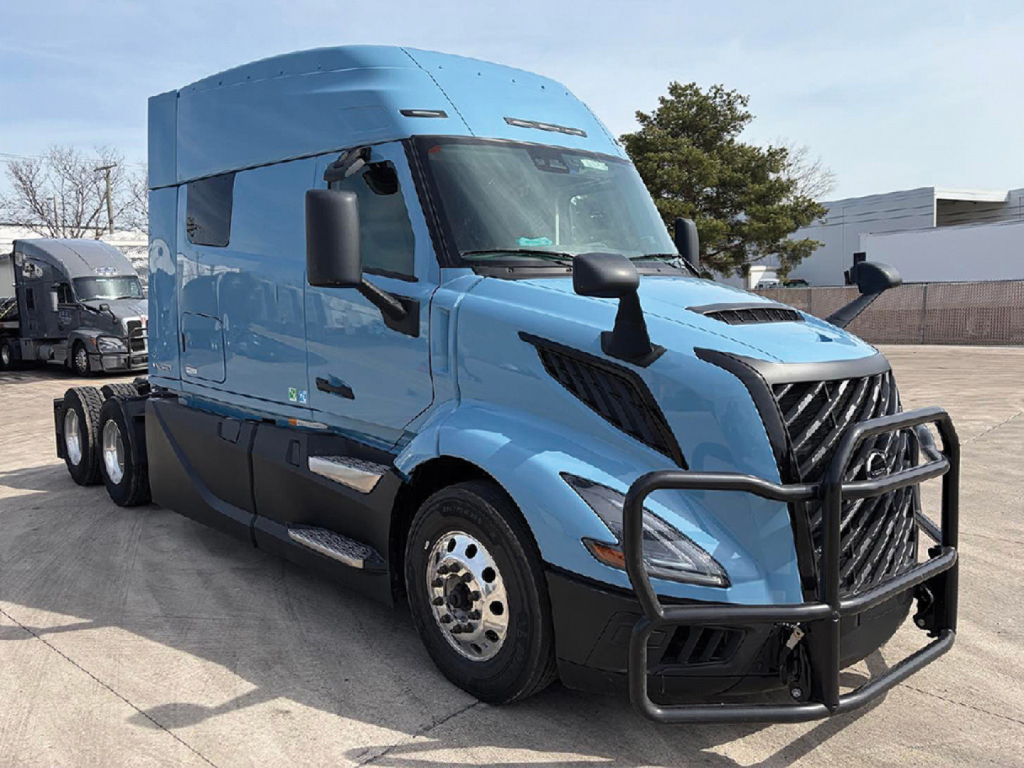
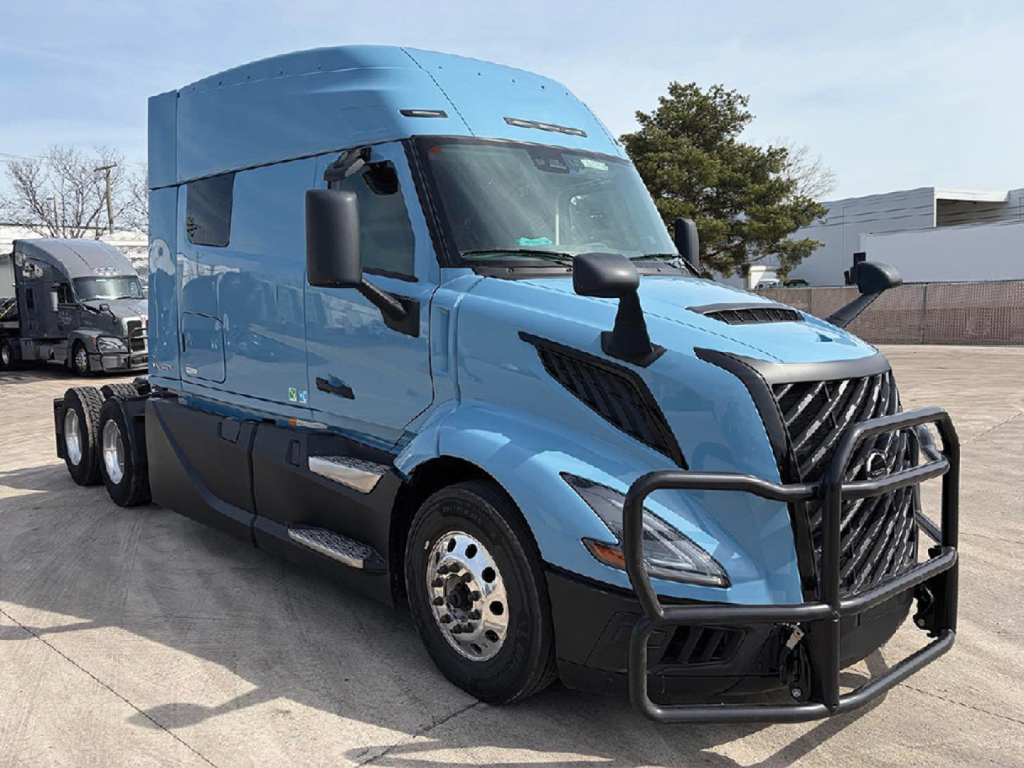

Have 2026 conventional sleeper truck to sell? List it here to reach thousands of buyers.
2026 Conventional Sleeper Trucks in Nebraska
Powertrain spec is usually the biggest cost decision after the sleeper itself. In this category, common engines include 13-liter and 15-liter platforms from Cummins, Detroit, and PACCAR, often rated from about 400 to 565 horsepower depending on the application. Rear axle ratings commonly land around 40,000 pounds, with ratios such as 3.08, 3.25, or 3.36 affecting cruise RPM, startability, and grade performance. Buyers hauling van, reefer, hopper, tanker, or flatbed often balance horsepower and ratio against gross combination weight and average terrain. Manual 13-speed and 18-speed transmissions still appeal in vocational or heavy-haul leaning specs, while automated manuals remain common for fuel economy, driver acceptance, and easier fleet standardization.
Wheelbase, fifth wheel setup, and fuel capacity deserve close attention because they directly affect versatility. A shorter wheelbase can help with maneuverability and bridge law flexibility, while a longer wheelbase may support larger sleepers, bigger tanks, and certain PTO or frame-mounted equipment. Air slide fifth wheels add adaptability across trailer lengths and kingpin settings. Double-frame rails, PTO provisions, product pumps, and disc brakes are all features that can make one conventional sleeper more suitable for specialized work than another. Buyers should also look at suspension type, front axle capacity, tire configuration, and whether the truck is set up with duals or super singles based on maintenance preferences and lane demands.
Driver environment matters more in a sleeper tractor than in almost any other highway truck class. Common features include bunk heaters, APUs, refrigerators, upper bunks, digital dash layouts, and aerodynamic fairings. Those details influence idle reduction, hotel-load capability, and overall driver retention. For Nebraska-based operations running across the Plains or into mountain states, practical specs often matter more than appearance alone: engine brake performance, fuel tank range, cold-weather comfort, and service network support can have a bigger impact on uptime than cosmetic trim. The best 2026 conventional sleeper truck is the one with a spec that matches freight, miles, terrain, and the driver expectation attached to the seat.
Frequently Asked Questions about 2026 Conventional Sleeper Trucks in Nebraska
What is a conventional sleeper truck?
A conventional sleeper truck is a highway tractor with the engine mounted ahead of the cab and a built-in sleeping compartment behind the driver area. It is the standard platform for over-the-road freight because it combines road-service access, strong cooling capacity, and space for rest, storage, and driver amenities. In the market, it may also be referred to as a sleeper tractor, road tractor, or highway sleeper.
What sleeper size is best for long-haul trucking?
For long-haul work, many buyers prefer a 72-inch to 80-inch high-roof sleeper because it gives better standing room, more cabinet space, and a more livable layout for extended trips. A 60-inch mid-roof can still be a strong fit for regional operations or dedicated lanes where the driver is home more often. The right choice depends on trip length, payload needs, wheelbase limits, and how much onboard storage or hotel-load equipment the operation requires.
Should I choose a 13-liter or 15-liter engine in a conventional sleeper?
A 13-liter engine is often selected for fuel-conscious over-the-road freight where gross weights are moderate and highway efficiency is the priority. A 15-liter engine makes more sense when the truck regularly sees heavier combinations, tougher grades, or customer demands for higher horsepower and stronger engine braking. The best engine size depends on average gross weight, terrain, rear axle ratio, transmission type, and target cruise speed.
What rear axle ratio works best in a sleeper tractor?
Common ratios such as 3.08, 3.25, and 3.36 each serve a different purpose. A 3.08 ratio usually supports lower cruise RPM and fuel economy on flatter interstate lanes, while a 3.36 ratio can improve startability and pulling performance in heavier or hillier applications. The correct ratio should be matched to tire size, transmission gearing, engine torque curve, and the type of freight being hauled.
What specs matter most when comparing 2026 conventional sleeper trucks in Nebraska?
For Nebraska buyers, the key spec points are usually sleeper size, horsepower, transmission type, axle ratio, wheelbase, fuel capacity, and cold-weather comfort equipment such as bunk heaters or APUs. It also helps to review engine brake strength, fifth wheel configuration, PTO needs, and service support for the engine and transmission brands in your operating region. These factors have a direct effect on uptime, driver satisfaction, and total operating cost.