
2017 Commercial Trucks For Sale in Nebraska
Browse 2017 trucks for sale in Nebraska, including highway and vocational models with diesel powertrains, axle options, and sleeper or day cab setups.
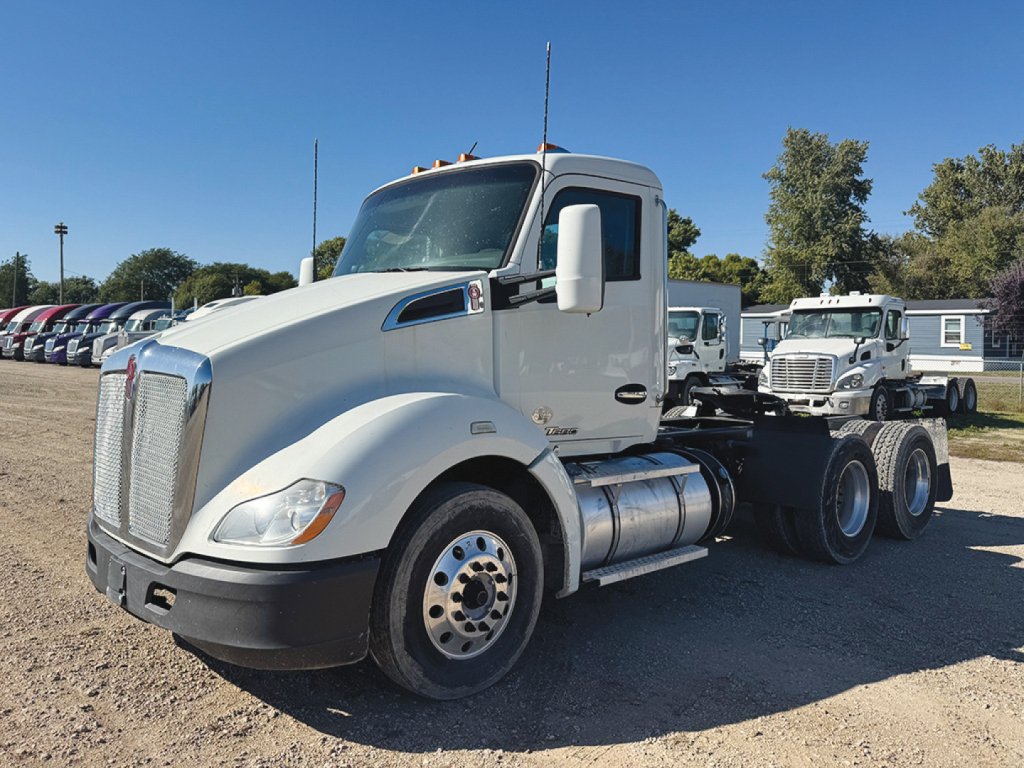
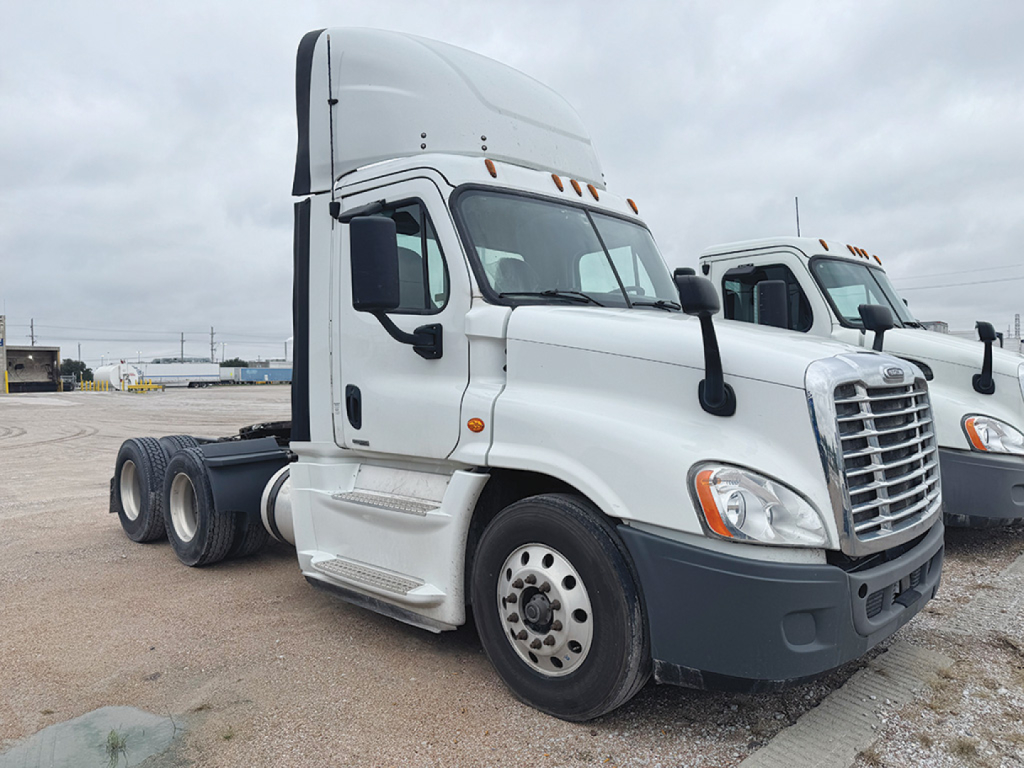
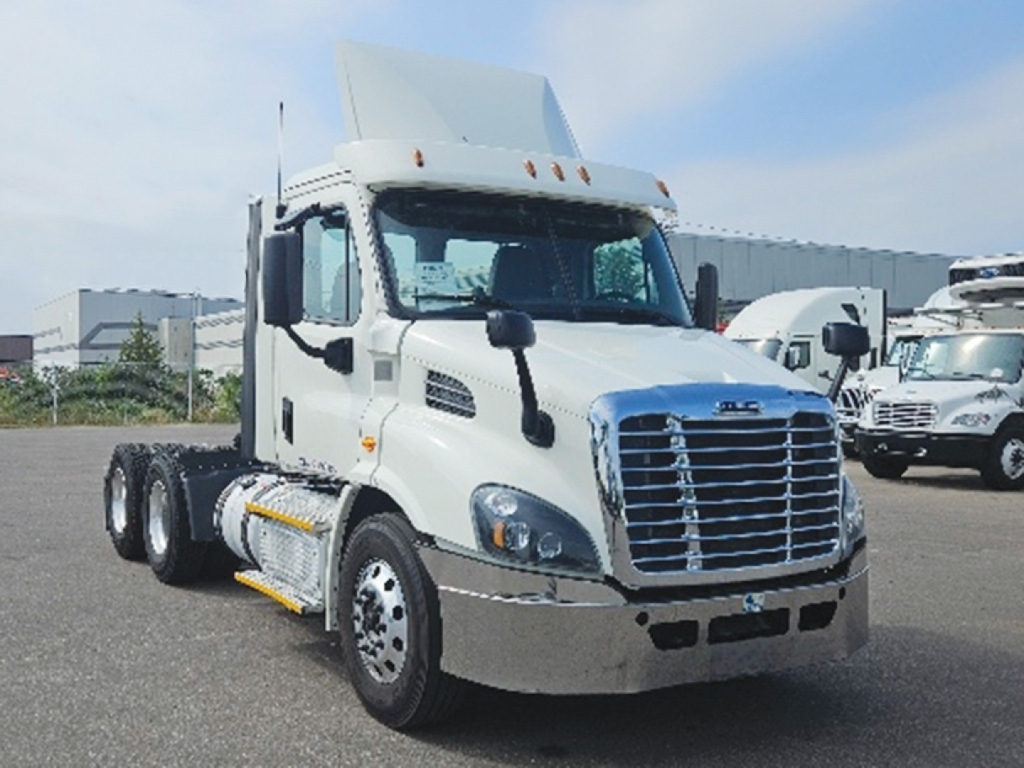

Selling a 2017 commercial truck? List your 2017 commercial truck for sale and reach thousands of commercial buyers.
2017 Commercial Trucks in Nebraska
For linehaul work, many 2017 trucks are conventional tractors, also known as semi tractors or road tractors, with either a day cab or raised-roof sleeper. Buyers should pay close attention to horsepower and torque ratings, rear axle ratio, and transmission type because those three specs shape fuel economy, cruise speed, and gradeability more than almost anything else. A 2.64 or 2.85 ratio usually points to fuel-minded highway service, while a 3.25 or 3.42 setup may fit heavier loads, shorter haul cycles, or more time in rolling terrain. Wheelbase and fifth wheel position matter as well, especially if the truck will need flexible kingpin settings across different trailer lengths and bridge laws.
Nebraska buyers also tend to look closely at condition factors tied to climate and duty cycle. Suspension type, brake spec, tire size, fairings, and corrosion around frame rails, cab mounts, battery boxes, and crossmembers can tell you a lot about how a used 2017 truck was operated and maintained. Disc brakes, air ride suspension, aluminum wheels, dual fuel tanks, engine brakes, bunk heaters, APUs, collision mitigation systems, and adjustable or air-slide fifth wheels are all meaningful features in this age range. If the truck is headed into grain, livestock, feed, or regional commodity service, a day cab with PTO capability, heavier rear axles, and shorter wheelbase may make more sense than a long-wheelbase sleeper tractor.
The best 2017 truck is the one that fits the lane it will actually run. For highway buyers, that means balancing mileage, idle history, service records, and aftertreatment condition against fuel economy and driver comfort. For vocational buyers, it means focusing on frame spec, locking differentials, PTO provisions, axle capacity, and body compatibility before cosmetics. A well-matched 2017 truck can still deliver dependable service if the engine, transmission, suspension, and axle specs line up with the freight, terrain, and annual miles you expect to run.
Frequently Asked Questions about 2017 Commercial Trucks in Nebraska
What should I look for first when buying a 2017 truck in Nebraska?
Start with the intended job, then verify that the truck's cab type, axle rating, wheelbase, engine rating, and transmission are appropriate for that application. For a highway tractor, rear axle ratio, sleeper size, fifth wheel setup, and maintenance history usually matter most. For vocational or ag use, buyers should focus on PTO capability, frame strength, locking rears, suspension spec, and maneuverability. On any 2017 truck, it is smart to review service records for the engine, emissions system, clutch or automated transmission components, and brakes before making a decision.
Are 2017 trucks a good value compared with newer model years?
2017 trucks often sit in a practical middle ground. They are new enough to offer modern aerodynamics, automated manual transmission options, improved cab comfort, and common safety features, but they usually cost less than late-model trucks. The key is condition and specification, not just age. A properly maintained 2017 truck with the right engine and axle package can outperform a newer truck that was poorly maintained or incorrectly spec'd for the work.
What engine and drivetrain specs are common on 2017 highway trucks?
Many 2017 highway trucks use 12.8L to 15L diesel engines such as the Detroit DD13, Detroit DD15, PACCAR MX-13, Cummins X15, and Mack MP8. Horsepower ratings commonly fall in the 400 to 500 HP range, with tandem rear axles around 40,000 lbs and rear axle ratios from the mid-2s to low-3s. Automated manual transmissions were widely adopted by this model year, although manual transmissions were still available. These specs are usually chosen based on payload, average route speed, terrain, and fuel economy targets.
Is a 2017 day cab or sleeper better for Nebraska operations?
That depends on route length and loading pattern. A 2017 day cab is often the better fit for local grain, feed, livestock, construction, and short regional hauls where lower weight, tighter turning, and easier yard movement matter. A 2017 sleeper is usually better for over-the-road or multi-day regional service where driver comfort, bunk space, fuel capacity, and storage become important. The better truck is the one that matches the dispatch cycle, not the one with the longest equipment list.
What condition issues are most important on a used 2017 truck?
Buyers should pay close attention to the aftertreatment system, engine brake operation, transmission performance, suspension wear, brake condition, tire wear patterns, and signs of frame or cab corrosion. It is also important to inspect coolant and oil service history, DPF and SCR maintenance, and any fault code history. On a 2017 truck, interior wear, idle hours, and evidence of repeated trailer contact around the fifth wheel and frame can reveal just as much as the odometer.