
2017 Conventional Daycab Trucks For Sale in Nebraska
2017 conventional daycab trucks for sale in Nebraska: compare gearing for grain and I-80 freight, emissions history, winter wear, and axle limits.
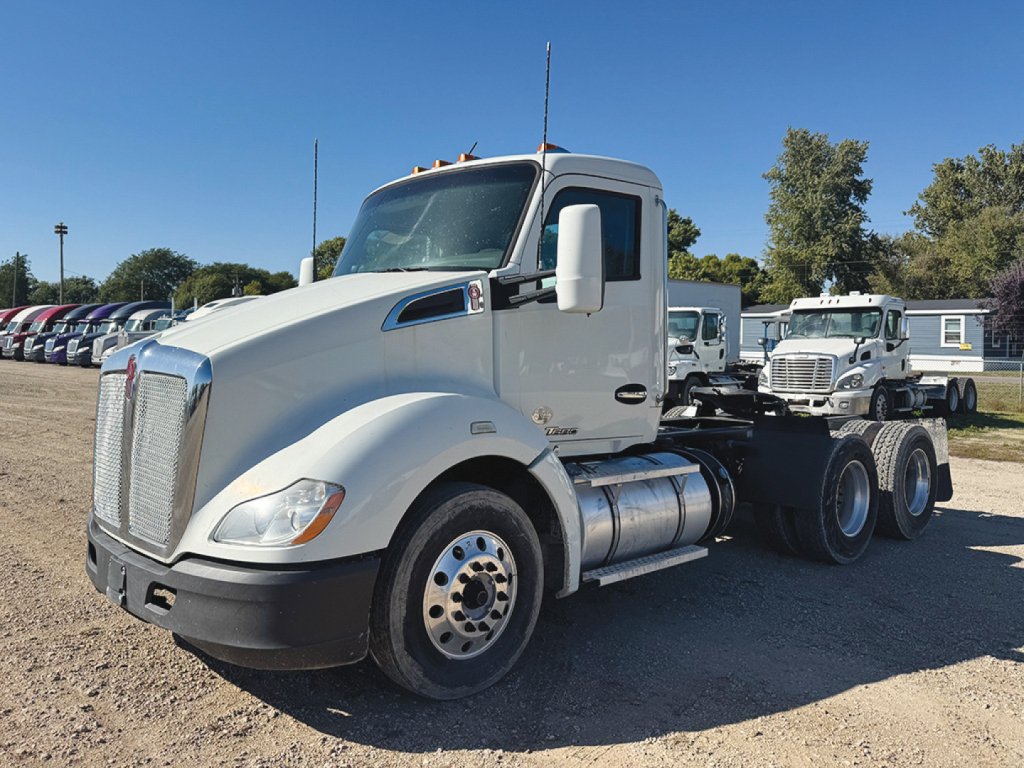
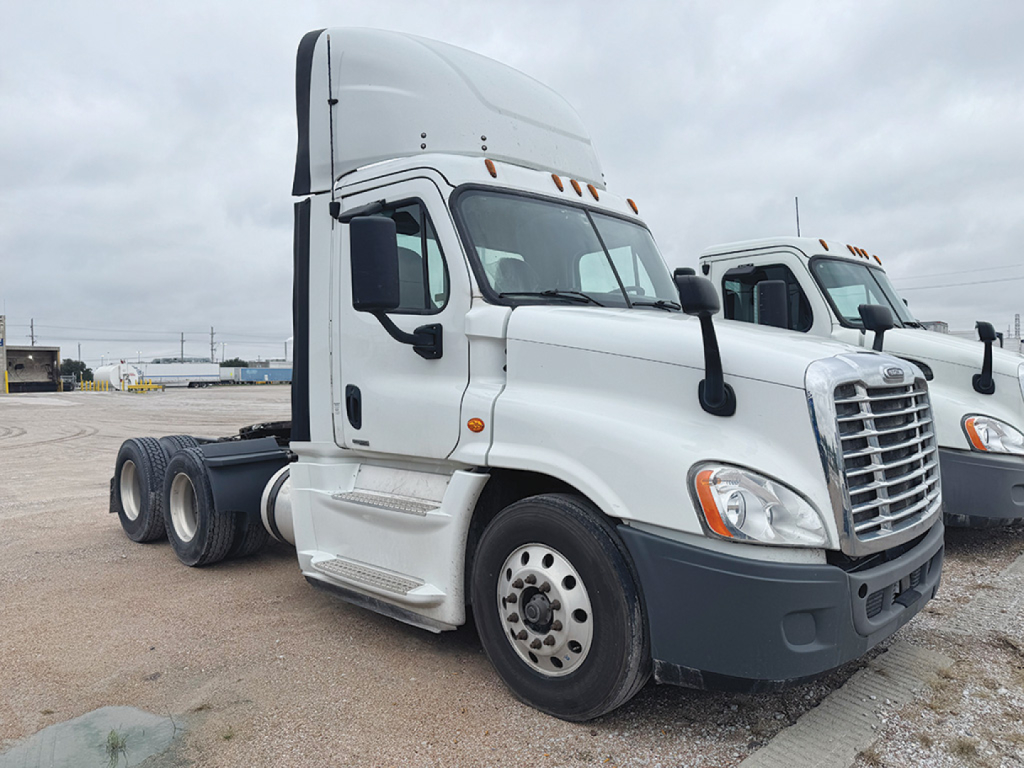
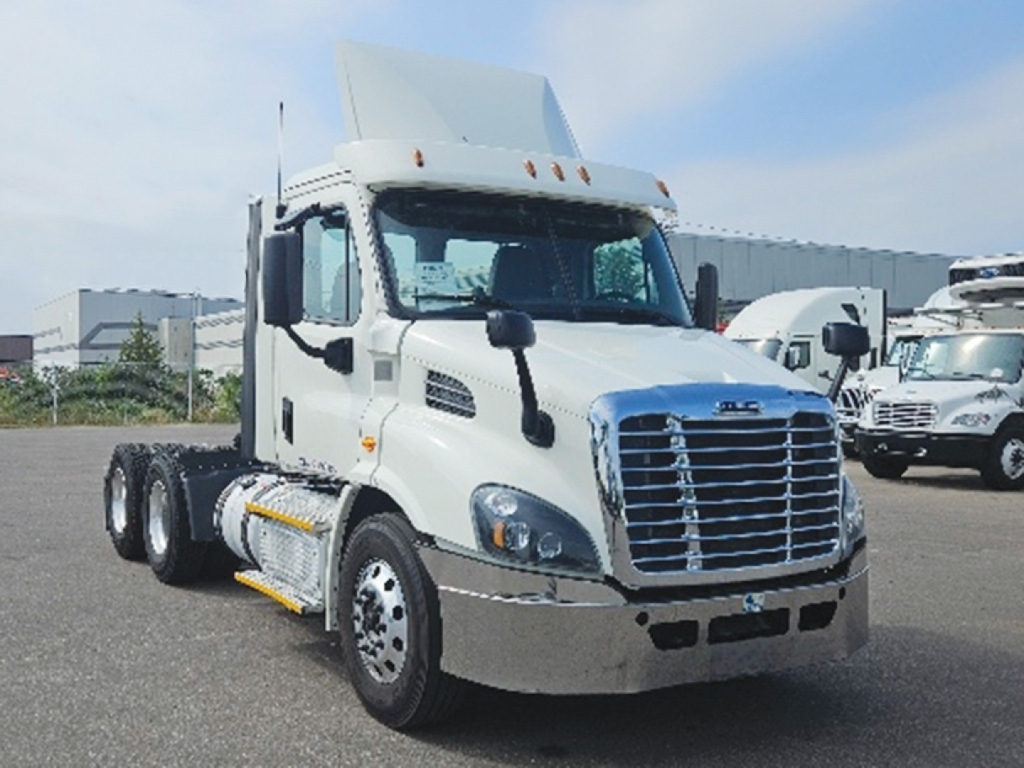
Selling a 2017 conventional daycab truck? List your 2017 conventional daycab truck for sale and reach thousands of commercial buyers.
2017 Conventional Daycab Trucks in Nebraska
The 2017 model year falls in the GHG17 emissions era, with DPF filtration and SCR using DEF on most heavy-duty diesel daycabs. Verify the engine's emissions label rather than assuming the chassis year establishes its certification. On used tractors, review ECM mileage and hours, regeneration history, fault codes, DPF cleaning records, and transmission service. Inspect clutch operation on automated manuals, fifth-wheel wear, suspension bushings, and evidence of frame repairs.
Nebraska winter exposure warrants checking frame corrosion, brake air lines, battery capacity, coolant protection, and DEF system heater operation. Agricultural service adds dust loading at the air cleaner and radiator, plus possible high idle or PTO hours that mileage alone misses. A 2017 truck represented as new or unused still needs storage-related tire, seal, and fluid checks. Confirm the manufacturer's warranty start date and remaining coverage in writing; model year alone does not establish warranty status. Qualifying new heavy trucks and tractors can carry 12% federal excise tax at first retail sale, so establish tax treatment before comparing total acquisition costs.
Frequently Asked Questions about 2017 Conventional Daycab Trucks in Nebraska
What rear axle ratio should I choose for a 2017 day cab hauling grain in Nebraska?
A numerically higher rear axle ratio usually gives a 2017 day cab tractor more launch leverage for loaded grain work, while a lower ratio can reduce cruise rpm with the right transmission. A 2.47 ratio with an automated transmission is not automatically unsuitable for heavy loads, and a 3.42 ratio is not automatically wasteful. Compare overall first-gear reduction, top gear, tire revolutions per mile, and the engine's approved operating range.
How much weight can a day cab tractor legally haul on Nebraska Interstate highways?
80,000 pounds is the standard gross limit for a conventional tractor-trailer on Nebraska Interstate routes, subject to 20,000-pound single-axle, 34,000-pound tandem-axle, and federal bridge-formula limits. A short-wheelbase day cab can run out of allowable axle spacing before reaching the gross limit. Nebraska non-Interstate allowances, designated routes, and permits may differ; check the actual route and axle spacing instead of treating a 40,000-pound rear axle rating as legal tandem weight.
Can I add a wet kit to a 2017 day cab with an automated transmission?
Transmission-approved PTO compatibility is the first requirement for adding a wet kit to a 2017 day cab tractor. Some automated transmissions require specific PTO provisions, control programming, and operating procedures, so a PTO opening or switch alone does not prove readiness. Verify the transmission model and serial number before ordering components. Match pump flow, pressure, reservoir capacity, and hose connections to the trailer manufacturer's requirements.
Do 2017 day cab trucks working locally in Nebraska need an ELD?
A 2017 day cab tractor is not exempt from federal ELD requirements simply because it is older or lacks a sleeper. Qualifying property-carrying drivers can use the short-haul exception when they stay within 150 air miles, return to the normal reporting location, and finish within 14 hours while the carrier maintains required time records. Drivers who need paper logs no more than eight days in any 30-day period may qualify for a separate ELD exception.
What records should I request for a 2017 day cab tractor with a replaced engine?
A replacement engine in a 2017 day cab tractor should have a documented serial number, installation invoice, emissions configuration, and any applicable warranty terms. Reconcile the replacement engine's hours and mileage with chassis records because an ECM reset or replacement can obscure total vehicle usage. Confirm that required DPF, SCR, sensors, and calibration remain compatible and intact; an engine replacement invoice does not demonstrate that the transmission, differentials, or chassis were rebuilt.