
Peterbilt Trucks For Sale in Nebraska
Browse Peterbilt trucks for sale in Nebraska, including 579, 389, and 379 models with sleeper, day cab, diesel, and highway specs.
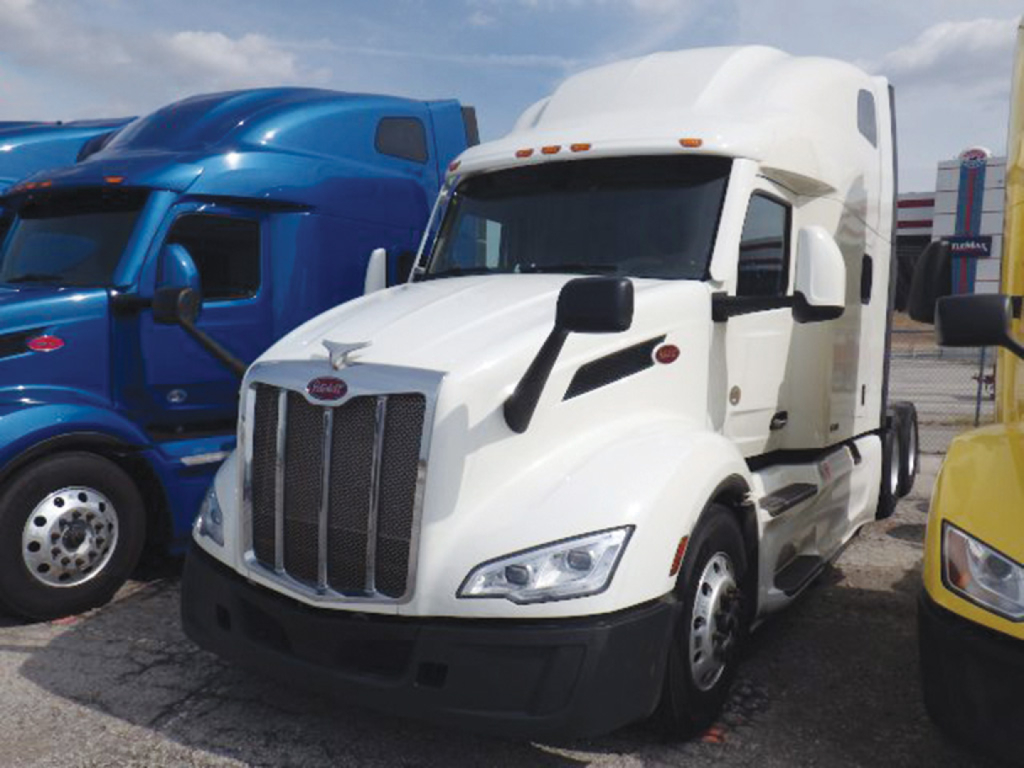
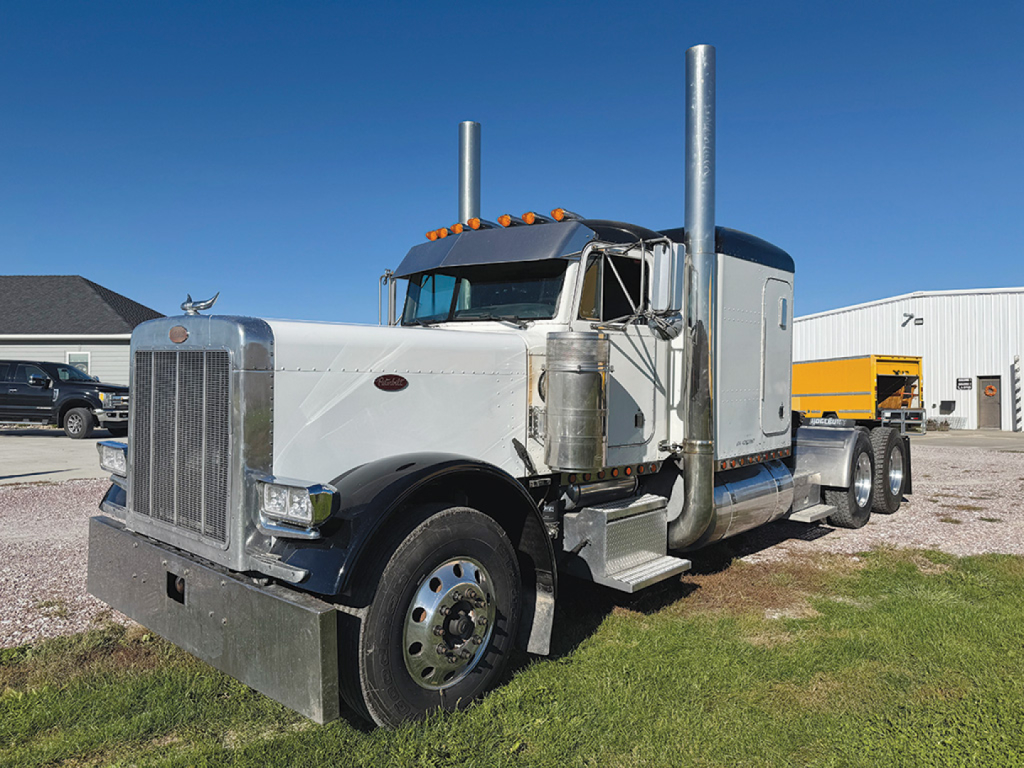
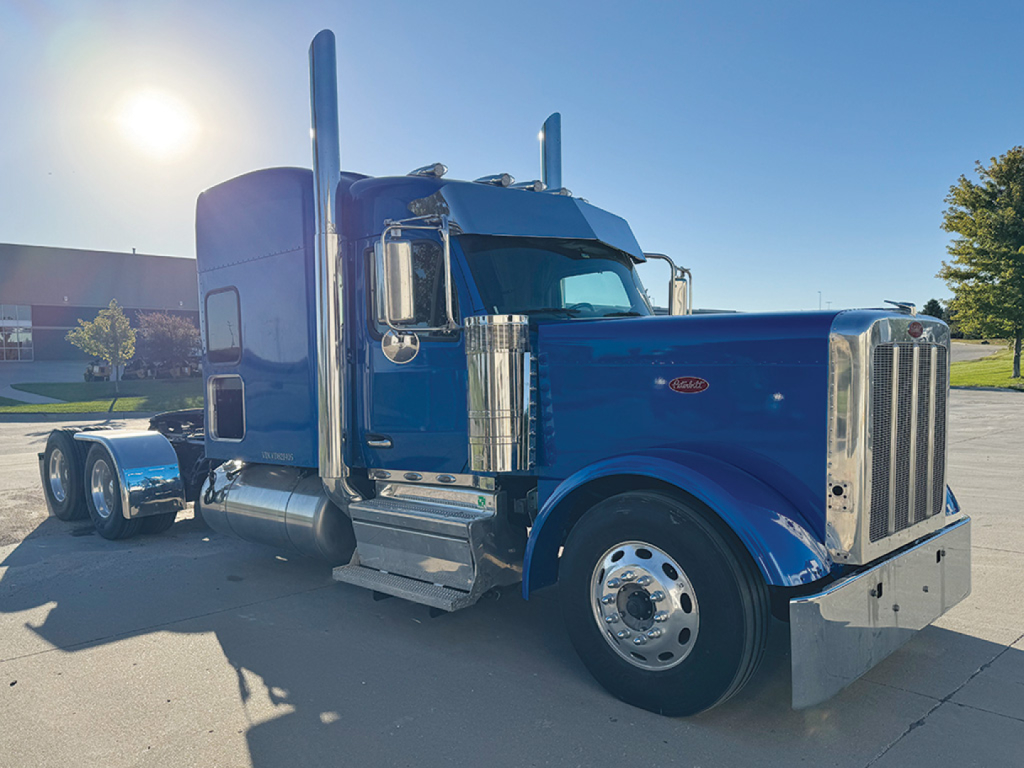
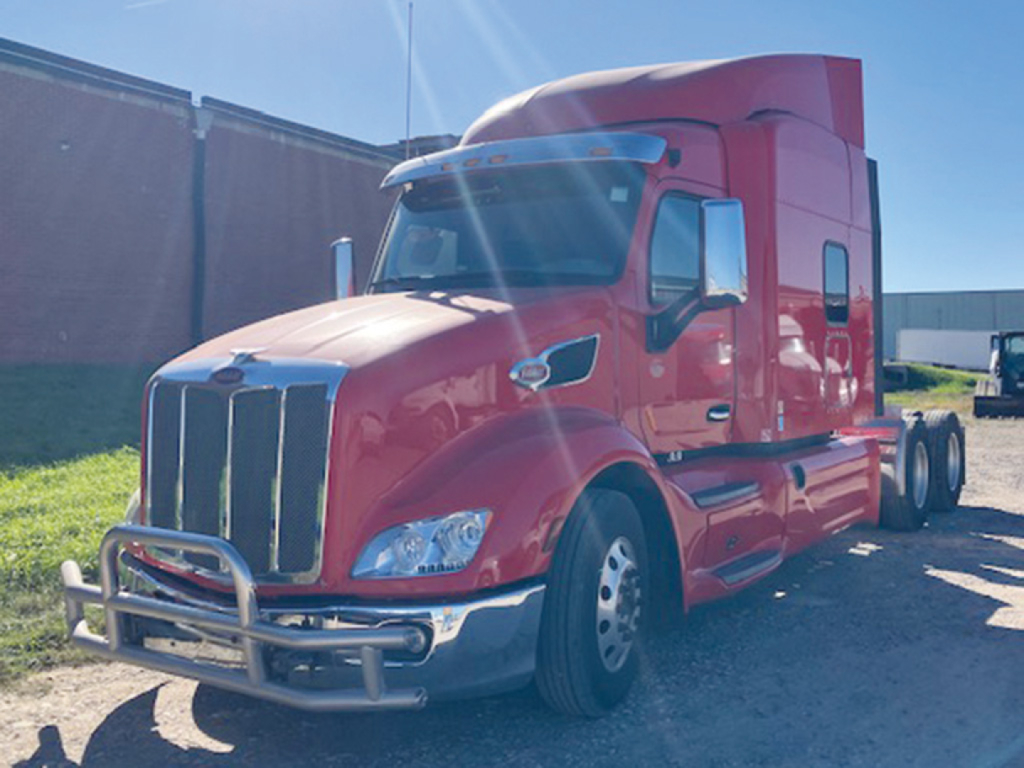
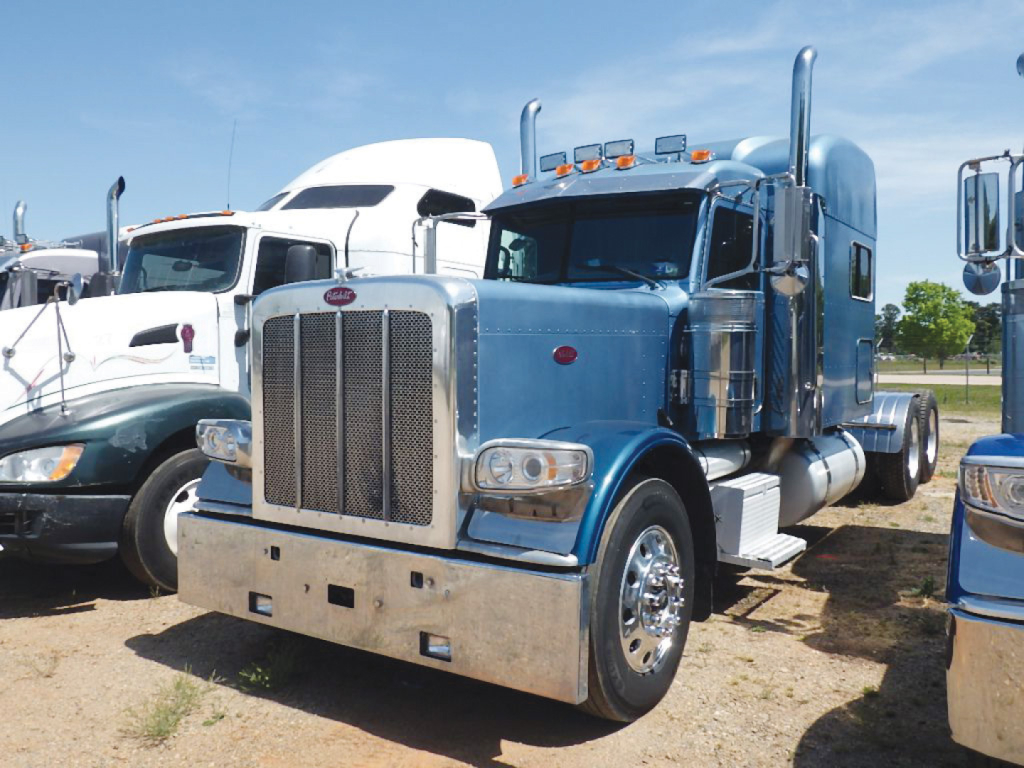
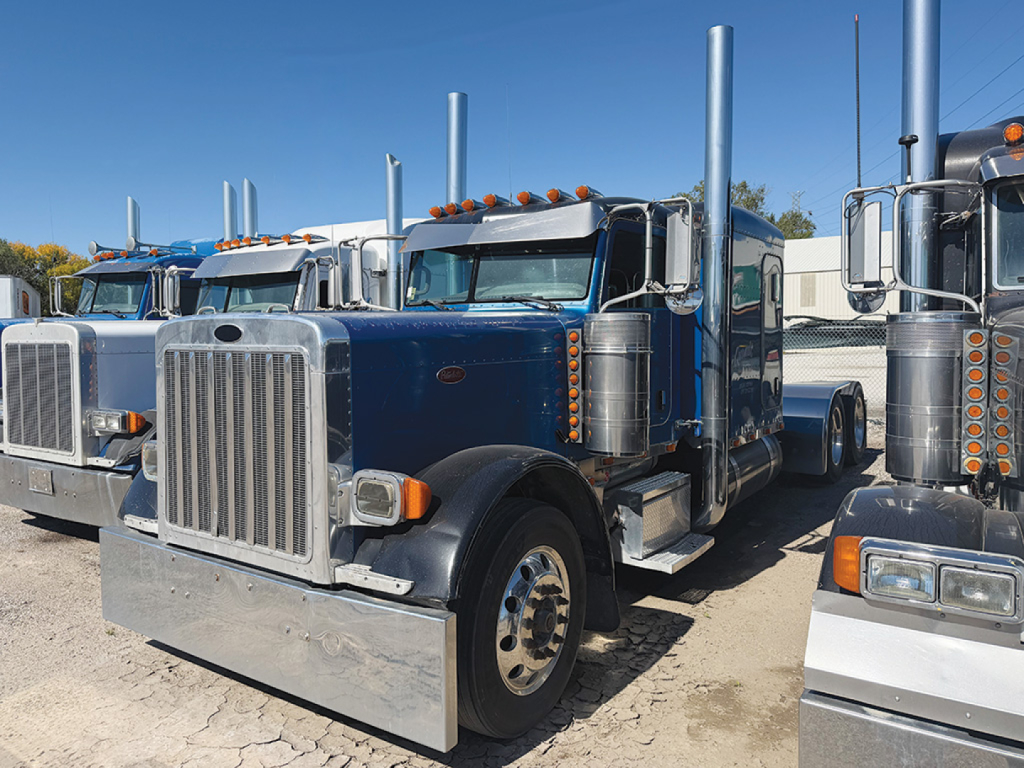
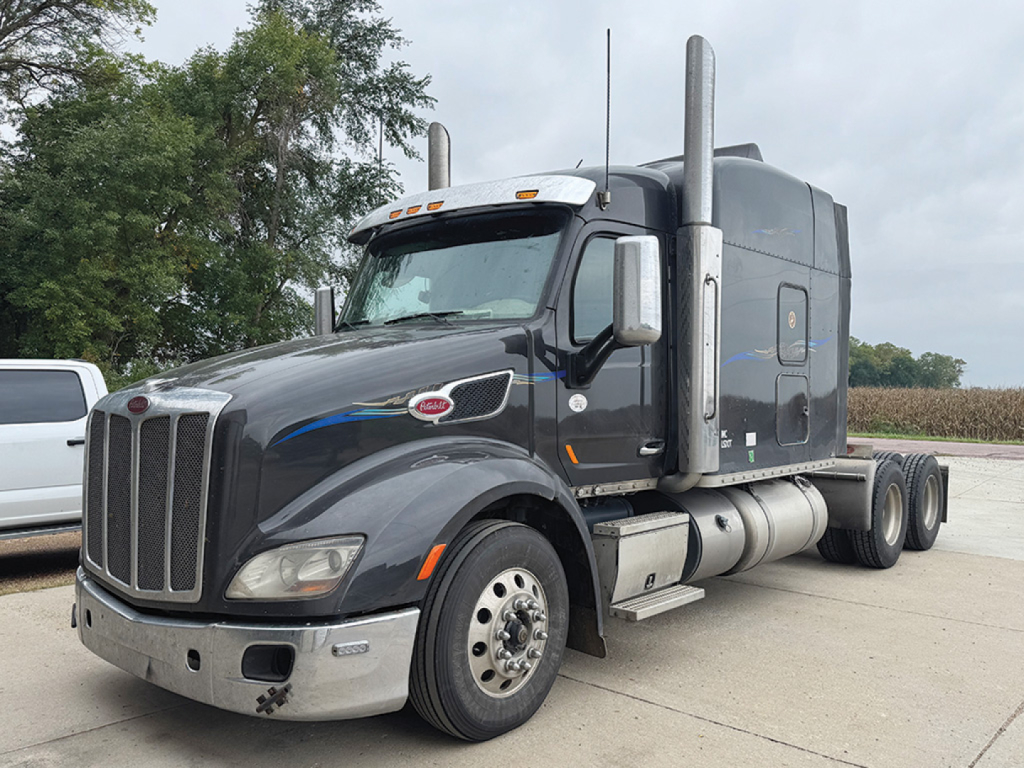
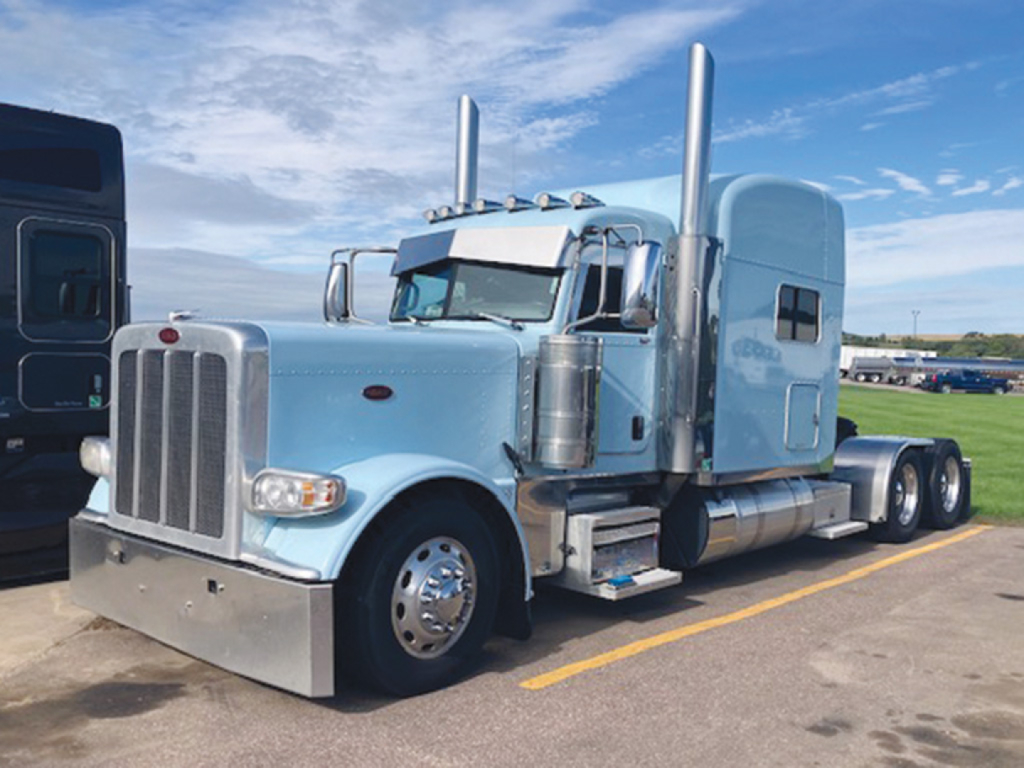
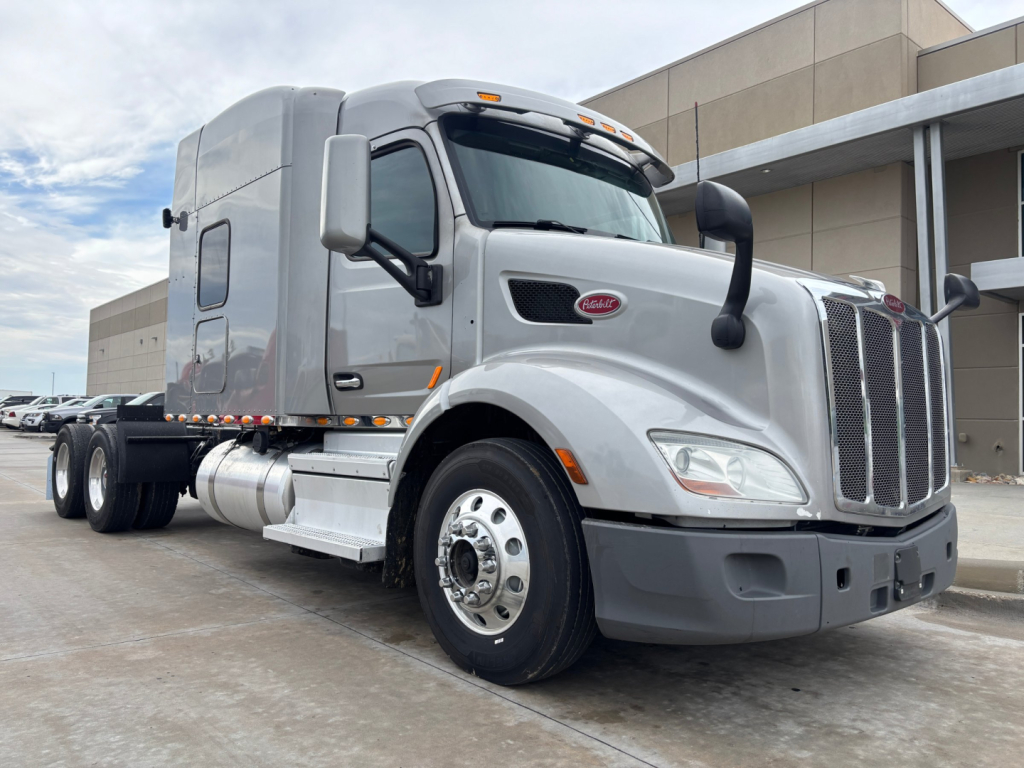

Selling a peterbilt truck? List your peterbilt truck for sale and reach thousands of commercial buyers.
Peterbilt Trucks in Nebraska
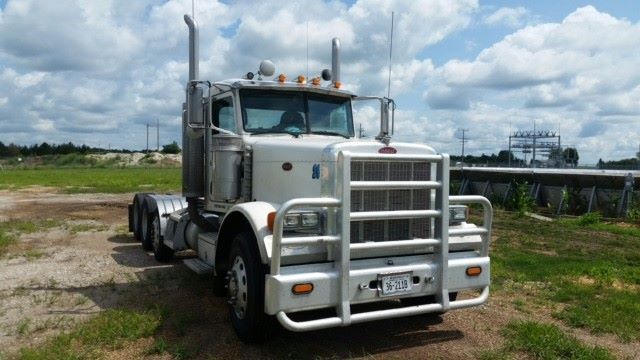
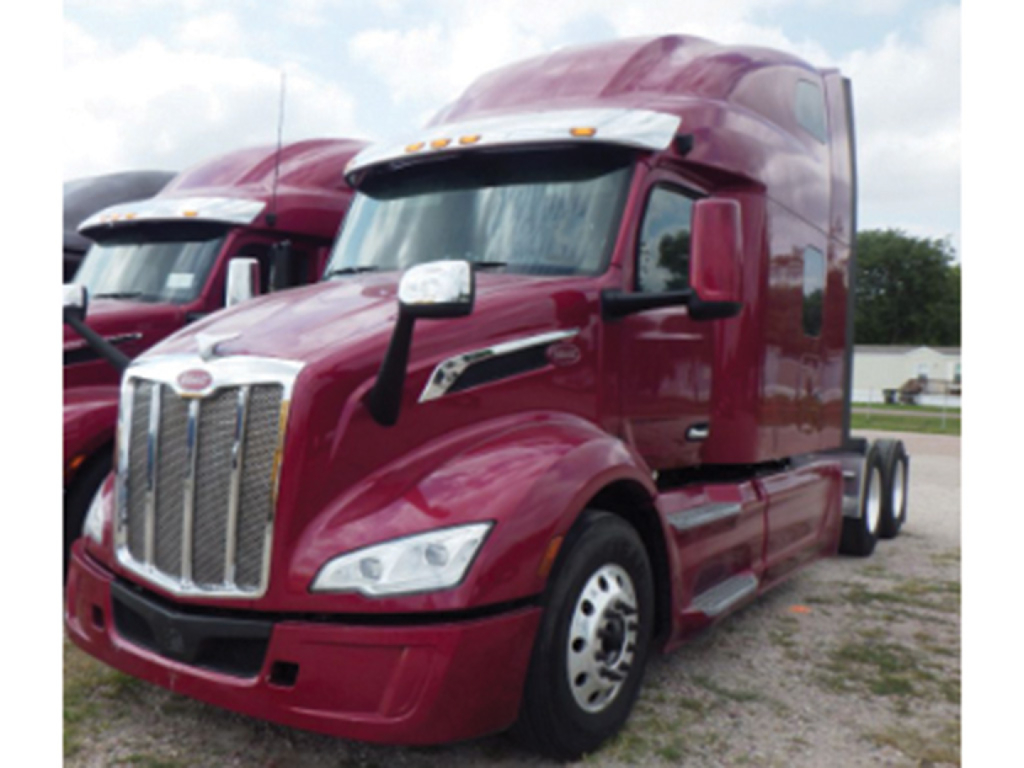
The biggest buying decision usually starts with application and cab configuration. A Peterbilt 579 day cab or sleeper is geared toward fleet freight, regional haul, and over-the-road work, often with integrated aero features, automated manual or automatic transmissions, and efficient power ratings in the 400 to 510 hp range. Sleeper configurations such as the Unibilt stand-up sleeper or UltraLoft can range from mid-roof setups to larger 72-inch, 78-inch, or 80-inch sleepers for teams or longer runs. By contrast, a 389 or older 379 extended hood is often chosen by buyers who prioritize appearance, owner-operator appeal, serviceability, and heavier driveline specs, including manual transmissions, taller rubber, and rear axle ratios better suited to specialized freight or mixed terrain.
Engine and drivetrain choices are a major part of comparing Peterbilt trucks for sale. Late-model units commonly carry PACCAR MX-13 or Cummins X15 engines paired with automated transmissions, disc brakes, air ride suspension, and highway ratios like 2.64 or 2.79 for fuel economy at cruise speed. Traditional-spec trucks may use manual 13-speed or 18-speed transmissions, higher horsepower ratings, and ratios such as 3.08 or 3.55 to improve launch and gradeability. Buyers should compare rear axle rating, wheelbase, fifth wheel setup, suspension type, and tire size against the trailer and lane they expect to run. A 230-inch to 280-inch wheelbase can make a big difference in bridge law, maneuverability, and ride quality depending on the operation.
Cab condition, emissions system history, and spec consistency matter as much as brand reputation. On used Peterbilt trucks, check for service records on DPF, DEF, EGR, and aftertreatment components on newer emissions engines, along with clutch and transmission history on manual units. Inside the cab, look at bunk heater operation, dash electronics, HVAC performance, and signs of hard fleet use versus careful owner-operator maintenance. Peterbilt remains one of the most recognized names in Class 8 trucking because the trucks cover a wide range of freight roles, from efficient sleeper tractors to polished long-hood conventionals, and the right one depends less on badge appeal than on matching the spec to the work.
Frequently Asked Questions about Peterbilt Trucks in Nebraska
What are the most common Peterbilt truck models buyers compare on the used market?
The most common Peterbilt models buyers compare are the 579, 389, and older 379. The 579 is an aerodynamic highway tractor built for fuel economy, fleet use, and long-haul efficiency. The 389 is a long-hood conventional that appeals to owner-operators and specialized haulers who want classic styling and heavier traditional specs. The 379 remains popular because of its reputation, appearance, and pre-emissions or older mechanical-era drivetrain appeal depending on the year and configuration.
Is a Peterbilt 579 or 389 better for long-haul work?
Both can be used for long-haul, but they serve different priorities. A Peterbilt 579 is usually the better fit for fuel-conscious over-the-road freight because it is more aerodynamic and commonly spec'd with efficient rear ratios, automated transmissions, and integrated sleeper packages. A Peterbilt 389 is often chosen for long-haul when image, driver preference, heavier drivetrain components, or specialized trailer work are more important than maximizing fuel economy. The better choice depends on operating cost targets, trailer type, and how much value you place on traditional long-hood design.
What engine options are common in Peterbilt trucks?
Common engines in Peterbilt trucks include the PACCAR MX-13, Cummins X15, and in older trucks, Caterpillar engines such as the 3406E. The MX-13 is widely used in newer fleet and owner-operator highway tractors. The X15 is also common in late-model long-haul specs and is well known for broad service support. Older Peterbilt 379 models may carry Caterpillar or legacy Cummins power, which can be attractive to buyers looking for a specific emissions era, horsepower range, or serviceability preference.
What should I check first on a used Peterbilt sleeper truck?
Start with the truck's emissions history, engine hours, and maintenance records, then move to the sleeper and chassis spec. Confirm the sleeper size matches the route and driver needs, and inspect the bunk heater, HVAC, seals, cabinets, and electrical accessories. Review transmission type, rear axle ratio, wheelbase, and fifth wheel position to make sure the truck is properly matched to the trailers and weights it will pull. On late-model units, aftertreatment service history is especially important because DPF and DEF-related repairs can affect total operating cost.
Do Peterbilt trucks hold their resale value?
Peterbilt trucks generally hold resale value well because the brand has strong recognition, broad dealer support, and demand from both fleets and owner-operators. Resale value still depends heavily on mileage, emissions condition, driveline spec, maintenance quality, and market timing. Desirable combinations such as clean sleepers, popular engines, manageable wheelbases, and documented service histories tend to bring stronger interest than trucks with unusual specs or incomplete maintenance records.