
2020 Peterbilt Trucks For Sale in Nebraska
Browse 2020 Peterbilt trucks for sale in Nebraska, including day cabs and sleepers with PACCAR or Cummins power and spec options for many fleets.
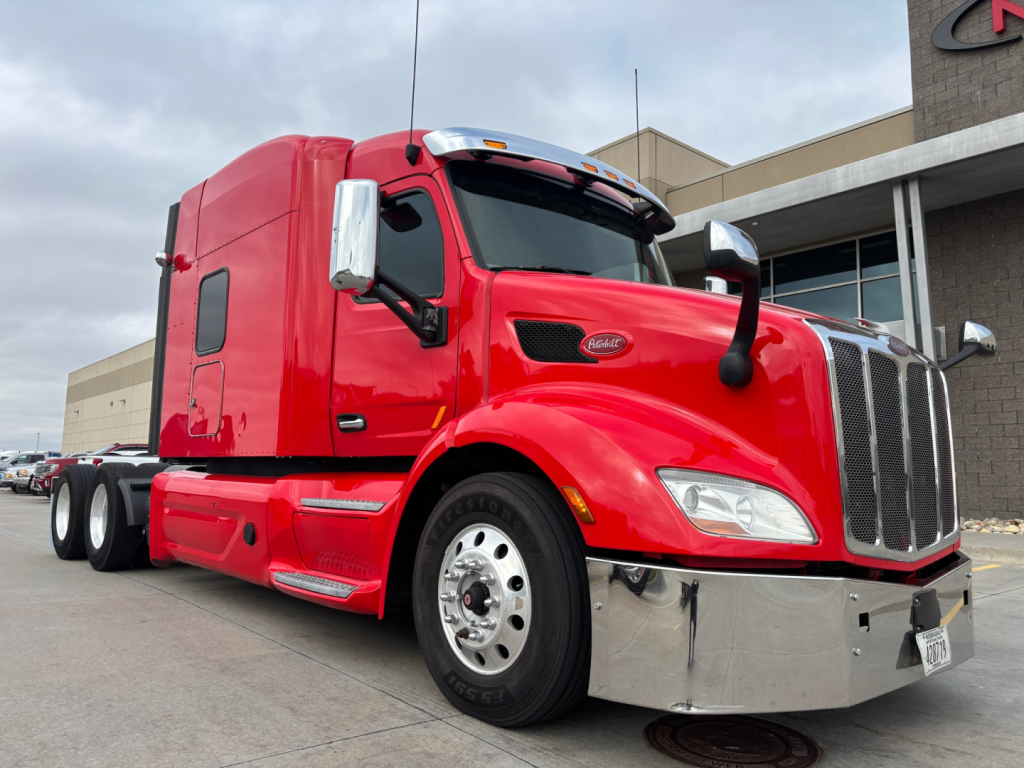
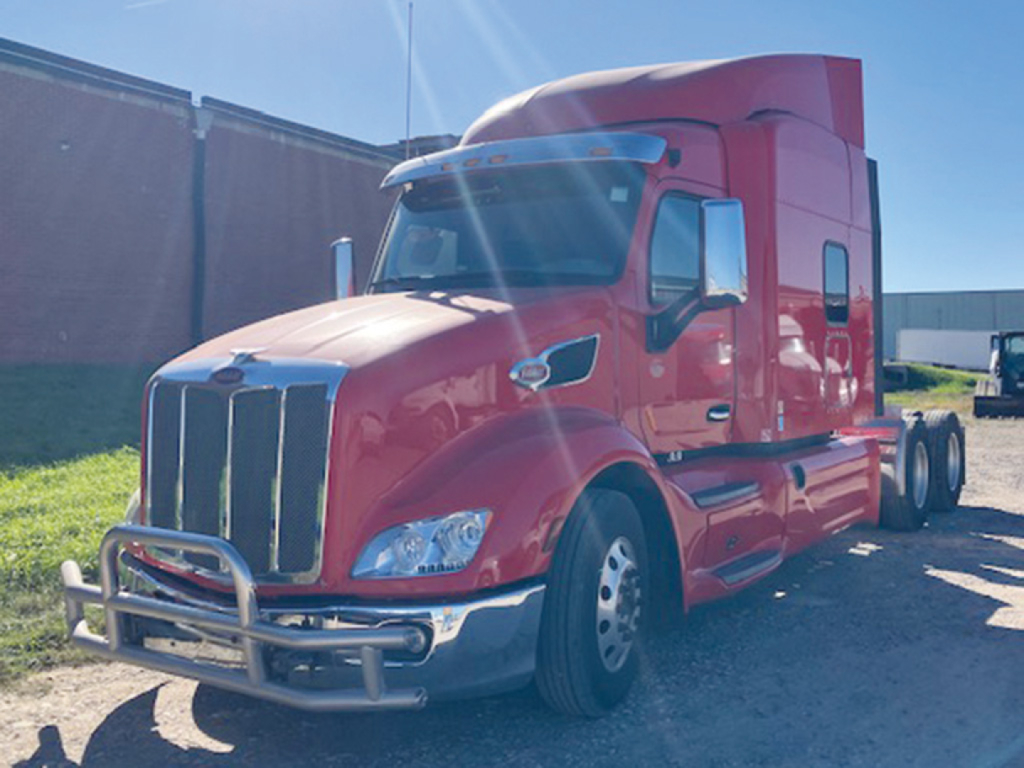
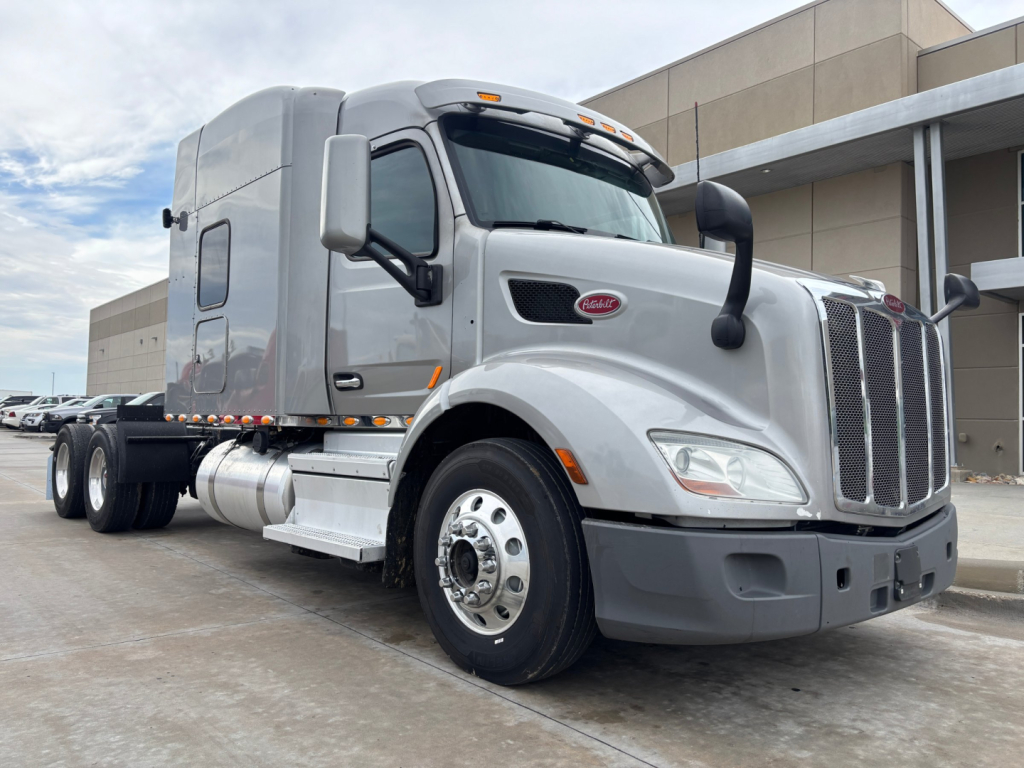
Selling a 2020 peterbilt truck? List your 2020 peterbilt truck for sale and reach thousands of commercial buyers.
2020 Peterbilt Trucks in Nebraska
The 2020 Peterbilt lineup typically centers on PACCAR MX-13 power in fleet-oriented highway trucks, with Cummins X15 engines appearing in certain specs and buyer preferences. Horsepower often falls in the mid-400s to low-500s for linehaul use, paired with automated or manual transmissions depending on fleet standardization and driver demand. Buyers should pay close attention to rear axle ratio, engine brake spec, and suspension setup because those three items heavily influence fuel economy, startability, and driver satisfaction. A 2.64 to 2.93 ratio can make sense for fuel-focused over-the-road work, while a deeper ratio may fit heavier regional hauling or more frequent off-pavement starts. Air ride suspension remains the common choice on highway units, and wheelbase should be matched to trailer type, bridge laws, and expected turning radius in yards or jobsite access points.
Cab choice is just as important as drivetrain. A 2020 Peterbilt day cab is often the better fit for local and regional operations where payload, maneuverability, and lower tare weight matter more than sleeper space. Sleeper models, including mid-roof and stand-up configurations, are better suited for longer dispatch cycles and teams that want a more livable interior. Peterbilt interiors from this era generally offer a clean dash layout, solid switchgear, and the driver comfort features most fleets now expect, such as air ride seats, integrated infotainment, Bluetooth capability, and advanced digital display options. On used units, buyers should look closely at idle hours, emissions maintenance history, coolant and oil service intervals, DPF and SCR service records, and the condition of steering, suspension, and fifth wheel components.
For Nebraska buyers, corrosion exposure is usually less severe than in some coastal markets, but winter road treatment, gravel roads, and agricultural use can still affect frame finish, wiring, brakes, and cab mounts. A sound 2020 Peterbilt should be evaluated for aftertreatment performance, fault code history, tire wear patterns, alignment, and any signs of hard PTO or heavy-haul service if the truck is spec'd as a work unit rather than a pure highway tractor. Peterbilt remains a preferred name in the market because parts support is broad, specs are familiar to technicians, and the brand offers a mix of driver appeal and fleet practicality. The best 2020 Peterbilt truck is the one whose engine, transmission, axle ratio, and cab layout already match the freight and terrain it will actually see.
Frequently Asked Questions about 2020 Peterbilt Trucks in Nebraska
What are the most common 2020 Peterbilt truck models buyers look for?
The most common 2020 Peterbilt trucks on the used market are usually the Peterbilt 579 for highway and regional hauling, along with day cab and sleeper configurations built around similar core chassis architecture. The 579 is especially common because it was widely spec'd by fleets for fuel-efficient over-the-road service. Buyers may also find vocational or owner-operator oriented Peterbilt configurations depending on prior use, but the aerodynamic highway tractor remains the dominant 2020 Peterbilt format.
Is a 2020 Peterbilt better suited for day cab or sleeper work?
That depends on route length, payload goals, and operating pattern. A day cab usually makes more sense for local delivery, regional freight, ag support, and dedicated lanes where the truck returns frequently and lower weight or tighter turning is important. A sleeper is the better choice for longer dispatch cycles, multi-day runs, and fleets trying to improve driver comfort and retention. The key is matching cab style to utilization rather than assuming one setup fits every operation.
What engine and transmission specs are common in 2020 Peterbilt trucks?
Many 2020 Peterbilt trucks are equipped with PACCAR MX-13 engines, typically in horsepower ratings suited for highway freight, while some trucks are spec'd with Cummins X15 power. Automated transmissions are common in fleet service because they help with driver onboarding, consistency, and fuel economy, though manual transmissions still appear in certain applications and owner-operator specs. Rear axle ratings, ratio, and engine brake performance matter just as much as the engine badge when comparing trucks.
What should I inspect first on a used 2020 Peterbilt?
Start with maintenance records and electronic health. A buyer should review engine hours, idle hours, fault codes, aftertreatment service history, and documentation for DPF cleaning, SCR work, and regular fluid intervals. After that, inspect tire wear, brakes, suspension, steering play, fifth wheel wear, and signs of frame damage or corrosion. On a 2020 emissions-equipped truck, the aftertreatment system and service history can tell you as much about future operating cost as the odometer reading.
Are 2020 Peterbilt trucks a good fit for Nebraska operations?
Yes, a 2020 Peterbilt can be a strong fit for Nebraska because the platform works well across long interstate runs, regional agricultural freight, and mixed on-road duty. Buyers still need to match the spec to the job. Trucks running I-80 linehaul may prioritize fuel economy and taller gearing, while trucks serving farms, feedlots, or construction routes may need different wheelbase, tire, suspension, or axle specs. The advantage of Peterbilt is that many configurations were built to cover both fleet highway work and more demanding regional applications.