
2020 Peterbilt Conventional Sleeper Trucks For Sale in Nebraska
Shop 2020 Peterbilt conventional sleeper trucks in Nebraska. Compare 579 and 567 specs, sleepers, powertrains, axle ratios, and spec priorities.
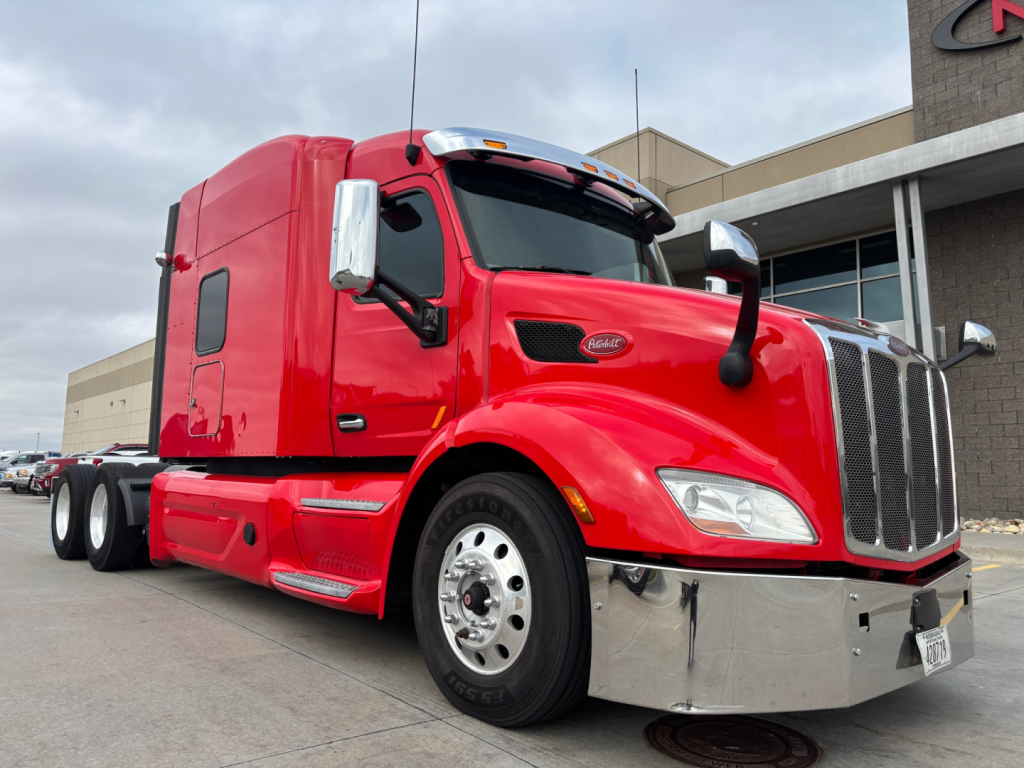
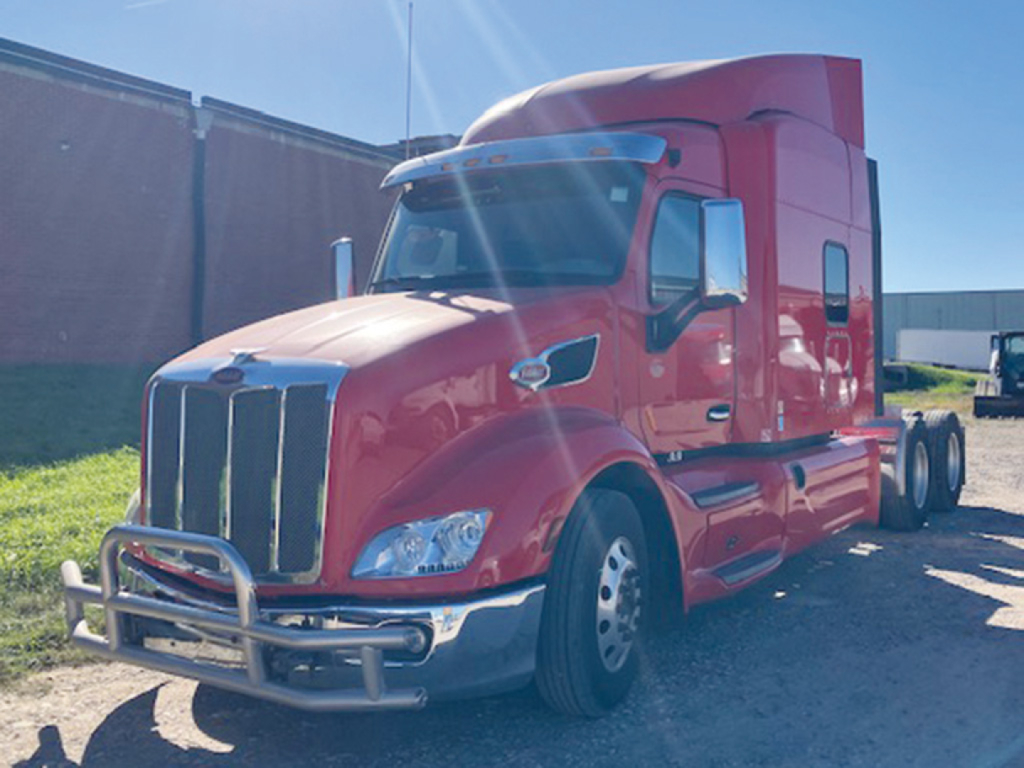
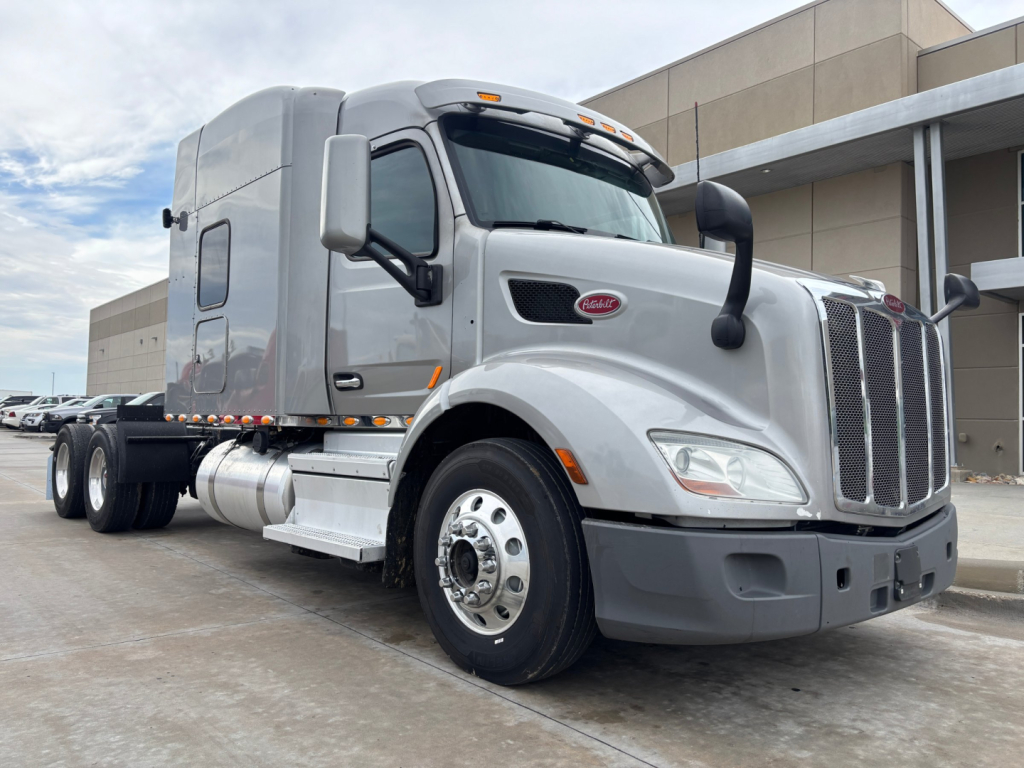
Selling a 2020 peterbilt conventional sleeper truck? List your 2020 peterbilt conventional sleeper truck for sale and reach thousands of commercial buyers.
2020 Peterbilt Conventional Sleeper Trucks in Nebraska
Frequently Asked Questions about 2020 Peterbilt Conventional Sleeper Trucks in Nebraska
What is the difference between a 2020 Peterbilt 579 sleeper and a 2020 Peterbilt 567 sleeper?
The 2020 Peterbilt 579 is typically the highway-focused aerodynamic sleeper. It is usually spec'd for fuel economy, lower ride height, fairings, and faster road speeds with downsped rear axle ratios. The 2020 Peterbilt 567 sleeper is generally a tougher, more versatile platform for fleets that move between highway miles and jobsite, agricultural, or vocational work. A 567 often carries a heavier-duty appearance and can be a better fit when front-end protection, more rugged spec choices, or mixed terrain operation matter.
What engine and transmission specs are common in a 2020 Peterbilt conventional sleeper?
A common engine in this category is the PACCAR MX-13, often rated around 455 horsepower in fleet-style highway specs, though horsepower and torque can vary by original order. Buyers will also see automated transmissions such as the PACCAR 12-speed automated manual, along with some manual 13-speed setups in more driver-selective or specialized applications. The right combination depends on route profile, gross weight, driver preference, and whether the truck is intended for fuel-efficient linehaul work or more demanding service.
Why do axle ratio and wheelbase matter on a 2020 Peterbilt sleeper?
Axle ratio and wheelbase have a direct effect on fuel burn, maneuverability, ride quality, and lane application. A 2.79 or similarly fast ratio is often chosen for over-the-road fuel economy with an automated transmission and a direct or overdrive spec. A 3.08 ratio can be a middle-ground setup for mixed service. Wheelbases around 240 inches are common on aerodynamic highway tractors, while longer wheelbases can support different fifth wheel settings, ride characteristics, or component placement. Buyers should match the ratio and wheelbase to trailer type, typical payload, and average terrain.
Are disc brakes and super singles common on 2020 Peterbilt sleeper trucks?
Yes, both are common in late-model fleet and owner-operator specifications. Air disc brakes are valued for strong, consistent stopping performance and easier service access at the wheel end, though parts cost and shop familiarity should still be considered. Super single rear tires are often chosen to reduce weight and rolling resistance, which can help fuel economy. Some buyers still prefer duals for roadside service flexibility and tire availability, so this choice usually comes down to operating philosophy and maintenance support.
What should a buyer inspect first on a used 2020 Peterbilt conventional sleeper?
Start with engine history, emissions system performance, transmission behavior, and any fault-code or service records. Then inspect the sleeper condition, bunk HVAC or heater operation, suspension wear, brake type and remaining life, tire wear patterns, and fifth wheel condition. On a highway tractor, fairings, cab extenders, hood alignment, and bumper condition can also reveal prior damage or poor repairs. A used sleeper truck should be evaluated as a complete operating package, not just by mileage and horsepower.