
Peterbilt Conventional Sleeper Trucks For Sale in Nebraska
Browse Peterbilt conventional sleeper trucks with Unibilt and UltraLoft sleepers, MX-13 or Cat power, and specs suited for long-haul freight.
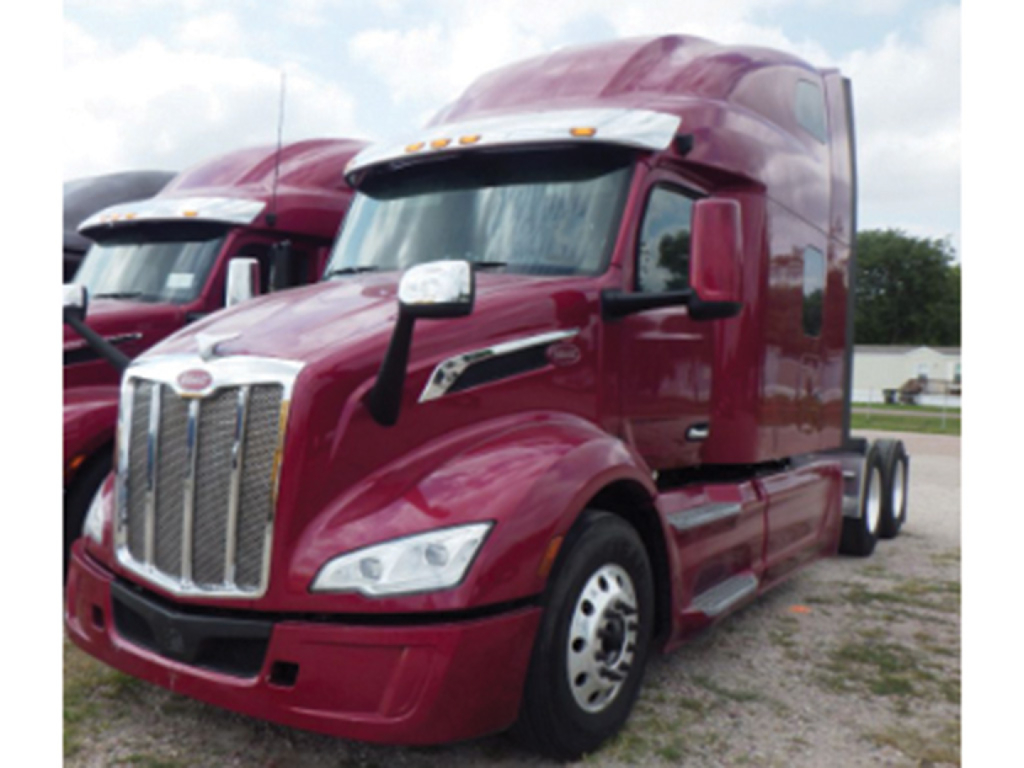
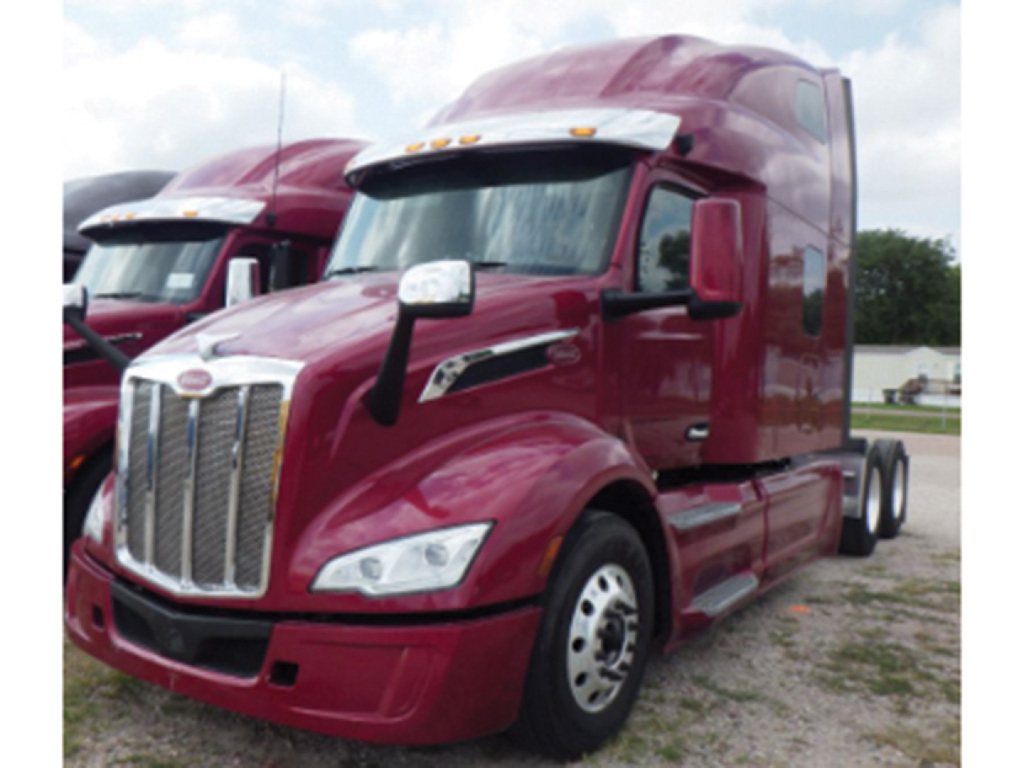
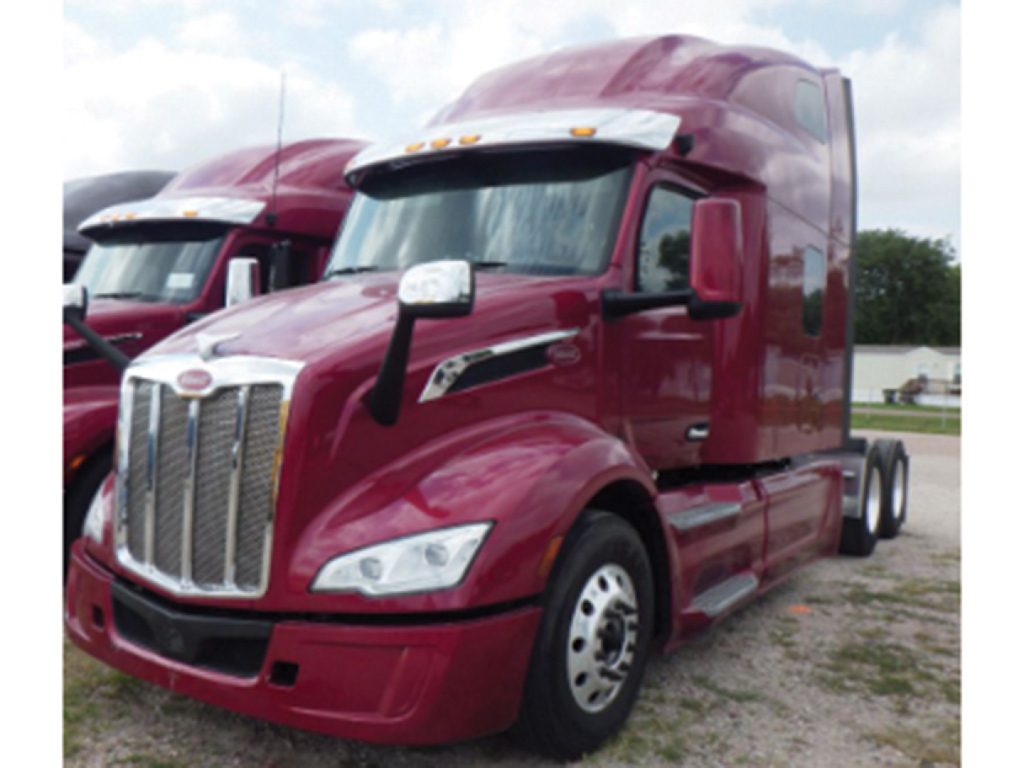
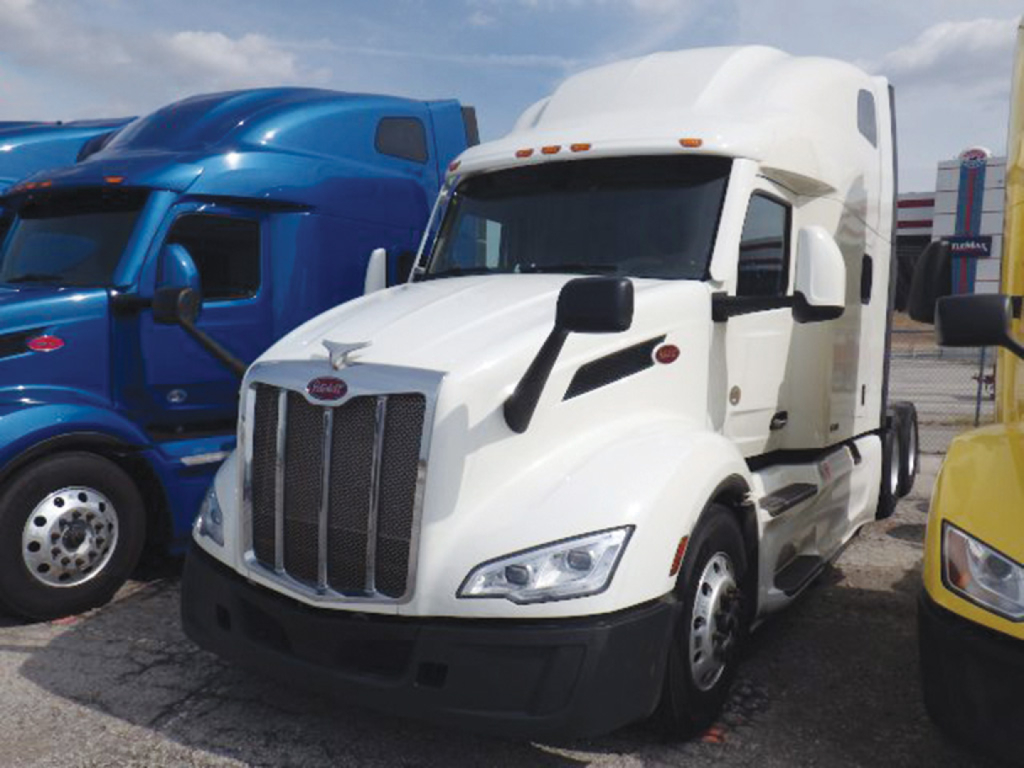
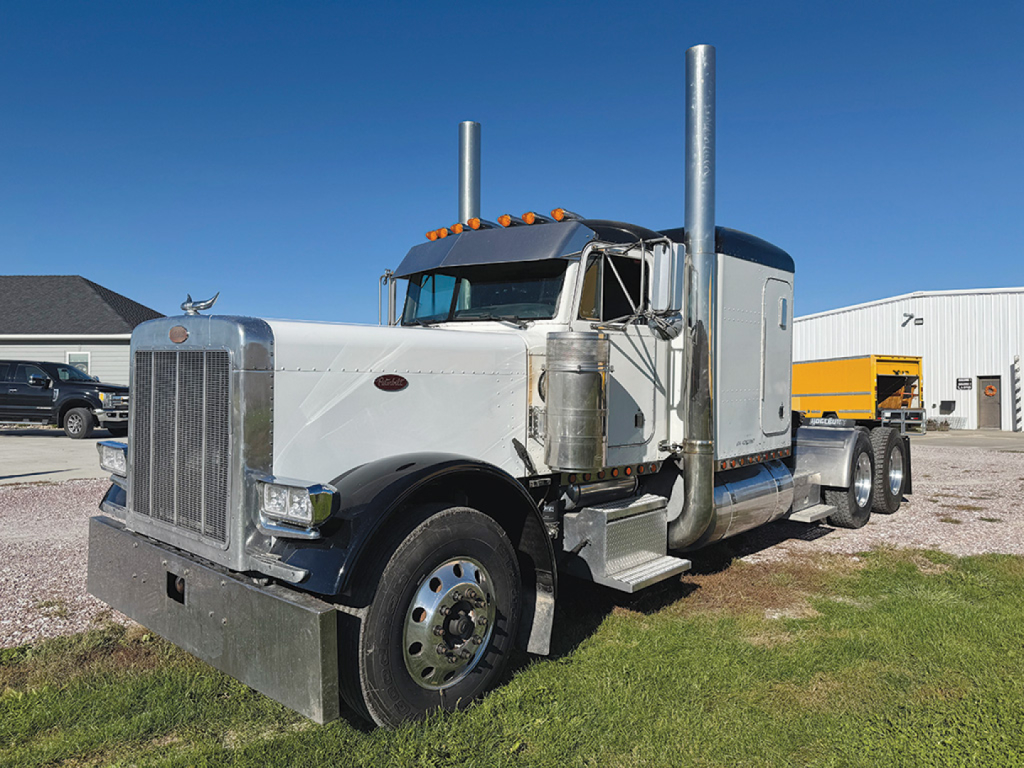
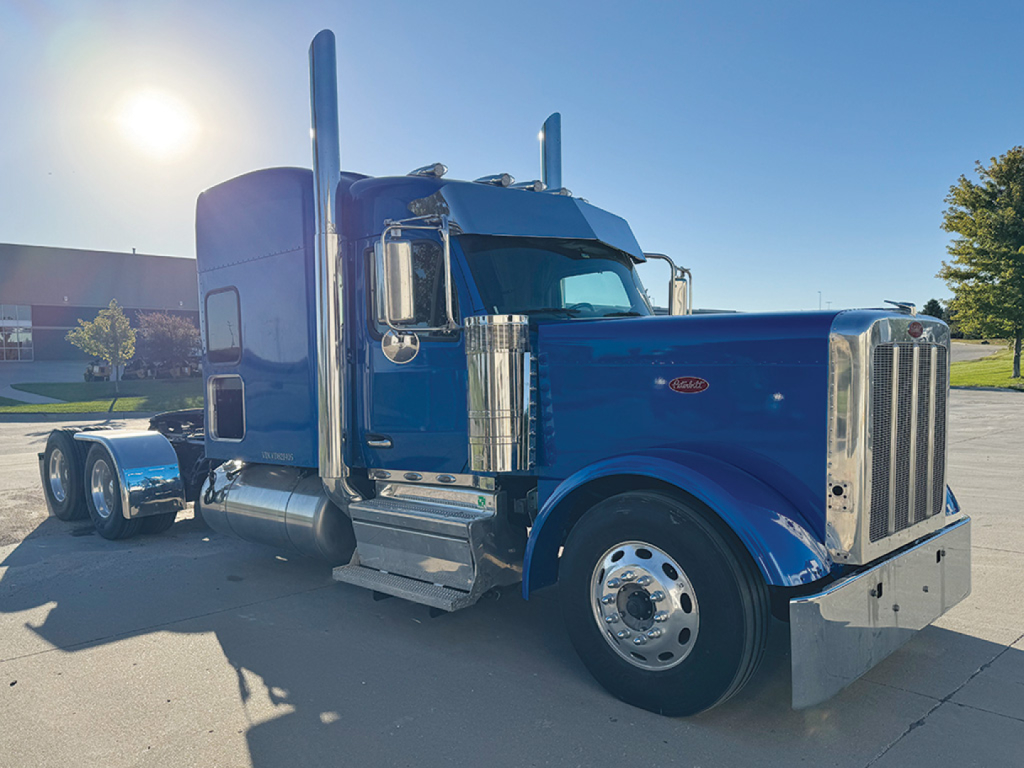
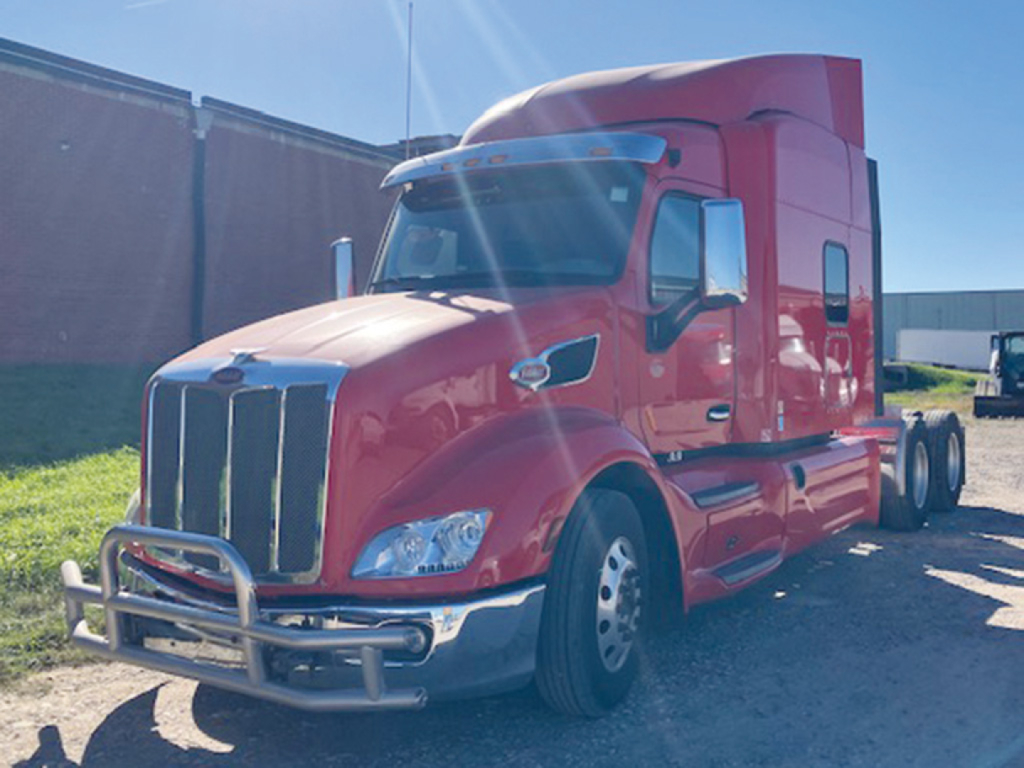
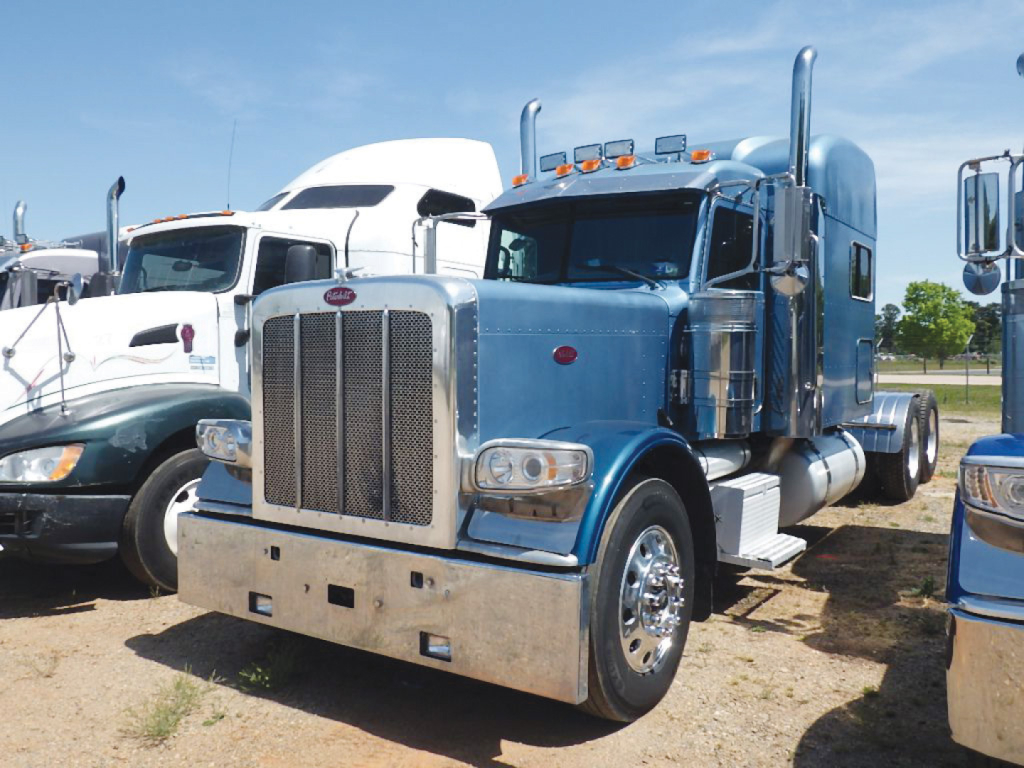

Selling a peterbilt conventional sleeper truck? List your peterbilt conventional sleeper truck for sale and reach thousands of commercial buyers.
Peterbilt Conventional Sleeper Trucks in Nebraska
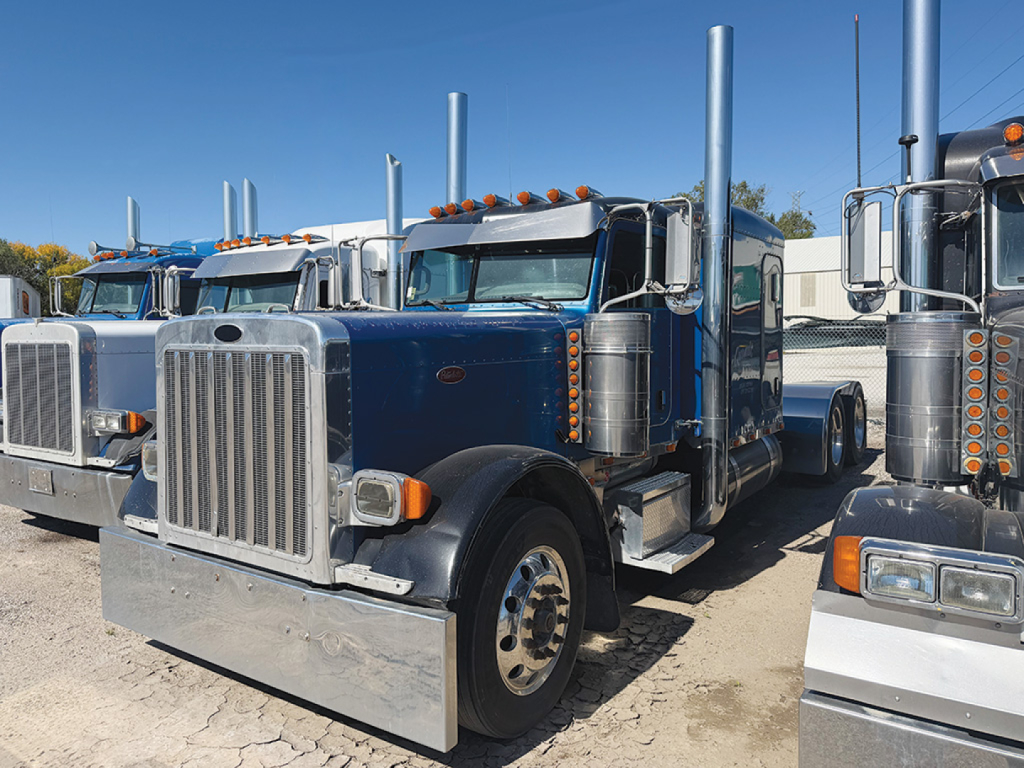
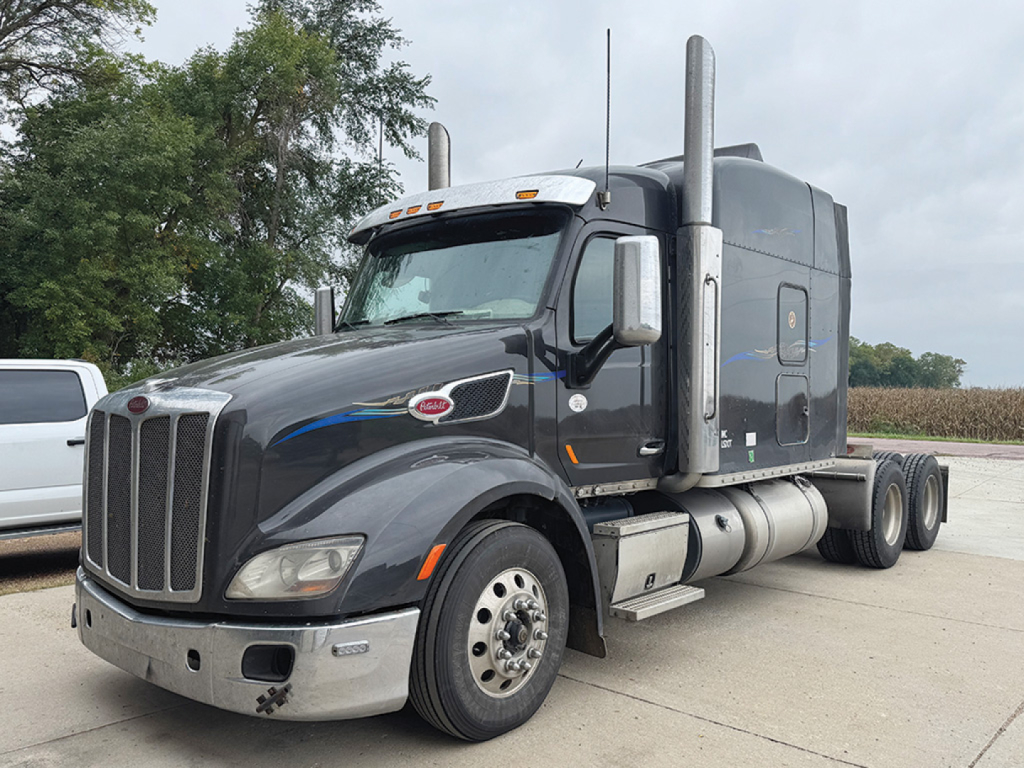
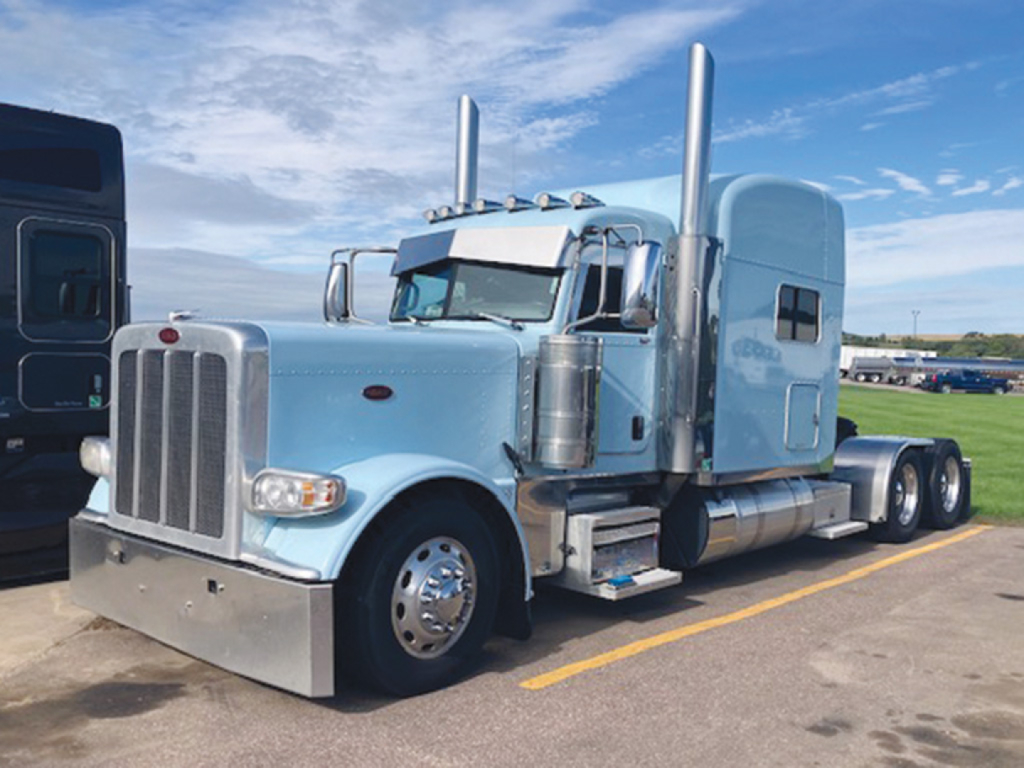
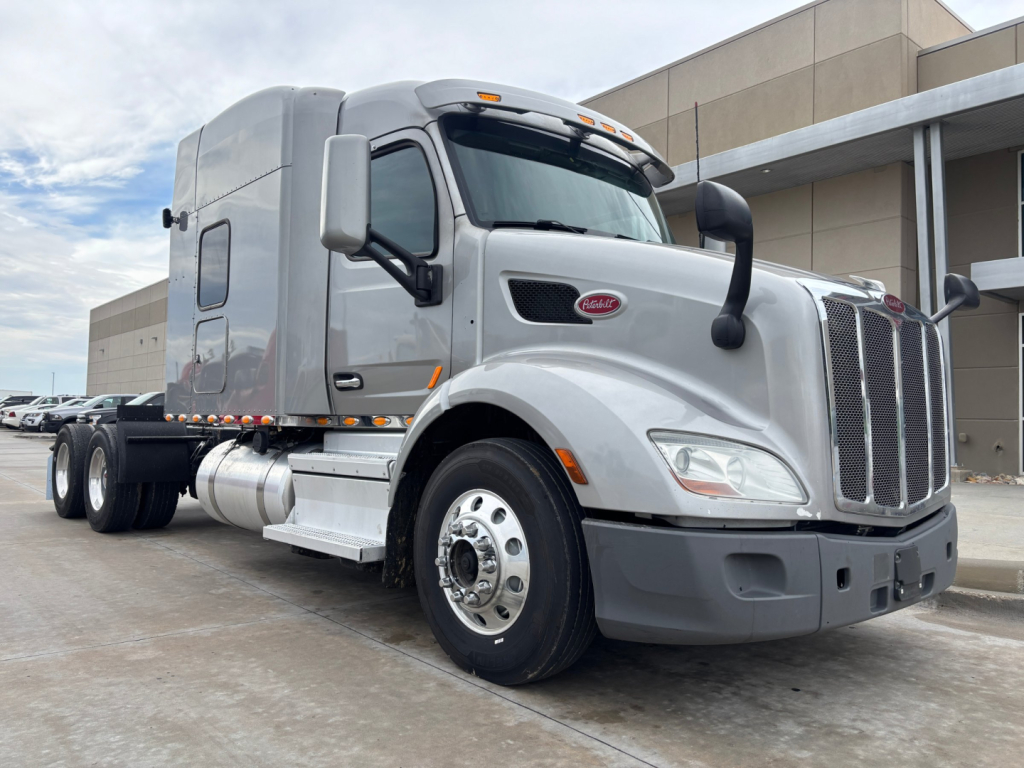
The first decision is usually sleeper layout and cab style. Peterbilt Unibilt stand-up and high-roof sleepers in the 63-inch to 80-inch range are common, and UltraLoft sleepers on later 579 models add more interior room for teams or extended regional and long-haul work. Features like upper bunks, bunk heaters, refrigerators, APUs, and premium interiors can make a real difference if the truck is expected to stay out for several nights at a time. Wheelbase is another practical filter. A 230-inch to 280-inch wheelbase is typical in this class, but the right length depends on fairing package, trailer gap, ride preference, and how much emphasis you place on maneuverability versus appearance and highway stability.
Powertrain specs on Peterbilt sleeper trucks often center on PACCAR MX-13 engines, with older pre-emissions and glider-era interest often tied to Caterpillar C15-powered 379s and 389s. Horsepower commonly lands in the 455 to 550 range, with 10-speed, 13-speed, 18-speed, and automated transmissions all seen in the market. Rear axle ratings around 40,000 pounds are standard for linehaul applications, and axle ratios can vary significantly depending on intended use. Ratios in the mid-3s tend to favor heavier pulling and vocational crossover use, while lower numerical ratios such as 2.47, 2.85, or 3.08 are more common on fuel-minded highway specs paired with direct or overdrive transmissions. Engine brakes, air ride suspension, sliding fifth wheels, disc wheels, and low-profile 22.5 or 24.5 rubber are all common details worth comparing closely.
For Nebraska buyers, spec matters because trucks in this market often run a mix of long interstate miles, open-country crosswinds, and seasonal temperature swings. An aerodynamic 579 sleeper with fairings, a downsped drivetrain, and an automated transmission fits high-mileage dry van or reefer work well. A 379 or 389 with a longer hood, higher horsepower, and a manual transmission may suit livestock, hopper, flatbed, or specialized freight where driver preference and pulling feel still carry weight. The best Peterbilt conventional sleeper truck is usually the one matched to your lanes, maintenance plan, and driver expectations, not just the one with the biggest sleeper or highest horsepower rating.
Frequently Asked Questions about Peterbilt Conventional Sleeper Trucks in Nebraska
What is the difference between a Peterbilt 389, 379, 386, and 579 sleeper truck?
The biggest difference is operating style and intended use. The 379 and 389 are traditional long-hood Peterbilts known for appearance, strong resale interest, and owner-operator appeal. The 386 and especially the 579 are more aerodynamic highway tractors built to improve fuel economy and reduce wind resistance. A buyer comparing these models should look at hood length, weight, turning radius, fairing package, engine options, and how the truck’s design aligns with linehaul, specialized, or regional freight.
What sleeper size is best on a Peterbilt conventional sleeper truck?
A 63-inch sleeper is a practical choice for solo over-the-road work where you want a stand-up bunk without adding unnecessary wheelbase and weight. A 78-inch or 80-inch sleeper gives more storage and living space, which matters for longer dispatch cycles, team operations, or drivers who spend many nights in the truck. The best size depends on length of haul, driver comfort expectations, and how much room you need for options such as a refrigerator, upper bunk, or APU.
Are manual or automatic transmissions better in a Peterbilt sleeper?
Both can be the right spec depending on your application. Manual transmissions such as 10-speed, 13-speed, and 18-speed setups remain popular with drivers who want direct control, especially in heavy haul, livestock, or specialized work. Automated transmissions are common in later highway Peterbilts because they help with fuel consistency, reduce driver fatigue, and simplify hiring. The better choice depends on terrain, driver pool, maintenance support, and whether the truck is built for maximum efficiency or driver-preference operation.
What axle ratio should I look for in a Peterbilt conventional sleeper truck?
Axle ratio should match your engine, transmission, tire size, and freight weight. Lower numerical ratios like 2.47 or 2.85 are generally used in downsped highway trucks to keep engine rpm low and improve fuel economy. Ratios like 3.36 or 3.55 are better suited to heavier loads, more starts and stops, or applications where pulling power matters more than lowest possible cruise rpm. Looking at ratio alone is not enough because the full driveline combination determines road speed, gradeability, and fuel performance.
Is a Peterbilt conventional sleeper truck a good fit for Nebraska-based operations?
Yes, if the spec matches the freight and route structure. Nebraska operations often involve long highway runs, exposure to strong crosswinds, and seasonal cold-weather use, so buyers should pay close attention to fairings, bunk heaters, tire setup, fuel capacity, and drivetrain gearing. Aerodynamic 579 sleepers usually make sense for dry van and reefer lanes, while traditional 379 or 389 sleepers can be a better fit for specialized work where higher horsepower, manual transmissions, and long-wheelbase ride quality are priorities.