
2018 Commercial Trucks For Sale in Nebraska
Browse 2018 trucks for sale in Nebraska, including day cabs, sleepers, and vocational models with diesel powertrain and spec options.
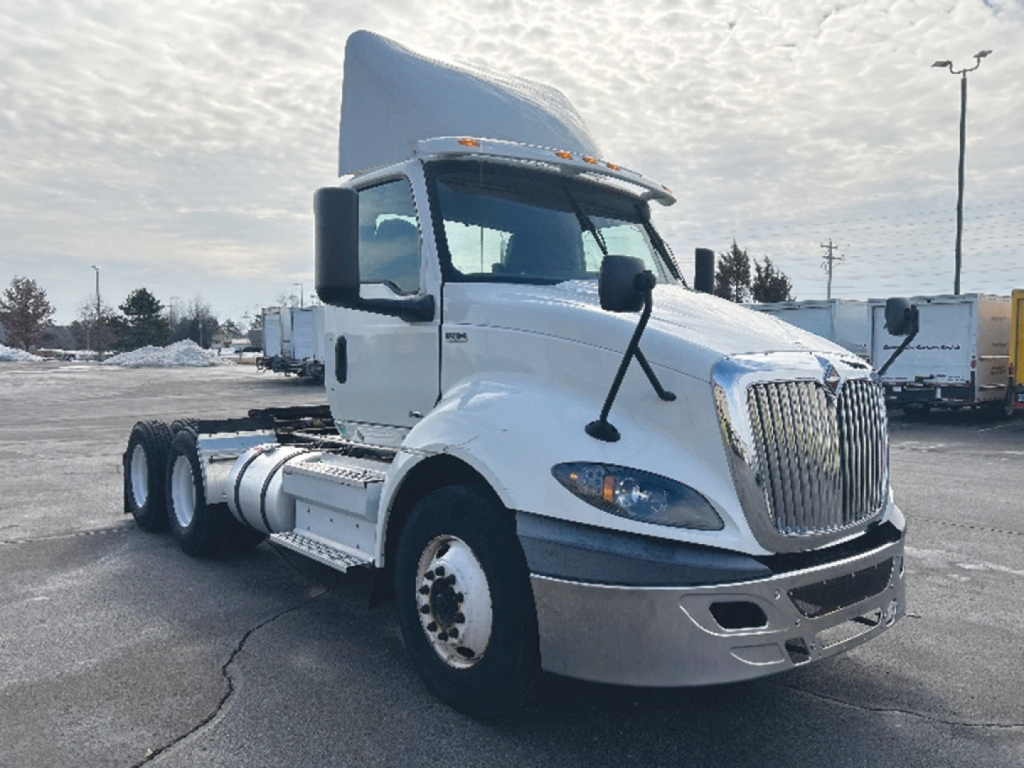

Selling a 2018 commercial truck? List your 2018 commercial truck for sale and reach thousands of commercial buyers.
2018 Commercial Trucks in Nebraska
Frequently Asked Questions about 2018 Commercial Trucks in Nebraska
What should I look for first when buying a 2018 used truck?
Start with the truck’s intended job. A 2018 sleeper tractor for long-haul freight should be evaluated differently than a 2018 day cab, dump truck, or box truck. Key items include engine hours, mileage, maintenance history, aftertreatment service records, transmission type, axle ratings, wheelbase, and any signs of frame modification or prior damage. On 2018 trucks, it is especially important to review DPF, DEF, and SCR system performance because emissions repairs can materially affect operating cost.
Are 2018 trucks a good choice for Nebraska operations?
Yes, a 2018 truck can fit Nebraska operations well if the spec matches the route and load profile. Trucks used across Nebraska often need to handle interstate speeds, seasonal temperature swings, crosswinds, and a mix of highway and rural road conditions. For that reason, buyers often pay close attention to rear axle ratio, tire condition, suspension type, cold-weather starting performance, and cab or sleeper comfort features. A truck that is well-matched to regional terrain and duty cycle will usually perform better than a newer truck with the wrong spec.
What engines and transmissions are common in 2018 trucks?
Many 2018 trucks were built with popular diesel platforms from Detroit, Cummins, PACCAR, Volvo, and International, depending on make and configuration. Automated manual transmissions were widely adopted by this period, though manual transmissions were still available in some vocational and specialized applications. Buyers should verify horsepower, torque rating, engine brake spec, transmission model, and rear axle ratio together because those components determine startability, cruising RPM, fuel economy, and how the truck handles heavy loads.
How important is axle configuration on a 2018 truck?
Axle configuration is one of the biggest buying decisions because it directly affects payload, maneuverability, legal weight, and service application. A single-axle truck may be ideal for lighter regional work or certain vocational uses, while tandem-axle trucks are more common for highway tractors and heavier body applications. Front axle capacity, rear axle rating, suspension type, and bridge law considerations all matter. On a 2018 truck, these specs can be more important than brand alone because they determine how useful the truck will be in day-to-day operation.
What are the most important condition checks on a 2018 truck?
Beyond the usual engine and drivetrain inspection, buyers should pay close attention to emissions system history, brake wear, tire age, suspension condition, steering play, electrical function, and signs of corrosion on the frame, cab mounts, and crossmembers. If the truck is a tractor, inspect the fifth wheel, slider operation, and evidence of uneven trailer contact. If it is a vocational truck, inspect PTO operation, hydraulic systems, body mounting, and auxiliary equipment. A 2018 truck can still have many productive miles ahead, but condition and maintenance quality are what separate a dependable unit from a costly one.