
Volvo Trucks For Sale in Nebraska
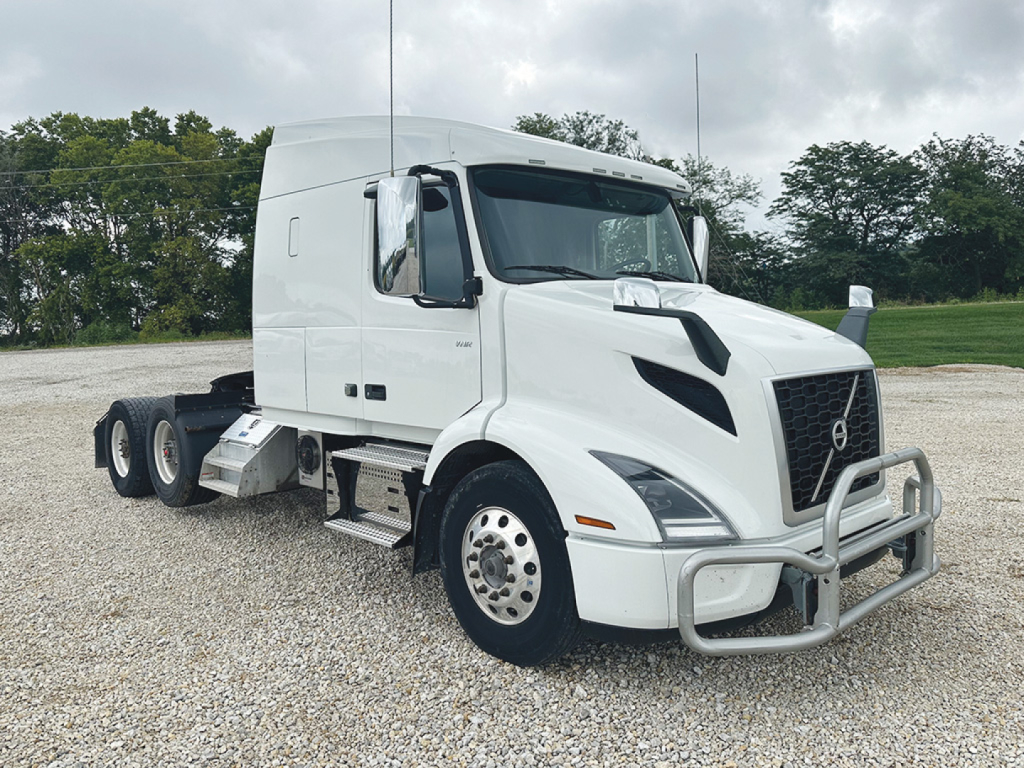
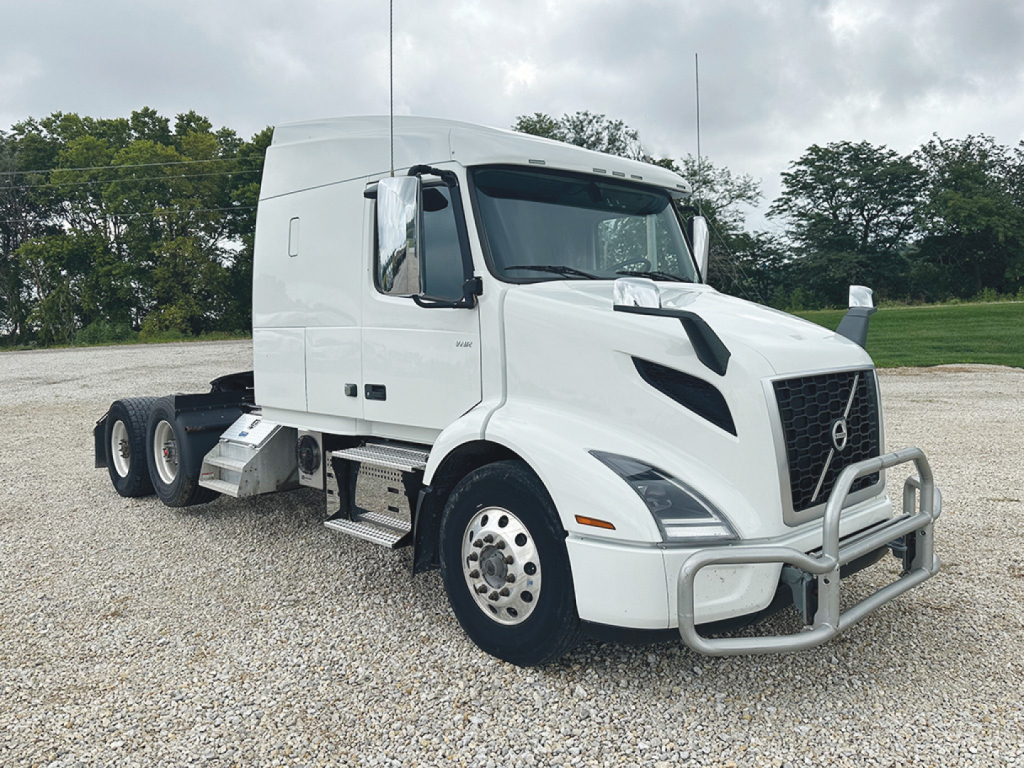
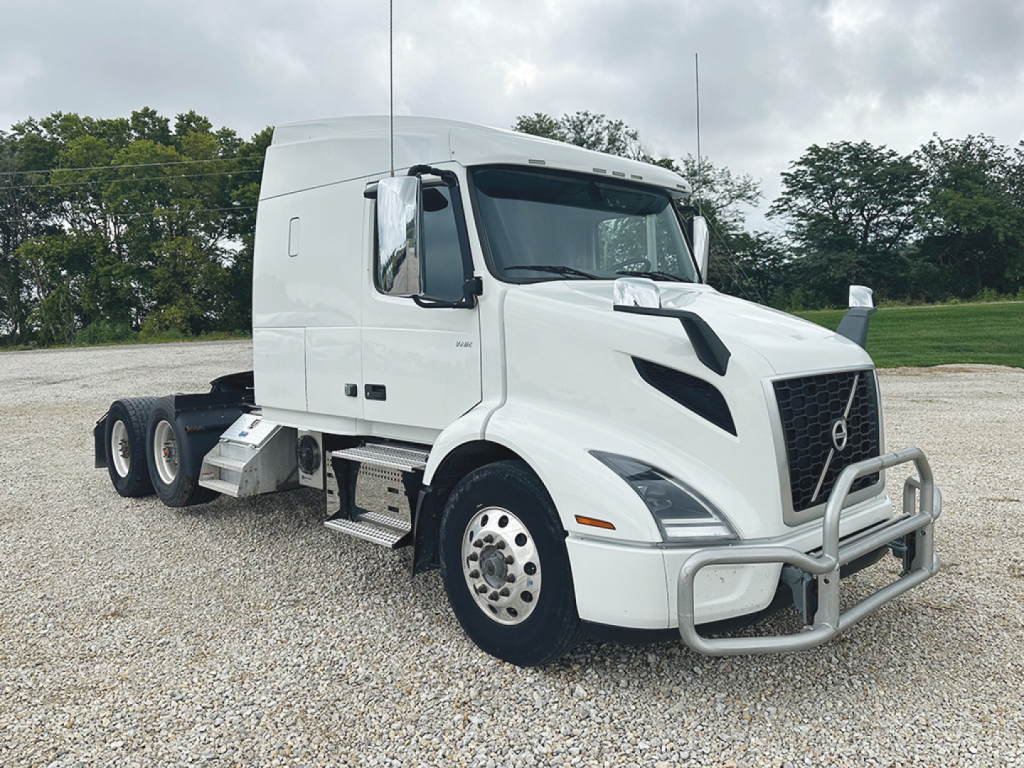
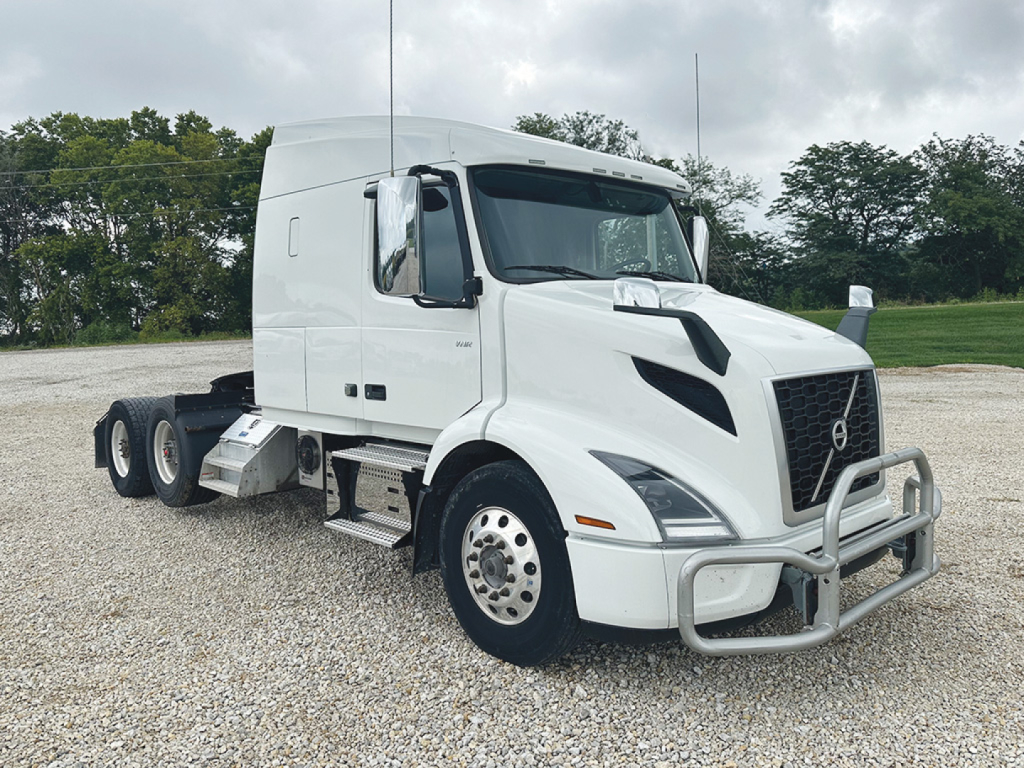
Shop Volvo trucks for sale in Nebraska, including VNL daycabs and sleepers with D11 or D13 power, I-Shift transmissions, and aero specs.
Selling a volvo truck? List your volvo truck for sale and reach thousands of commercial buyers.
Volvo Trucks in Nebraska
In this category, you will commonly see Volvo D11, D13, and D13TC engines paired with Volvo I-Shift automated manual transmissions. That combination is popular for good reason. The I-Shift is well regarded for shift quality, fuel economy, and ease of use in mixed-driver fleets. Horsepower in used VNL models often falls in the 385 to 455 HP range, with tandem rear axles rated around 40,000 pounds on sleeper tractors and lighter single-axle setups on daycabs. Rear axle ratios such as 2.47, 2.64, and 3.21 matter more than many buyers expect. Lower numerical ratios generally favor highway fuel economy, while a deeper ratio can make more sense for heavier regional work, shorter runs, or frequent stop-and-go operation.
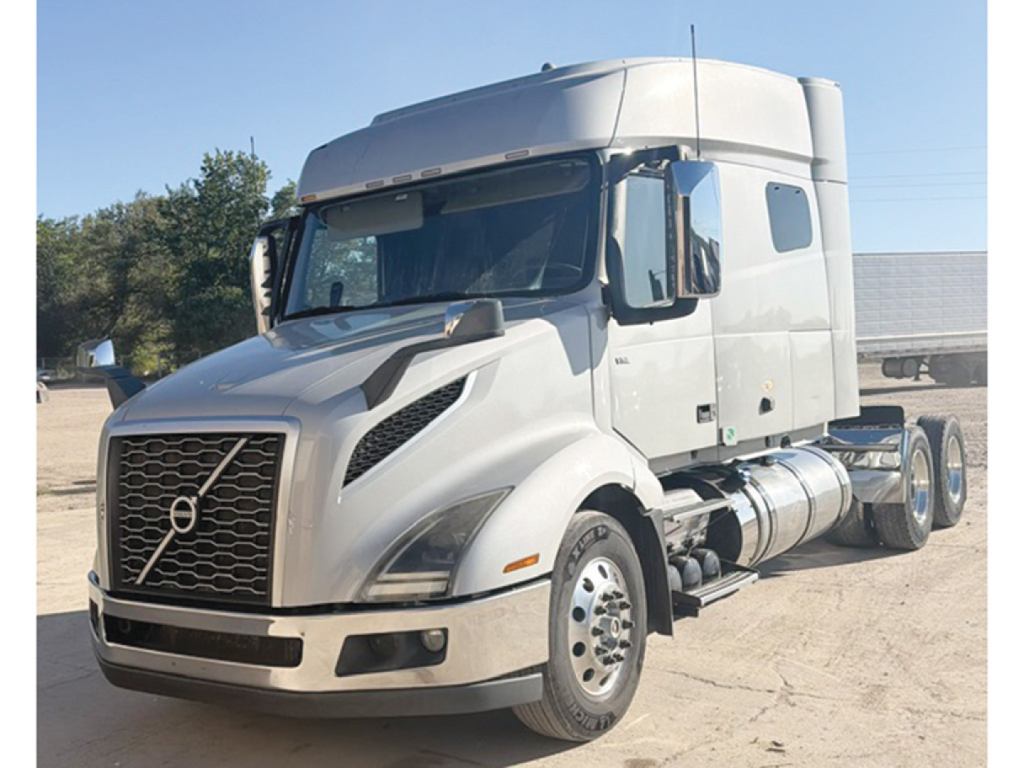
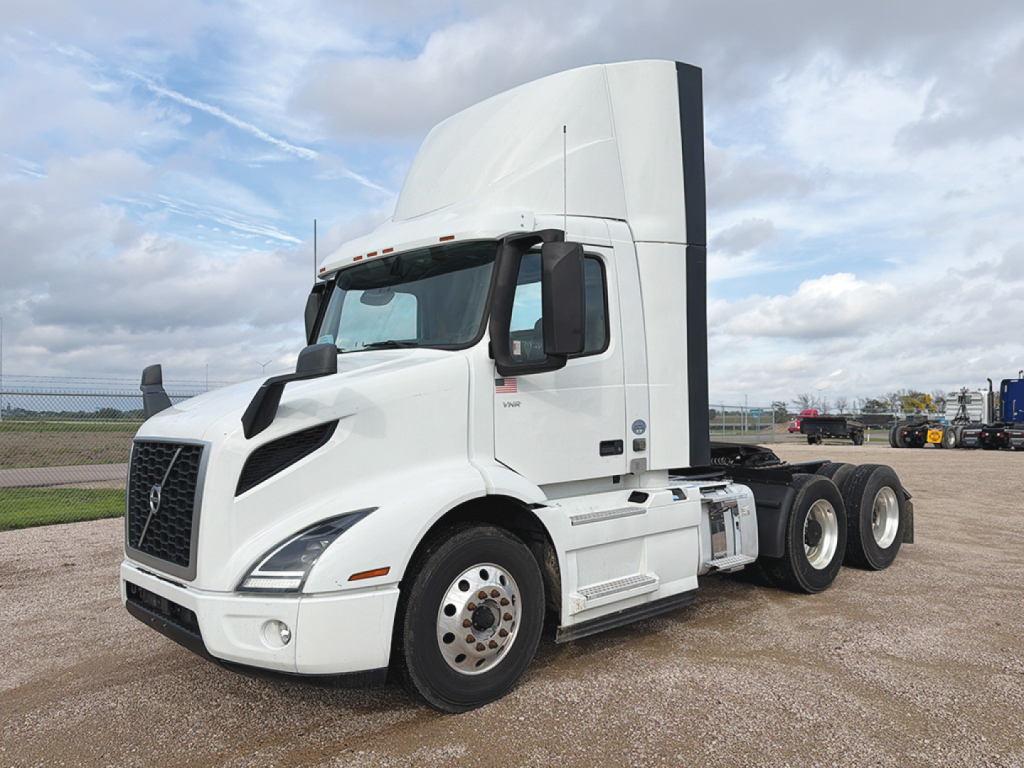
Sleeper buyers should compare wheelbase, bunk layout, fuel capacity, and in-cab amenities just as closely as engine specs. A VNL 760 is a common fleet choice for long-haul operations because it balances living space and maneuverability, while a VNL 860 typically gives the driver more room for extended time on the road. Features like bunk heaters, refrigerators, workstations, disc brakes, air ride suspension, and adjustable or air slide fifth wheels can make a noticeable difference in driver comfort and trailer compatibility. Daycab buyers should pay closer attention to fifth wheel travel, axle configuration, fairings, and wheelbase to be sure the truck matches local delivery, dedicated lane, or shuttle work.
When comparing used Volvo trucks, inspect service history, aftertreatment maintenance, transmission calibration history, brake type, tire size, and suspension condition. On aerodynamic VNL tractors, cab extenders, side fairings, roof fairings, and quarter fenders are not just cosmetic pieces. They affect fuel burn and should match the trailer height and application. Nebraska buyers often run long interstate miles, open crosswinds, and wide seasonal temperature swings, so cooling system condition, bunk HVAC performance, and road-speed gearing deserve extra attention. A well-spec'd Volvo truck can be a very efficient choice for fleets prioritizing uptime, fuel economy, and driver retention.
Frequently Asked Questions about Volvo Trucks in Nebraska
What are the most common Volvo truck models buyers look for in Nebraska?
The Volvo VNL series is the most common lineup buyers shop in this market. VNL 300 models are typically daycabs used for local, regional, or dedicated route work, while VNL 760 and VNL 860 models are conventional sleepers built for over-the-road service. The main difference is cab and sleeper size, but buyers should also compare wheelbase, fuel capacity, axle setup, and interior features because those details affect how well the truck fits a specific freight lane.
Is the Volvo I-Shift a good transmission for a used highway tractor?
Yes, the Volvo I-Shift is widely accepted as a strong automated manual transmission for highway use. It is known for smooth shifting, fuel-efficient operation, and reduced driver fatigue compared with a manual. On a used truck, the important part is not just that it has an I-Shift, but that the transmission has been maintained properly, shifts cleanly under load, and has current software calibration and no clutch or actuator issues in its service history.
What engine options are common in used Volvo VNL trucks?
Many used Volvo VNL trucks are spec'd with Volvo D11, D13, or D13TC engines. The D11 is often found in lighter or more fuel-focused specs, while the D13 is common in mainstream fleet tractors with horsepower ratings suitable for regional and over-the-road freight. The D13TC, or turbo compound version, is often selected for fuel economy in highway applications. Buyers should match the engine to the truck's gross combination weight, terrain, and typical trailer type rather than choosing strictly by horsepower.
Why does rear axle ratio matter so much on a Volvo sleeper tractor?
Rear axle ratio has a direct effect on cruise RPM, launch performance, gradeability, and fuel economy. Ratios like 2.47 or 2.64 are common on aerodynamic highway tractors because they help keep engine speed lower at interstate cruising speeds. A ratio like 3.21 is better suited to applications that need stronger pulling power at lower speed, such as regional hauling, heavier loads, or more frequent starts and stops. The right ratio depends on route profile, load weight, and target road speed.
What should buyers inspect first on a used Volvo truck?
Start with the maintenance records, engine and aftertreatment history, transmission operation, and suspension and brake condition. On sleeper models, also inspect the bunk HVAC system, refrigerator or auxiliary components, and signs of excessive idle hours or interior wear. On aerodynamic VNL trucks, damaged fairings, cab extenders, and bumper or hood components can add repair cost and reduce fuel efficiency. A used Volvo should be evaluated as a complete operating package, not just by year, mileage, or horsepower.