
Volvo Conventional Sleeper Trucks For Sale in Nebraska
Shop Volvo conventional sleeper trucks in Nebraska. Compare VNL 760 and VNL 780 specs, D13 power, I-Shift transmissions, and sleeper features.
Selling a volvo conventional sleeper truck? List your volvo conventional sleeper truck for sale and reach thousands of commercial buyers.
Volvo Conventional Sleeper Trucks in Nebraska
The spec decisions that matter most are horsepower, rear axle ratio, wheelbase, and sleeper configuration. Many Volvo sleeper tractors in this class run 425 to 455 horsepower with 40,000-pound rears, making them a fit for standard 80,000-pound GCW work. Rear ratios like 2.47 or 2.64 are common and can tell you a lot about the truck's intended use. A 2.47 ratio generally points toward fuel-efficient highway operation, while a 2.64 ratio can offer a little more flexibility in mixed terrain or heavier pulling. Wheelbases around 228 to 232 inches are also common on tandem axle sleepers and affect trailer gap, ride quality, and maneuverability. Buyers should also note fifth wheel type and travel, since an air slide fifth wheel adds flexibility for changing kingpin settings and managing axle weights across different trailer specs.
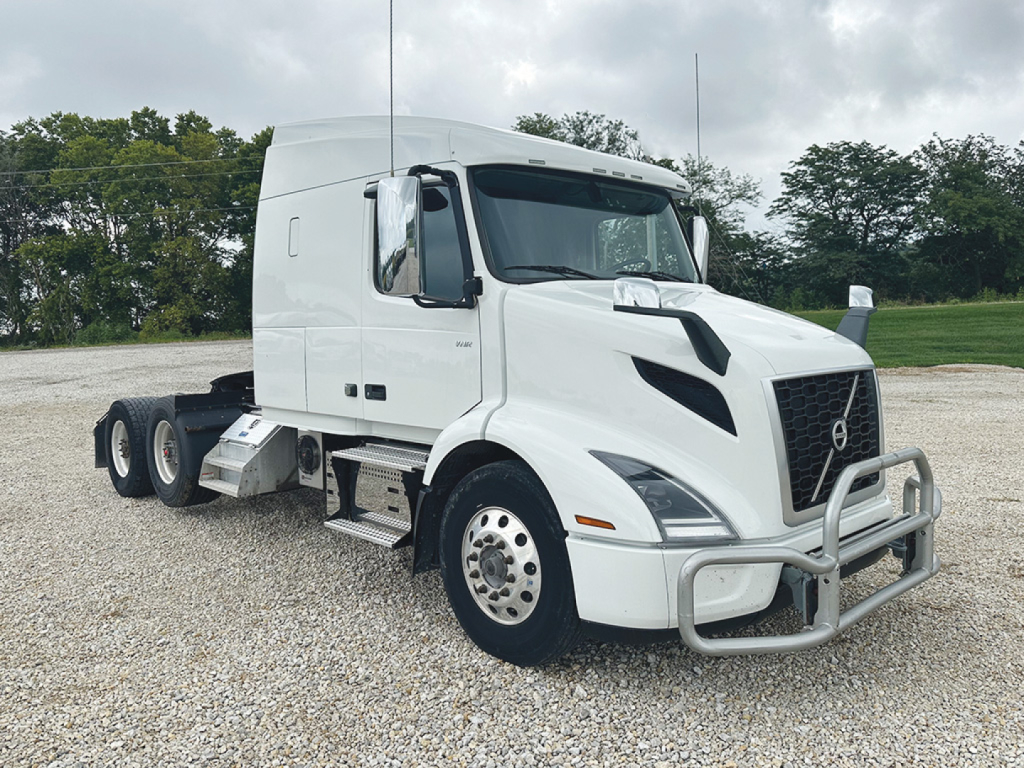
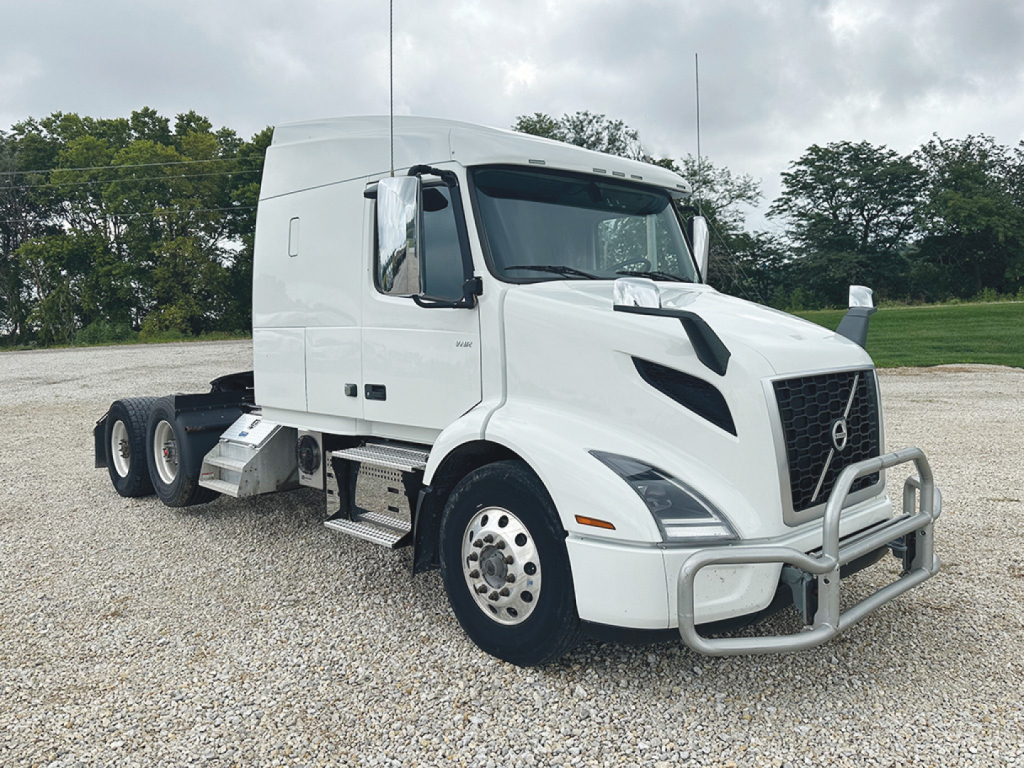
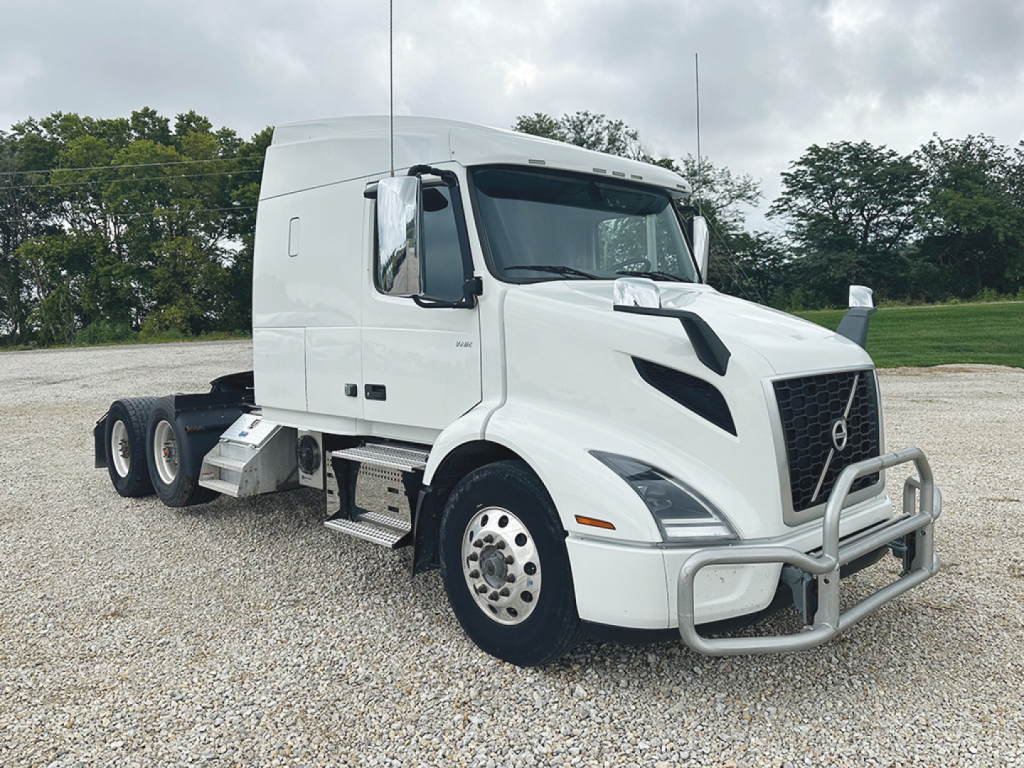
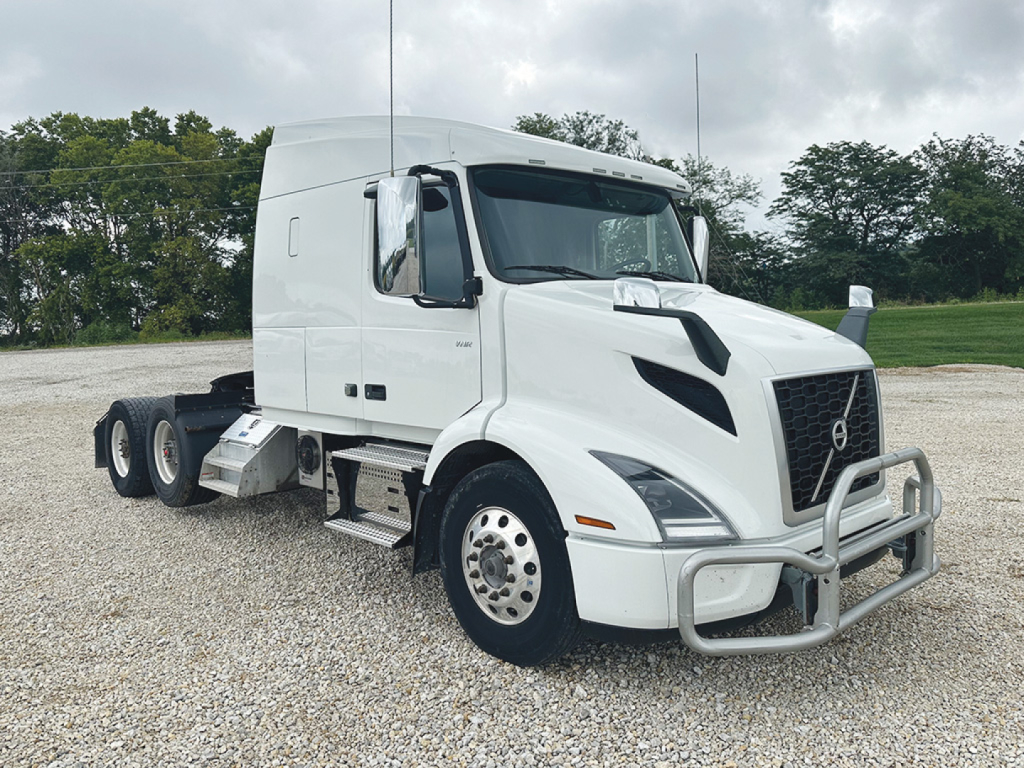
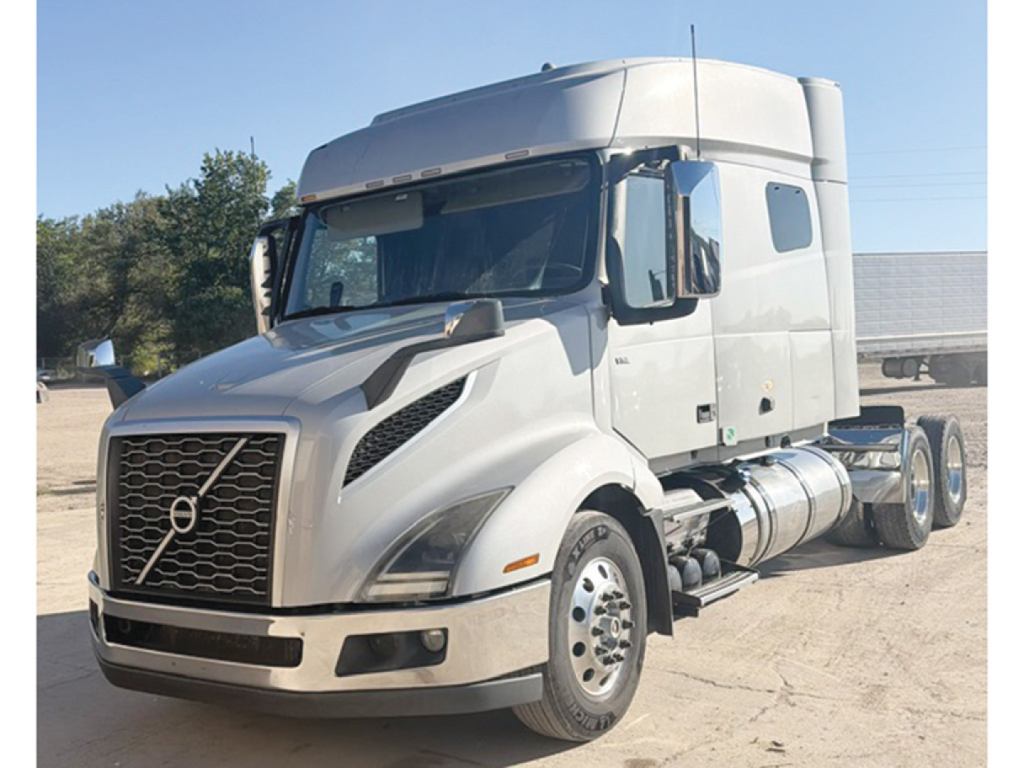
The sleeper itself is a major buying point on a Volvo VNL. The VNL 760 is typically favored by fleets and owner-operators who want a practical high-roof sleeper with efficient packaging, while the VNL 780 is often chosen for its larger living space and upper bunk layout. Features such as bunk heaters, APUs, climate control systems, side fairings, cab extenders, and dual aluminum fuel tanks can have a direct impact on idle reduction, trip range, and driver retention. In Nebraska and across the Plains, those details matter. Long interstate runs, crosswinds, winter cold, and wide temperature swings make cab insulation, heater performance, fairing condition, and fuel capacity more important than they might be in shorter-haul applications.
A careful buyer should look beyond year and mileage and pay close attention to maintenance history, aftertreatment health, transmission calibration, and chassis wear. On Volvo sleeper trucks, brake type, suspension condition, steering feel, and tire wear patterns can reveal how the truck was operated and maintained. Check for proper operation of the engine brake, sleeper accessories, HVAC controls, and any idle-management equipment. If the truck is spec'd with disc brakes, air ride suspension, and low-profile 22.5 tires, that can be a strong sign it was built for highway efficiency and driver comfort. For buyers comparing multiple Volvo conventional sleeper trucks for sale, the best value usually comes from matching the VNL model, axle ratio, and sleeper features to the exact lanes and load profile the truck will run.
Frequently Asked Questions about Volvo Conventional Sleeper Trucks in Nebraska
What is the difference between a Volvo VNL 760 and a Volvo VNL 780 sleeper truck?
The main difference is sleeper size and interior layout. A Volvo VNL 760 is a high-roof sleeper designed for long-haul comfort with a more space-efficient footprint, while a VNL 780 generally offers a larger sleeper area and is often preferred by operators who spend more nights in the truck. Both are conventional sleeper tractors built for over-the-road use, but the 780 typically puts more emphasis on living space and storage.
Is the Volvo D13 and I-Shift combination a good choice for long-haul freight?
Yes. The Volvo D13 paired with the Volvo I-Shift automated manual transmission is one of the most common and proven specs in the Volvo sleeper market. It is well regarded for smooth shifting, fuel economy, and reduced driver fatigue compared with a manual transmission. For fleet use and owner-operator applications, it is especially attractive because the engine and transmission are designed to work together as an integrated powertrain.
What rear axle ratio should I look for in a Volvo conventional sleeper?
That depends on the loads, terrain, and average road speed. Ratios such as 2.47 are commonly used for fuel-efficient highway applications where the truck spends most of its time at steady interstate speeds. Ratios like 2.64 are also common and can provide a bit more pulling flexibility in mixed-route service or rolling terrain. The best ratio is the one that matches the transmission gearing, tire size, and the freight the truck will actually haul.
What features matter most in a used Volvo sleeper truck in Nebraska?
For Nebraska operations, buyers should pay attention to sleeper heat, HVAC performance, fairings, fuel capacity, and overall highway spec. Long distances, winter weather, and open-road crosswinds make a bunk heater, good insulation, and aerodynamic components especially useful. It is also smart to check for corrosion, suspension wear, and proper operation of any APU or idle-reduction equipment, since those items affect both uptime and driver comfort.
Are Volvo conventional sleeper trucks good for fleet and owner-operator use?
Yes. Volvo conventional sleepers are widely used by both fleets and independent operators because they balance fuel economy, driver comfort, and highway-friendly specs. Fleets often like the consistency of the VNL platform and the integrated drivetrain, while owner-operators often value the cab ergonomics, quieter ride, and practical sleeper layouts. The right choice comes down to picking a spec that fits the freight, not just the badge or model year.