
2020 Volvo Conventional Sleeper Trucks For Sale in Nebraska
Shop 2020 Volvo conventional sleeper trucks in Nebraska. Compare VNR and VNL specs, sleeper sizes, I-Shift setups, and long-haul features.
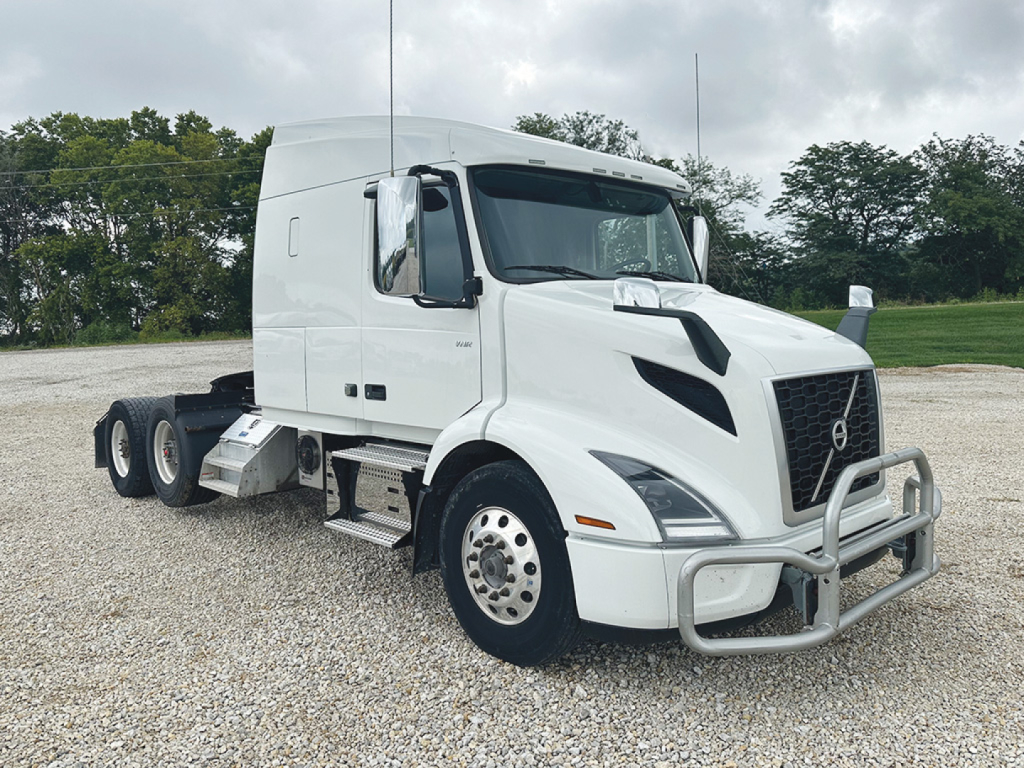
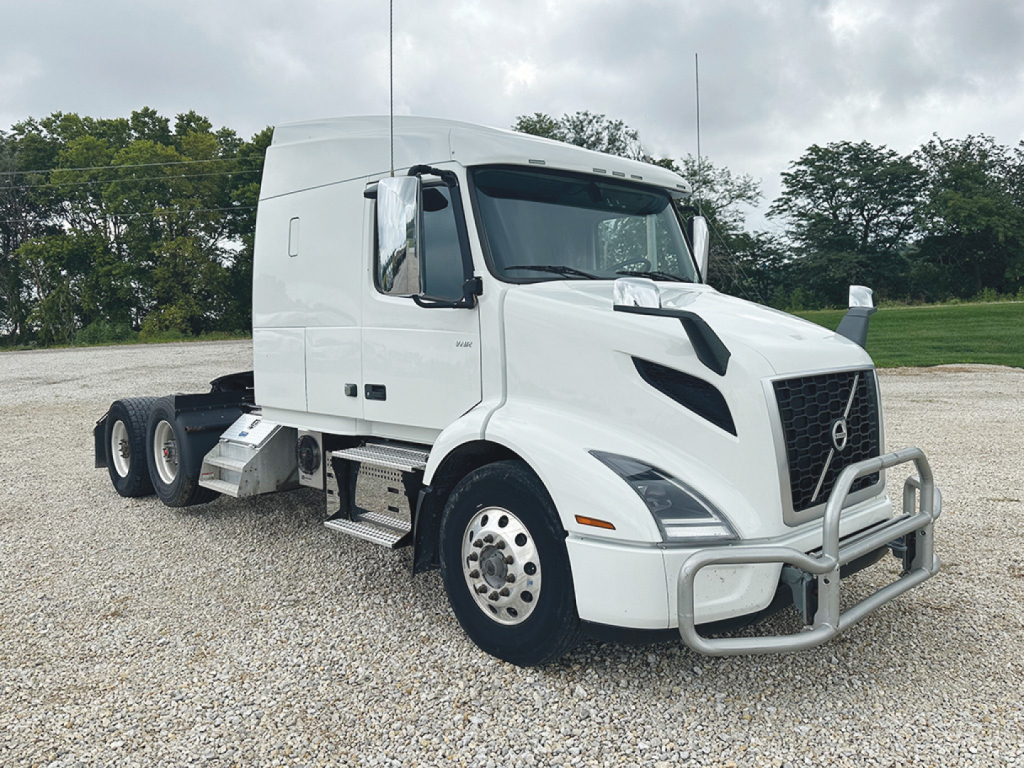
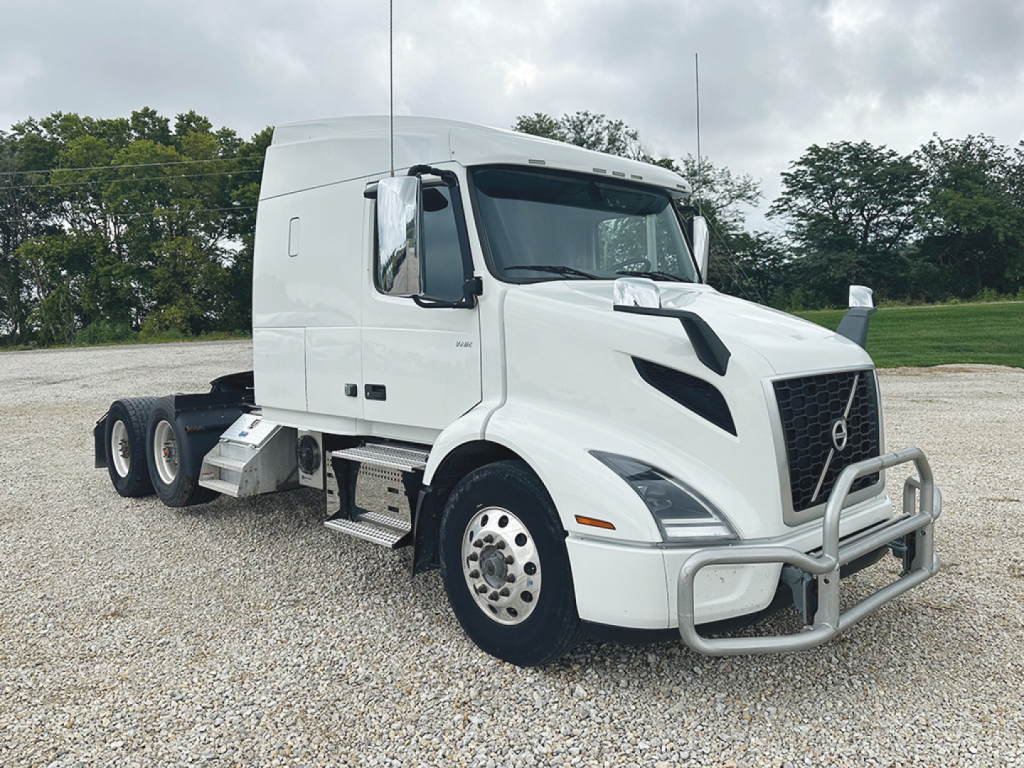
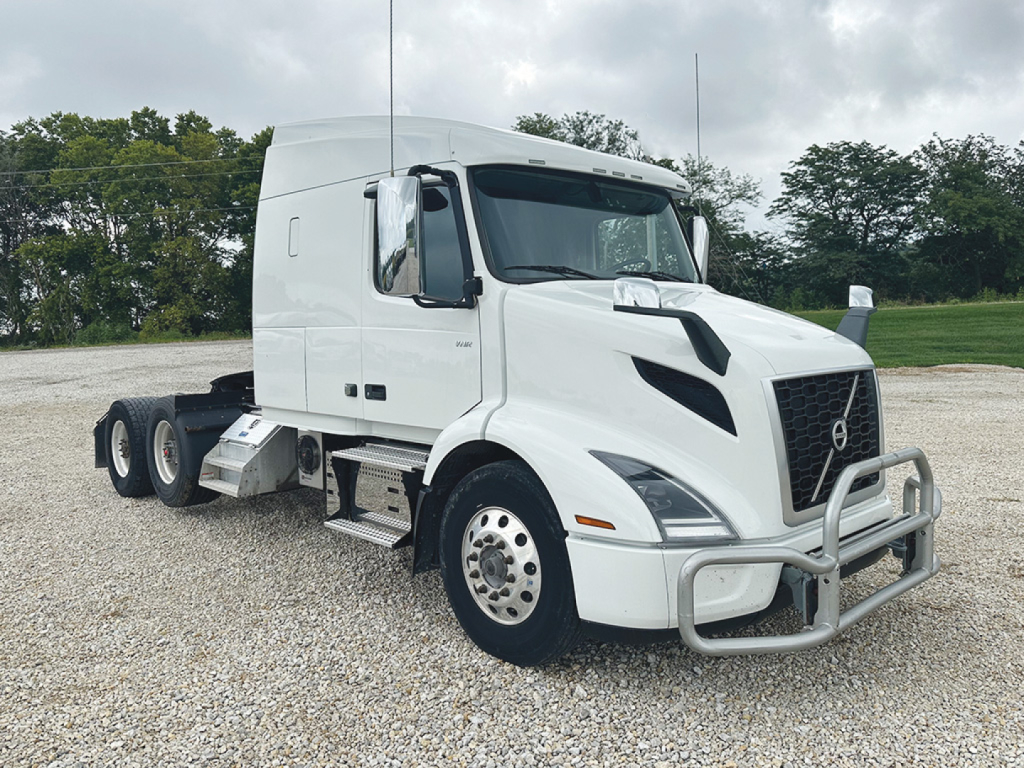
Selling a 2020 volvo conventional sleeper truck? List your 2020 volvo conventional sleeper truck for sale and reach thousands of commercial buyers.
2020 Volvo Conventional Sleeper Trucks in Nebraska
Powertrain is the first major decision point. Many 2020 Volvo sleeper trucks are spec'd with a Volvo D11 or D13 engine paired to the Volvo I-Shift automated manual transmission. A D11 in the 425 HP range is common in lighter regional or weight-sensitive applications, while a D13 is more typical for heavier linehaul and teams that want stronger pulling power and broader resale appeal. Rear axle ratios such as 2.67 or similar fuel-economy-focused specs are common, especially when matched with direct-drive or overdrive I-Shift configurations. Buyers should also verify whether the truck has a single drive axle with lift pusher, a tandem setup, an air slide fifth wheel, engine brake, and disc brakes, since those features change operating cost and the type of freight the truck can handle efficiently.
Sleeper layout and chassis equipment matter just as much as the engine badge. Volvo conventional sleepers from this period are known for a driver-friendly cab, good visibility, and a quieter interior than many competitive long-hood tractors. Common features include bunk heaters, tilt and telescoping steering, cruise control, power windows, air ride suspension, aluminum fuel tanks, and aerodynamic fairings or cab extenders. On larger sleeper specs, buyers may also see upper bunks, refrigerators, collision mitigation, digital dash packages, and climate-control upgrades. If the truck will spend nights on the road, pay attention to bunk size, storage, HVAC performance at idle solutions, and whether the spec supports the driver's comfort for multi-day runs.
For used 2020 Volvo sleeper trucks, the smart inspection focus is transmission calibration history, aftertreatment maintenance, brake and tire wear, and any signs of hard vocational use on a highway tractor spec. Confirm the wheelbase works with the trailers you plan to pull, check fifth wheel travel if sliding, and look at tire setup closely if the truck has super singles or a pusher axle. A well-matched 2020 Volvo conventional sleeper can be a strong fit for fleets and owner-operators who want modern aerodynamics, efficient automated shifting, and a cab designed for high daily miles.
Frequently Asked Questions about 2020 Volvo Conventional Sleeper Trucks in Nebraska
What is the difference between a 2020 Volvo VNR sleeper and a 2020 Volvo VNL sleeper?
The main difference is application and cab size. A 2020 Volvo VNR sleeper is typically spec'd for regional haul, dedicated lanes, and operations that need a shorter wheelbase and tighter maneuverability. A 2020 Volvo VNL sleeper is generally aimed at longer over-the-road runs, with larger sleeper options, more storage, and a chassis that is often configured for higher-mile linehaul work. Both can be equipped with Volvo powertrains and I-Shift transmissions, but the VNL usually offers more room for drivers living in the truck for multiple days at a time.
Is the Volvo D11 or D13 better in a 2020 Volvo sleeper truck?
It depends on the freight and operating profile. The Volvo D11 is a solid choice for regional applications, lower gross weights, and buyers focused on fuel economy and lighter overall truck weight. The Volvo D13 is better suited for heavier loads, steeper terrain, and long-haul operations where torque and broader spec flexibility matter more. Many buyers also prefer the D13 for resale in the sleeper market because it appeals to a wider range of over-the-road operators.
What should I inspect first on a used 2020 Volvo conventional sleeper?
Start with service records, engine hours, and fault history, then move to the I-Shift transmission operation, aftertreatment system, and brake condition. On a sleeper tractor, it is also important to inspect the bunk HVAC, bunk heater, fifth wheel condition, suspension wear, and tire pattern across all positions. If the truck has a pusher axle, super singles, or disc brakes, verify wear parts carefully because replacement cost can vary significantly by spec.
Are 2020 Volvo sleeper trucks good for Nebraska and Midwest freight lanes?
Yes, they are commonly well-suited for Nebraska and surrounding Midwest operations because they balance fuel efficiency, driver comfort, and highway stability. Long stretches of interstate driving favor aerodynamic sleeper specs, automated manual transmissions, and taller rear axle ratios designed for efficient cruising. Buyers in this region should still match the spec to the work, especially wheelbase, axle layout, and horsepower, since farm support, reefer, van, and dedicated contract freight can require very different setups.
Why does wheelbase and axle setup matter on a Volvo conventional sleeper?
Wheelbase and axle configuration affect turning radius, bridge law compliance, ride quality, trailer gap, and overall weight distribution. A shorter wheelbase VNR sleeper may be easier to work in tighter docks and city access points, while a longer wheelbase sleeper can improve ride and allow for larger tanks or sleeper packaging. Single drive axle, tandem drive, and pusher axle setups all change how the truck carries weight and what trailers or load profiles it can handle efficiently.