
Freightliner Trucks For Sale in Nebraska
Browse Freightliner trucks for sale in Nebraska, including Cascadia day cabs and sleepers built for regional haul, long haul, and fleet use.
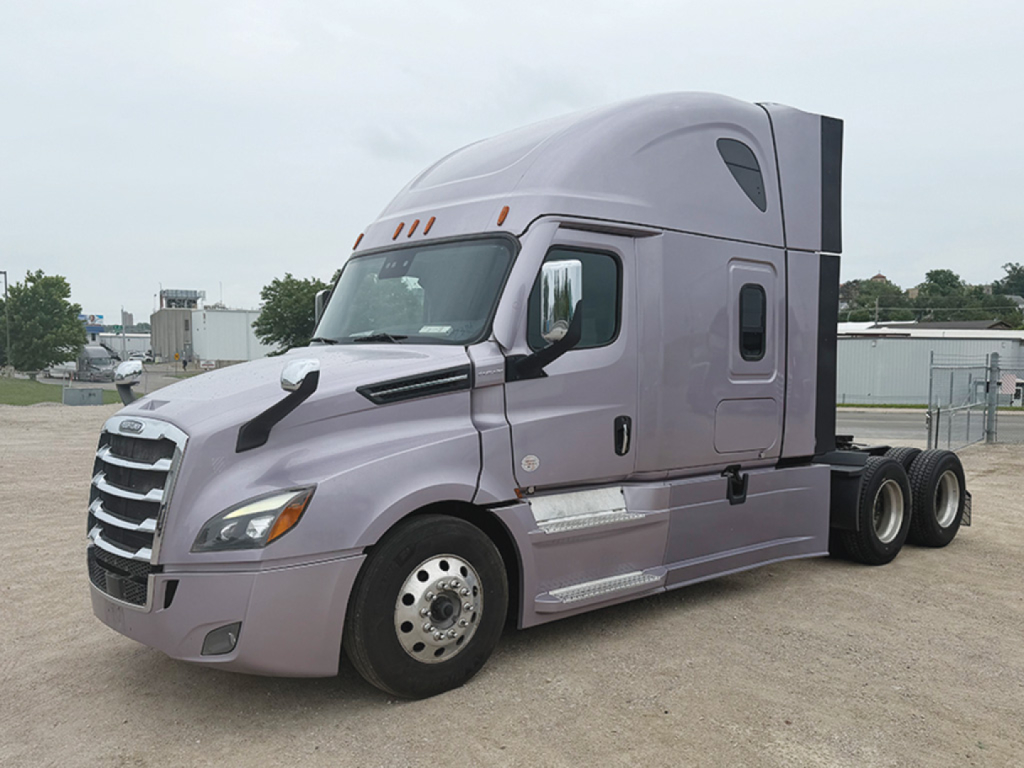
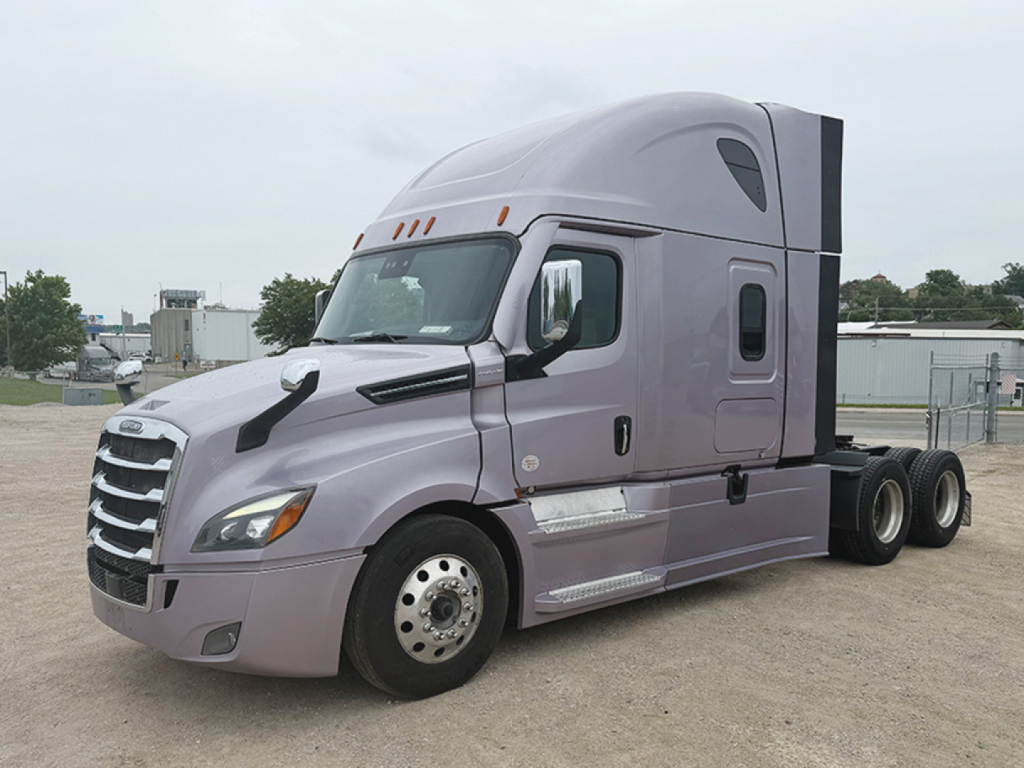
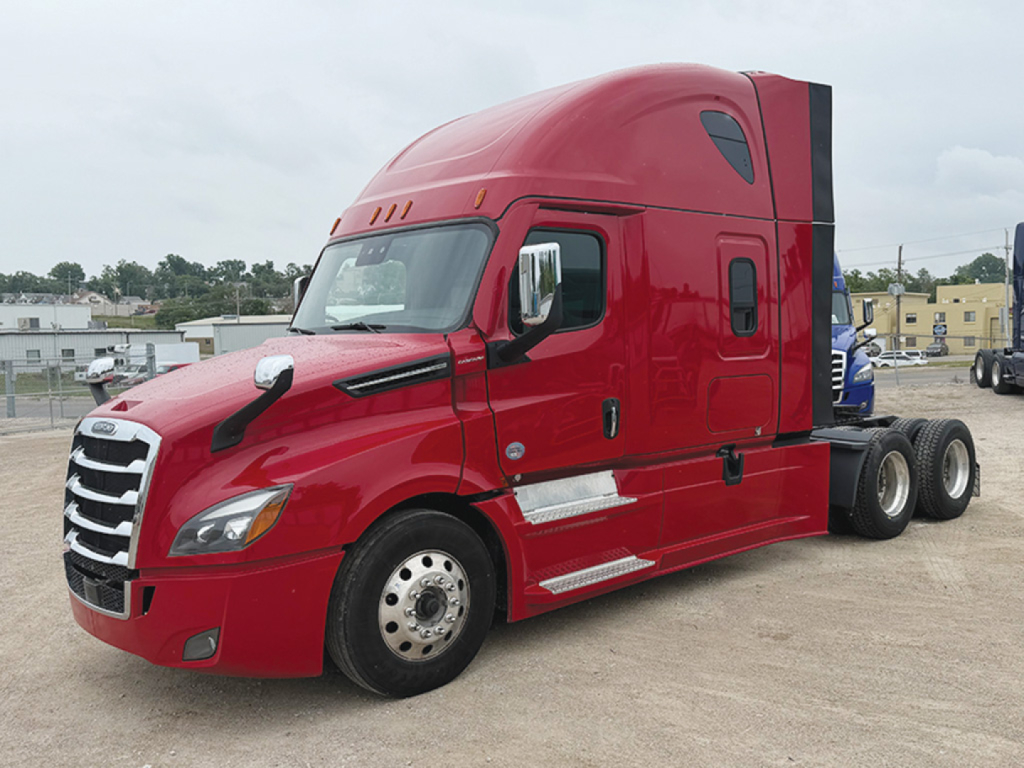
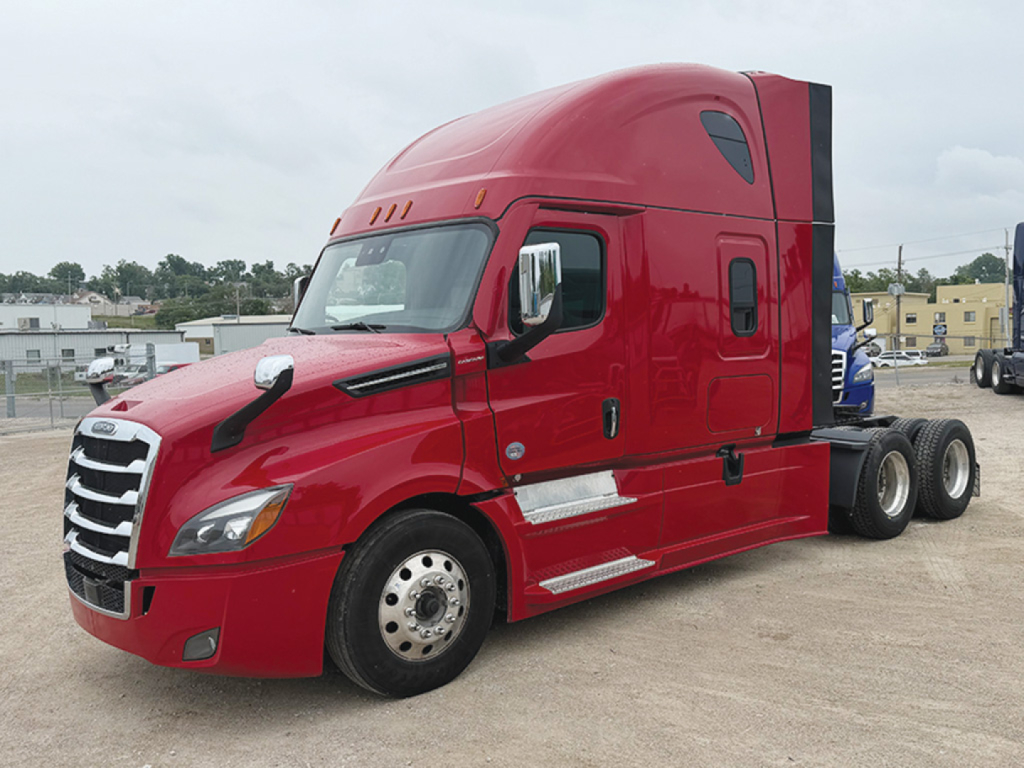
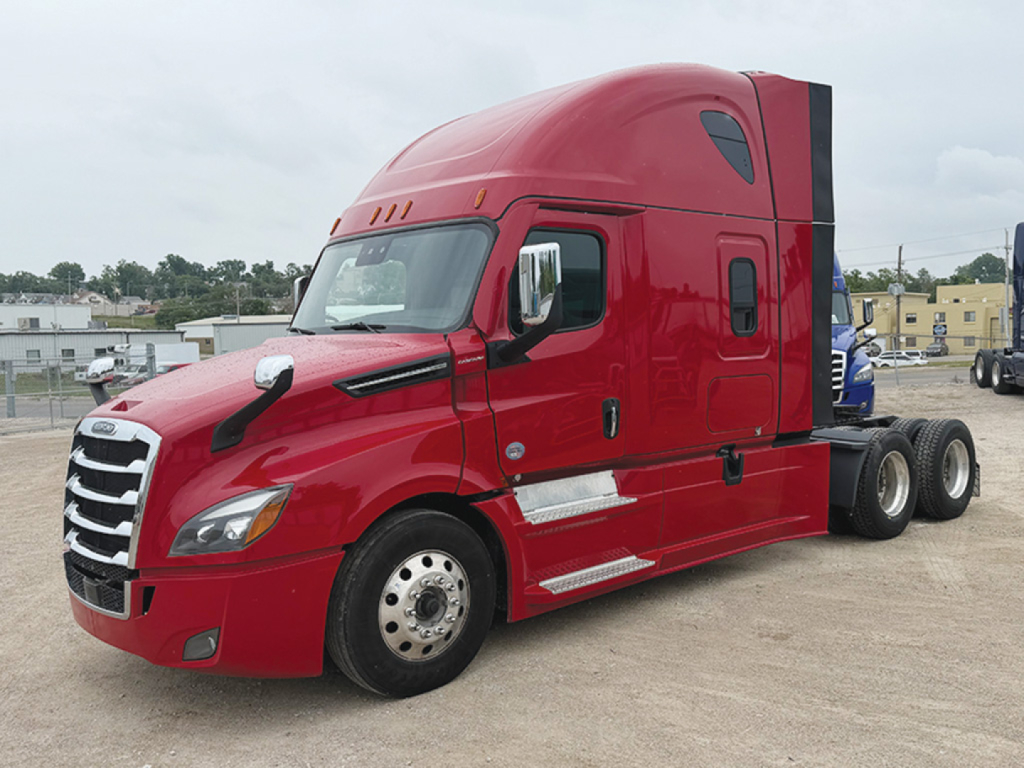
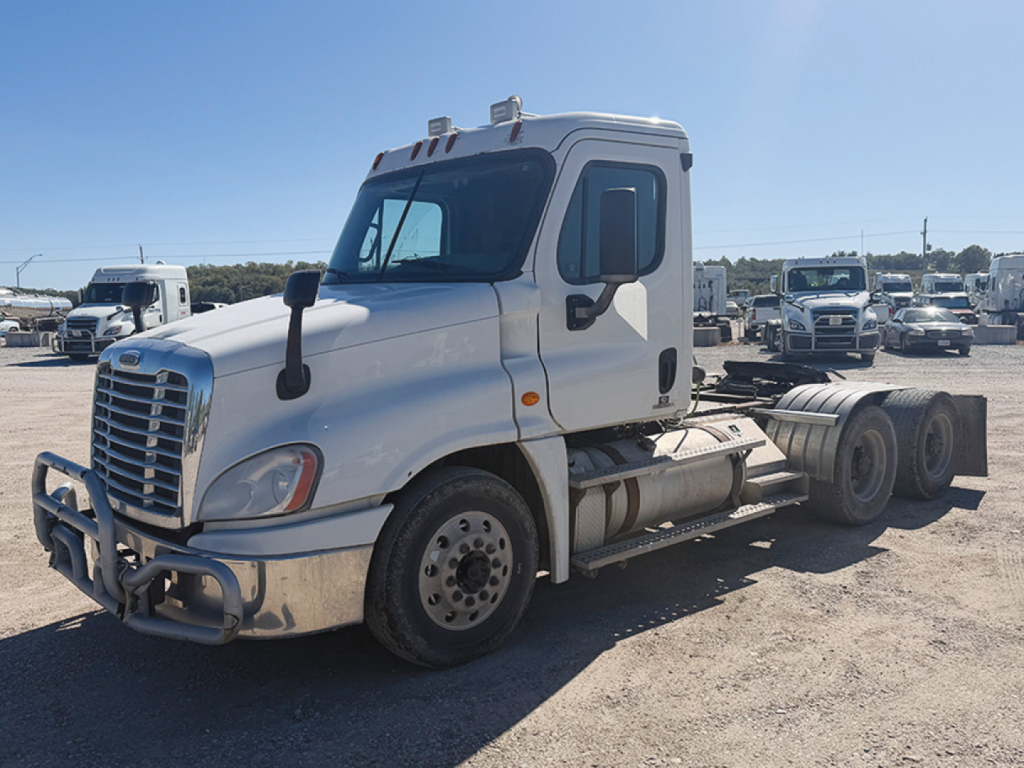
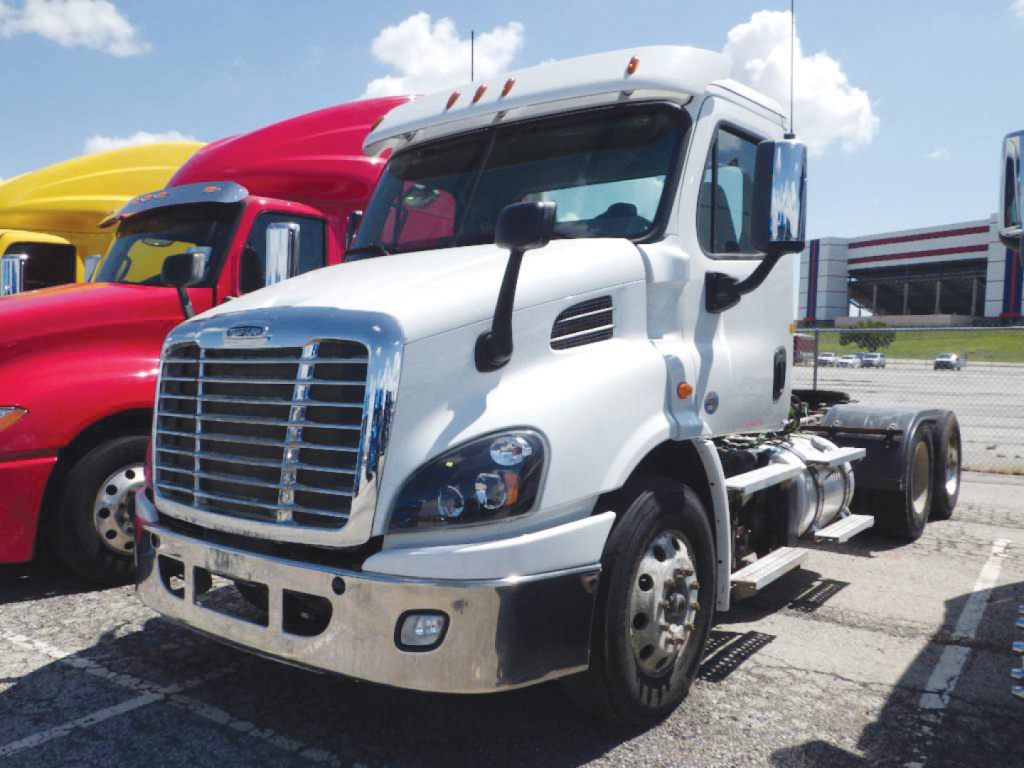
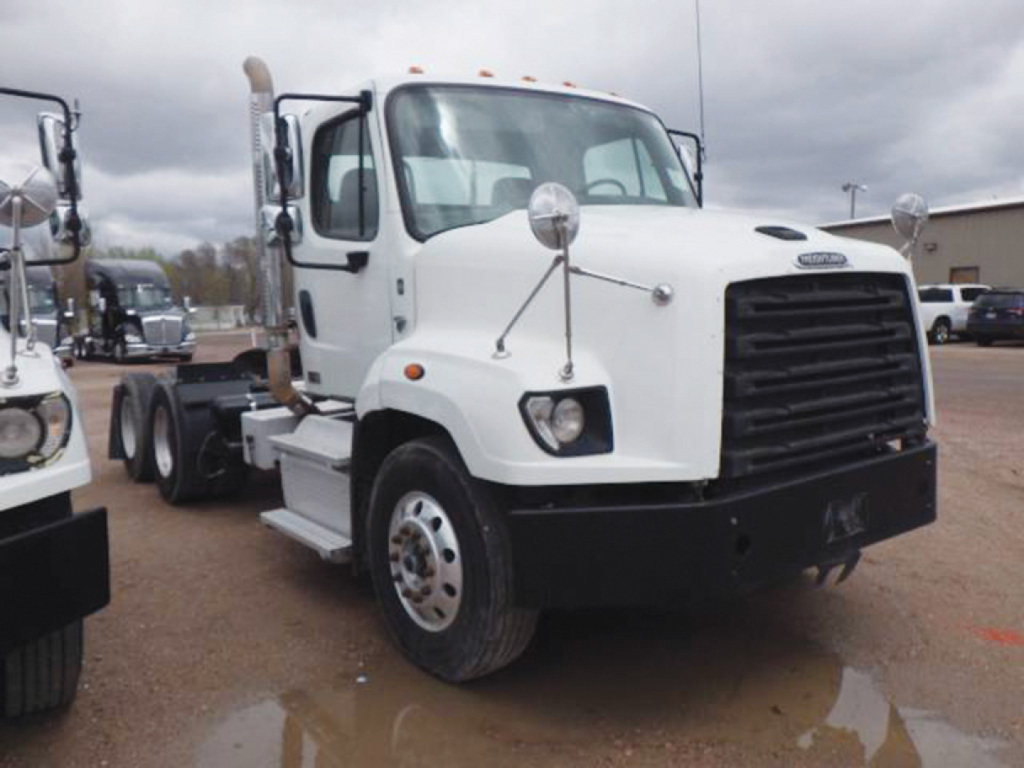
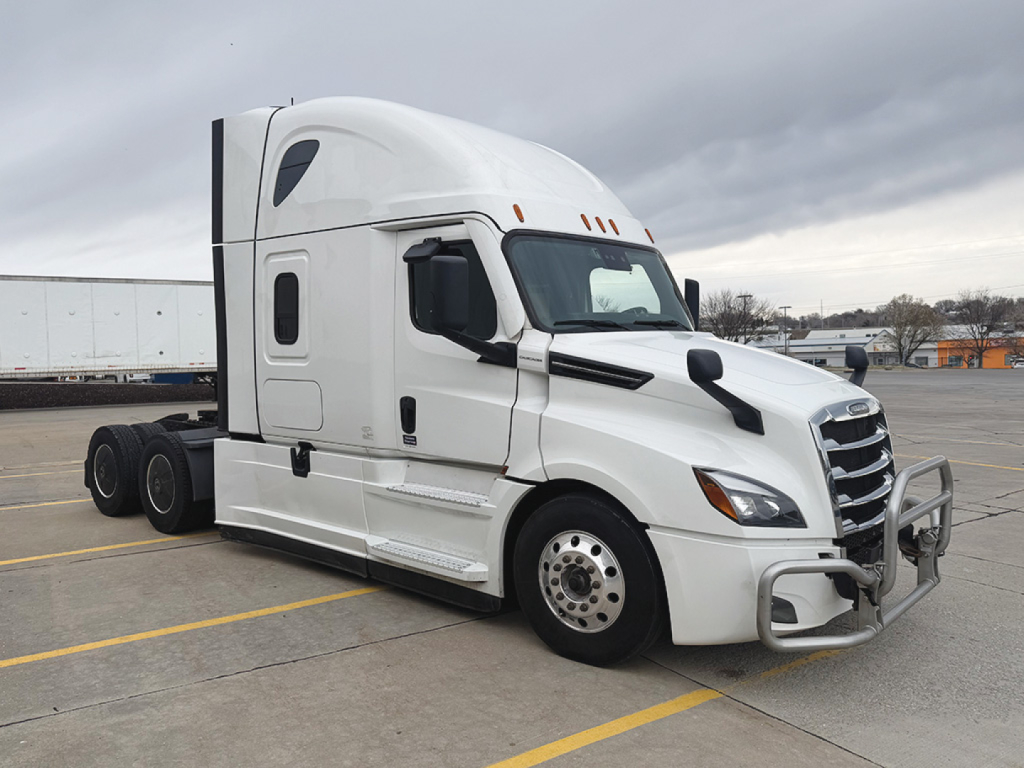
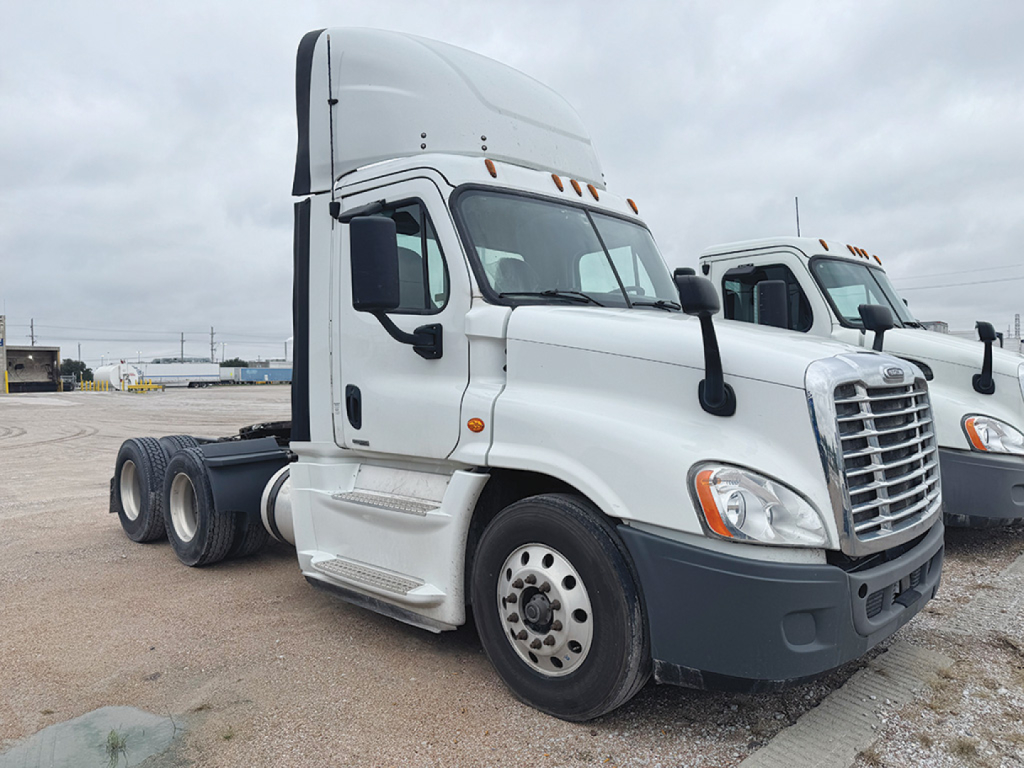
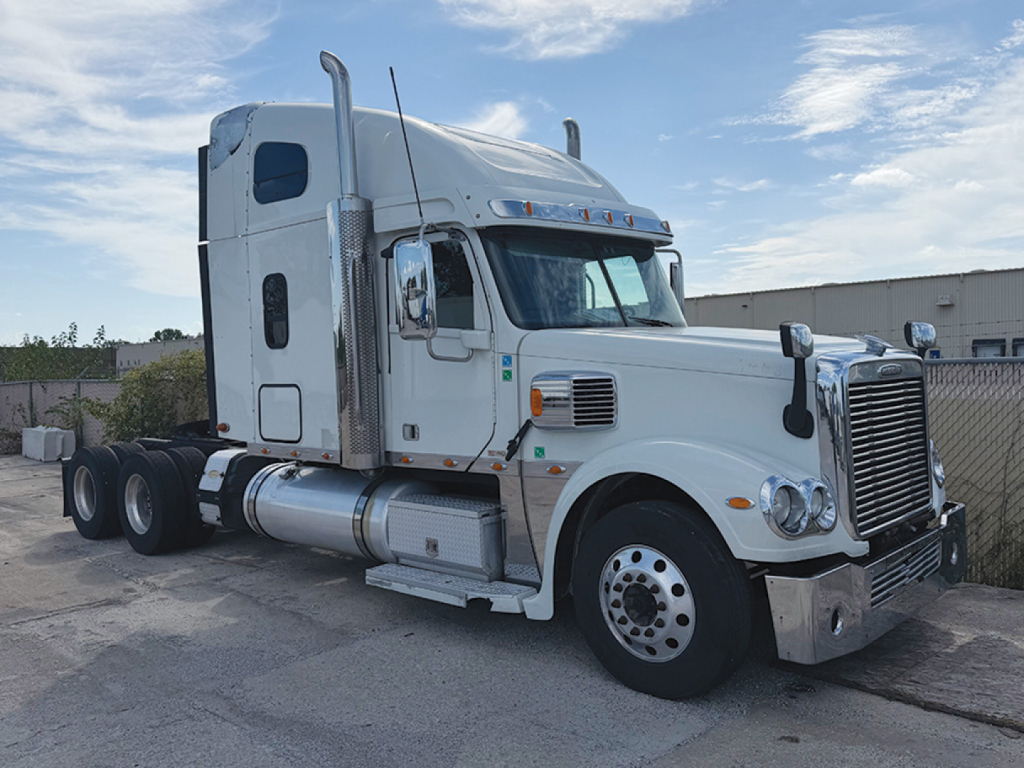
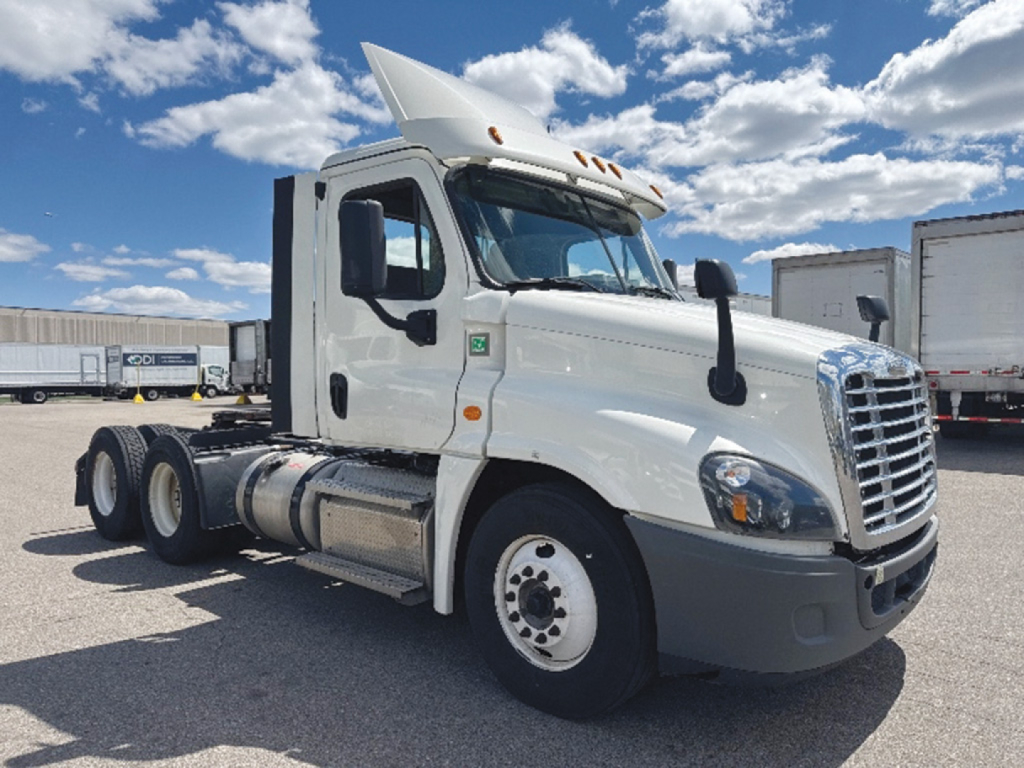
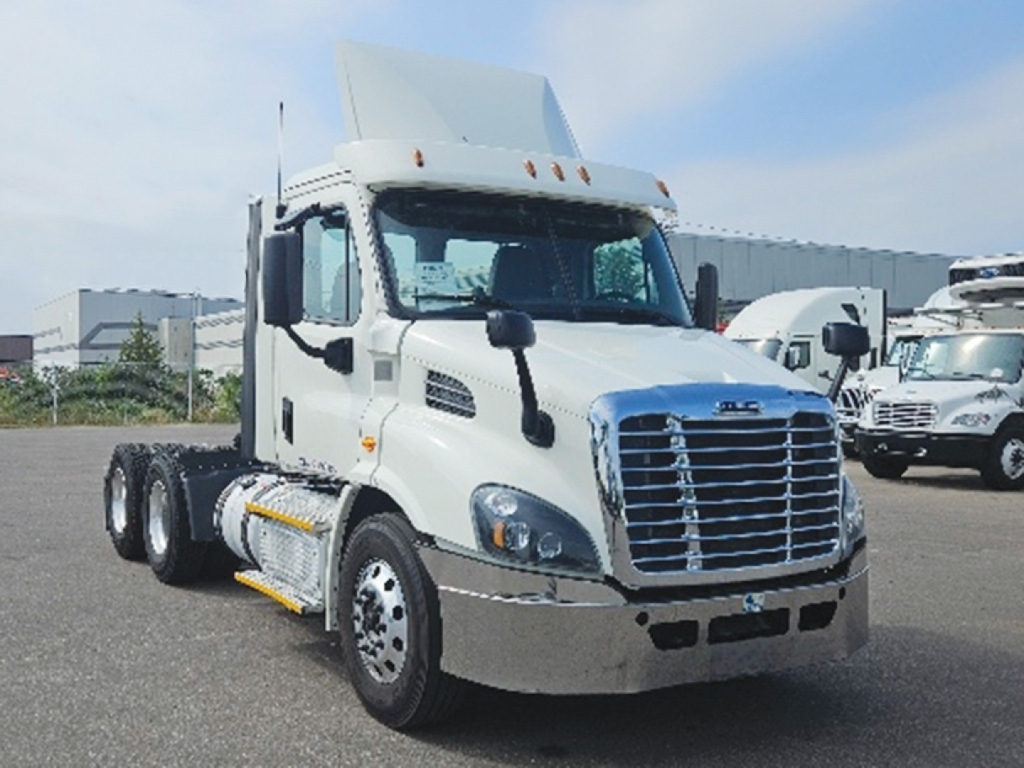
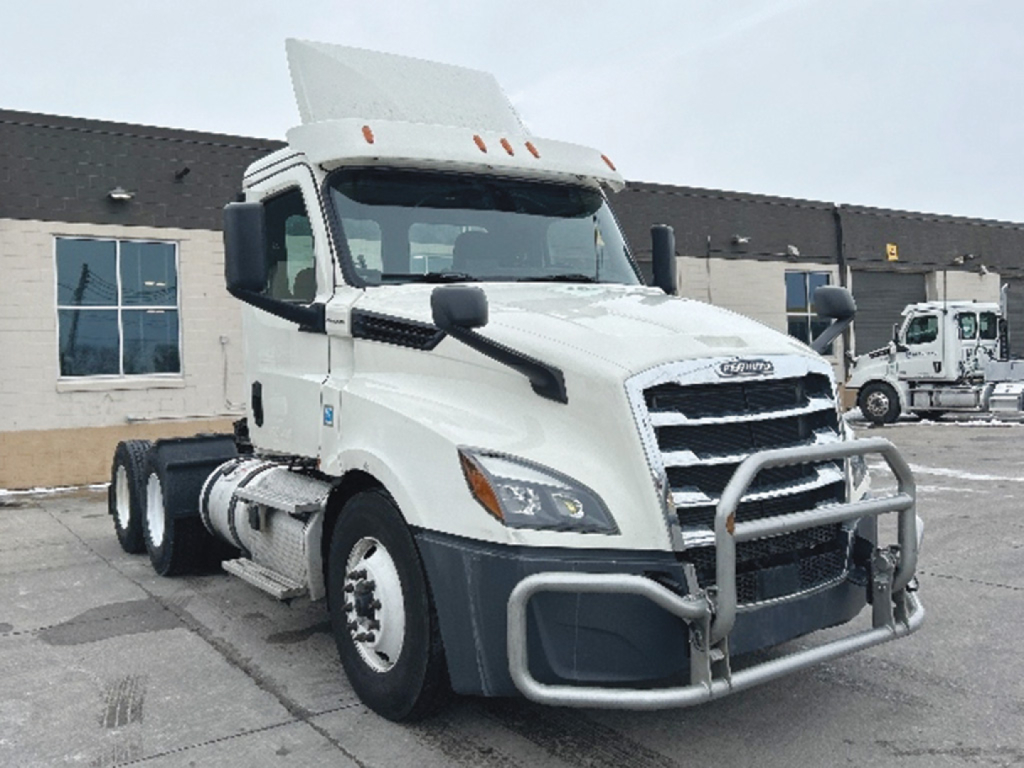
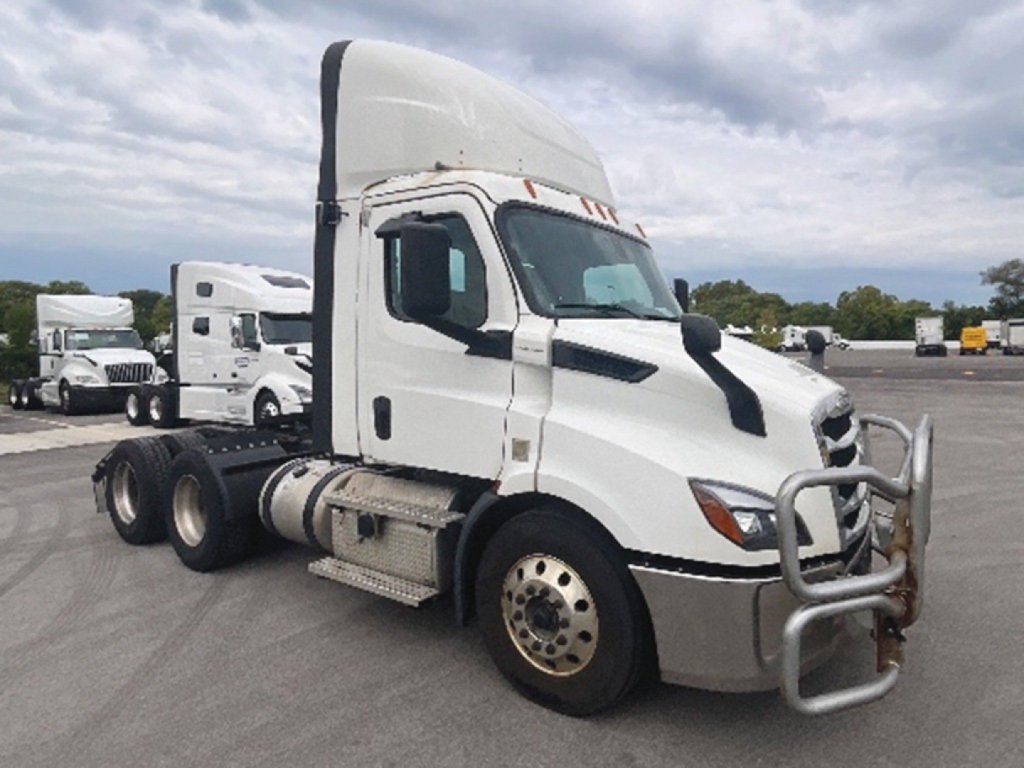
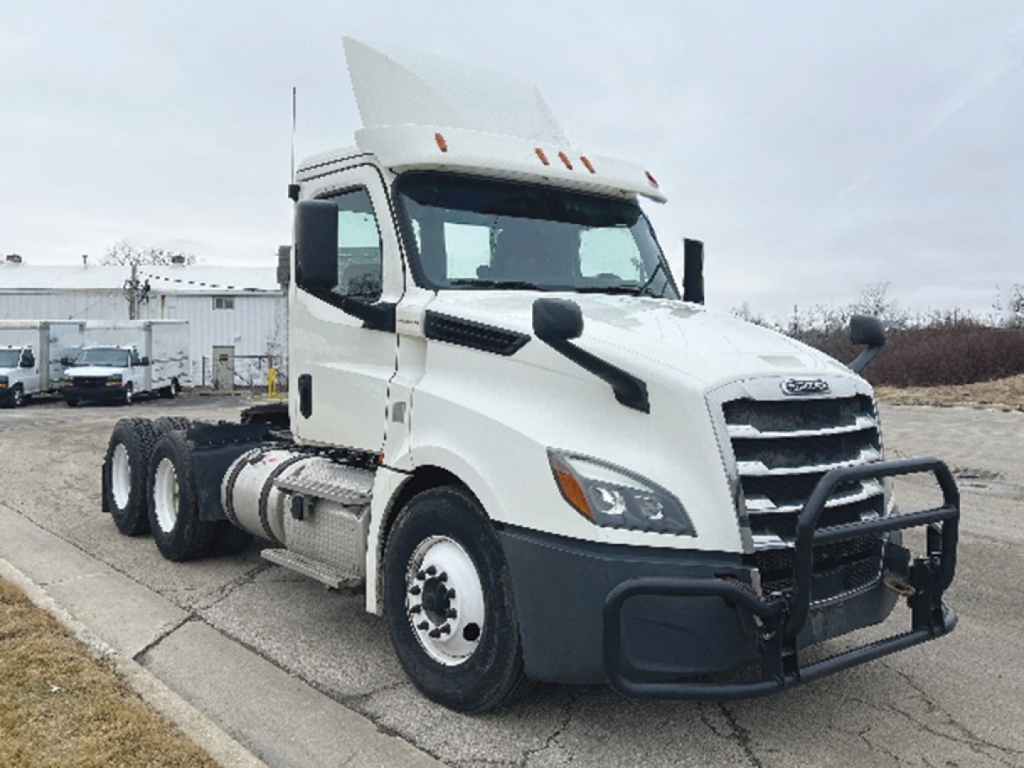
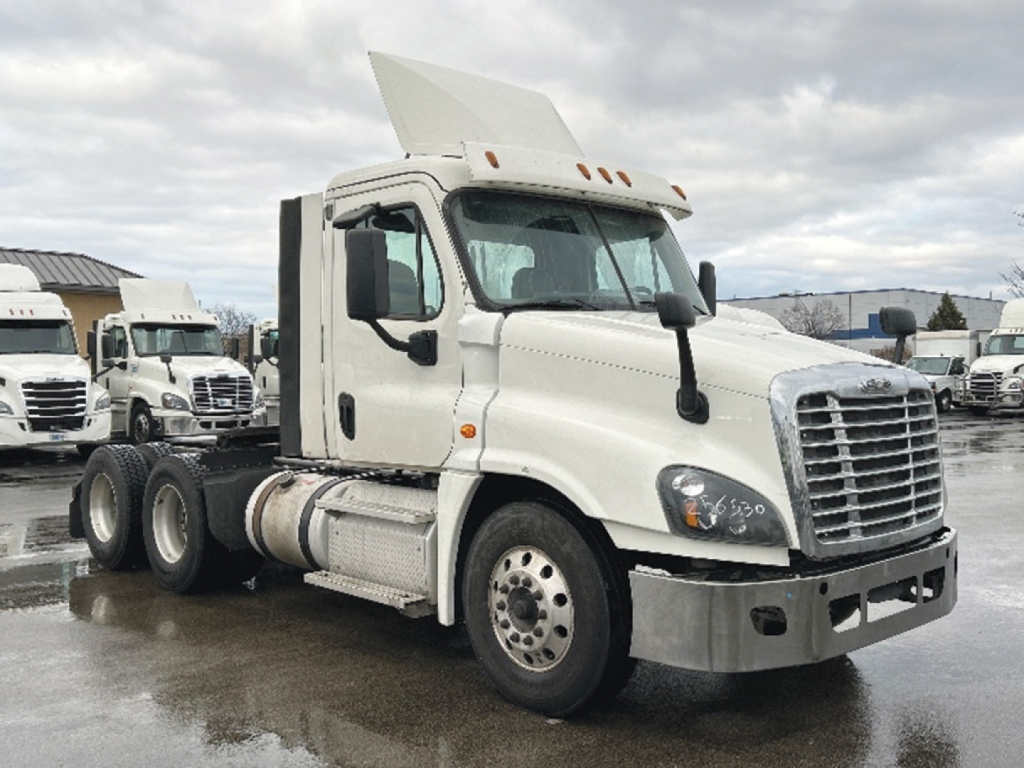
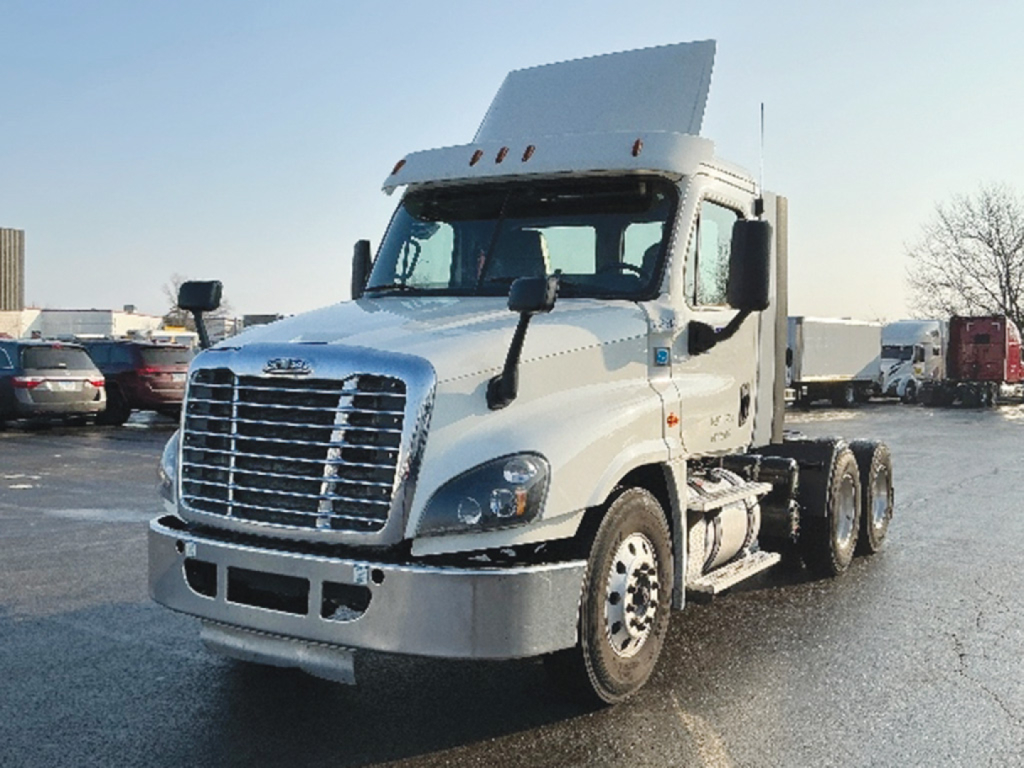
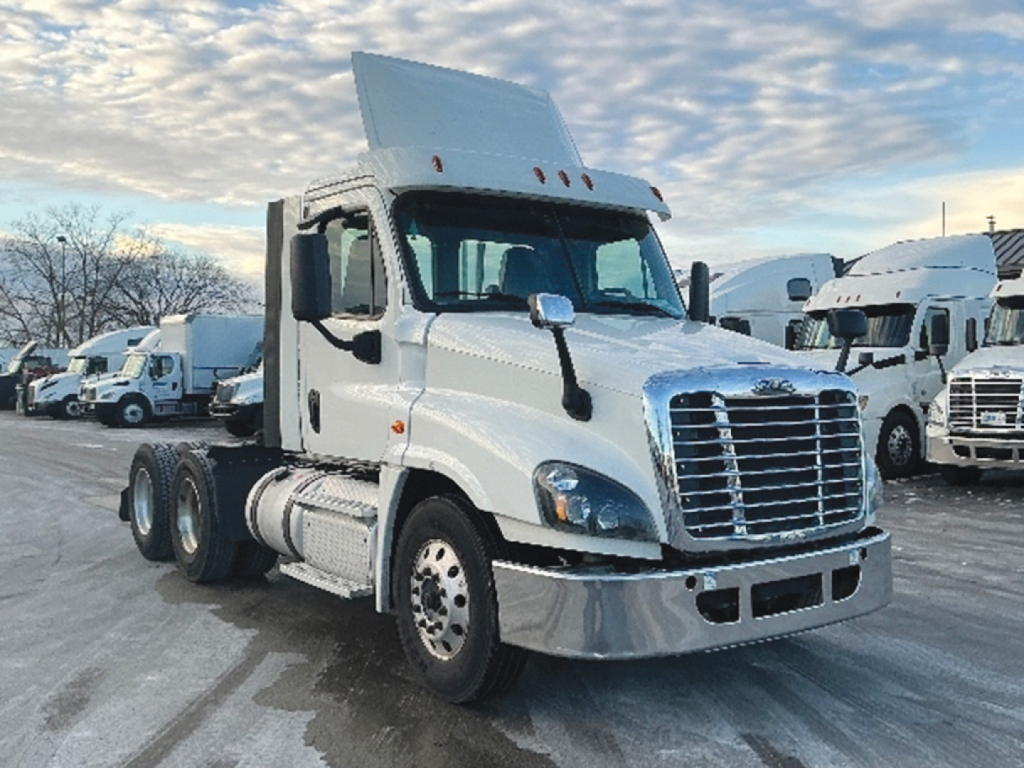
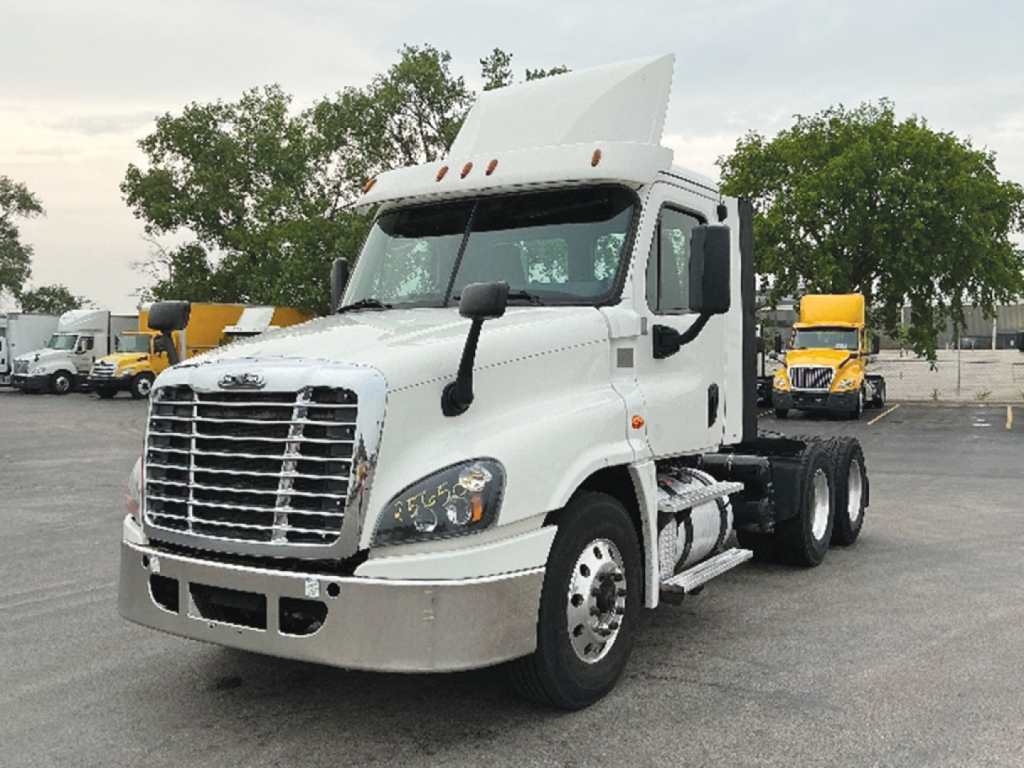
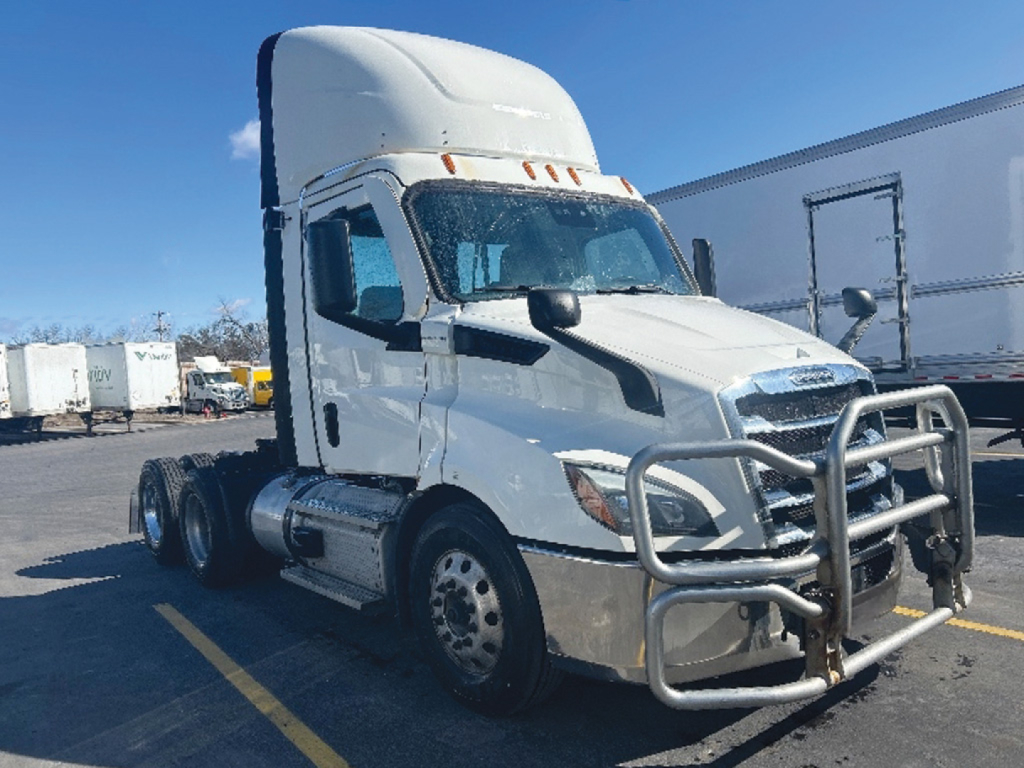
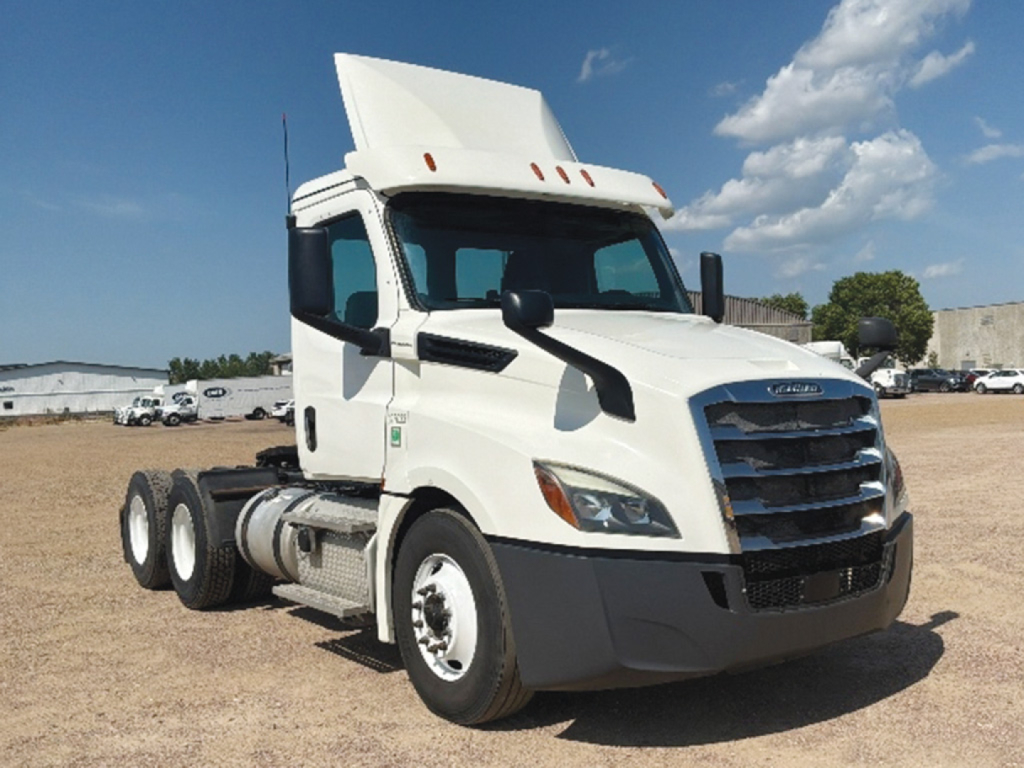
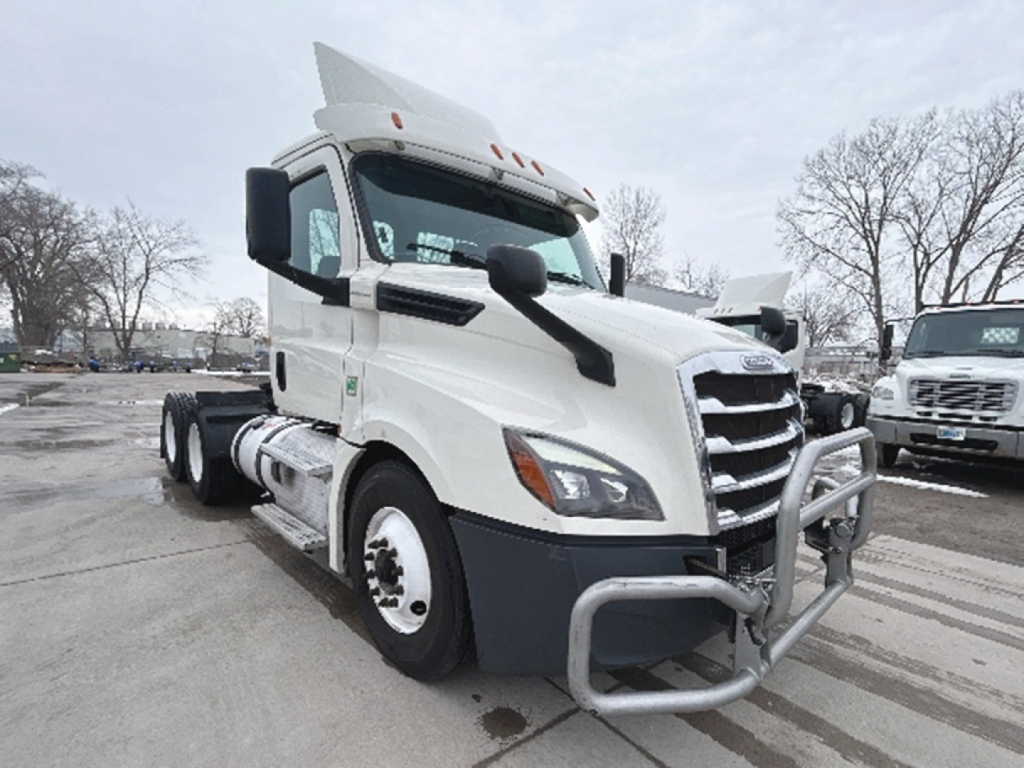
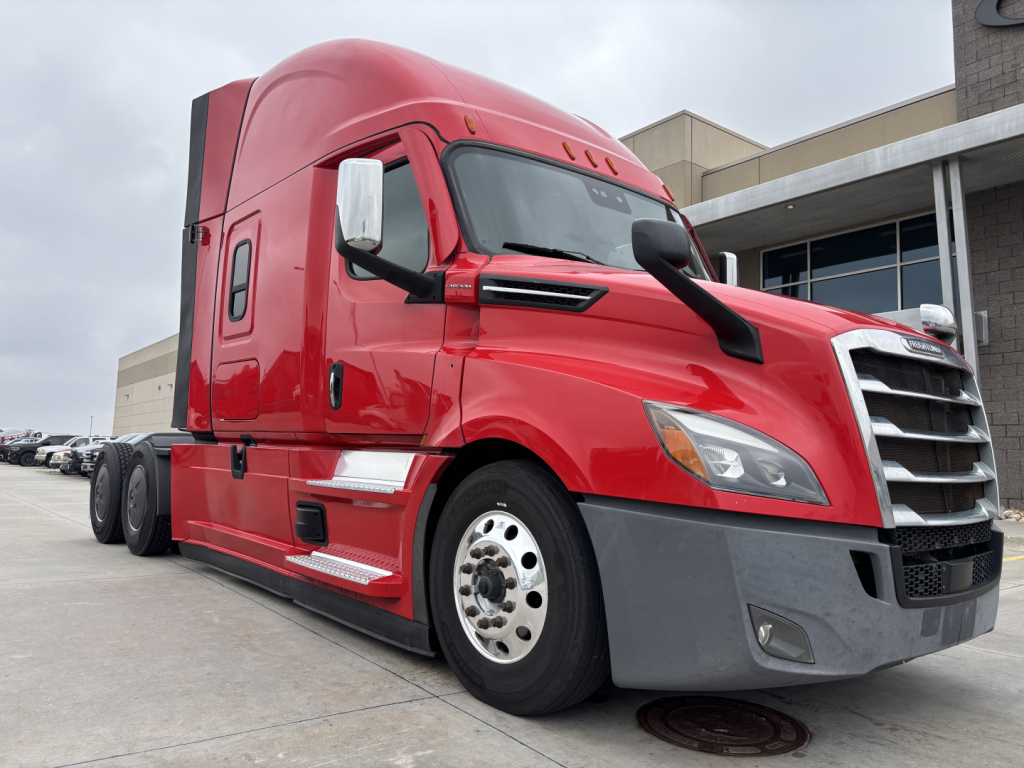
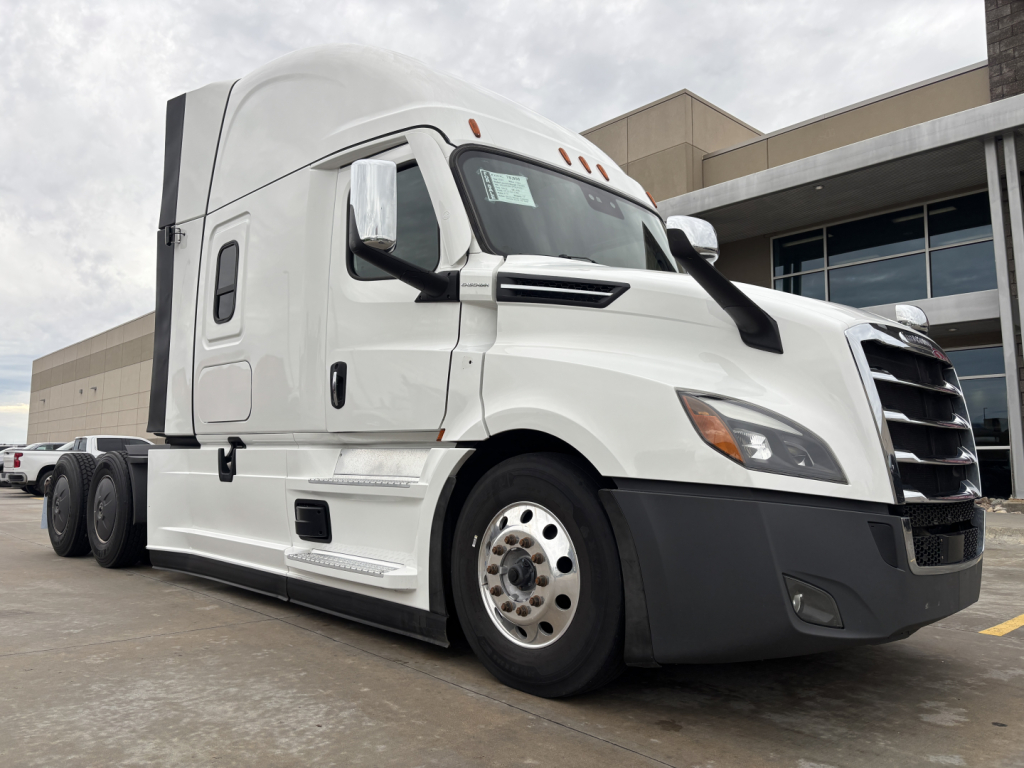
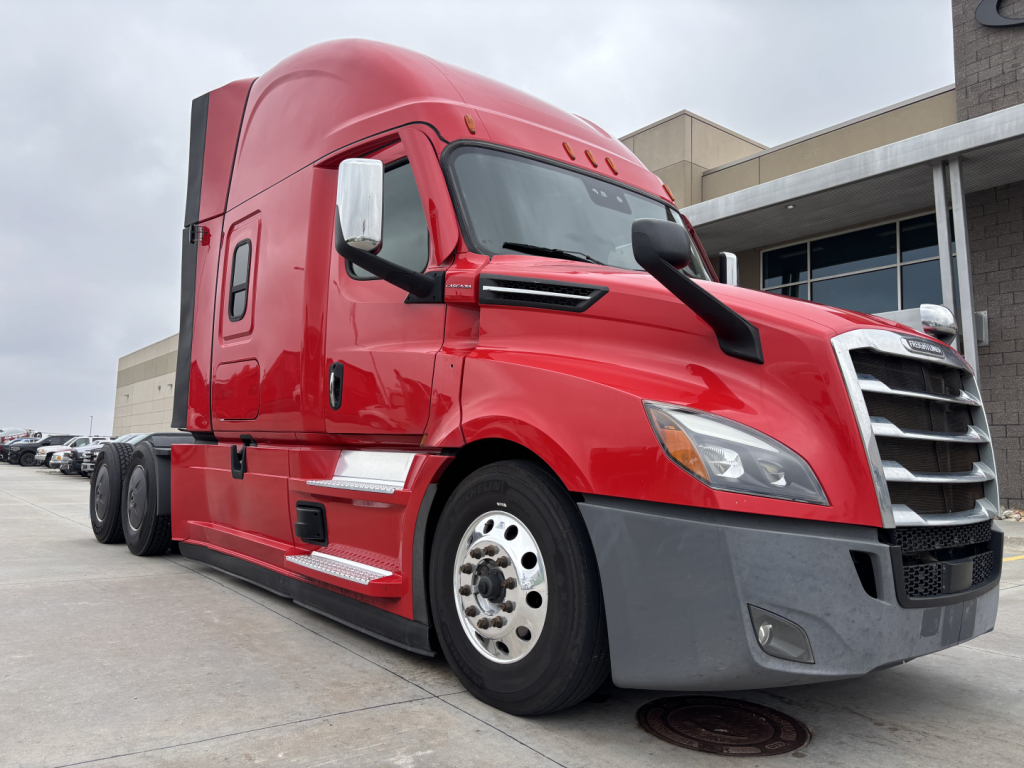
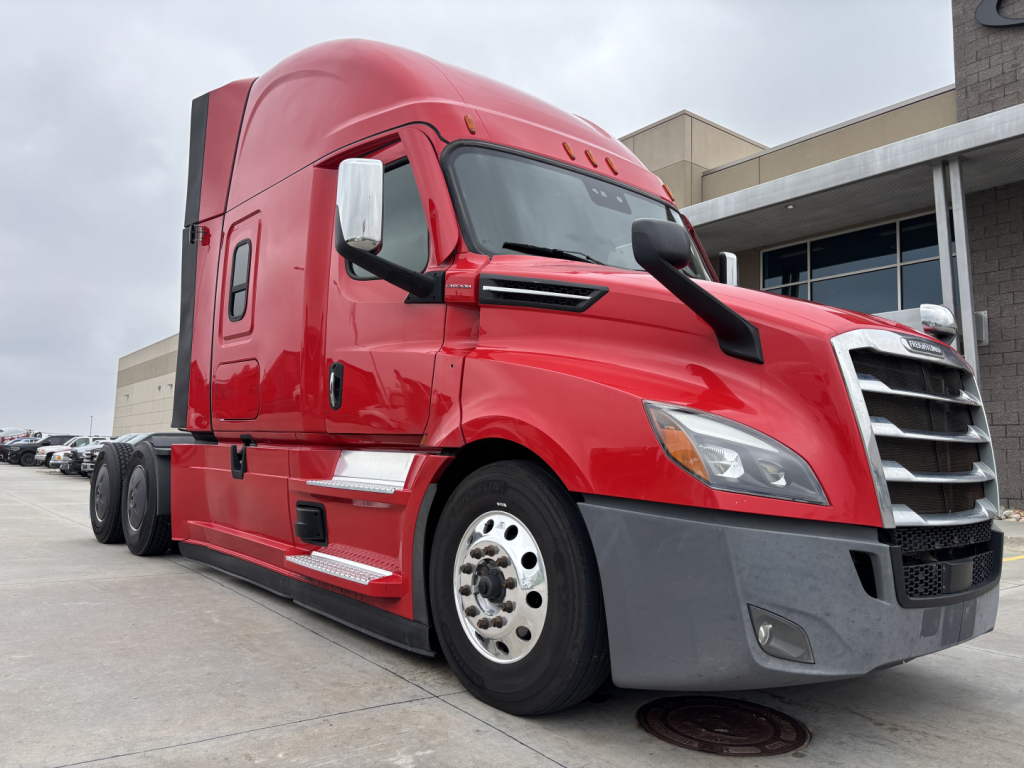
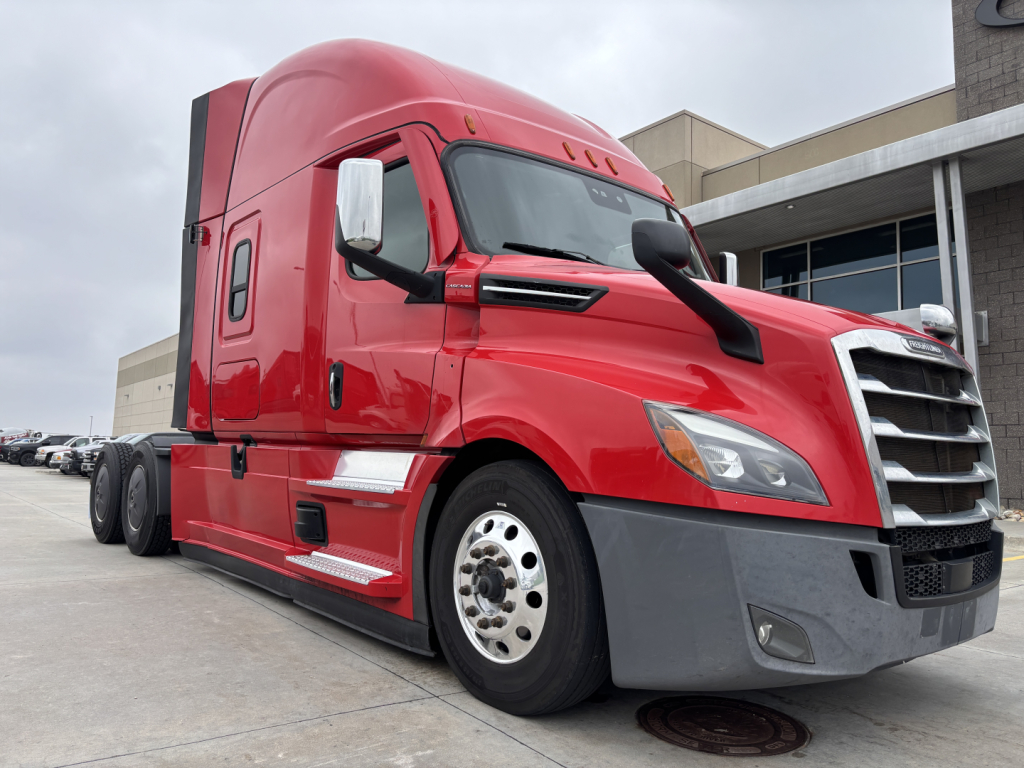
Showing 1 to 28 of 42 results
Selling a freightliner truck? List your freightliner truck for sale and reach thousands of commercial buyers.
Freightliner Trucks in Nebraska
A typical late-model Freightliner highway tractor in this segment is powered by a Detroit DD13 or DD15, generally in the 450 to 475 horsepower range, paired with either a DT12 automated manual or a traditional manual transmission. That combination is popular for good reason. The DD13 is often favored in day cab and regional applications where weight savings and fuel efficiency matter, while the DD15 is a common choice for heavier linehaul work and sleeper configurations. Rear axle specs around 40,000 pounds, ratios such as 2.79 or 3.23, air ride suspension, and aluminum fuel tanks are all common indicators of how the truck was ordered and what lane it was intended to run.
For Nebraska buyers, application matters more than badge alone. A day cab with an adjustable fifth wheel, shorter wheelbase, and low-profile 22.5 rubber can be a strong fit for shuttle runs, feed and ag support, dedicated freight, or terminal-to-terminal work where maneuverability matters. A raised-roof sleeper with a longer wheelbase, air slide fifth wheel, bunk heater, refrigerator, and upper bunk is better aligned with longer routes across I-80 and surrounding Midwestern lanes. Fairings, cab extenders, quarter fenders, engine brakes, and disc brakes also deserve attention because they affect maintenance cost, driver acceptance, and highway efficiency.
When comparing Freightliner trucks for sale, focus on how the spec sheet supports your freight, not just the model year. Look closely at sleeper size, fifth wheel setup, brake type, tire size, powertrain pairing, and any signs the truck was built for fleet-standard service intervals. Freightliner remains a leading choice because parts support is broad, Detroit powertrains are well known by most service networks, and the Cascadia platform has a strong reputation for balancing operating cost, aerodynamics, and driver-friendly controls. For many buyers, the right Freightliner is the one with the correct ratio, wheelbase, and cab configuration for the route it will actually run.
Frequently Asked Questions about Freightliner Trucks in Nebraska
What is the difference between a Freightliner Cascadia 116 and Cascadia 126?
The main difference is application and chassis configuration. A Freightliner Cascadia 116 is commonly spec'd as a day cab or regional tractor with a shorter hood and more maneuverable setup, while a Cascadia 126 is often used for long-haul work and frequently appears with larger sleeper configurations. The 126 also tends to be ordered with higher horsepower ratings, longer wheelbases, and specs aimed at sustained highway operation.
Is a Detroit DD13 or DD15 better in a Freightliner truck?
It depends on the job. A Detroit DD13 is a strong fit for regional haul, day cab service, and operations that want a lighter, efficient engine with enough power for standard highway freight. A Detroit DD15 is typically preferred for heavier loads, longer mileage cycles, and sleeper tractors that spend more time in over-the-road service. The better choice comes down to average gross weight, terrain, mileage pattern, and fuel economy targets.
What transmission is common in late-model Freightliner highway trucks?
Many late-model Freightliner trucks are equipped with the Detroit DT12 automated manual transmission, especially in fleet and fuel-economy focused specs. Manual transmissions are still found, particularly in certain owner-operator or legacy fleet specs, but the DT12 has become common because it supports consistent shifting, driver onboarding, and efficient highway operation. Buyers should still verify software updates, clutch history, and maintenance records when evaluating any used truck.
What should I look for in a Freightliner day cab in Nebraska?
For Nebraska regional work, focus on wheelbase, rear axle ratio, fifth wheel adjustability, brake type, and engine-transmission pairing. A shorter wheelbase helps in tighter yards and local delivery points, while the right rear ratio affects cruise RPM and fuel use across state highways and interstate routes. Disc brakes, air ride suspension, engine brakes, and aerodynamic equipment can also add value depending on how much highway time the truck sees.
Are Freightliner sleeper trucks a good choice for long-haul operation?
Yes, Freightliner sleeper trucks, especially Cascadia raised-roof models, are widely used in long-haul service because they are designed around aerodynamics, serviceability, and driver comfort. Features such as 72-inch sleepers, upper bunks, bunk heaters, refrigerators, and air ride suspensions make them practical for extended trips. They are also popular because dealer support, parts availability, and familiarity with Detroit powertrains are strong advantages for fleets and independent operators alike.