
Freightliner Conventional Daycab Trucks For Sale in Nebraska
Shop Freightliner conventional daycab trucks in Nebraska. Compare Cascadia specs, DD13 and DD15 power, wheelbase, axle ratios, and 5th wheel setup.
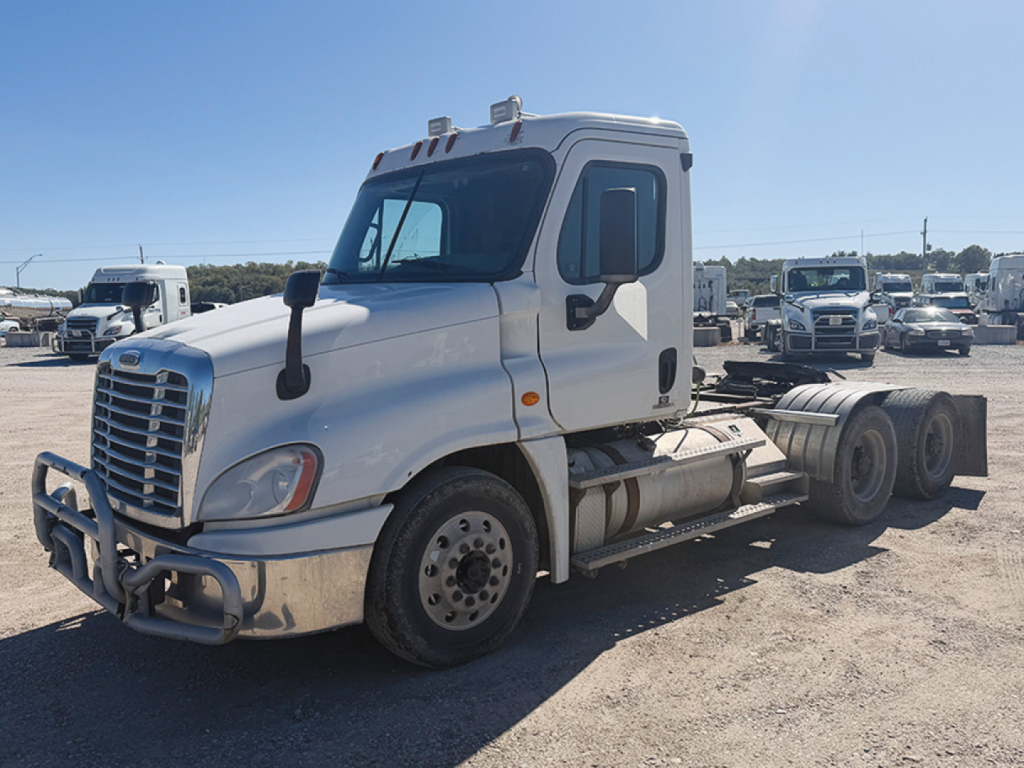
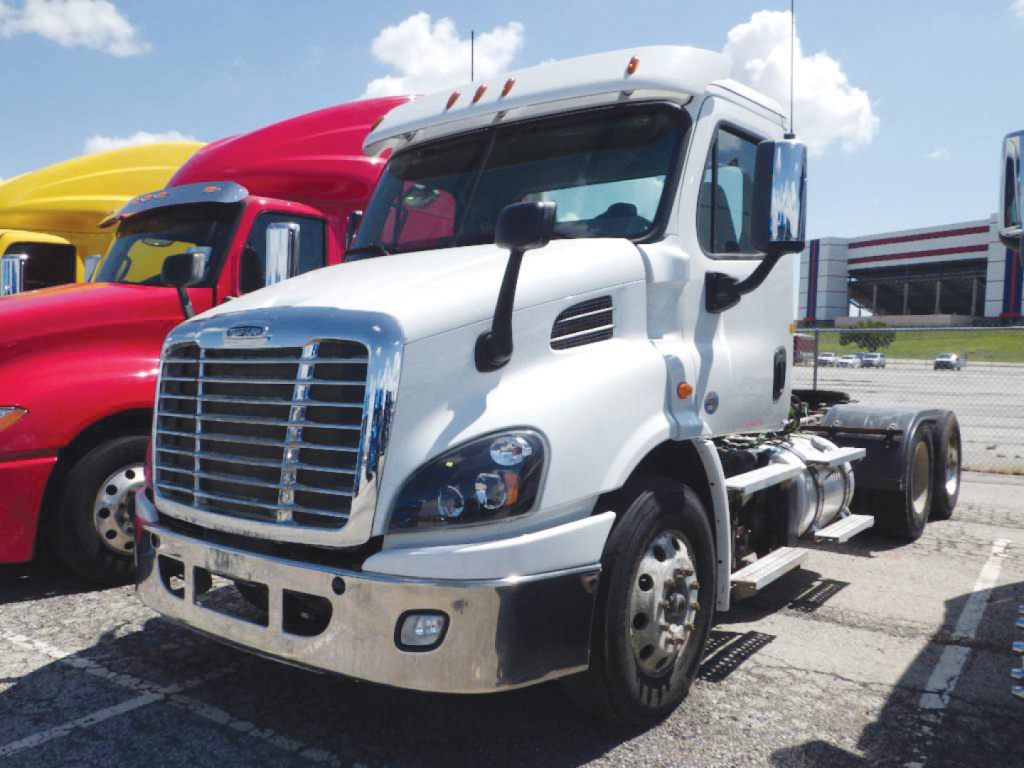
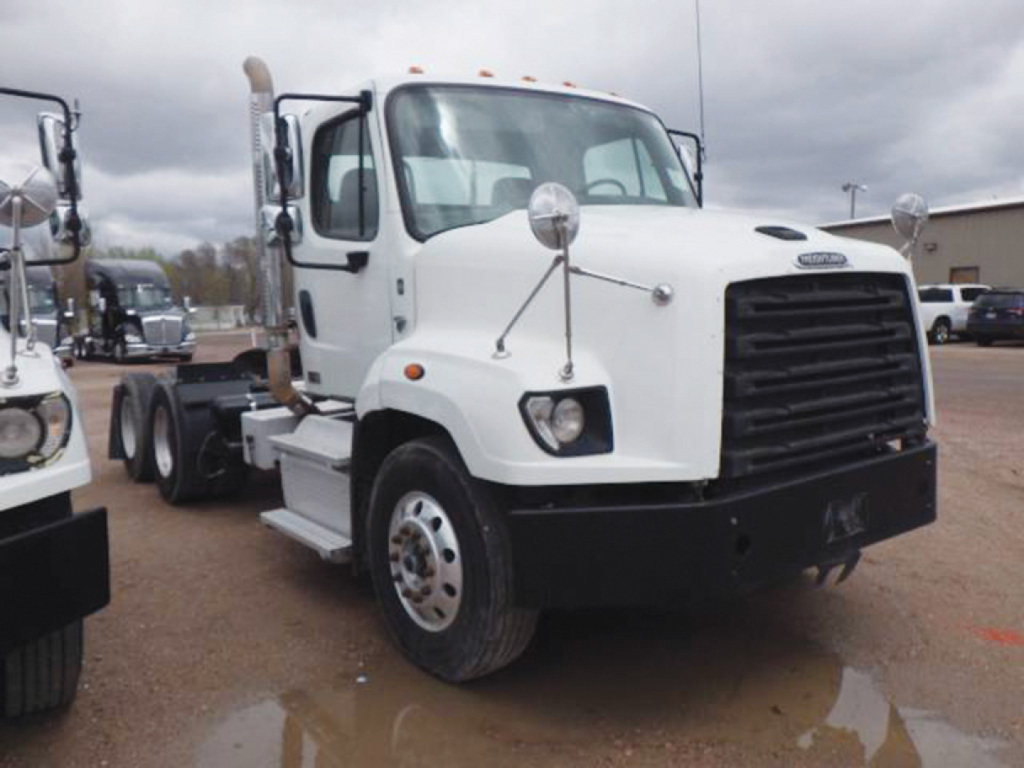
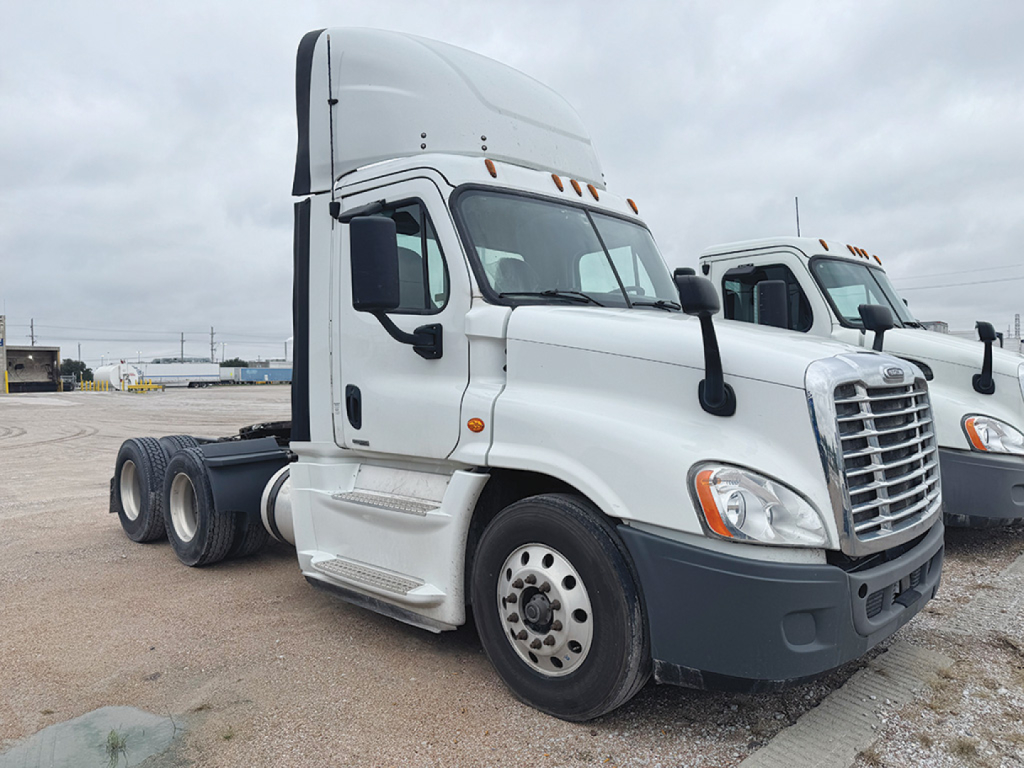
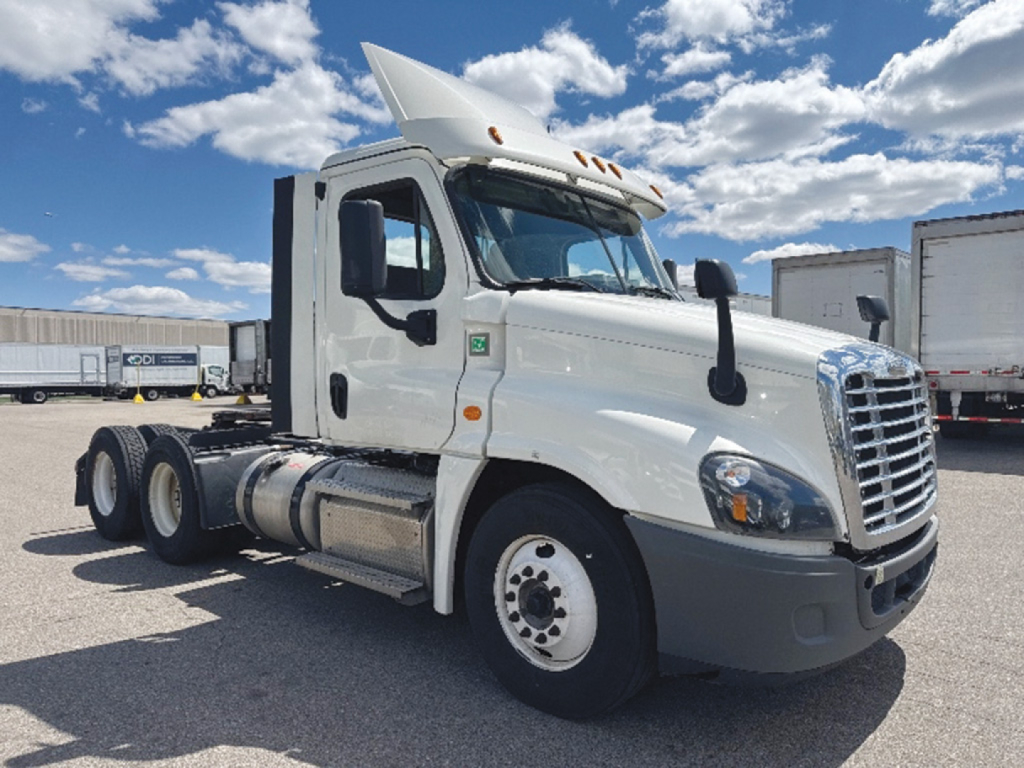
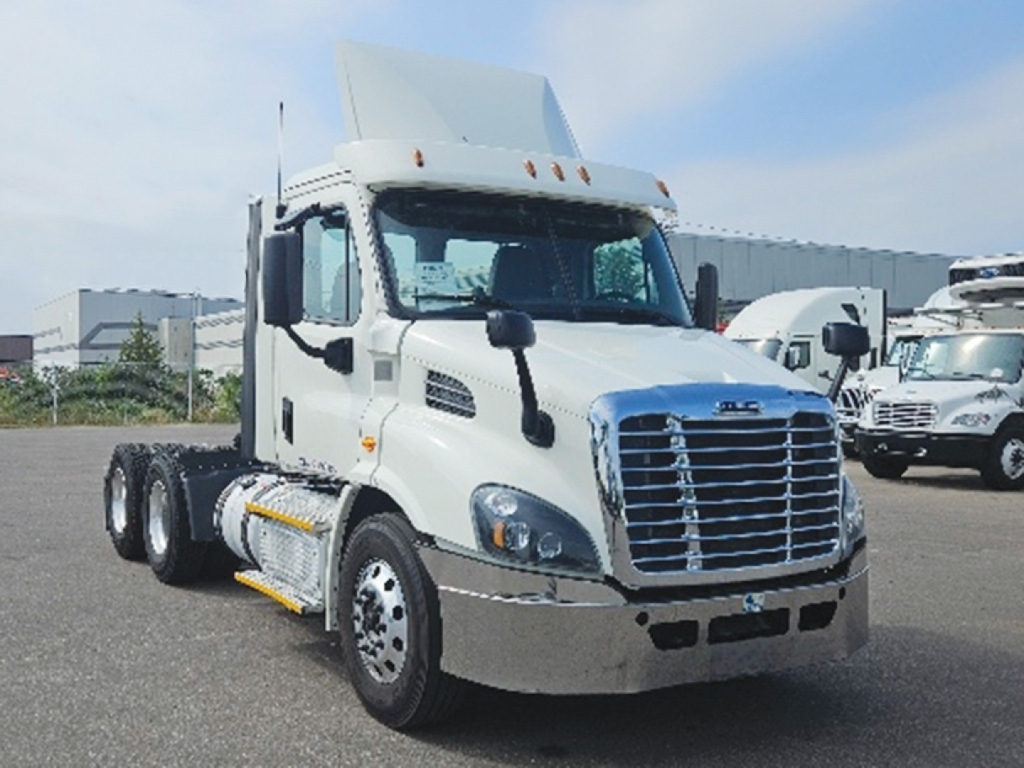
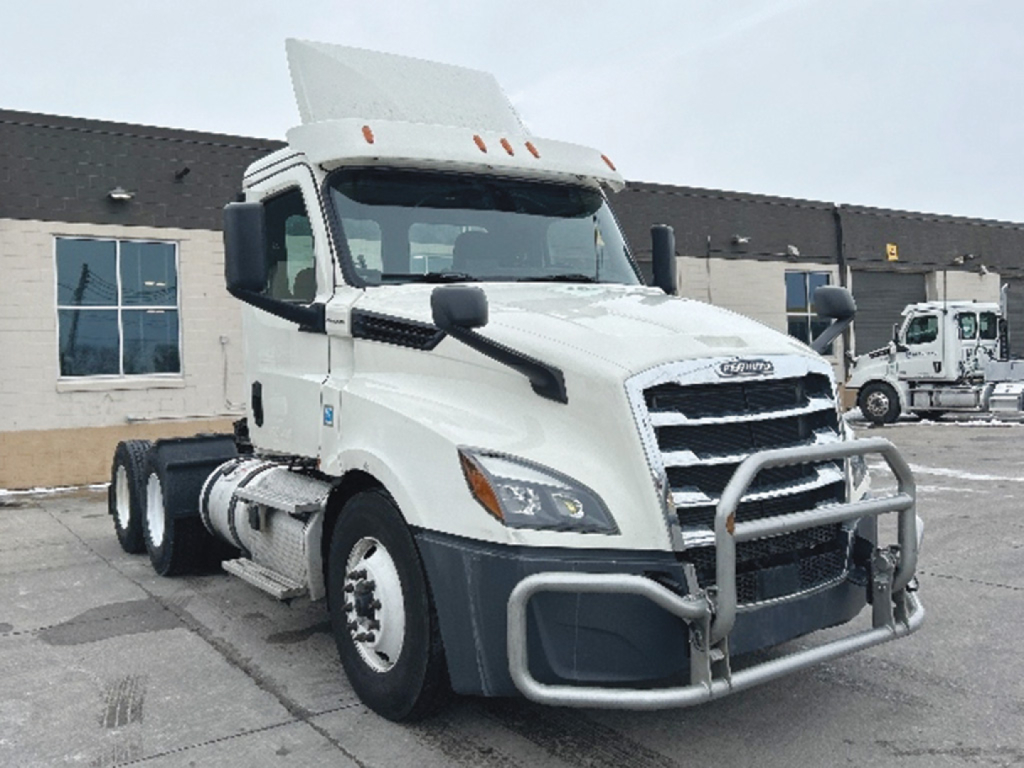
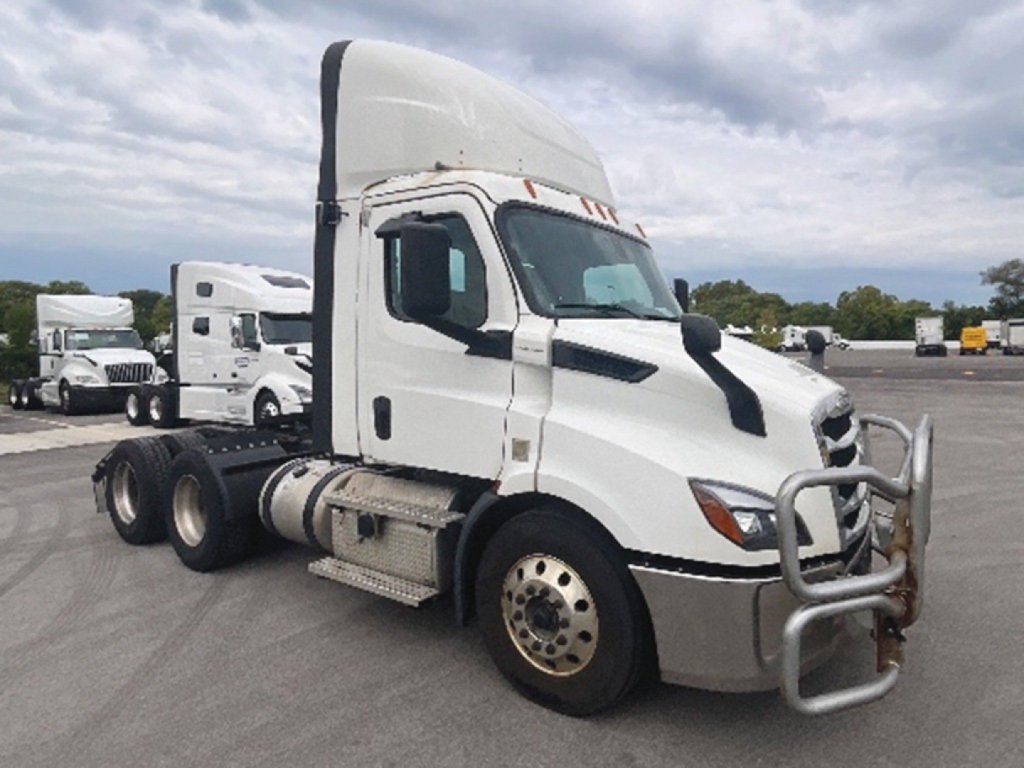
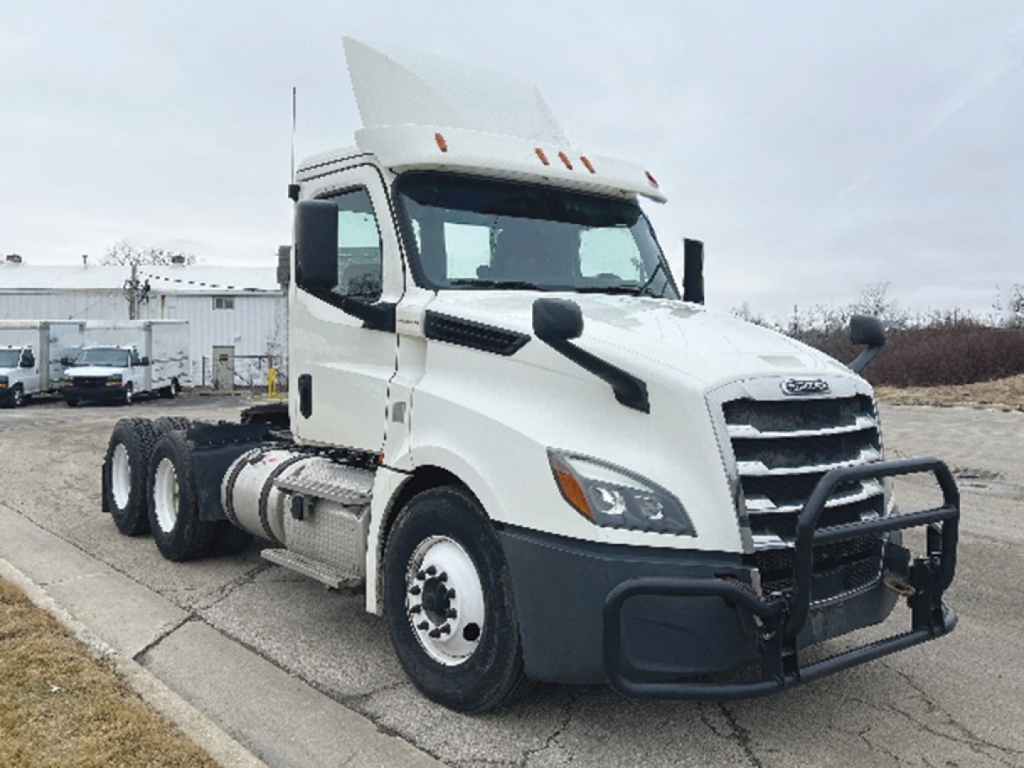
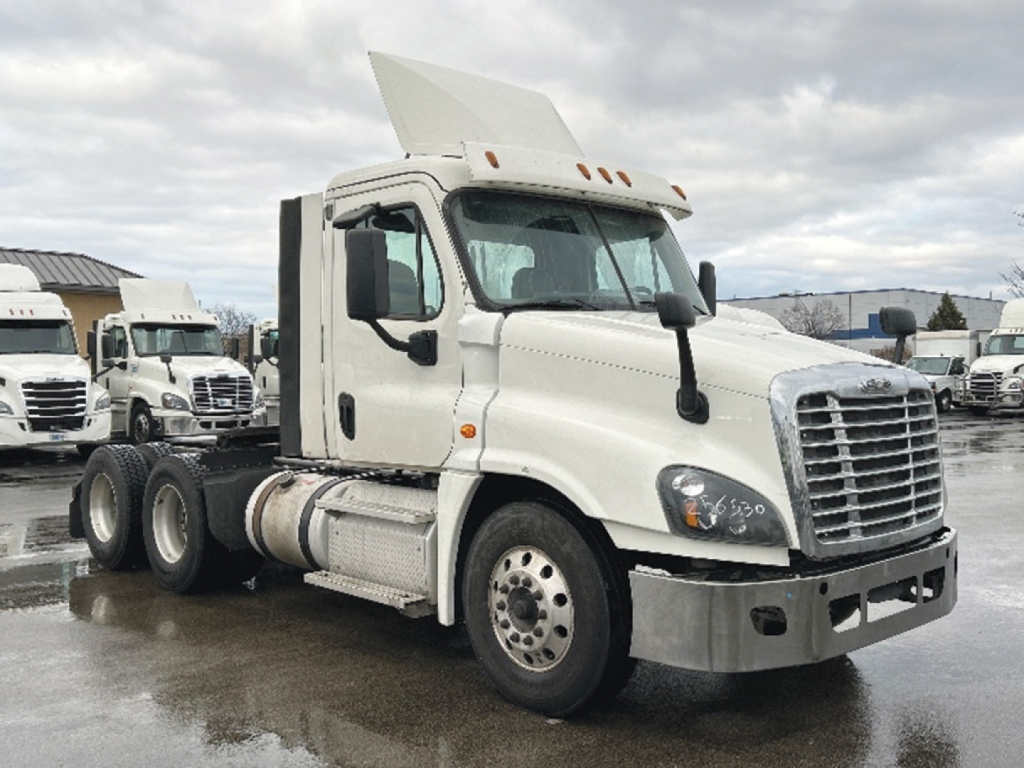
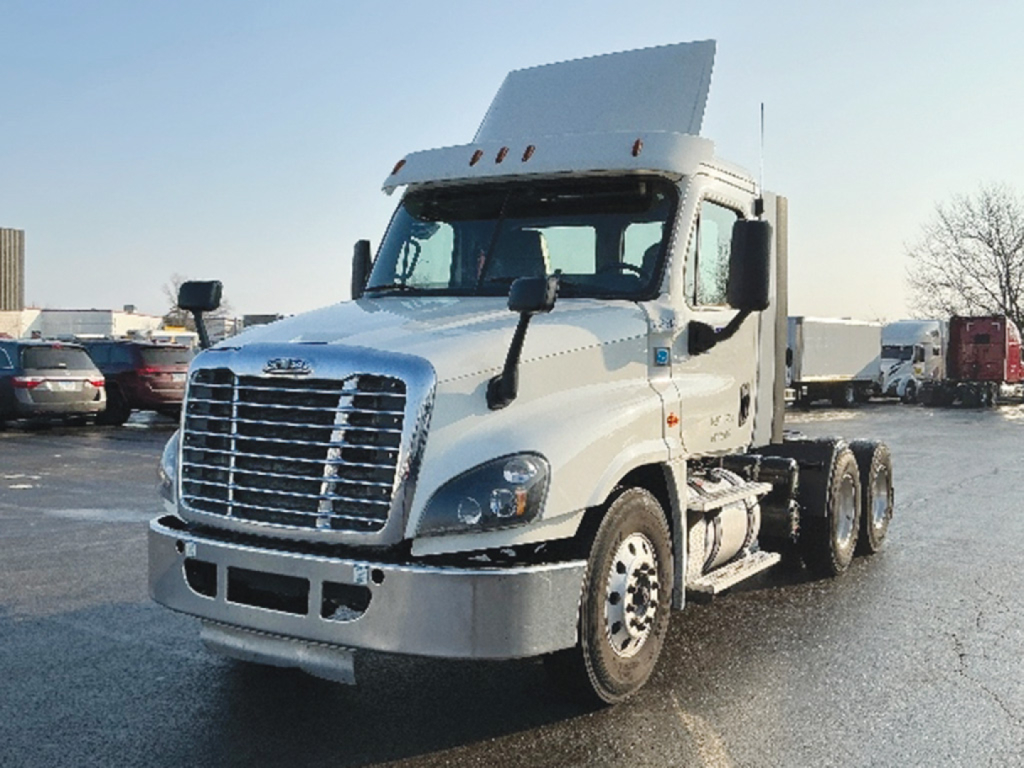
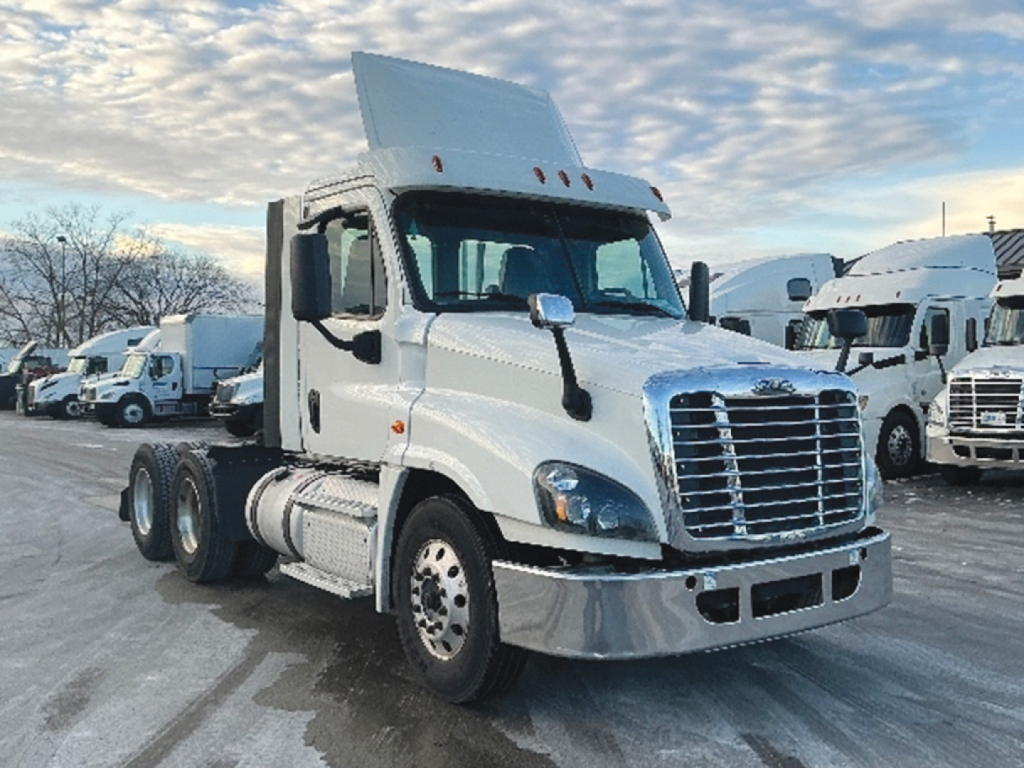
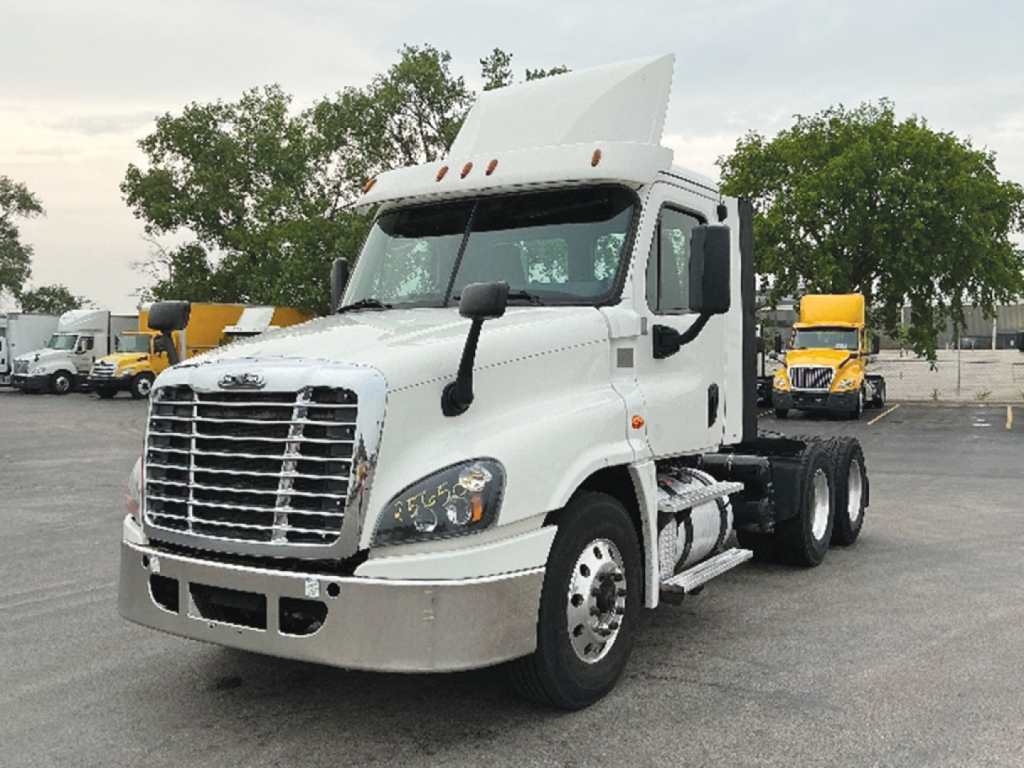
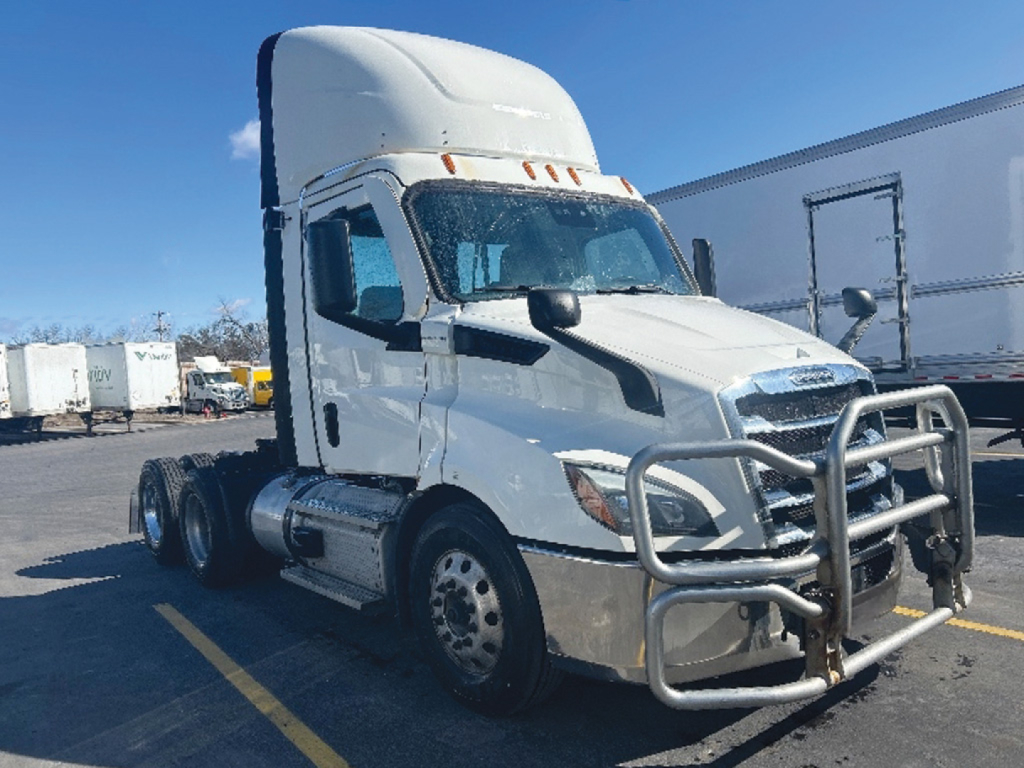
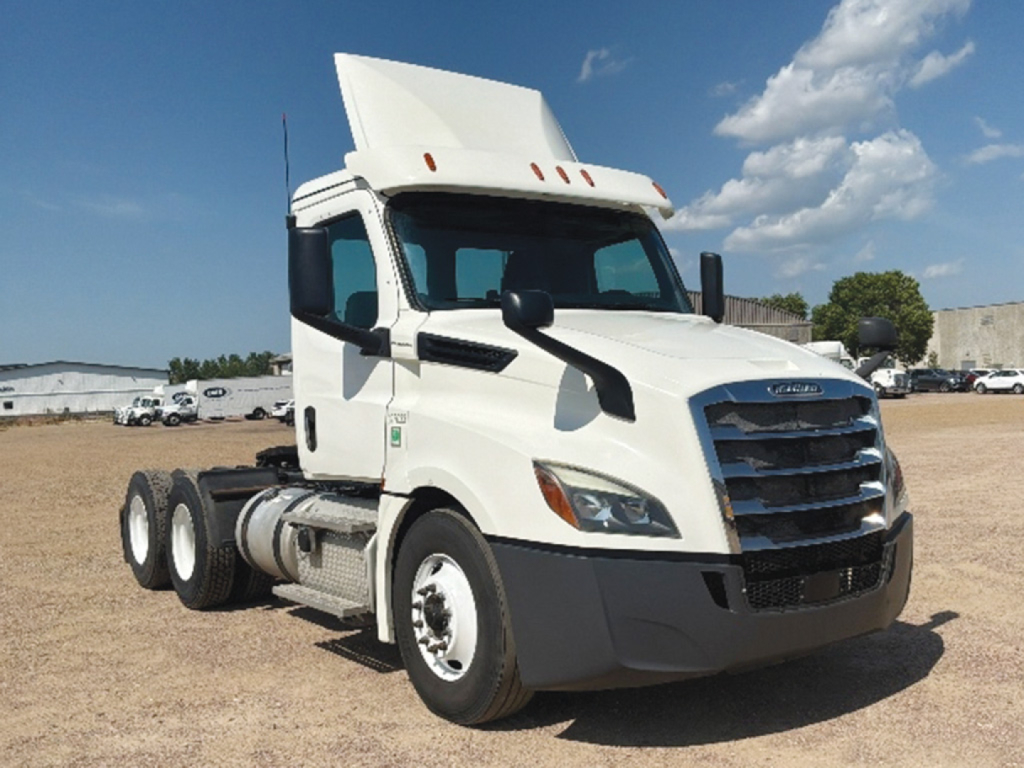
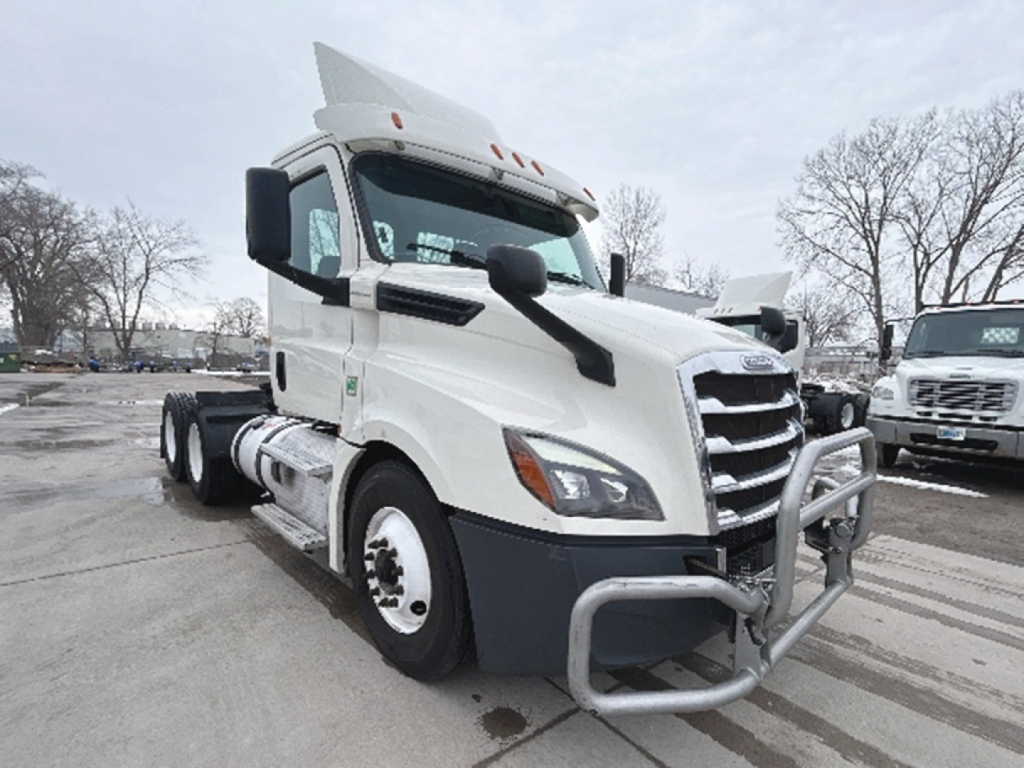
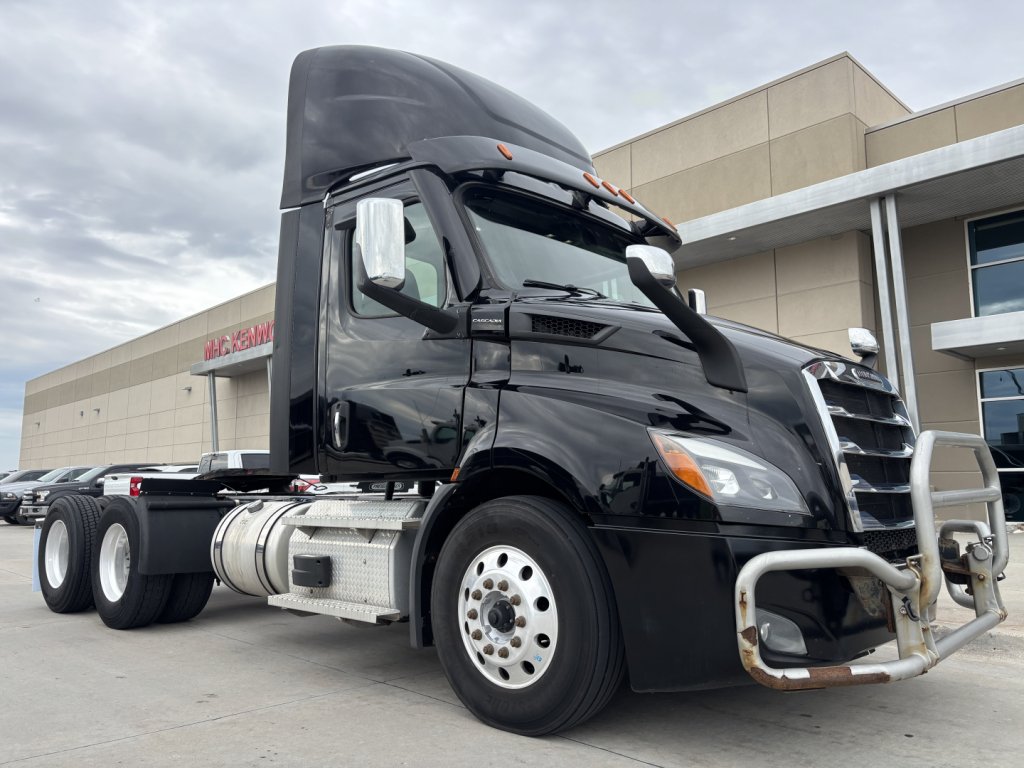
Selling a freightliner conventional daycab truck? List your freightliner conventional daycab truck for sale and reach thousands of commercial buyers.
Freightliner Conventional Daycab Trucks in Nebraska
A lot of Freightliner daycabs are spec'd with Detroit power, most commonly the DD13 for lighter regional duty and fuel-conscious fleets, or the DD15 when higher horsepower and stronger pull are needed. In sample specs, 450 to 455 horsepower and 40,000 lb rears are common, which fits general freight, van, reefer, and many bulk or vocational trailer applications. DT12 automated transmissions are popular in newer Cascadia daycabs because they help with driver consistency and fuel economy, while older manual setups still appeal to buyers who want a simpler driveline or specific vocational control. Rear axle ratios like 2.47, 2.79, 3.08, and 3.70 tell you a lot about intended use. Lower numerical ratios usually favor highway efficiency, while deeper ratios improve low-speed pulling, startability, and heavier work.
Wheelbase and fifth wheel position matter more on a daycab than many buyers expect. A 168-inch to 186-inch wheelbase is common for regional tractor work and can help with maneuverability around yards, plants, and urban docks. Longer wheelbases, such as 200 inches, often show up on trucks spec'd for wet kits, PTO use, headache racks, or trailer combinations that need extra frame space. If the truck will pull multiple trailer lengths or work with different kingpin settings, an air slide fifth wheel adds flexibility. For dedicated trailer work, a stationary fifth wheel can be lighter and simpler. It is also smart to look at brake type, suspension, and tire spec. Air ride suspension, disc brakes, and low-profile 22.5 rubber are all common on newer Freightliner daycabs and can affect ride, stopping performance, and maintenance cost.
Nebraska buyers often need a truck that can handle a mix of interstate miles, rural routes, wind exposure, and seasonal weather swings. Features such as engine brakes, cab extenders, roof fairings, full or quarter fenders, and deer guards can make a real difference in daily service. Freightliner daycabs are also known for easy parts availability and strong familiarity among independent shops and fleet technicians, which matters when uptime is the priority. When comparing Freightliner conventional daycab trucks for sale, the best buy is usually the one whose gearing, wheelbase, and fifth wheel setup already match the trailers and lanes it will actually run.
Frequently Asked Questions about Freightliner Conventional Daycab Trucks in Nebraska
What is a Freightliner conventional daycab truck best used for?
A Freightliner conventional daycab truck is best suited for regional hauling, local delivery, dedicated freight lanes, yard-to-yard moves, and other operations where drivers return home daily. The daycab configuration removes the sleeper to reduce weight, shorten overall length, and improve maneuverability. That makes it a strong fit for van, reefer, flatbed, hopper, and some vocational trailer work, especially when frequent dock access or tighter turning space is part of the job.
What is the difference between a Freightliner Cascadia daycab with a DD13 and one with a DD15?
The DD13 is commonly chosen for regional and fuel-sensitive applications where a lighter engine and efficient cruising matter most. The DD15 typically offers more displacement and stronger performance for heavier loads, tougher terrain, or operations that need more reserve power. Both are widely used Detroit engines, but the right choice depends on gross combination weight, terrain, axle ratio, and how much low-speed pulling versus highway efficiency the operation requires.
How important is rear axle ratio on a Freightliner daycab?
Rear axle ratio is one of the most important spec decisions because it directly affects acceleration, cruising RPM, fuel economy, and startability under load. Ratios such as 2.47 or 2.79 are often aimed at highway-oriented regional work with lighter to moderate loads. Ratios like 3.08 or 3.70 are better for heavier hauling, lower-speed work, or applications that need stronger pulling power. A truck can look right on paper, but if the axle ratio does not match the route and trailer weight, operating costs and performance can suffer.
Should I choose a stationary fifth wheel or an air slide fifth wheel on a daycab?
A stationary fifth wheel is a good choice for dedicated trailer operations where kingpin location stays consistent and weight savings matter. An air slide fifth wheel gives more flexibility when pulling different trailer types or adjusting axle weights to stay legal and balanced. For mixed fleets or changing trailer assignments, an air slide usually adds useful versatility. For repeat runs with the same trailer setup, a stationary fifth wheel can be simpler and easier to maintain.
What should I inspect first on a used Freightliner conventional daycab?
Start with the drivetrain spec and confirm it fits the intended job, then inspect service history, engine hours, transmission operation, axle ratio tag, suspension condition, brake wear, and tire match. On Freightliner daycabs, it is also smart to check wheelbase and fifth wheel placement against the trailers the truck will pull. Look for signs of frame modifications, wet kit installation quality if equipped, and any uneven wear that could point to alignment or suspension problems. A clean interior and straight body matter, but the real value is in how well the truck was spec'd and maintained for its previous duty cycle.