
2024 Commercial Trucks For Sale in Nebraska
Browse 2024 trucks for sale in Nebraska, including day cabs, sleeper trucks, and yard spotters with modern specs for regional and long-haul work.
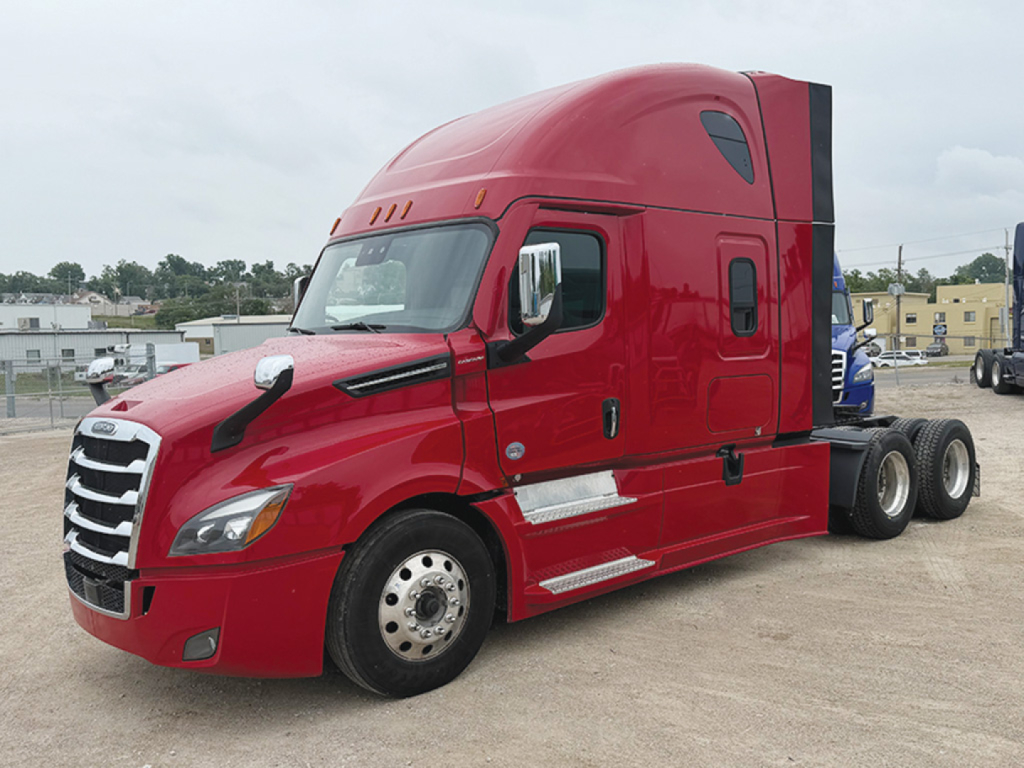
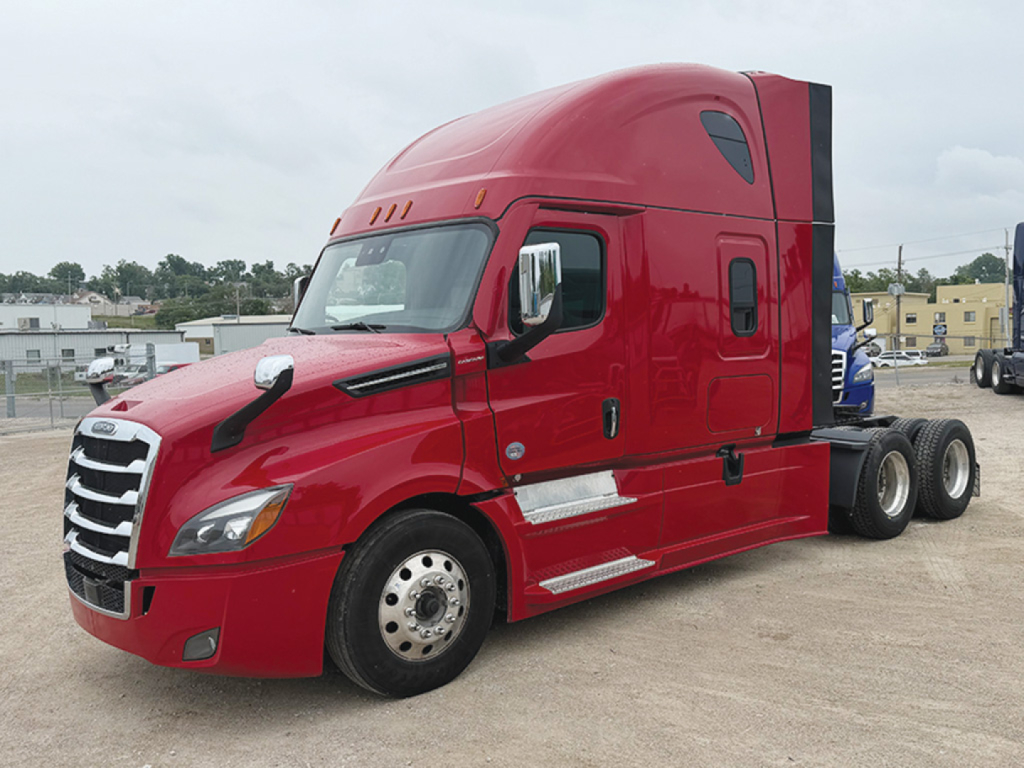
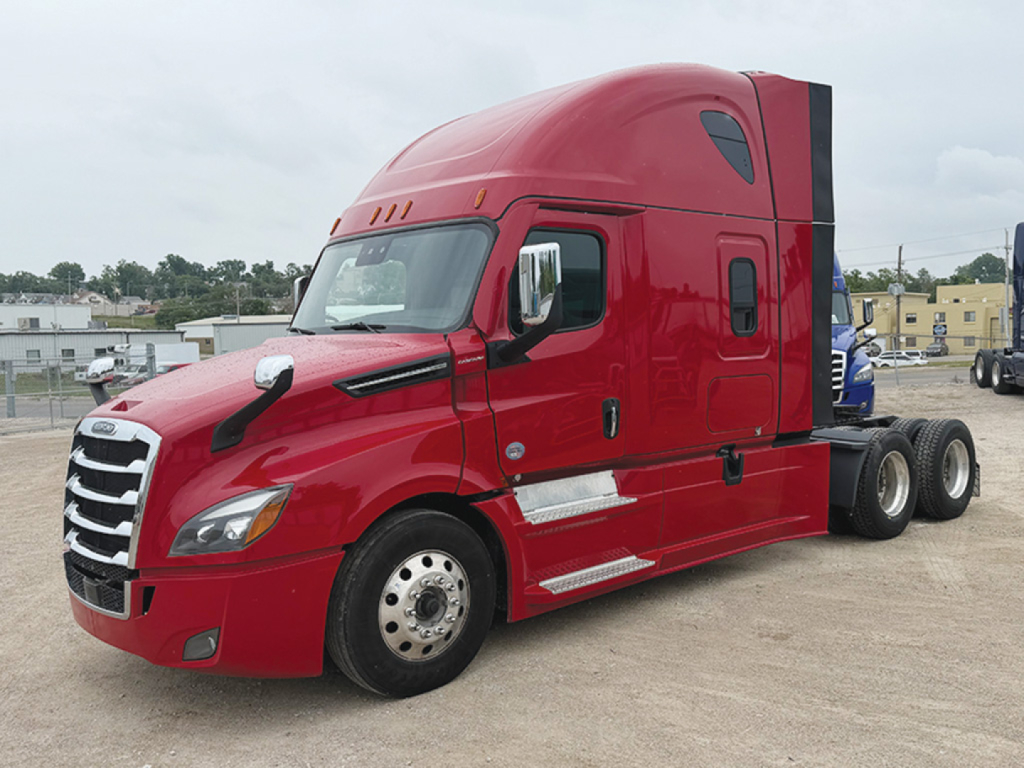
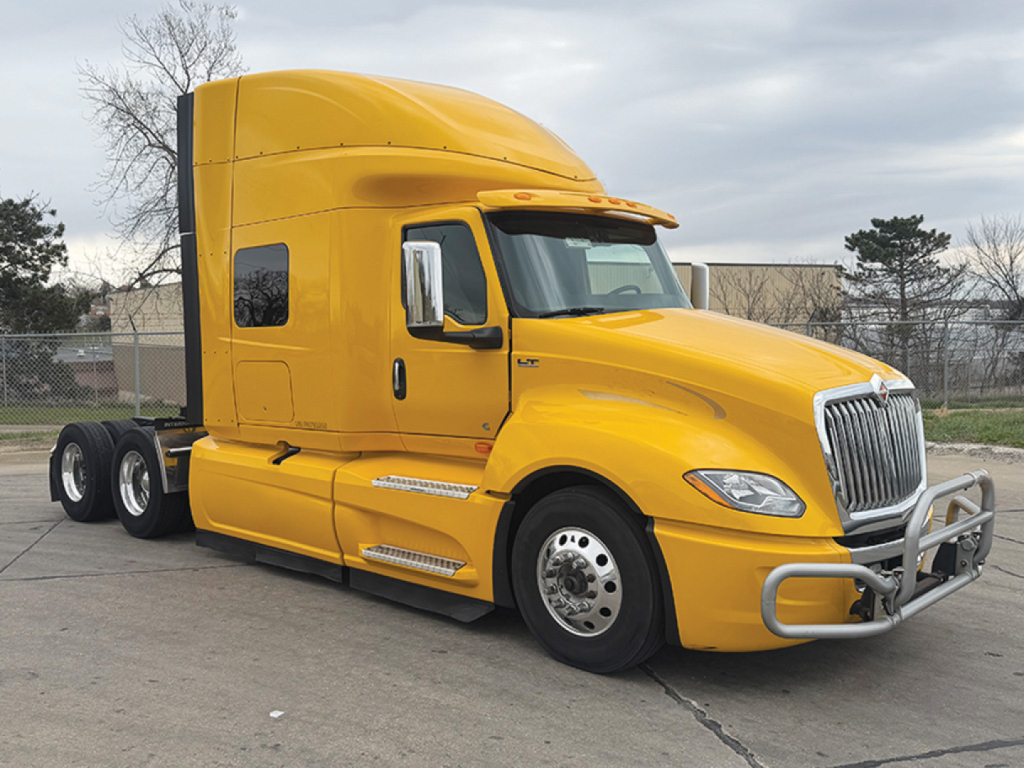
Selling a 2024 commercial truck? List your 2024 commercial truck for sale and reach thousands of commercial buyers.
2024 Commercial Trucks in Nebraska
Spec selection matters more than model year alone. In 2024 trucks, buyers typically compare engine platforms such as Cummins, Detroit, PACCAR, and Mack, then match horsepower and torque to route profile, gross combination weight, and operating speed. Nebraska fleets often look closely at rear axle ratios, transmission type, and suspension because those three items strongly affect fuel economy, startability, and driver acceptance on a mix of interstate and secondary-road work. Automated manual and full automatic transmissions continue to dominate many applications, while manual transmissions still appeal in certain fleet and owner-operator settings. Tandem 40,000 lb rears, air ride suspension, engine brakes, air slide fifth wheels, and disc brakes are common on late-model road tractors in this class.
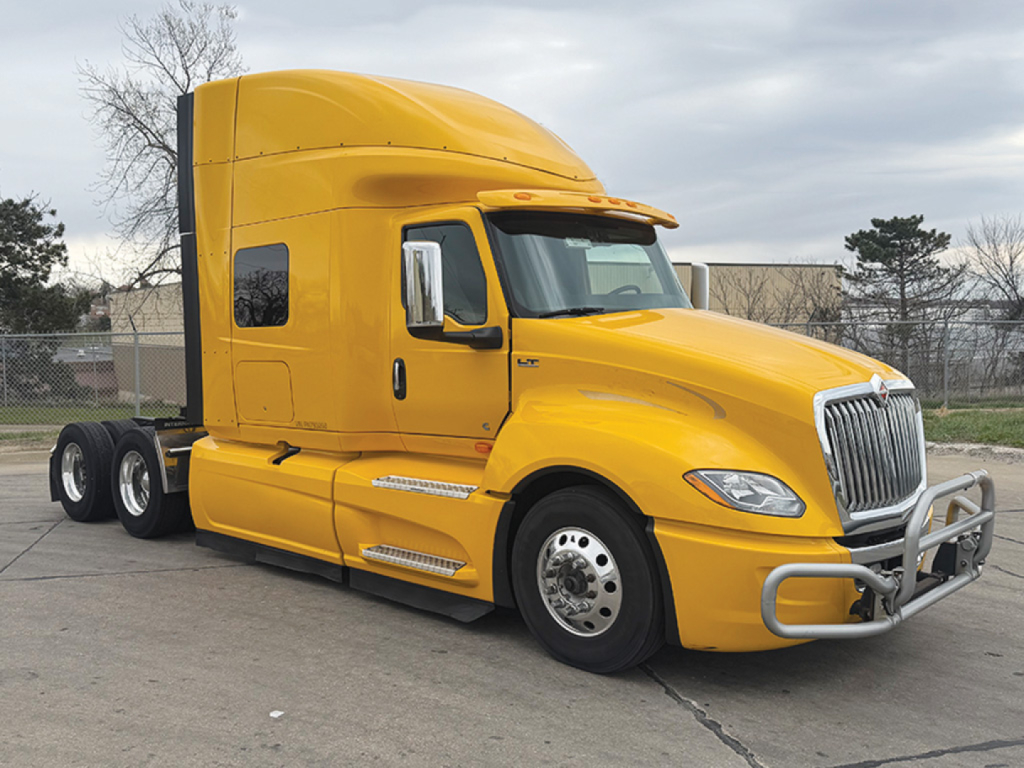
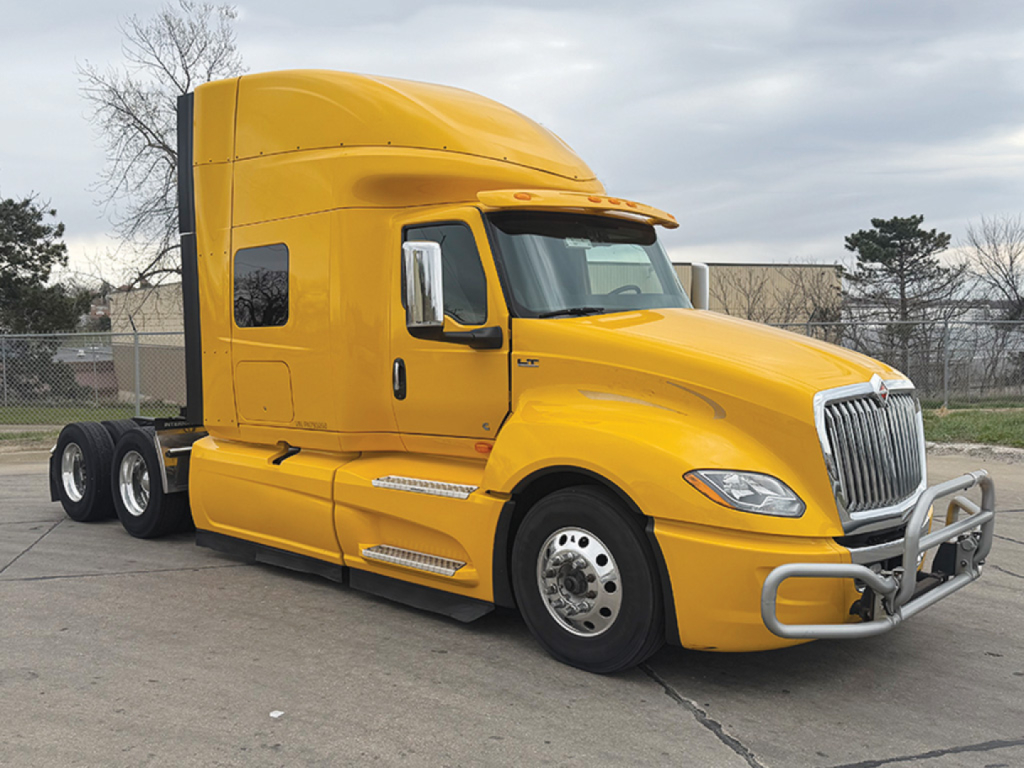
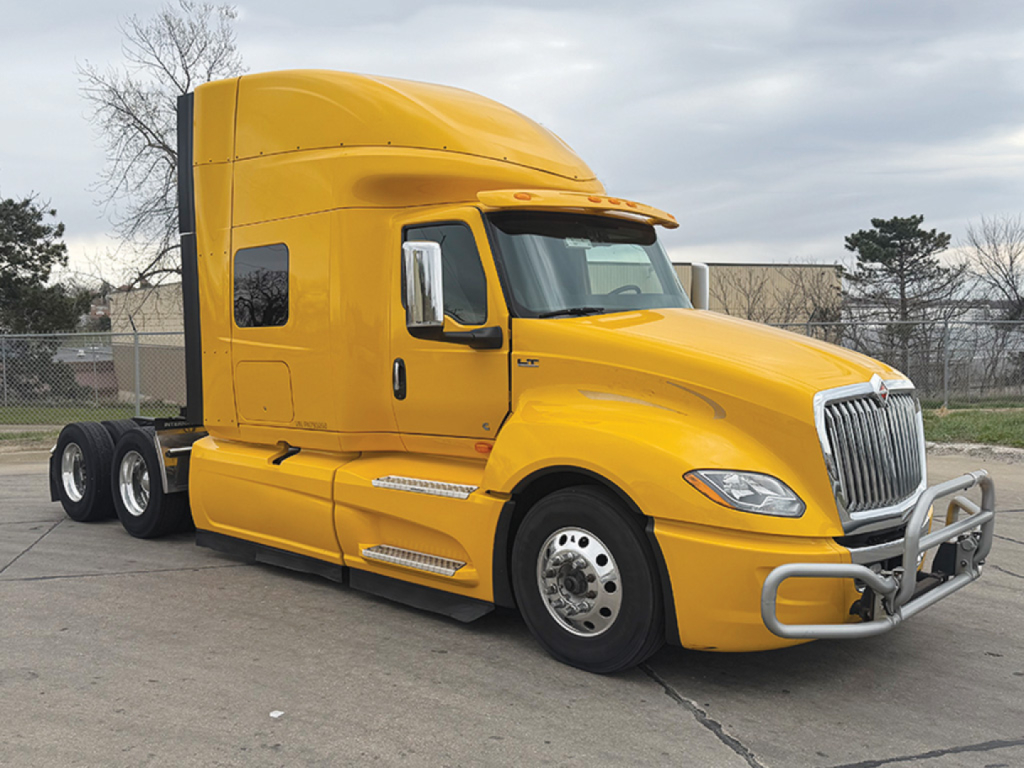
Aerodynamics and wheelbase deserve close attention when comparing 2024 conventional trucks, also known as semi trucks or highway tractors. Side fairings, cab extenders, roof fairings, and quarter fenders can make a measurable difference on fuel burn in highway service. A shorter wheelbase generally favors maneuverability for city and regional work, while a longer wheelbase may better suit sleeper packaging, ride quality, and fuel tank capacity. Buyers should also verify front axle rating, fifth wheel type, tire size, brake spec, and whether the truck is set up for sliding tandem trailers, tanker work, or a PTO-driven application. If the truck will spend time in cold-weather starts and winter freight lanes across Nebraska, options like bunk heaters, block heaters, and strong HVAC performance matter more than they do on paper.
A good 2024 truck purchase comes down to matching the truck’s configuration to freight, lanes, and maintenance expectations. For linehaul, focus on powertrain efficiency, warranty status, emissions system history, and sleeper amenities that support uptime. For regional or local hauling, look harder at turning radius, cab access, visibility, and total operating cost. For yard use, hydraulic fifth wheel function, cab ergonomics, and stop-and-go durability are usually more important than highway gearing. The best comparison is not simply make versus make, but axle ratio versus speed target, engine rating versus payload, and cab layout versus actual dispatch pattern.
Frequently Asked Questions about 2024 Commercial Trucks in Nebraska
What types of 2024 trucks are most common in Nebraska?
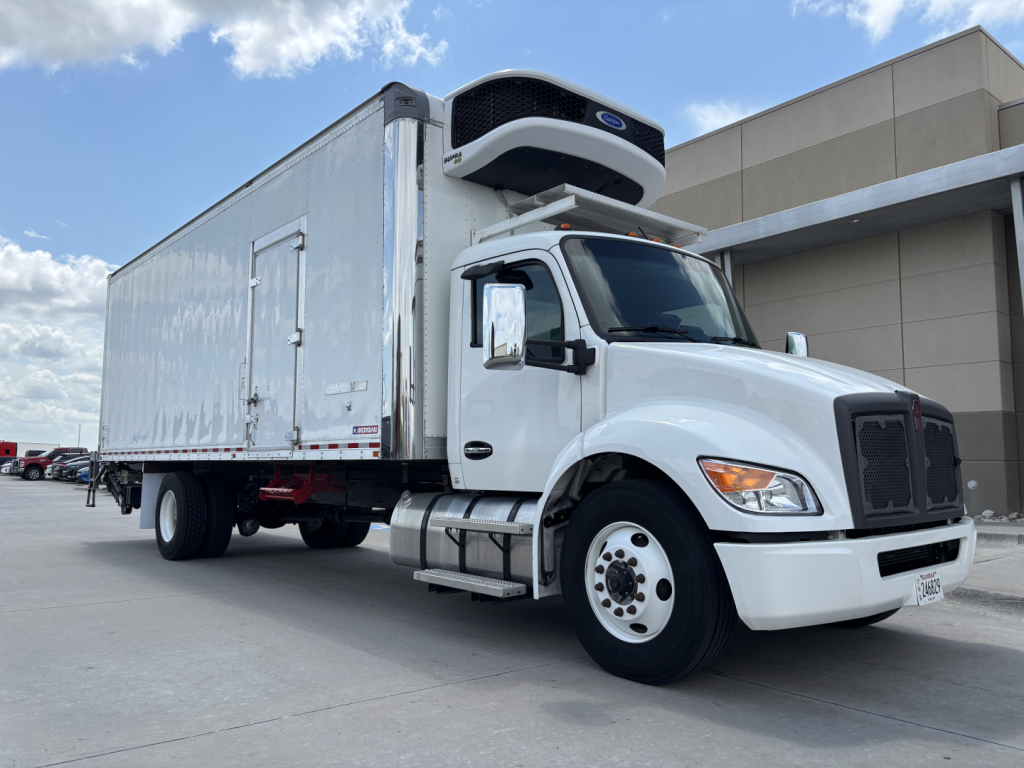
The most common 2024 trucks in Nebraska are conventional highway tractors in day cab and sleeper configurations, plus some yard spotters and vocational units. Day cabs are a strong fit for regional freight, ag-related hauling, and dedicated lanes with regular home time. Sleeper trucks are more common in long-haul and multi-state operations where driver comfort, fuel capacity, and storage are important. Yard trucks are typically used in distribution and industrial settings for trailer shuttling rather than over-the-road service.
What specs matter most when comparing a 2024 semi truck?
The key specs are engine make and rating, transmission type, rear axle ratio, suspension, axle capacities, wheelbase, and braking system. Those items determine how the truck performs under load, how efficiently it cruises at highway speed, and how well it matches the trailer and freight. Buyers should also review cab configuration, fuel tank setup, fifth wheel spec, tire size, and any options tied to driver comfort or idle reduction. A newer model year does not automatically mean the truck is better suited to the job if the gearing or layout is wrong for the application.
Is a day cab or sleeper truck better for Nebraska operations?
It depends on the route structure. A day cab is usually the better choice for local and regional work because it is lighter, easier to maneuver, and simpler to maintain. A sleeper is the better choice for longer interstate runs, irregular dispatch schedules, and fleets that need to keep drivers out for multiple nights. In Nebraska, where many operations blend open-highway miles with agricultural, warehouse, and distribution work, the right answer usually comes down to average trip length, parking access, and driver scheduling.
Are automatic transmissions standard on 2024 trucks?
Automatic and automated manual transmissions are now standard in many 2024 truck applications, especially fleet tractors and regional units. They help with driver recruitment, consistency, and reduced clutch wear, and they are well suited for stop-and-go operations as well as highway use. Manual transmissions still appear in some trucks where owner preference, vocational use, or specific drivability goals matter. The important point is to match the transmission to the terrain, freight, and driver pool rather than assume one style is always superior.
What should buyers check on a 2024 used truck besides mileage?
Mileage is only one part of the evaluation. Buyers should check engine hours, idle hours, warranty coverage, service records, emissions system history, brake and tire condition, and signs of frame or suspension wear. It is also smart to confirm axle ratio, wheelbase, and fifth wheel setup against the intended trailer fleet. On late-model trucks, software updates, aftertreatment maintenance, and the condition of safety systems can be just as important as odometer reading when estimating total operating cost.