
2024 Conventional Sleeper Trucks For Sale in Nebraska
Shop 2024 conventional sleeper trucks in Nebraska. Compare aero cabs, sleeper sizes, powertrains, axle ratios, and long-haul specs.
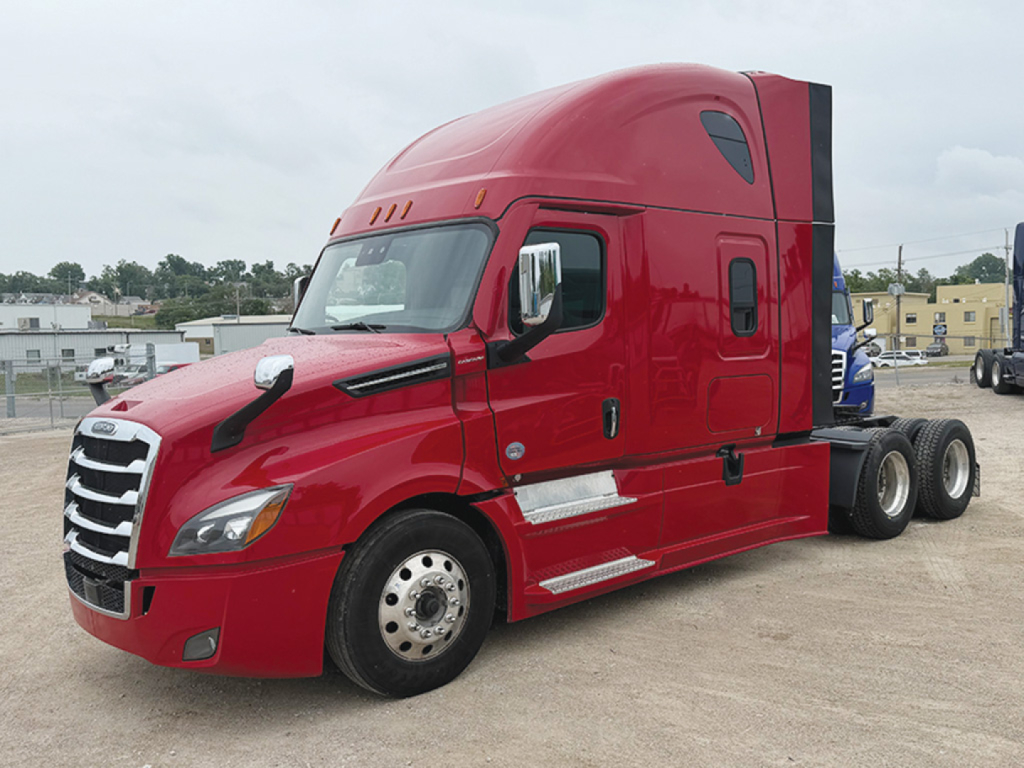
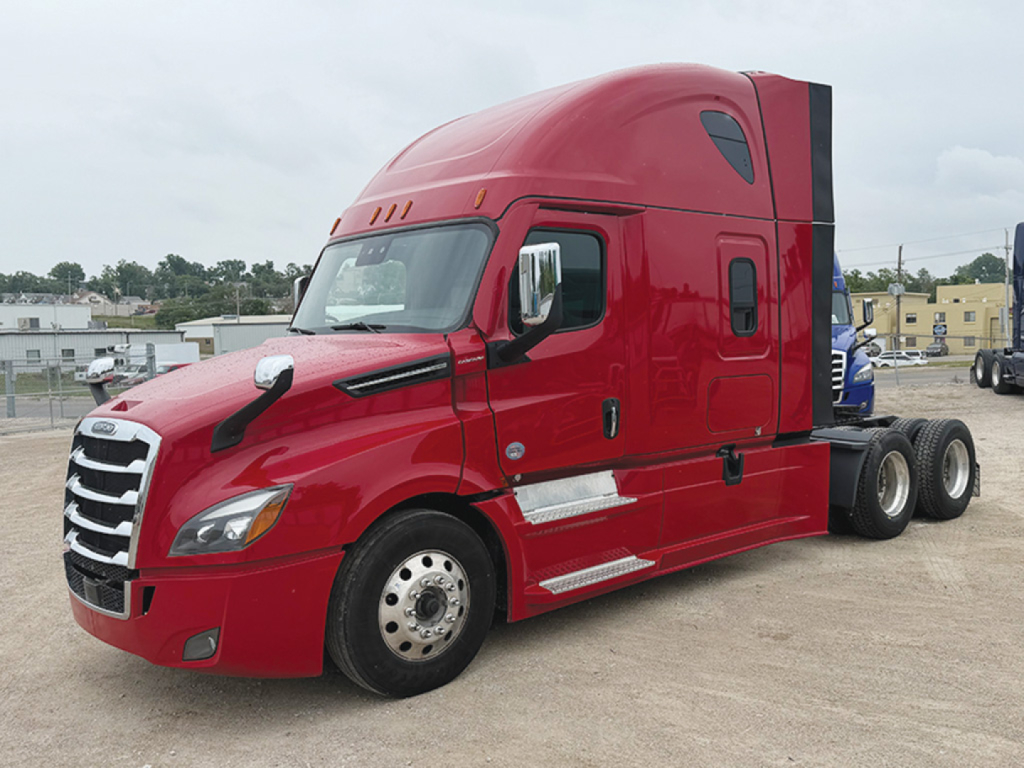
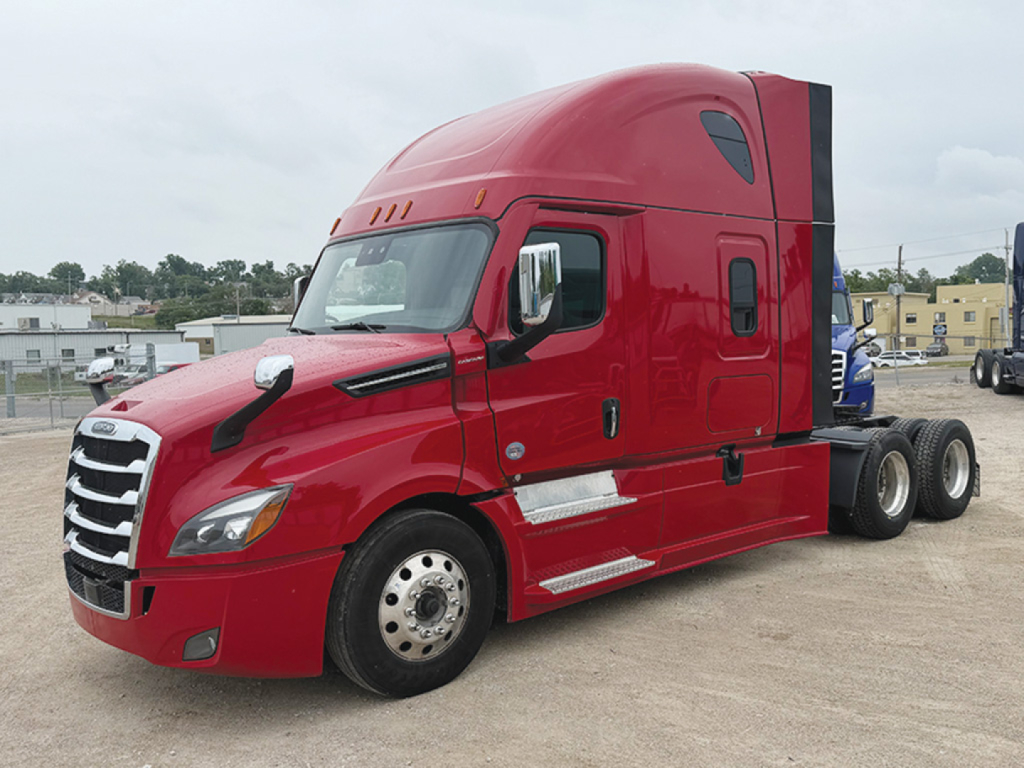
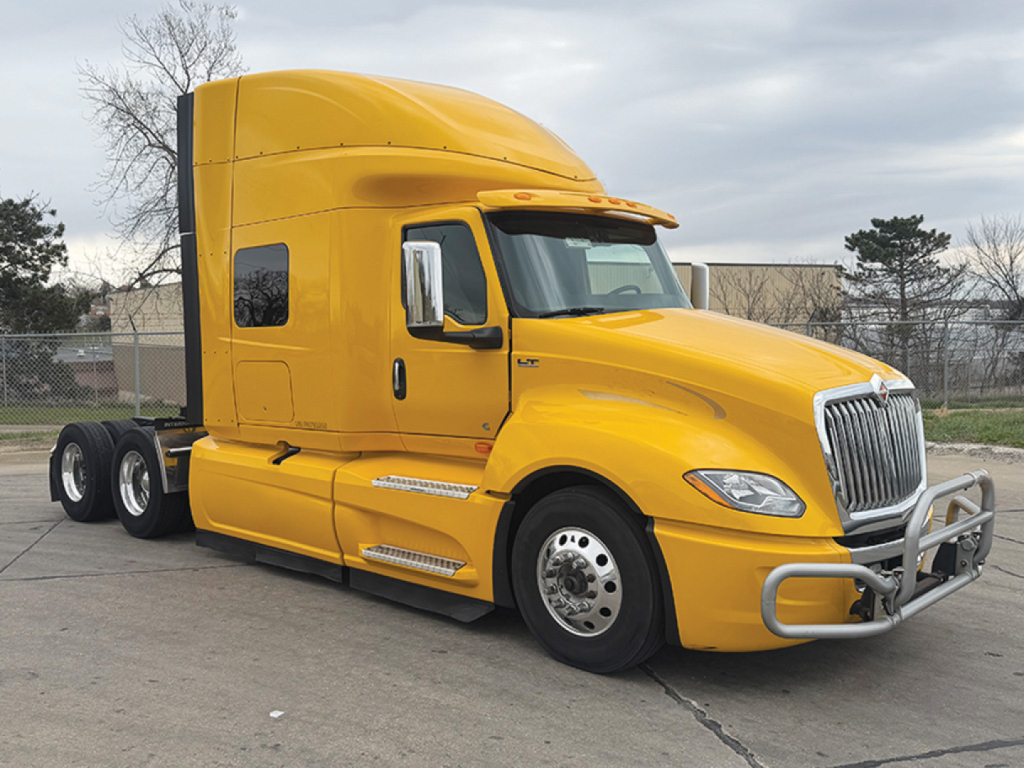
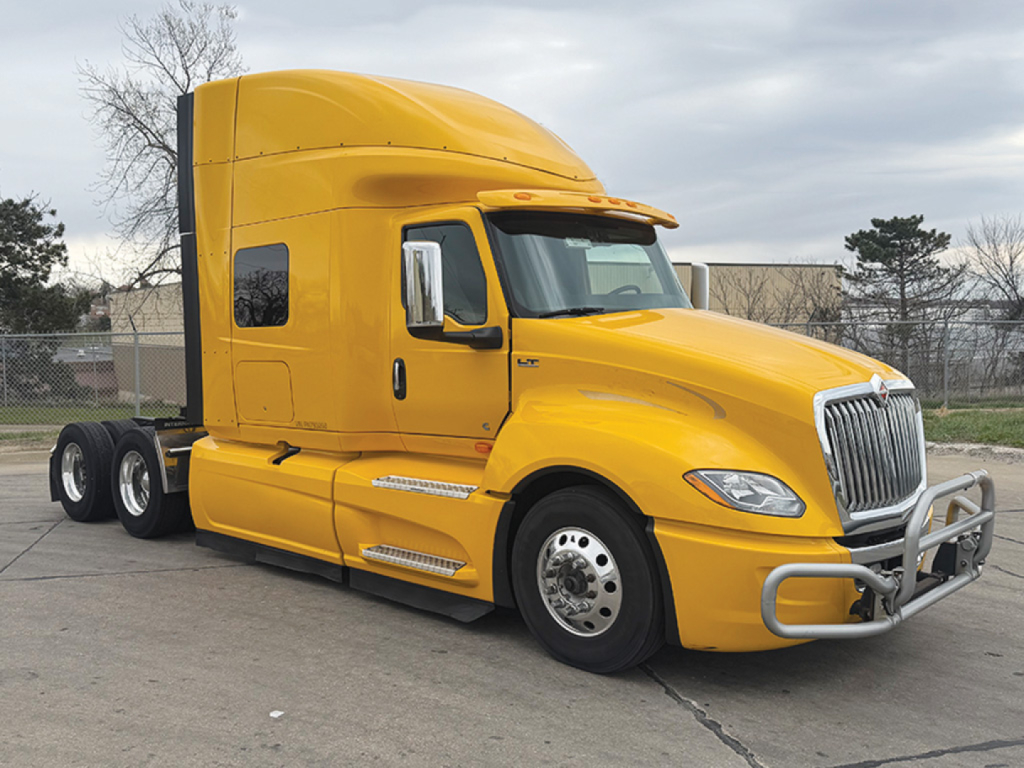
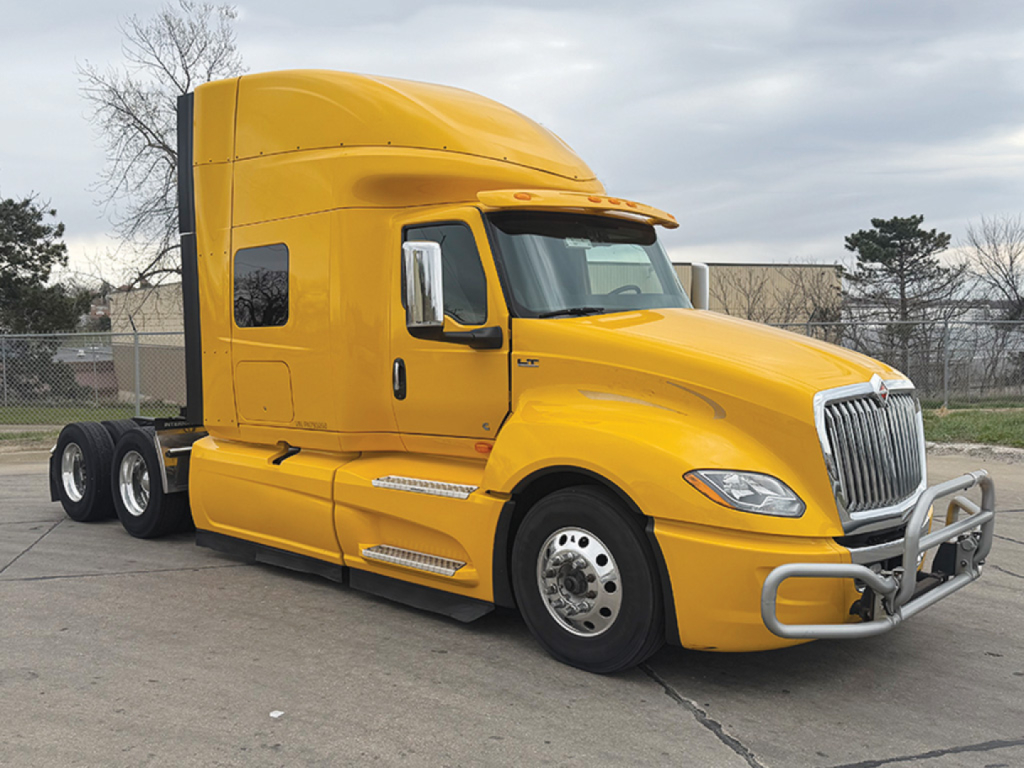
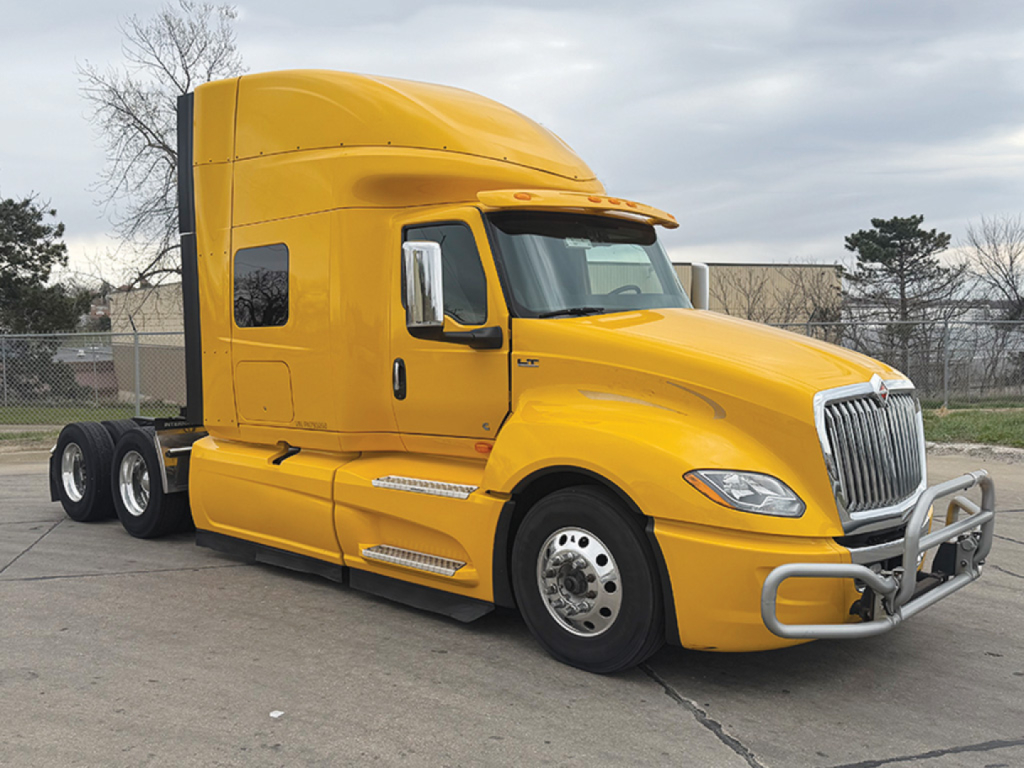
Selling a 2024 conventional sleeper truck? List your 2024 conventional sleeper truck for sale and reach thousands of commercial buyers.
2024 Conventional Sleeper Trucks in Nebraska
The biggest buying decisions usually start with the powertrain. In this model year, common engines include the Cummins X15, Detroit DD13, and Detroit DD15, generally rated from about 400 to 455 horsepower for fleet-oriented linehaul work. Most 2024 conventional sleepers are paired with automated manual transmissions, 12-speed and 13-speed configurations being the most common, along with 40,000-pound rear axles and highway-friendly ratios such as 2.64, 2.85, or 3.08. A lower numerical ratio can improve fuel economy at cruise speed, while a slightly deeper ratio may be the better fit for heavier freight, hillier lanes, or more stop-and-go operation. Wheelbase, fifth wheel travel, and tank capacity also deserve close attention because they affect trailer compatibility, bridge law flexibility, and operating range.
Sleeper size and cab configuration matter more than many buyers expect. Raised-roof and mid-roof sleepers in the 60-inch to 76-inch range are common, with options like upper bunks, refrigerators, bunk heaters, inverters, and auxiliary power units. For teams or extended-haul routes, interior storage, stand-up room, and HVAC performance can be just as important as engine spec. On the chassis side, air ride suspension, disc brakes, low-profile 22.5 tires, aluminum wheels, air slide fifth wheels, and full aero treatments with side fairings and cab extenders are common features in this category. Safety technology is also a major part of the 2024 market, with collision mitigation, lane departure systems, and adaptive cruise control showing up frequently on late-model highway tractors.
A strong 2024 conventional sleeper should be matched to the freight lane, not just the badge on the hood. For dry van and reefer work, aero efficiency and a lighter spec often lead the conversation. For heavier dedicated freight, buyers may prioritize higher horsepower, different axle ratios, and a more versatile wheelbase. Maintenance planning also matters on newer sleeper trucks, especially emissions system service history, transmission calibration updates, tire spec, and brake type. When comparing listings, the best value usually comes from the truck with the right sleeper package, driveline ratio, and safety equipment for the job it will actually run.
Frequently Asked Questions about 2024 Conventional Sleeper Trucks in Nebraska
What is a conventional sleeper truck?
A conventional sleeper truck is a highway tractor with a hooded front end and a built-in sleeping compartment behind the cab. It is designed for regional and long-haul trucking where the driver may spend multiple days on the road. Compared with a day cab, a sleeper truck adds living space and often includes bunk options, storage, climate control features, and appliances that improve driver comfort and productivity.
What engine and transmission specs are common on a 2024 conventional sleeper?
Most 2024 conventional sleeper trucks are spec'd with linehaul diesel engines in the 400 to 455 horsepower range, commonly paired with automated manual transmissions. Popular combinations include Cummins or Detroit power with 12-speed automated gearboxes, 40,000-pound rear axles, and fuel-economy-focused axle ratios. The right setup depends on average gross weight, terrain, cruise speed, and whether the truck is running van, reefer, tanker, or heavier dedicated freight.
How important is axle ratio on a sleeper semi?
Axle ratio has a direct effect on fuel economy, launch feel, gradeability, and engine speed at highway cruise. Ratios like 2.64 or 2.85 are common on aerodynamic long-haul tractors because they keep RPM lower and help reduce fuel consumption. A deeper ratio may be more useful if the truck pulls heavier loads, runs more secondary roads, or operates in terrain that demands more pulling power. The best choice is the one matched to tire size, transmission gearing, and actual duty cycle.
What sleeper size is best for long-haul trucking?
The best sleeper size depends on trip length, driver count, and onboard equipment needs. Mid-roof sleepers can work well for regional or shorter over-the-road applications where weight and aerodynamics matter. Raised-roof sleepers in the 72-inch to 76-inch range are more common for long-haul use because they offer better stand-up room, storage, and space for features like upper bunks, refrigerators, and auxiliary power units. Teams and extended-haul operators usually benefit from the larger sleeper layouts.
What should buyers inspect on a late-model conventional sleeper truck?
On a late-model conventional sleeper, buyers should look closely at engine hours, idle time, emissions system history, fault codes, transmission software status, brake type, tire condition, and signs of collision repair. It is also smart to verify the sleeper equipment works properly, including HVAC, bunk heater, inverter, refrigerator, and APU if equipped. For fleet buyers, wheelbase, fifth wheel travel, and axle ratio should be confirmed against the intended trailer mix and operating lanes before purchase.