
2021 Commercial Trucks For Sale in Nebraska
Shop 2021 trucks for sale in Nebraska, including day cabs and sleepers with modern specs for regional haul, local work, and over-the-road use.
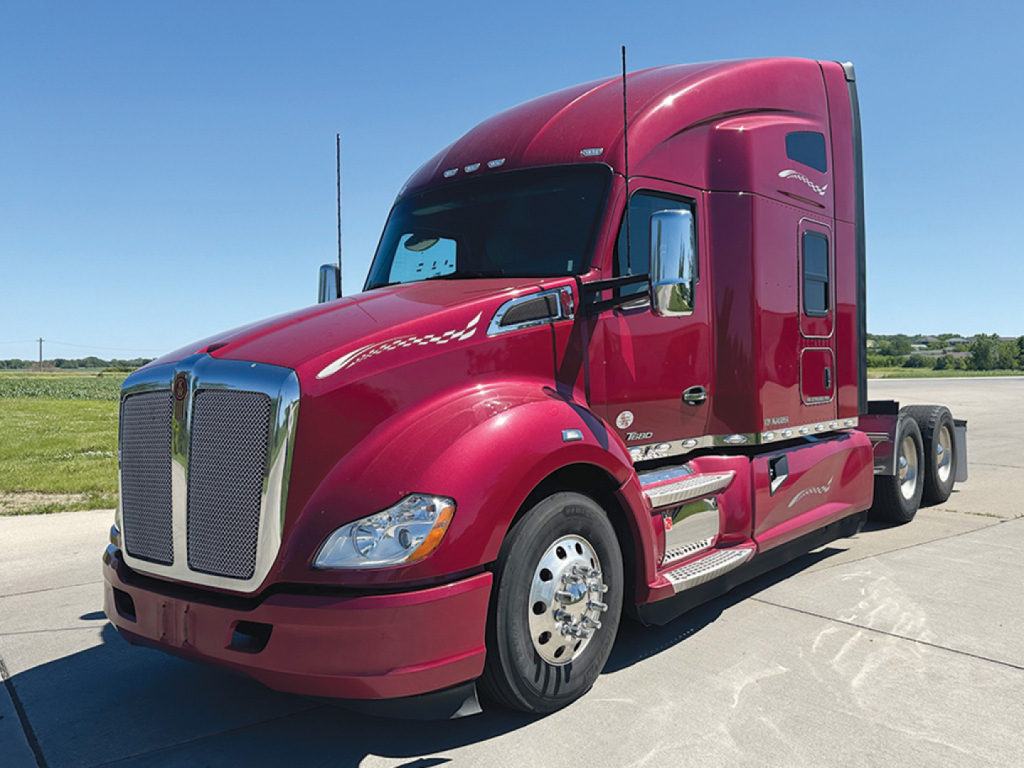
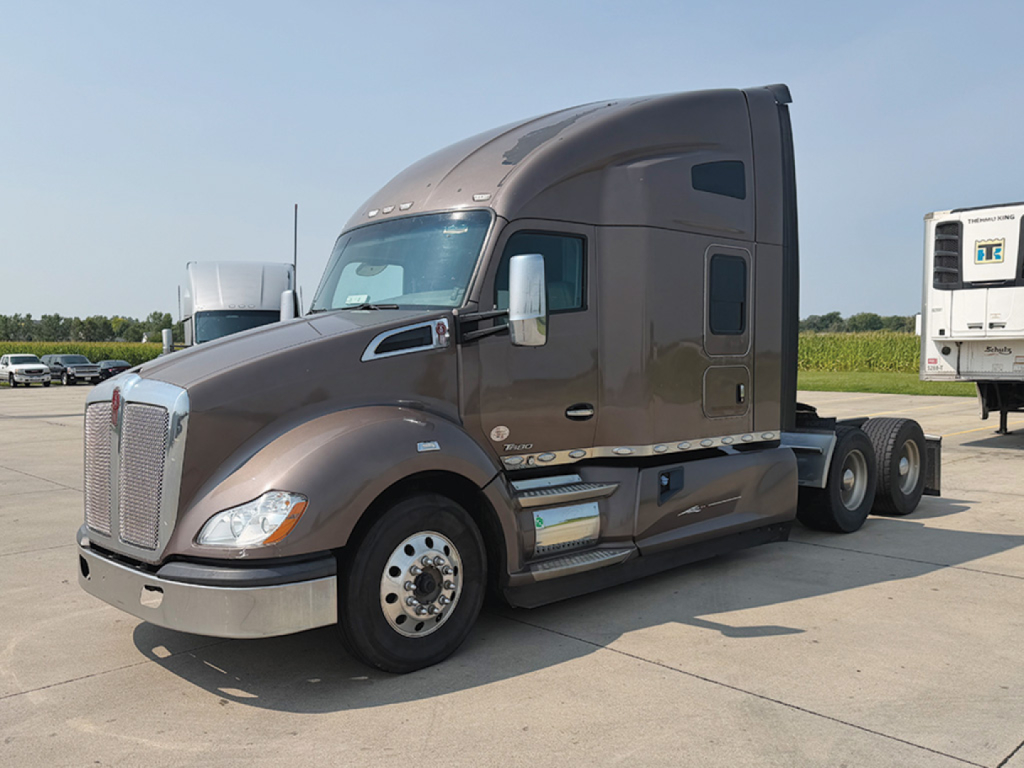
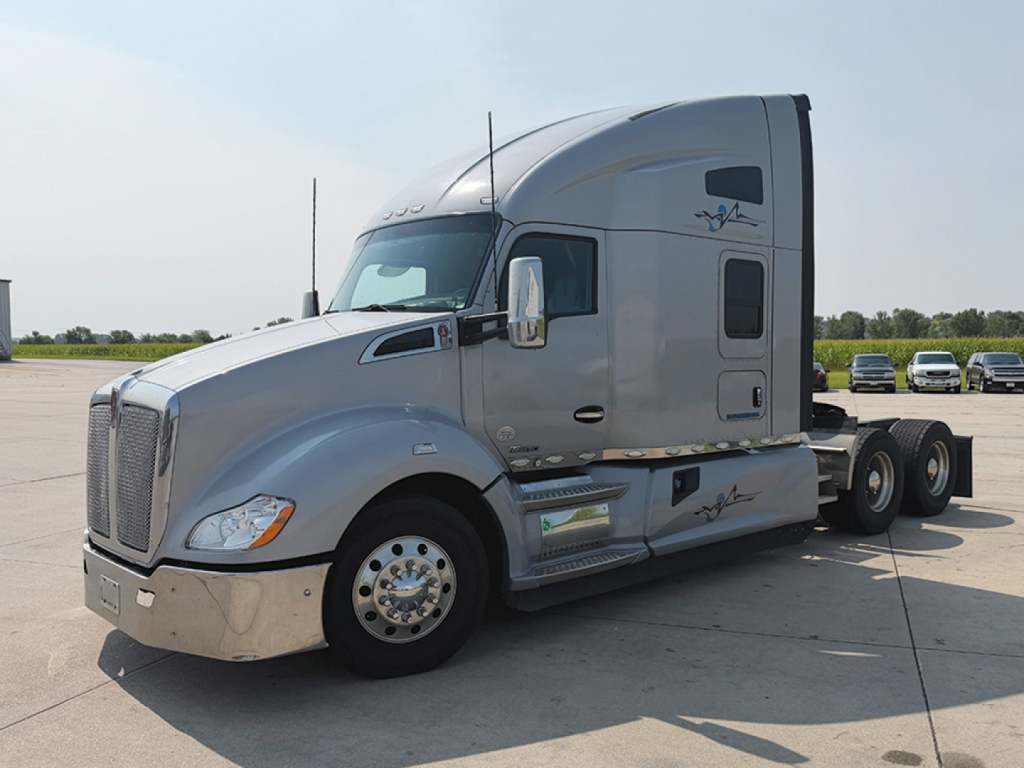
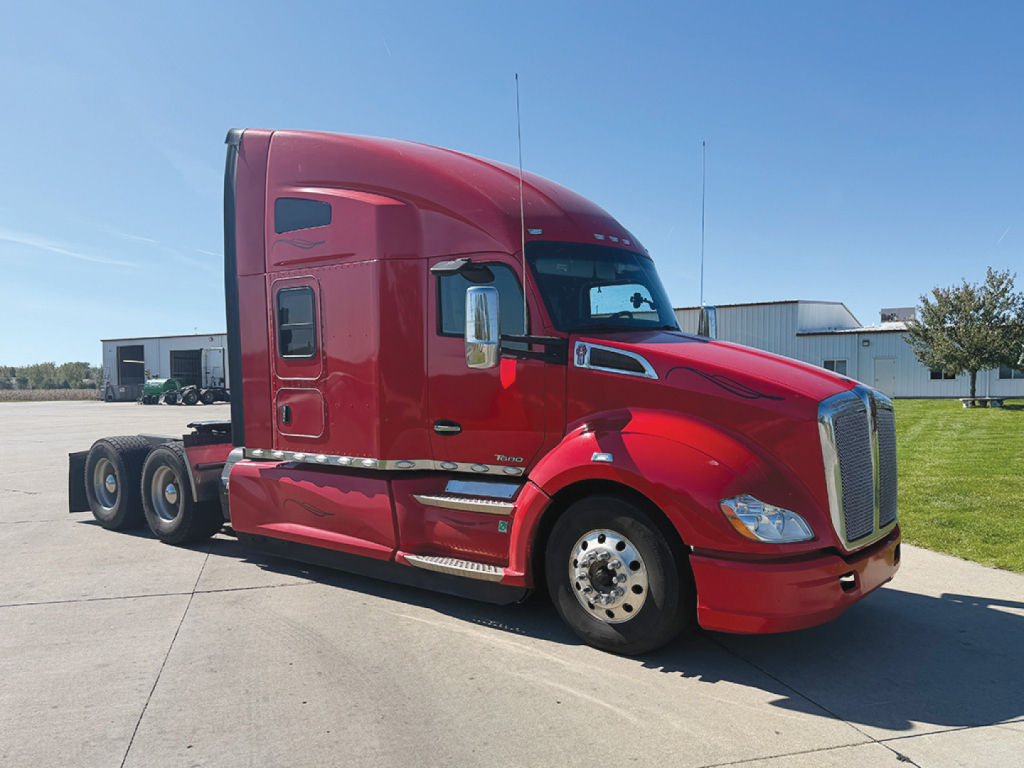
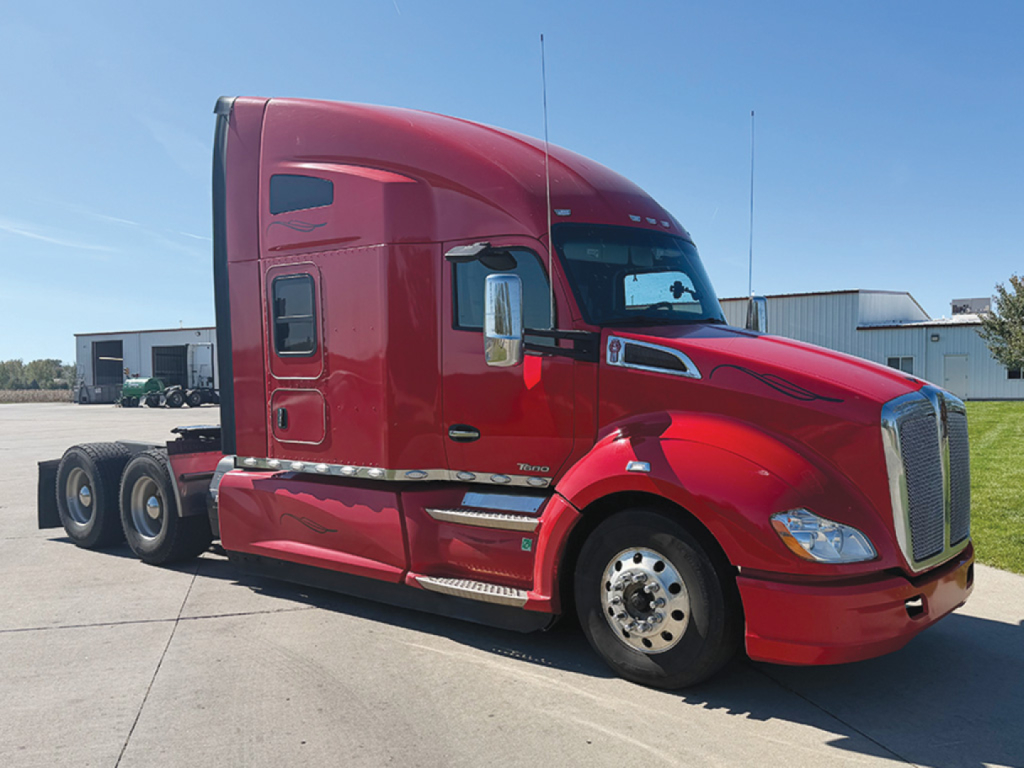
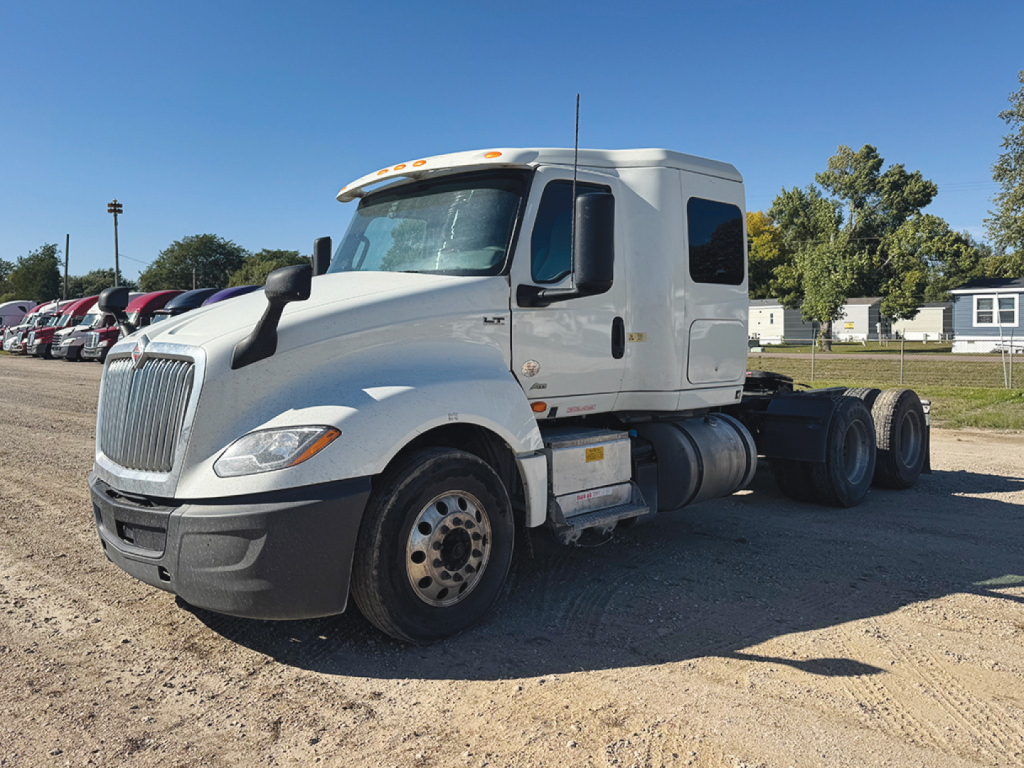
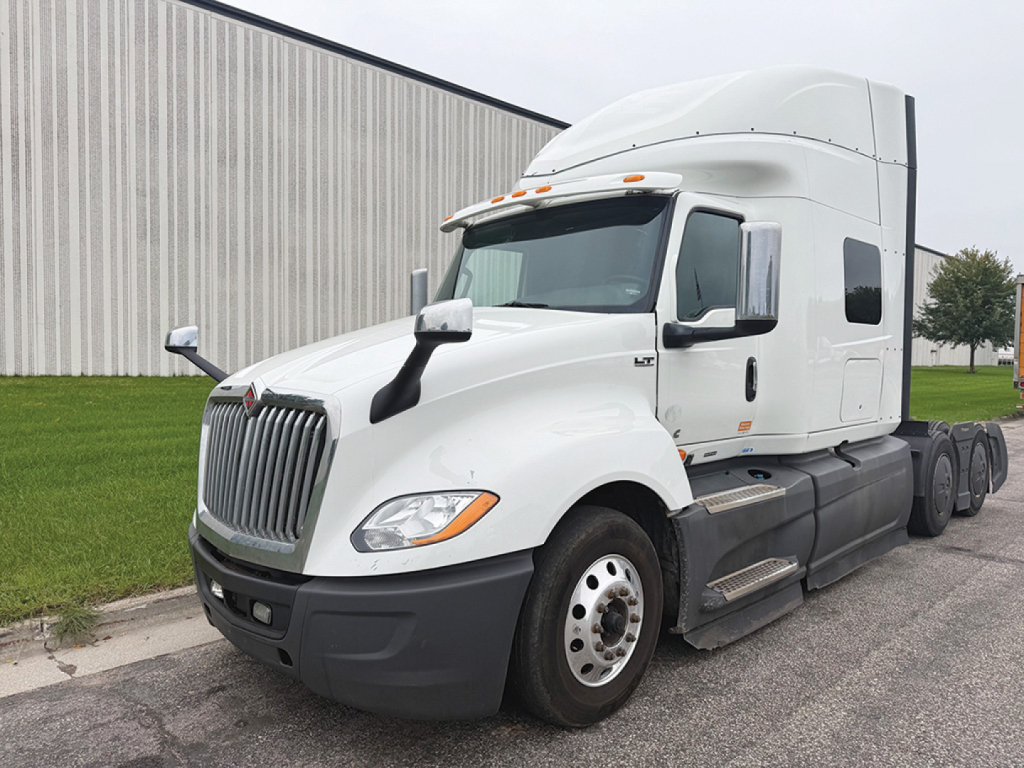
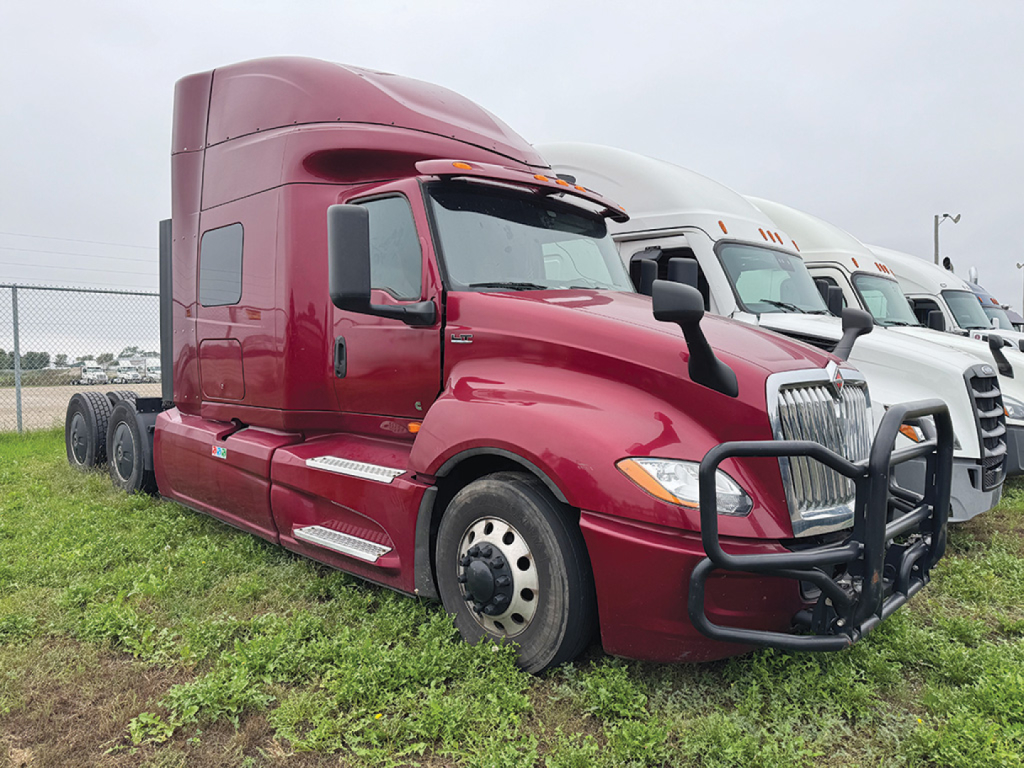
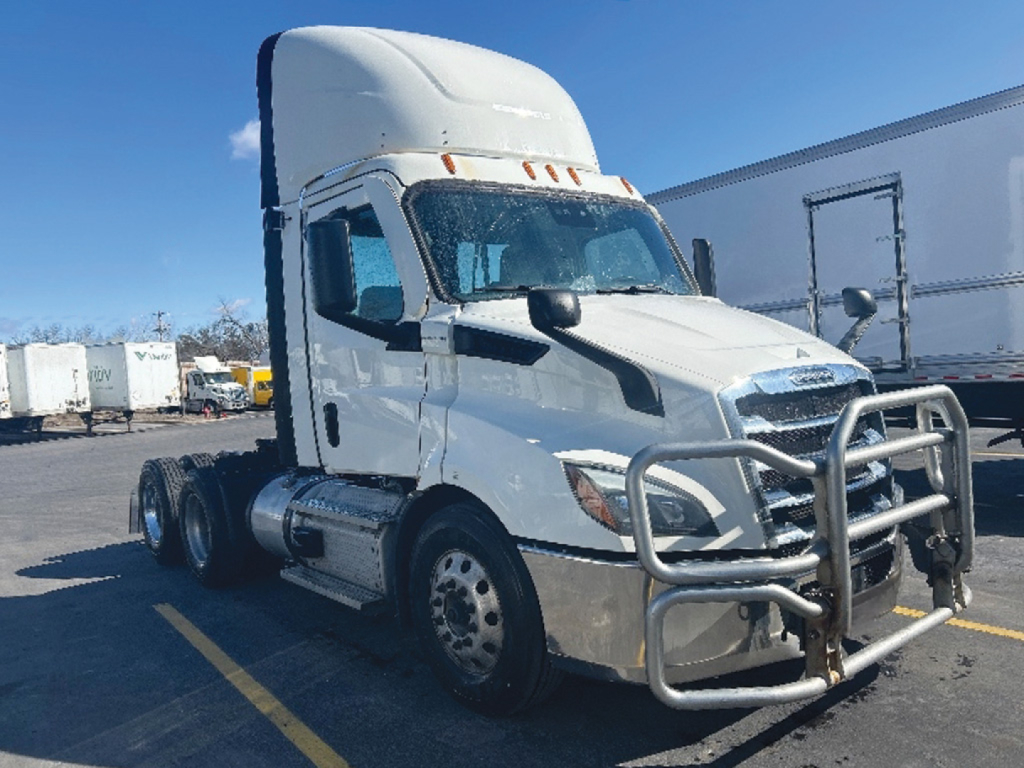

Selling a 2021 commercial truck? List your 2021 commercial truck for sale and reach thousands of commercial buyers.
2021 Commercial Trucks in Nebraska
The biggest buying decision is usually sleeper versus day cab. A 72-inch to 80-inch high-roof sleeper makes sense for over-the-road operation, team driving, and any lane that keeps the truck out multiple nights. A day cab is better for shorter regional runs, dedicated routes, and operations where wheelbase, weight, and maneuverability matter more than bunk space. Nebraska buyers also tend to pay close attention to axle ratio and wheelbase because those specs directly affect fuel economy, startability, and trailer compatibility. Ratios in the mid-2s to mid-3s are common on 2021 trucks, and many are paired with 40,000-pound rears, air ride suspension, and air slide fifth wheels for flexibility across trailer types.
Transmission choice matters on 2021 models because this was already a market dominated by automated manuals and full automatics, though some manual transmissions still show up. Automated transmissions can reduce driver fatigue, simplify hiring, and help protect fuel economy on long interstate runs across I-80 and surrounding freight corridors. Buyers should also look at brake spec, tire size, and wheel material, along with practical equipment like engine brakes, bunk heaters, fairings, cab extenders, and dual aluminum fuel tanks. Disc brakes and low-profile 22.5 tires are common on newer highway trucks in this class, and aerodynamic packages can make a noticeable difference in fuel burn at Nebraska highway speeds.
For used 2021 trucks, condition and prior application are just as important as badge and engine. A fleet-maintained sleeper that spent its life on steady highway miles can be very different from a truck that saw heavier stop-and-go regional service. Review aftertreatment history, idle hours, service records, tire wear patterns, suspension condition, and any signs of fifth wheel or frame stress. If the truck will pull mixed freight, confirm wheelbase, kingpin setting compatibility, and fuel capacity match the lanes you plan to run. Buyers comparing 2021 trucks in Nebraska should focus on total operating fit: engine and transmission pairing, rear ratio, cab configuration, and maintenance history usually matter more than cosmetics alone.
Frequently Asked Questions about 2021 Commercial Trucks in Nebraska
What types of 2021 trucks are most common in Nebraska?
In Nebraska, 2021 trucks commonly include conventional highway tractors in both sleeper and day cab form. Sleeper models are common for over-the-road and longer regional freight, while day cabs are often used for shorter hauls, dedicated lanes, and local or terminal-based work. Many late-model trucks from this year are aerodynamic tractors with 6x4 drivetrains, 40,000-pound rear axles, air ride suspension, and engine options from Cummins, Detroit, PACCAR, and other major OEMs.
Is a 2021 sleeper truck better than a 2021 day cab?
It depends on the operation. A 2021 sleeper truck is better for long-haul lanes, overnight runs, and teams because it provides bunk space, more storage, and better driver comfort over multiple days on the road. A 2021 day cab is often the better choice for regional work, local delivery support, and operations that value lower curb weight, shorter wheelbase, and easier maneuverability. The right choice comes down to route length, payload goals, and how often the driver is expected to stay with the truck overnight.
What engine and transmission options should buyers expect on 2021 trucks?
Most 2021 trucks in this class are equipped with modern heavy-duty diesel engines in the 400 to 500 horsepower range, often paired with automated manual transmissions or full automatics. Common engine families include the Cummins X15, Detroit DD13, and PACCAR MX-13. Buyers will still find some manual transmissions, especially in trucks spec'd for owners who prefer direct gear control. The key is matching horsepower, torque, transmission calibration, and rear axle ratio to the truck's intended use rather than choosing based on engine badge alone.
What should buyers inspect on a used 2021 truck before purchase?
A buyer should inspect aftertreatment performance, fault code history, maintenance records, idle hours, and the condition of the engine, transmission, suspension, brakes, and tires. It is also important to look at the fifth wheel, frame rails, and driveline for wear that reflects the truck's prior application. On highway tractors, check aerodynamic components, fairings, cab extenders, and fuel tank condition as well. A 2021 truck can still be a very modern unit, but emissions-system maintenance and documented service history are critical to avoiding expensive downtime.
Why do axle ratio and wheelbase matter on a 2021 truck?
Axle ratio and wheelbase have a direct effect on fuel economy, performance, and trailer compatibility. A faster ratio such as 2.64 or 2.85 can favor fuel-efficient highway cruising, while a deeper ratio like 3.36 or 3.42 may better support heavier loads, more starts, or specific regional applications. Wheelbase affects turning radius, ride quality, and how the truck matches up with trailer swing clearance and kingpin settings. These details are especially important for buyers running mixed freight or trying to optimize one truck for a specific lane.