
2021 Conventional Sleeper Trucks For Sale in Nebraska
Shop 2021 conventional sleeper trucks in Nebraska. Compare raised-roof, mid-roof, powertrain, sleeper, and axle specs for over-the-road use.
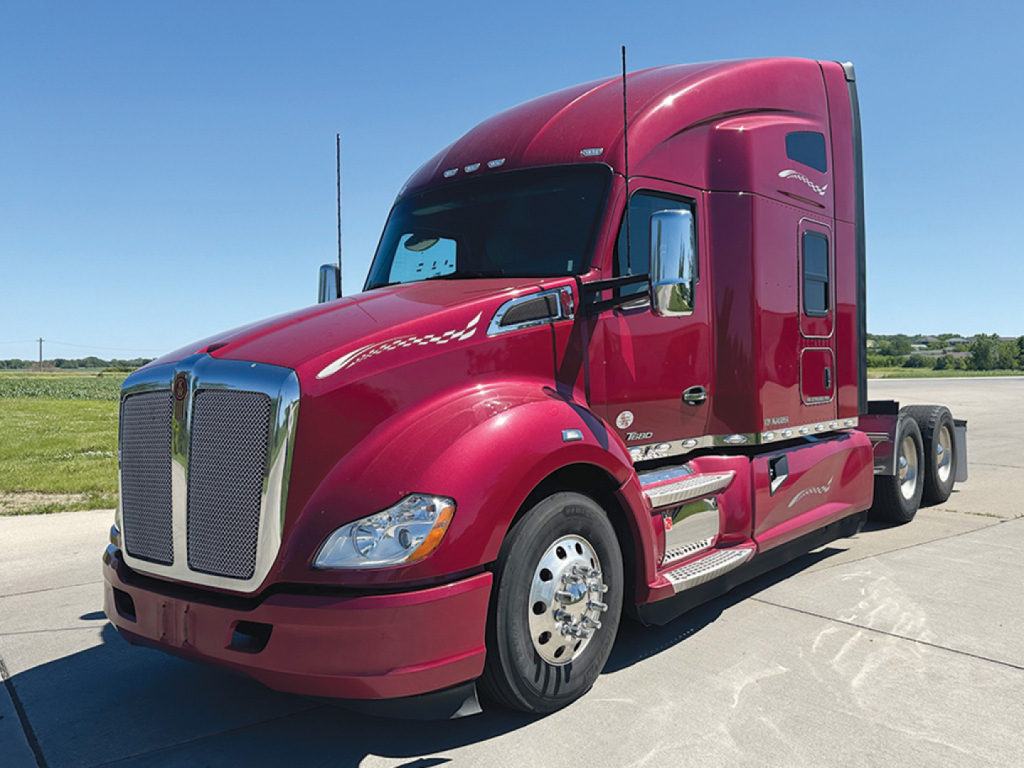
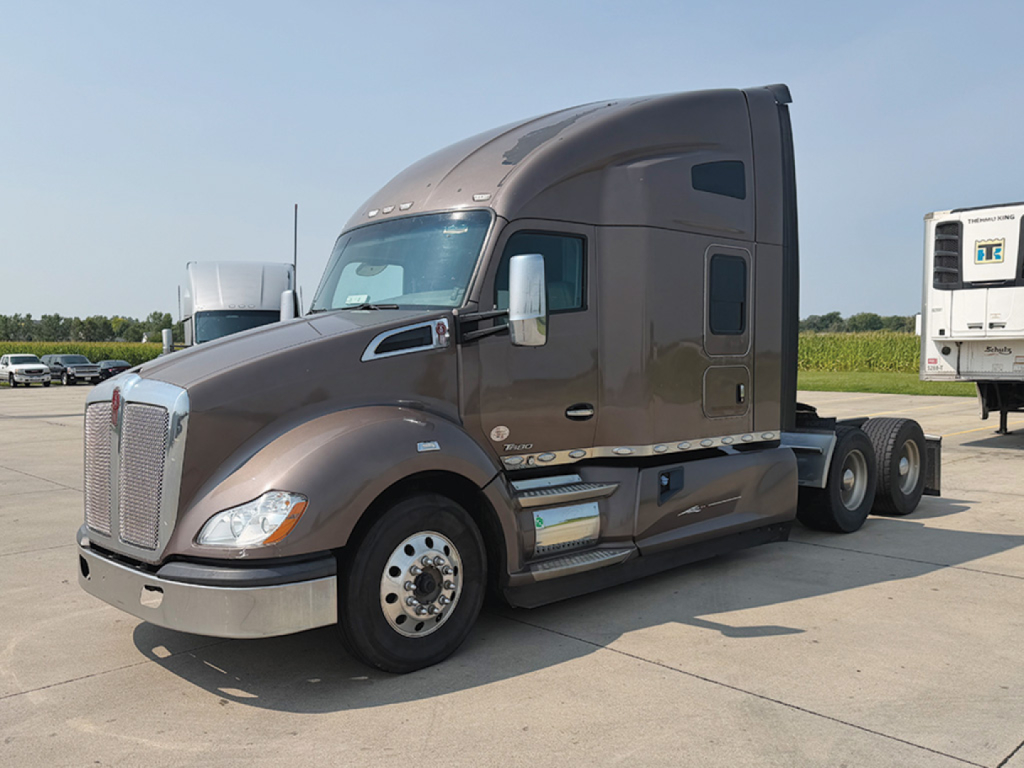
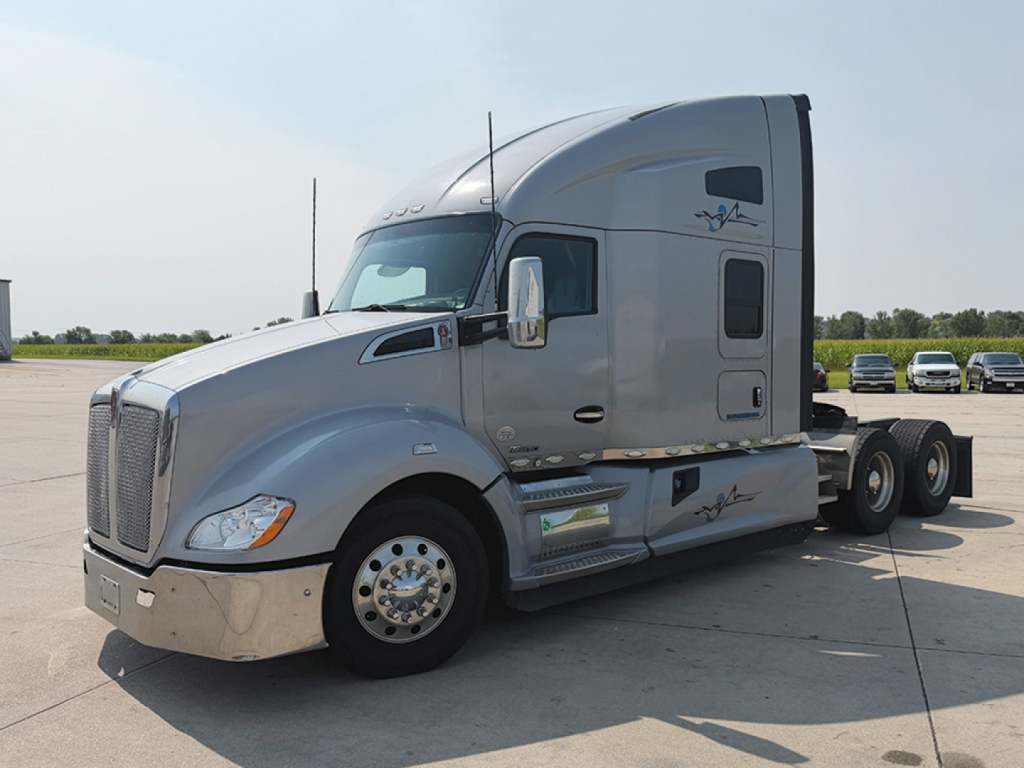
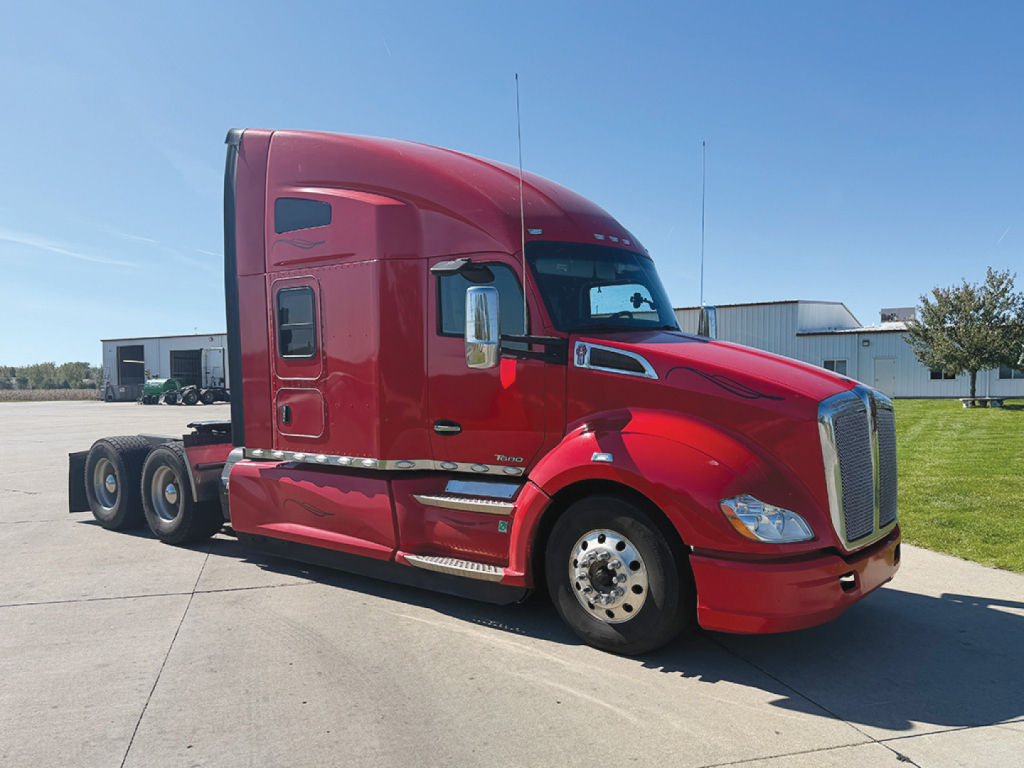
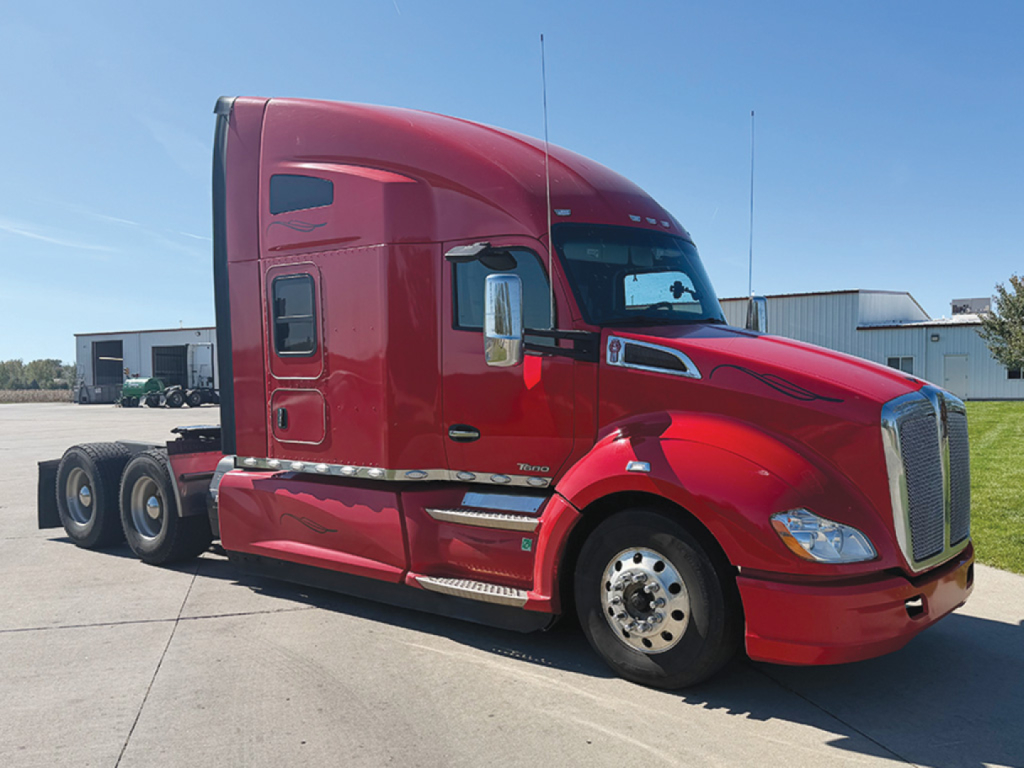
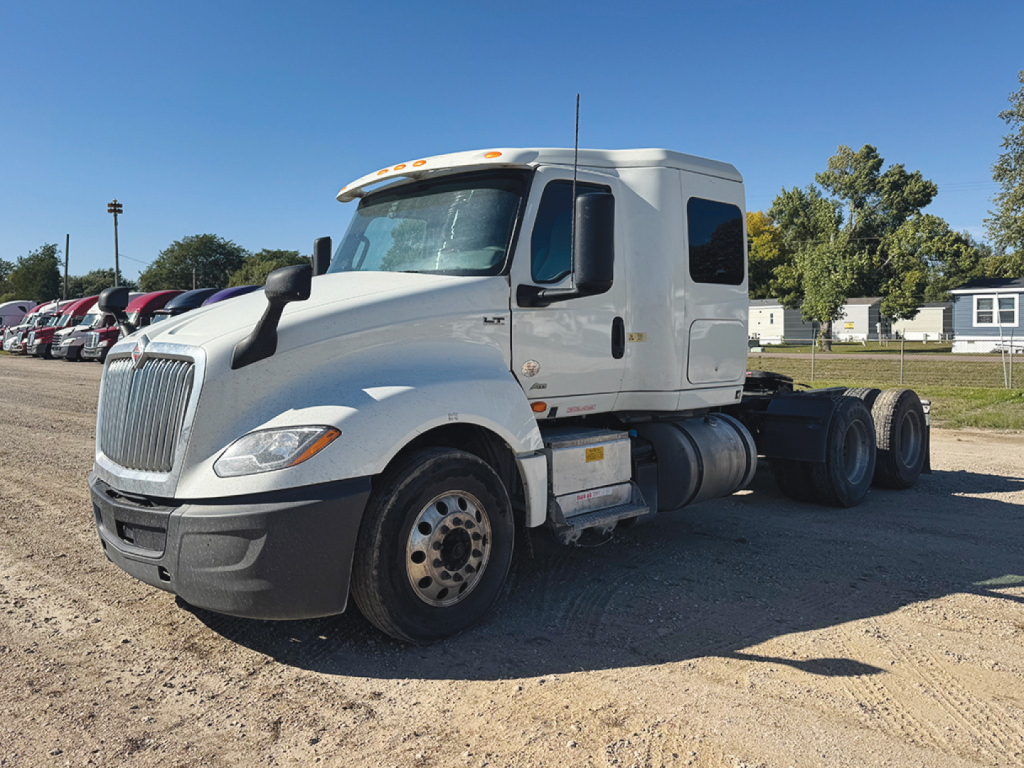
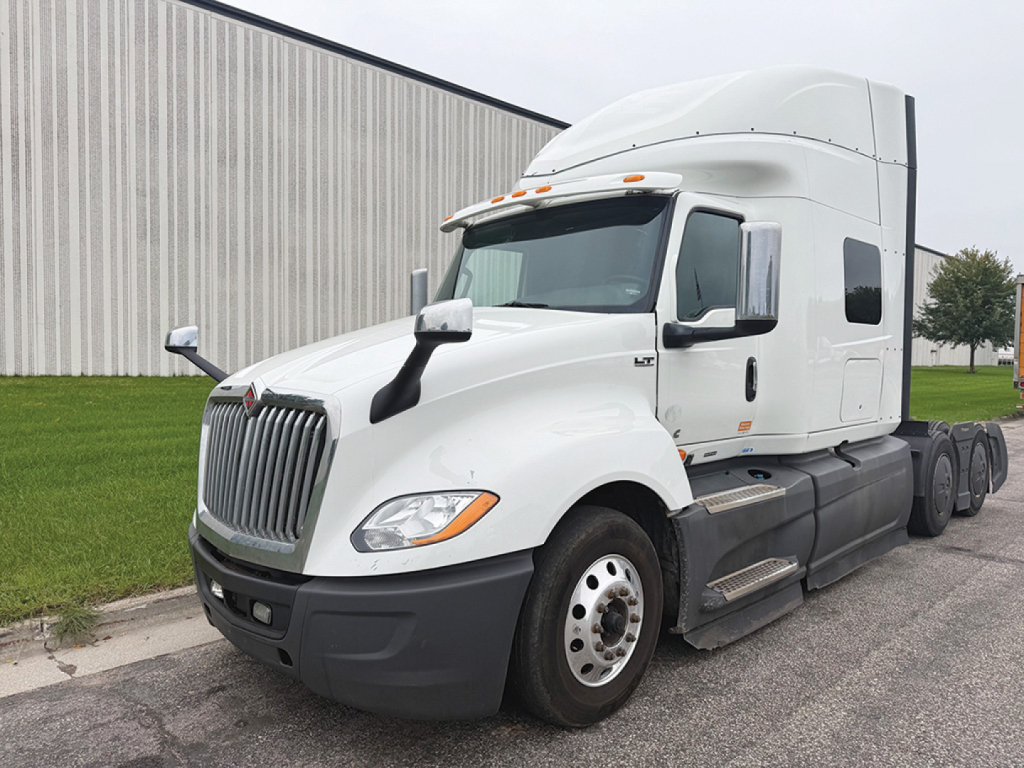
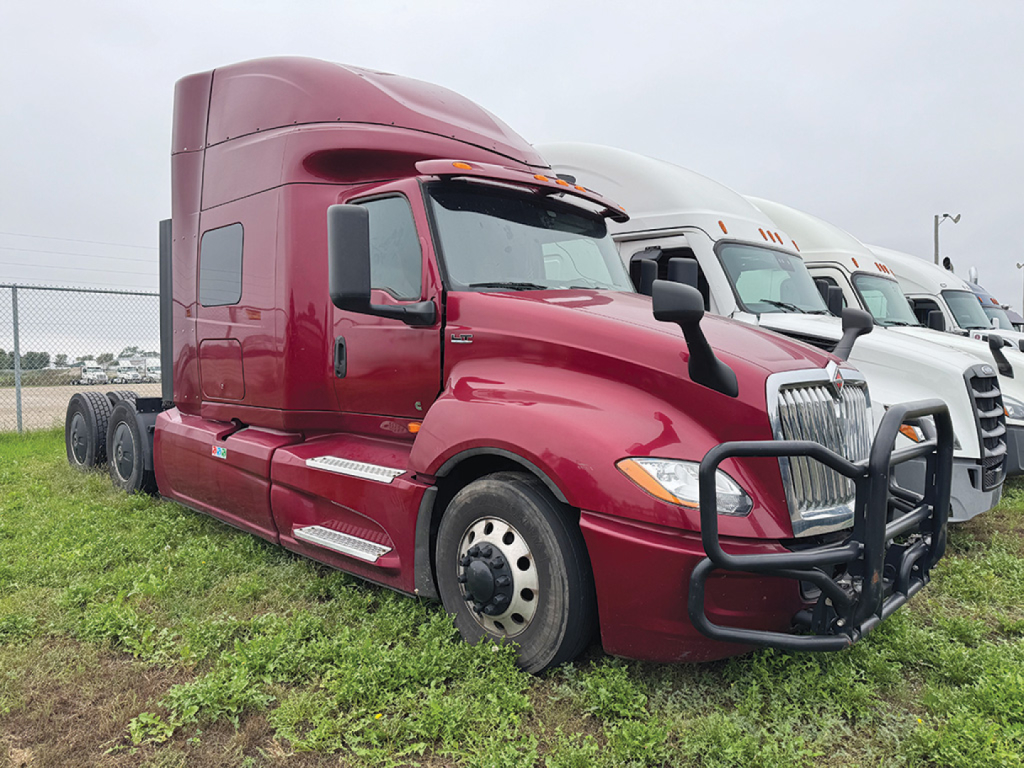
Selling a 2021 conventional sleeper truck? List your 2021 conventional sleeper truck for sale and reach thousands of commercial buyers.
2021 Conventional Sleeper Trucks in Nebraska
The biggest buying decision is the powertrain match. A 2021 conventional sleeper may be equipped with engines such as the Detroit DD15, Cummins X15, PACCAR MX-13, or similar heavy-duty platforms, usually in the 400 to 455 horsepower range for general freight. Automated manuals like the DT12 and Endurant became common by this period, while some fleets still preferred 13-speed manual setups for vocational crossover work or driver preference. Pay close attention to axle ratio, transmission gearing, and tire size as a package. A low numerical ratio can improve fuel economy on flat interstate lanes, but buyers hauling heavier freight or running more variable terrain may want a spec that keeps the engine in a stronger torque band.
Sleeper configuration matters just as much as the engine badge. Raised-roof sleepers with upper bunks, bunk heaters, refrigerators, and auxiliary power units support team operation and longer dwell times better than basic mid-roof layouts. Wheelbase, fifth wheel type, and fuel capacity should also fit the intended trailer mix. A shorter wheelbase with an air-slide fifth wheel gives more flexibility across trailer lengths and kingpin settings, while a longer wheelbase can improve ride quality and tank capacity for long-haul lanes. Disc brakes, collision mitigation systems, side fairings, cab extenders, and quarter fenders are all common value points on later-model aerodynamic sleepers because they affect stopping performance, uptime, and operating cost.
Condition and operating history still separate a good 2021 truck from an average one. Buyers should review idle hours, maintenance records, aftertreatment service history, warranty status, tire wear, brake life, and signs of alignment or suspension issues. On a sleeper tractor, interior wear tells a lot about duty cycle. Check bunk condition, HVAC performance, inverter or APU operation, and cab noise at road speed. Conventional sleeper trucks are also known simply as sleeper tractors or highway sleepers, and this class remains the standard choice for dry van, reefer, and general freight carriers that need a balance of driver comfort, fuel economy, and highway durability.
Frequently Asked Questions about 2021 Conventional Sleeper Trucks in Nebraska
What is the typical sleeper size on a 2021 conventional sleeper truck?
Most 2021 conventional sleeper trucks used in highway service fall into the 60-inch to 80-inch range, with 72-inch to 73-inch raised-roof sleepers being especially common. That size gives enough room for stand-up access, storage, and often an upper bunk, making it a practical spec for over-the-road work. Mid-roof sleepers are lighter and sometimes better for regional operations, but raised-roof configurations generally provide better driver comfort on longer runs.
Are 2021 conventional sleeper trucks mostly automatic or manual?
By 2021, automated manual transmissions were the dominant spec in many fleet sleeper tractors. Systems such as the Detroit DT12 and Eaton Endurant were widely used because they improve shift consistency, help fuel economy, and reduce driver fatigue. Manual transmissions still appear in some trucks, especially where owner-operators or specialized applications prefer more direct control, but buyers shopping this year range should expect a strong presence of automated manuals.
What axle ratio is best on a 2021 sleeper tractor?
The right axle ratio depends on average gross weight, cruising speed, terrain, and engine-transmission pairing. Ratios like 2.64 or 2.85 are common in fuel-economy-focused highway specs running lighter to moderate freight on interstate routes. A 3.08 or deeper ratio may be a better fit for heavier loads, more frequent grade changes, or applications that need stronger startability and better drivability at lower road speeds. The ratio should always be evaluated together with transmission overdrive and tire revolutions per mile.
What should buyers inspect first on a used 2021 conventional sleeper truck?
Start with engine and aftertreatment service records, fault code history, transmission operation, and evidence of consistent preventive maintenance. Then inspect brake type and remaining life, suspension wear, steer axle and drive tire patterns, and any signs of frame or alignment issues. On sleeper tractors, also check bunk HVAC, APU or idle-management equipment, refrigerator function if equipped, and general interior wear. A clean maintenance file and a stable operating history usually matter more than cosmetic appearance.
Is a 2021 conventional sleeper truck a good choice for Nebraska-based freight?
Yes. Nebraska freight patterns often favor aerodynamic sleeper tractors that can handle long interstate miles, variable weather, and a mix of regional and over-the-road duty. A 2021 model year is well suited for that environment because it commonly combines modern safety systems, efficient aero packages, and proven heavy-duty engines. Buyers running I-80 corridors or multi-state lanes should focus on fuel capacity, sleeper amenities, axle ratio, and winter-ready systems such as bunk heaters and strong HVAC performance.