
2021 Kenworth Conventional Sleeper Trucks For Sale in Nebraska
Compare 2021 Kenworth conventional sleeper trucks for sale in Nebraska by gearing, sleeper layout, emissions history, and winter corrosion exposure.
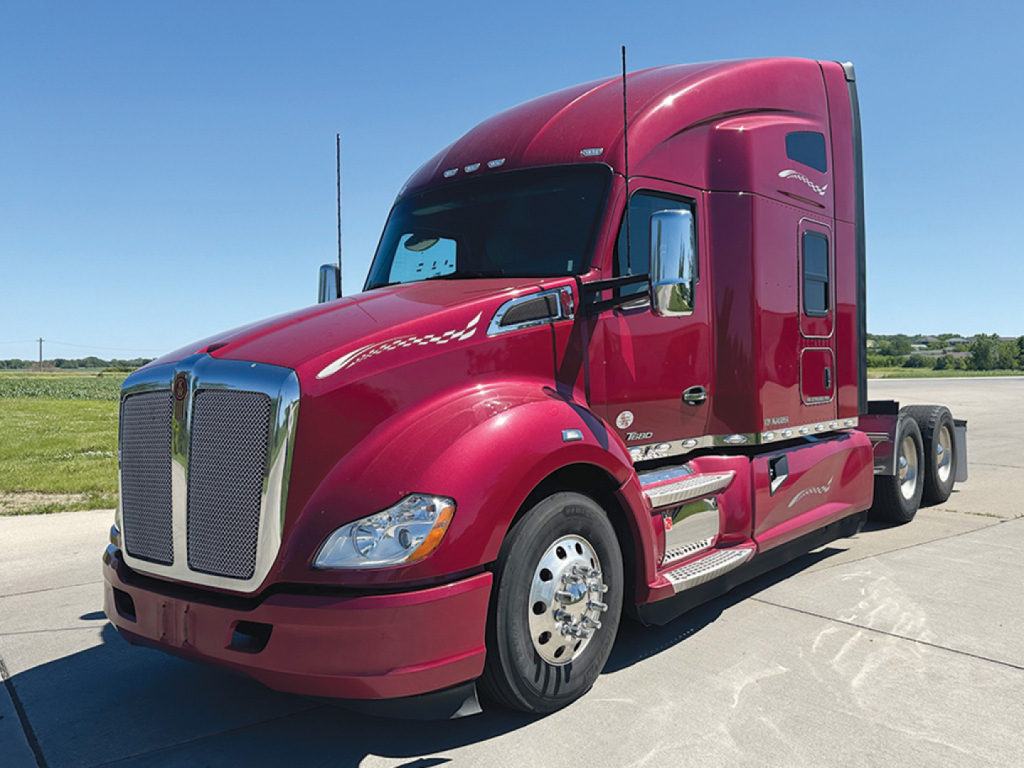
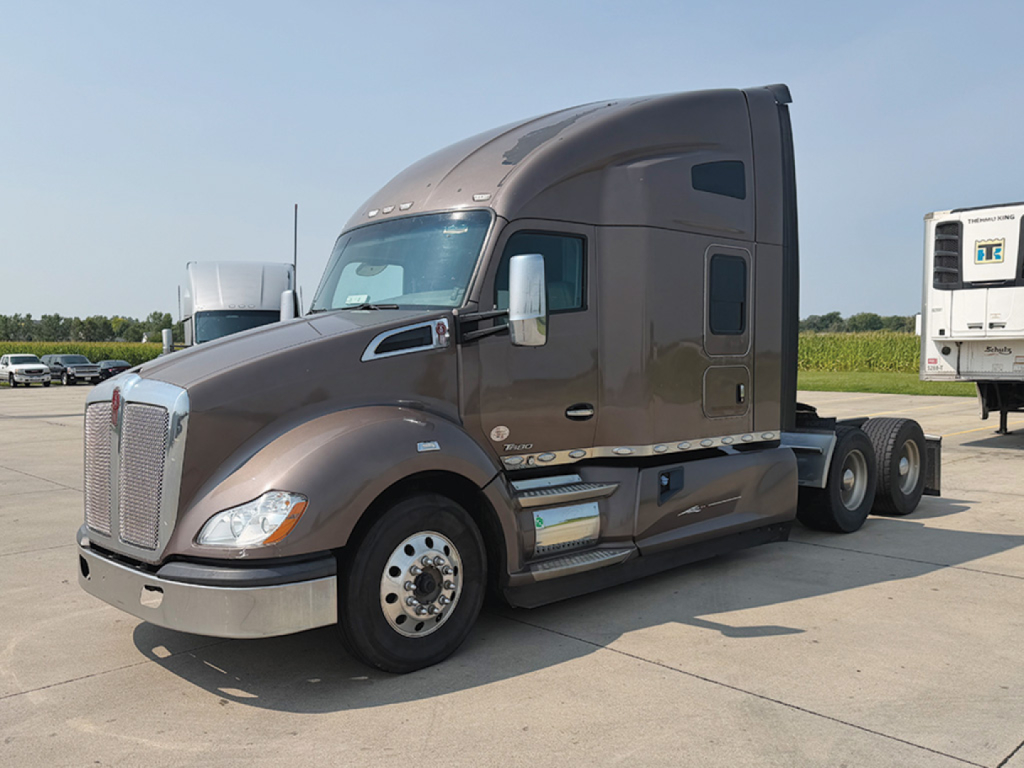
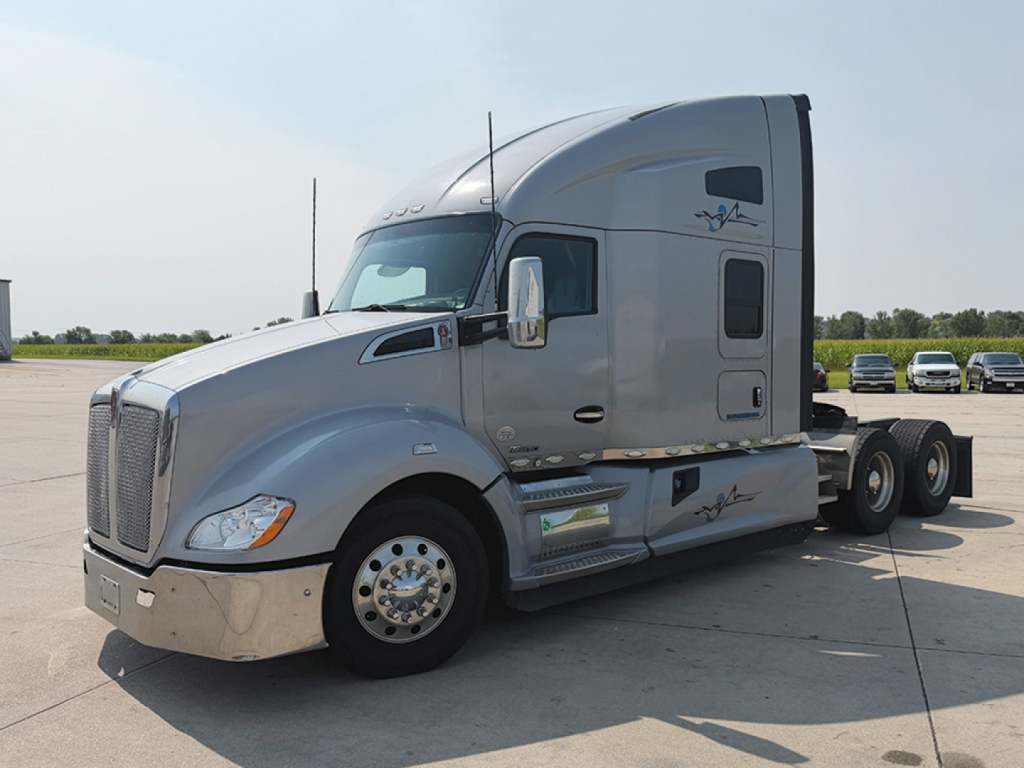
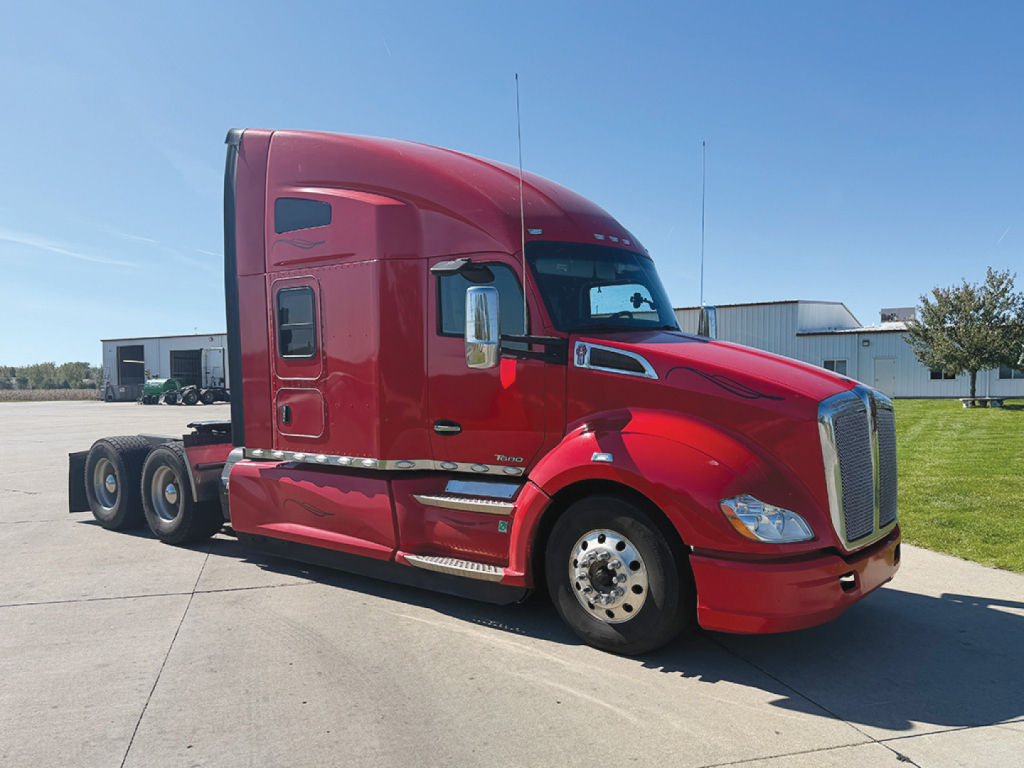
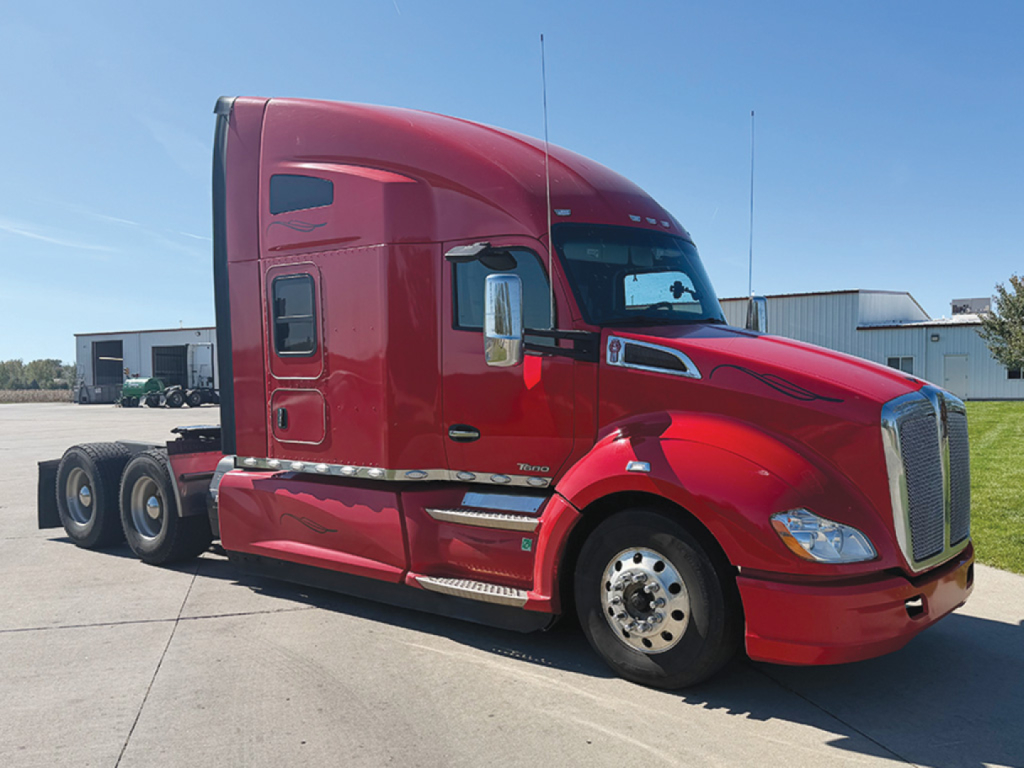
Selling a 2021 kenworth conventional sleeper truck? List your 2021 kenworth conventional sleeper truck for sale and reach thousands of commercial buyers.
2021 Kenworth Conventional Sleeper Trucks in Nebraska
A 2021 highway diesel uses a diesel particulate filter and SCR system supplied with DEF; buy on service evidence, not mileage alone. For used tractors, compare ECM mileage, engine hours, idle percentage, and fault history with maintenance records. Ask for DPF cleaning documentation, aftertreatment repair invoices, and cooling-system and overhead service records appropriate to the engine. Check clutch operation, axle leaks, fifth-wheel wear, and suspension bushings. Nebraska winter deicers justify close inspection of frame rails, crossmembers, air tanks, brake hardware, and electrical connectors. Test the bunk heater, APU if fitted, batteries, and air conditioning because sleeper comfort and idle control directly affect operating costs.
Axle ratings do not establish legal payload: Nebraska Interstate operation remains subject to gross-weight, axle-weight, and bridge-formula limits. Calculate loaded axle weights with the intended trailer rather than relying on a 40,000-pound tandem rating. For any 2021 unit represented as new, confirm unused status, warranty start dates, storage maintenance, and whether the 12% federal excise tax applies to the first retail sale. Inspect tires, seals, fluids, and batteries even on an unused truck.
Frequently Asked Questions about 2021 Kenworth Conventional Sleeper Trucks in Nebraska
Should I choose a 2.79 or 3.36 rear axle ratio in a 2021 Kenworth T680?
A 2.79 axle ratio produces lower cruising rpm than a 3.36 ratio when transmission top gear and tire diameter are the same. For a 2021 Kenworth T680, compare the complete drivetrain rather than the axle ratio alone. Direct-drive and overdrive transmissions change the comparison substantially. Calculate loaded cruising rpm and starting gradeability for Nebraska highway runs, elevator approaches, and the trailer weights you actually pull.
What aftertreatment checks should I request on a used 2021 Kenworth sleeper tractor?
An engine-specific diagnostic scan and loaded road test are the most useful aftertreatment checks on a used 2021 Kenworth sleeper tractor. Request active and inactive fault codes, regeneration history, DPF differential-pressure readings, and checks of DEF dosing and NOx sensor operation. A successful parked regeneration does not prove the DPF is free of accumulated ash or that the SCR system performs correctly under highway load.
How much weight can a 2021 Kenworth sleeper tractor legally haul on Nebraska Interstates?
Standard Interstate limits are 80,000 pounds gross combination weight, 20,000 pounds on a single axle, and 34,000 pounds on a tandem, subject to the federal bridge formula. A 2021 Kenworth sleeper tractor's axle spacing, trailer configuration, tire capacity, and registered weight can impose additional limits. Payload is the permitted loaded combination weight minus the actual empty tractor-and-trailer weight, not the truck's advertised axle rating.
Is a 2021 Kenworth T680 automatically a T680 Next Generation?
A 2021 Kenworth T680 should not be identified as a T680 Next Generation from the year alone. Kenworth introduced the Next Generation T680 during calendar year 2021, but introduction dates and vehicle model years are not interchangeable. Obtain the factory build sheet using the VIN and verify the cab, aerodynamic equipment, lighting, dashboard, and driver-assistance options against the actual truck.
Is a 76-inch Kenworth sleeper suitable for team driving?
A 76-inch Kenworth sleeper can support team driving when equipped with an upper bunk and the appropriate occupant restraints. Sleeper length alone does not establish a two-driver layout. On a 2021 Kenworth conventional sleeper tractor, verify upper-bunk installation, mattress dimensions, storage access, ventilation, and electrical capacity. Test bunk climate controls with the engine off to determine whether the APU or auxiliary heating system supports scheduled rest periods.