
Conventional Daycab Trucks For Sale in Nebraska
Conventional daycab trucks for sale in Nebraska. Compare powertrains, wheelbases, axles and gearing for regional haul, agriculture, construction and P&D.
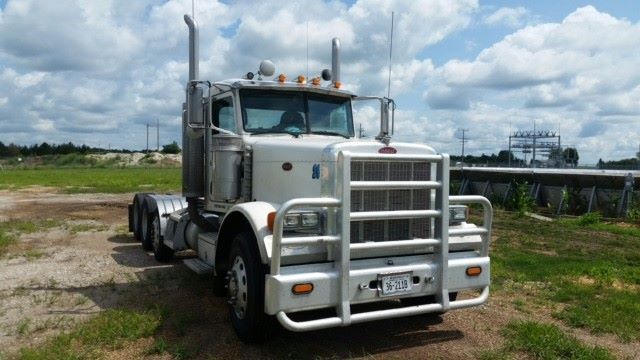
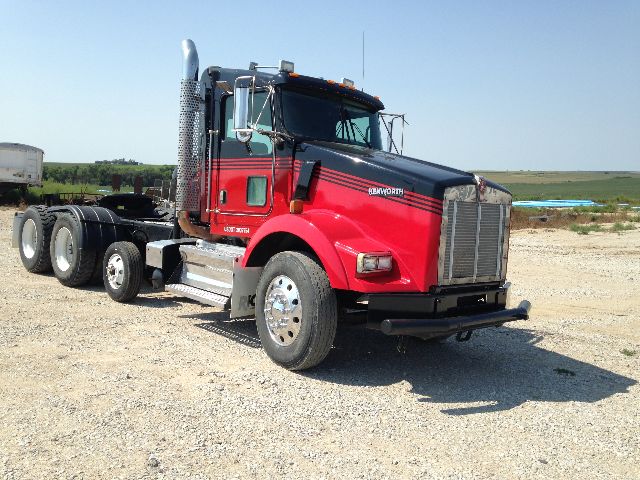
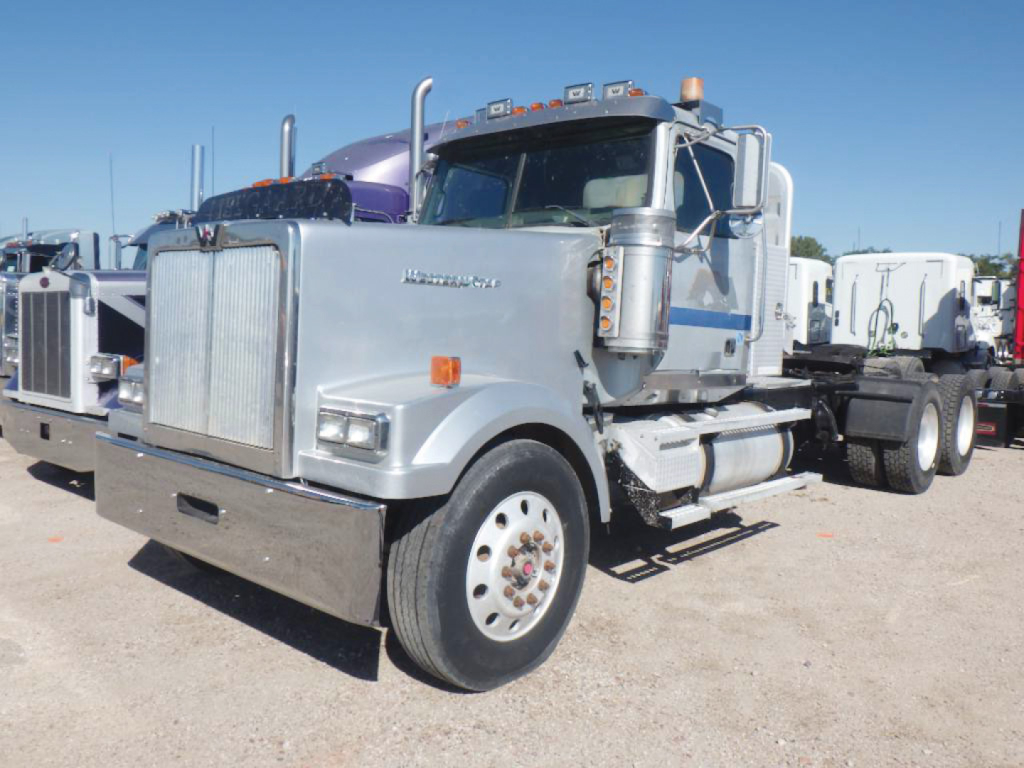
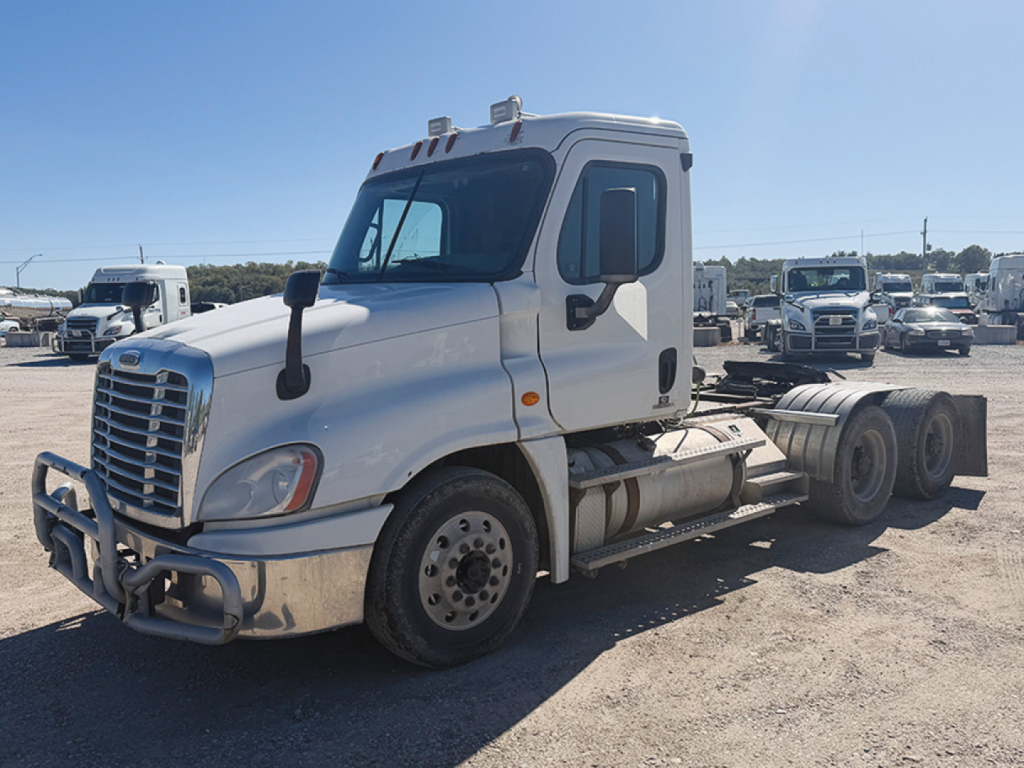
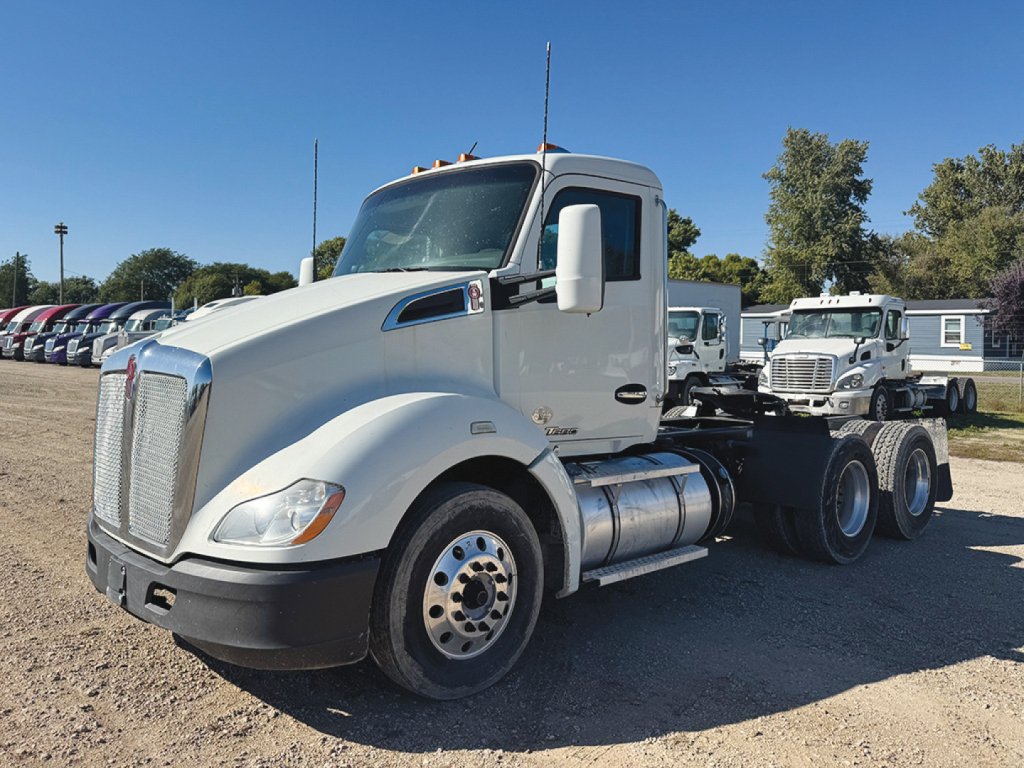
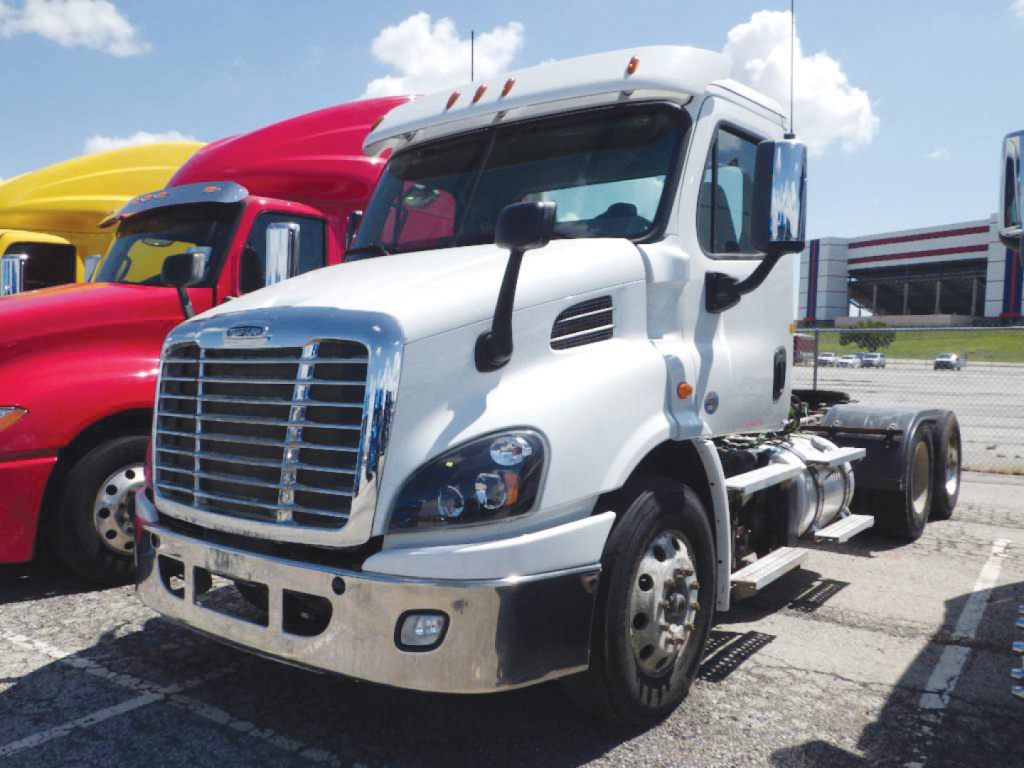
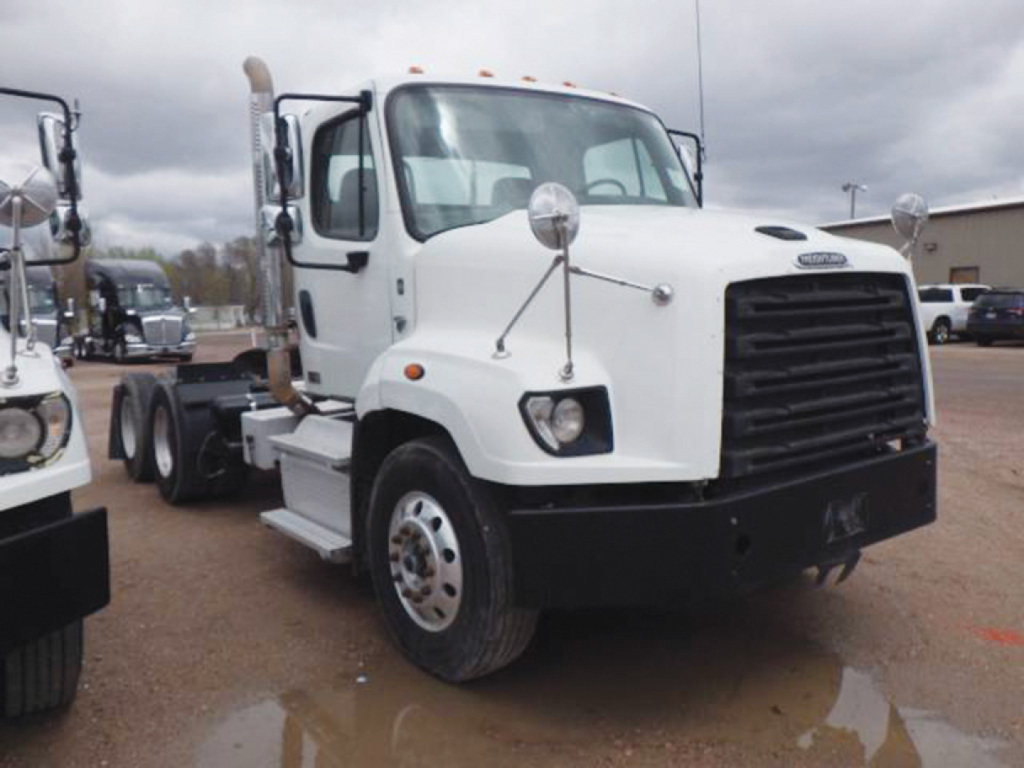
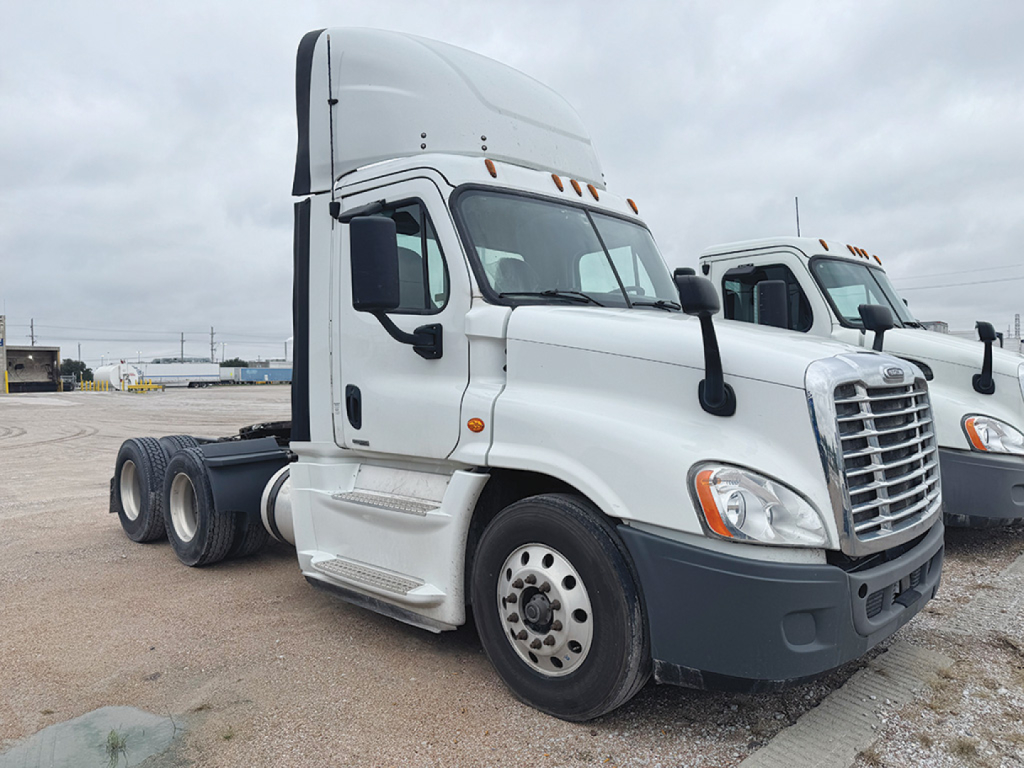
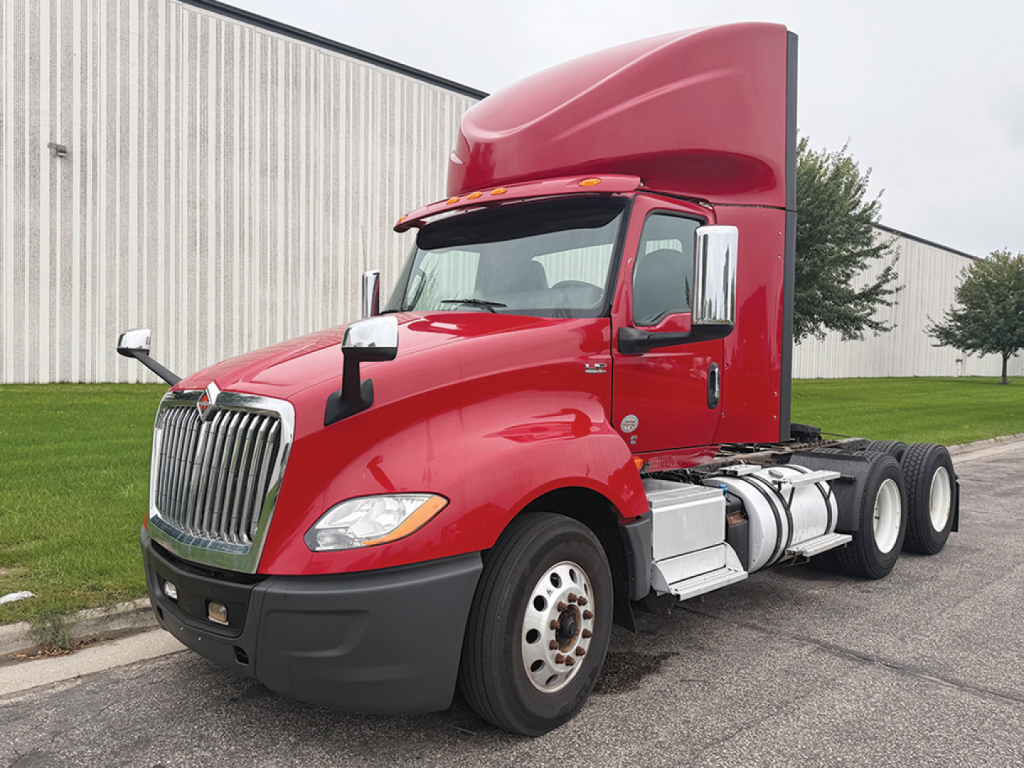
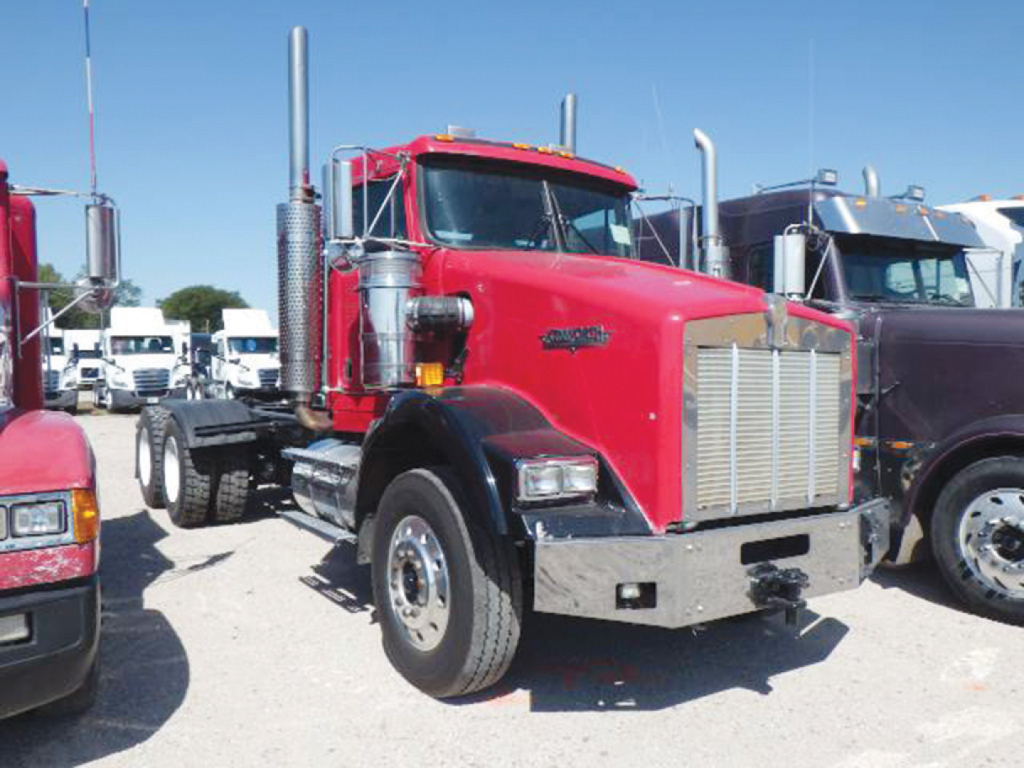
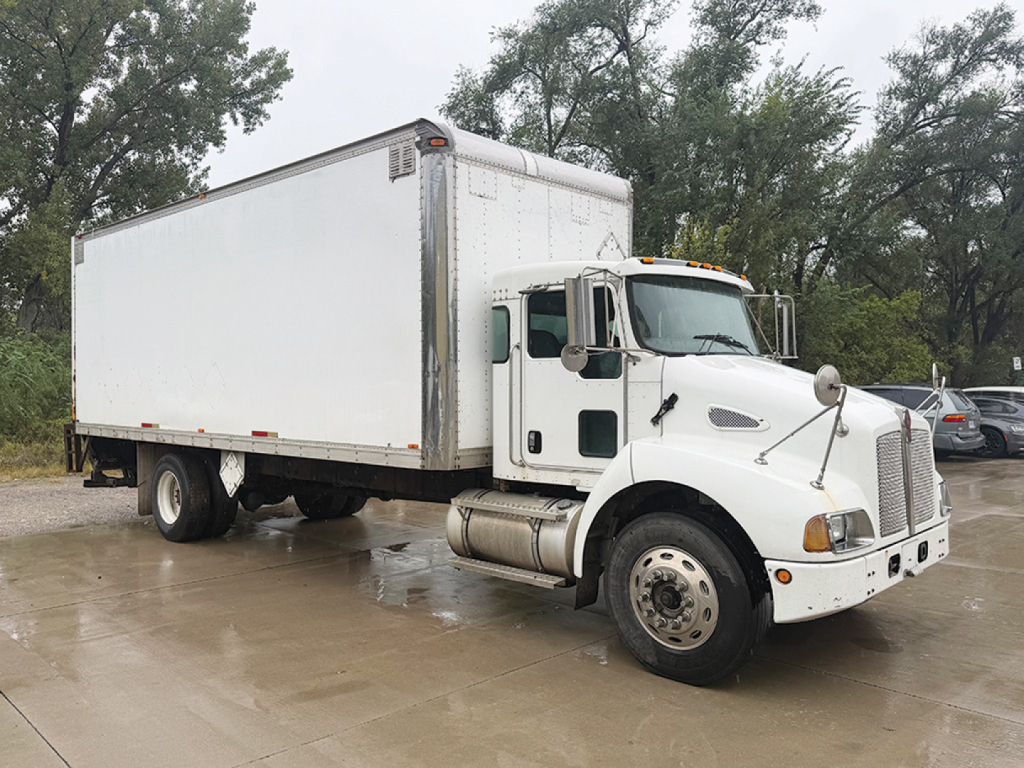
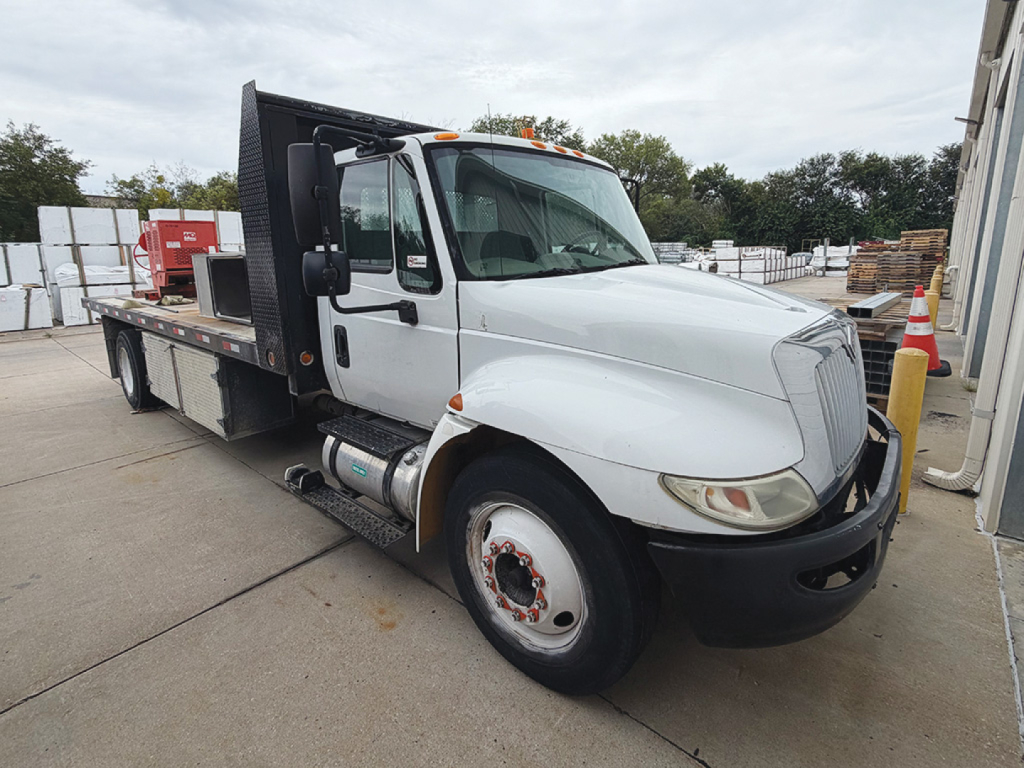
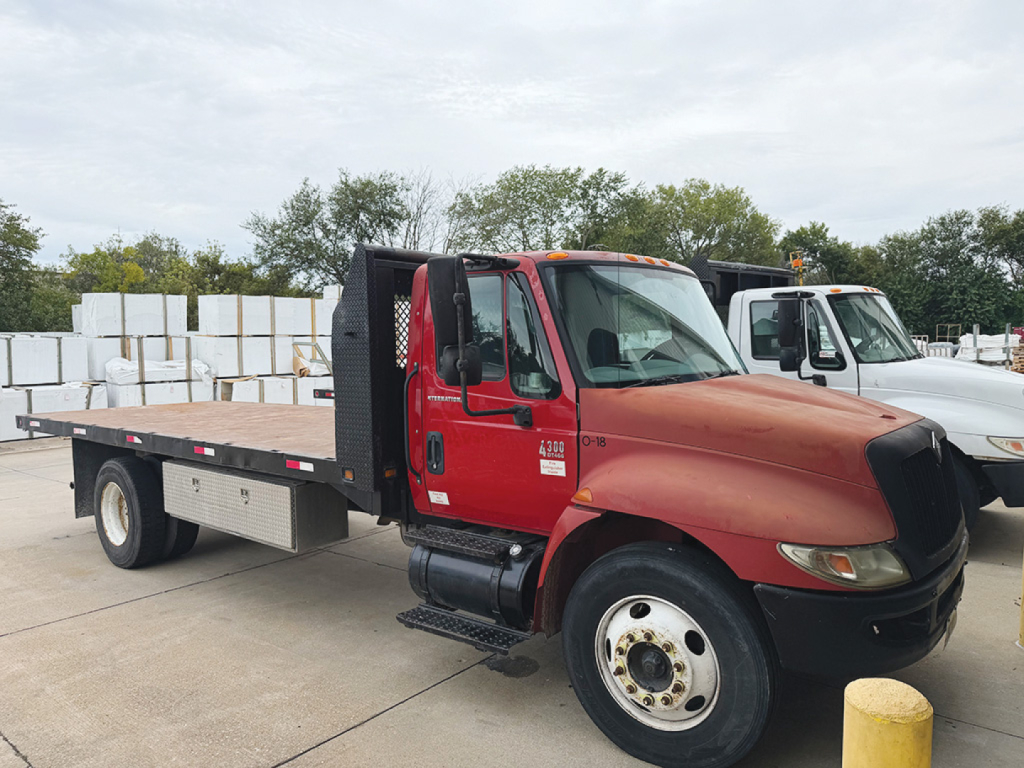
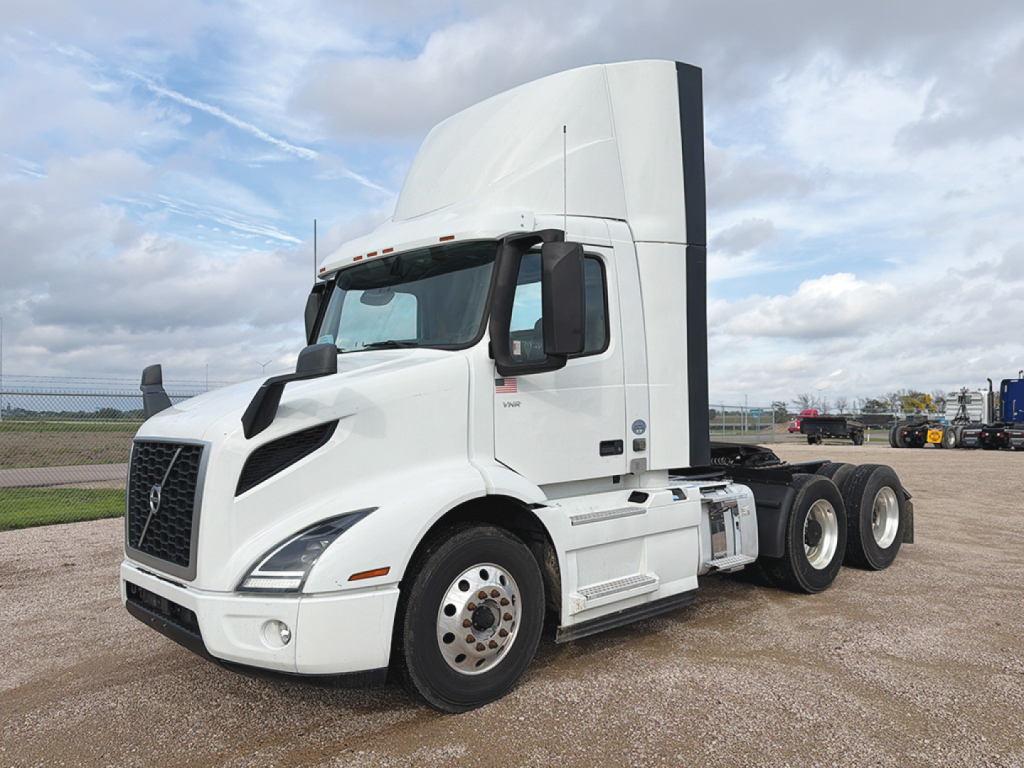
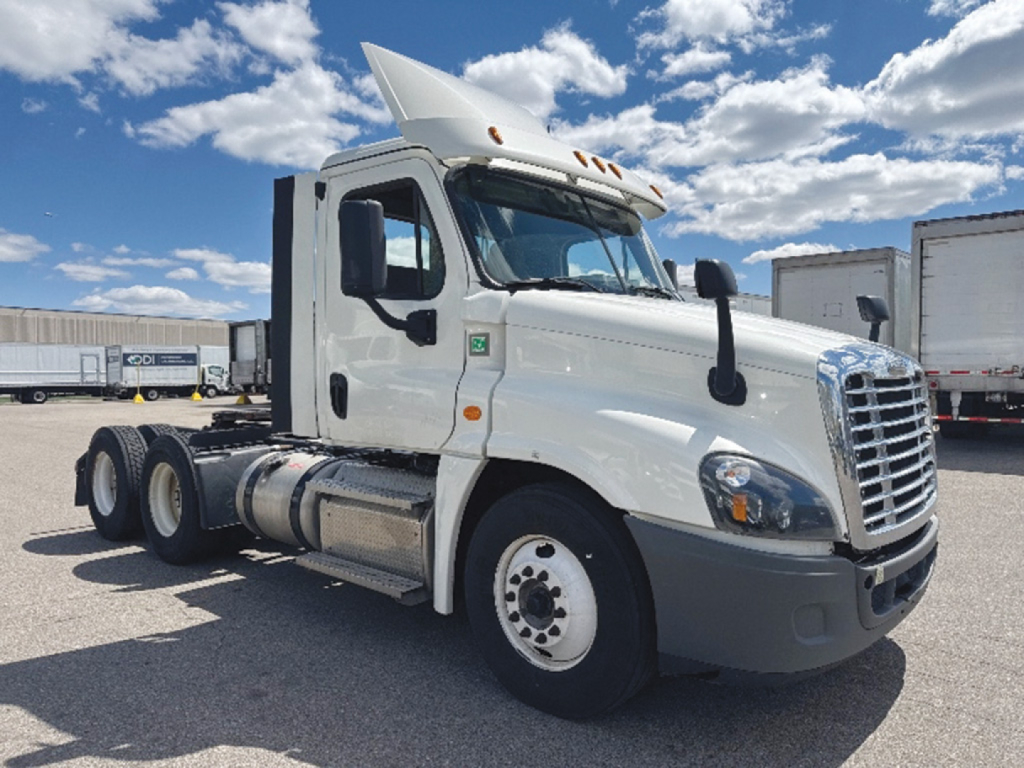
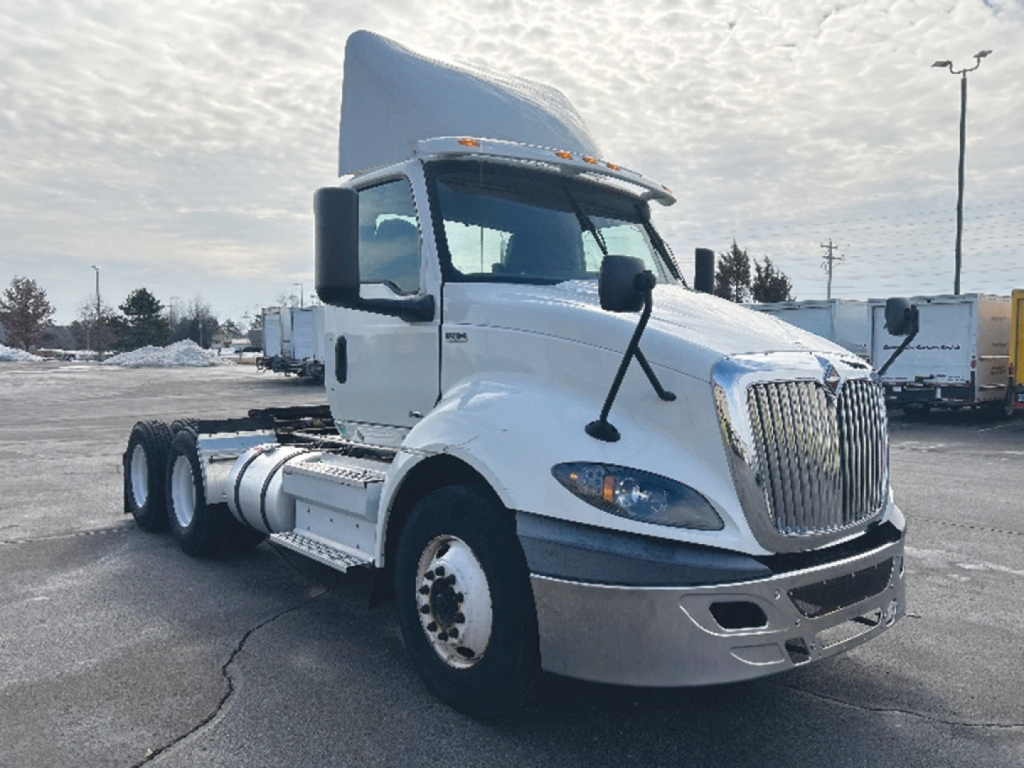
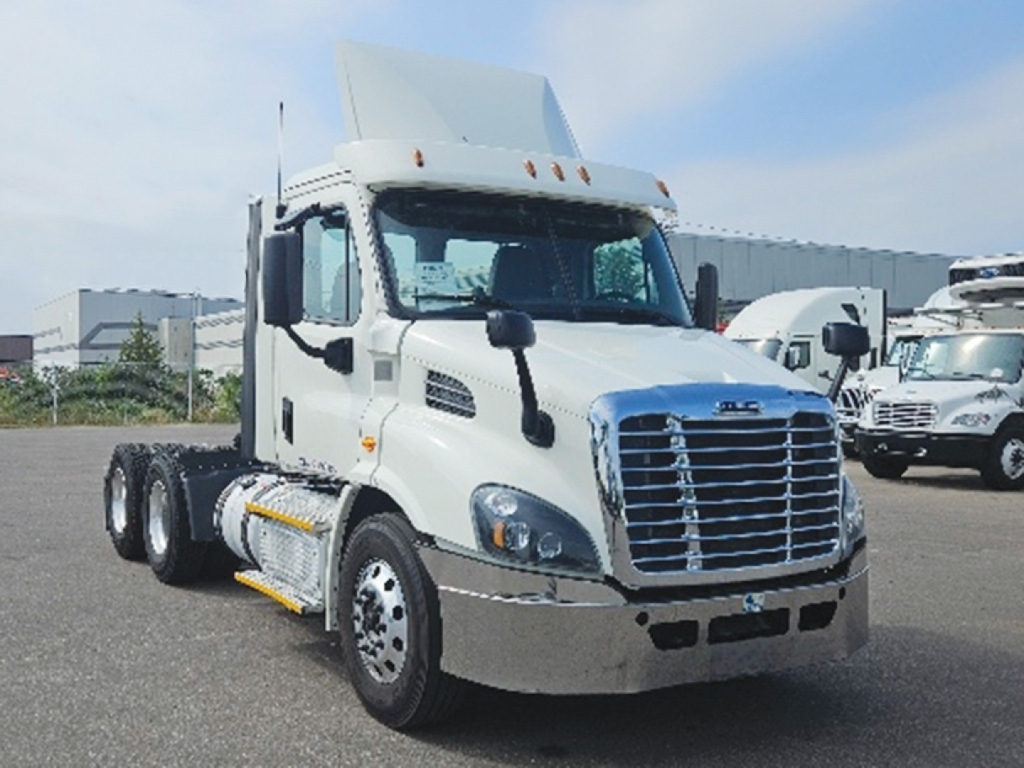
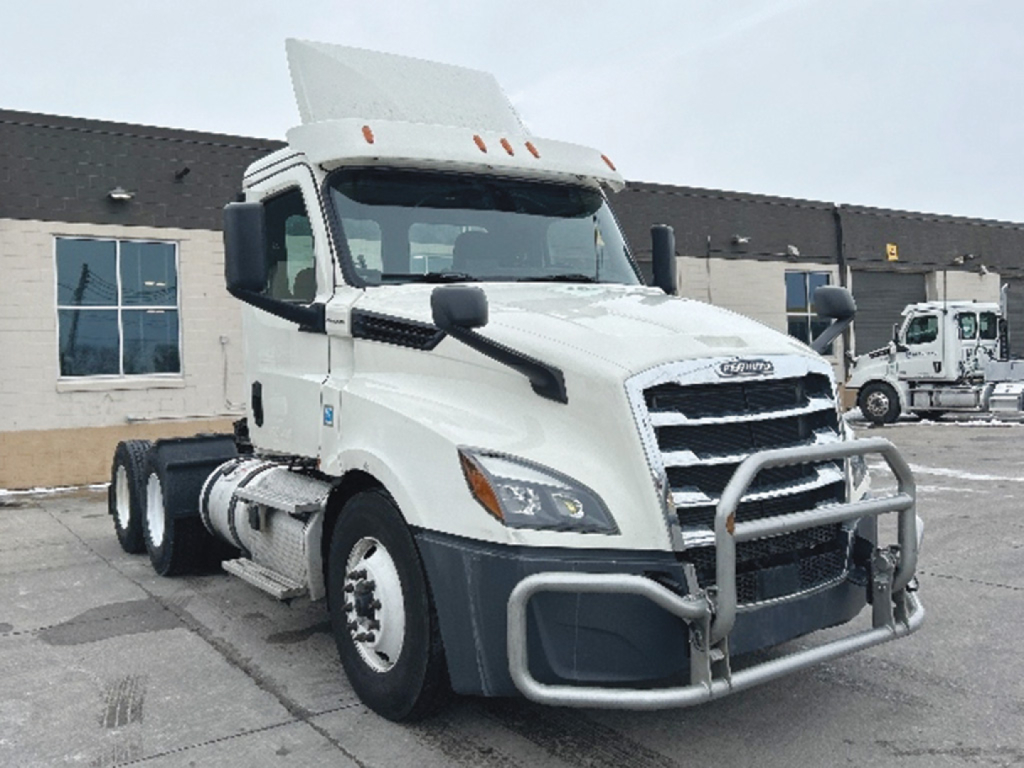
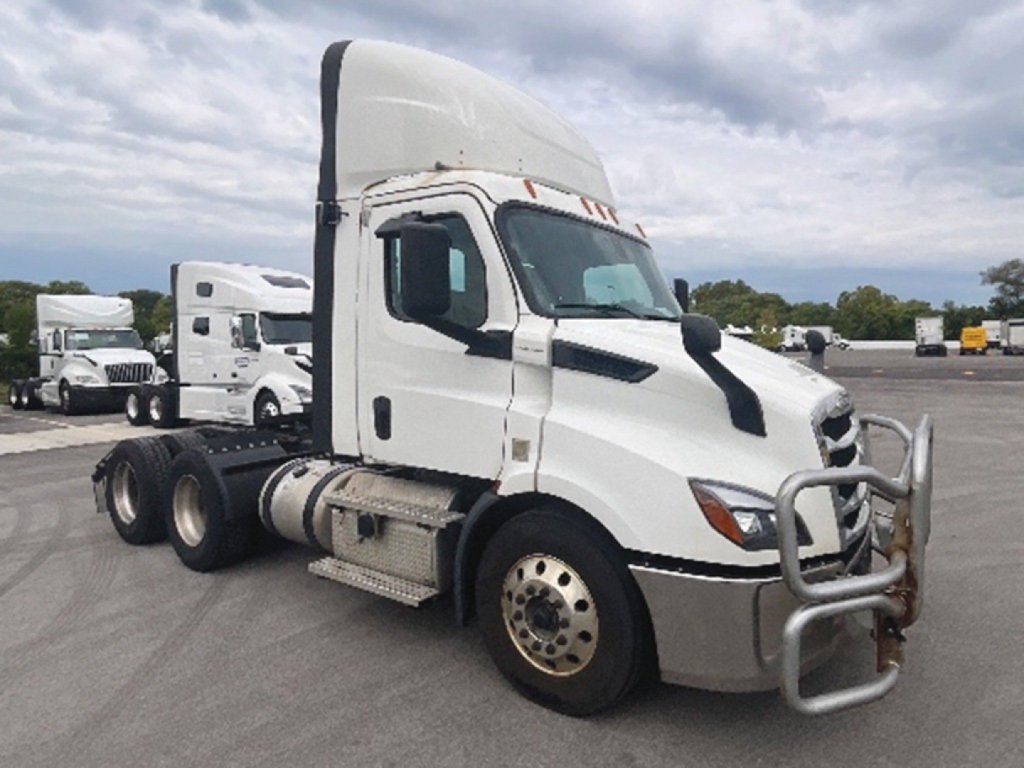
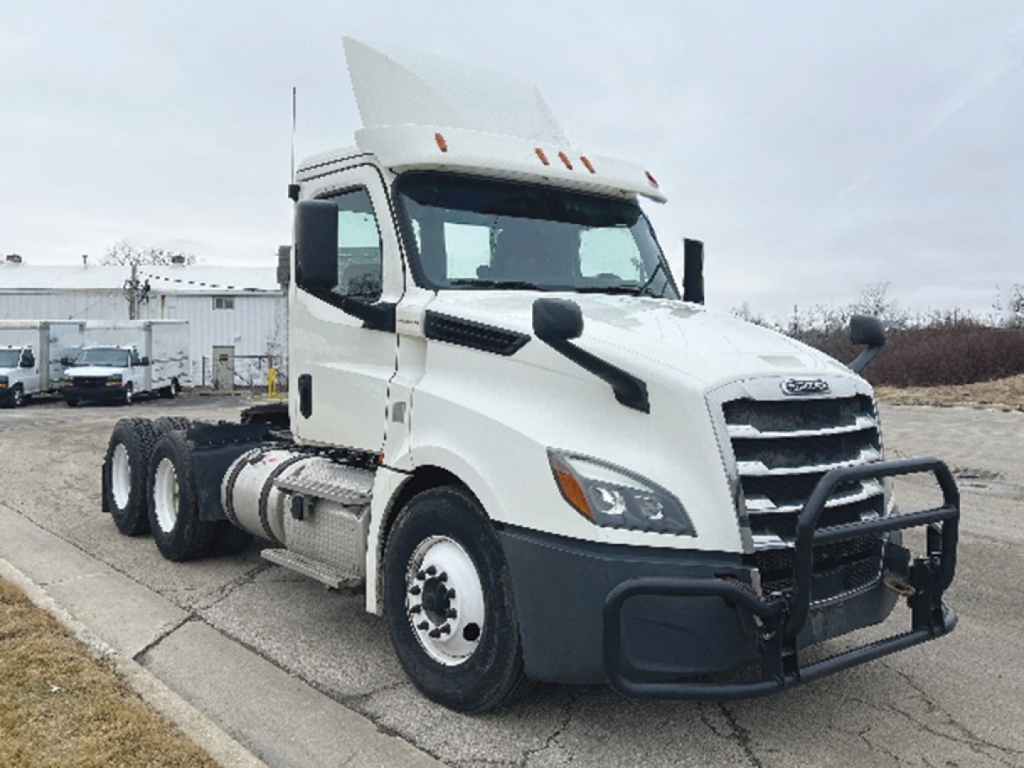
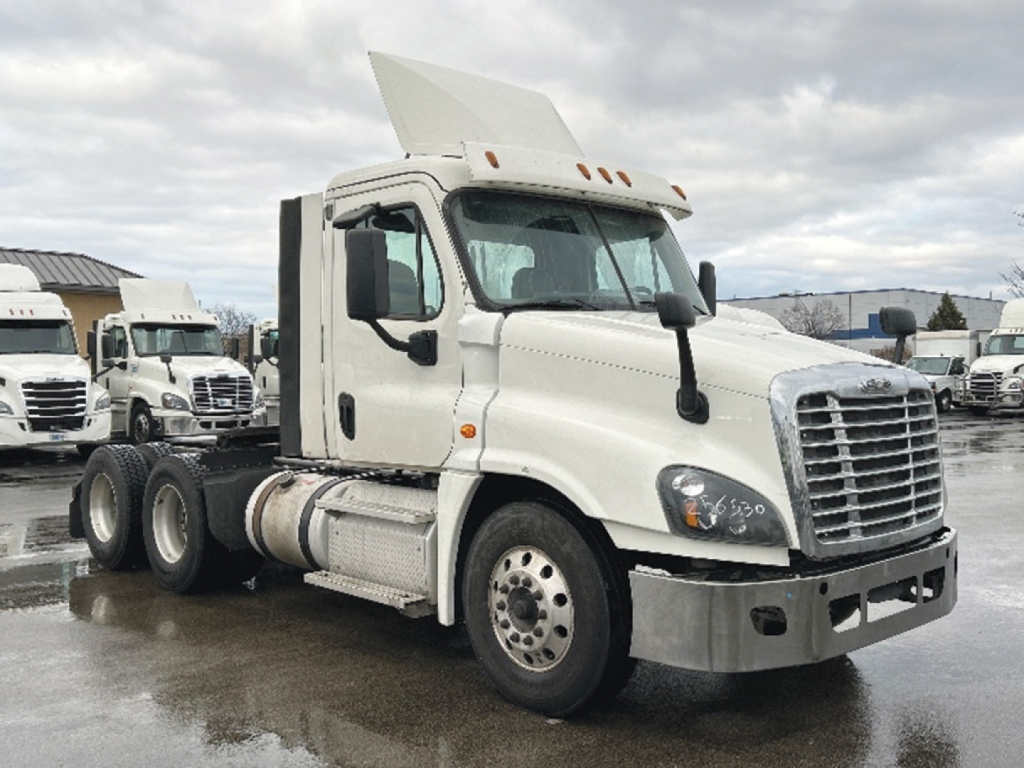
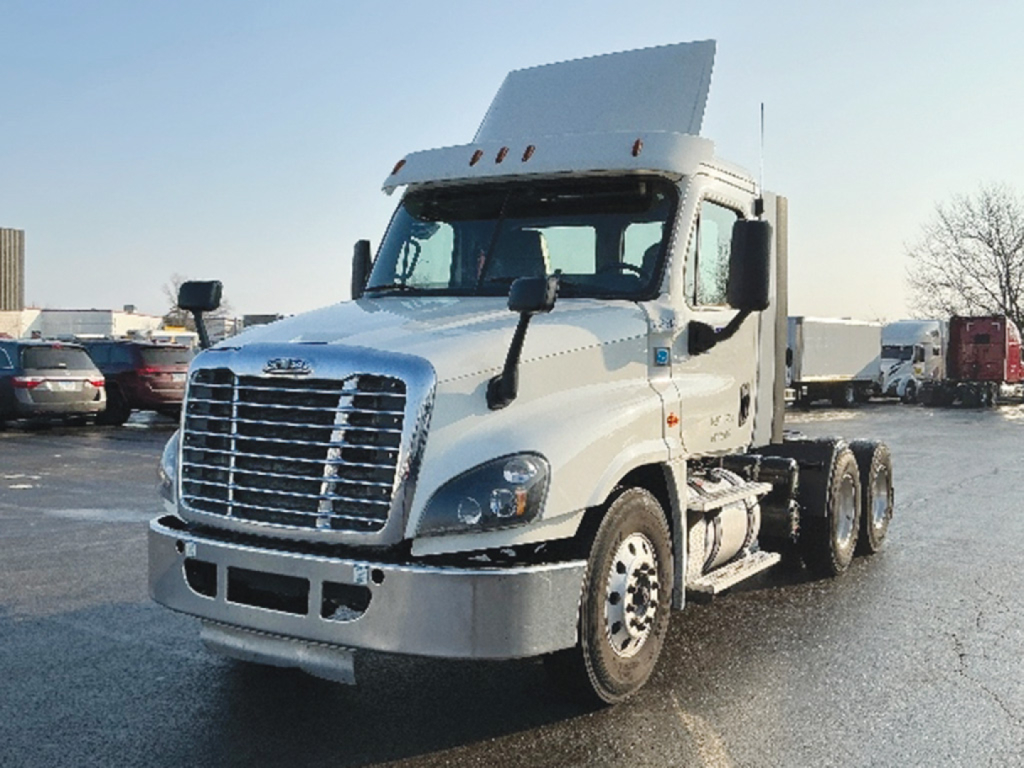
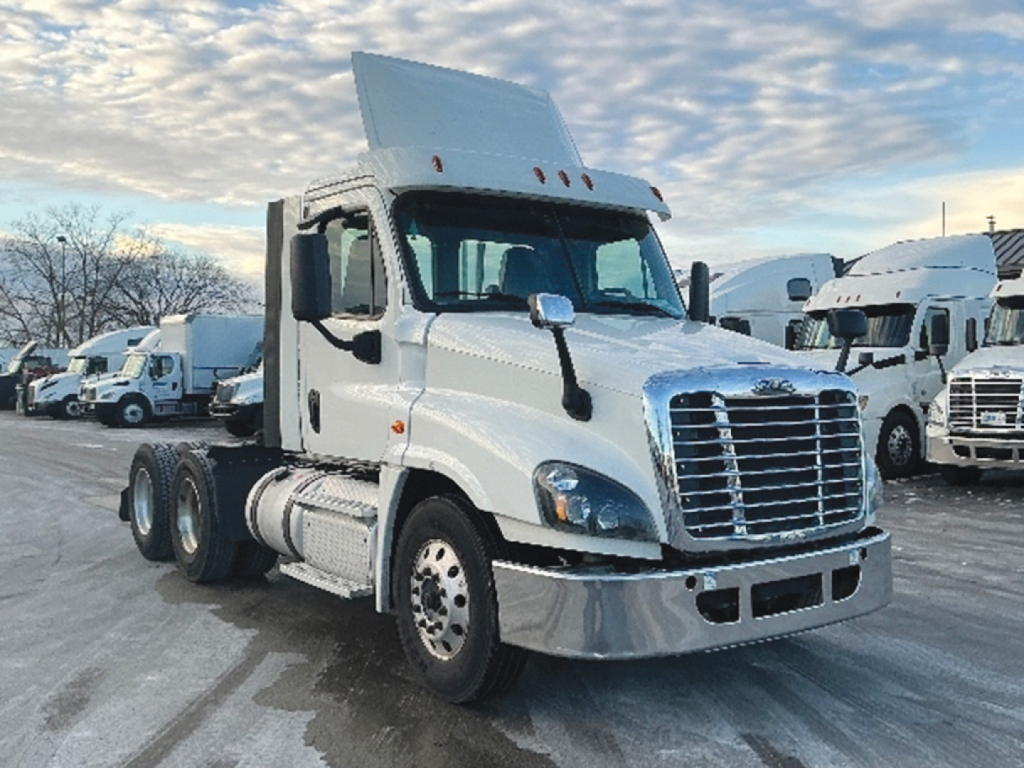
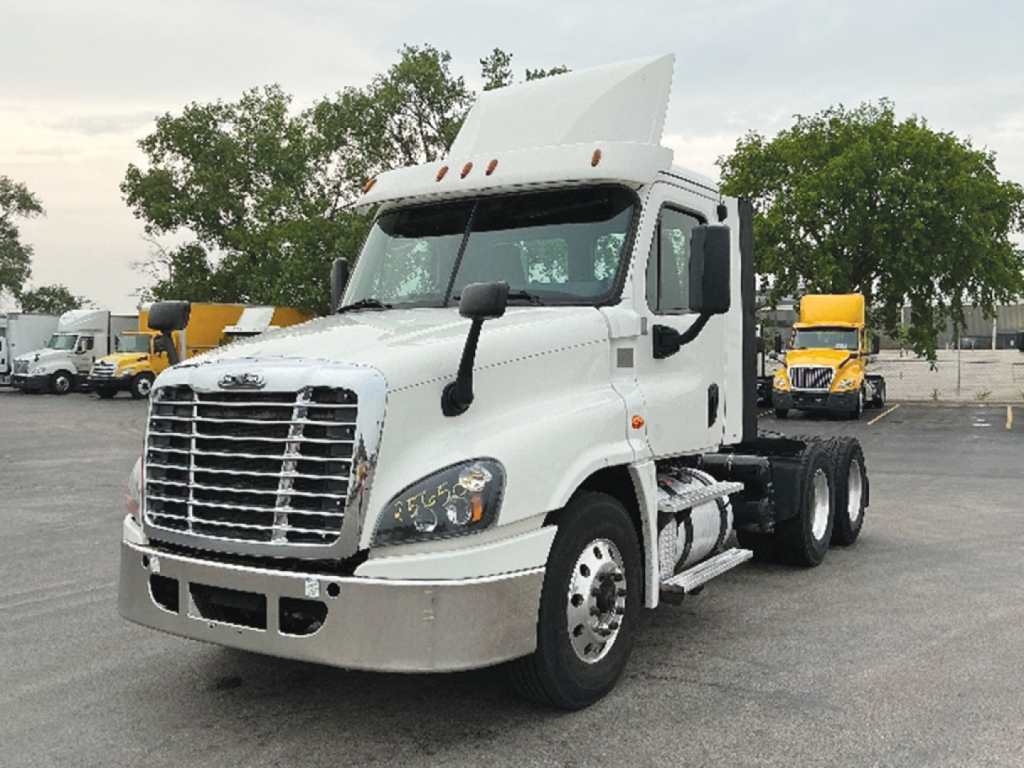
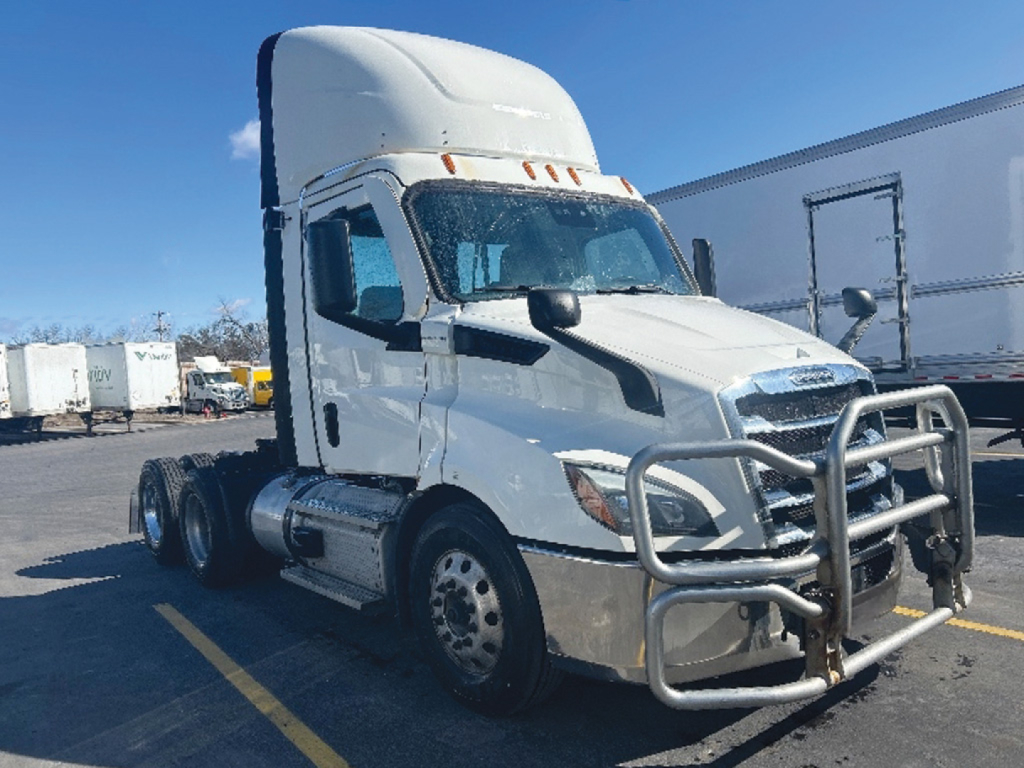
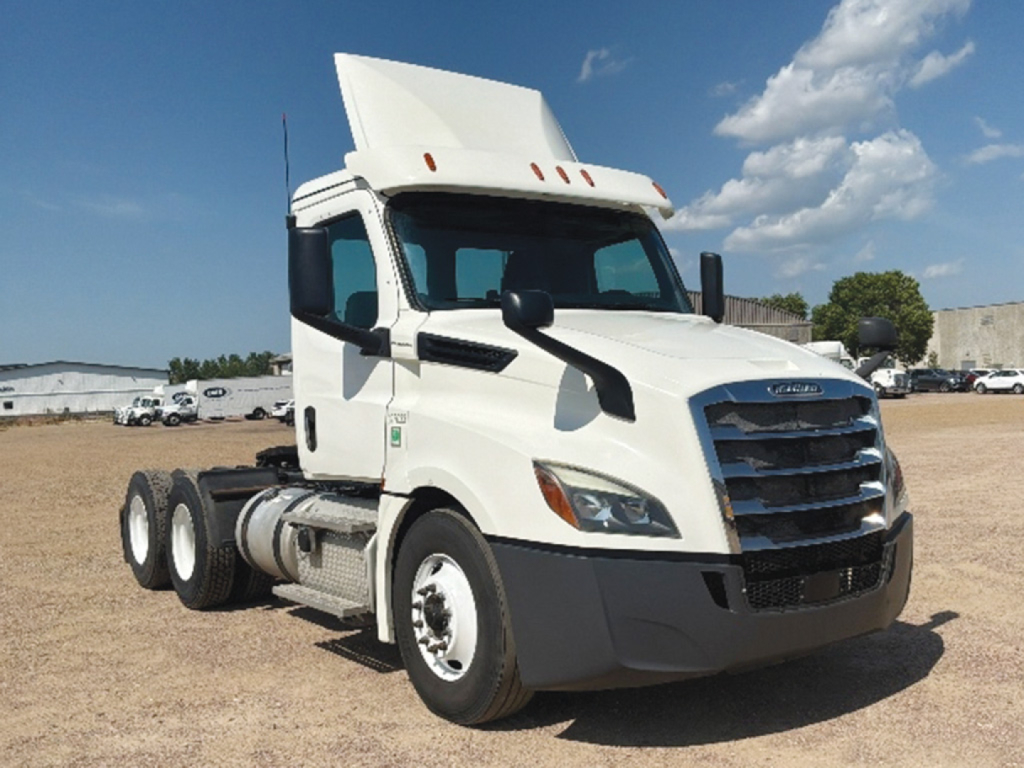
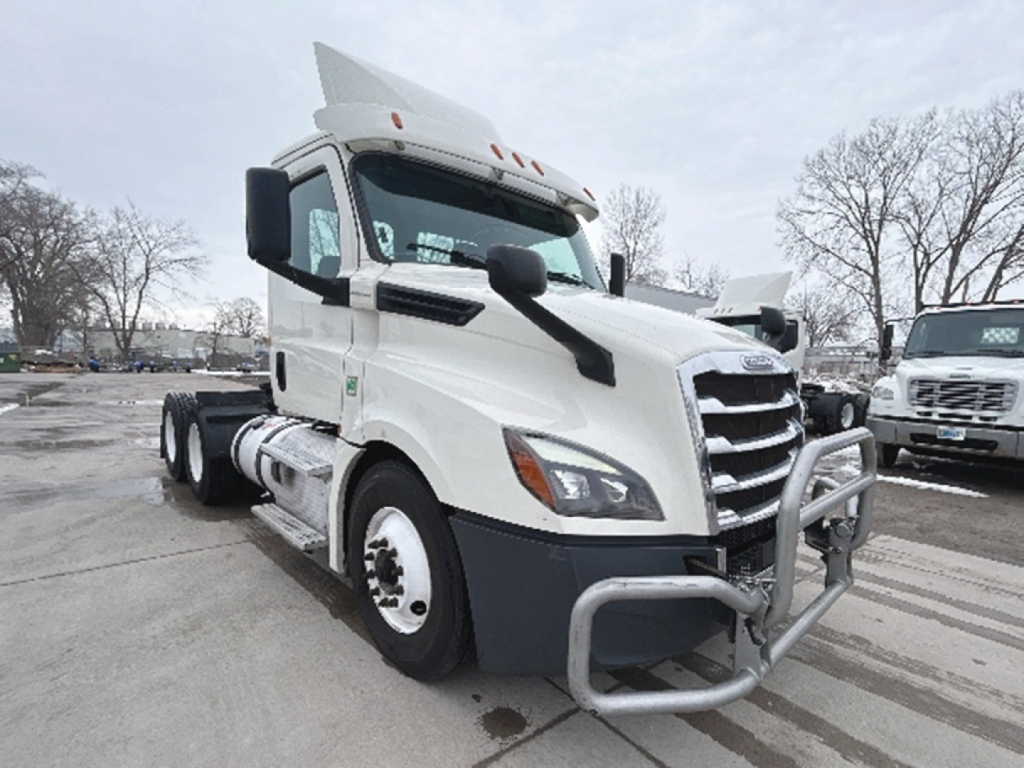
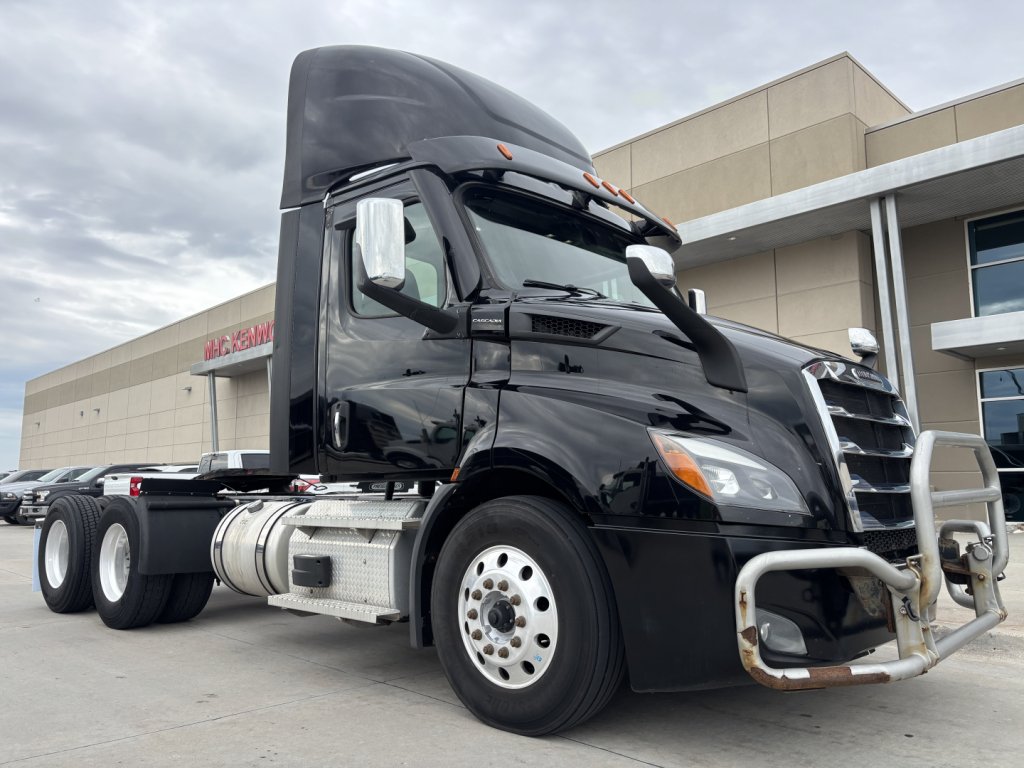
Showing 1 to 28 of 30 results
Selling a conventional daycab truck? List your conventional daycab truck for sale and reach thousands of commercial buyers.
Conventional Daycab Trucks in Nebraska
Powertrains typically center on 11 to 15 liter diesels in the 350 to 500 hp range with 1,250 to 1,850 lb-ft, matched to automated manuals like DT12, PACCAR 12-speed, or Eaton UltraShift, as well as traditional 10 to 18 speed manuals. Gearing should reflect Nebraska’s mix of I-80 high-speed cruise and two-lane farm routes. For 65 to 70 mph cruise, direct-drive transmissions often pair with 2.64 to 3.08 rears, while overdrive boxes match well with 2.28 to 2.79 rears. Specify for startability if you pull heavy bulk up farm drives or stop-and-go in Omaha and Lincoln. Even on daycabs, aerodynamic bumpers, roof caps, and chassis skirts trim fuel burn in persistent crosswinds across the Platte valley.
Chassis and running gear choices drive productivity. Set-back steer axles and 50-degree wheel cuts sharpen maneuverability at grain elevators and packing plants; set-forward steer can help with axle loading for certain vocational bumpers or snow equipment. Air ride 40k tandems protect freight and improve driver comfort, while heavier 46k rears or multi-leaf springs suit dumps and tanks that see rough sites. Disc brakes shorten stopping distances and simplify service compared to drums, though drums can reduce upfront cost. A sliding fifth wheel with adequate travel helps fine-tune axle weights on mixed payloads, and lower fifth wheel heights benefit tankers and drop-deck work. PTO provisions, hydraulic tanks, and blower packages are common for feed, bulk, and fuel delivery specs.
Nebraska climate favors smart uptime extras. Cold-weather packages with block heaters, heated fuel-water separators, winter fronts, and DEF line heaters keep aftertreatment healthy and starts reliable. Consider 3-stage engine brakes for hilly river corridors and collision-mitigation tech like Bendix Wingman or Detroit Assurance for long I-80 stretches. Automatic tire inflation or TPMS reduces irregular wear on chip-seal county roads. Lightweight specs such as aluminum wheels and air tanks, wide-base singles where appropriate, and smaller daycab fuel sets can free up payload without sacrificing range. Plan service intervals around dust and chaff from harvest season, and use remote diagnostics to stay ahead of DPF and sensor issues.
Frequently Asked Questions about Conventional Daycab Trucks in Nebraska
Should I choose a single axle or tandem axle daycab for Nebraska routes?
Pick based on payload, traction, and jobsite access. Single axles shave 1,200 to 2,000 lb of tare for more payload and slightly better fuel economy, ideal for lighter van or reefer work on paved routes. Tandems with 40k to 46k rears provide better traction on gravel farm drives and winter roads, higher GCW, and more flexibility meeting axle weight limits when pulling hoppers, tanks, and flatbeds.
What axle ratio and transmission pairing works best for I-80 and regional haul?
Match gearing to cruise speed and startability needs. For 65 to 70 mph cruise with mostly highway miles, a direct-drive transmission with 2.64 to 2.85 rears is efficient. If routes mix highway and stop-and-go or you need better low-speed pull, an overdrive transmission with 2.28 to 2.64 rears keeps engine rpm in an efficient band at speed while maintaining better launch torque. Heavier bulk or frequent hills may justify slightly numerically higher ratios for startability.
How should I spec a daycab for Nebraska winters?
Add a cold-weather package with block and oil pan heaters, heated fuel filters, and DEF tank and line heating. Order high-capacity batteries, all-weather cranking amps, and a reliable engine brake for slick conditions. Good traction tires on the drives, automatic traction control, and differential locks help on icy or gravel surfaces. Remote diagnostics and parked regen capability reduce aftertreatment issues during extended idling and short-trip duty cycles.
What wheelbase and axle placement help with maneuverability and bridge weights for hoppers and flatbeds?
For tight sites like grain elevators, a shorter wheelbase with a set-back steer axle and high wheel cut improves turning. To balance axle weights under the bridge formula, use a sliding fifth wheel with enough travel to fine-tune steer and tandem loads, and pick a kingpin setting that matches your common trailer fleet. Set-forward steer axles can aid weight distribution for certain vocational front-mounted equipment, while set-back steer emphasizes maneuverability in urban or plant settings.
Are aerodynamic options worth it on a daycab?
Yes for any route with sustained highway speeds or strong crosswinds. Aero bumpers, roof caps, chassis fairings, and closeout panels can deliver meaningful fuel savings at Nebraska’s interstate speeds. The ROI improves with annual miles and fuel prices. On slow, off-road heavy vocational work, prioritize durability and cooling over aero.