
2024 Conventional Daycab Trucks For Sale in Nebraska
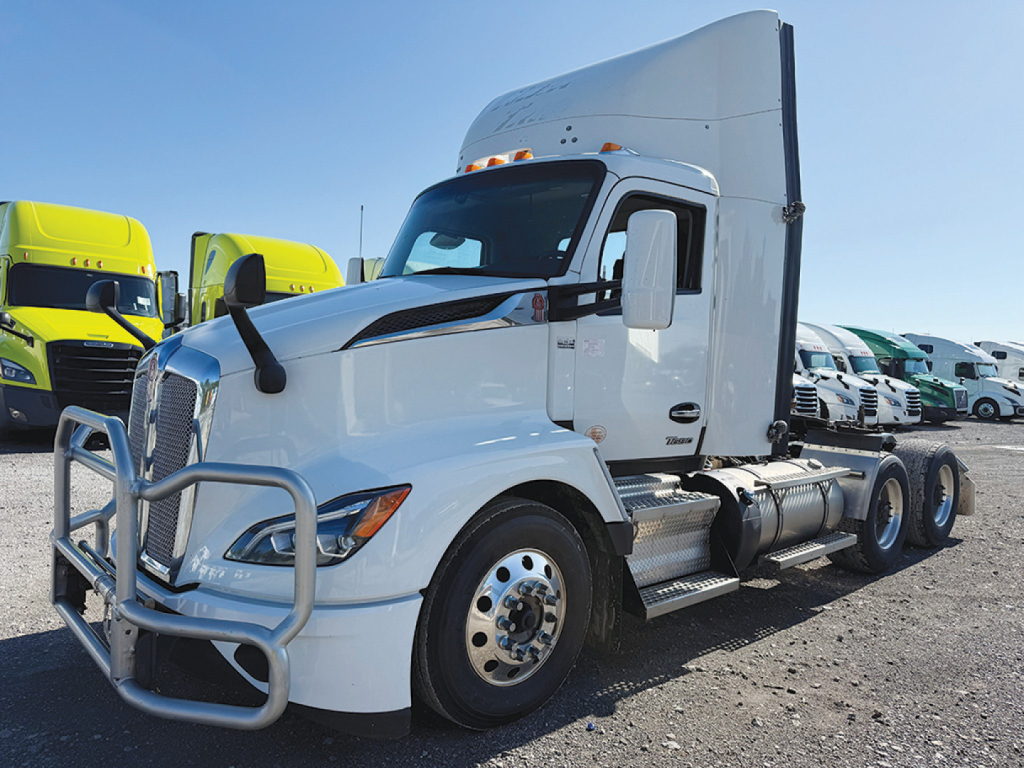
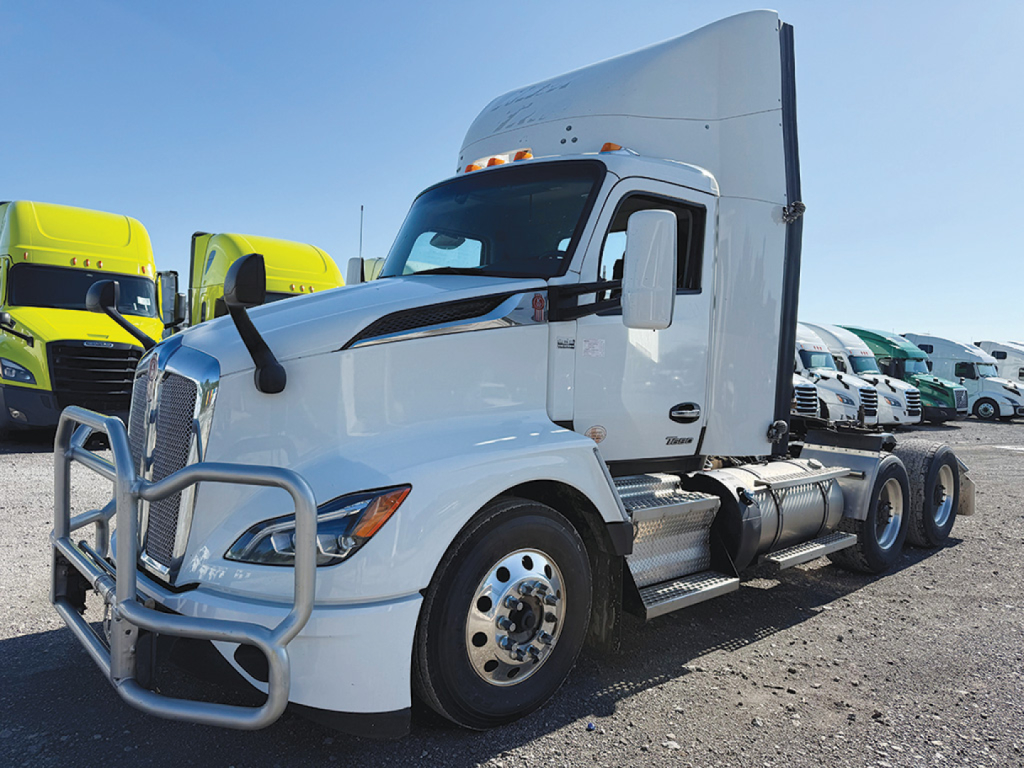
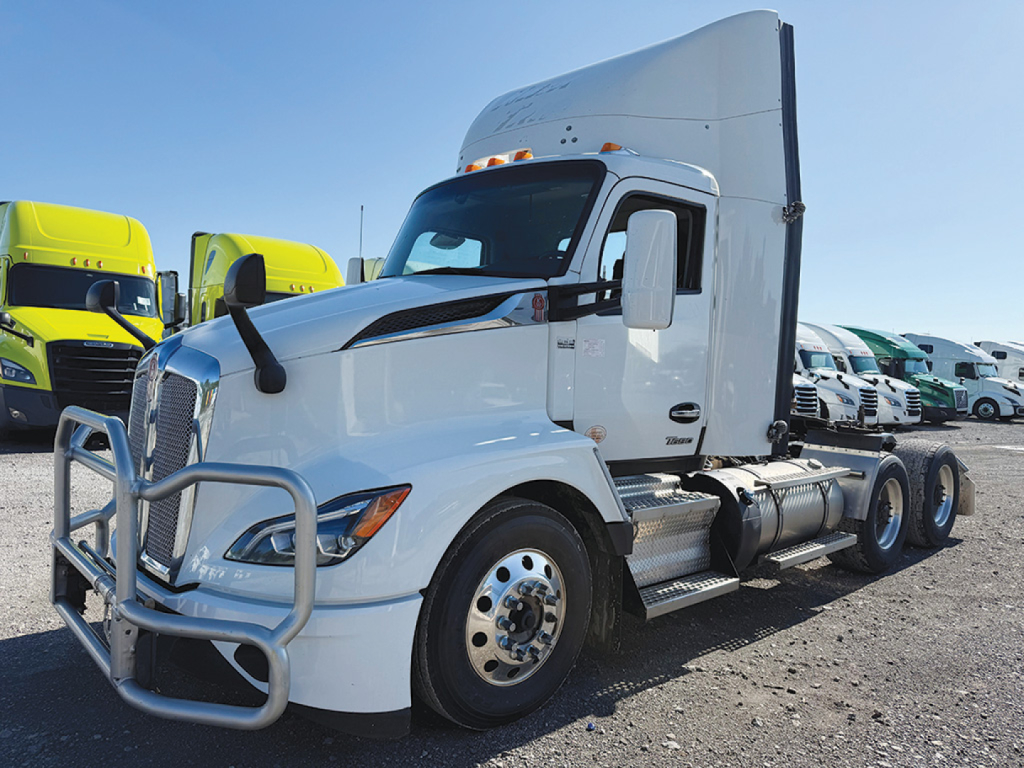
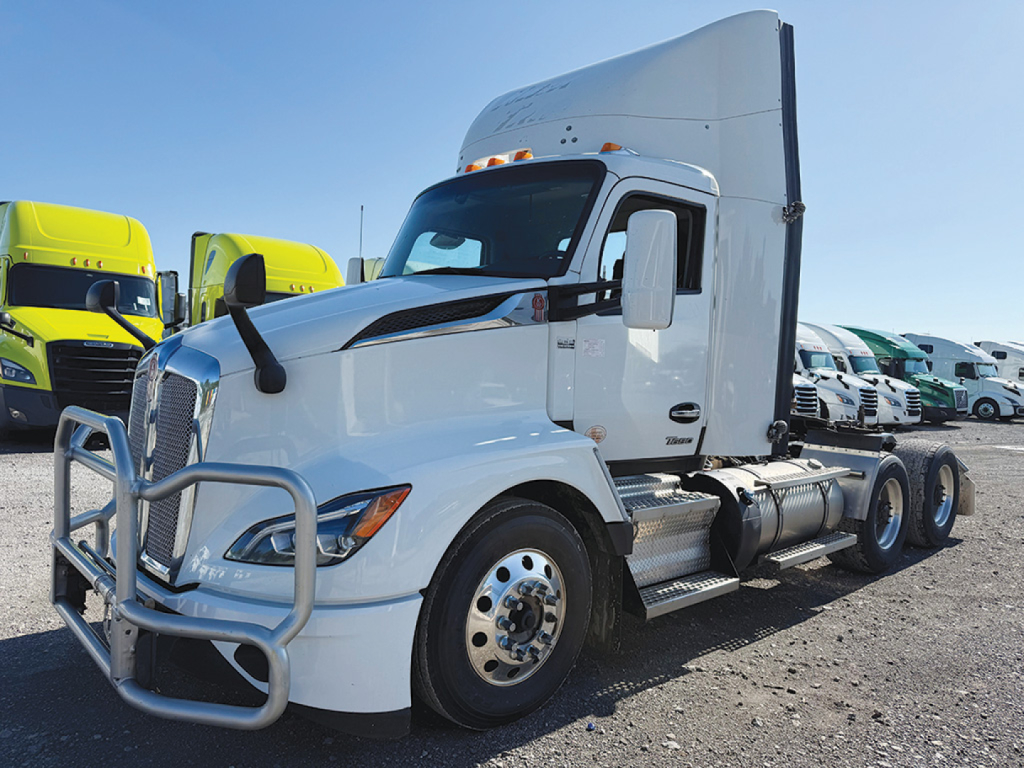
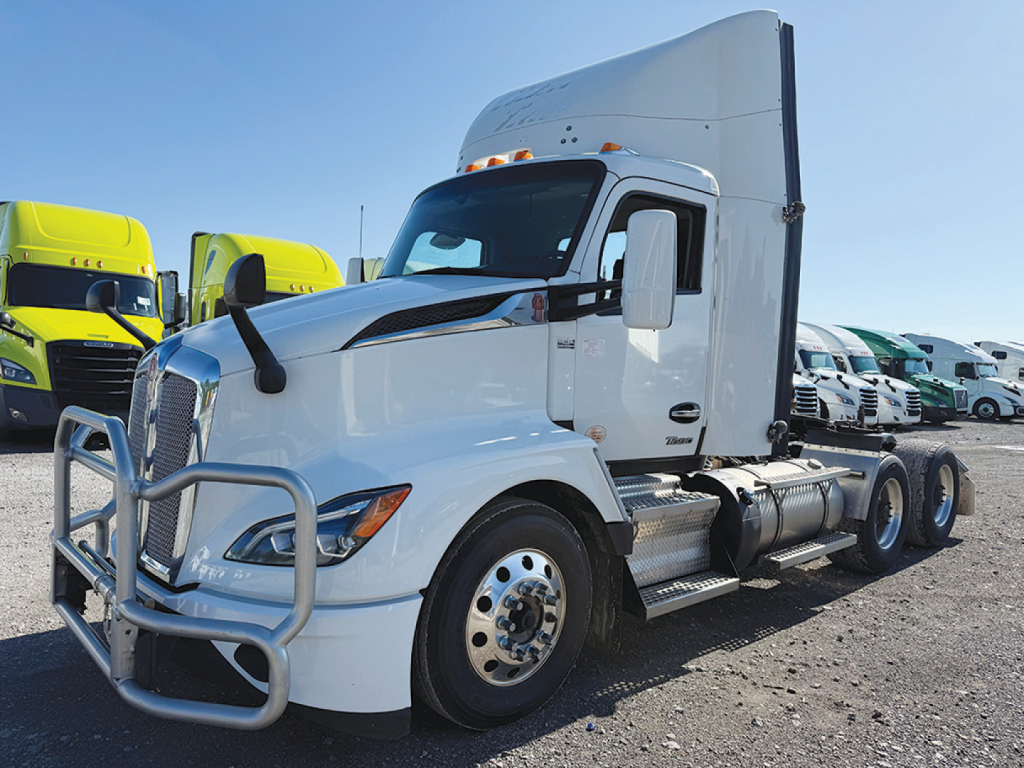
Have 2024 conventional daycab truck to sell? List it here to reach thousands of buyers.
2024 Conventional Daycab Trucks in Nebraska
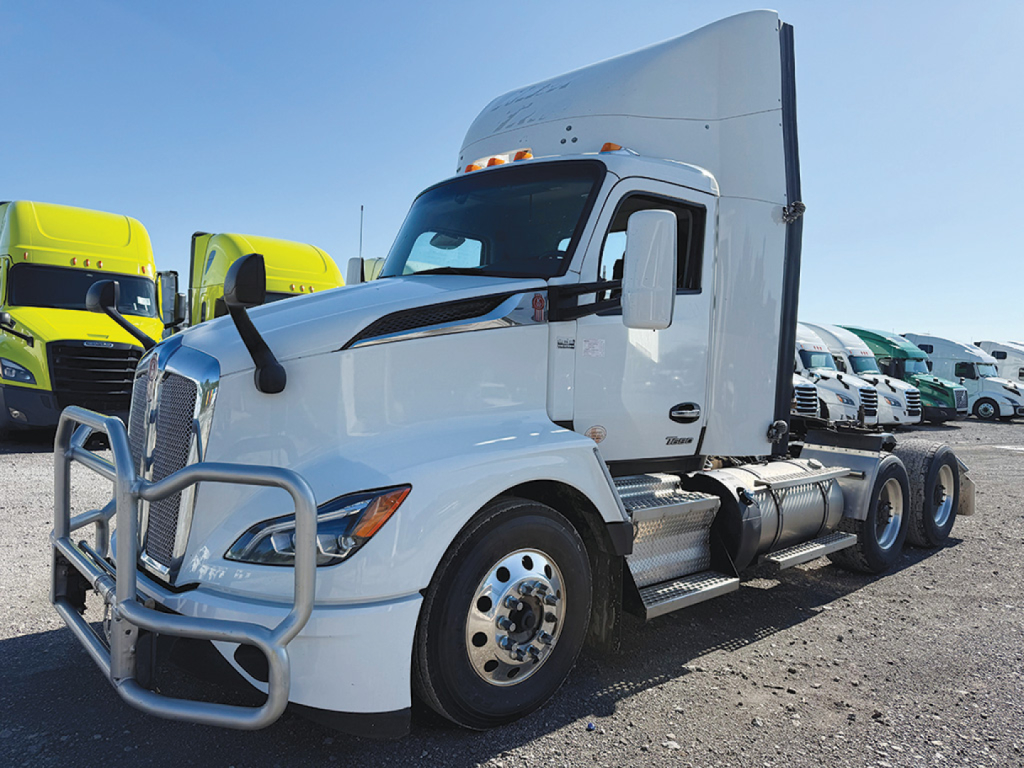
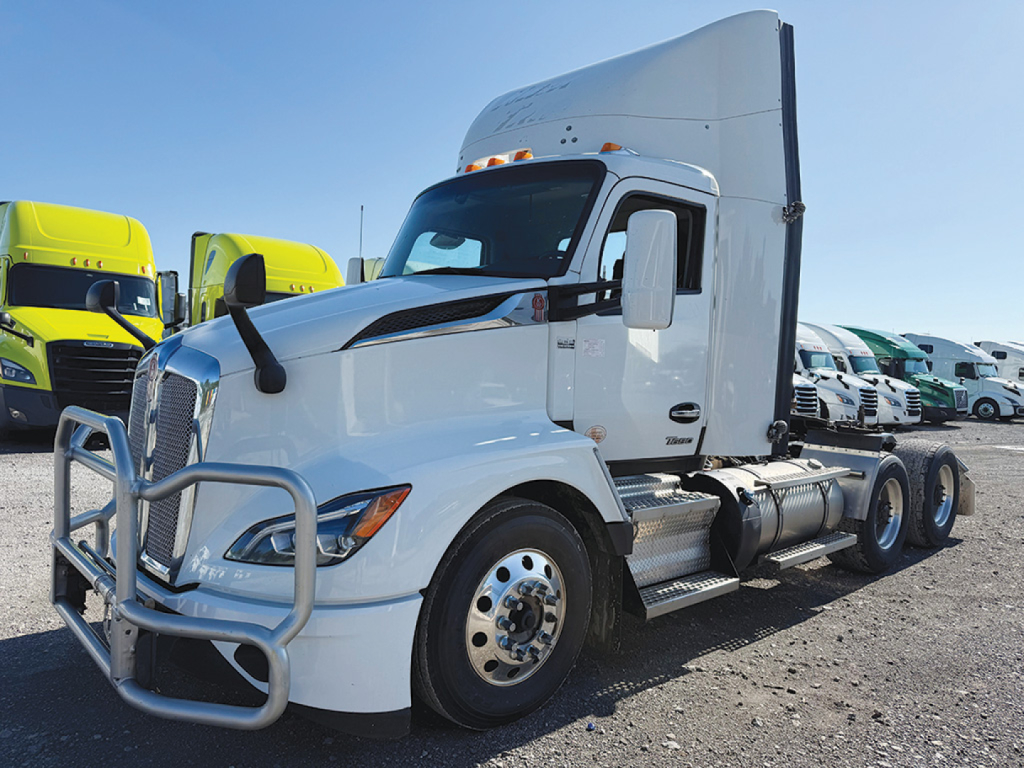
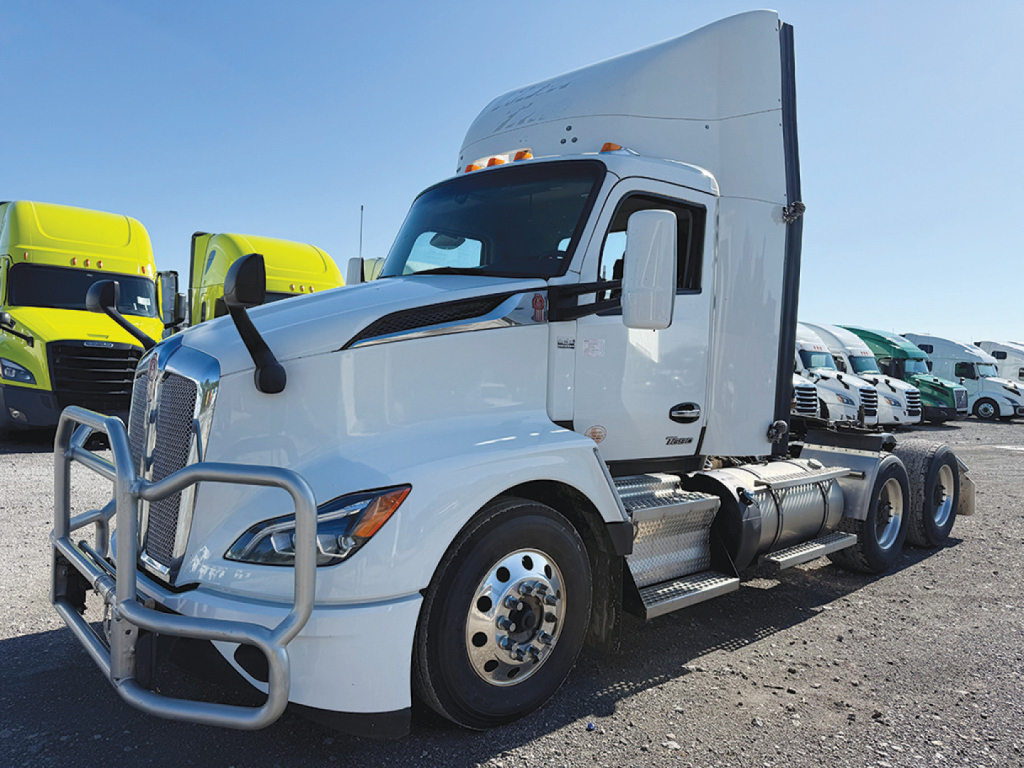
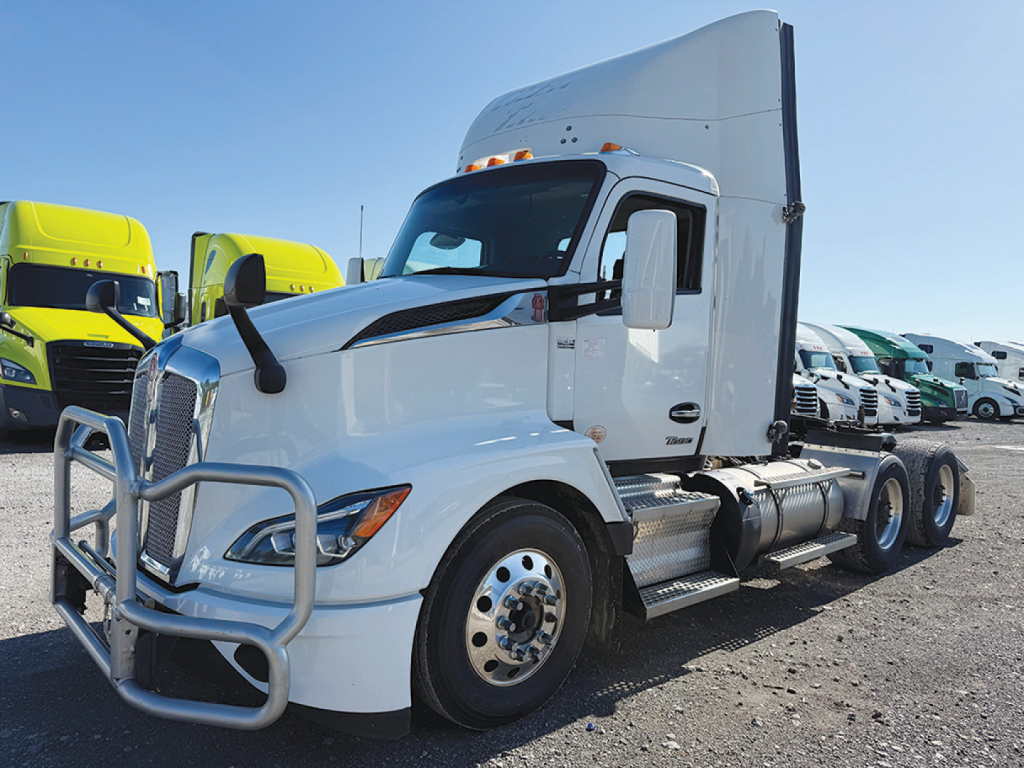
The biggest buying decisions usually start with powertrain and axle spec. Many 2024 daycabs are equipped with engines in the 400 to 500 horsepower range, commonly paired with automated manual transmissions and 40,000 lb rears. Ratios such as 2.47, 2.64, and 2.85 are common depending on whether the truck is geared for fuel-efficient highway running, heavier gross weights, or more stop-and-go service. Wheelbase often falls around 175 to 190 inches, which affects trailer swing clearance, bridge law flexibility, and how the truck handles in tight yards. Air ride suspension, engine brakes, air slide fifth wheels, aluminum wheels, and dual fuel tanks are all common features in this class.
For a buyer comparing 2024 conventional daycab trucks for sale, the cab and safety package matter almost as much as the drivetrain. Current-model trucks often include collision mitigation, digital dash layouts, adaptive cruise control, power windows, improved HVAC performance, and better cab insulation than older daycabs. Horizontal exhaust is common for fleets running van or reefer trailers, while fairings and cab extenders help reduce drag on highway routes. If the truck will see PTO use for tanker, dump, blower, or vocational trailer applications, confirm transmission compatibility, frame layout, and whether the PTO and plumbing are already installed.
A well-matched daycab should be evaluated by actual operating profile, not just make and horsepower. Look closely at front axle rating, rear axle capacity, fifth wheel travel, suspension type, tire setup, and fuel capacity in relation to trailer type and average payload. In Nebraska service, buyers often prioritize clean emissions history, reliable cold-weather starting, strong dealer support, and specs that balance interstate efficiency with yard agility. A 2024 conventional daycab can be an excellent fit when the goal is newer-driver comfort, current safety technology, and a tractor designed to work hard every day without carrying the extra cost and weight of a sleeper.
Frequently Asked Questions about 2024 Conventional Daycab Trucks in Nebraska
What is a conventional daycab truck used for?
A conventional daycab truck is used for freight operations that return the driver home daily or do not require sleeper accommodations. Common applications include regional hauling, local and metro delivery, dedicated contract freight, drayage, agricultural hauling, terminal switching, and short-haul tanker or flatbed work. The daycab layout reduces weight and overall length, which can improve maneuverability and payload efficiency compared with a sleeper tractor.
What horsepower is typical for a 2024 conventional daycab?
Most 2024 conventional daycab tractors are spec'd in the 400 to 500 horsepower range, with torque and rear axle ratio chosen to match the load and route profile. A lighter regional van operation may be comfortable with a fuel-focused spec, while heavier bulk, tanker, or multi-stop work may call for more aggressive gearing and higher torque output. The right choice depends less on headline horsepower and more on GCWR, terrain, cruise speed, and startability requirements.
How do I choose the right wheelbase for a daycab?
Wheelbase affects turning radius, trailer gap, weight distribution, and bridge law positioning. A shorter wheelbase generally improves maneuverability in tight yards and urban docks, while a longer wheelbase can help with ride quality, fuel tank capacity, and certain trailer clearances. Buyers should match wheelbase to trailer type, kingpin setting, fifth wheel travel, and expected axle loading instead of assuming one length fits every application.
Are automated transmissions common in 2024 daycab trucks?
Yes. Automated manual transmissions are now standard in much of the 2024 daycab market because they help with driver recruitment, fuel economy consistency, and reduced clutch wear in stop-and-go service. They are especially common in regional and fleet operations. Buyers who need PTO functions, off-road maneuvering, or specialized vocational use should still verify transmission model, PTO openings, and low-speed performance before purchasing.
What should buyers inspect first on a used 2024 conventional daycab?
Start with the engine and aftertreatment history, transmission operation, brake system condition, tire wear pattern, suspension components, and any active fault codes. On a newer daycab, electronic safety systems, collision mitigation sensors, camera functions, and digital dash diagnostics should also be checked carefully. Service records, warranty status, idle hours, and signs of prior heavy-duty vocational use can tell you as much about future operating cost as the odometer.