
2020 Conventional Daycab Trucks For Sale in Nebraska
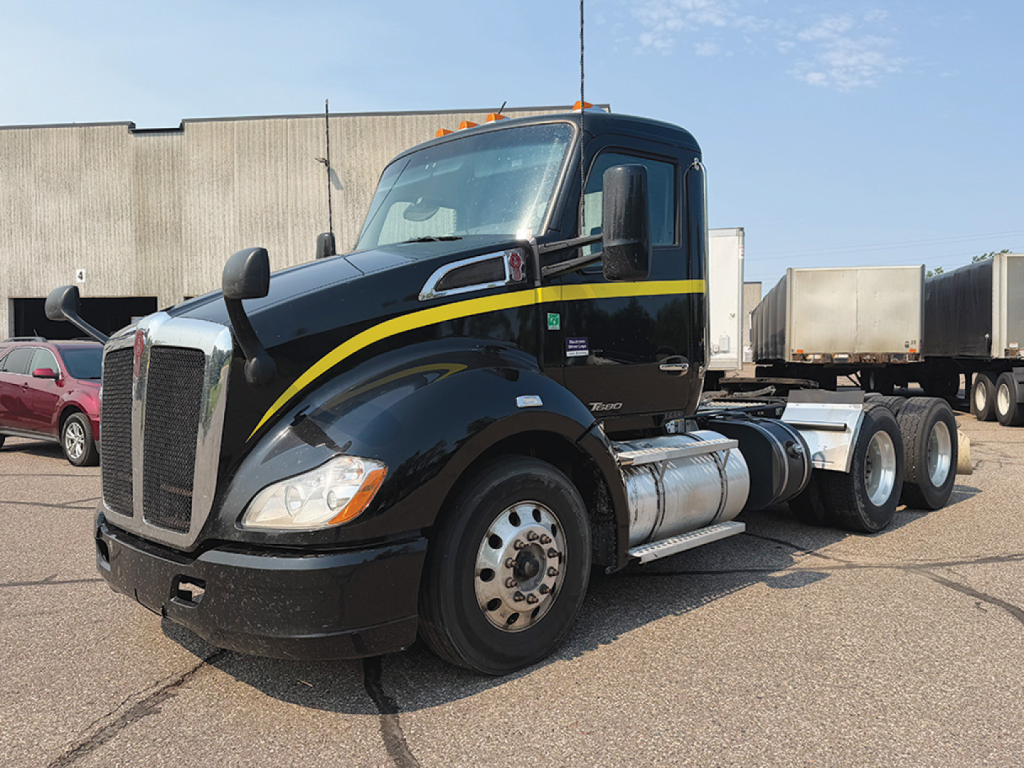
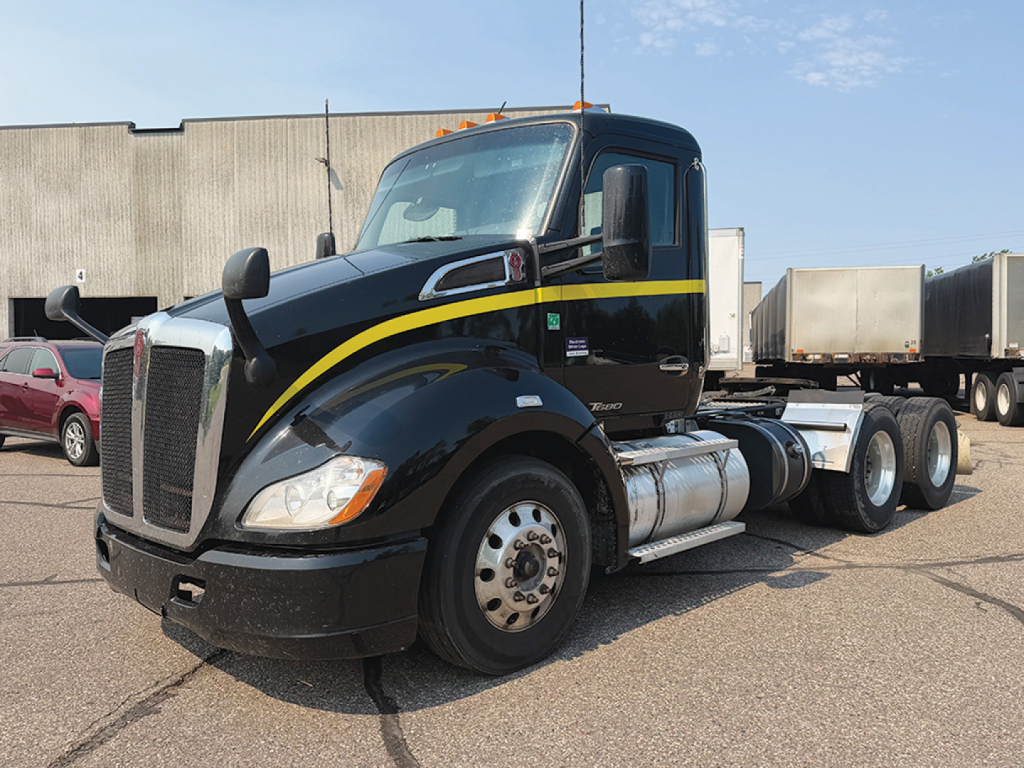
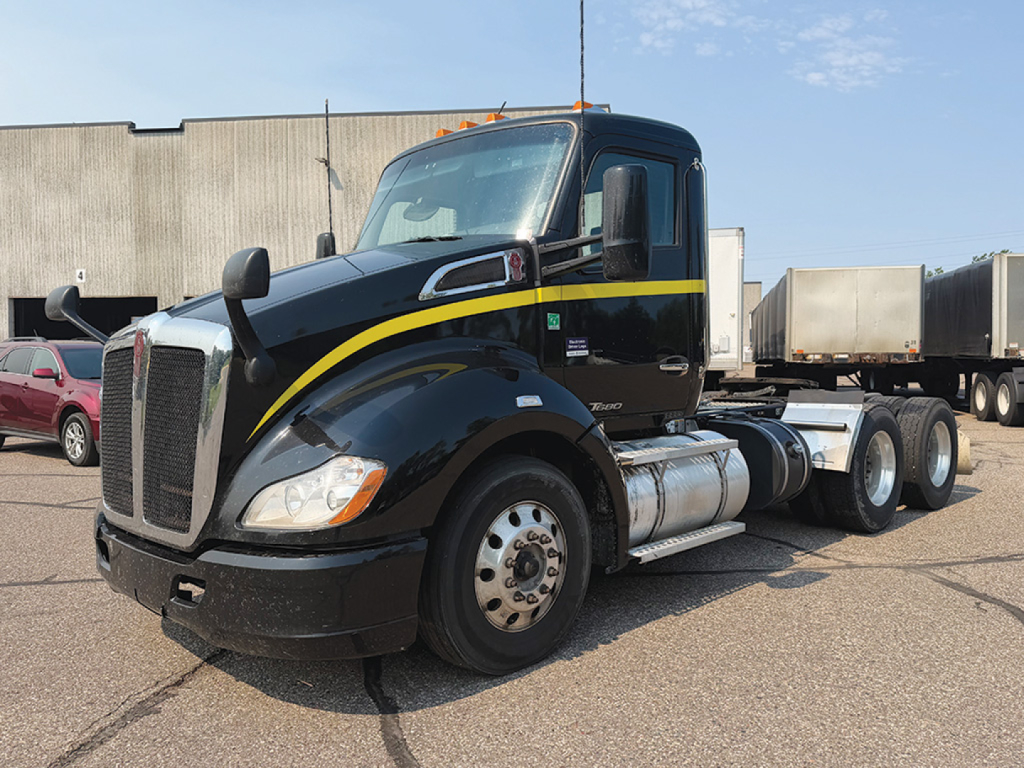
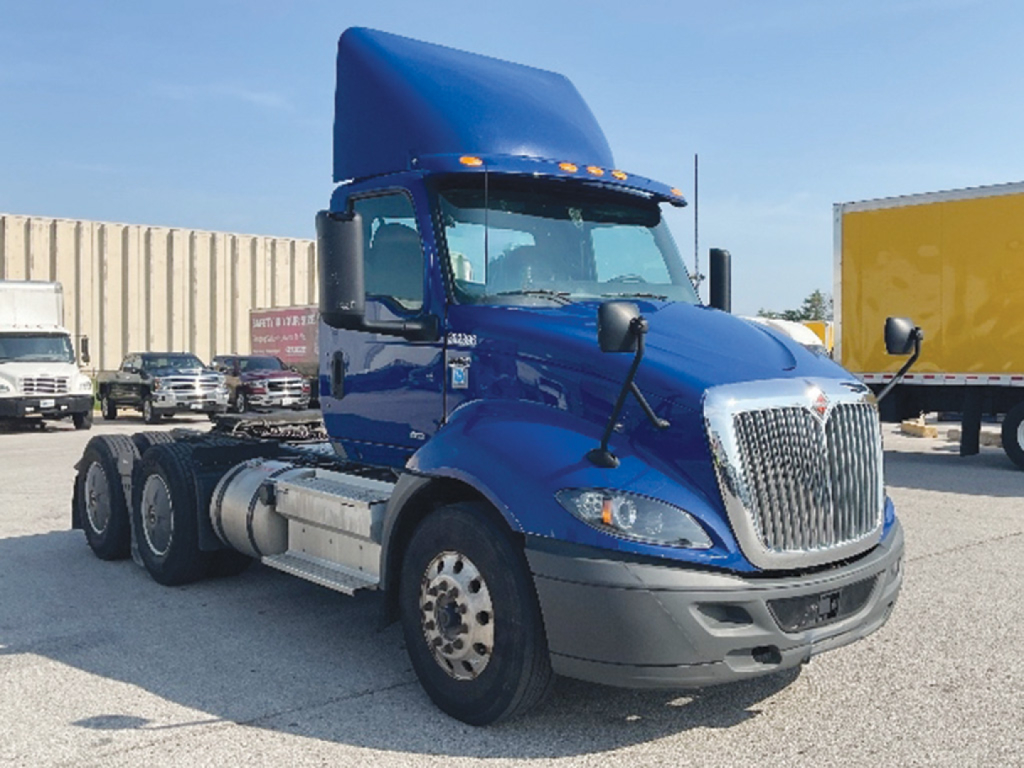
Have 2020 conventional daycab truck to sell? List it here to reach thousands of buyers.
2020 Conventional Daycab Trucks in Nebraska
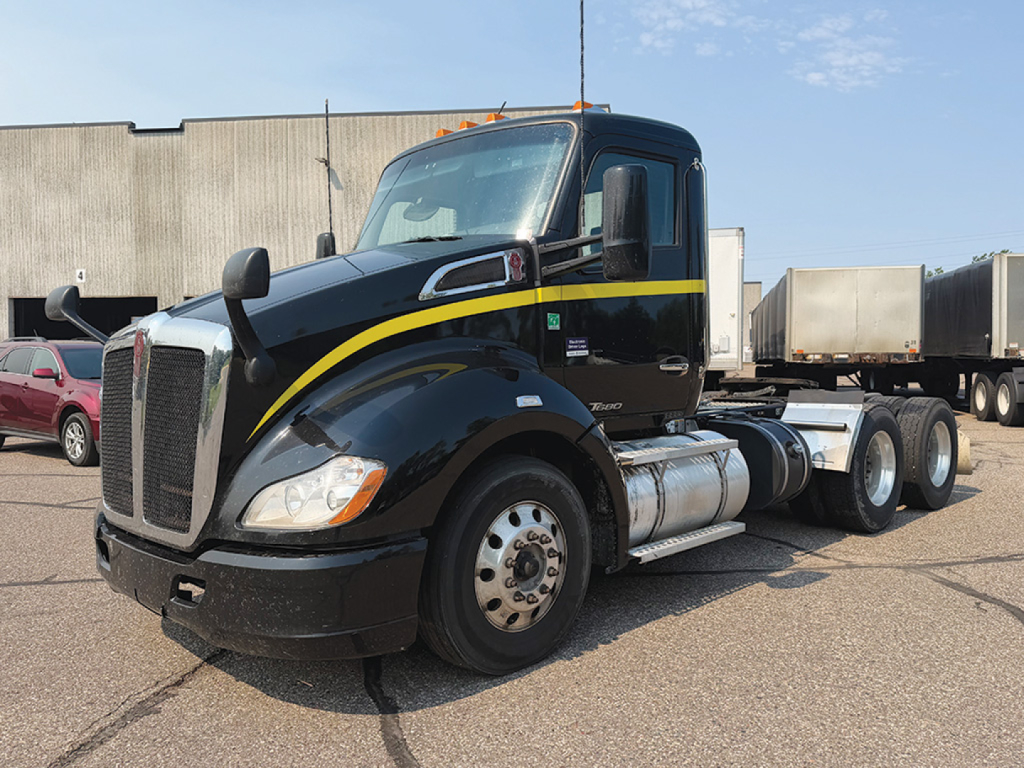
The most important spec decisions usually start with wheelbase, rear axle ratio, and fifth wheel setup. Many 2020 daycabs fall in the roughly 180 to 190 inch wheelbase range, which works well for van, reefer, hopper, and flatbed service without giving up too much turning ability. A 3.08 or similar rear ratio is common for fuel-conscious highway and regional applications, while different ratios may better suit heavier vocational pulls or more stop-and-go routes. Buyers should also check whether the truck has a fixed fifth wheel, air slide fifth wheel, or adjustable setup, since kingpin settings and trailer interchange needs can change what works best in a mixed fleet.
Powertrain specs in this category often include engines such as the PACCAR MX-13, PACCAR MX-11, Detroit DD13, Cummins X15, or similar heavy-duty diesels paired with automated or manual transmissions. Air ride suspension is standard on many highway-oriented daycabs, and 40,000 lb tandem rears are common, though some regional or specialized configurations may vary. For Nebraska operations, winter drivability, crosswind stability, and fuel range matter more than they do in tighter urban markets. Dual aluminum fuel tanks, engine brakes, disc or drum brake configurations, and low-profile 22.5 tires are all worth comparing because they affect uptime, service costs, and driver acceptance.
A good 2020 conventional daycab should be evaluated as a total spec, not just by make and horsepower. Look closely at maintenance history, emissions aftertreatment service, transmission calibration, suspension wear, steer tire condition, and cab equipment such as air conditioning, cruise control, power windows, and telescoping steering. Daycabs spend a lot of time coupling, uncoupling, and running short-to-medium mileage cycles, so frame condition, fifth wheel wear, and brake life can tell you a lot about how the truck was used. For fleets and owner-operators alike, the 2020 model year often hits a useful middle ground with modern driver amenities, current aerodynamics, and proven highway tractor performance in a non-sleeper package.
Frequently Asked Questions about 2020 Conventional Daycab Trucks in Nebraska
What is a conventional daycab truck used for?
A conventional daycab truck is a road tractor without a sleeper compartment, built primarily for regional and local hauling. It is commonly used for dry van, reefer, flatbed, hopper, tanker, and dedicated route work where the driver returns home daily or does not need overnight accommodations. Compared with a sleeper tractor, a daycab typically offers lower empty weight, easier maneuverability, and less cab complexity.
What engine and transmission specs are common in a 2020 conventional daycab?
Many 2020 conventional daycabs were spec'd with engines in the 400 to 455 horsepower range, including models such as the PACCAR MX-13, MX-11, Detroit DD13, and Cummins X15. Automated manual transmissions were very common by 2020, although some trucks still carried manual gearboxes. Buyers should match horsepower, torque rating, transmission model, and rear axle ratio to the intended duty cycle instead of focusing on horsepower alone.
What wheelbase is best for a daycab tractor?
The best wheelbase depends on trailer type, bridge law considerations, and how tight the truck needs to maneuver. Many highway daycabs are in the 180 to 190 inch range because that gives a good balance of ride quality, trailer gap, and turning radius. Shorter wheelbases can help in city or yard-heavy service, while longer wheelbases may better suit specific trailer lengths, weight distribution needs, or fleets with standardized kingpin settings.
Is a 2020 daycab a good fit for Nebraska hauling?
A 2020 daycab can be a strong fit for Nebraska operations because it suits regional freight, agricultural support, and interstate lane work without the added cost and weight of a sleeper. Buyers in Nebraska should pay attention to fuel capacity, engine brake performance, tire condition, heater and HVAC operation, and stability in open-road wind conditions. Spec choices such as tandem axle rating, suspension type, and rear ratio can make a noticeable difference in winter traction and operating cost.
What should buyers inspect first on a used 2020 conventional daycab?
Start with the maintenance records, engine fault history, aftertreatment service, and transmission performance. Then inspect the fifth wheel, frame rails, suspension bushings, brake components, steer axle wear, and tire condition because those areas often reflect how hard the truck worked. On a daycab, frequent trailer hookups and short-cycle service can accelerate wear in the coupling and braking systems, so those items deserve close attention.