
2022 Conventional Sleeper Trucks For Sale
Shop 2022 conventional sleeper trucks with modern aero specs, efficient powertrains, sleeper options, and long-haul features for fleet use.


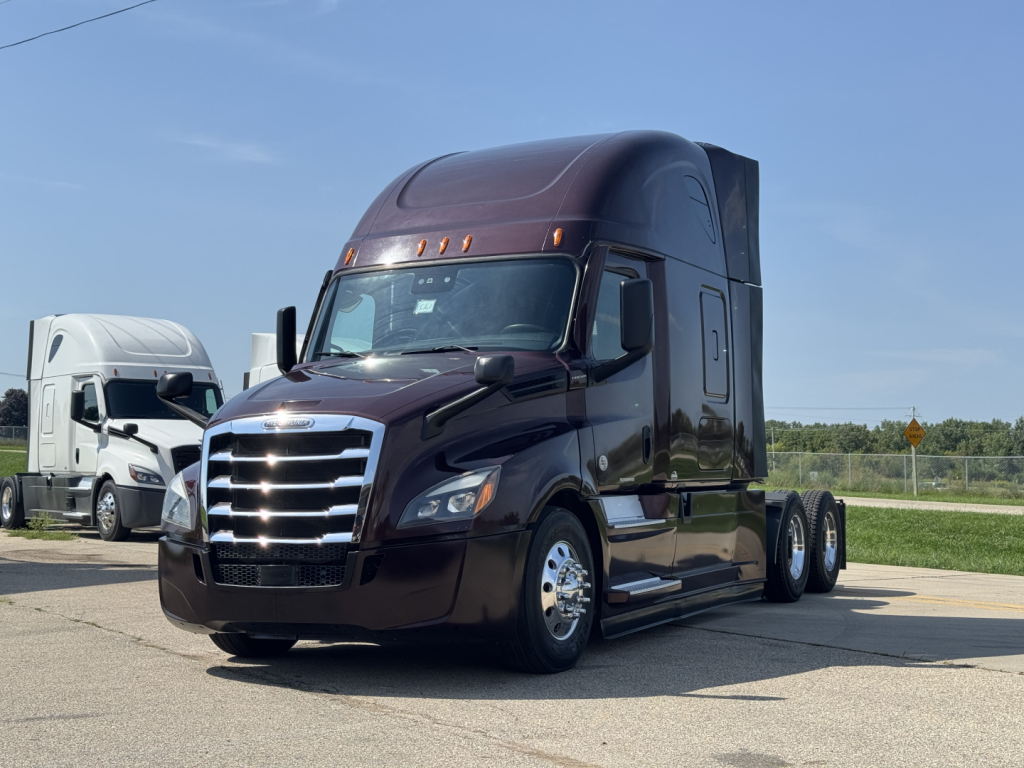
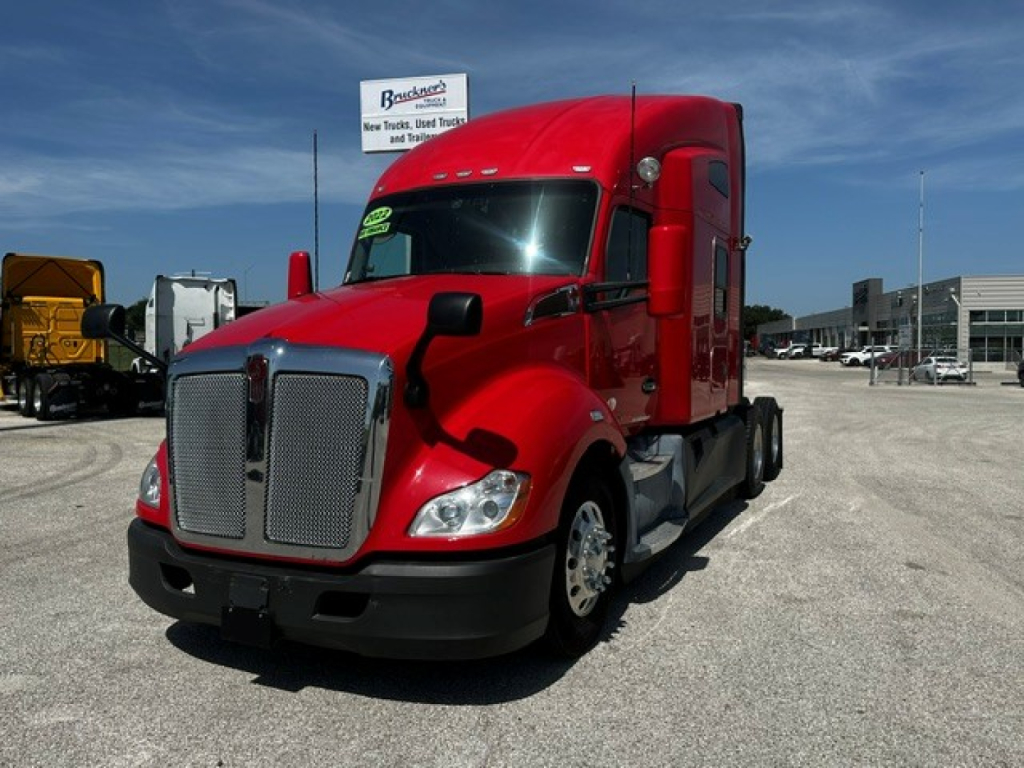
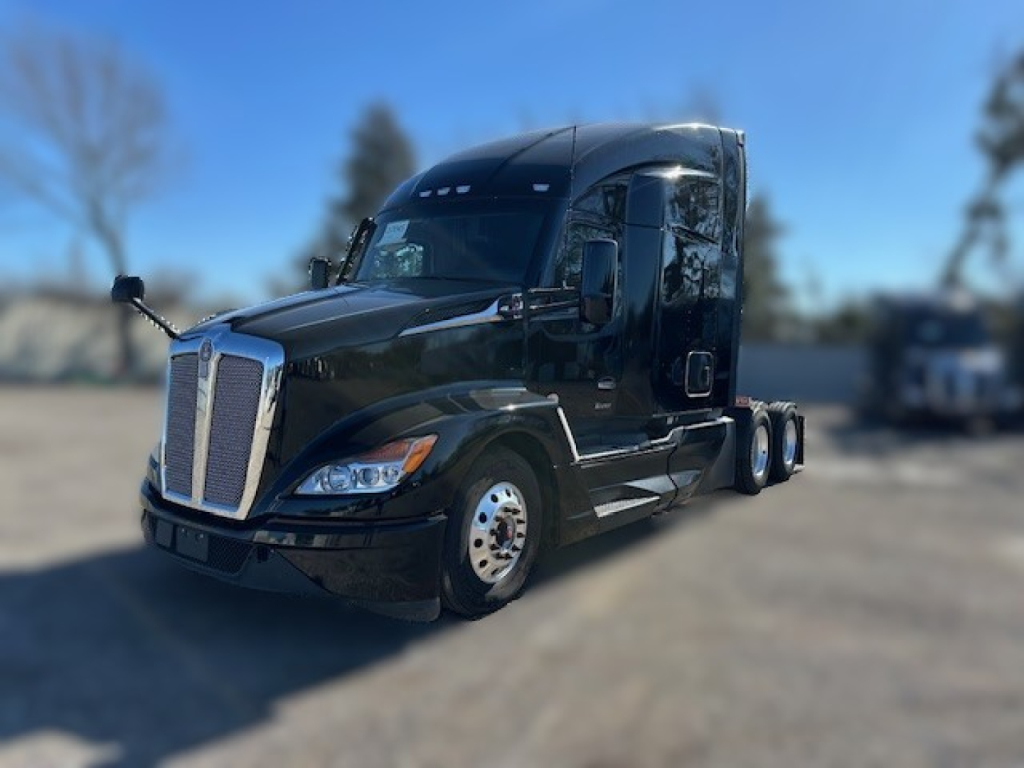
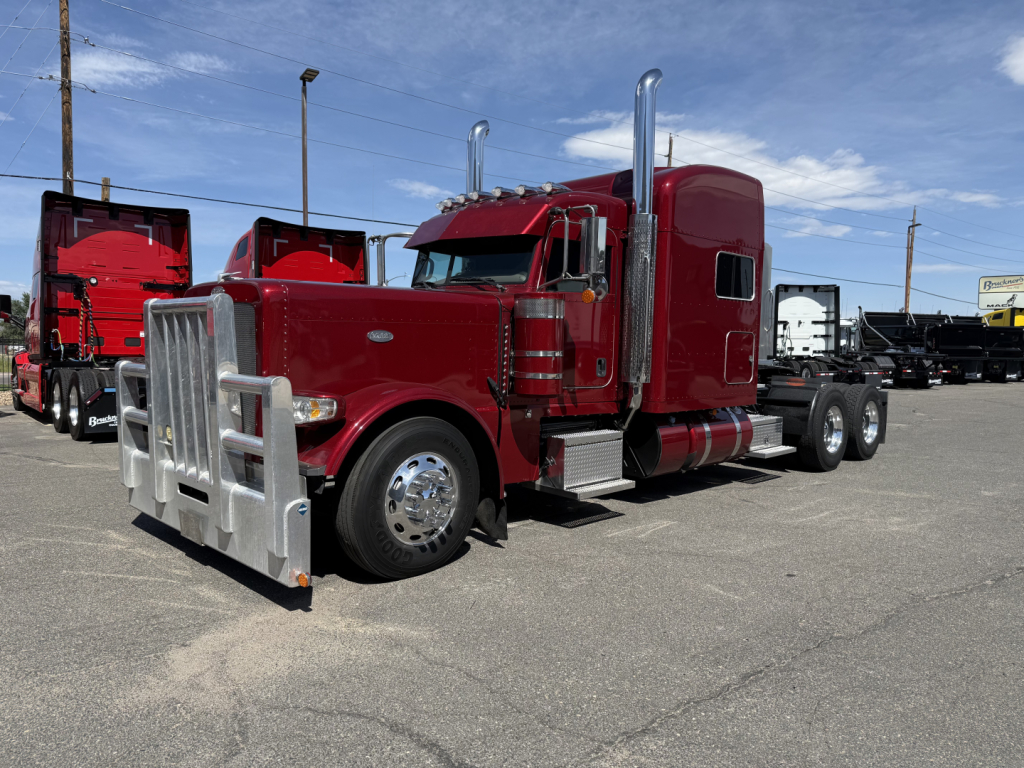
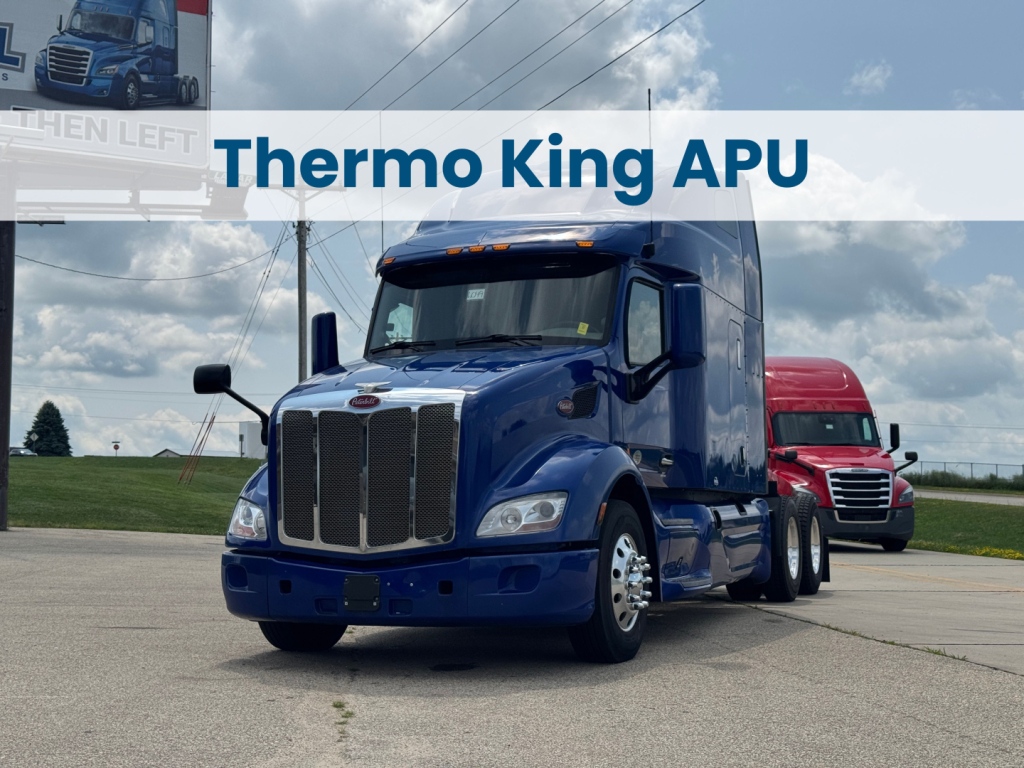
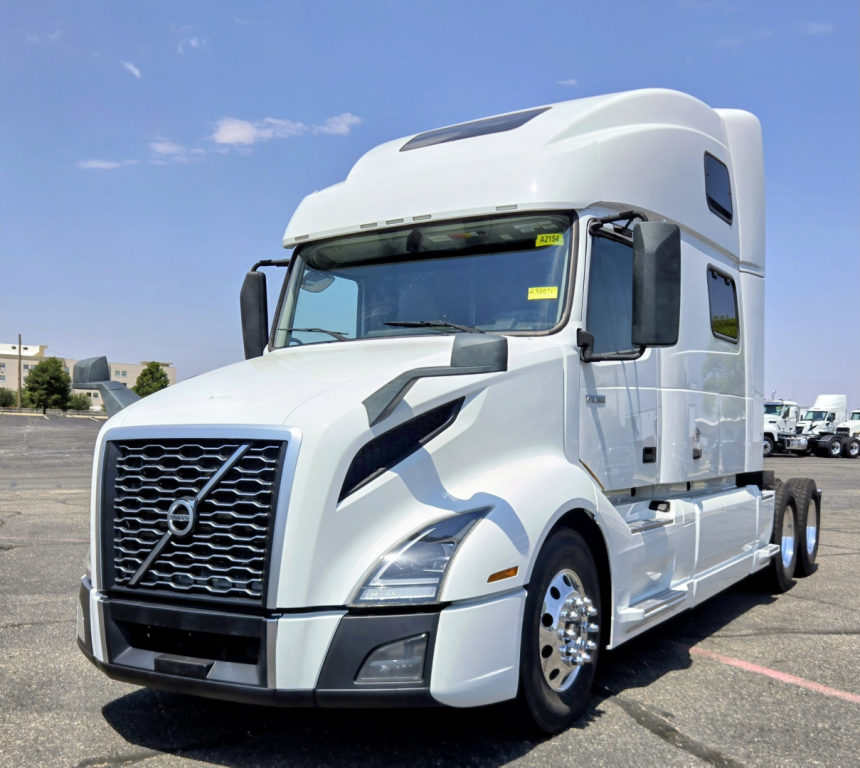
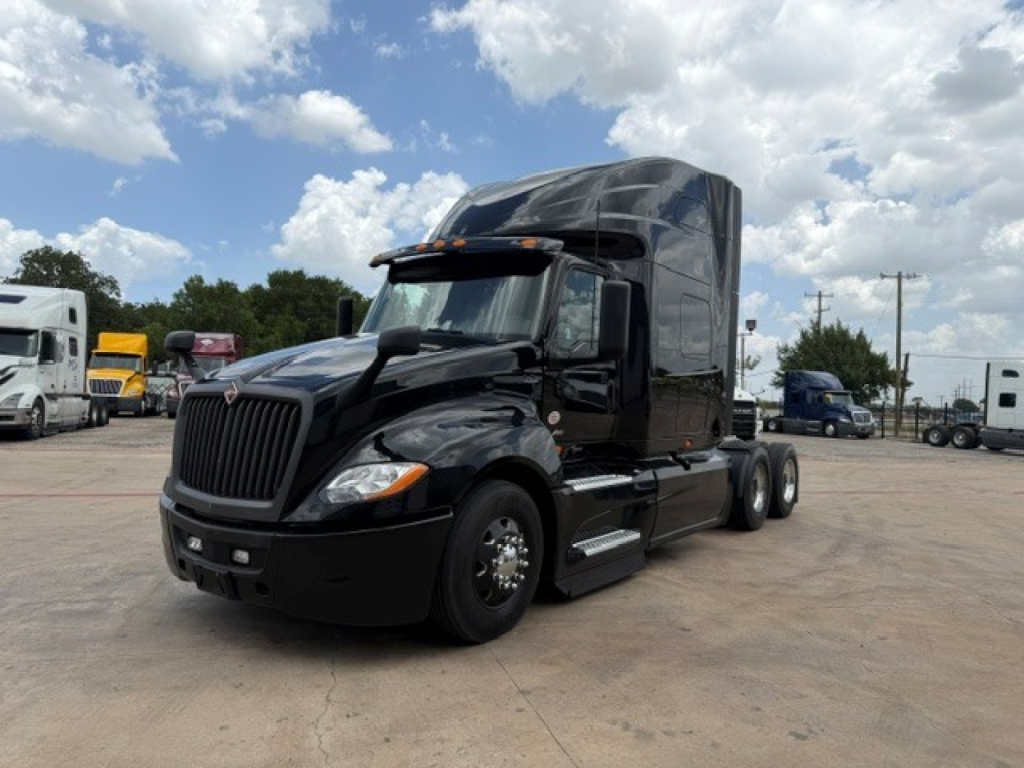
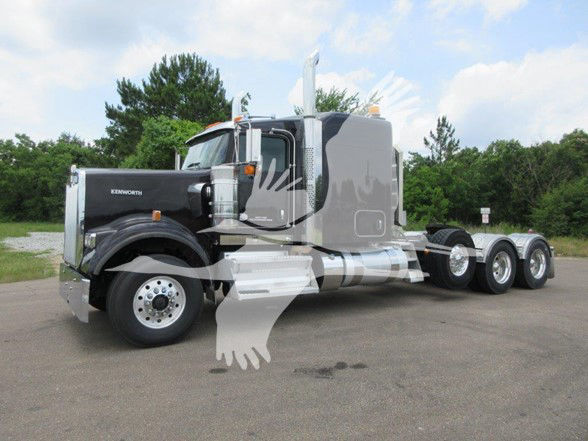
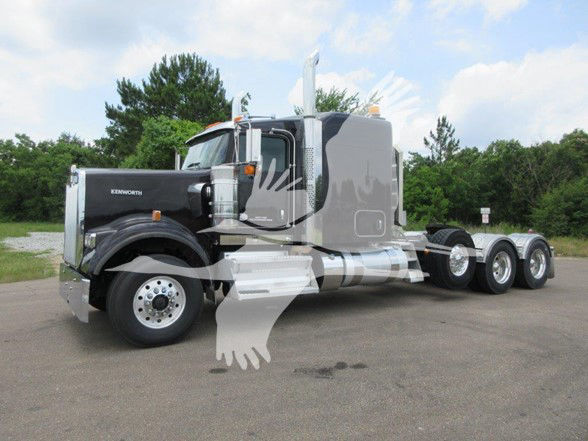
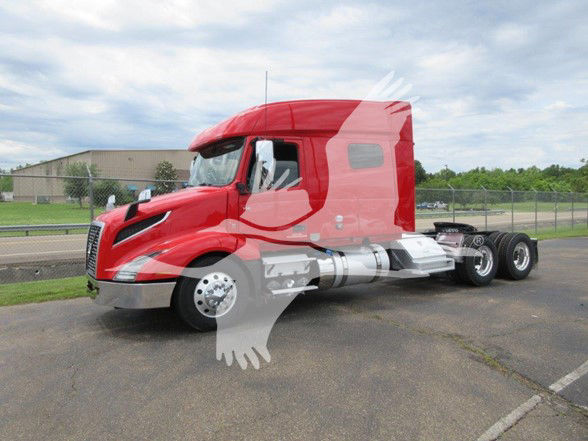
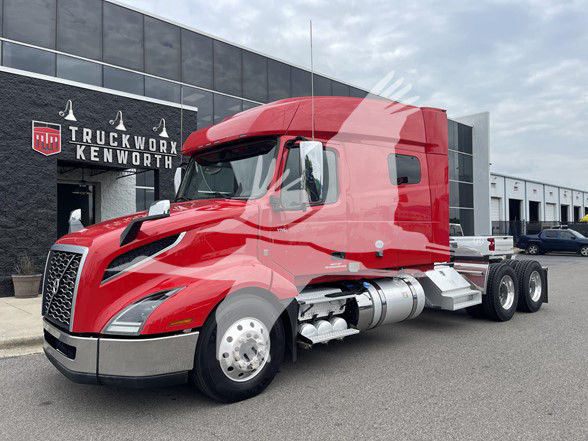
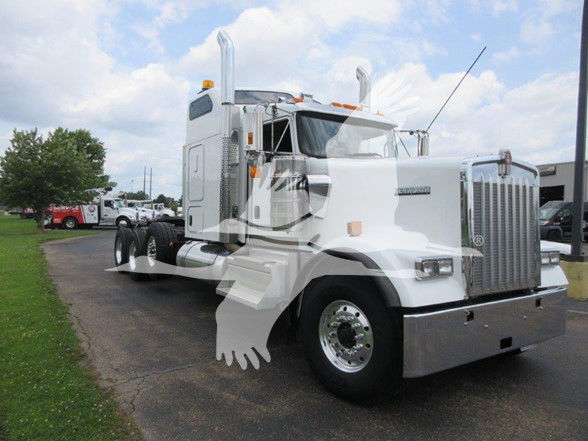


Showing 113 to 140 of 149 results
Selling a 2022 conventional sleeper truck? List your 2022 conventional sleeper truck for sale and reach thousands of commercial buyers.
2022 Conventional Sleeper Trucks
Frequently Asked Questions about 2022 Conventional Sleeper Trucks
What should I look for first when buying a 2022 conventional sleeper truck?
Start with the powertrain and intended duty cycle. Engine family, horsepower, torque rating, rear axle ratio, transmission type, and wheelbase determine how the truck will perform on your freight and in your operating region. A 455 hp to 505 hp setup with an automated transmission and a fuel-minded rear ratio is common for van and reefer work, while heavier or more mountainous applications may justify a different ratio or higher torque rating. After that, review sleeper size, maintenance history, aftertreatment service records, tire condition, brake type, and whether the truck has collision mitigation, adaptive cruise, and lane-departure systems.
Are 2022 sleeper trucks mostly automatic?
Yes. Most 2022 conventional sleeper trucks on the market are equipped with automated manual transmissions such as the Detroit DT12, PACCAR TX-12, Volvo I-Shift, or Eaton Endurant. These transmissions improve shift consistency, support fuel economy strategies, and reduce driver fatigue in long-haul service. Manual transmissions still exist, but they are far less common in this model year, especially in fleet-spec highway tractors.
What sleeper sizes are common on 2022 conventional sleeper trucks?
The most common sleeper configurations are 60-inch to 80-inch raised-roof sleepers, with 72-inch and 76-inch layouts especially common in long-haul fleet service. Buyers will also see mid-roof sleepers for weight-sensitive or regional applications. Interior features often include single or double bunks, storage cabinets, fridge prep or installed refrigerator, bunk heater, inverter, TV mount, and optimized HVAC controls. The right sleeper size depends on how many nights the truck will stay out and how much onboard storage the operation requires.
Which specs matter most for fuel economy in a 2022 conventional sleeper?
Fuel economy usually comes down to the full spec package rather than one part alone. Aerodynamic body design, roof height matched to trailer profile, side fairings, wheel covers, idle-reduction equipment, engine calibration, transmission gearing, rear axle ratio, tire choice, and cruise strategy all play a role. Many 2022 trucks were built with downsped drivetrains, commonly paired with ratios such as 2.64, 2.79, or 2.85 for highway use. Those specs can deliver strong savings on flat to rolling lanes, but buyers should make sure the ratio still fits the freight weight and terrain.
Is a 2022 conventional sleeper truck a good choice for fleet replacement or owner-operator use?
Yes, if the spec matches the work. A 2022 model year truck is recent enough to offer modern safety systems, improved cab ergonomics, and late-model resale appeal, which makes it attractive for both small fleets and owner-operators. Fleets often value standardization, telematics compatibility, and easier driver onboarding, while owner-operators may focus more on sleeper comfort, warranty coverage, service network access, and total operating cost. The best choice is the truck with a documented maintenance background, the right axle and gearing package, and a sleeper layout that supports the routes it will actually run.