
2022 Conventional Sleeper Trucks For Sale in Oklahoma
Shop 2022 conventional sleeper trucks in Oklahoma. Compare specs, sleeper sizes, engine ratings, axle setups, and highway-ready configurations.
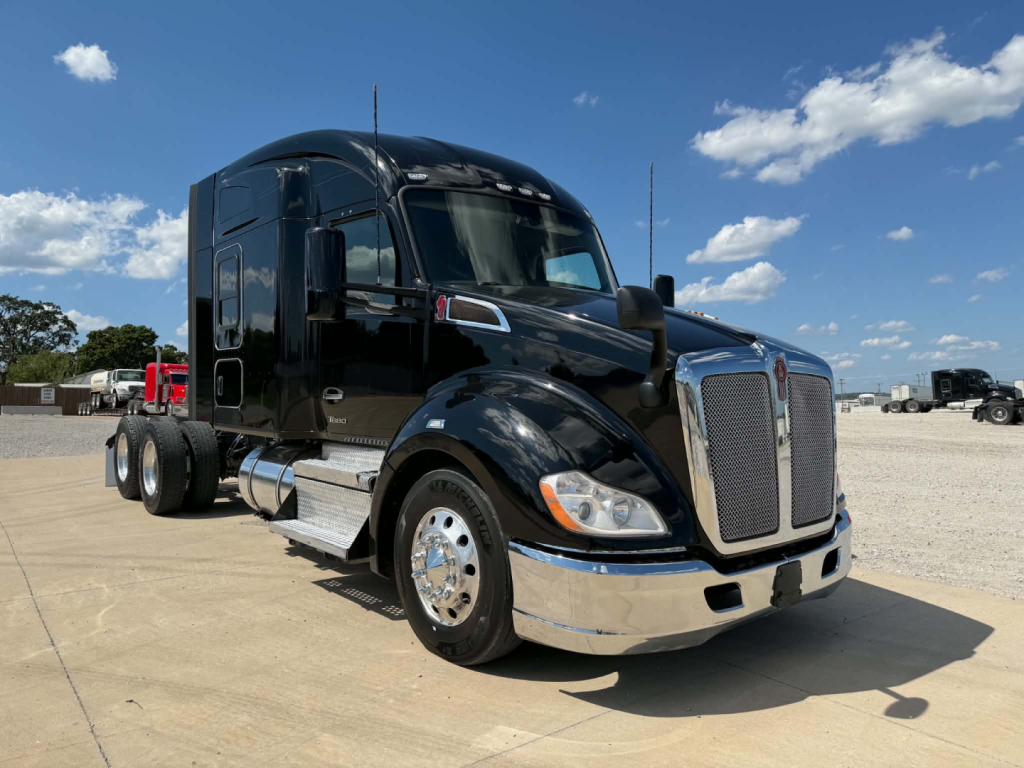
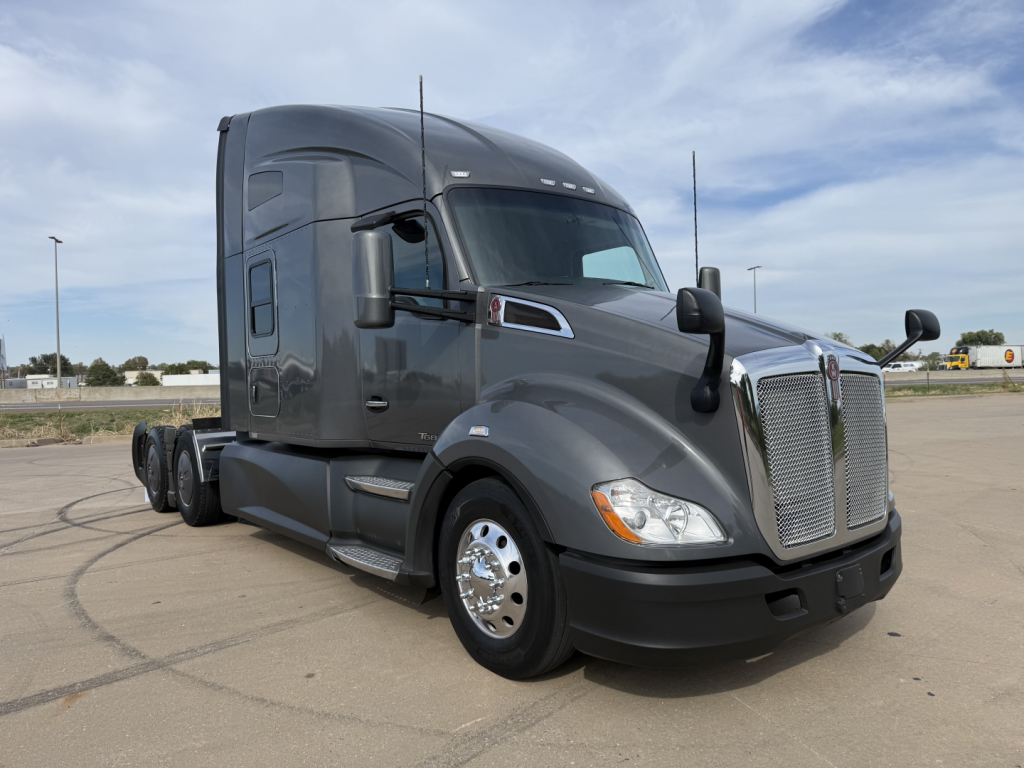
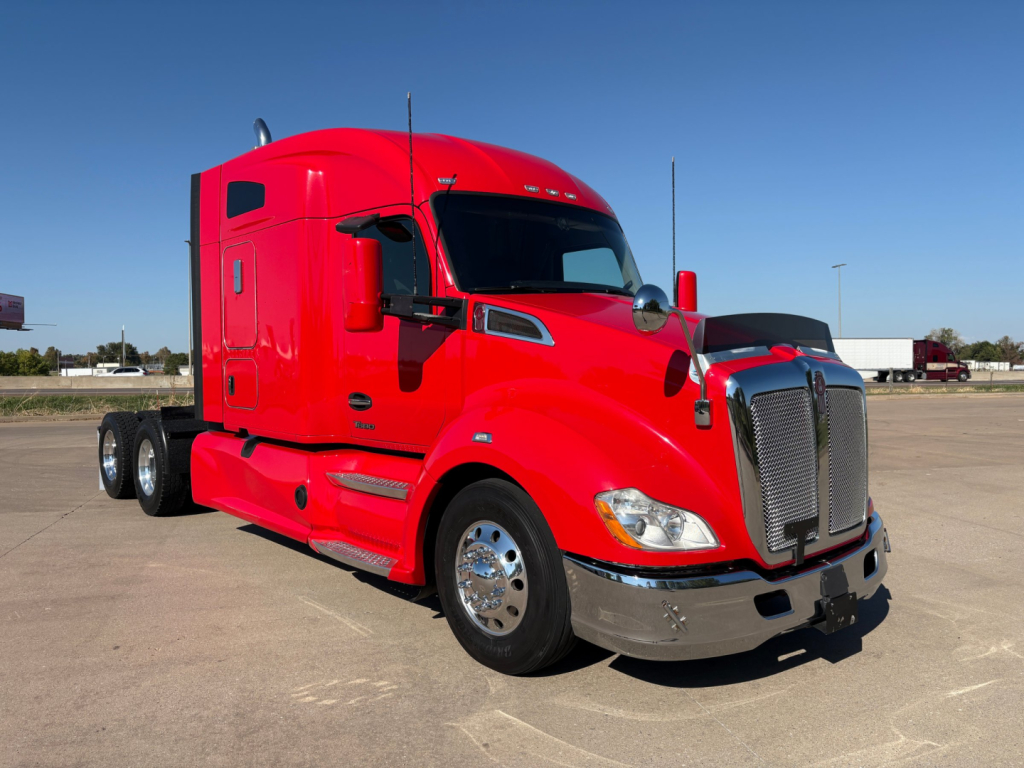
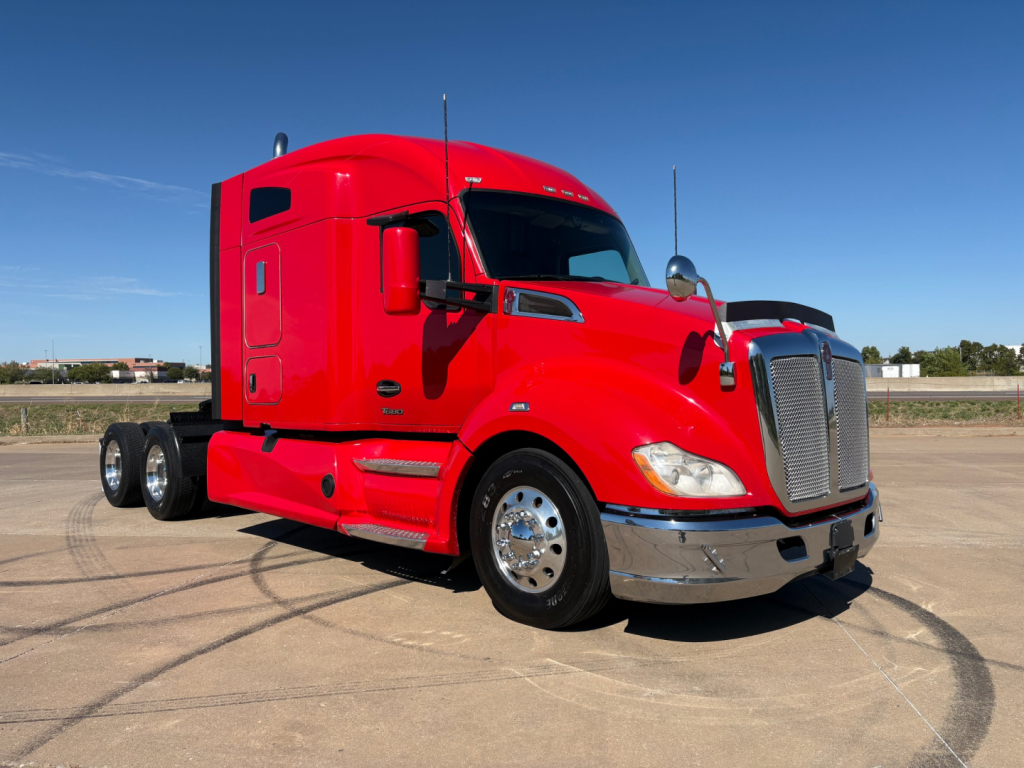
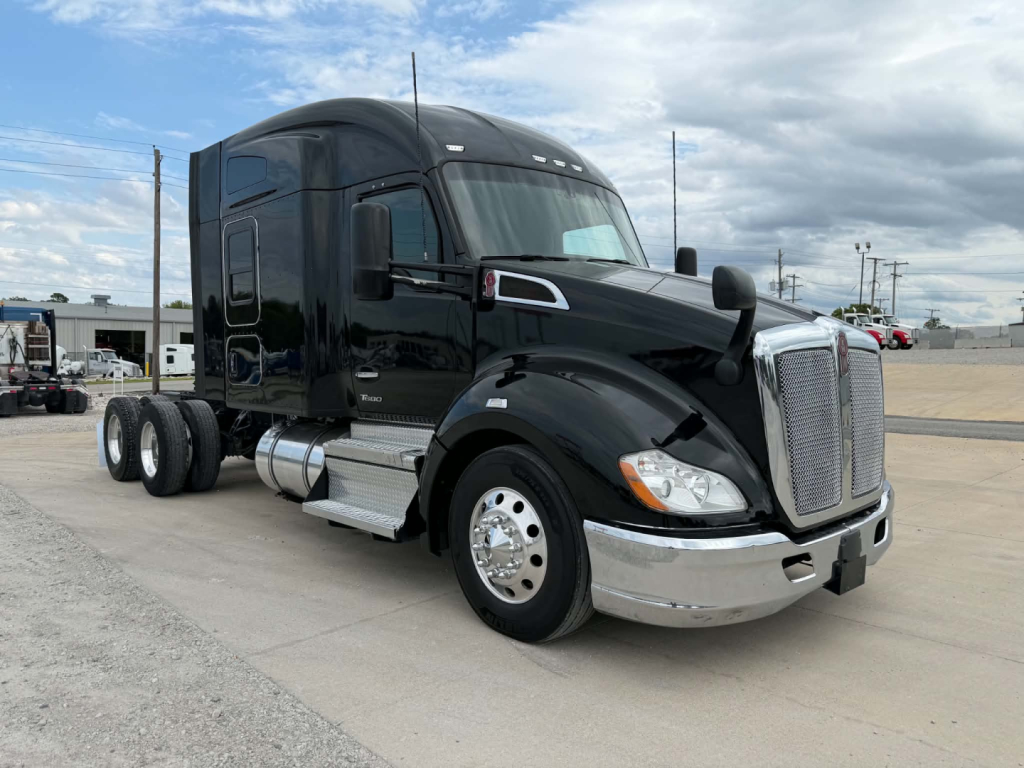
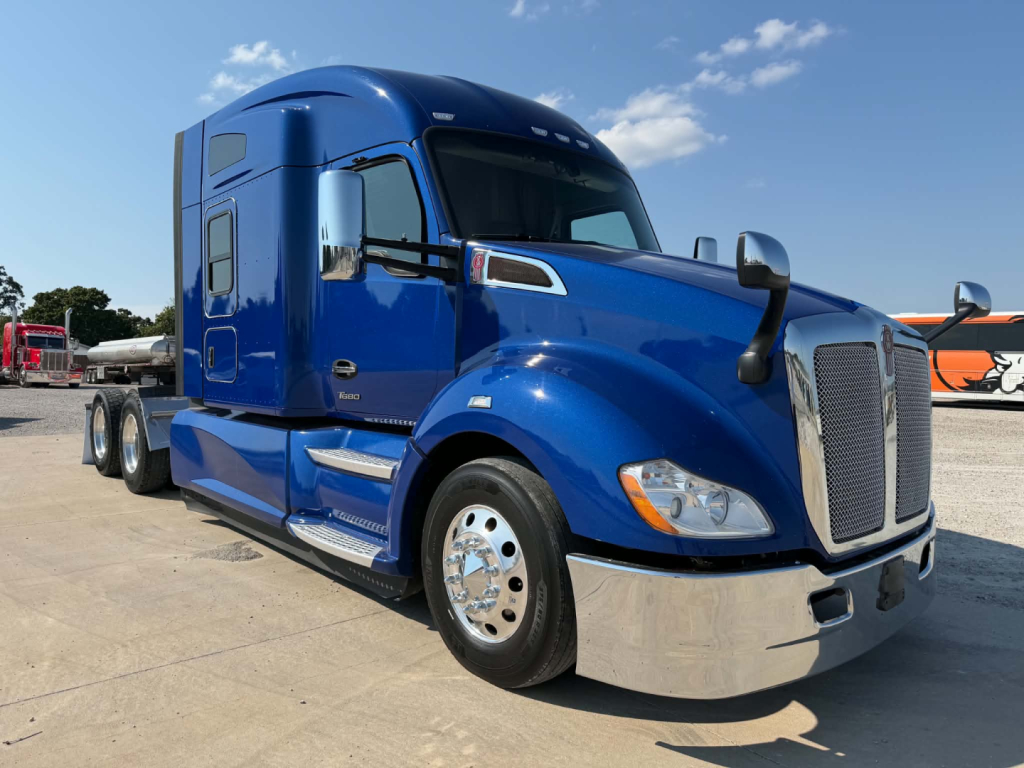
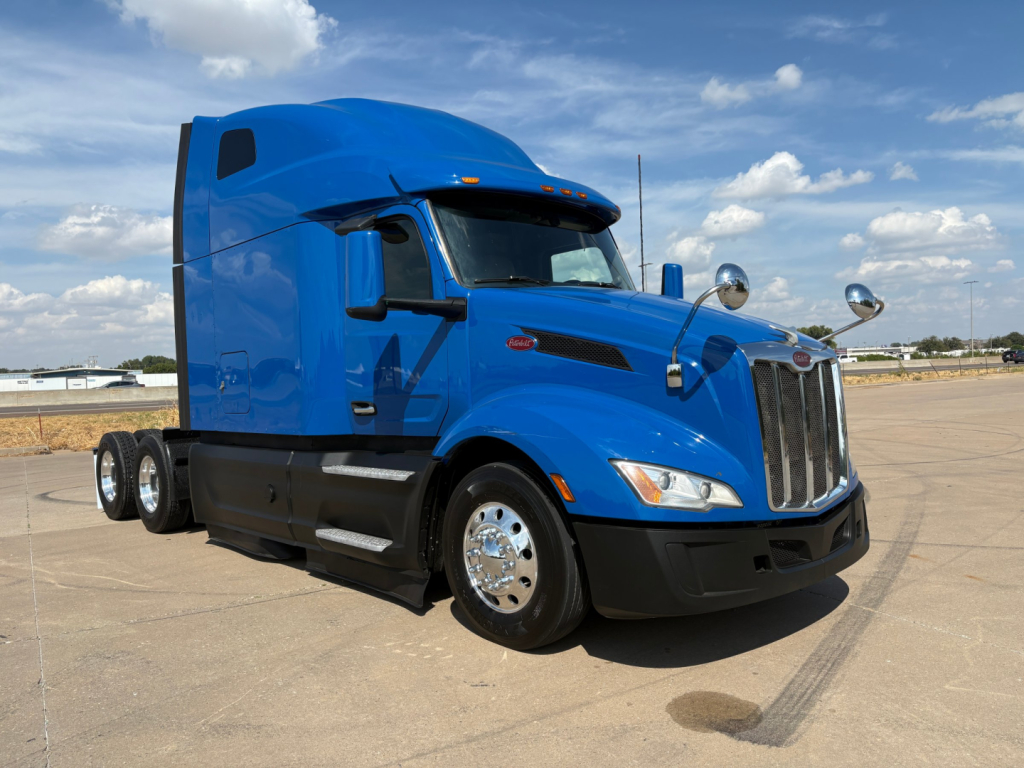
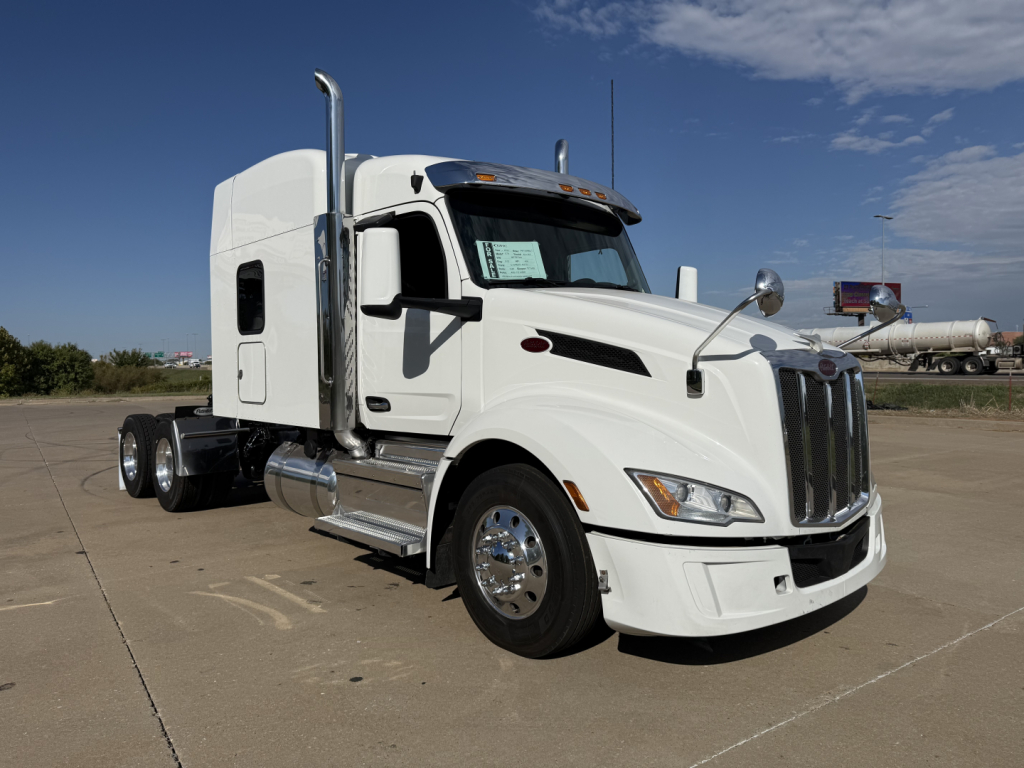
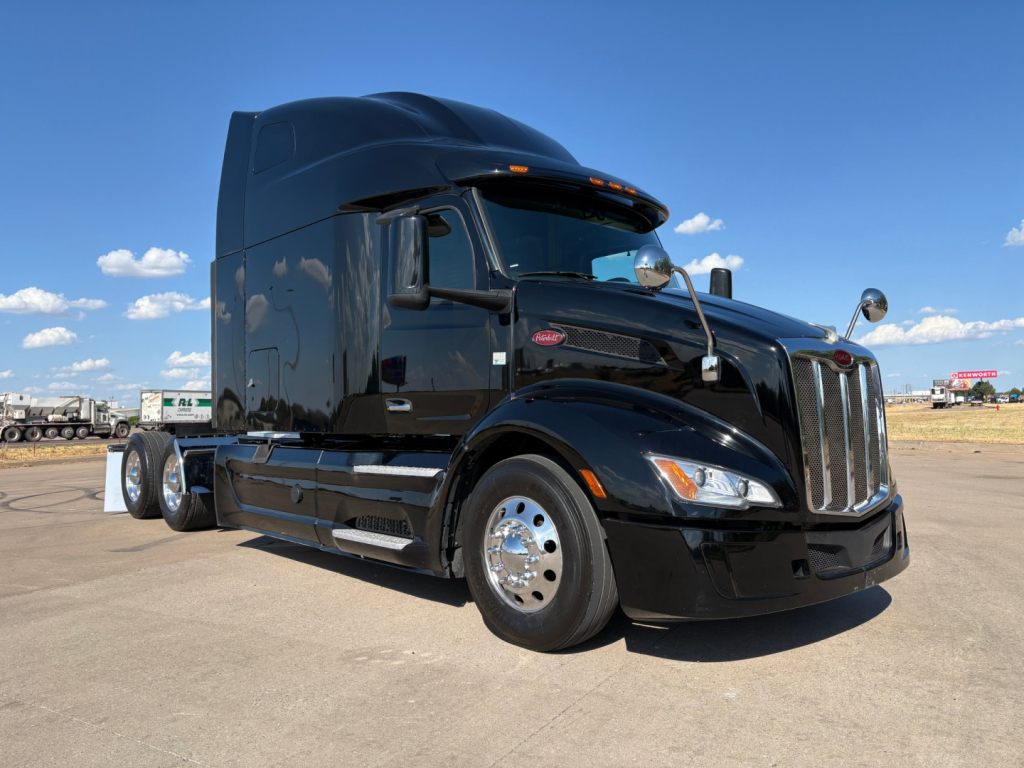
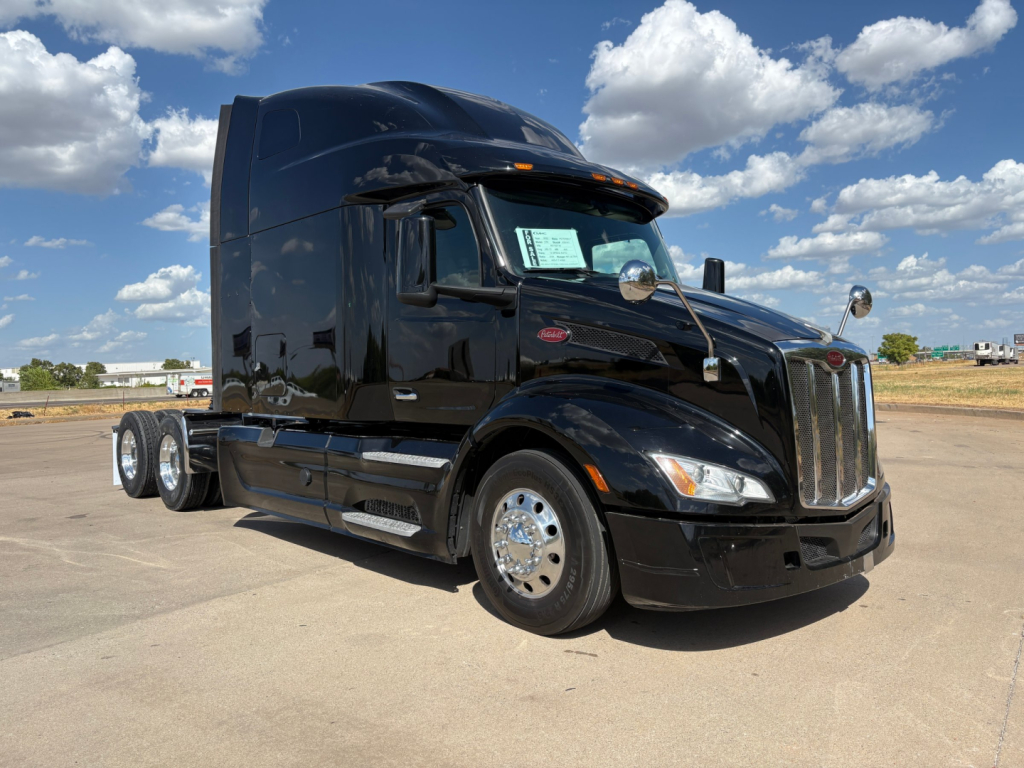

Selling a 2022 conventional sleeper truck? List your 2022 conventional sleeper truck for sale and reach thousands of commercial buyers.
2022 Conventional Sleeper Trucks in Oklahoma
Frequently Asked Questions about 2022 Conventional Sleeper Trucks in Oklahoma
What engine and transmission specs are common in a 2022 conventional sleeper truck?
Most 2022 conventional sleeper trucks are equipped with 11- to 15-liter diesel engines rated around 400 to 500 horsepower, paired with torque ratings commonly between 1450 and 1850 lb-ft. Popular engine families include the Cummins X15, Detroit DD15, Volvo D13, and Paccar MX-13. Automated manual transmissions such as the Eaton Endurant, Detroit DT12, and Volvo I-Shift are very common in this year range because they improve shift consistency, support fuel economy programming, and reduce driver training issues compared with a manual.
What sleeper size should a buyer look for in a 2022 highway tractor?
Sleeper size should match the truck's route profile and driver retention goals. A mid-roof or smaller sleeper can work well for regional freight with frequent home time, while a 72-inch to 80-inch raised-roof sleeper is more common for long-haul applications. Buyers should look beyond bunk count and check for practical details such as cabinet layout, workstation options, refrigerator prep, inverter capacity, auxiliary HVAC, and overall standing room. A larger sleeper adds comfort and storage, but it also affects wheelbase, weight, and sometimes maneuverability.
Which axle ratio works best on a 2022 conventional sleeper?
The right axle ratio depends on terrain, average gross combination weight, tire size, and cruise speed target. Many fuel-focused highway specs in this model year fall in the high-2s to low-3s, especially when paired with direct-drive or overdrive automated transmissions. Ratios like 2.64, 2.79, and 3.08 are common on linehaul tractors, while steeper ratios may make more sense for heavier freight or hillier Oklahoma and surrounding regional routes. The key is matching axle ratio to engine downspeed capability so the truck can hold road speed without constantly hunting gears.
What should a buyer inspect first on a used 2022 conventional sleeper truck?
Start with engine hours, maintenance records, fault code history, and evidence of emissions system service. A 2022 truck may still present well cosmetically while hiding costly issues in the DPF, DOC, SCR, EGR, turbocharger, or aftertreatment sensors. Tire condition, brake wear, fifth wheel movement, suspension bushing play, and signs of frame or cab corrosion also deserve attention. Inside the cab, inspect bunk equipment, HVAC performance, dash warning lights, and signs of hard fleet use such as damaged trim, torn seats, or inoperative accessories.
Why do many buyers prefer a 2022 conventional sleeper for fleet or owner-operator use?
A 2022 model often hits a useful middle ground between newer truck features and used truck pricing. Trucks from this year typically have current-generation aerodynamics, collision mitigation availability, improved driver interfaces, and more refined automated powertrains, while still being old enough to offer a broader range of price points and mileage bands. For fleets, that can support standardization and lower training friction. For owner-operators, it can mean a more modern sleeper tractor with better highway manners, more comfortable living space, and stronger resale appeal than much older emissions-era equipment.