
2022 Peterbilt Conventional Sleeper Trucks For Sale
Shop 2022 Peterbilt conventional sleeper trucks, including 579 specs, engine and transmission options, sleeper sizes, and buyer considerations.
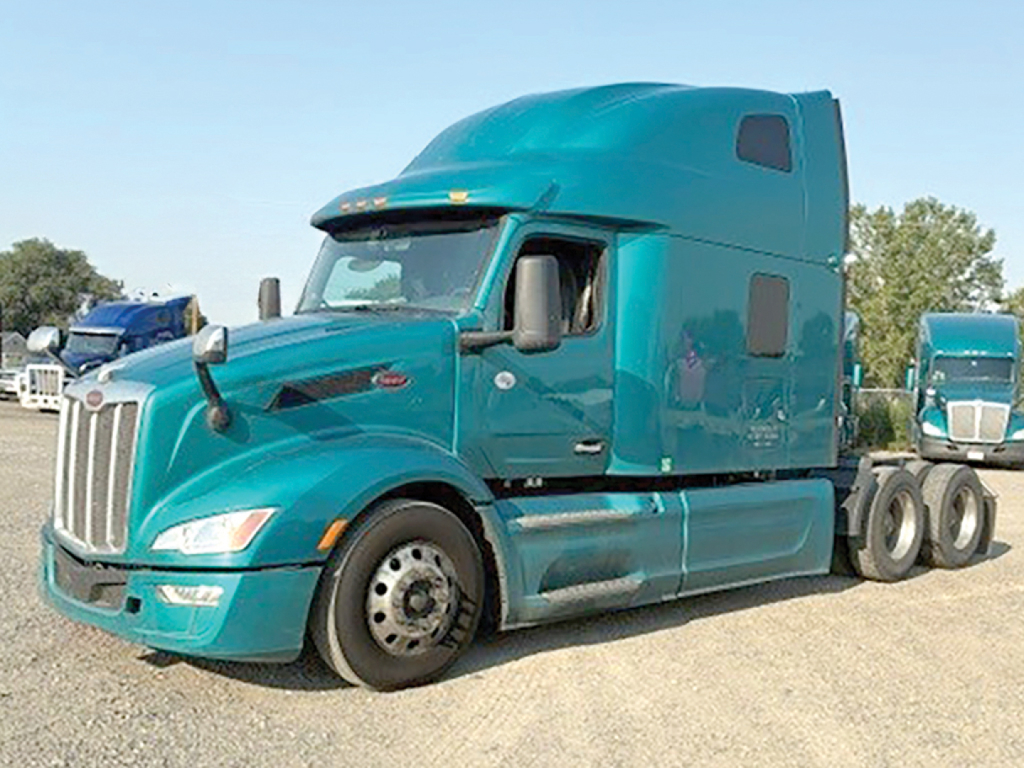
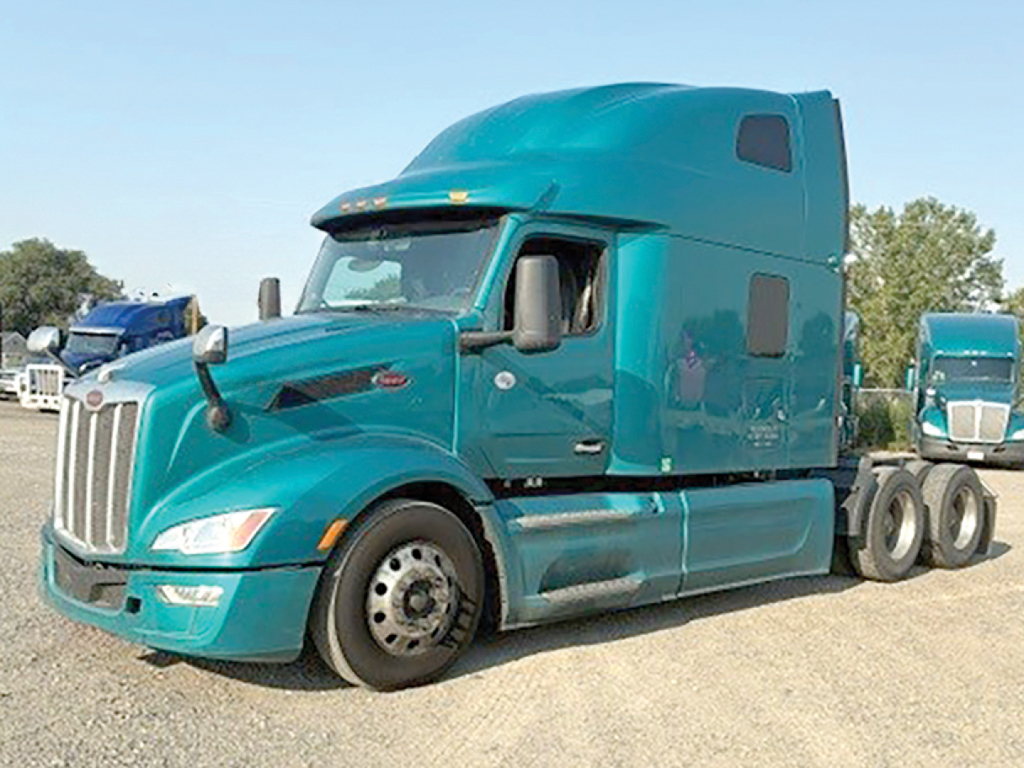
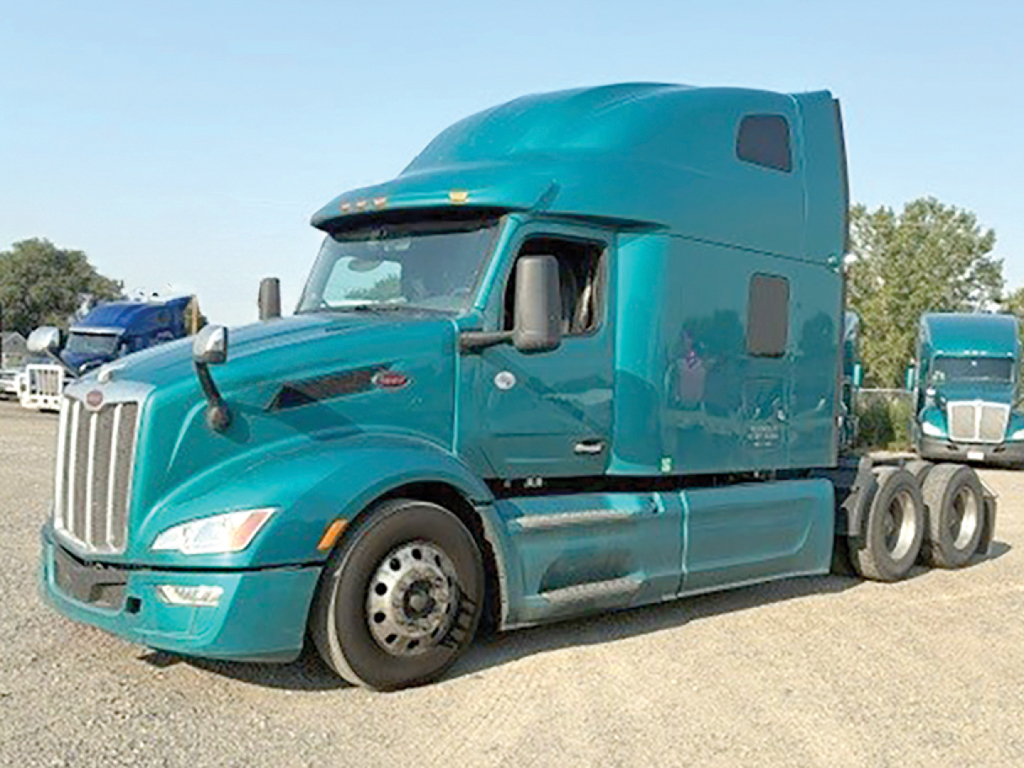
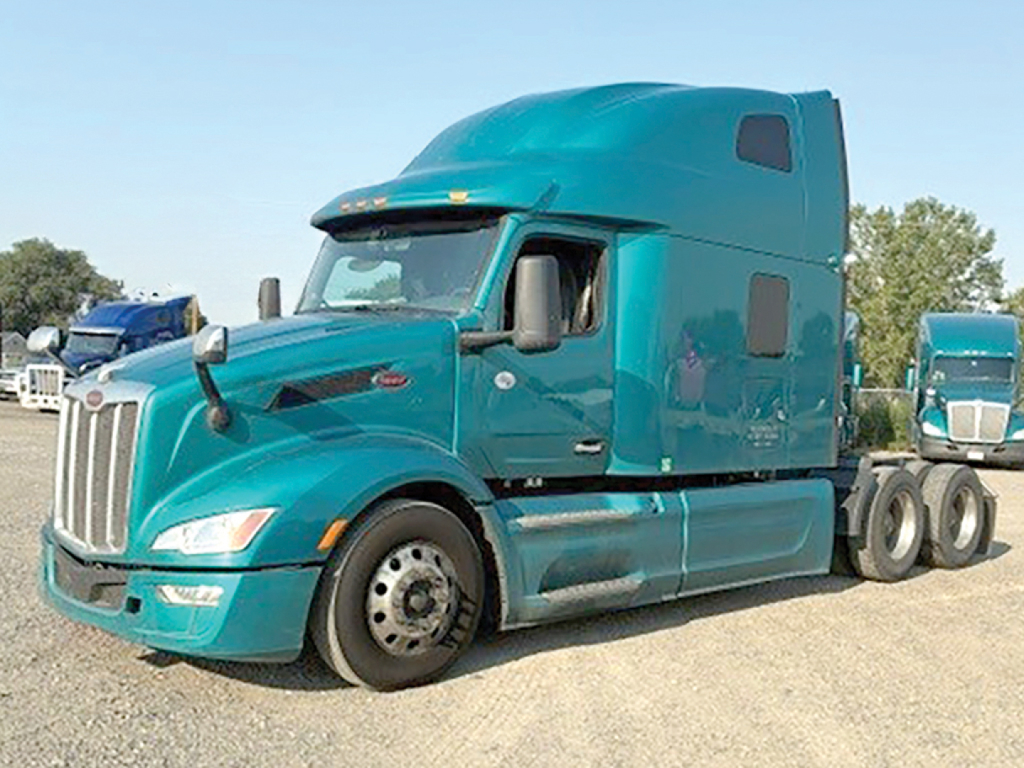
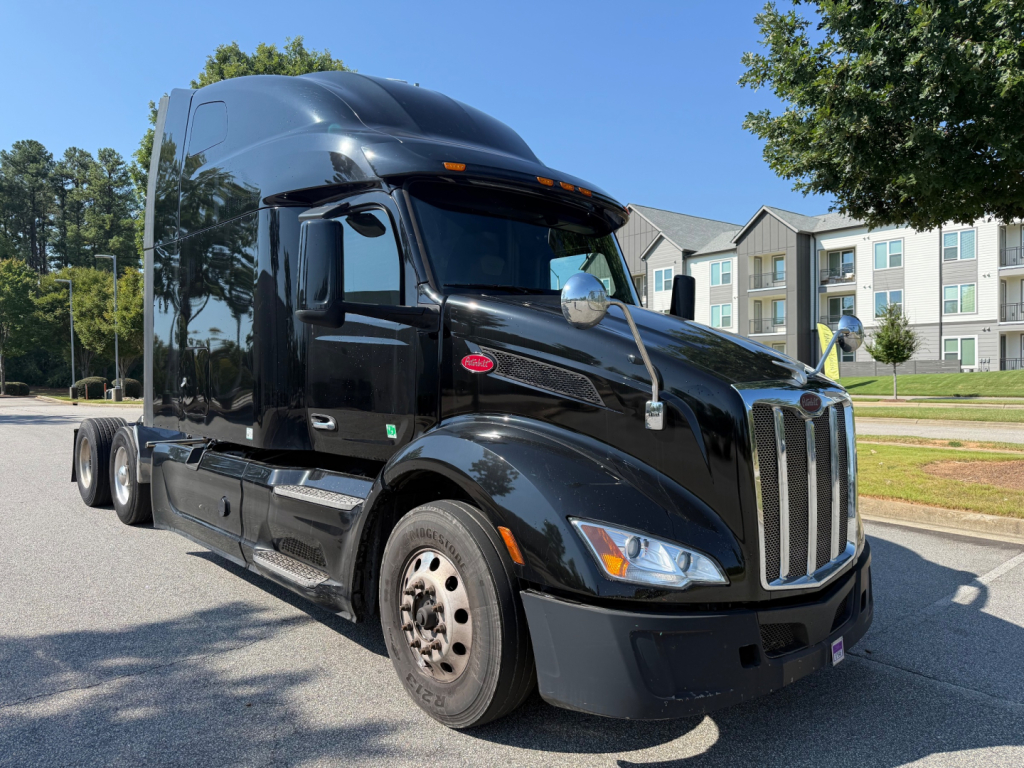

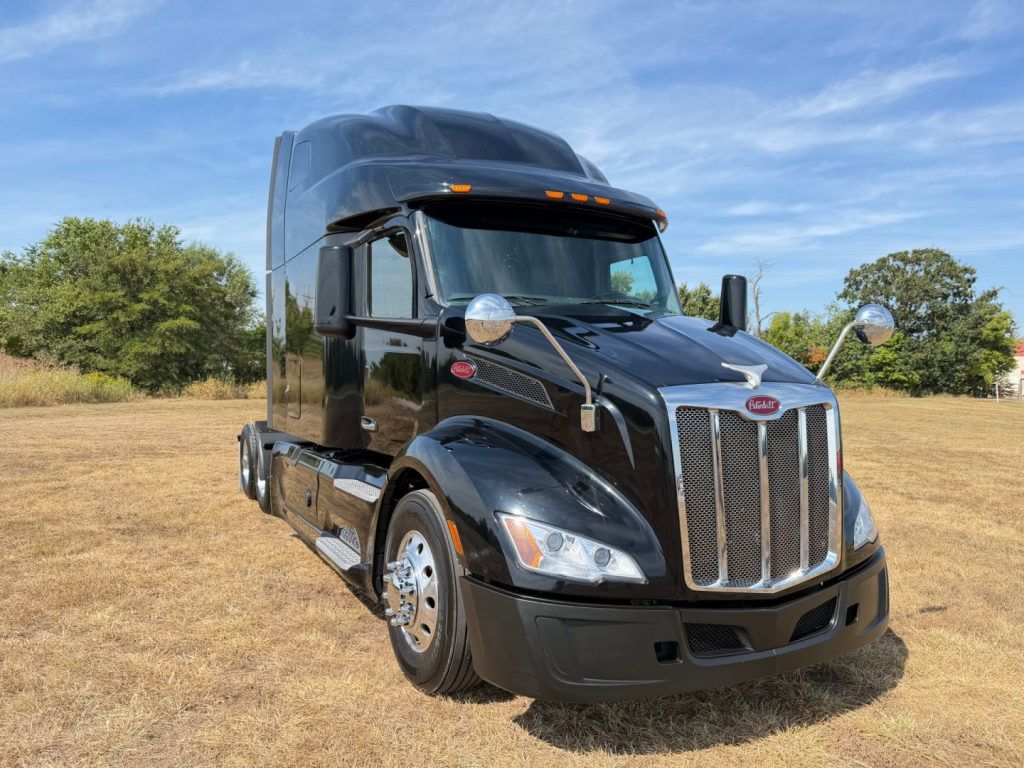
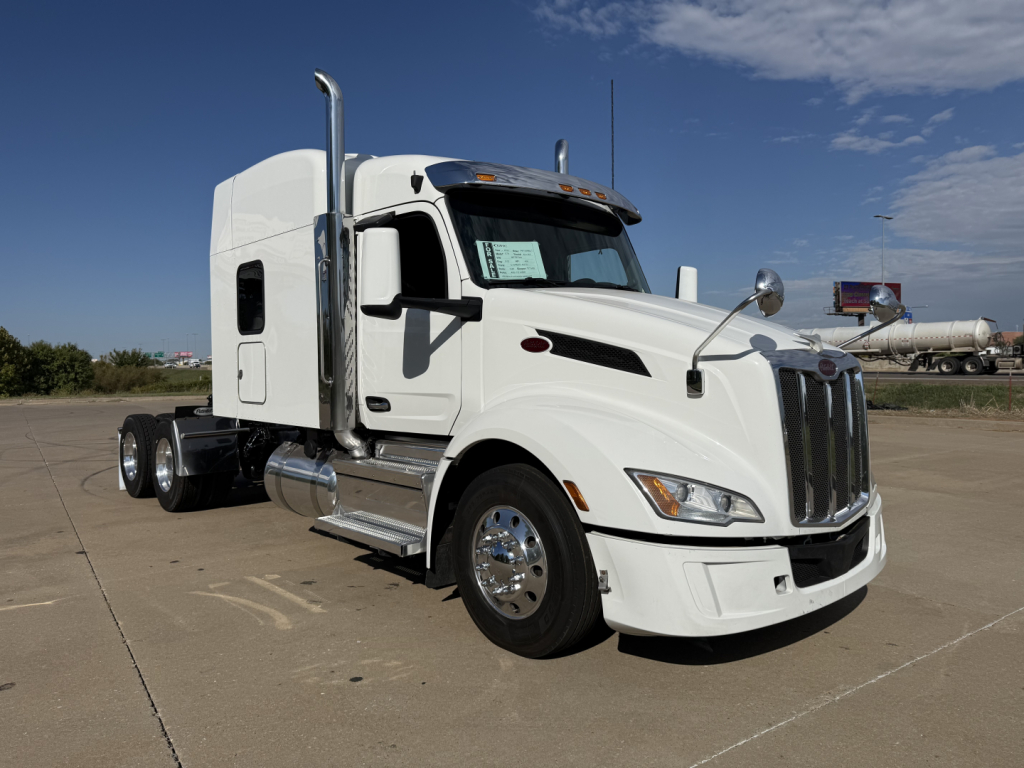
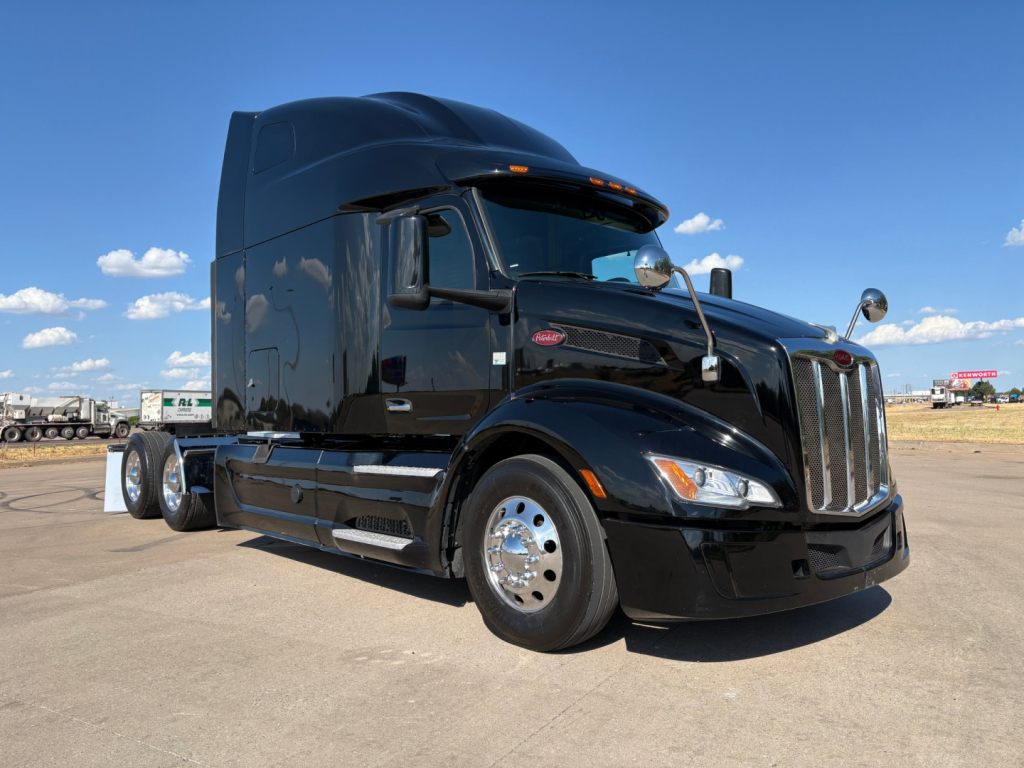

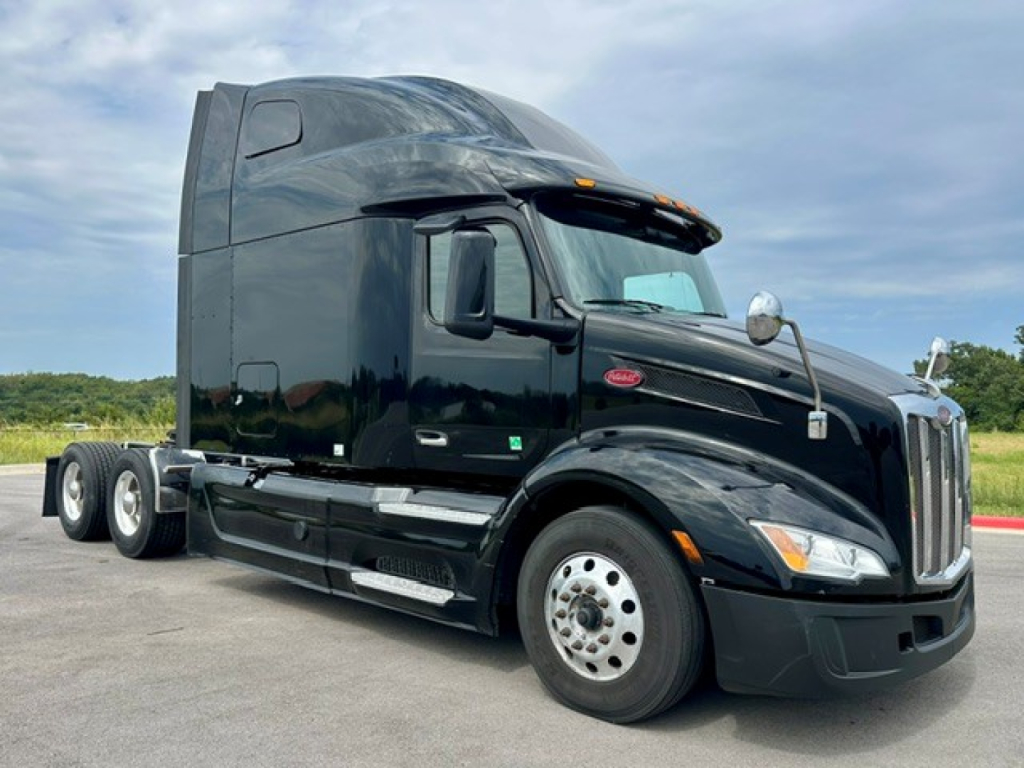
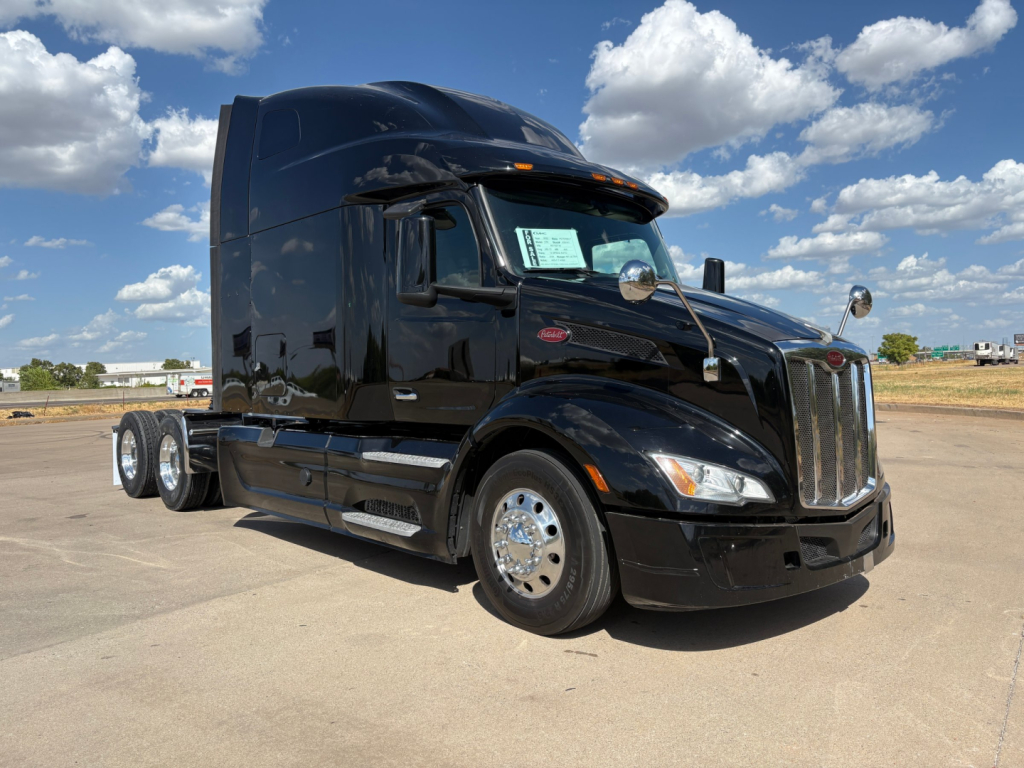
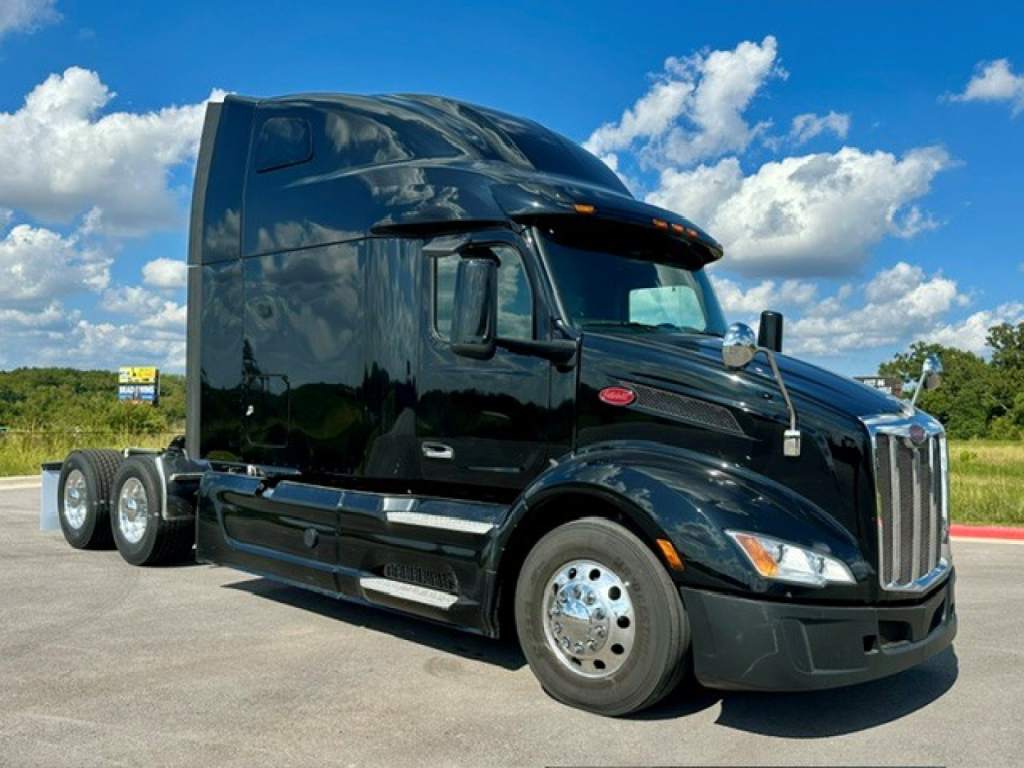
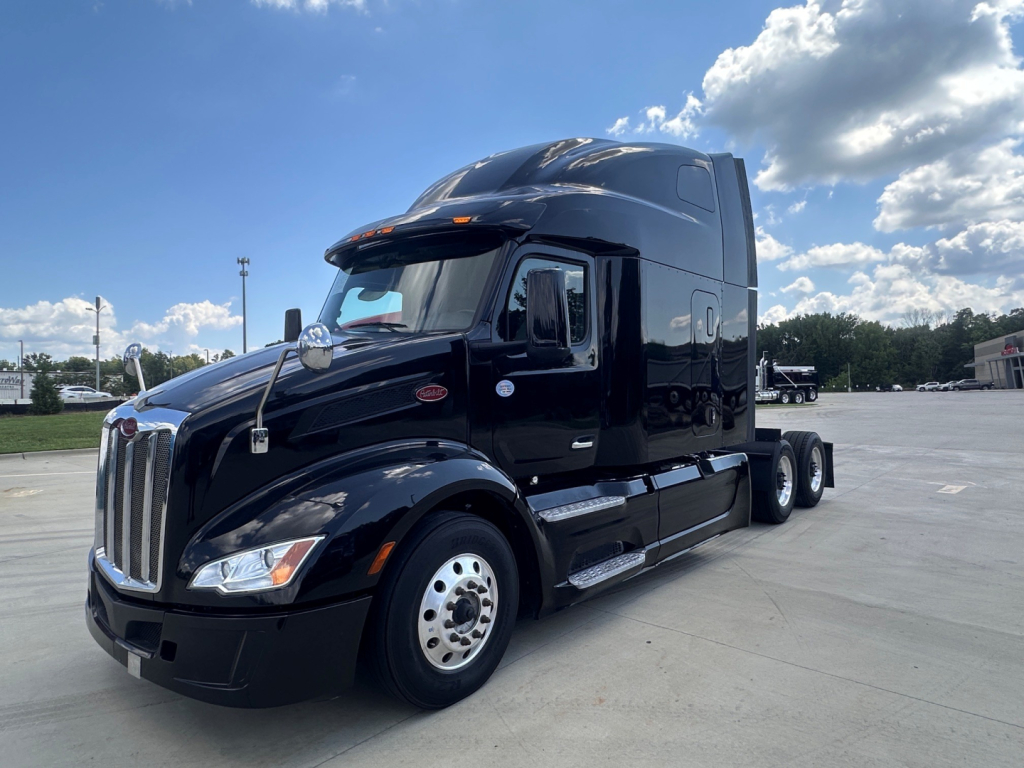
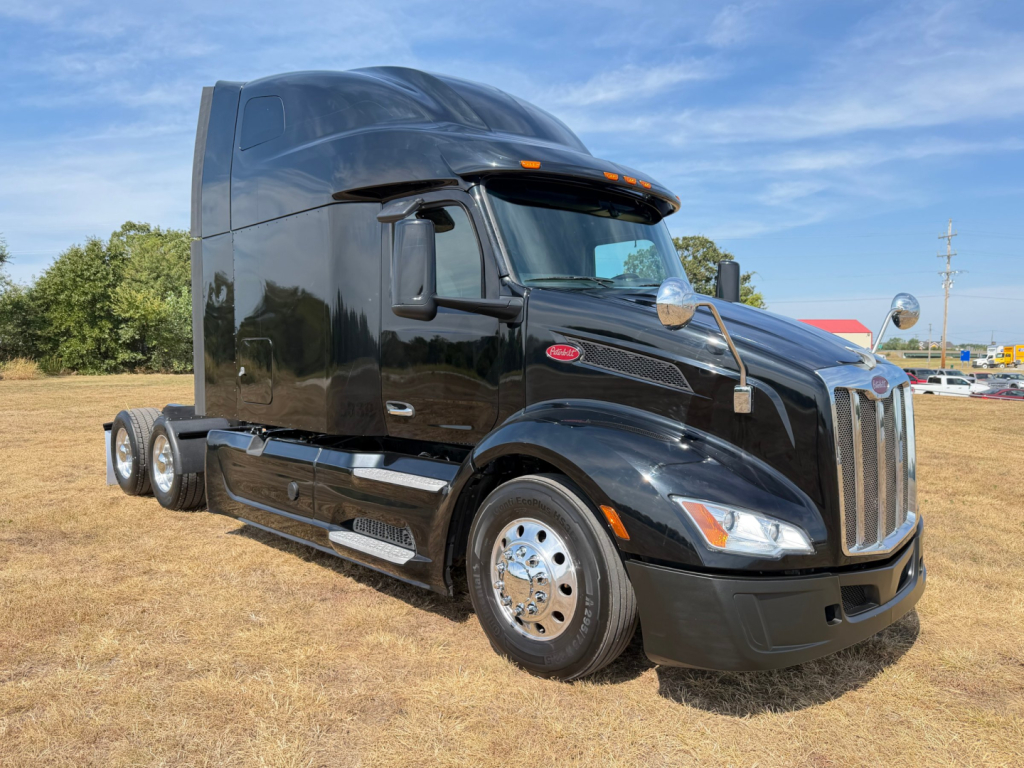
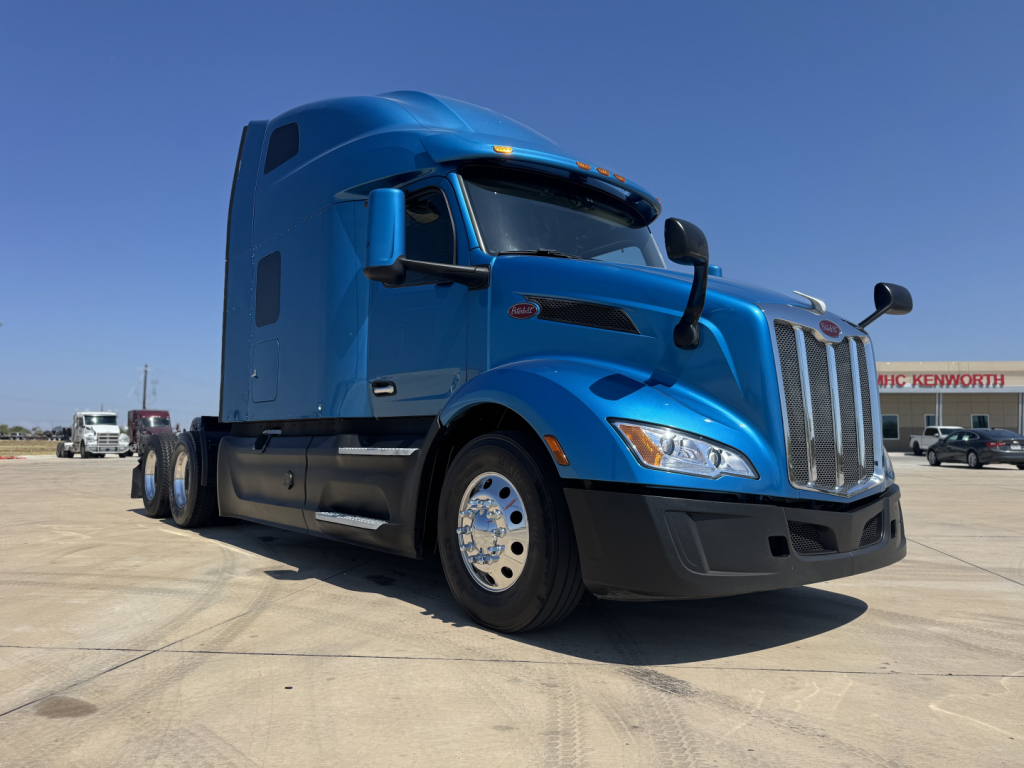
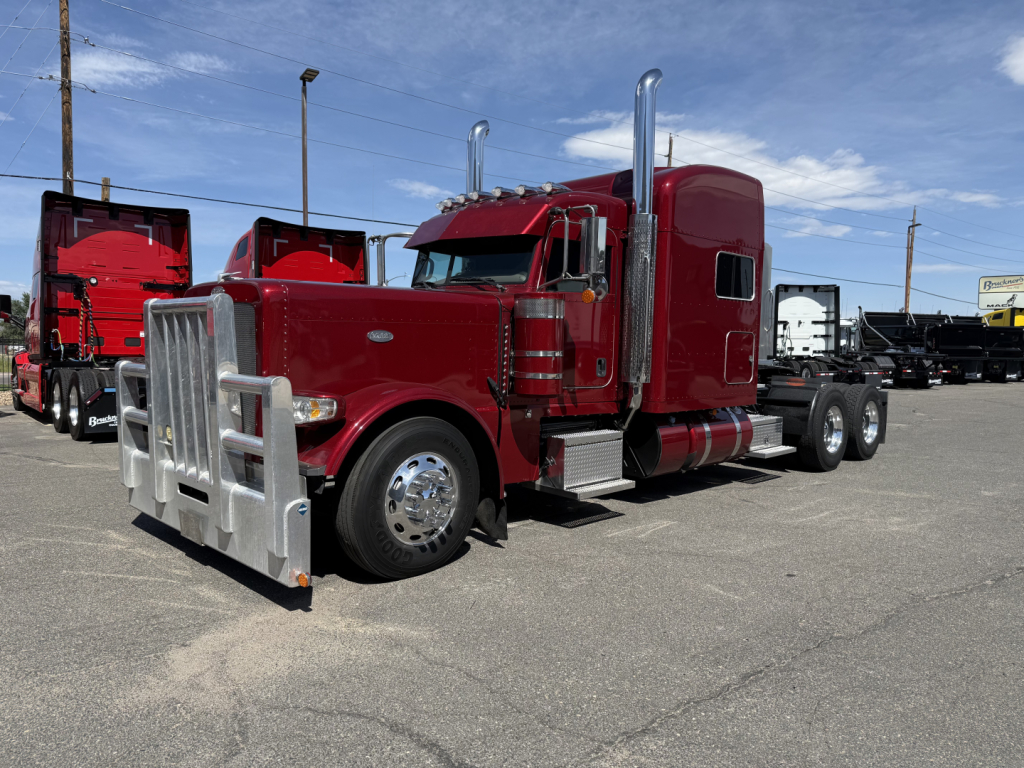

Selling a 2022 peterbilt conventional sleeper truck? List your 2022 peterbilt conventional sleeper truck for sale and reach thousands of commercial buyers.
2022 Peterbilt Conventional Sleeper Trucks
Powertrain is the first filter. Most 2022 Peterbilt sleeper specs in the market use either a Cummins X15 or a PACCAR MX-13, usually paired with an automated manual transmission such as the Eaton Endurant or a PACCAR automated gearbox. Horsepower commonly falls in the 400 to 500 hp range, with torque and rear axle ratio chosen for lane speed, fuel economy, and gross combination weight. A buyer pulling general dry van or refrigerated freight may prefer a taller highway gear like 2.64 to 2.85, while heavier or more mixed-route applications may justify a deeper ratio. Front axle ratings around 12,000 to 13,200 pounds and 40,000-pound rears are common, along with air ride suspension, disc or drum brake setups, and wheelbases that often land in the 228 to 240 inch range depending on sleeper size and tank configuration.
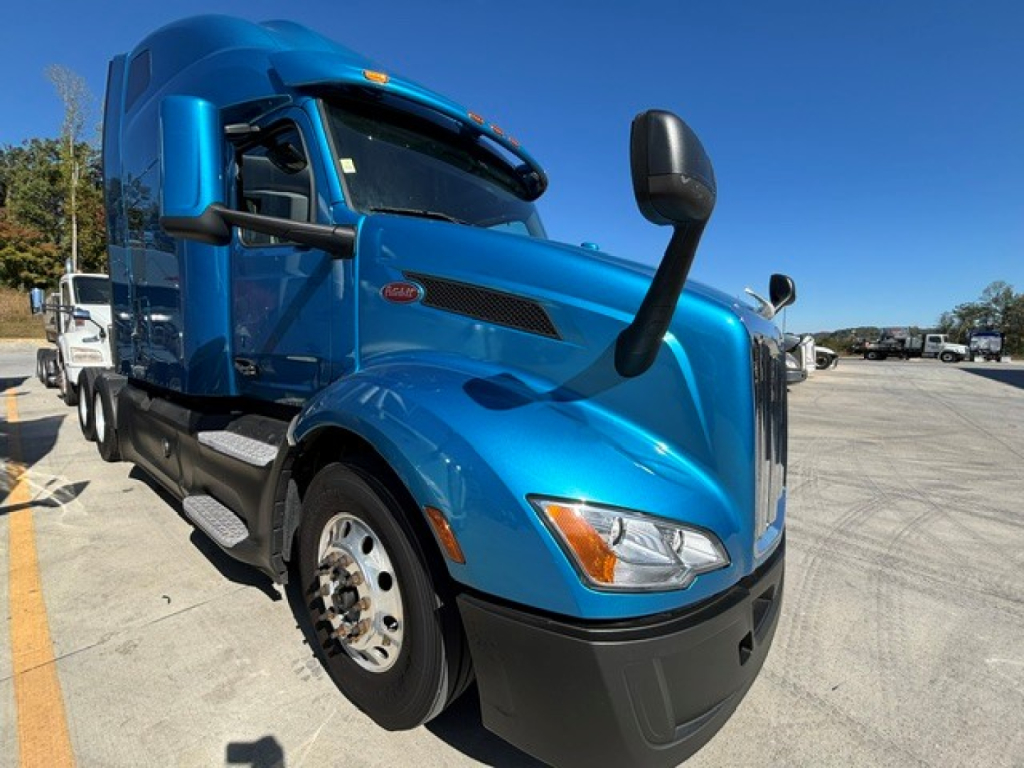
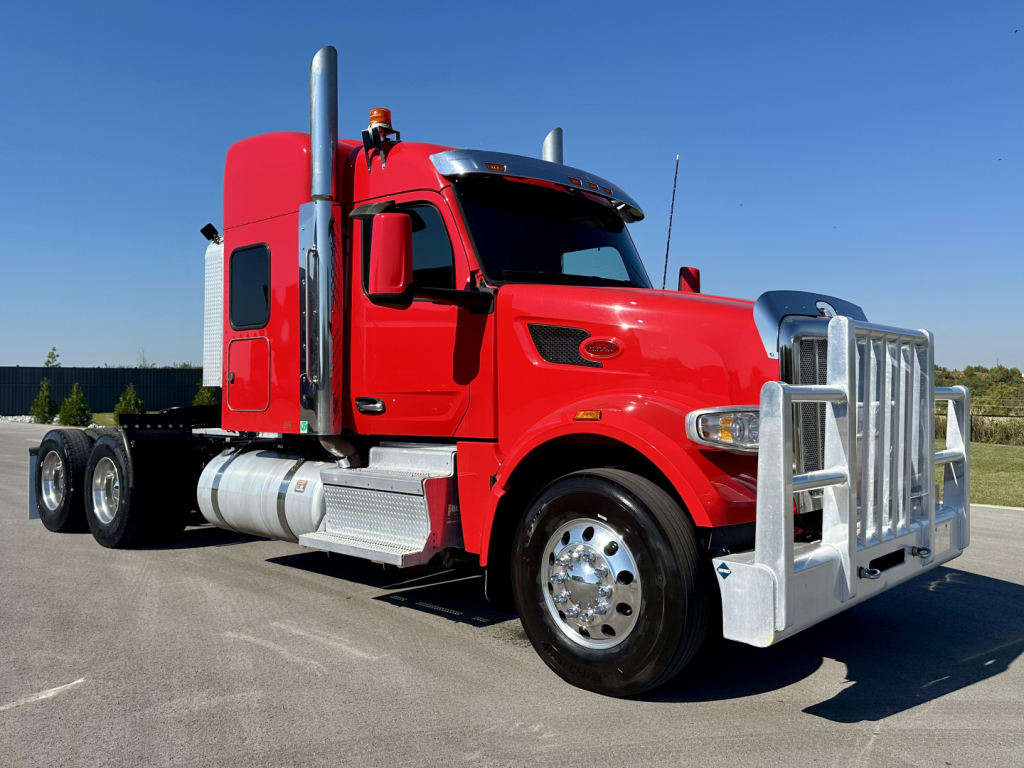
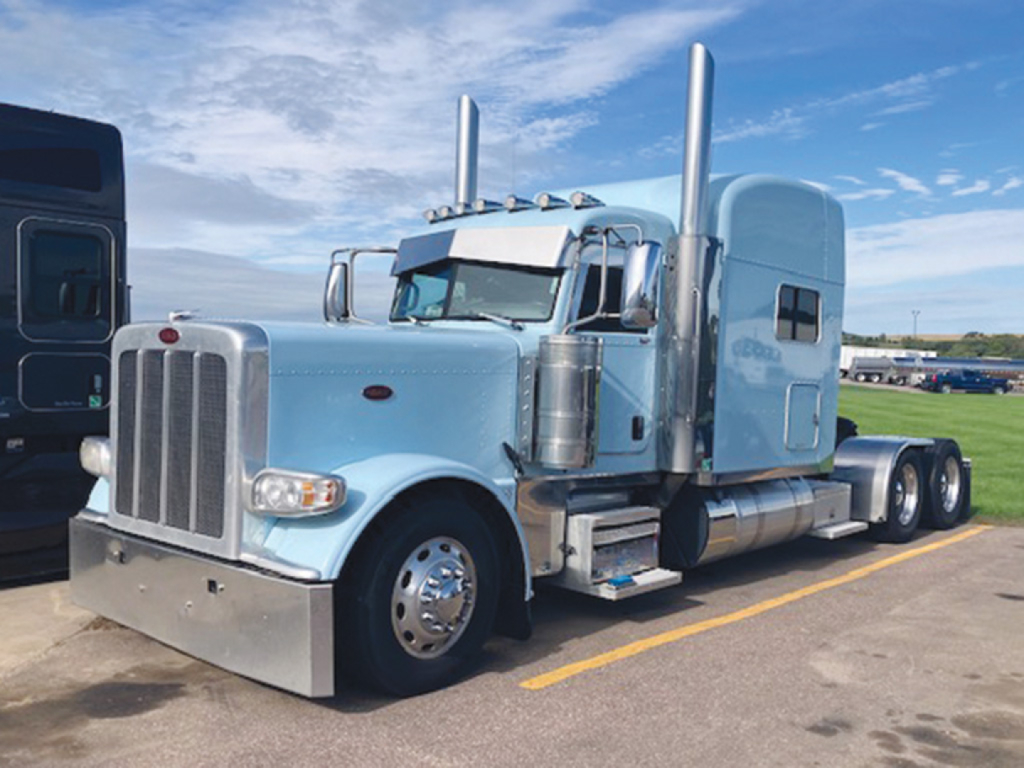
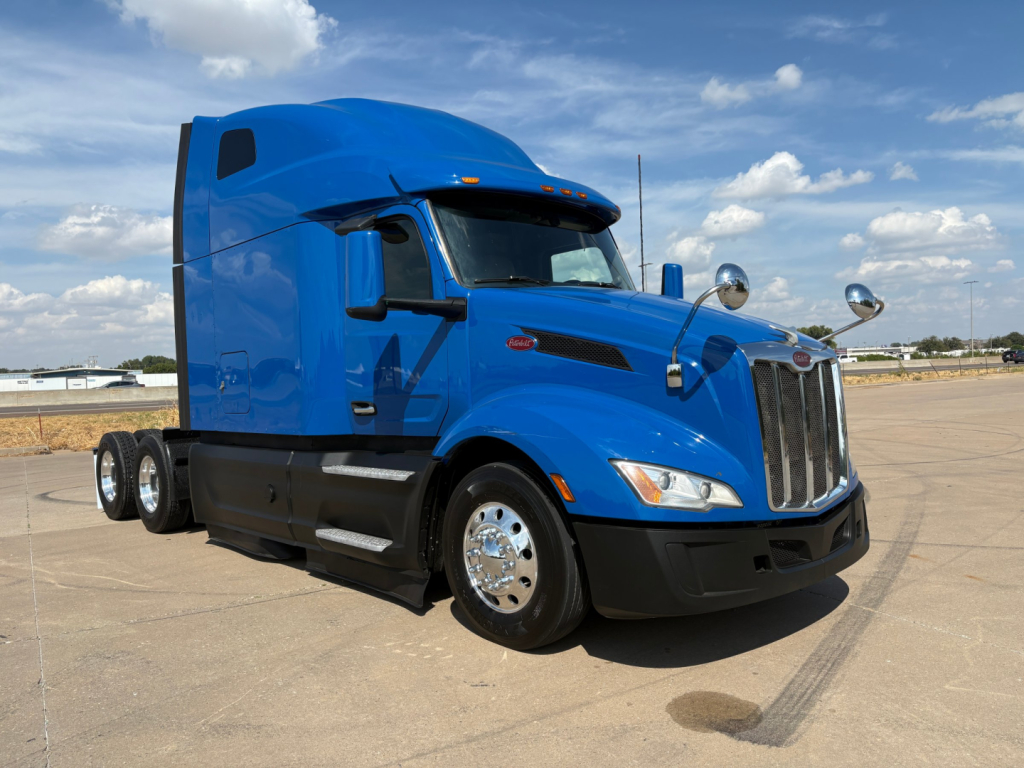
The sleeper itself deserves close attention because it affects payload flexibility, driver satisfaction, and resale. Many 2022 Peterbilt conventional sleepers are equipped with 72-inch sleepers, often with features such as a refrigerator, bunk heater, optimized storage, and factory infotainment and telematics integration. Some units include battery-powered APUs or hotel-load systems that reduce engine idling and can help with compliance in stricter idle-control regions. Buyers should also check for practical spec details like tank capacity, fairing condition, fifth wheel travel, tire spec, and whether the truck has low air leaf or another suspension package that fits the intended freight lane. If the truck will run team operations or extended over-the-road cycles, interior layout and HVAC performance matter almost as much as engine spec.
When comparing 2022 Peterbilt sleeper trucks, focus on total operating fit rather than badge alone. Look at engine hours versus odometer miles, maintenance history, emissions aftertreatment service, transmission calibration updates, and any signs of uneven tire wear or alignment issues. A clean aero truck with the right rear ratio, sleeper package, and maintenance record will usually outperform a flashier spec that does not match the work. Peterbilt conventional sleepers also tend to hold strong buyer interest because of cab refinement, dealer support, and broad acceptance in fleet and owner-operator markets. That makes a well-spec'd 2022 model a practical choice for carriers who want a late-model highway tractor with strong resale appeal.
Frequently Asked Questions about 2022 Peterbilt Conventional Sleeper Trucks
What engine options are common in a 2022 Peterbilt conventional sleeper truck?
The most common engines in a 2022 Peterbilt conventional sleeper are the Cummins X15 and the PACCAR MX-13. Both are widely used in highway applications and are typically matched to automated manual transmissions. The right choice depends on your service network preference, fuel economy goals, horsepower target, and familiarity with each platform's maintenance requirements. Buyers should review service records for emissions components, software updates, and any major repairs rather than choosing on name alone.
What sleeper size is most common on a 2022 Peterbilt 579?
A 72-inch sleeper is one of the most common configurations on a 2022 Peterbilt 579. It gives enough room for over-the-road operation without pushing wheelbase too far for general freight applications. Mid-roof and stand-up versions are both common. The best sleeper setup depends on how long the truck stays out, whether it runs solo or team, and how much importance you place on storage, headroom, and hotel-load features like refrigerators or battery APUs.
Is an automated transmission standard on most 2022 Peterbilt sleeper trucks?
Most 2022 Peterbilt conventional sleeper trucks on the used market are equipped with automated manual transmissions. This reflects current fleet buying patterns focused on fuel economy, easier driver onboarding, and reduced clutch-related wear. Manual transmissions still appeal to some buyers, but they are less common in this model year on aerodynamic highway trucks like the 579. A buyer should confirm transmission model, calibration status, and clutch or actuator service history before purchase.
What axle ratio works best for a 2022 Peterbilt sleeper?
The best axle ratio depends on the freight and the terrain. Ratios in the high-2s are common for linehaul and fuel-efficient highway service, especially with downsped powertrains. Heavier freight, mountain work, or more stop-and-go operation may benefit from a deeper ratio. Buyers should match the ratio to tire size, transmission gearing, average gross weight, and target road speed. A ratio that is excellent for a van operation in flat country may be a poor fit for heavier regional hauling.
What should I inspect first on a used 2022 Peterbilt conventional sleeper?
Start with maintenance documentation, engine hours, fault codes, and aftertreatment history. Then inspect tire wear, alignment, brake condition, suspension components, fairings, and sleeper equipment operation. On a late-model aero truck, deferred maintenance can hide behind a clean appearance, so it is important to verify DPF and SCR service, check for coolant or oil leaks, confirm transmission performance under load, and review any telematics or fleet maintenance records that show how the truck was actually operated.