
2022 Conventional Sleeper Trucks For Sale in New York
Browse 2022 conventional sleeper trucks for sale in New York with specs buyers compare most, including sleeper size, engine, transmission, and axle ratio.
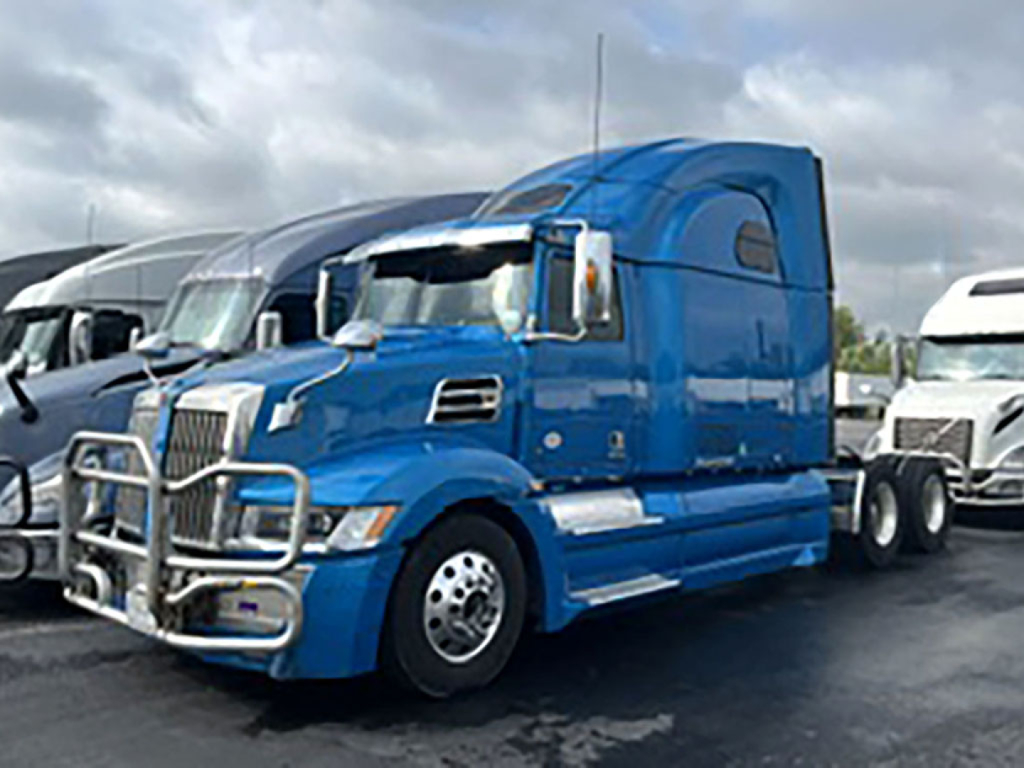

Have 2022 conventional sleeper truck to sell? List it here to reach thousands of buyers.
2022 Conventional Sleeper Trucks in New York
Most 2022 conventional sleepers on the market are built around proven 12.8L to 15L diesel platforms such as the Detroit DD15, Cummins X15, Volvo D13, or PACCAR MX-13, typically paired with automated manual transmissions. Horsepower often falls in the 400 to 500 hp range, with rear axle ratings around 40,000 pounds and ratios commonly selected for fuel economy and cruise speed. Buyers should compare wheelbase, fifth wheel setup, tank capacity, and suspension type as closely as they compare make and model. A truck with an air slide fifth wheel, air ride suspension, and a fuel-efficient rear ratio can be a strong general freight spec, while a shorter wheelbase and different gearing may make more sense for Northeast regional work with frequent docking and tighter turns.
The sleeper itself deserves a hard look because it affects uptime and resale, not just driver comfort. Common features in this category include upper bunks, bunk heaters, refrigerators, inverters, storage cabinets, and full fairing packages. Safety and productivity systems became more common by 2022, including collision mitigation, lane departure warning, adaptive cruise, and tire pressure monitoring on some specs. Buyers should also review brake type, emissions service history, idle reduction equipment, and the condition of wear items such as tires, shocks, batteries, and aftertreatment components. On a late-model sleeper, software updates, fault history, and documented maintenance can matter as much as visible condition.
For New York buyers, the best 2022 conventional sleeper is usually the one with a spec that matches freight network and operating cost targets. A long-haul aerodynamic tractor with a 72-inch or 80-inch sleeper may suit interstate runs and team service, while a 60-inch to 70-inch sleeper can be a practical middle ground for regional carriers that still want overnight capability. Focus on payload needs, loaded terrain, idle time, and annual miles before comparing badge preference alone. When the engine, transmission, ratio, and sleeper package are aligned with the job, a 2022 conventional sleeper can deliver a strong mix of fuel economy, driver acceptance, and lifecycle value.
Frequently Asked Questions about 2022 Conventional Sleeper Trucks in New York
What should I look for first when buying a 2022 conventional sleeper truck?
Start with the truck's intended duty cycle, then match the powertrain and sleeper to that use. Engine make, horsepower, transmission type, rear axle ratio, wheelbase, and sleeper size have a direct effect on fuel economy, maneuverability, and driver comfort. A good 2022 sleeper should also be checked for emissions system history, fault codes, service records, brake and tire condition, and any driver-assist features that matter to your operation.
What sleeper size is most common on a 2022 conventional sleeper tractor?
Many 2022 conventional sleepers fall in the 60-inch to 80-inch range. A 60-inch to 72-inch sleeper is common for regional and solo over-the-road work because it balances living space with a manageable wheelbase. An 80-inch raised-roof sleeper is more common in long-haul applications where storage, stand-up room, and team-driver accommodations are a priority.
Are automatic transmissions standard on 2022 conventional sleeper trucks?
Automated manual transmissions are very common in 2022 model year sleeper tractors and, in many fleets, effectively became the standard spec. They help with fuel economy consistency, reduce driver fatigue, and can improve clutch life compared with traditional manual setups. Buyers should still confirm transmission model, calibration, and maintenance history because shift strategy and drivability vary by engine and rear axle ratio.
Which axle ratio works best for New York and Northeast operation?
There is no single best ratio, but Northeast work often benefits from a balance between low-rpm highway efficiency and enough flexibility for traffic, grades, and stop-and-go operation. Ratios such as 2.64, 2.79, 3.08, or 3.25 may all appear depending on tire size, transmission, and intended speed. The right choice depends on freight weight, cruise speed, terrain, and how much urban or regional work the truck handles.
Why does maintenance history matter so much on a 2022 sleeper truck?
By 2022, these trucks had complex emissions systems, integrated electronics, and advanced safety features that depend on proper service and software support. A documented history of oil changes, valve adjustments, aftertreatment service, transmission service, and cooling system work helps verify how the truck was operated and maintained. Clean records can also reduce the risk of expensive downtime tied to DPF, SCR, turbocharger, sensor, or electrical issues.