
Used Volvo Conventional Daycab Trucks For Sale
Shop used Volvo conventional daycab trucks with D11 or D13 power, I-Shift or manual transmissions, and specs suited for regional and vocational work.
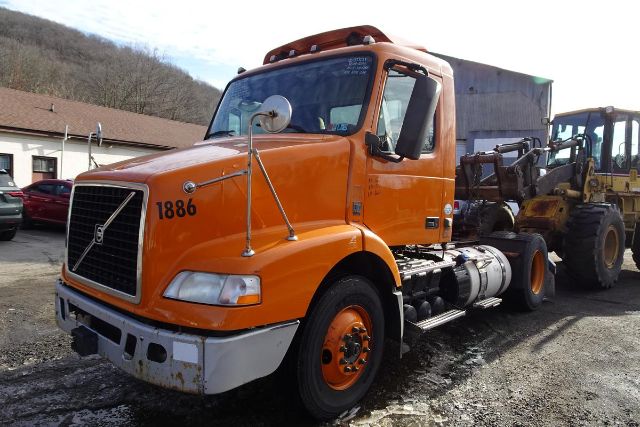
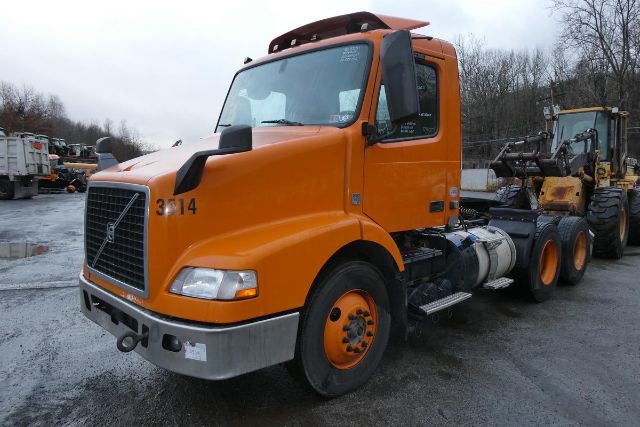
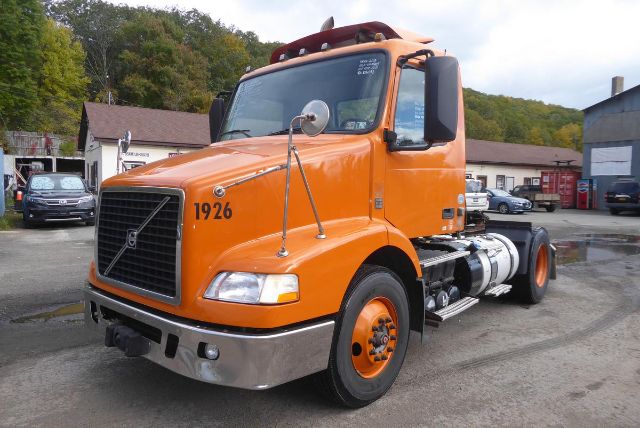
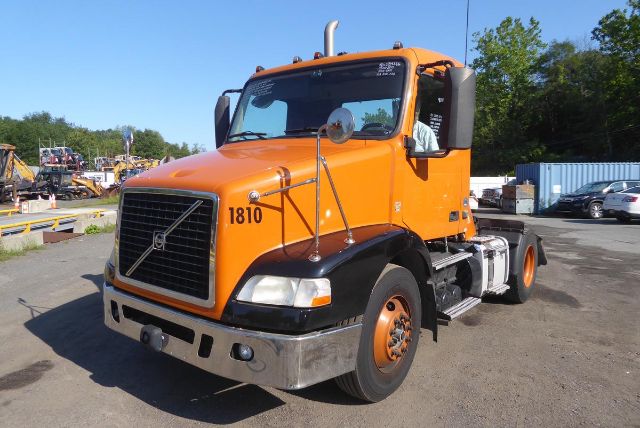
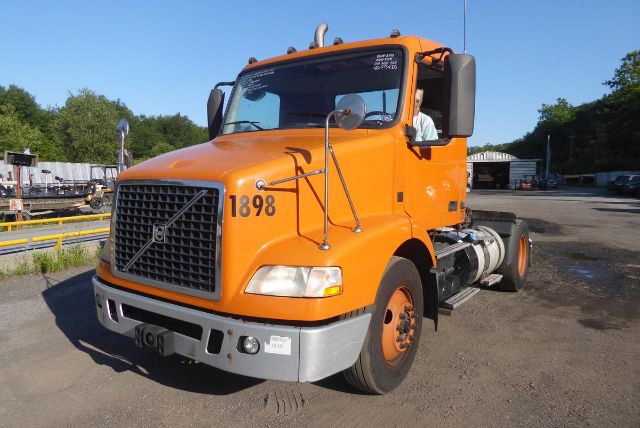
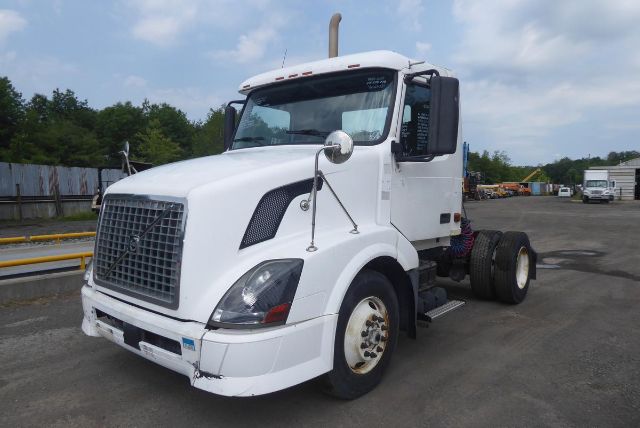
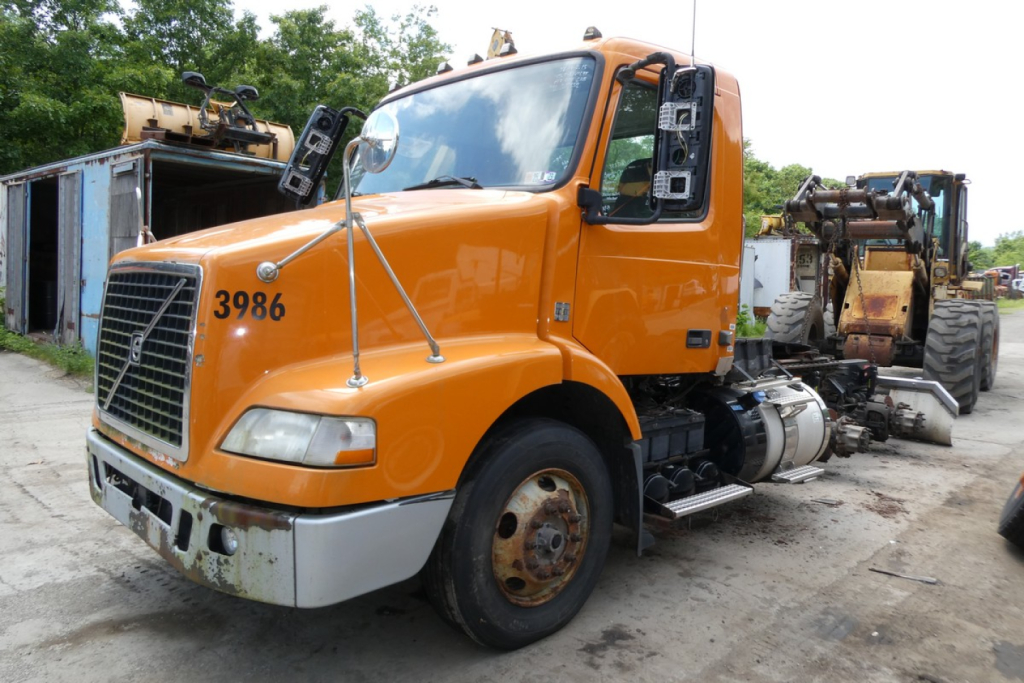
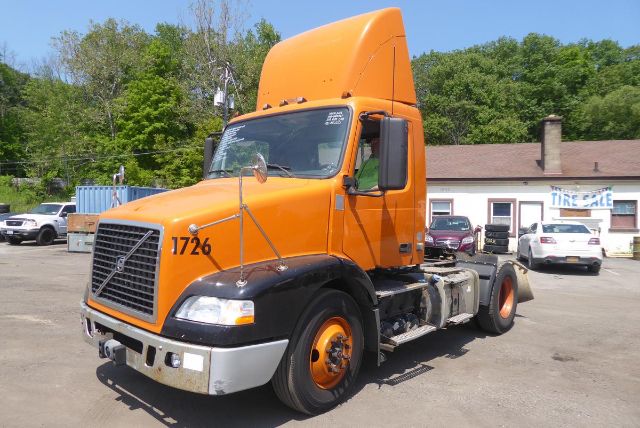
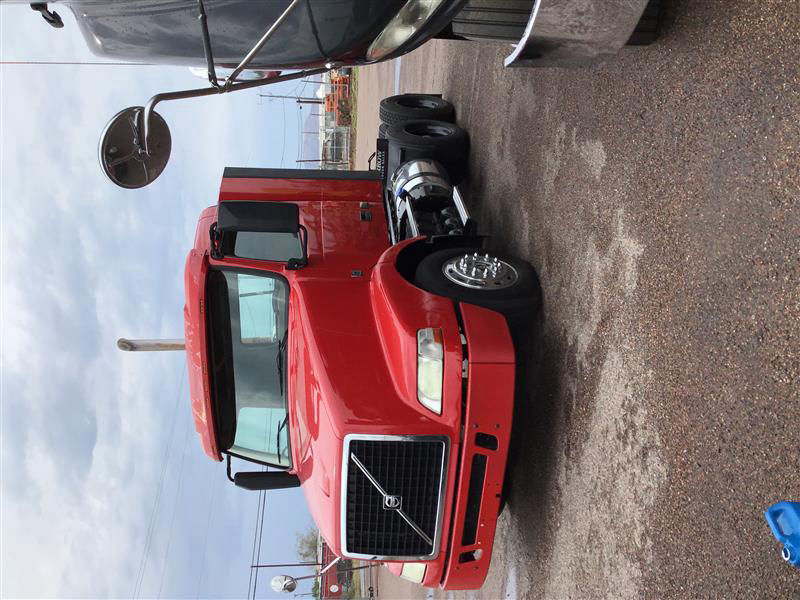
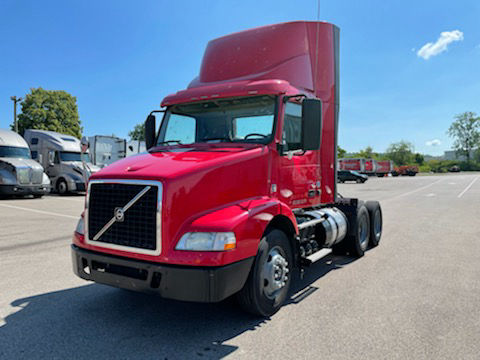

Showing 57 to 71 of 71 results
Selling a used volvo conventional daycab truck? List your used volvo conventional daycab truck for sale and reach thousands of commercial buyers.
Used Volvo Conventional Daycab Trucks
Powertrain choice is one of the biggest buying decisions. Many used Volvo daycab trucks are equipped with Volvo D11 or D13 engines, typically in the mid-300 to mid-400 horsepower range. The D11 is often favored for weight savings and regional fuel economy, while the D13 is more common when buyers need higher torque, heavier GCWR capability, or demanding start-stop service. Transmissions in this category often include Volvo I-Shift automated manuals or Fuller manual gearboxes. I-Shift trucks are popular in fleet and urban operations because they reduce driver fatigue and can help with fuel consistency, while manual transmissions still appeal to buyers who want simplicity, direct control, or compatibility with certain duty cycles. Rear axle ratios such as 2.47, 2.64, 3.42, or even deeper vocational gears like 4.89 tell you a lot about intended use, cruising speed, and startability.
Chassis specs deserve close attention because daycab listings can look similar at a glance but perform very differently in service. Buyers should compare wheelbase, cab-to-axle, frame type, suspension, and axle ratings before focusing on cosmetics. A regional road tractor may carry a 12,000-pound front axle, 40,000-pound rears, air ride suspension, air slide fifth wheel, disc brakes, and aerodynamic fairings for fuel economy. A vocational Volvo VHD daycab may have double frame rails, a 20,000-pound front axle, tridem rears, high numerical gearing, and a much longer or more specialized wheelbase. Brake type is also worth checking. Air disc brakes are common on newer Volvo daycabs and can improve stopping feel, maintenance access, and brake performance in repeated stop-and-go work. Tire setup, including low-profile rubber or super singles, also affects operating cost and intended route profile.
On a used Volvo daycab, the smart buyer looks beyond odometer miles and studies engine hours, maintenance history, emissions status, and cab condition. ECM miles compared with dash miles can help confirm usage, and high idle hours may matter as much as total mileage in local service. Check DEF and aftertreatment service records, clutch history on manual units, I-Shift calibration and driveline behavior on automated trucks, suspension wear, and fifth wheel condition. Volvo daycabs have a solid reputation for comfort and productivity, but the right truck is the one matched to the lane. A short-wheelbase VNM or VNR may be ideal for city turns and dock work, while a VHD or heavier-spec VNR daycab is better suited to dense payloads, PTO-related jobs, or tougher vocational routes.
Frequently Asked Questions about Used Volvo Conventional Daycab Trucks
What is the difference between a Volvo VNR, VNM, and VHD daycab?
The VNR is generally Volvo’s regional haul platform, designed for highway efficiency, maneuverability, and driver comfort in shorter-haul service. The VNM is a compact conventional often seen in regional or local applications where a shorter BBC and tighter turning radius are useful. The VHD is Volvo’s heavier vocational model, built for more demanding work with options like heavier front axles, double frames, tridem setups, and deeper rear axle ratios. The right choice depends on whether the truck will spend most of its time on fuel-sensitive highway routes or in severe-duty service.
Is the Volvo I-Shift a good transmission choice in a used daycab?
In many operations, yes. The Volvo I-Shift is widely used in regional and local fleet service because it helps reduce driver fatigue, supports more consistent shifting, and can improve fuel economy compared with inconsistent manual driving habits. On a used truck, the key is condition and service history. Buyers should pay attention to clutch engagement, shift quality under load, fault codes, software updates, and any history of driveline or transmission repairs. A well-maintained I-Shift can be a strong asset in stop-and-go and multi-driver applications.
What horsepower and axle ratio work best for a used Volvo daycab?
That depends on route profile, gross combination weight, and duty cycle. A D11 or lower-horsepower D13 with a faster ratio such as 2.47 or 2.64 is common in regional highway service where fuel economy and cruising efficiency matter most. A 3.42 ratio or deeper can make more sense for heavier loads, frequent starts, hilly terrain, or city service. Vocational trucks may use much deeper ratios such as 4.89 to improve low-speed pulling power. Buyers should match horsepower, torque, transmission, and rear ratio as a package rather than choosing any one number in isolation.
What should I inspect first on a used Volvo daycab truck?
Start with the truck’s intended application and verify that the chassis spec supports it. Confirm axle ratings, wheelbase, frame configuration, suspension type, and fifth wheel setup before reviewing cosmetic items. Then check engine hours, ECM data, maintenance records, emissions system history, brake type and wear, tire condition, and any signs of frame or suspension fatigue. On road tractors, aerodynamic equipment and fuel tank capacity matter. On vocational units, look closely at frame reinforcement, steering components, and evidence of heavy-load use.
Are Volvo daycab trucks good for local and regional fleets?
Yes. Volvo daycabs are commonly used in dedicated regional lanes, LTL support, drayage, private fleet work, and local delivery because they combine a comfortable cab with efficient engine and transmission options. Their maneuverability, visibility, and available safety and brake features make them practical for frequent stops and urban driving. The best fleet value usually comes from choosing a truck with the right wheelbase, axle spec, and powertrain for the exact duty cycle rather than simply choosing the newest model year.