
Used 2022 Volvo Conventional Daycab Trucks For Sale
Shop used 2022 Volvo conventional daycab trucks. Compare VNR and VNL specs, D11 and D13 engines, I-Shift transmissions, wheelbases, and axle ratings.
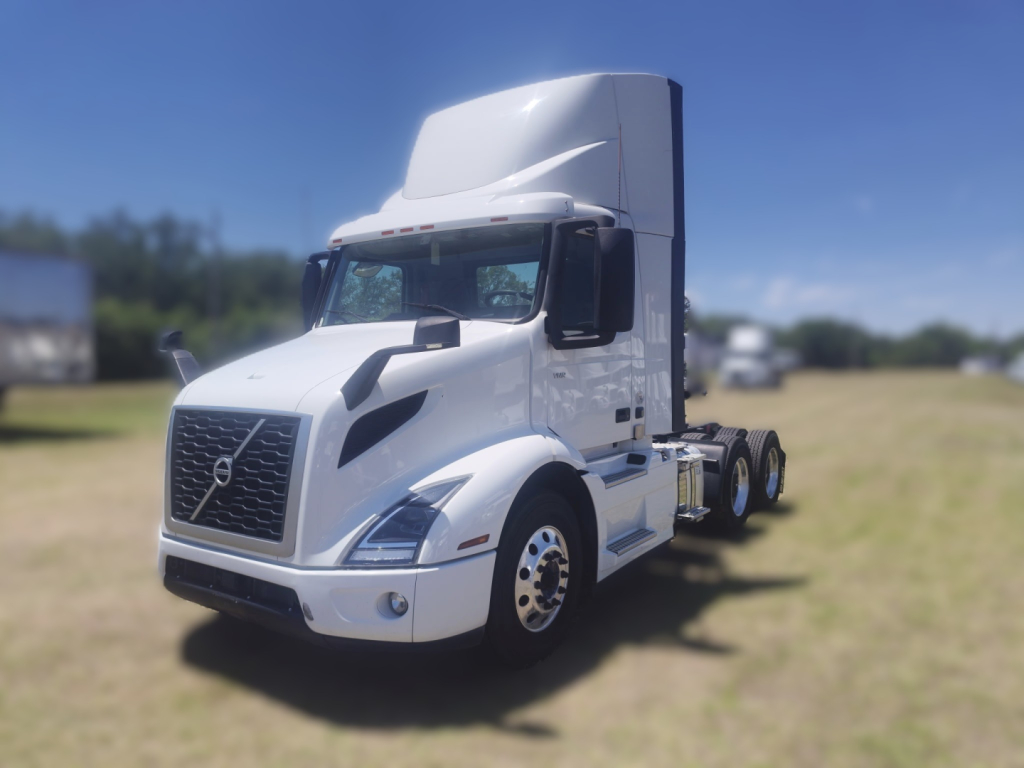
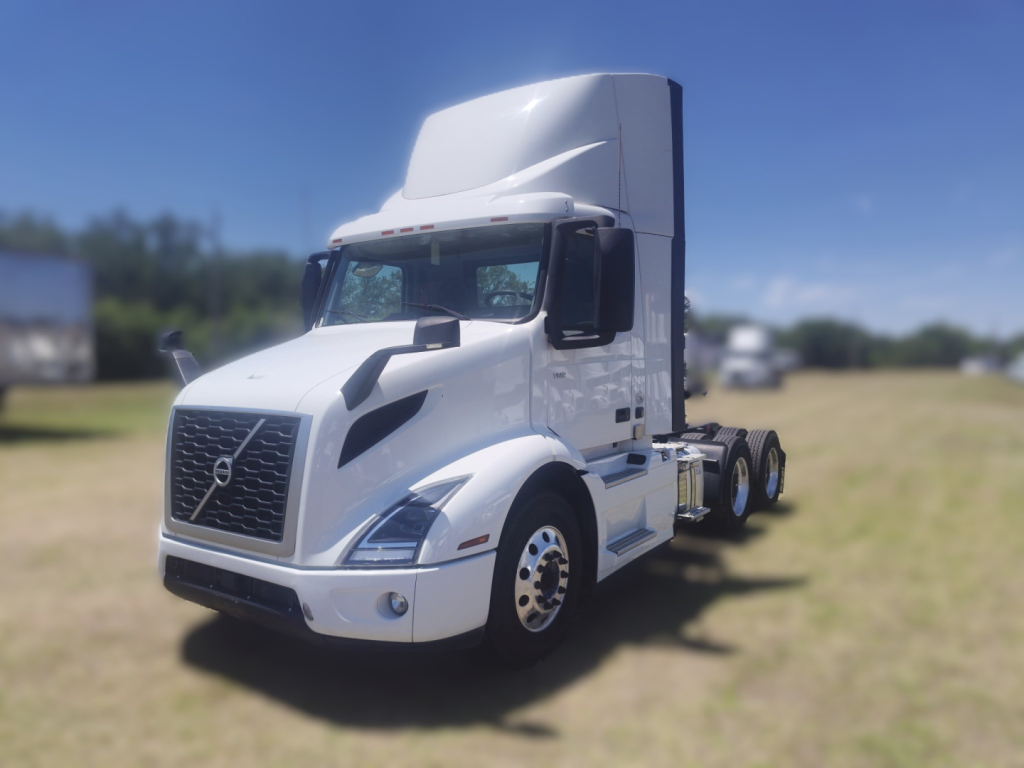
2022 Volvo VNR64T300
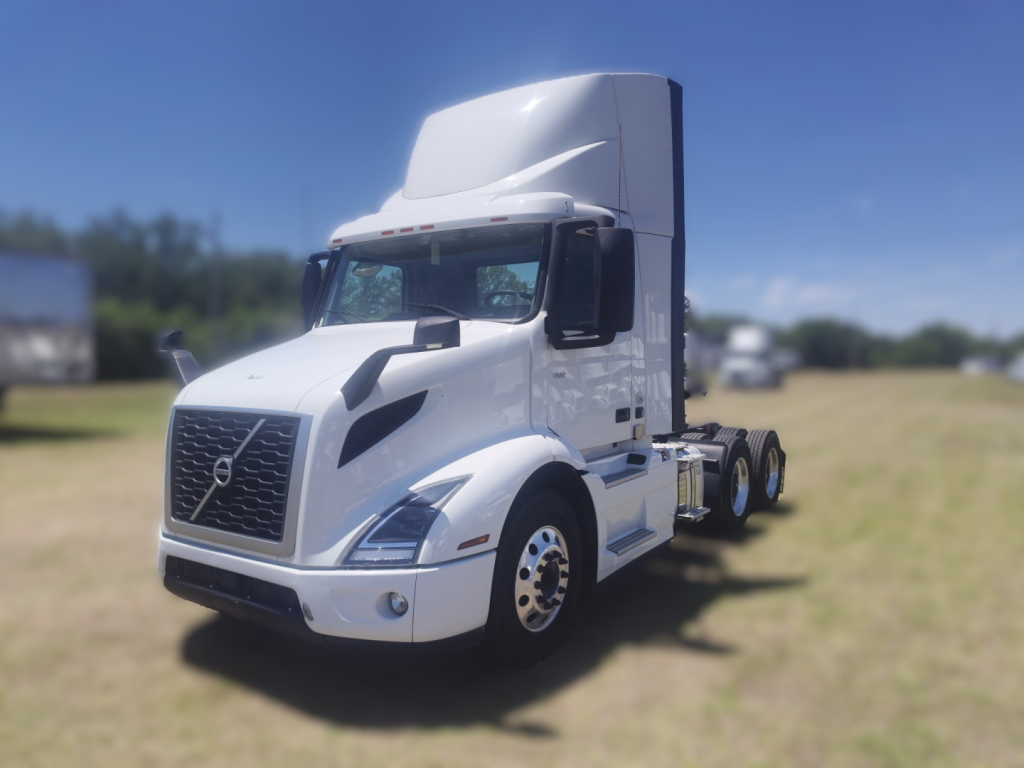
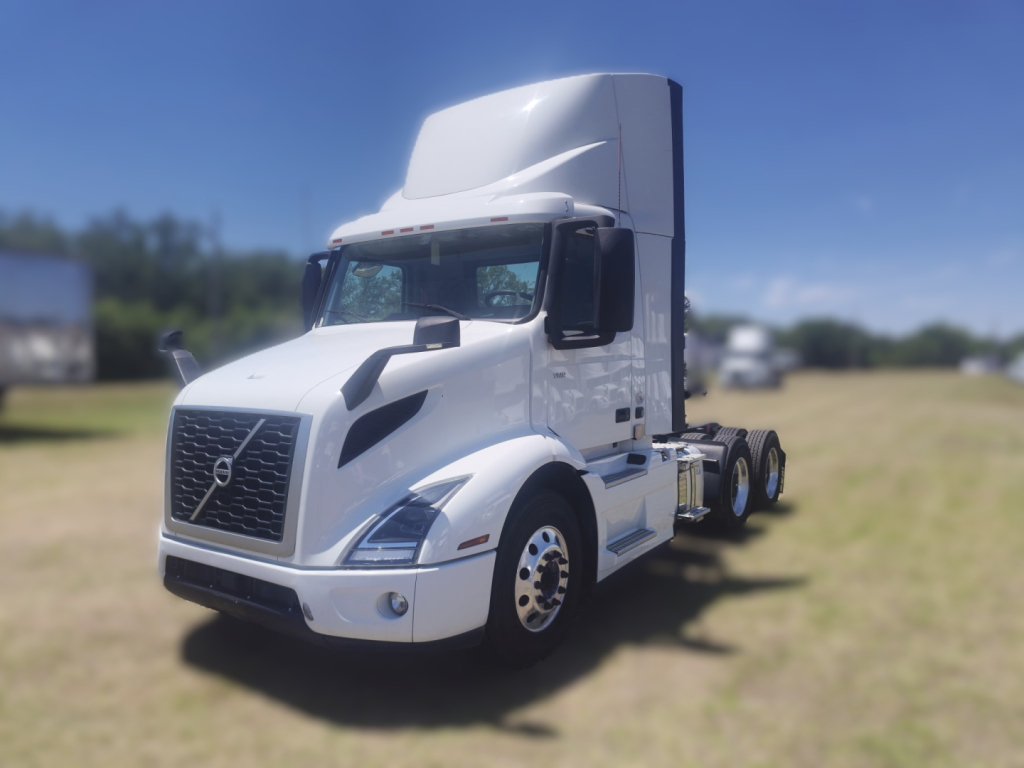
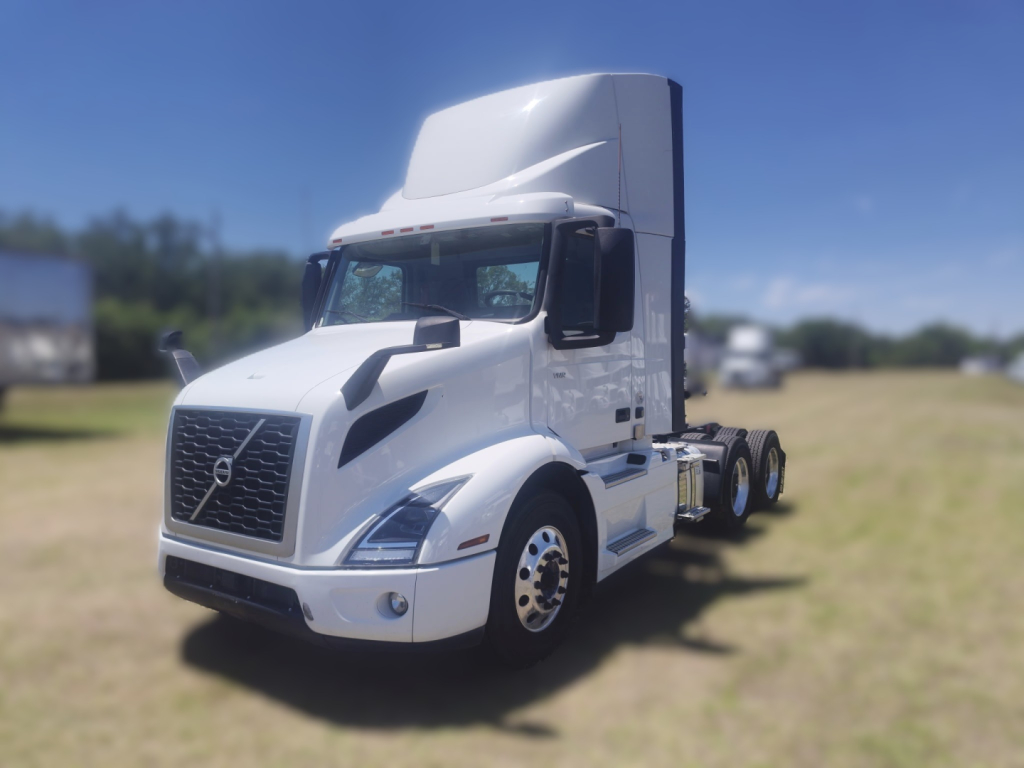
2022 Volvo VNR64T300
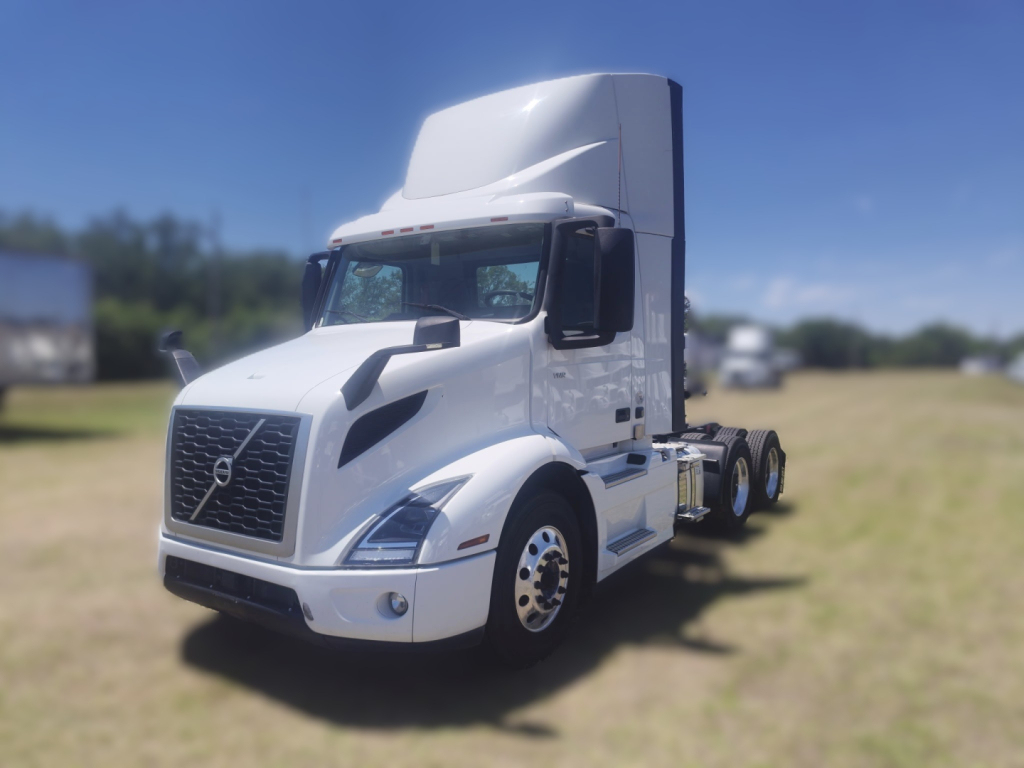
2022 Volvo VNR64T300
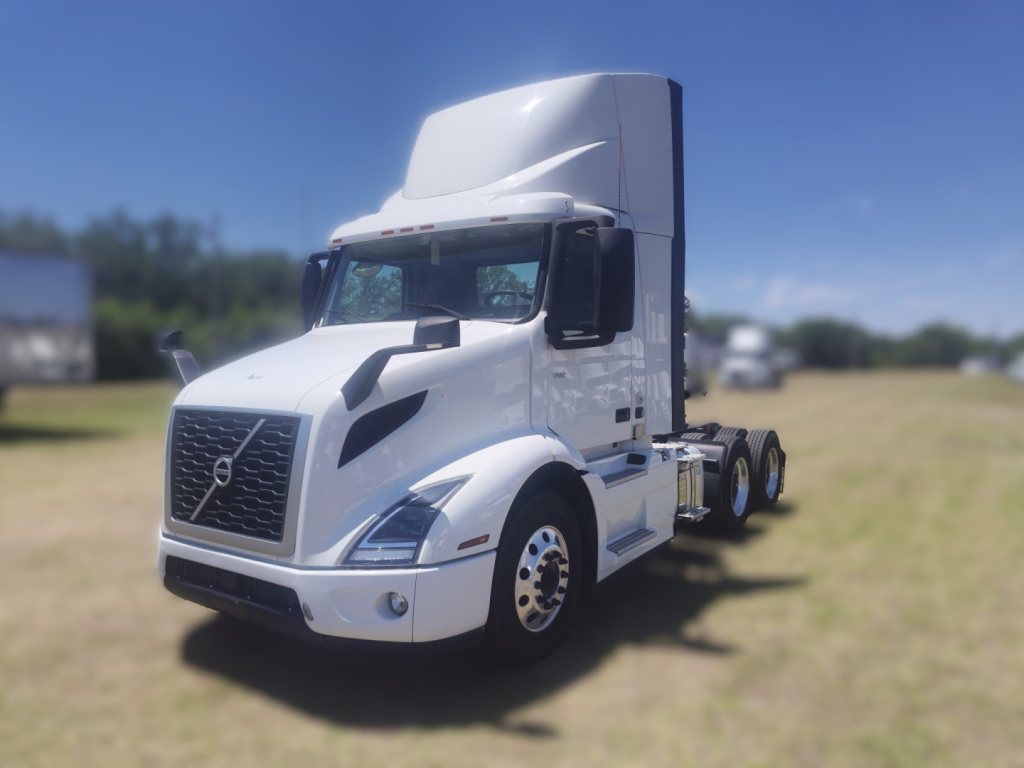
2022 Volvo VNR64T300
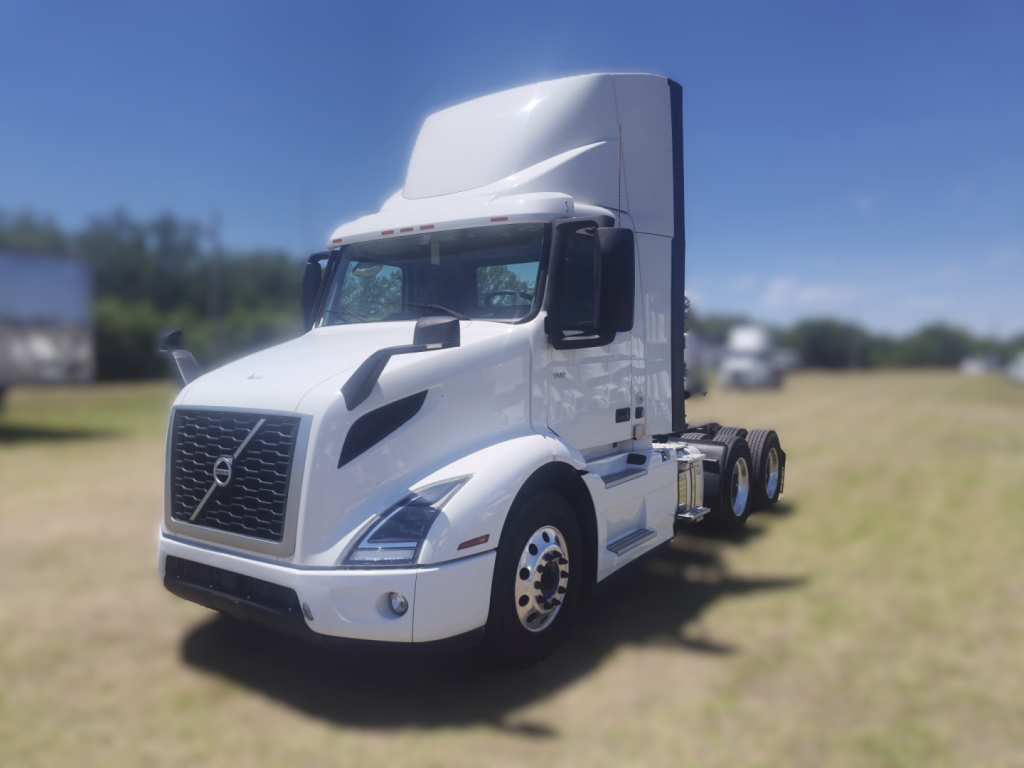
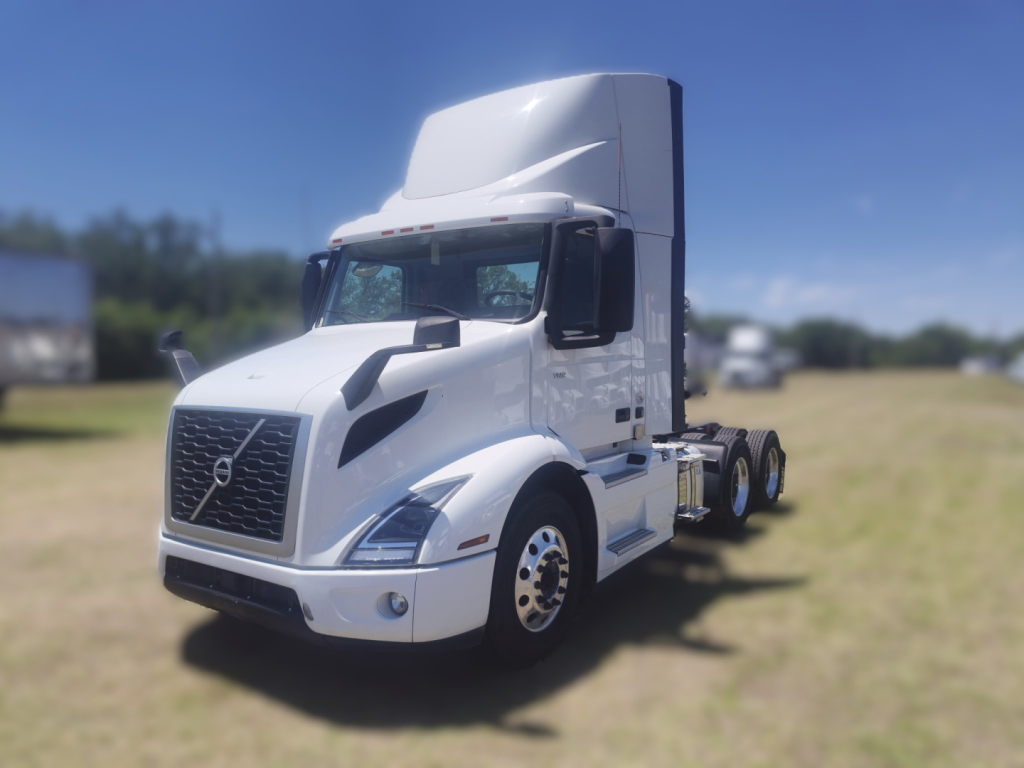
2022 Volvo VNR64T300
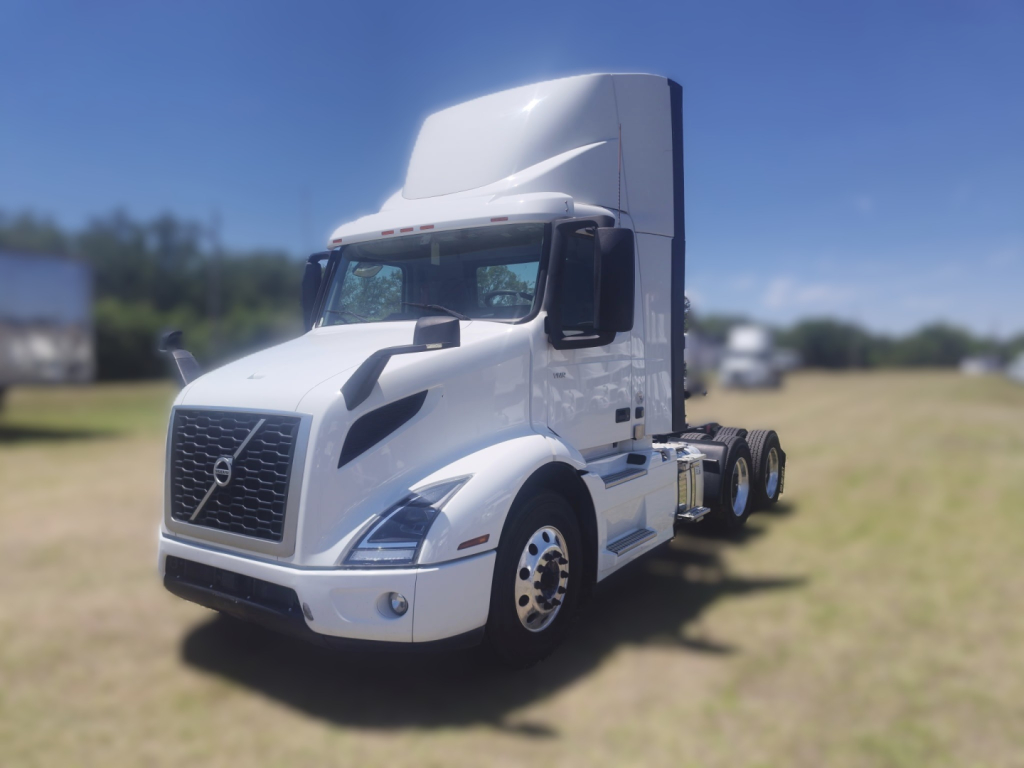
2022 Volvo VNR64T300
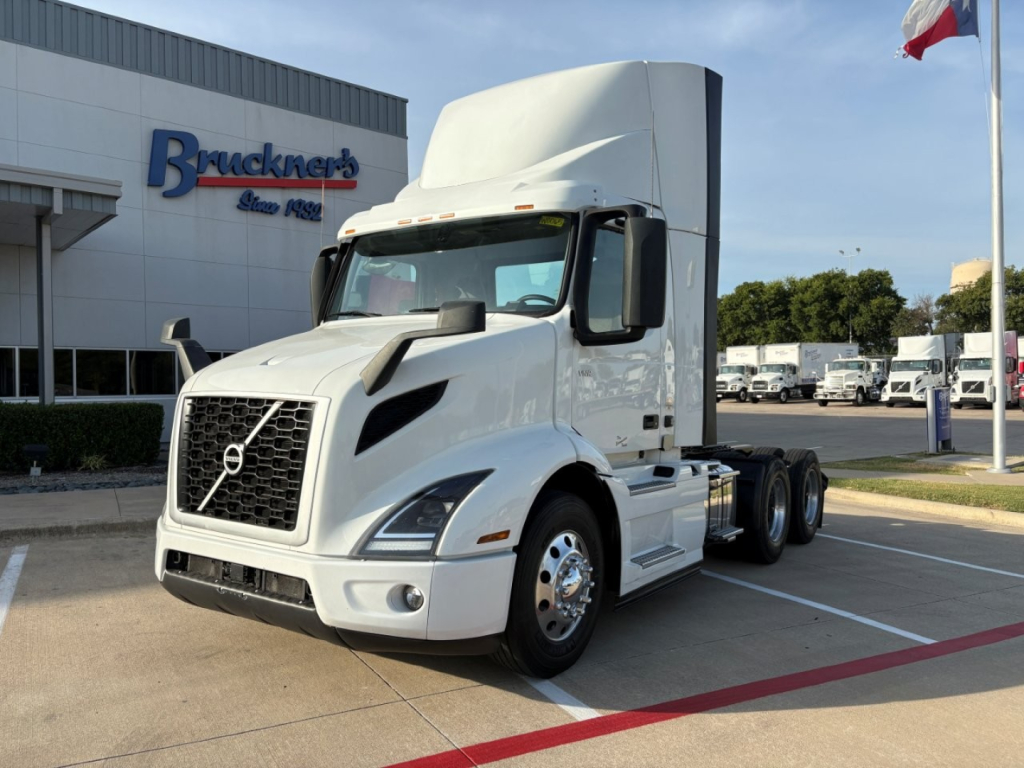
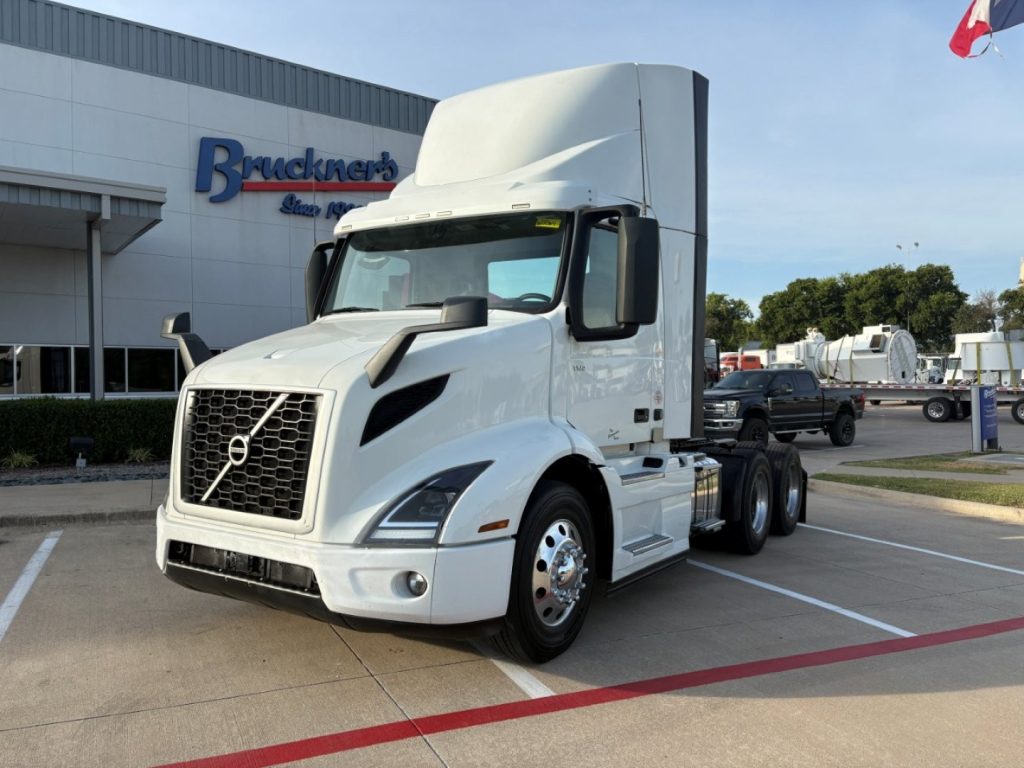
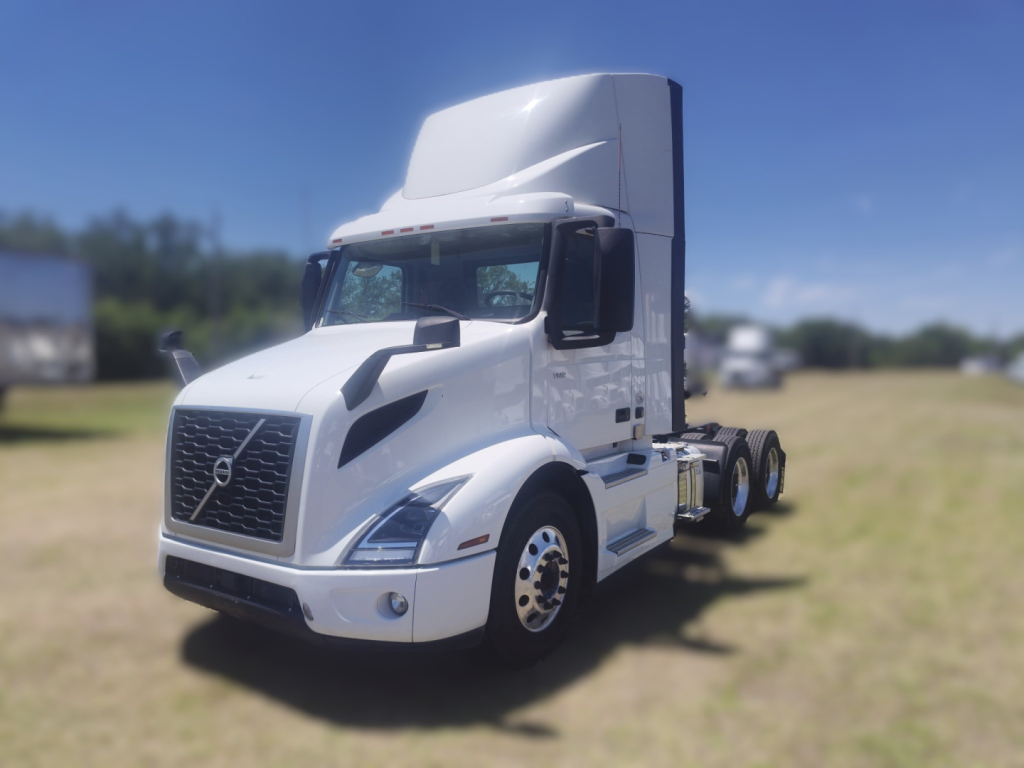
2022 Volvo VNR64T300
2022 Volvo VNR64T300
Selling a used 2022 volvo conventional daycab truck? List your used 2022 volvo conventional daycab truck for sale and reach thousands of commercial buyers.
Used 2022 Volvo Conventional Daycab Trucks
The core spec decision usually starts with engine, transmission, and axle ratio. Many 2022 Volvo daycabs are equipped with a Volvo D11 or D13 diesel, often paired with the Volvo I-Shift automated manual transmission. The D11 fits weight-sensitive and regional applications well, while the D13 is common when higher horsepower, better gradeability, or heavier gross combination weights are part of the job. Rear axle ratings often land in the 23,000 to 40,000 pound range depending on intended use, and ratios such as 2.64, 2.79, or 3.08 can materially change fuel economy and launch performance. Buyers should match wheelbase, fifth wheel type, and suspension setup to the trailer mix, especially if the truck will handle mixed dry van, reefer, container, or occasional heavy local work.
Volvo daycabs are known for a driver-friendly cab layout, strong visibility, and a chassis that can be spec'd for both fuel efficiency and durability. Common features in this category include air ride suspension, air disc brakes, engine brake, aluminum fuel tanks, roof fairings, cab extenders, low-profile 22.5 tires, and sliding or stationary fifth wheels. A shorter wheelbase improves turning radius for dock work and urban lanes, while a longer wheelbase can help stability and bridge law flexibility depending on the operation. On used 2022 trucks, pay close attention to service history, idle hours, aftertreatment maintenance, tire wear patterns, brake life, and whether software updates and emissions repairs were handled on schedule. On I-Shift trucks, clutch and calibration history matter, even though the transmission is generally well regarded.
A good 2022 Volvo conventional daycab should be evaluated as a total operating package, not just by mileage and horsepower. Look at front axle capacity, suspension type, frame configuration, and fuel capacity in relation to the routes the truck will actually run. If the truck is intended for slip-seat regional work, cab condition, seat wear, HVAC performance, and steering wheel controls matter more than buyers sometimes expect. If it will spend time in ports, terminals, or LTL-style city service, turning radius, bumper-to-back-of-cab dimensions, and visibility can be more important than maximum tank size. Volvo daycabs remain a practical choice for buyers who want a modern non-sleeper conventional truck with efficient powertrain options, strong safety integration, and specs that can be tailored closely to the lane.
Frequently Asked Questions about Used 2022 Volvo Conventional Daycab Trucks
What is the difference between a Volvo VNR daycab and a Volvo VNL daycab?
The Volvo VNR is typically the more regional-focused platform, with dimensions and aerodynamics aimed at city-to-city freight, tighter terminals, and shorter average length of haul. A Volvo VNL daycab can overlap in application, but it is often associated with highway-oriented specs and may be configured for longer regional runs. The right choice depends on wheelbase, axle ratings, and how much time the truck will spend in urban maneuvering versus open-road operation.
Is the Volvo I-Shift a good transmission in a used 2022 Volvo daycab?
The Volvo I-Shift is widely accepted in regional and linehaul service because it shifts consistently, helps reduce driver fatigue, and is usually calibrated well to Volvo engines. On a used 2022 truck, the key is not just that it has an I-Shift, but that the clutch wear, software updates, and service records support the truck’s condition. A road test should confirm smooth engagement, no harsh shifts under load, and proper performance in reverse, low-speed docking, and grade changes.
Which engine is better in a Volvo daycab, the D11 or the D13?
A Volvo D11 is a strong fit for regional freight where payload matters and the truck does not regularly pull at the top end of combined weight. A Volvo D13 is better suited for heavier trailers, tougher terrain, and applications where higher horsepower and torque are needed more often. Buyers should choose based on route profile, average gross weight, and rear axle ratio rather than horsepower alone.
What should I inspect first on a used 2022 Volvo conventional daycab?
Start with maintenance records, engine hours, fault code history, and aftertreatment service because those items can affect downtime and repair cost more than cosmetic condition. Then inspect tire wear, brake condition, suspension components, frame rails, fifth wheel wear, and signs of collision or corrosion. In the cab, verify HVAC operation, warning systems, infotainment functions, and seat and steering controls, since a regional daycab often sees high driver contact and frequent stop-and-go use.
What wheelbase works best for a Volvo daycab?
A shorter wheelbase generally works best for port service, urban pickup and delivery, and operations with tight dock access because it improves turning radius and maneuverability. A longer wheelbase may be a better fit for higher-speed regional work, certain trailer combinations, and setups where ride quality or weight distribution is more important. The correct wheelbase depends on trailer length, kingpin setting, axle spread, and the amount of tight-area driving in the daily route.