
Used Volvo Conventional Daycab Trucks For Sale in Texas
Browse used Volvo conventional daycab trucks in Texas. Compare VNL specs, sleeper delete configurations, engines, wheelbases, and axle setups.
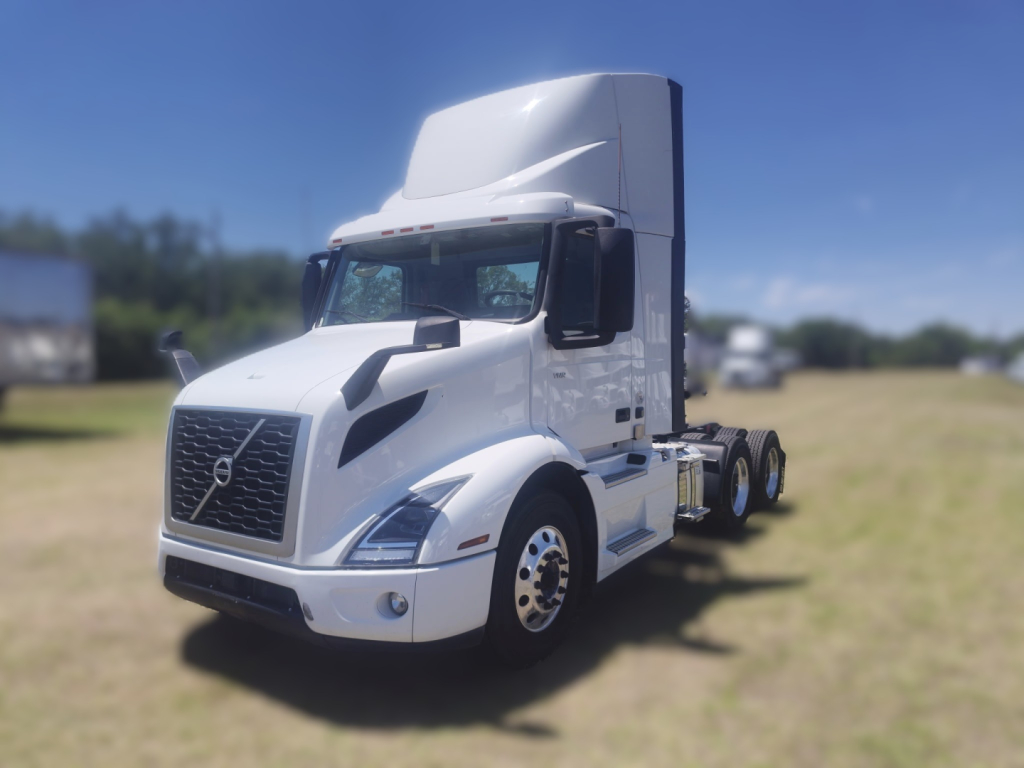
2022 Volvo VNR64T300
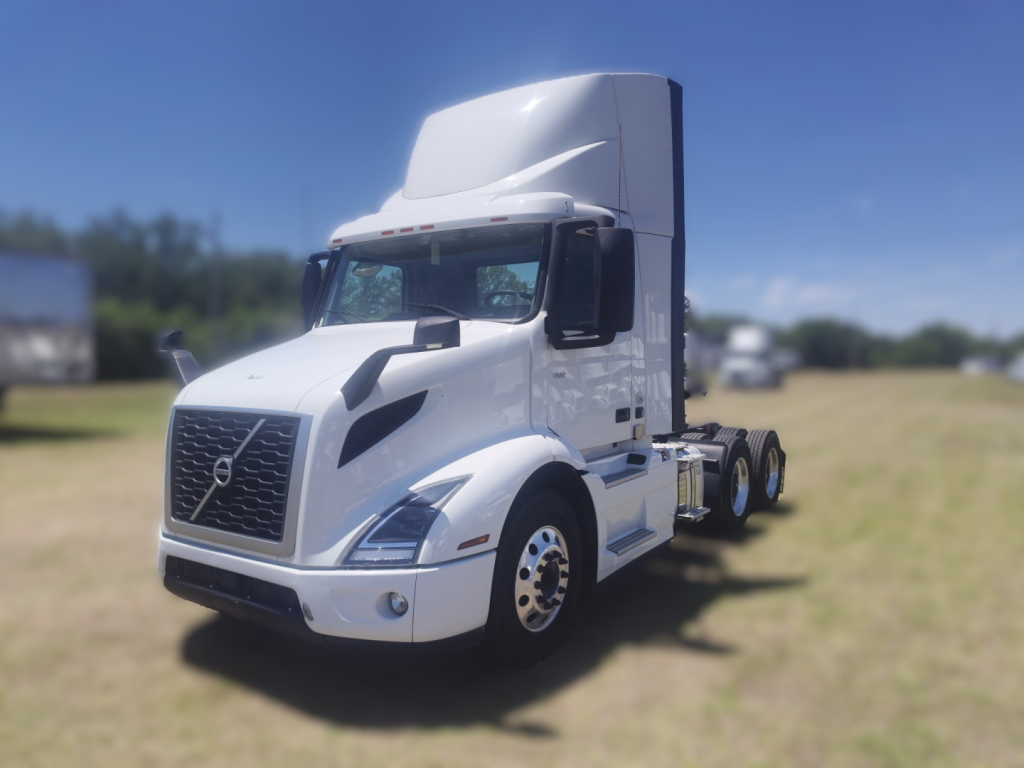
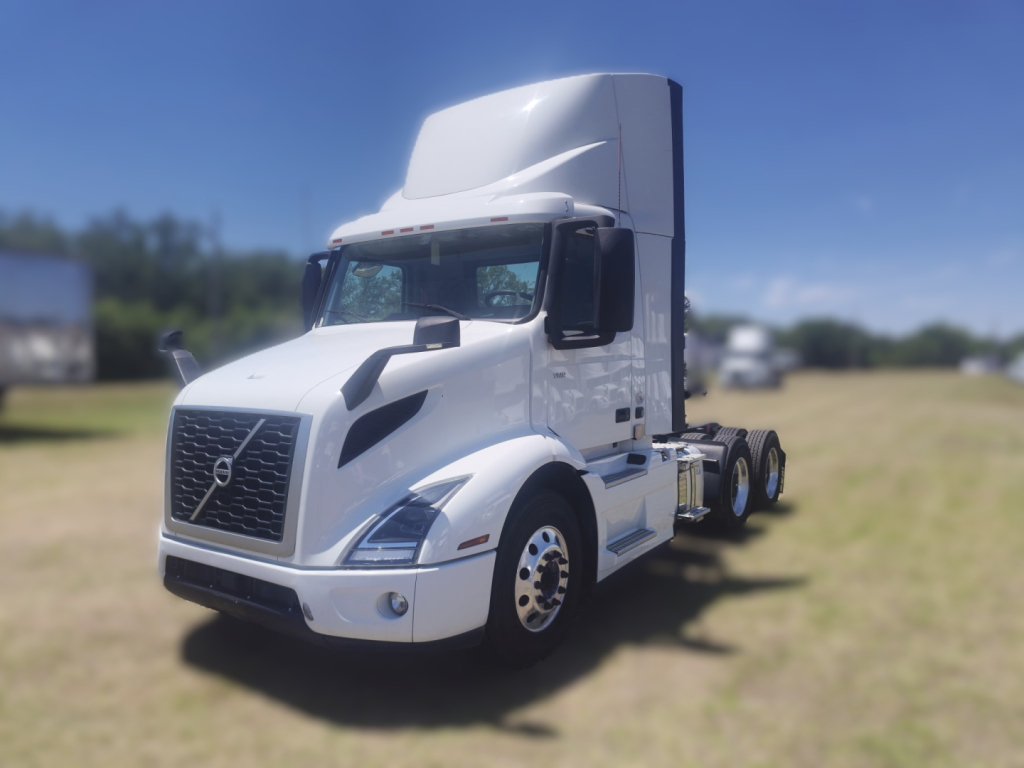
2022 Volvo VNR64T300
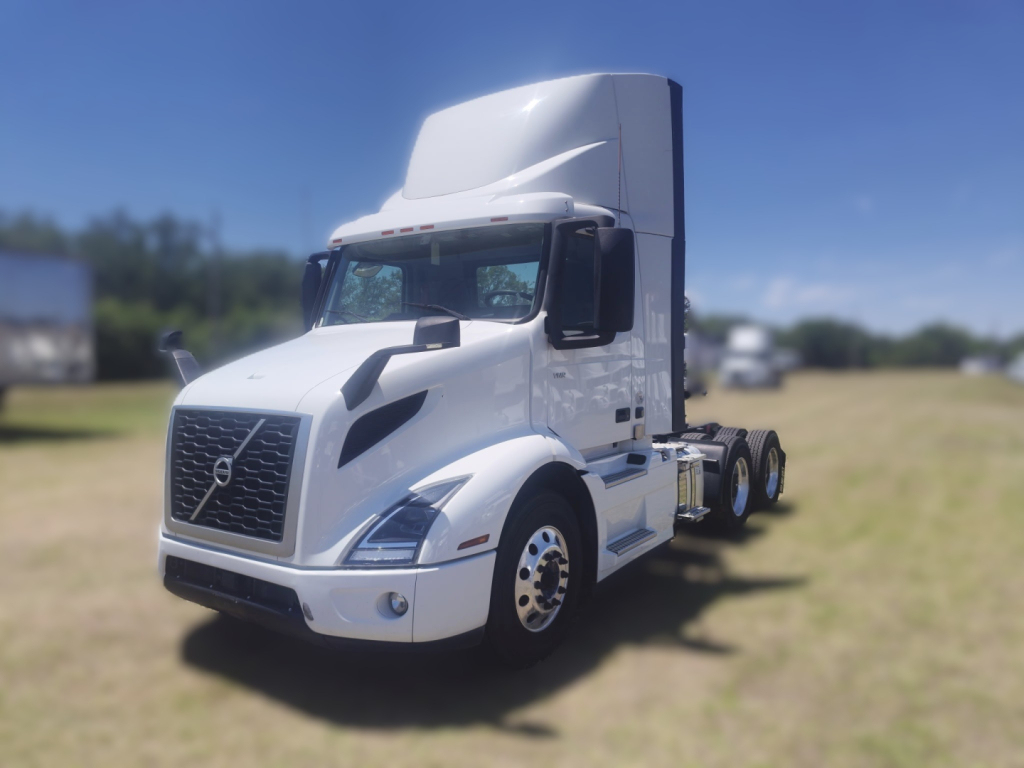
2022 Volvo VNR64T300
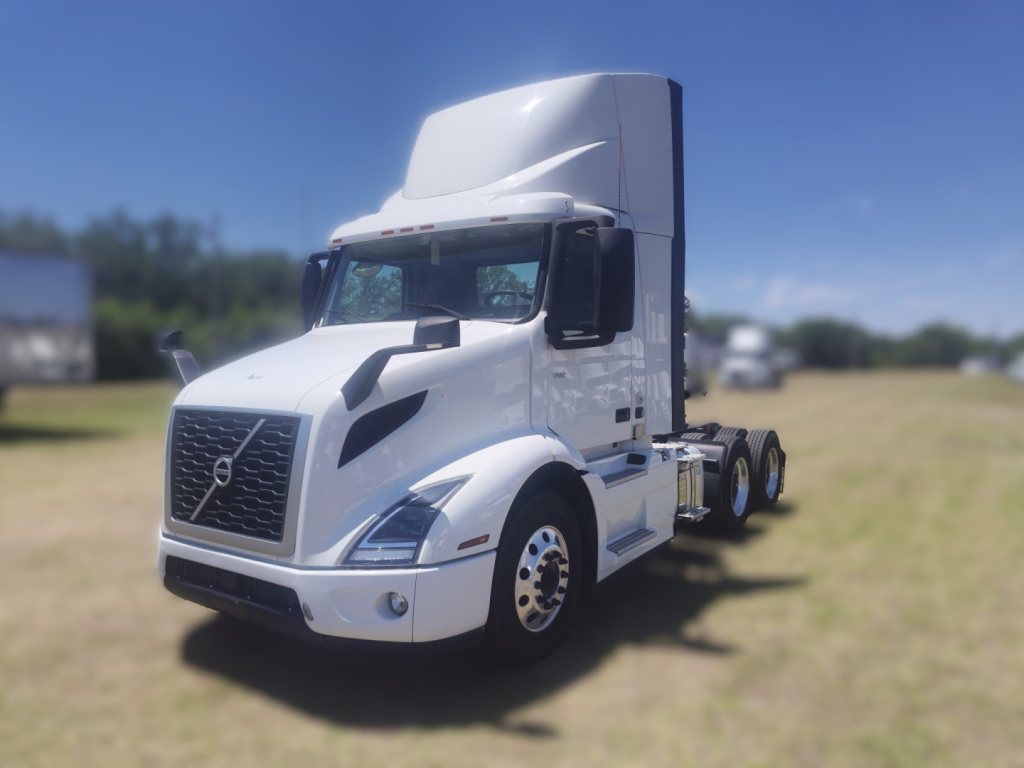
2022 Volvo VNR64T300
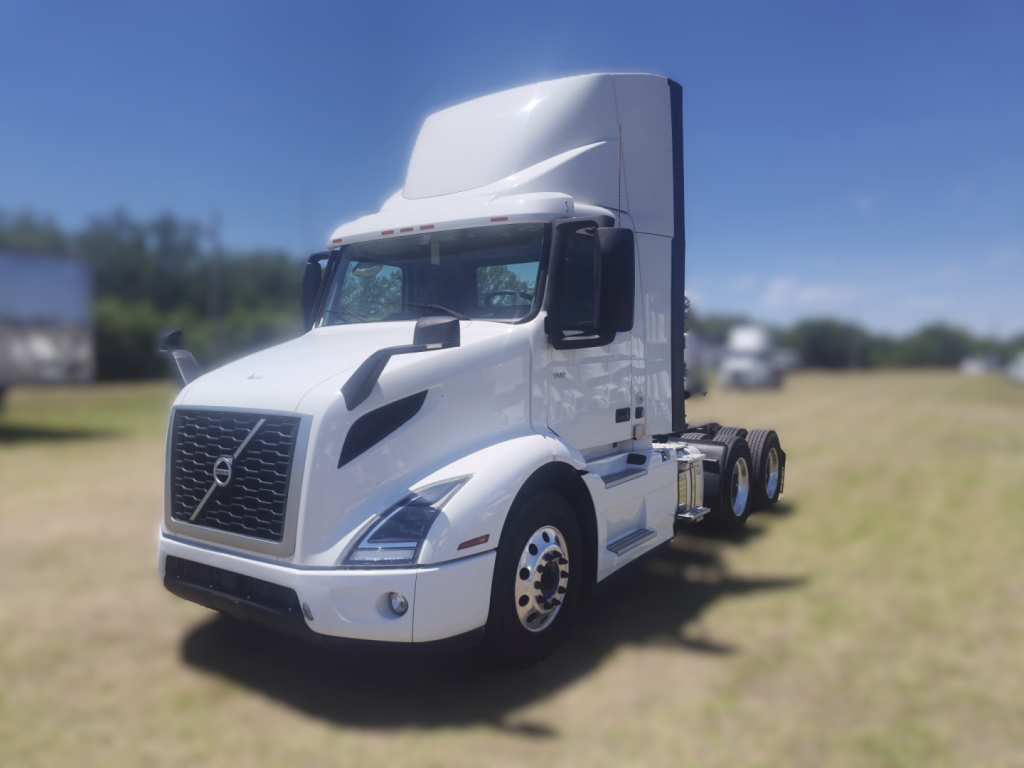
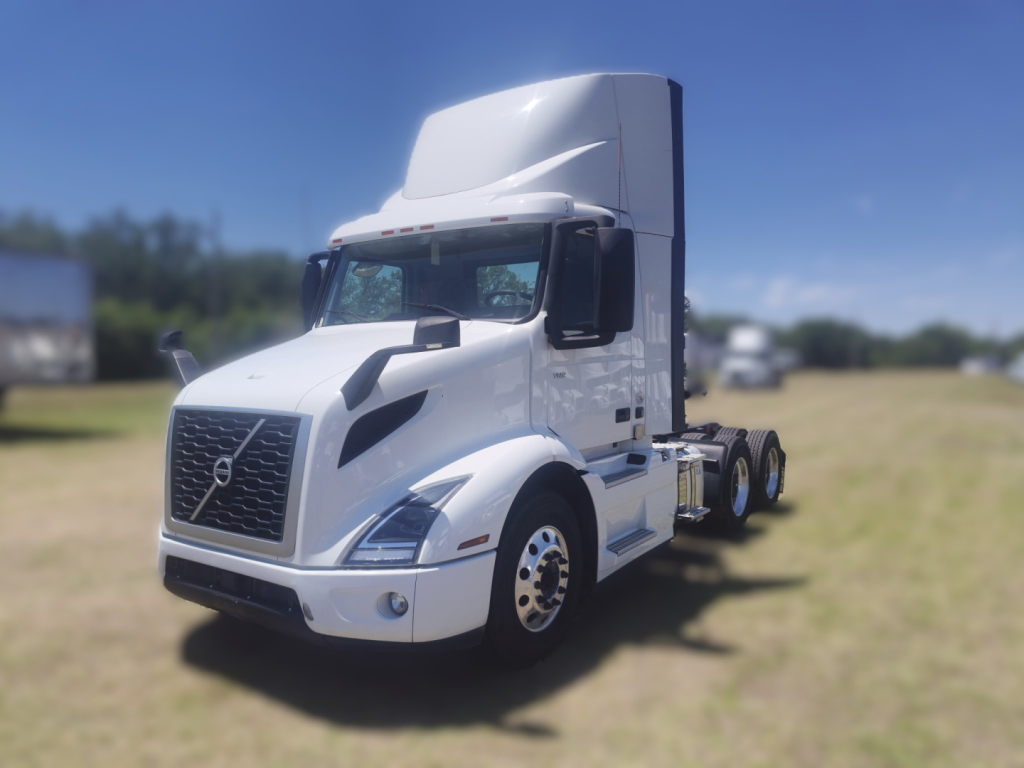
2022 Volvo VNR64T300
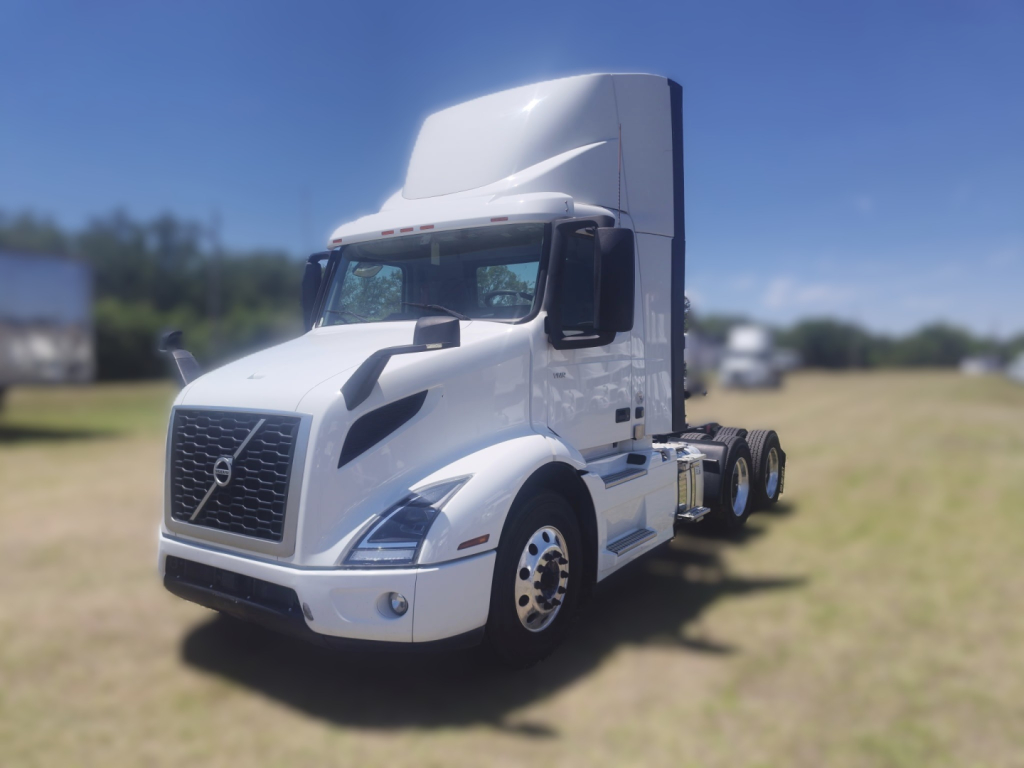
2022 Volvo VNR64T300
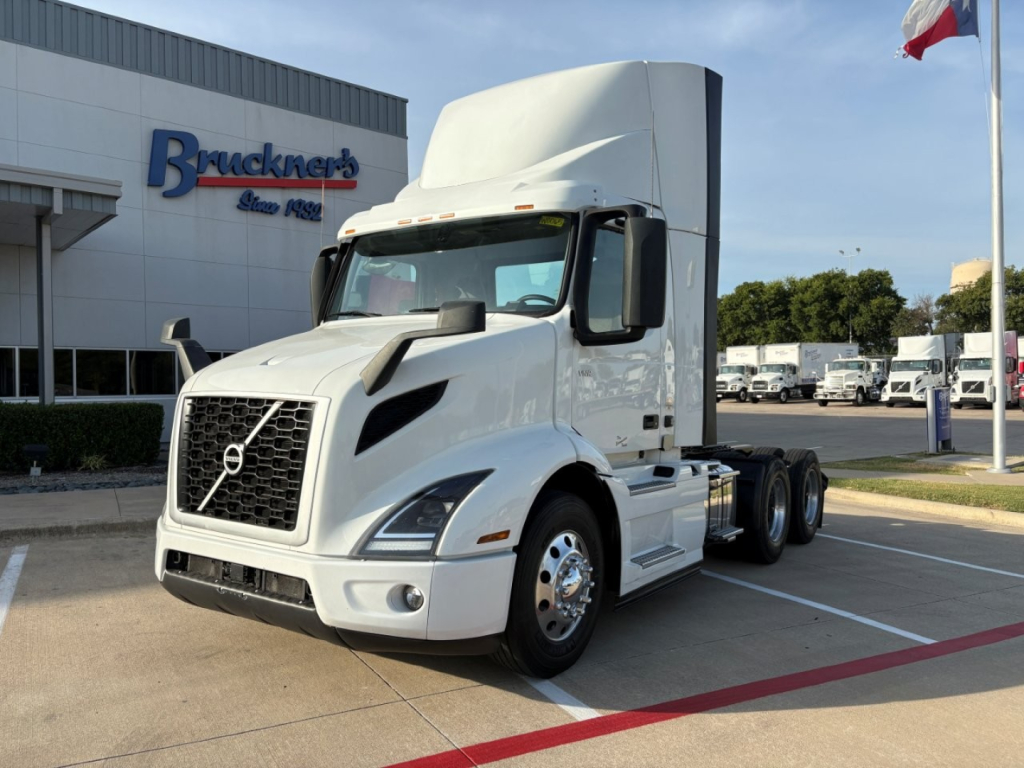
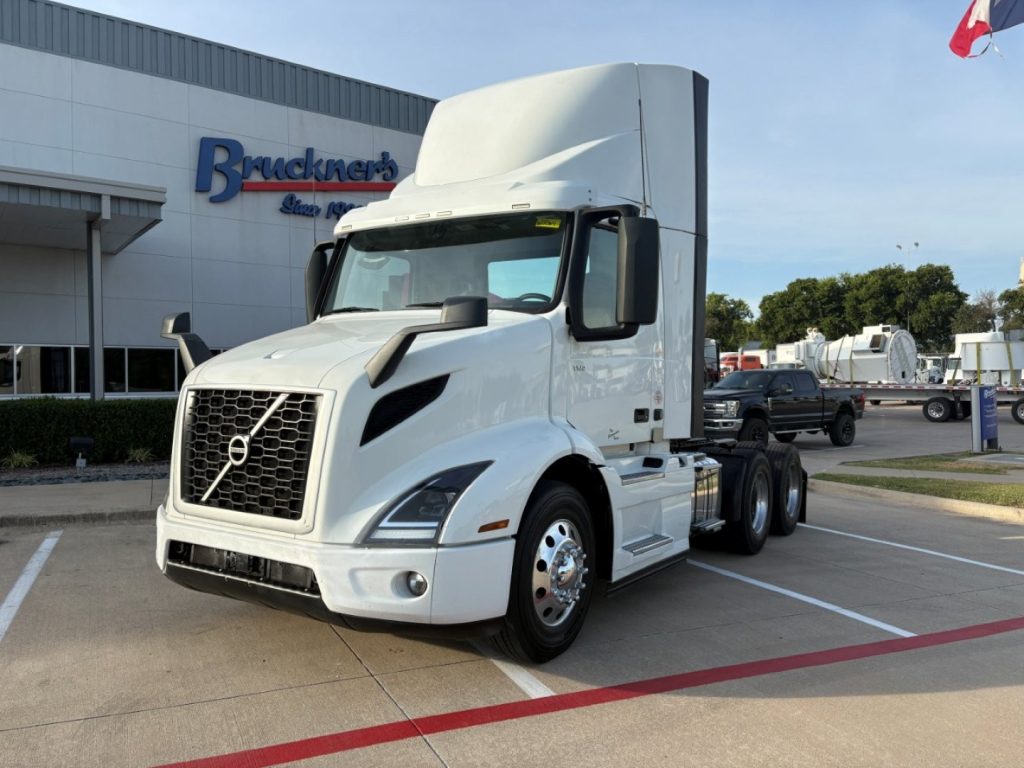
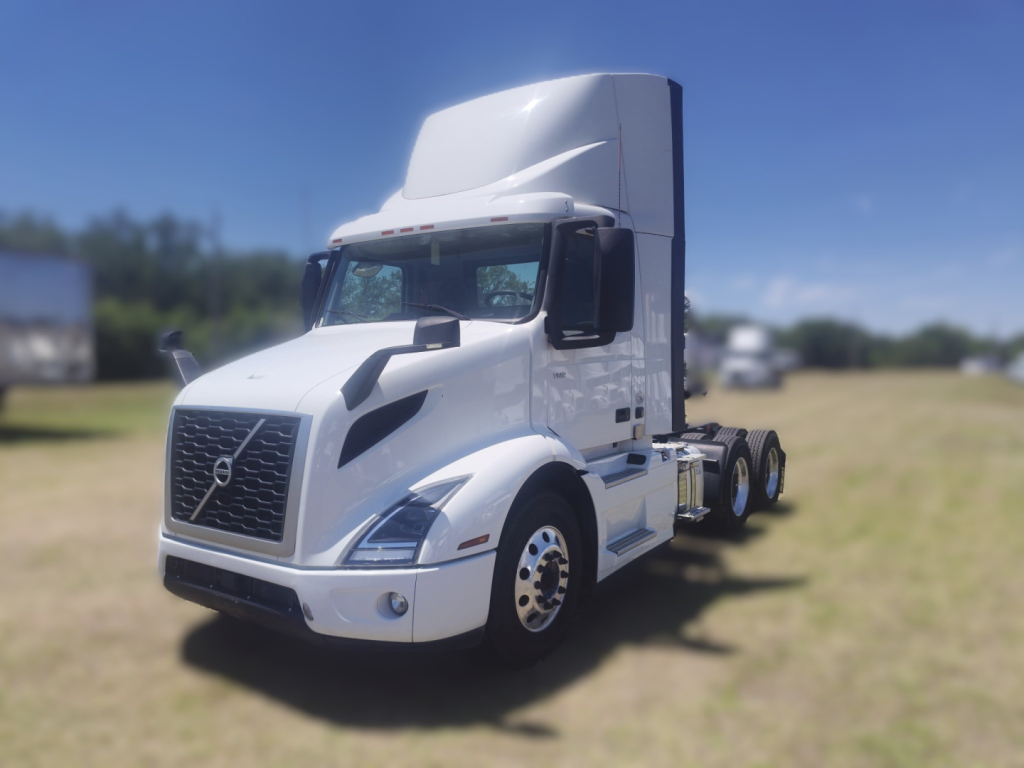
2022 Volvo VNR64T300
2022 Volvo VNR64T300
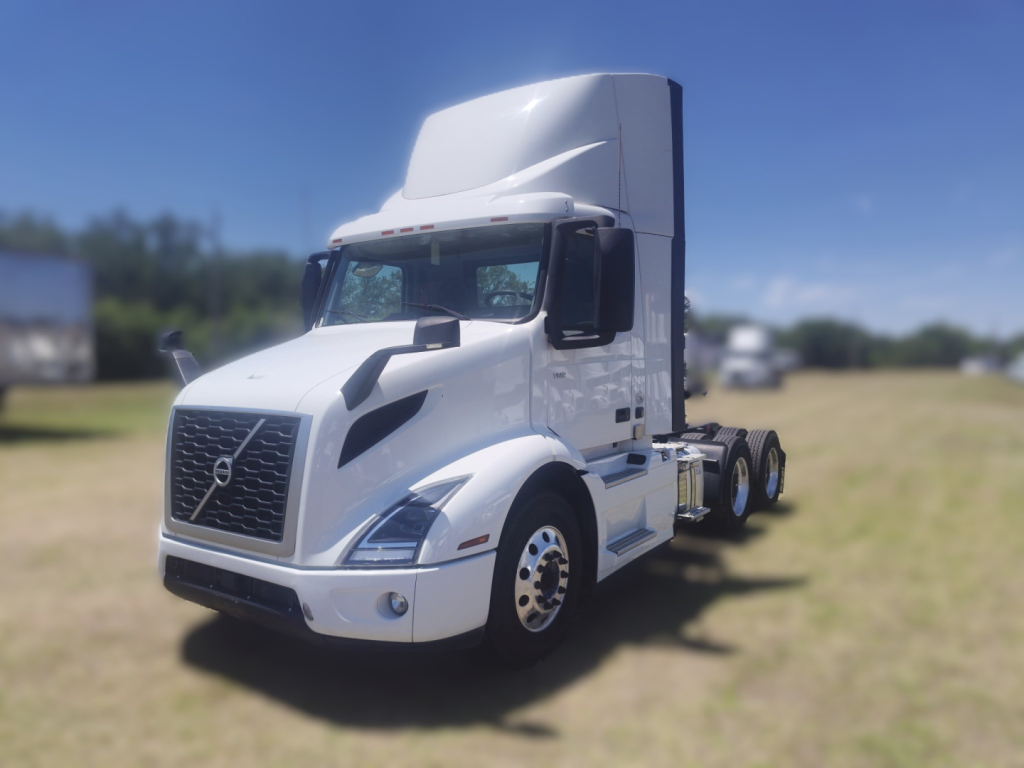
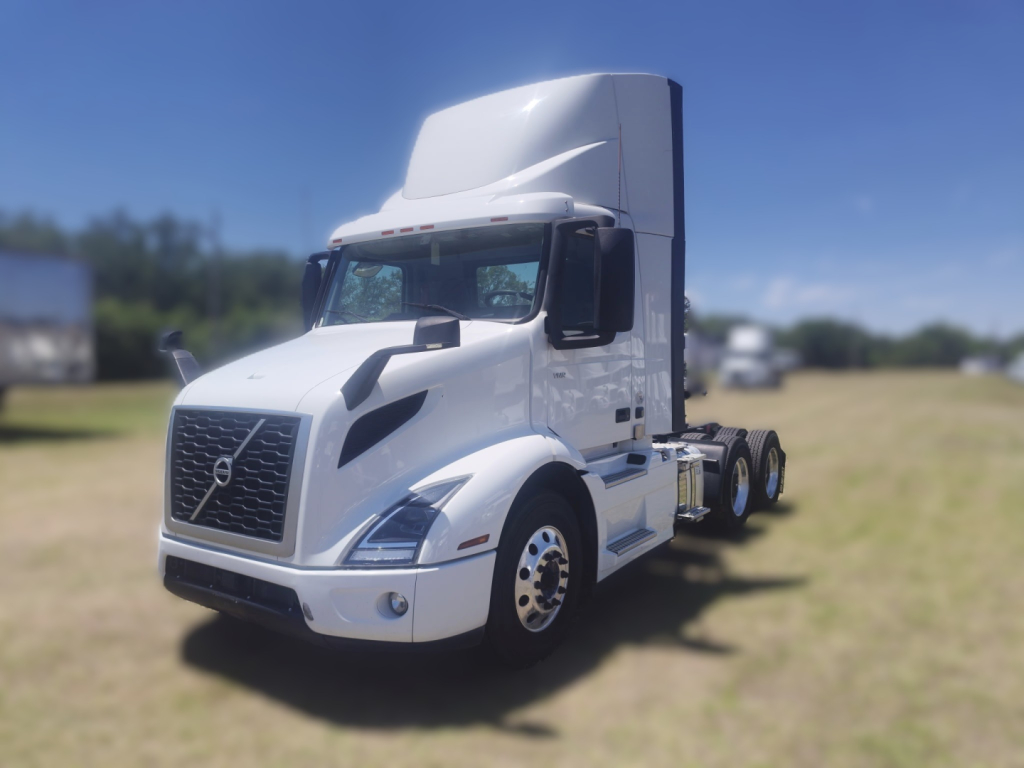
2022 Volvo VNR64T300

Selling a used volvo conventional daycab truck? List your used volvo conventional daycab truck for sale and reach thousands of commercial buyers.
Used Volvo Conventional Daycab Trucks in Texas
The first buying decision is usually powertrain and axle layout. Many used Volvo daycab trucks come as 6x4 tandem axle tractors, though some fleets prefer 4x2 setups for lighter regional hauling and fuel economy. Engines commonly include Volvo D11 and D13 platforms, with horsepower and torque ratings varying by application. Buyers should look closely at transmission type, rear axle ratio, suspension spec, and wheelbase because those details determine how the truck will perform in stop-and-go city service versus steady interstate miles. In Texas, it also pays to check cooling system condition, APU history if previously converted from a sleeper unit, and emissions system service records due to long idle hours and hot-weather operation.
Cab condition matters more on a daycab than many buyers expect because the truck may see multiple drivers and frequent ingress-egress cycles. Pay attention to seat wear, steering wheel play, dash faults, HVAC output, window regulators, and door seals. On Volvo conventionals, buyers often value the ergonomic dash layout, visibility, and tighter turning characteristics compared with some long-wheelbase tractors. If the truck was converted from a sleeper to a daycab, inspect the quality of the conversion, frame finish, back-of-cab closeout, airline routing, and any relocated electrical components. A clean conversion can be a practical way to get a well-maintained road tractor into regional service, but workmanship and wheelbase need to match the intended trailer mix.
For Texas operations, it is smart to match the truck to the route profile and trailer type rather than shopping by year alone. Shorter wheelbases are easier around yards, terminals, and metro deliveries, while longer wheelbases may track better with certain trailer combinations and fuel tank capacities. Check fifth wheel type and position, kingpin setting compatibility, tire size, brake spec, and PTO provision if the truck may be used with tanker, dump, or hydraulic equipment. A strong used Volvo daycab should offer predictable maintenance, comfortable daily operation, and the right chassis spec for the lanes it will actually run.
Frequently Asked Questions about Used Volvo Conventional Daycab Trucks in Texas
What is a Volvo conventional daycab truck used for?
A Volvo conventional daycab truck is typically used for regional hauling, local delivery, dedicated route work, drayage, tanker service, flatbed operations, and terminal-to-terminal freight. It has the hooded tractor layout of a conventional truck but no sleeper berth, which reduces weight and shortens the overall package for operations that return to base daily.
Which Volvo engines are common in used daycab trucks?
Used Volvo daycab trucks commonly have Volvo D11 or D13 diesel engines, depending on how the truck was originally spec'd. The D11 is often chosen for lighter regional work and fuel-conscious applications, while the D13 is more common in higher gross weight service, interstate lanes, and operations that need stronger torque output.
What should I inspect on a used Volvo daycab in Texas?
Focus on emissions system history, cooling system condition, HVAC performance, and overall maintenance records. Texas heat and long idle periods can expose weak A/C systems, marginal radiators, and deferred aftertreatment repairs. It is also important to inspect cab wear, suspension condition, tire pattern, brake life, and any signs that the truck was converted from a sleeper without proper frame and electrical finishing.
Are Volvo daycabs good for regional freight?
Volvo daycabs are a strong fit for regional freight because they combine highway-oriented ride quality with a shorter, more maneuverable tractor layout than a sleeper truck. Many buyers like them for driver comfort, visibility, aerodynamic efficiency, and the availability of automated manual transmissions in fleet-oriented specs.
Is a sleeper-converted Volvo daycab worth considering?
A sleeper-converted Volvo daycab can be a good value if the conversion was done correctly and the final wheelbase suits the application. Buyers should inspect the back-of-cab closeout, airline and wiring routing, frame finish, mounting hardware, and fifth wheel placement. A poor conversion can create maintenance and fitment problems, while a well-executed one can be a practical option for regional service.