
Used 2018 Volvo Conventional Daycab Trucks For Sale
Shop used 2018 Volvo conventional daycab trucks. Compare VNL and VNM specs, D13 engines, I-Shift transmissions, axle ratings, and setup details.
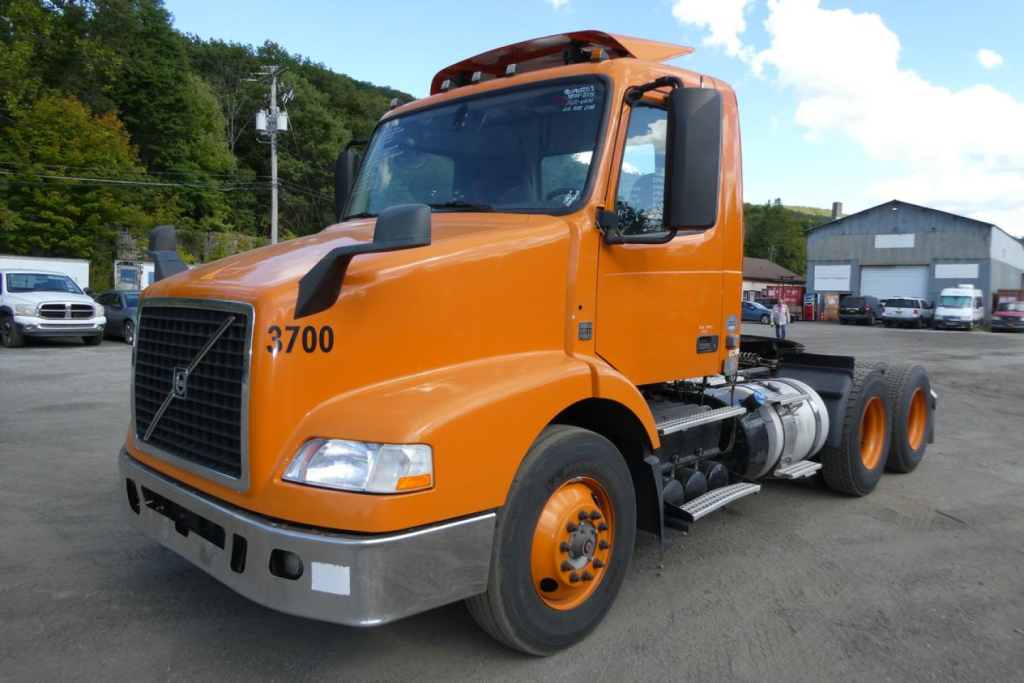
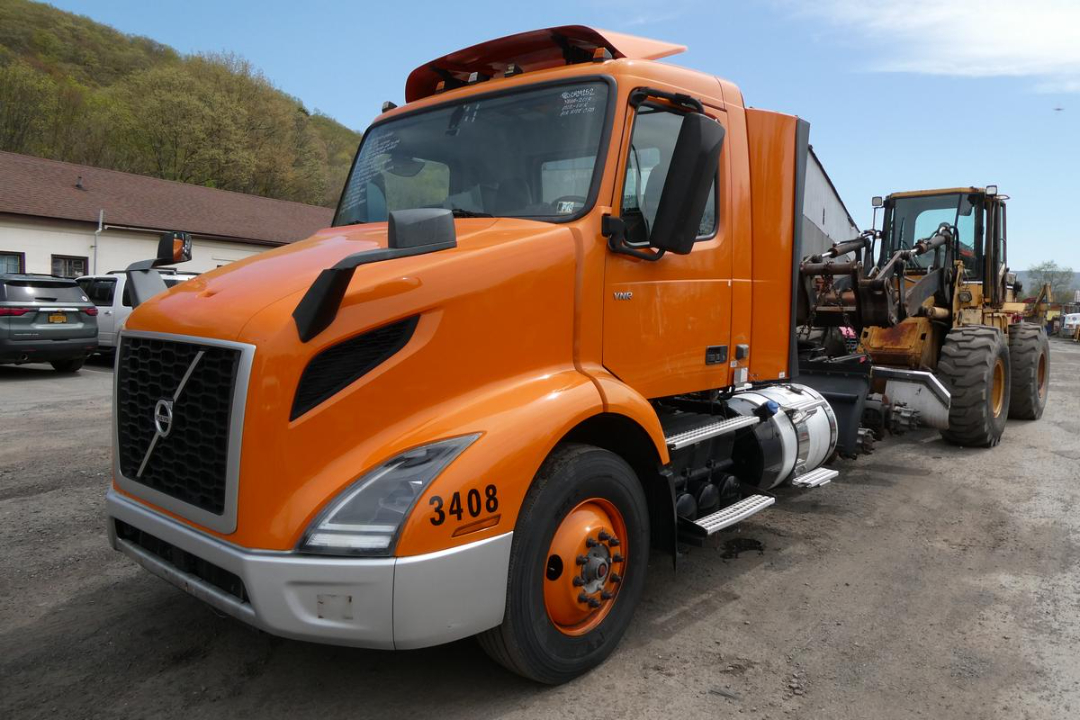
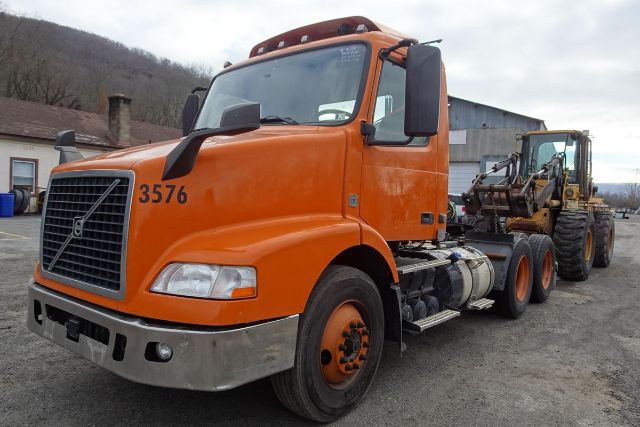
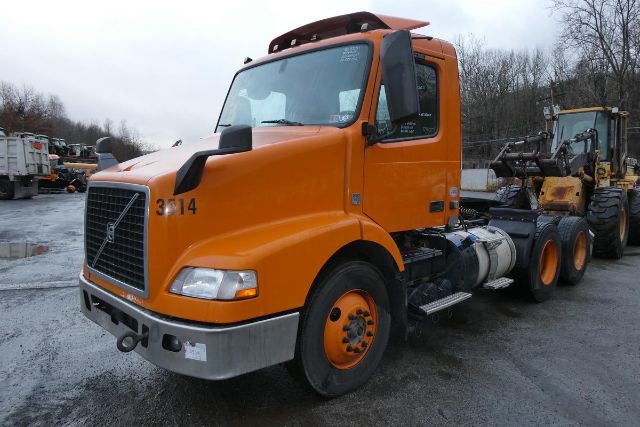
Selling a used 2018 volvo conventional daycab truck? List your used 2018 volvo conventional daycab truck for sale and reach thousands of commercial buyers.
Used 2018 Volvo Conventional Daycab Trucks
The first decision is drivetrain. Many 2018 Volvo daycabs are equipped with the Volvo D13, often in ratings around 405 to 455 hp, paired with the Volvo I-Shift automated manual transmission. That setup is common for regional freight because it delivers good shift logic, easy driver onboarding, and solid fuel economy when spec'd correctly. Check rear axle ratio, expected cruise speed, and route profile before buying. A 2.64 or 2.79 ratio may suit lighter highway work, while a 3.08 or 3.55 setup can make more sense for heavier loads, frequent starts, or mixed terrain. Typical tandem rear ratings are around 40,000 lbs, with front axles commonly in the 12,000 to 12,500 lb range.
Chassis details matter as much as engine and transmission. A conventional daycab can be spec'd with a shorter wheelbase for city maneuverability or a longer wheelbase for ride quality and trailer stability. Buyers should look closely at cab-to-axle and cab-to-end dimensions if a body, wet kit, headache rack, or specialized fifth wheel arrangement is planned. Common items on Volvo daycabs include air ride suspension, sliding fifth wheels, air disc brakes on some units, and 22.5-inch wheel and tire packages. Used buyers should also inspect fairings, frame condition, suspension bushings, fifth wheel wear, brake type, and signs of hard yard or port service.
On a used 2018 model, maintenance history is critical because these trucks typically carry the kind of mileage expected from fleet service. Review engine hours alongside odometer miles, and pay close attention to DEF, DPF, EGR, and aftertreatment repair history. A truck that spent most of its life in steady regional lanes will often age differently than one used in stop-start urban work. Volvo daycabs are generally well regarded for cab comfort, visibility, steering feel, and integrated powertrain performance, but the best purchase comes down to application fit. Matching horsepower, axle ratio, wheelbase, brake spec, and suspension design to the exact job will matter more than badge or trim alone.
Frequently Asked Questions about Used 2018 Volvo Conventional Daycab Trucks
What is the difference between a Volvo VNL daycab and a Volvo VNM daycab?
The Volvo VNL daycab is generally oriented toward highway and regional freight, with a roomier cab feel and a specification range that often favors fuel economy and long-route comfort. The Volvo VNM daycab is usually shorter and more maneuverable, which makes it attractive for city work, terminal operations, and applications that need a tighter turning radius. The right choice depends on route density, trailer type, and how much importance you place on wheelbase, visibility, and road-speed efficiency.
Is the Volvo D13 with I-Shift a good setup in a used 2018 daycab?
For many buyers, the D13 and I-Shift combination is one of the strongest reasons to consider a 2018 Volvo daycab. The D13 offers broad torque and is widely used in regional and linehaul service, while the I-Shift automated manual helps with fuel economy, reduces clutch-related driver abuse, and is easier to staff across mixed driver experience levels. The truck still needs a careful inspection, especially for software updates, clutch life, calibration quality, and aftertreatment history, but this powertrain is a common and practical spec.
What axle ratio works best in a used Volvo conventional daycab?
The best axle ratio depends on payload, average speed, and terrain. A faster ratio such as 2.64 can support lower engine rpm and better fuel economy on lighter highway work, but it may not be ideal for heavy start-stop service or steep grades. Ratios like 3.08 or 3.55 usually provide better launch performance and flexibility for heavier freight or mixed routes. Buyers should compare the ratio to the transmission gearing, tire size, and actual operating conditions instead of assuming one ratio is always better.
What should I inspect first on a used 2018 Volvo daycab?
Start with service records, engine hours, fault codes, and emissions system history. Then inspect the frame, suspension, steer axle wear, fifth wheel condition, brake components, and tire wear pattern. On a Volvo daycab, it is also smart to verify the operation of the I-Shift transmission, engine brake, HVAC controls, and any air disc brake system if equipped. Uneven tire wear, repeated aftertreatment issues, and evidence of severe yard damage can reveal a truck that was used harder than its mileage suggests.
Are 2018 Volvo daycabs good for regional and local hauling?
Yes, 2018 Volvo conventional daycabs are commonly used for regional freight, dedicated lanes, intermodal drayage, local delivery, and terminal-to-terminal work. Their daycab layout reduces weight compared with a sleeper and can improve maneuverability in tighter operating environments. The best-performing units are those spec'd for the intended duty cycle, especially in terms of horsepower, wheelbase, suspension, and rear axle ratio.