
Used 2018 Volvo Conventional Daycab Trucks For Sale in New York
Shop used 2018 Volvo conventional daycab trucks in New York. Compare D11 and D13 specs, wheelbase, axle ratings, transmissions, and duty fit.
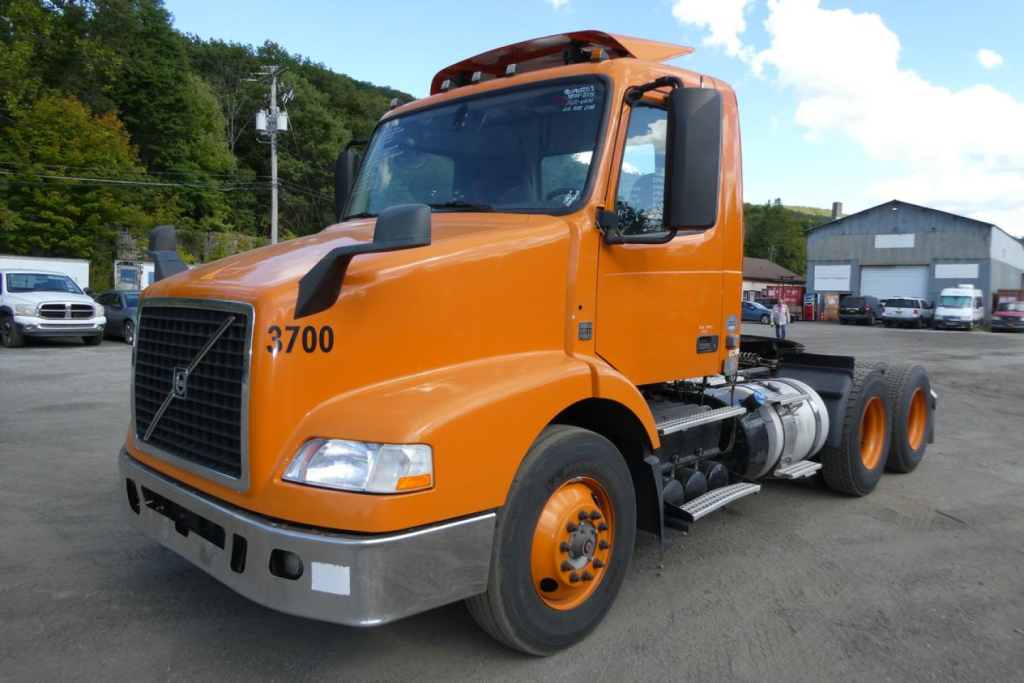
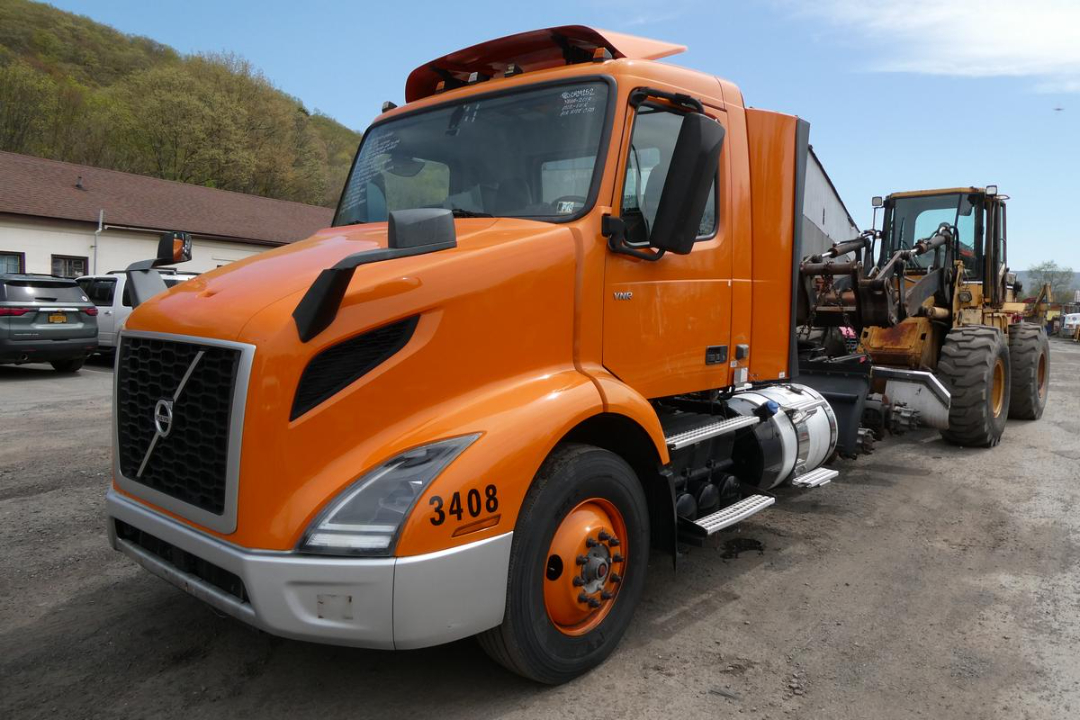
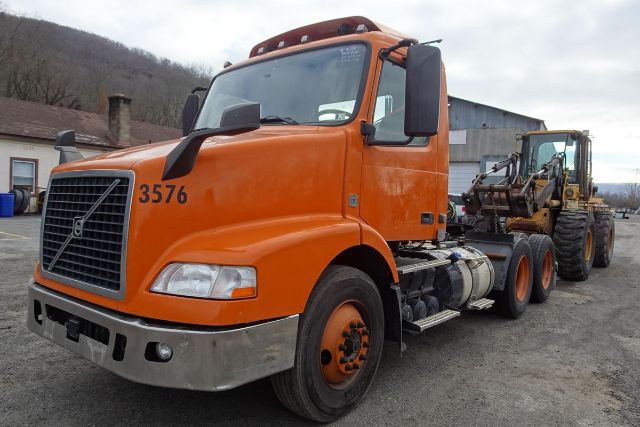
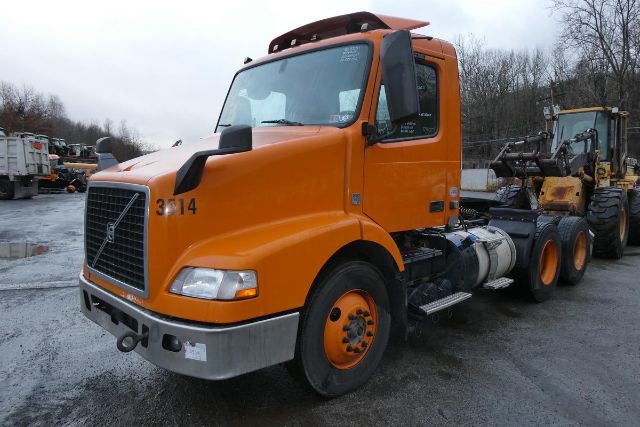
Selling a used 2018 volvo conventional daycab truck? List your used 2018 volvo conventional daycab truck for sale and reach thousands of commercial buyers.
Used 2018 Volvo Conventional Daycab Trucks in New York
For a 2018 model, the most common engine discussion is Volvo D11 versus D13. A D11 typically suits lighter regional duty and fuel-conscious operations, while a D13 is the better fit when the truck will spend more time at highway speed, pull heavier loads, or work in hilly territory across New York and the Northeast. Horsepower ratings commonly land in the mid-300s to mid-400s, with torque and rear axle ratio having a major effect on launch, cruise rpm, and fuel economy. Transmission choice also matters. Many Volvo daycabs from this era were equipped with the Volvo I-Shift automated manual, though some fleets still prefer a Fuller manual for simpler service familiarity and driver preference.
Chassis details separate one conventional daycab from another. Buyers should compare front axle ratings, rear axle capacity, suspension type, wheelbase, and fifth wheel setup before looking at cosmetics. A short wheelbase improves turning radius for urban and terminal work, while a longer wheelbase can improve ride quality and frame space for specialized equipment. Common features in this category include air ride suspension, engine brakes, aerodynamic fairings, air disc brakes on some specs, and 22.5-inch rubber. If the truck is intended for container, tanker, refuse transfer, or municipal hauling, confirm frame layout, cab-to-axle measurement, and whether the truck has a stationary or air-slide fifth wheel, pintle hook, PTO provision, or single versus double frame.
For used 2018 Volvo daycabs, condition review should center on emissions system history, transmission calibration, engine hours versus odometer, and evidence of fleet maintenance. In New York service, corrosion, brake wear, suspension condition, and tire matching deserve a close look due to stop-and-go operation, winter roads, and heavy regional traffic. A well-matched daycab can lower operating cost when the gearing, engine, and axle package fit the route profile. The best choice is usually the truck that aligns with your payload, average trip length, docking environment, and maintenance capabilities rather than simply the highest horsepower on the page.
Frequently Asked Questions about Used 2018 Volvo Conventional Daycab Trucks in New York
What is a Volvo conventional daycab truck best used for?
A Volvo conventional daycab is best suited for regional hauling, local pickup and delivery, drayage, terminal work, and other operations where the truck returns to base daily. Without a sleeper, the chassis is typically lighter and more maneuverable, which helps in congested urban areas, distribution centers, and port environments. The conventional hood design also provides easier engine access for service than a cabover configuration.
What engines are common in a 2018 Volvo daycab?
A 2018 Volvo conventional daycab commonly features a Volvo D11 or D13 diesel engine, depending on how the truck was ordered. The D11 is a strong fit for lighter regional applications where fuel economy and lower curb weight matter. The D13 is more common in heavier-duty and higher-mileage service because it offers greater torque and better performance under sustained load. The right engine depends on gross combination weight, terrain, average speed, and how often the truck will start and stop.
Is the Volvo I-Shift a good transmission for a used daycab?
The Volvo I-Shift is widely regarded as a strong transmission choice for daycab service because it can improve driver consistency, reduce clutch-related wear, and support fuel-efficient shift strategy. On a used truck, the key issue is not just whether it is an I-Shift, but how it was maintained and calibrated. Buyers should look for smooth engagement, proper shift quality under load, and service records that show software updates and clutch or actuator attention when required.
What specs matter most when comparing used Volvo daycabs?
The most important specs are engine model, horsepower and torque rating, transmission type, rear axle ratio, axle capacities, suspension, wheelbase, and fifth wheel configuration. Those items determine how the truck will perform in your actual work. A truck with the wrong gearing or wheelbase can be less efficient and harder to use even if the price looks attractive. Frame type, cab-to-axle dimension, brake system, and tire size also matter if the truck will be assigned to a specialized trailer or body application.
What should buyers inspect on a used 2018 Volvo daycab in New York?
Buyers in New York should pay close attention to rust, frame condition, brake and suspension wear, tire condition, and emissions system performance. Northeast service often means winter exposure, road salt, frequent idling, and dense traffic, all of which can accelerate wear. It is also smart to compare engine hours to mileage, inspect the aftertreatment history, check for active fault codes, and review signs of prior fleet maintenance. A truck that has complete records and a spec that matches the job usually brings better long-term value than a cheaper unit with unknown history.