
Used 2014 Volvo Conventional Daycab Trucks For Sale
Shop used 2014 Volvo conventional daycab trucks with D11 or D13 power, daycab efficiency, and specs suited for regional, port, and local haul work.
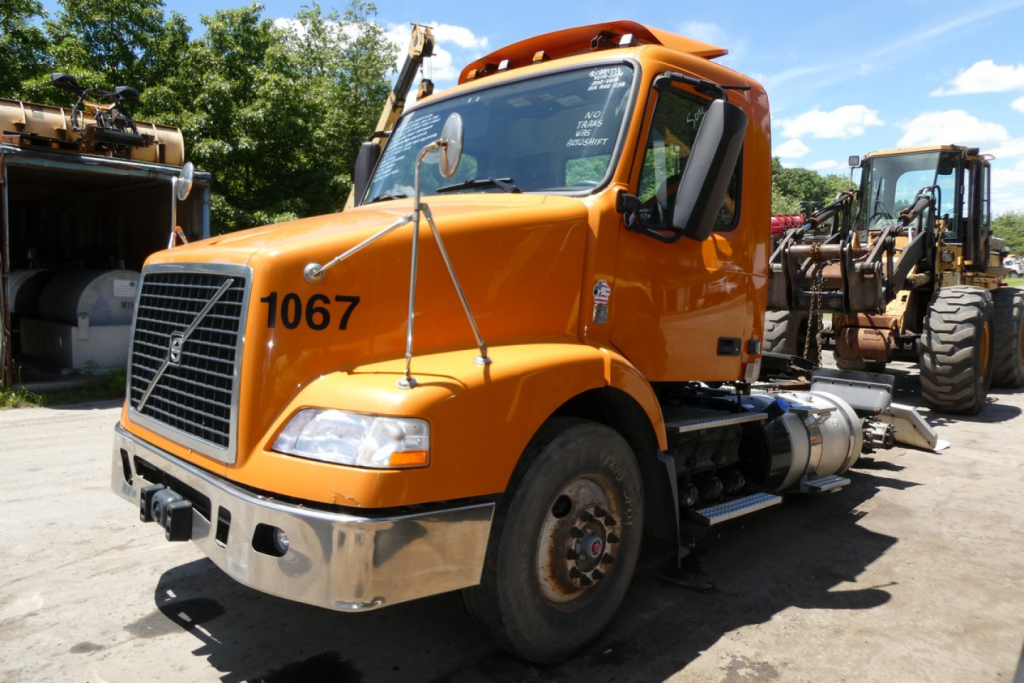
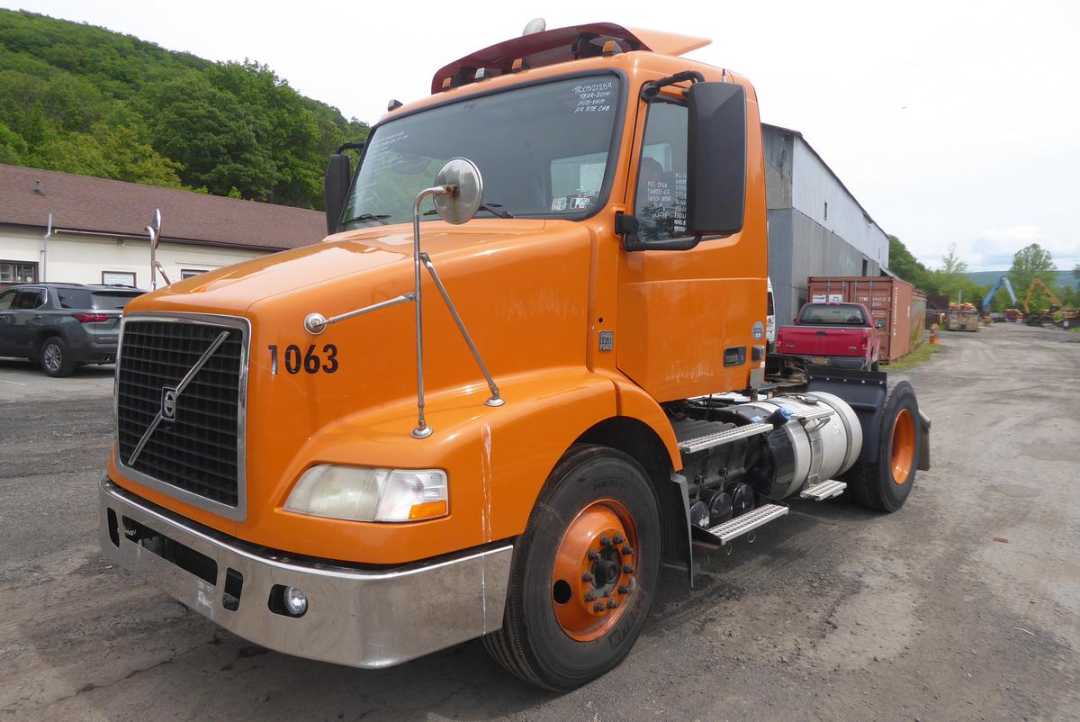
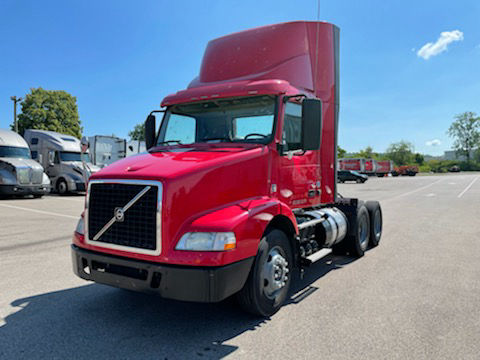
Selling a used 2014 volvo conventional daycab truck? List your used 2014 volvo conventional daycab truck for sale and reach thousands of commercial buyers.
Used 2014 Volvo Conventional Daycab Trucks
The main spec decision usually starts with engine and transmission. Many 2014 Volvo daycabs are equipped with the Volvo D11, often in the 385 hp range, while some heavier regional or vocational-leaning specs may carry a D13 with more torque for higher gross weights. Manual 10-speed transmissions remain common and are straightforward for fleets that prefer lower complexity, but Volvo I-Shift automated manuals are also popular for urban routes, newer-driver acceptance, and fuel economy control. Rear axle ratios such as 3.21 or 3.42 are typical and can tell you a lot about the truck's intended duty cycle. A faster ratio may favor fuel mileage in regional service, while the full drivetrain spec should be matched against startability, trailer weight, and the amount of time the truck will spend in traffic, yards, or on grades.
Daycab buyers should also study chassis dimensions and operating weight. Wheelbases around the mid-150-inch range are common on Volvo conventional daycabs and work well for tight terminals, short trailer spotting, and dock-heavy routes. Front axles around 12,000 pounds and rear axle ratings in the 20,000 to 23,000 pound range are typical for lighter single-axle setups, while heavier tandem daycabs can push much higher GVW and are better suited for bulk, beverage, or dense regional freight. Suspension type, 5th wheel setup, and brake configuration matter in daily use. Volvo air-ride suspensions help ride quality and traction, and air disc brakes are a strong feature for fleets that value stopping performance, easier inspection, and more predictable brake feel.
On a used 2014 Volvo conventional daycab, the smart inspection points are engine hours versus miles, transmission operation, dash warning lights, air conditioning performance, and signs of hard yard or port service. Look closely at the bell housing area, clutch or automated transmission engagement, aftertreatment service records, and any evidence of repeated fault codes. Tire size, frame layout, cab-to-axle measurement, and stationary versus sliding 5th wheel setup should line up with the trailer lengths and turning requirements in your operation. When the truck is correctly spec'd, a Volvo daycab from this model year can still be a productive choice for fleets that need a driver-friendly regional tractor with efficient packaging, good visibility, and proven parts support.
Frequently Asked Questions about Used 2014 Volvo Conventional Daycab Trucks
What is a 2014 Volvo conventional daycab truck best used for?
A 2014 Volvo conventional daycab is best suited for regional hauling, local freight movement, drayage, terminal-to-terminal lanes, and other operations where drivers return home daily. The daycab design removes sleeper weight and length, which improves maneuverability and can increase payload flexibility depending on the spec. It is a practical choice for fleets that need a road tractor for shorter routes, frequent docking, or urban and suburban traffic.
What engines are common in used 2014 Volvo daycab trucks?
The most common engines in this class are the Volvo D11 and, in some heavier-duty configurations, the Volvo D13. The D11 is often preferred in lighter regional applications because it balances horsepower, torque, and fuel economy well. The D13 is a stronger fit for heavier gross weights, hillier terrain, or operations that need more pulling power. On any used unit, engine condition, maintenance records, and emissions system health matter more than the advertised horsepower alone.
Should I choose a manual transmission or Volvo I-Shift in a used daycab?
That depends on route type, driver pool, and maintenance preference. A manual 10-speed is familiar to many fleets and can be simpler to support in certain operations. Volvo's I-Shift automated manual can improve driver consistency, reduce fatigue in stop-and-go service, and help control fuel economy, but it should be carefully checked for calibration, clutch wear, engagement quality, and fault history. In heavy urban work, the automated option is often attractive if it has been properly maintained.
What should I inspect first on a used 2014 Volvo conventional daycab?
Start with the drivetrain and emissions system. Confirm engine hours, compare them to odometer mileage, and check for active or stored fault codes. Inspect the DEF and aftertreatment system, transmission operation, clutch or shift performance, axle ratings, and suspension condition. Also verify air conditioning, brake type and wear, 5th wheel condition, tire size, and frame dimensions. A truck that matches your trailer setup and route profile is usually a better buy than one with a stronger headline spec but the wrong wheelbase or axle package.
Are Volvo daycabs from this era good for fleet and owner-operator use?
Yes, provided the truck's spec matches the intended work and the maintenance history is solid. Volvo daycabs from this era are known for a comfortable cab layout, strong visibility, and efficient regional-road manners. They can fit both fleet and owner-operator applications, especially in local and regional service. The key is to evaluate condition carefully, because uptime on a used emissions-era truck depends heavily on how well the engine, transmission, and aftertreatment system were maintained.