
Used 2019 Volvo Conventional Daycab Trucks For Sale
Shop used 2019 Volvo conventional daycab trucks. Compare VNL and VNR specs, D11 or D13 engines, wheelbase, axle ratings, and transmission setups.
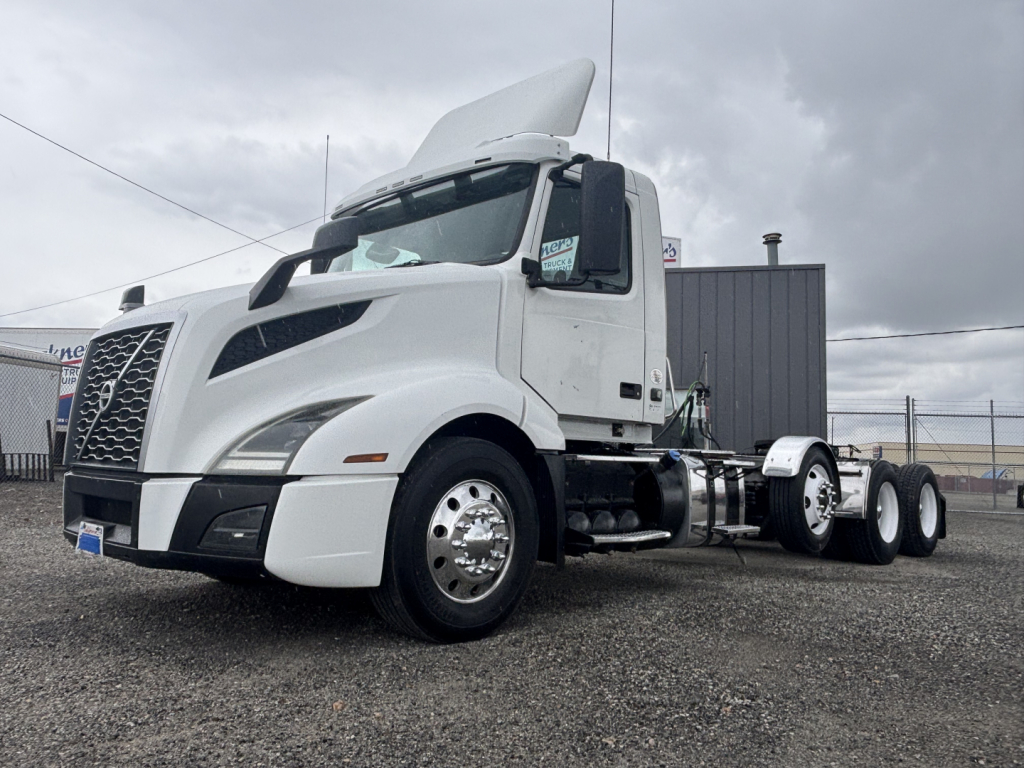
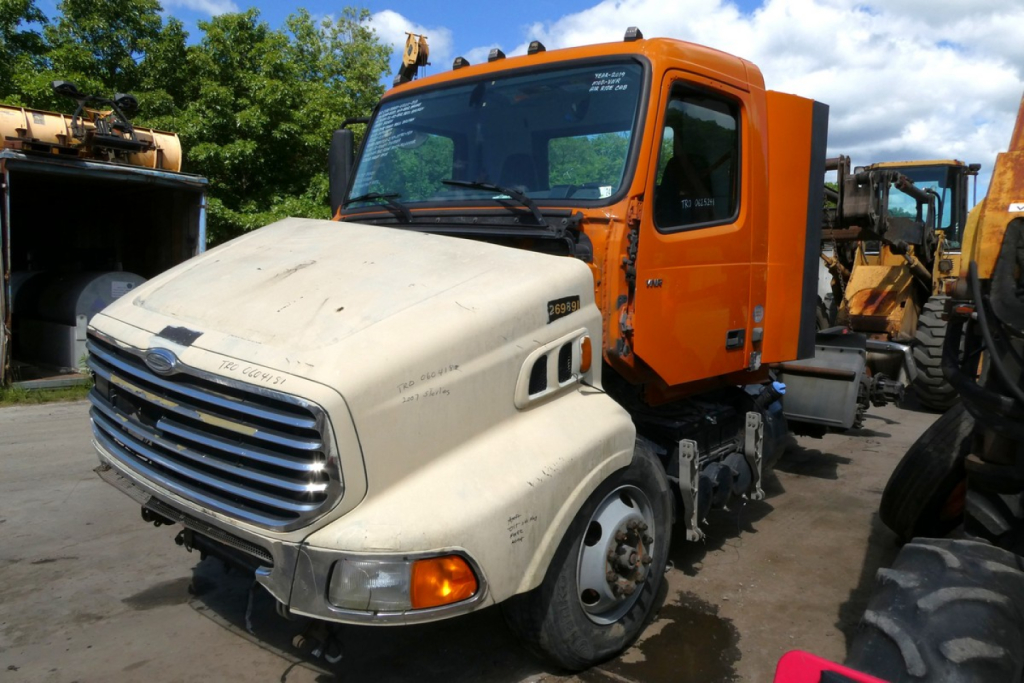
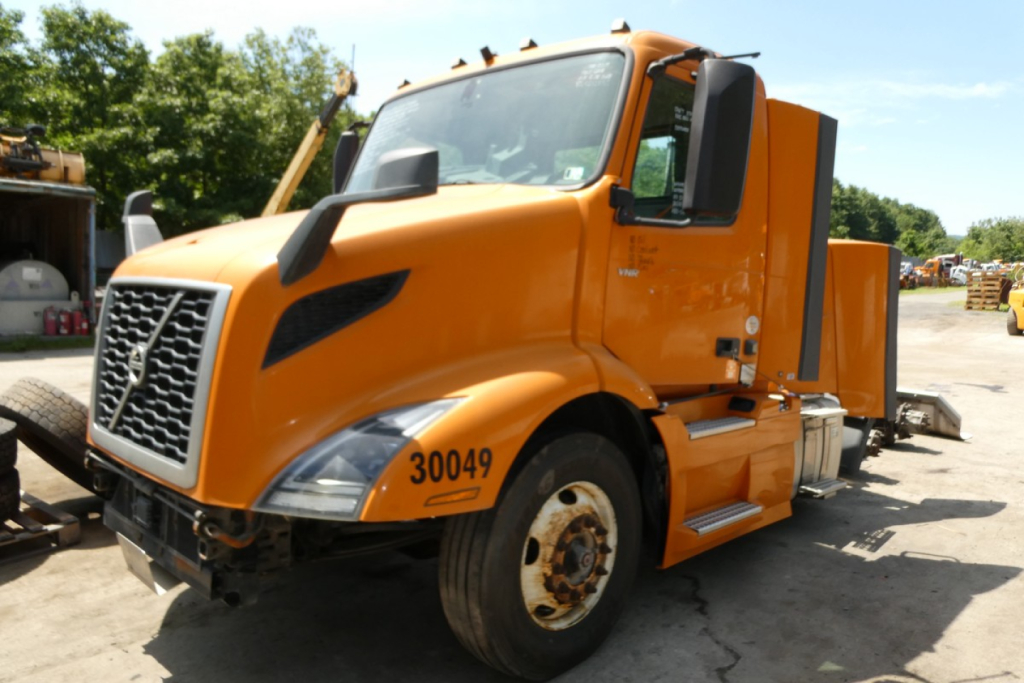
Selling a used 2019 volvo conventional daycab truck? List your used 2019 volvo conventional daycab truck for sale and reach thousands of commercial buyers.
Used 2019 Volvo Conventional Daycab Trucks
Powertrain choice is one of the biggest decision points. Many 2019 Volvo daycabs are equipped with Volvo D11 or D13 engines, usually in ratings suited for regional haul rather than heavy long-haul spec. The D11 is a solid fit for lighter weight, fuel-conscious operations, while the D13 is often preferred when the truck will see heavier loads, more highway speed, or tougher grade conditions. Volvo automated manual transmissions are common in this class, though some trucks may still be spec'd with manual gearboxes. Rear axle ratios in the low to mid-3s are typical and can make a meaningful difference in startability, cruise RPM, and fuel economy, so it is worth matching gearing to your average load and route profile.
Chassis and cab spec matter just as much as engine rating on a daycab. Common points to compare include front axle capacity, rear axle rating, suspension type, brake configuration, tire size, and whether the frame is single or double. Air ride suspensions are popular for ride quality and driver retention, while air disc brakes are increasingly desirable for stopping performance and easier serviceability. Inside the cab, a 2019 Volvo usually offers a driver-friendly layout with good visibility, ergonomic controls, and the safety and emissions systems expected from a late-model truck. Buyers should still verify maintenance history on DEF and aftertreatment components, check for fault codes, and review clutch or transmission calibration records on automated units.
For most fleets, the value of a used 2019 Volvo conventional daycab comes down to matching the spec to the job. A short wheelbase tractor with a set-back front axle can be ideal for city and terminal work, while a longer wheelbase truck with a higher horsepower D13 may be better for multi-stop regional van, reefer, or tanker service. The best purchase is not just the newest truck or the lowest-mile truck. It is the truck with the right axle ratings, gearing, engine family, and maintenance history for the freight you move every day.
Frequently Asked Questions about Used 2019 Volvo Conventional Daycab Trucks
What is the difference between a Volvo VNR daycab and a Volvo VNL daycab?
The Volvo VNR daycab is generally designed for regional and urban work where maneuverability, tighter packaging, and shorter overall length are important. The Volvo VNL daycab is usually more highway-oriented and may be spec'd for longer regional lanes, higher average speeds, and heavier vocational or freight applications. The right choice depends on your route density, trailer type, dock access, and expected daily miles.
Is a Volvo D11 or D13 better in a used 2019 daycab truck?
A Volvo D11 is often the better fit for lighter regional loads and fleets focused on fuel economy and lower tare weight. A Volvo D13 is usually the stronger choice for heavier freight, more aggressive terrain, and applications where torque reserve matters. Buyers should compare horsepower, torque rating, rear axle ratio, and transmission setup together because engine selection alone does not determine how the truck will perform.
What should I inspect first on a used 2019 Volvo daycab?
Start with maintenance records, engine fault history, aftertreatment service, transmission operation, and brake and suspension condition. On a 2019 model, it is also important to inspect DEF system performance, DPF and SCR service history, tire wear patterns, driveline condition, and any signs of frame modification or wheelbase changes. A diagnostic scan and road test are especially important on trucks with automated transmissions.
What axle ratings are common on Volvo conventional daycab trucks?
Many Volvo daycabs are spec'd with a 12,000-pound front axle and rear axle ratings around 20,000 to 23,000 pounds for regional tractor applications, though heavier specs exist. The correct axle package depends on the trailer, commodity, and legal weight requirements in your operating area. Buyers should confirm the door sticker, suspension rating, and actual intended payload before assuming a truck will fit the job.
Why does wheelbase matter on a daycab tractor?
Wheelbase affects turning radius, trailer swing clearance, bridge law compliance, and ride quality. A shorter wheelbase usually improves maneuverability for city routes and crowded yards, while a longer wheelbase can improve stability and may better suit highway regional work. Cab-to-axle and fifth wheel location also matter because they determine how the tractor matches with your trailer lengths and kingpin settings.