
Used Van Trailers For Sale in New York
Browse used van trailers in New York with common specs, lengths, axle setups, and buyer tips for dry freight, LTL, and city delivery use.
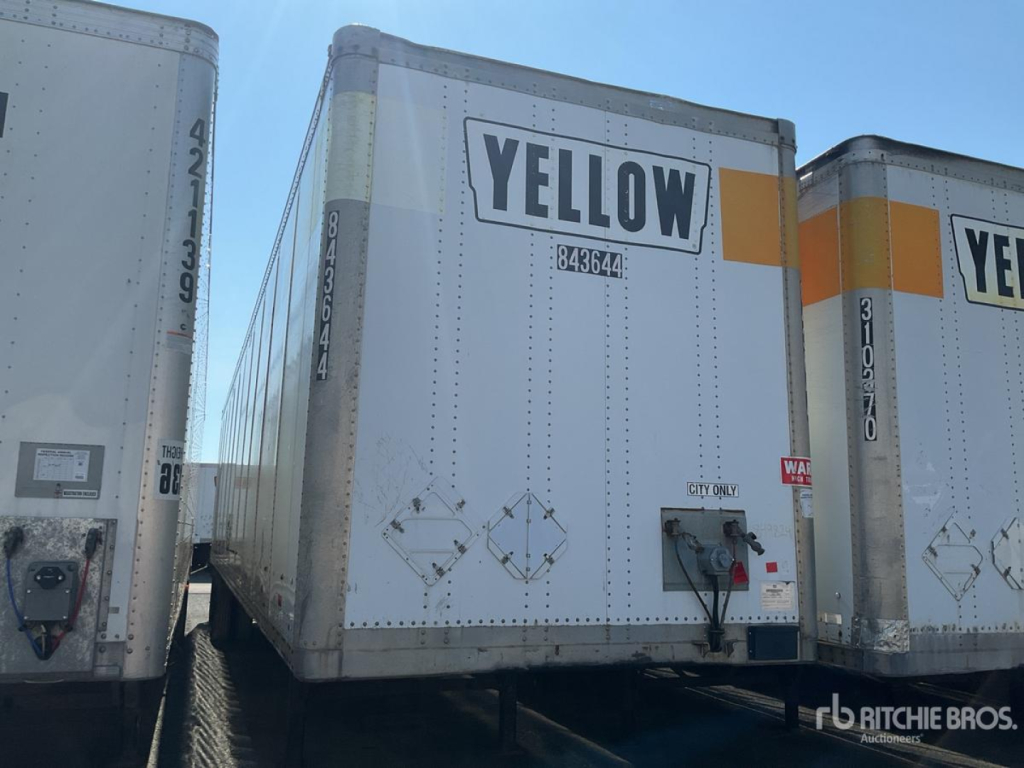
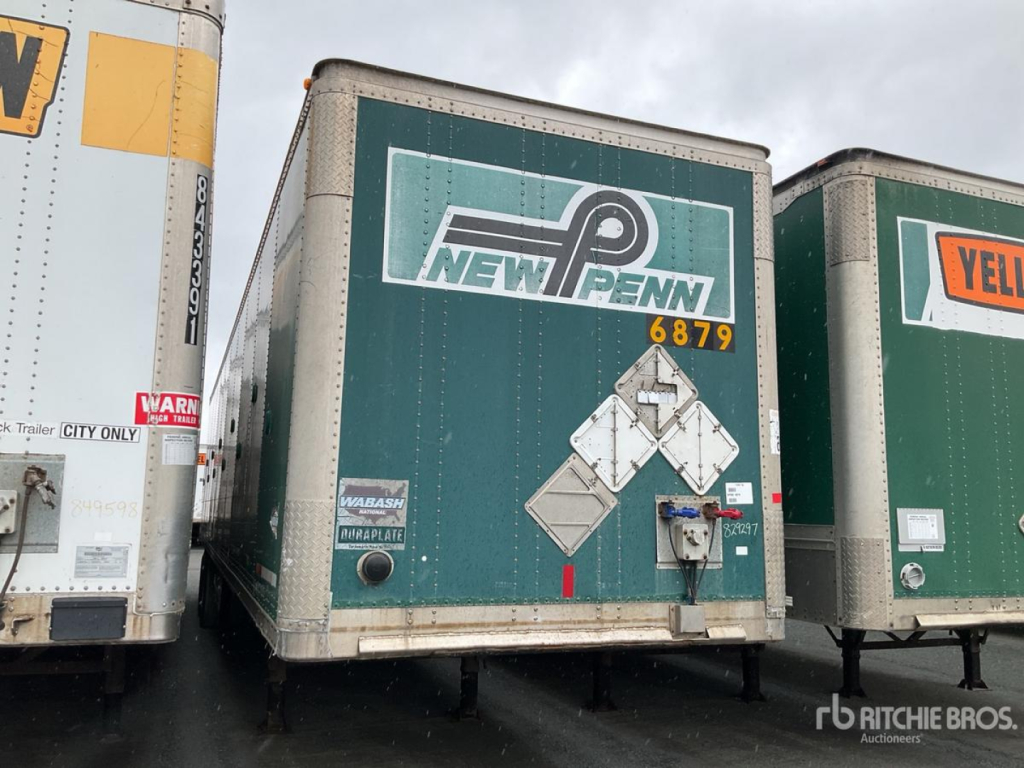
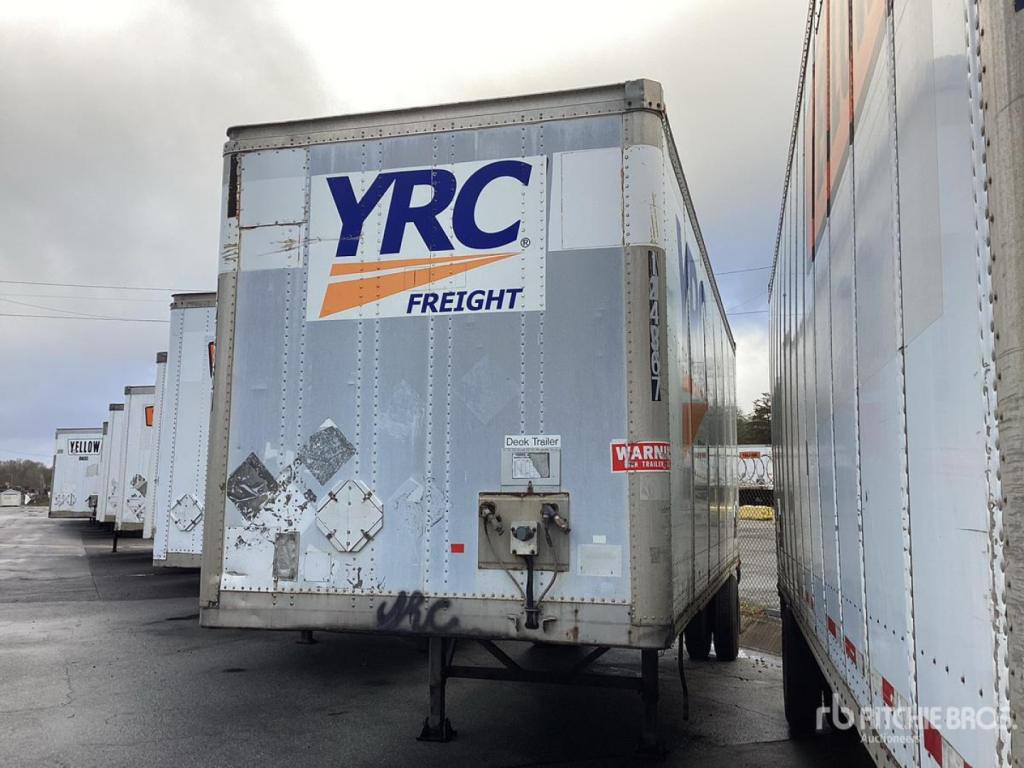
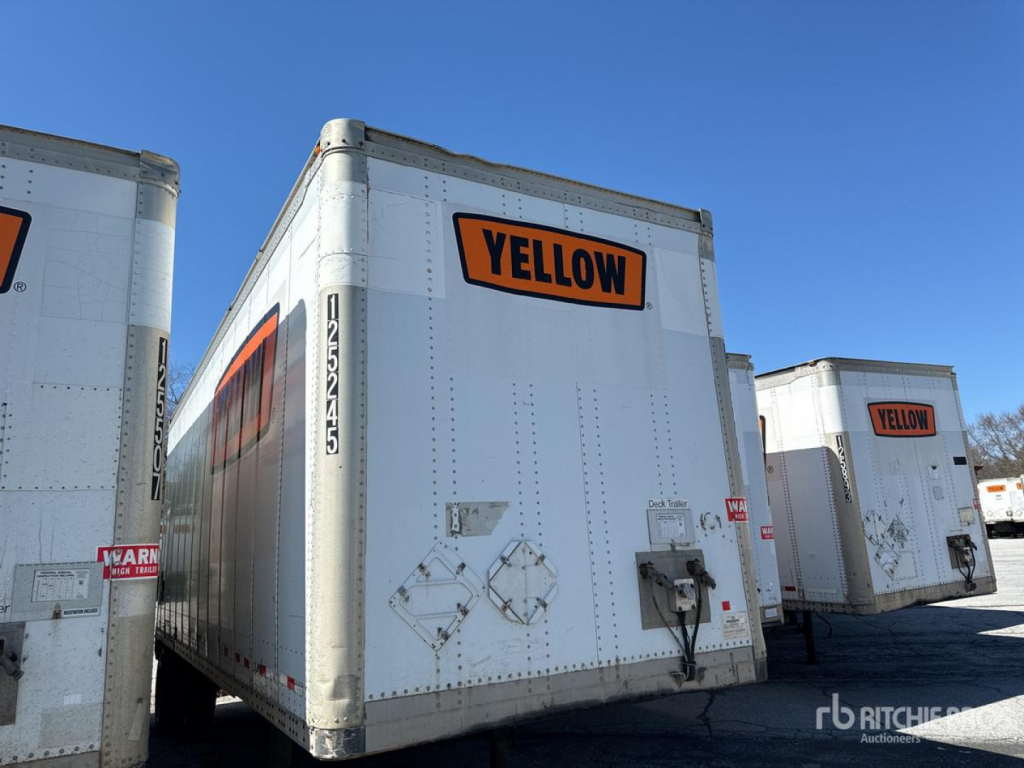
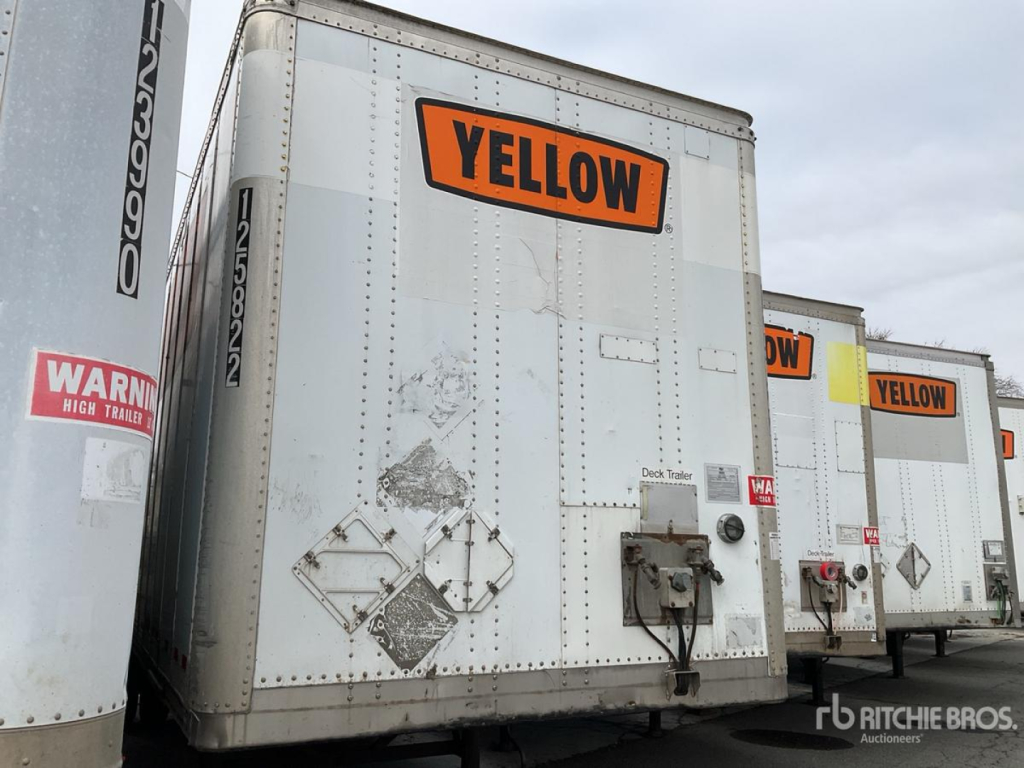
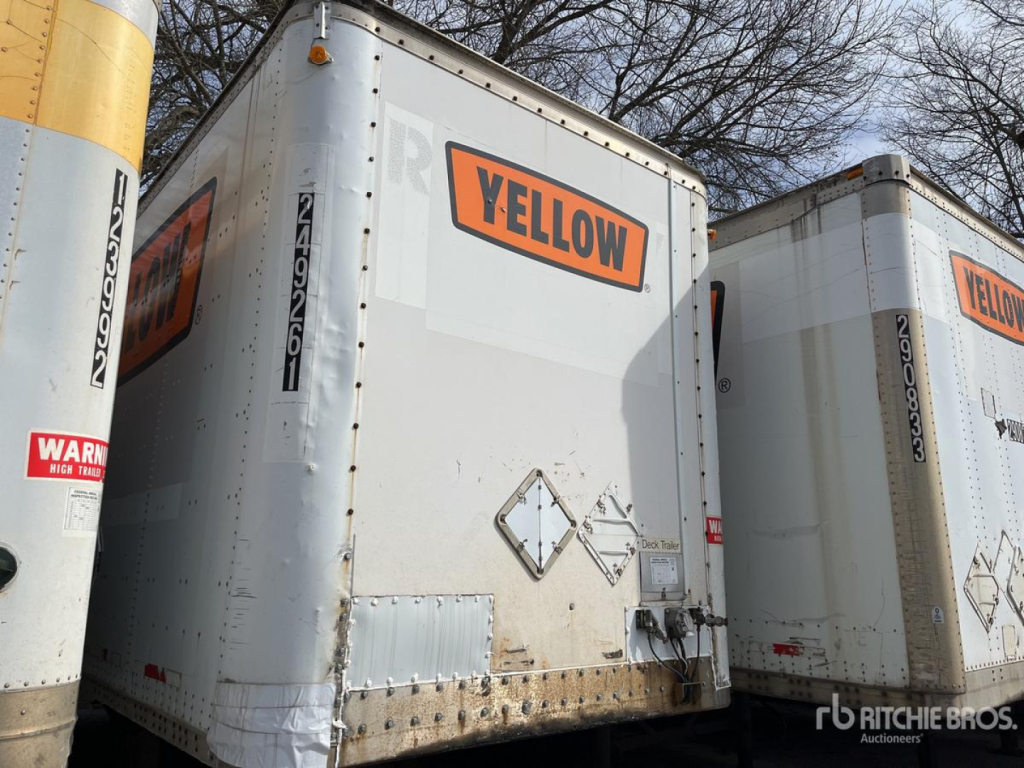
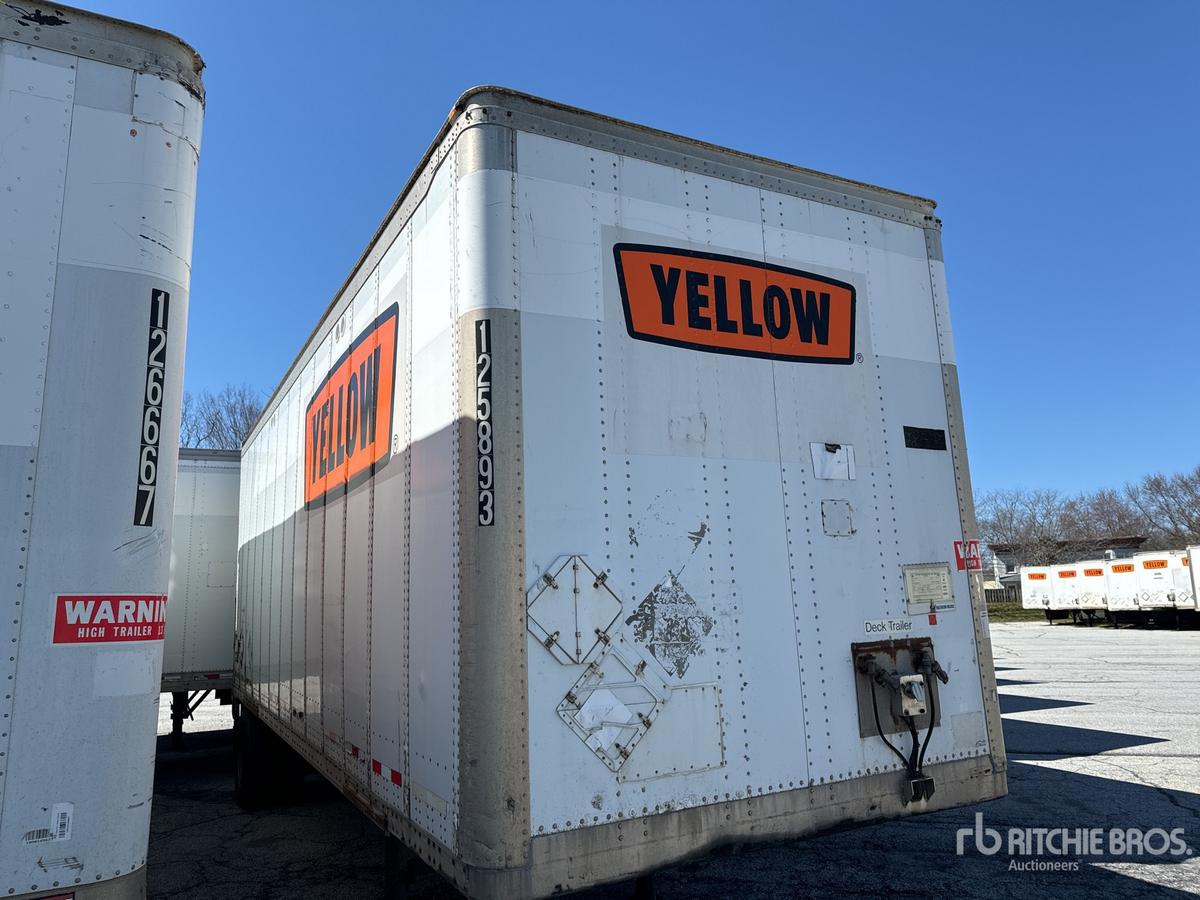
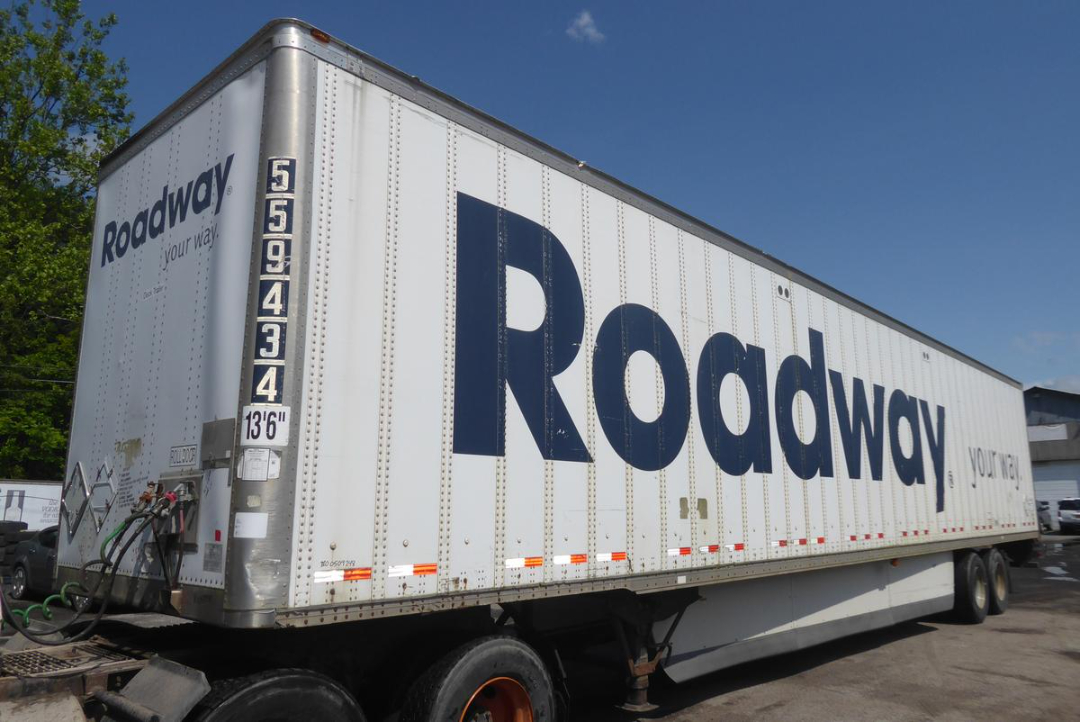
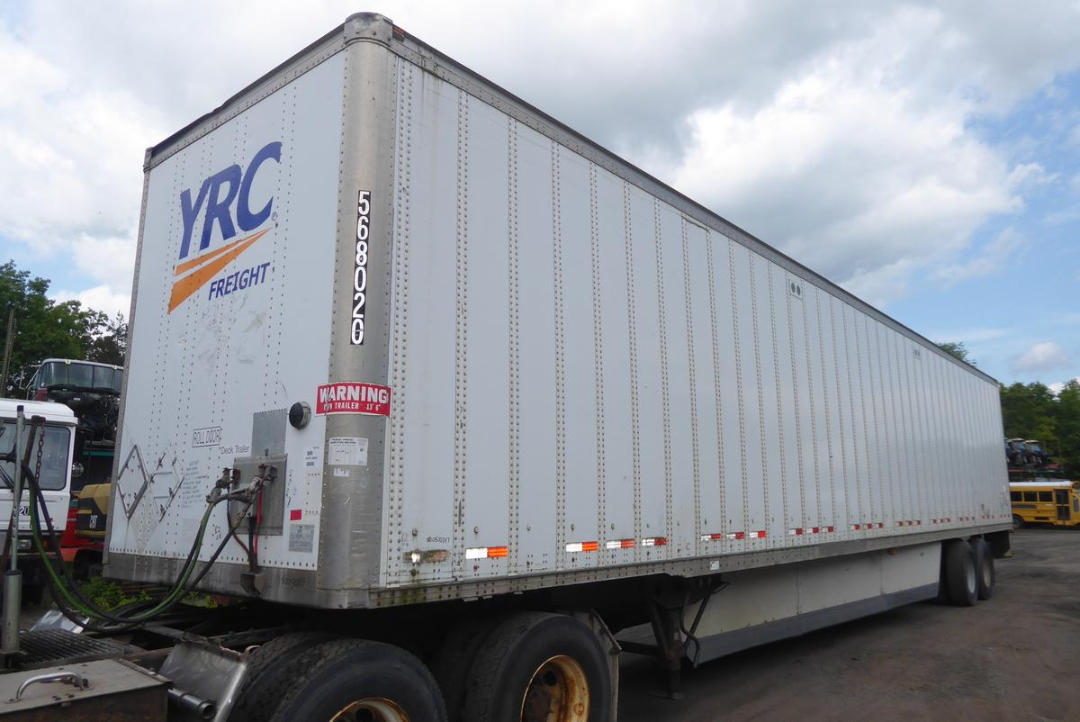
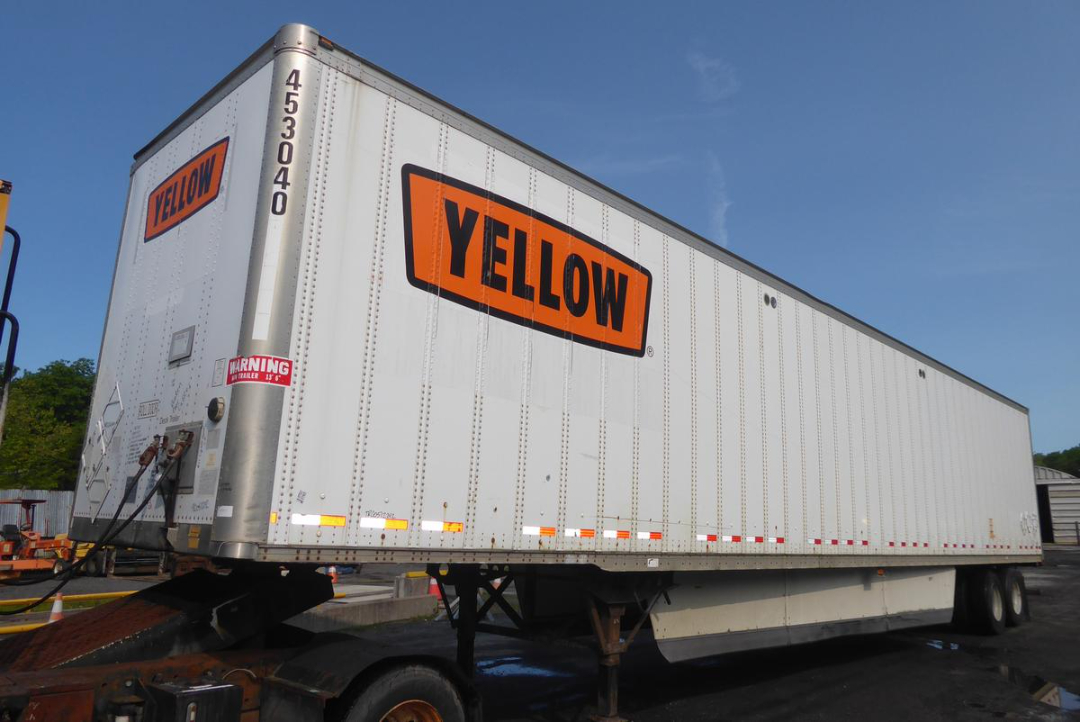
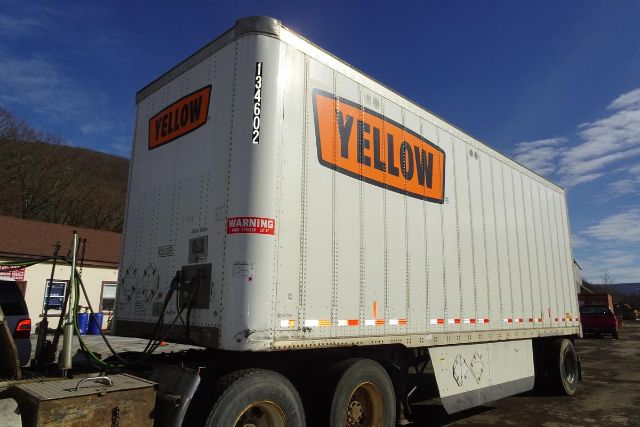
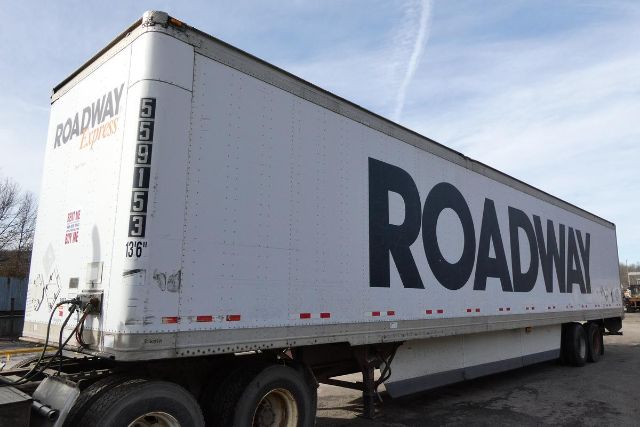
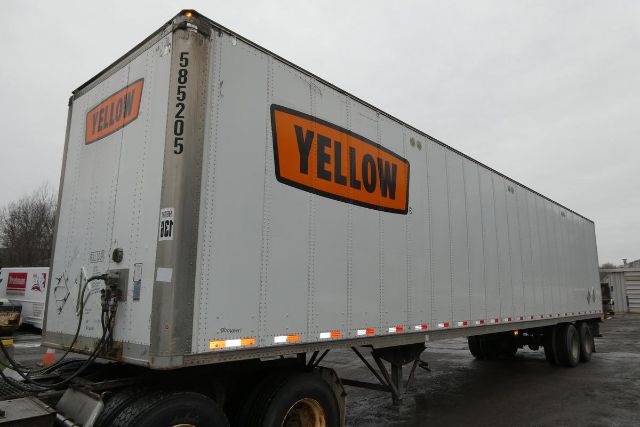
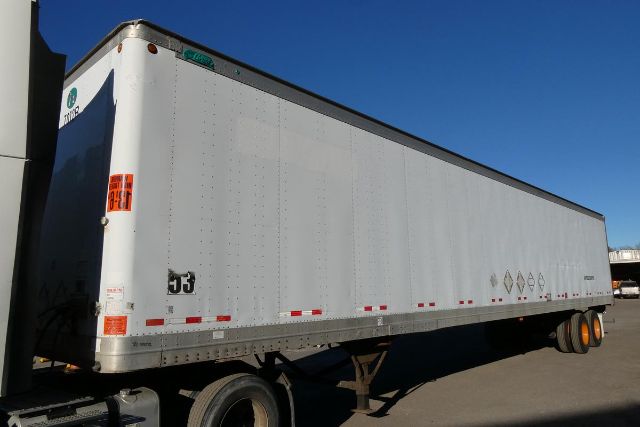
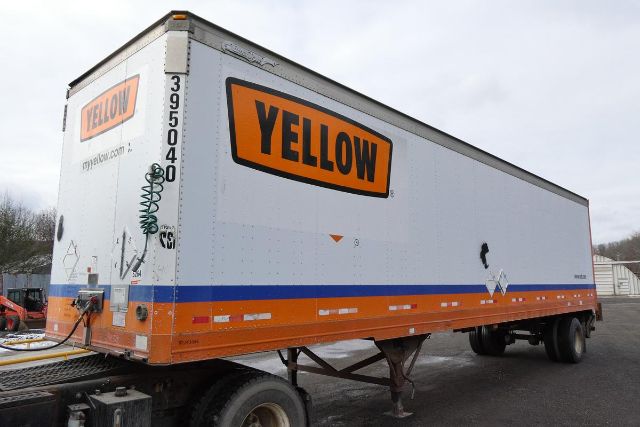
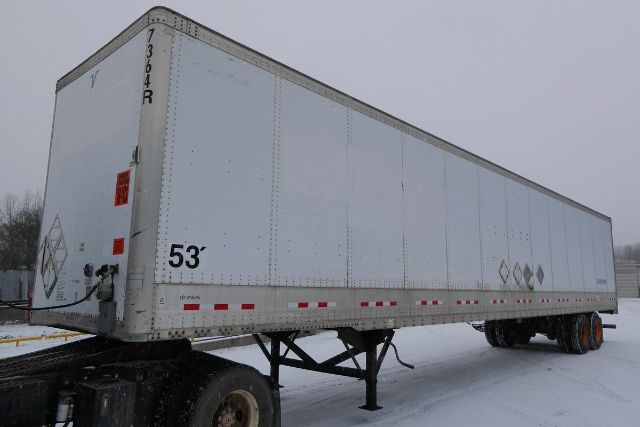
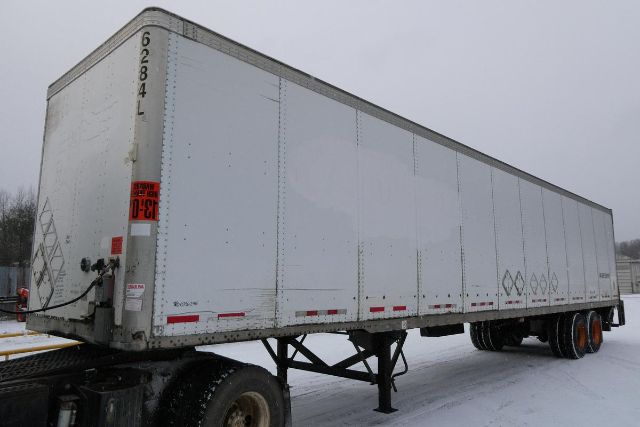
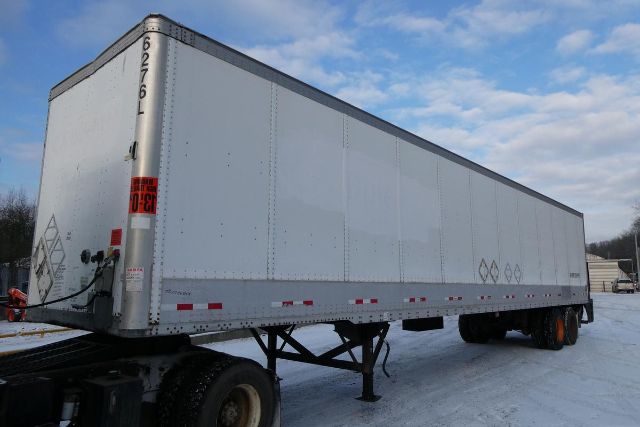
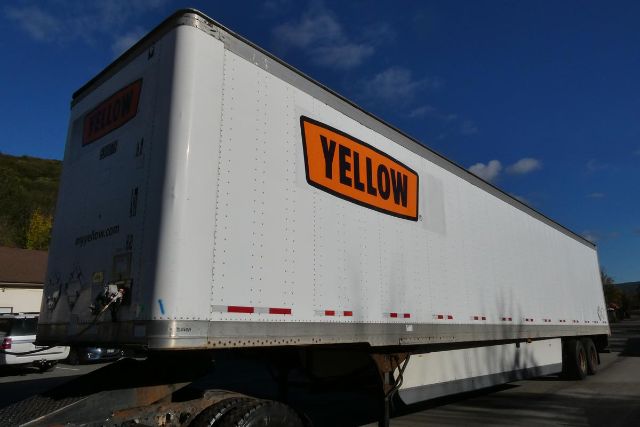
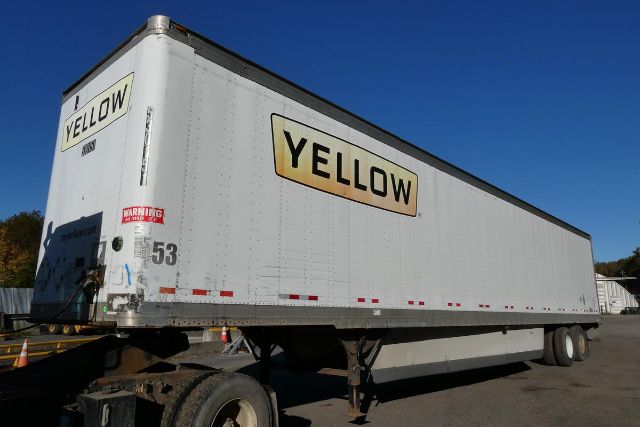
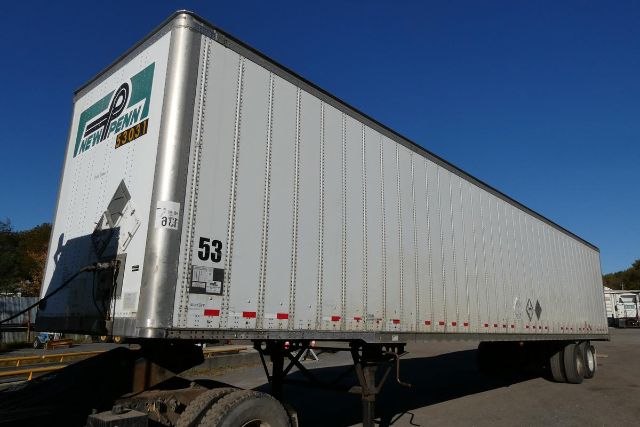
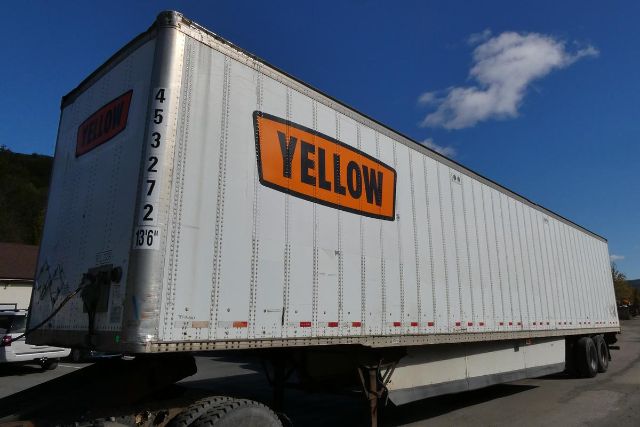
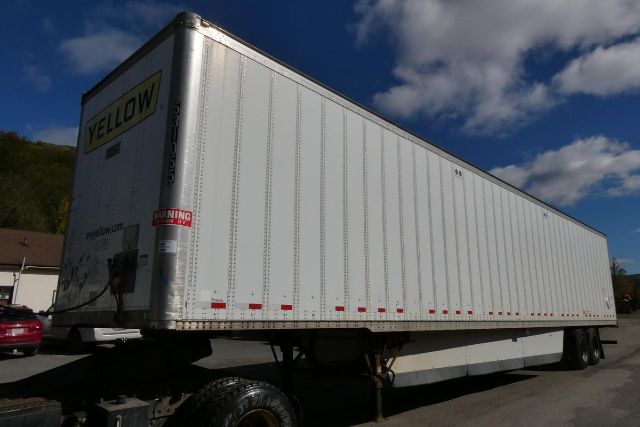
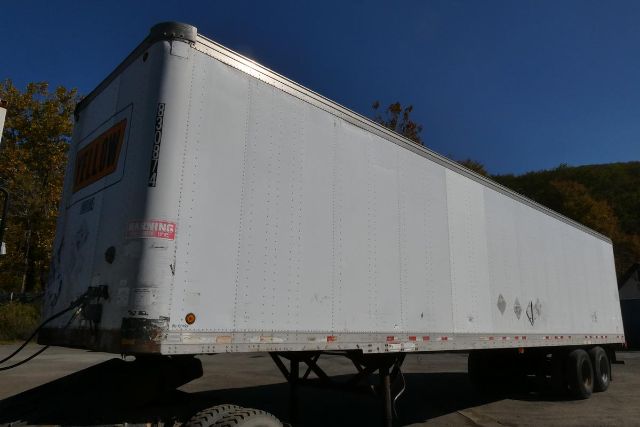
Showing 1 to 24 of 237 results
Have used van trailer to sell? List it here to reach thousands of buyers.
Used Van Trailers in New York
Construction and floor condition matter more on a used van trailer than the paint or decals. Many used dry vans combine aluminum and steel, which helps balance tare weight, repairability, and long-term durability. Buyers should pay close attention to crossmembers, roof bows, rear frame, door surround, and landing gear mounts, especially on trailers that have seen heavy dock work or urban delivery service. Wood floors remain common and can hold up well, but high-cycle freight use makes it important to inspect floor wear, patching, and fastener integrity. Roll-up doors are common on pup and city-route trailers, while swing doors may appear on highway-spec units. If the trailer has a liftgate, check capacity, platform condition, hydraulic performance, and signs of leaks or structural fatigue near the mounting area.
Suspension, axle placement, and brake spec should match the freight lane. Slideable tandems are common on 48-foot and 53-foot vans because they help with bridge law compliance, kingpin setting, and dock positioning. Fixed single-axle 28-foot trailers are widely used for parcel, LTL, and terminal-to-terminal operations, and many are set up to pull doubles. In a used market, tire size, wheel type, and brake condition are part of the real operating cost, not just a checklist item. Air-ride and spring ride both appear in this category, with spring suspensions still common on older dry vans and pups. Buyers running Northeast lanes should also look closely at corrosion on the rear impact guard, suspension hangers, air lines, and electrical harnesses because winter road treatment can accelerate wear.
The best used van trailer is the one that matches your freight profile and handling environment. A 53-foot trailer may be ideal for high-cube dock freight, but a 28-foot pup can make more sense for dense metro routes, LTL turns, and tight yard conditions. Interior dimensions, door opening height, and load width should be checked against the pallets, carts, or packaged freight you move every day. Features like scuff liners, side skirts, translucent roofs, logistics posts, and interior track can add value depending on the application. On a used trailer, service history, structural condition, and spec alignment usually matter more than model year alone.
Frequently Asked Questions about Used Van Trailers in New York
What is the difference between a van trailer and a reefer trailer?
A van trailer, commonly called a dry van, is an enclosed trailer built to protect general freight from weather and road exposure without active temperature control. A reefer trailer includes an insulated body and a refrigeration unit for hauling temperature-sensitive cargo. Dry vans are typically lighter, simpler to maintain, and better suited for boxed freight, palletized goods, retail products, and other non-perishable loads.
What length used van trailer is best for New York operations?
The right length depends on where and how the trailer will run. A 53-foot van offers the most cube for linehaul and dock freight, but it can be less practical in dense urban areas and tighter yards. A 48-foot trailer can be a good middle ground for some regional operations. A 28-foot pup trailer is often the better fit for LTL work, doubles service, and city delivery where turning space, terminal handling, and route flexibility are more important than maximum cargo volume.
What should I inspect first on a used dry van trailer?
Start with the structure and running gear. Check the frame rails, crossmembers, upper coupler plate, kingpin area, suspension mounts, landing gear supports, and rear frame for cracks, corrosion, or poor repairs. Then inspect the floor for rot, soft spots, broken boards, or excessive wear from forklifts. Doors should open, close, and seal properly, and the roof and sidewalls should be checked for leaks, patched panels, or bow damage. Brake function, tire condition, and air system leaks are also critical because they directly affect road readiness and operating cost.
Are roll-up doors better than swing doors on a used van trailer?
Roll-up doors are often preferred for city and dock operations because they need less clearance behind the trailer and can speed up frequent stops. They are common on pup trailers and delivery-focused specs. Swing doors are simpler in design and can be easier to service, but they require space to open fully and can be less convenient at tight docks. On a used trailer, condition matters more than door style alone. Buyers should inspect tracks, rollers, hinges, seals, latches, and the rear frame opening for wear or damage.
Why do axle configuration and tandem position matter on a used van trailer?
Axle setup affects legal compliance, maneuverability, and how the trailer fits your operation. Slideable tandems on 48-foot and 53-foot vans allow adjustment for bridge law, kingpin settings, and weight distribution, which is especially important on multi-state routes. Fixed single axles are common on 28-foot pups and help keep the trailer lighter and simpler for LTL and doubles use. When buying used, inspect slider rails, locking pins, suspension components, and alignment because these parts influence tire wear, stability, and maintenance cost.