
Used 2011 Van Trailers For Sale in New York
Shop used 2011 van trailers for sale in New York. Compare 28' to 53' dry vans, tandem setups, door types, floors, and trailer specs.
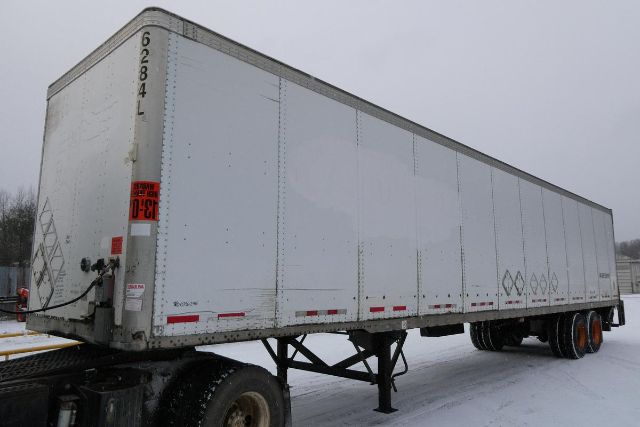
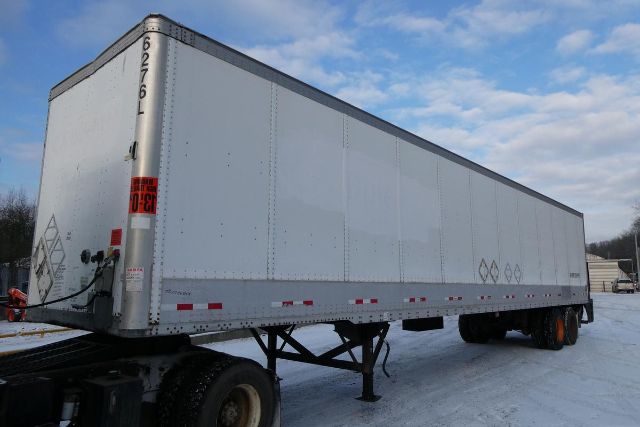
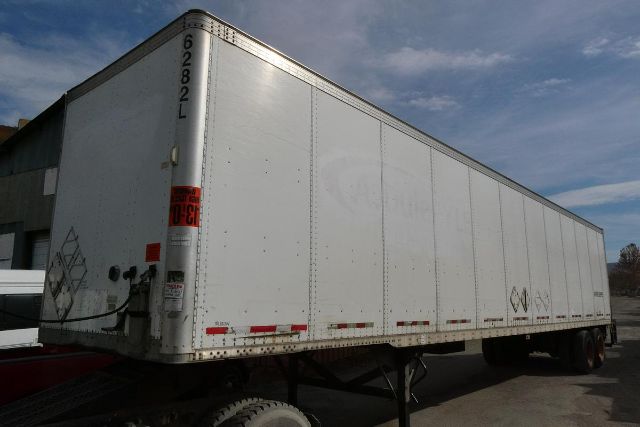
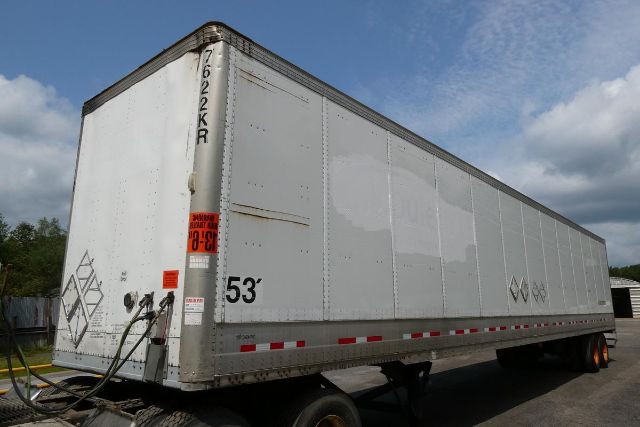
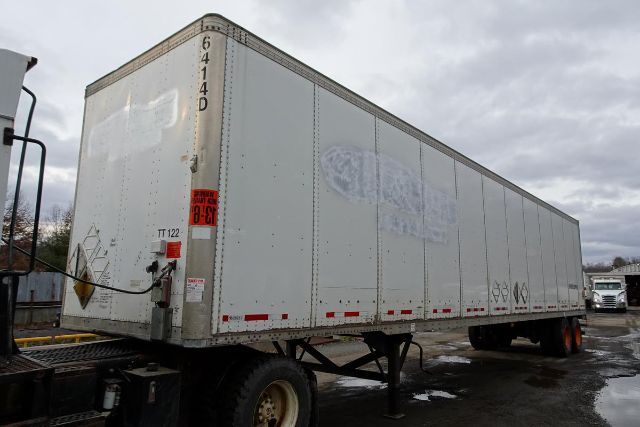
Have used 2011 van trailer to sell? List it here to reach thousands of buyers.
Used 2011 Van Trailers in New York
The most important buying decisions on a 2011 van trailer usually start with body construction and running gear. Aluminum or aluminum-steel composite trailers can help reduce empty weight, while steel-heavy designs may appeal to buyers prioritizing durability and lower repair sensitivity in hard-use fleets. Slideable tandem axles remain popular because they help with bridge law compliance, kingpin-to-rear axle measurements, and dock positioning. Suspension can be 4-spring, 2-spring, or air ride depending on the original spec. Air ride is often preferred for fragile or higher-value freight, while spring suspension can be simpler and less expensive to maintain. Tire sizes such as 11R22.5, 275/80R22.5, and 295/75R22.5 are all common, so buyers should confirm wheel-end uniformity, brake type, and tire matching before putting a trailer into regular service.
Floor and door condition matter more than many first-time buyers expect. Wood-over-steel floors are common in this class, and a close inspection for rot, delamination, forklift wear, patching, and crossmember damage can tell you a lot about how the trailer was used. Rear access is typically through swing doors or roll-up doors. Roll-up doors are common in urban and multi-stop work because they save space at the dock, but they add weight and have more moving parts. Swing doors usually offer a larger full-height opening and can be easier to repair. Interior width and load height should be checked against your freight profile, especially if you handle standard 48-inch pallets, beverage loads, carts, or stackable consumer goods. Useful specs and options in this category may include translucent or aluminum roofs, scuff liners, logistic posts, side skirts, tire inflation systems, liftgates, and occasional heater packages for cold-weather operations.
For a 2011 model year trailer, condition history is more important than age alone. Buyers should inspect roof seams, front wall repairs, nose rail integrity, ICC bumper condition, brake chamber and slack adjuster wear, ABS function, and signs of corrosion around the subframe and rear sill. In New York service, road salt exposure can accelerate rust on steel components, door hardware, and landing gear, so underbody inspection is worth the time. A well-maintained 2011 van trailer can still serve regional freight, storage, or dedicated route work effectively if the frame is straight, the floor is solid, and the suspension, brakes, and axle alignment are in order.
Frequently Asked Questions about Used 2011 Van Trailers in New York
What is the difference between a van trailer and a reefer trailer?
A van trailer, often called a dry van, is an enclosed trailer with no active refrigeration system. It is designed for dry freight that needs protection from weather and road debris but does not require temperature control. A reefer trailer includes an insulated body and refrigeration unit for perishables, frozen freight, and other temperature-sensitive loads. For general merchandise, boxed freight, and palletized consumer goods, a van trailer is usually the lighter and less expensive option to buy and maintain.
What should I inspect first on a used 2011 van trailer?
Start with the floor, roof, rear frame, suspension, brakes, and axle alignment. Floor damage from forklifts and moisture can be expensive to correct, and roof leaks can lead to hidden interior deterioration. Check the rear sill, door frame, and ICC bumper for impact damage, then inspect brake components, wheel seals, tires, and the condition of the tandem slide if equipped. On New York trailers, corrosion on the undercarriage, landing gear, and crossmembers deserves special attention because winter road salt can shorten service life.
Are slideable tandems important on a dry van trailer?
Slideable tandems are important for many operations because they help manage weight distribution, bridge law compliance, and kingpin settings. They also give drivers more flexibility when loading heavy freight or positioning at different docks and customer sites. A fixed tandem can work well in dedicated applications, but a sliding tandem is generally more versatile for mixed freight and multi-state operation. Buyers should confirm the slide rail condition, locking pin function, and signs of wear or cracking around the suspension mounts.
What trailer length is best for my operation?
That depends on freight type, route density, and where the trailer will operate. A 53-foot van maximizes cube and is the standard for many distribution and linehaul fleets. A 48-foot or 45-foot trailer can be a better fit for certain regional applications, older facilities, or operations with tighter maneuvering requirements. A 28-foot pup is commonly used in doubles service and urban freight. In New York, trailer length should be matched to legal routing, yard space, dock geometry, and the type of freight being loaded.
Can a 2011 dry van trailer still be a good fleet addition?
Yes, if the trailer has been maintained properly and its structure is still sound. Model year alone does not determine value in a van trailer. A straight frame, solid floor, dependable brakes, serviceable suspension, and clean door operation matter more than age by itself. Many older dry vans remain productive in regional hauling, dedicated lanes, warehouse shuttles, and storage service when maintenance history and current condition are verified carefully.