
Used 2009 Van Trailers For Sale in New York
Shop used 2009 van trailers in New York. Compare 48' and 53' dry vans, tandem slides, door types, floor condition, and axle specs.
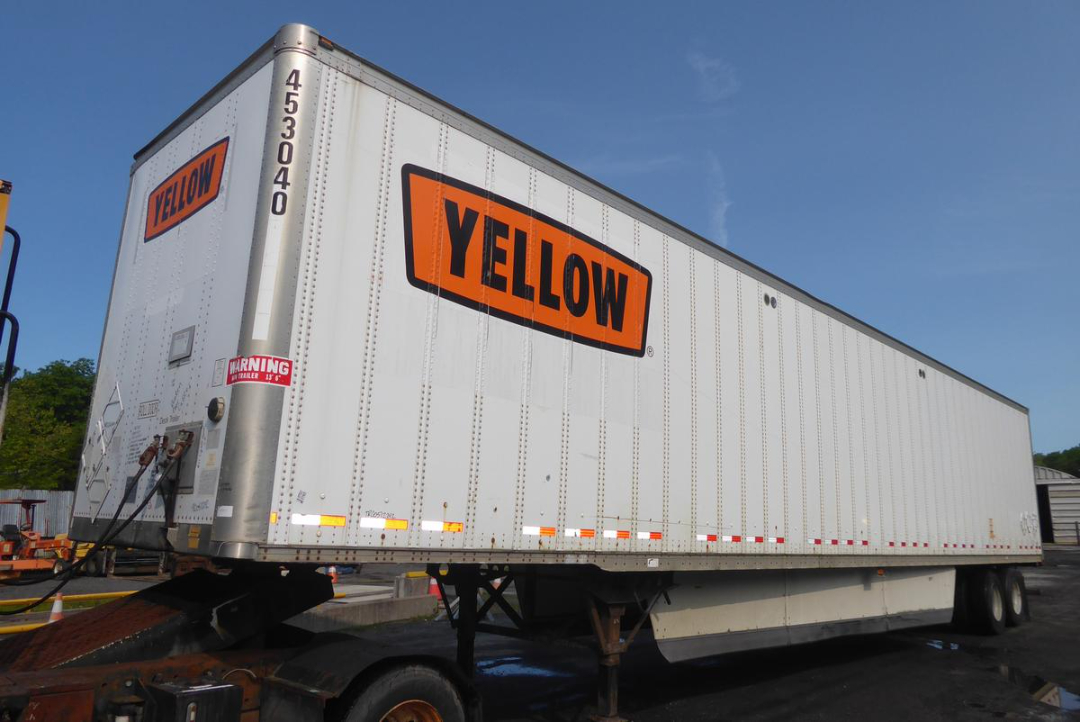
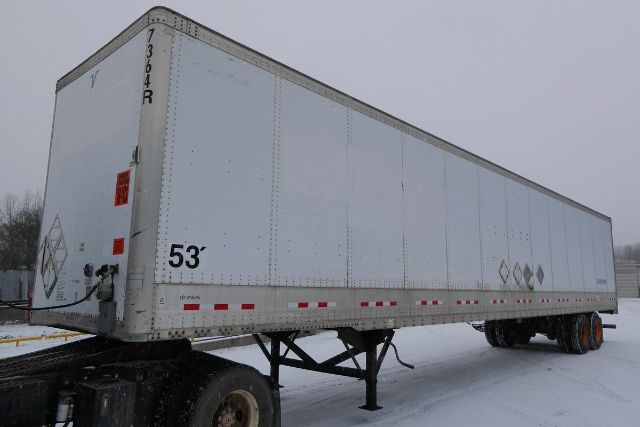
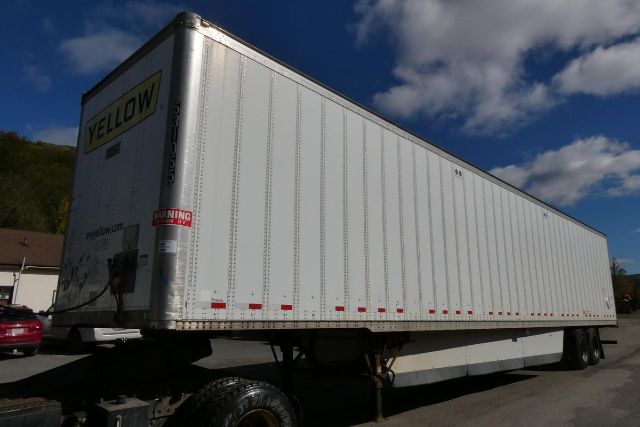
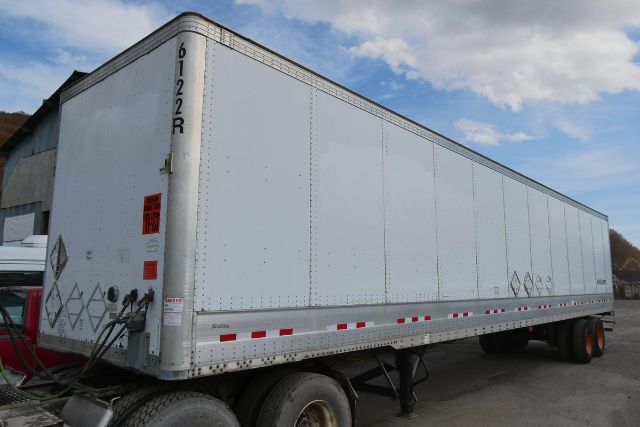
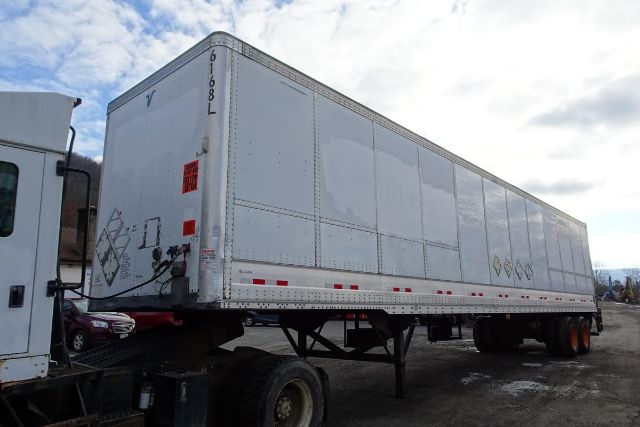
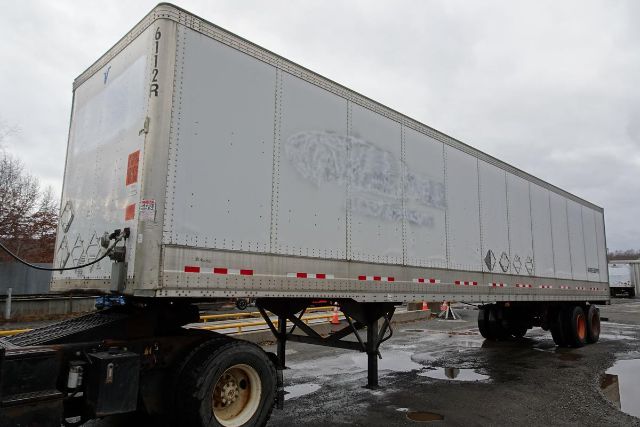

Have used 2009 van trailer to sell? List it here to reach thousands of buyers.
Used 2009 Van Trailers in New York
The condition of the floor and rear structure matters as much as the brand tag. Many 2009 van trailers still run wood-over-steel floors, and floor wear should be checked for forklift damage, soft spots, broken boards, and fastener pull-through. Rear roll-up doors are common on route and dock work, but swing doors can offer a better seal and fewer moving parts. On older dry vans, buyers should pay close attention to the rear threshold, hinges, header, and galvanized or steel door surround because those areas often show fatigue, rust, or impact damage first. Roof type also matters. Aluminum or translucent roofs can help with interior light and durability, but any patching, bow damage, or signs of water intrusion should be evaluated before the trailer goes to work.
Suspension and running gear are another key decision point. A 2009 van trailer may be equipped with spring ride or air ride, and each has its place depending on cargo sensitivity and maintenance preference. Slideable tandems remain important for bridge law compliance, dock positioning, and regional weight distribution. Tire size, wheel type, brake condition, hub style, and axle alignment all affect operating cost. Features like tire inflation systems, scuff liners, liftgates, or heater packages can add value for specialized applications, but they also add inspection points. In New York service, it is smart to look closely at brake chambers, slack adjusters, air lines, ABS function, and corrosion on steel wheels and undercarriage components.
For buyers comparing used 2009 dry van trailers, the best value usually comes from matching the trailer to the freight lane and loading method rather than chasing the lowest purchase price alone. A lighter 53-foot van may make sense for maximizing payload on palletized freight, while a 48-foot unit can still fit certain regional operations, city deliveries, and dedicated lanes. Door opening dimensions, interior height, logistic post placement, and overall trailer height should all line up with the freight you plan to move and the docks you serve. A well-maintained 2009 van trailer can still be a dependable revenue unit if the structure is sound, the floor is serviceable, and the running gear has been kept up.
Frequently Asked Questions about Used 2009 Van Trailers in New York
What should I inspect first on a used 2009 van trailer?
Start with structural condition and water integrity. Check the floor for forklift damage, broken boards, and soft spots. Inspect the roof, side panels, front wall, rear frame, and door surround for leaks, patches, cracking, and impact damage. Then move to the undercarriage, including crossmembers, suspension hangers, slider rails, brakes, tires, and wheel ends. On a 2009 trailer, rust and fatigue around the rear structure and slider assembly can be more important than cosmetic appearance.
Is a 48-foot or 53-foot van trailer better for my operation?
A 53-foot dry van is the standard choice for maximizing cubic capacity and pallet count in most over-the-road freight. A 48-foot van trailer can still be a strong fit for regional work, city deliveries, dedicated accounts, and operations with tighter yard space or legacy dock setups. The right choice depends on freight density, dock access, lane requirements, and payload goals. Buyers should also verify bridge law and tandem slide needs for the lanes they run.
Are spring ride or air ride suspensions better on an older dry van trailer?
Air ride is generally preferred for more sensitive freight because it offers a smoother ride and can reduce cargo shock. Spring ride is simpler and can be less expensive to maintain, which appeals to some buyers running general freight. On a used 2009 van trailer, condition matters more than suspension type alone. Worn bushings, damaged air bags, poor alignment, and neglected brake components can create higher operating costs regardless of the original suspension design.
What are common problem areas on older van trailers used in New York?
Corrosion is a major concern in New York because winter road treatment can accelerate rust on steel components. Pay close attention to rear impact guards, door frames, landing gear, crossmembers, slider boxes, suspension mounts, and steel wheel surfaces. Water intrusion is another common issue, especially around roof seams, rivets, nose caps, and repaired side panels. Buyers should also inspect for frozen or seized slider mechanisms, worn brake hardware, and damage from repeated dock contact.
Do features like liftgates, heaters, or tire inflation systems add value on a used van trailer?
They can add value if they match the job and are fully functional. A liftgate is useful for route delivery and locations without docks. A heater package can support temperature-sensitive freight that does not require full refrigeration. A tire inflation system can help reduce tire wear and improve uptime. On an older 2009 trailer, these options should be inspected carefully because repair cost can outweigh their value if the systems are incomplete, damaged, or no longer supported.