
Used Fruehauf Van Trailers For Sale in New York
Browse used Fruehauf van trailers in New York. Compare dry van specs, lengths, door styles, axle setups, and construction details.
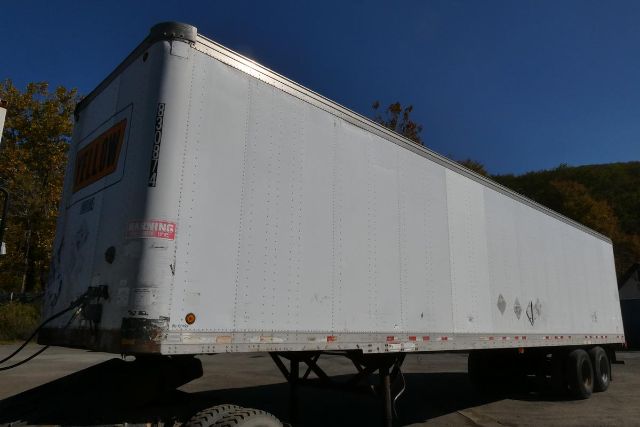
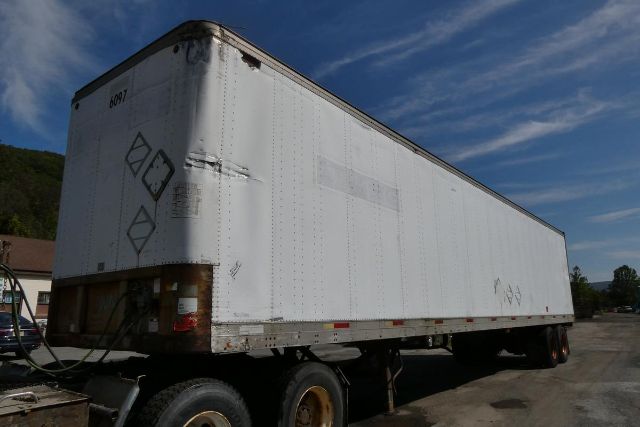
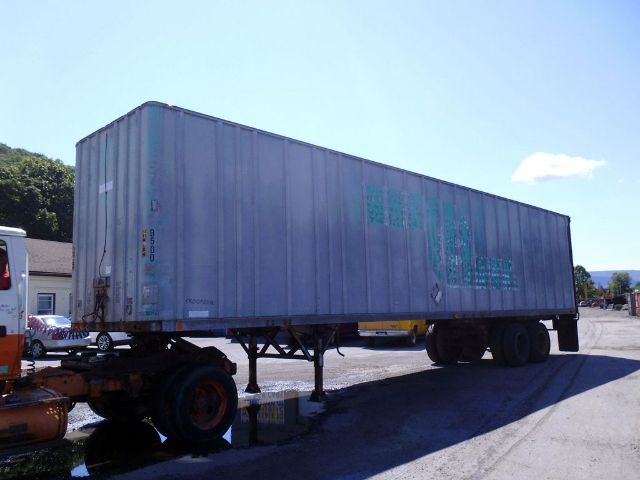
Have used fruehauf van trailer to sell? List it here to reach thousands of buyers.
Used Fruehauf Van Trailers in New York
The first decision is usually length, axle position, and suspension type. Many older Fruehauf vans in the market are 45-foot or 48-foot trailers, though width can vary between older 96-inch bodies and the more common 102-inch wide-body format. Slide tandems matter if you run in areas with strict bridge law considerations or regularly adjust kingpin-to-rear-axle dimensions for dock access and weight distribution. Suspension is often either spring ride or air ride. Spring suspension is simpler and generally less expensive to maintain, while air ride is preferred for more fragile freight and smoother cargo handling.
Construction details deserve close attention on a used Fruehauf dry van. Aluminum composition helps keep tare weight reasonable, but the real condition check is in the floor, roof, side panels, and rear frame. Many of these trailers use wood floors or wood-over-steel floor designs, so buyers should inspect for soft spots, patchwork, rot around thresholds, and damage from forklifts. Door style also changes how the trailer fits the job. Swing doors are common and easy to service, while roll-up doors can be convenient at tight docks but reduce clear opening height and add maintenance points in the tracks and springs. If a unit has a translucent roof, that can improve daylight inside the box for loading, but it should still be checked for leaks, cracks, and prior repairs.
For buyers in New York, trailer dimensions, registration requirements, and local route restrictions should be part of the buying process, especially with older equipment. A used Fruehauf van can still be a good fit for general dry freight, storage, short-haul distribution, agricultural products, or warehouse shuttle work if the frame, running gear, brakes, and floor are sound. Pay particular attention to crossmembers, landing gear, rear sill, ICC bumper, brake chambers, slack adjusters, wheel ends, and signs of corrosion around the suspension hangers. On an older van trailer, condition matters far more than model year alone.
Frequently Asked Questions about Used Fruehauf Van Trailers in New York
What should I inspect first on a used Fruehauf van trailer?
Start with the structural and running components. The most important checks are the floor condition, crossmembers, sidewall integrity, roof condition, rear frame, suspension, brakes, and wheel ends. On older dry vans, wood floors and rear door frames often show the most wear from forklift traffic and repeated loading. A trailer with solid structure and serviceable running gear is usually a better buy than a newer-looking unit with hidden frame or floor damage.
Are older Fruehauf van trailers still a good choice for dry freight work?
Yes, if the trailer has been maintained and the core structure is sound. Many older Fruehauf dry vans are still used for general freight, local delivery, storage, and short regional lanes. They are especially attractive for buyers who do not need late-model trailer specs and want a lower acquisition cost. The key is to confirm that the brakes, suspension, axles, doors, and floor can support the intended cargo and loading cycle.
What is better on a used van trailer, swing doors or a roll-up door?
It depends on the application. Swing doors usually provide a larger clear opening and have fewer moving parts, which can make them easier and cheaper to maintain. Roll-up doors can be helpful at tight docks or urban stops where door swing clearance is limited, but they add track, spring, and panel wear points and can slightly reduce loading height. Buyers hauling palletized freight by forklift often compare door style based on dock setup and required opening clearance.
Why does a slideable tandem matter on a dry van trailer?
A slideable tandem gives the operator flexibility in axle spread and weight distribution. That matters for bridge law compliance, balancing axle weights, and adjusting trailer geometry for different state rules or customer yards. In some operations, the ability to move tandems can make a major difference in legal loading and maneuverability. Buyers should verify that the slider mechanism locks properly and that the rails, pins, and suspension area are not excessively worn.
What are common specs found on used Fruehauf van trailers?
Common specs include 45-foot or 48-foot lengths, 96-inch or 102-inch widths, tandem axles, air brakes, spring or air ride suspension, aluminum trailer construction, and wood or wood-over-steel floors. Door configurations may be swing or roll-up depending on the trailer's original application. Actual specs vary by age and prior use, so buyers should confirm dimensions, tare weight, GVWR, tire size, and door opening before matching a trailer to their freight requirements.