
Used Fruehauf Van Trailers For Sale
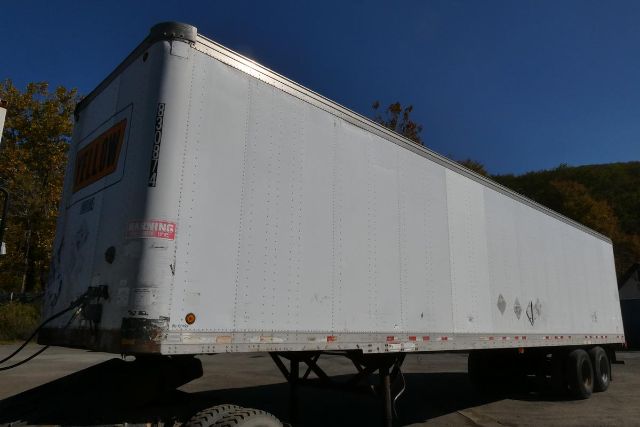
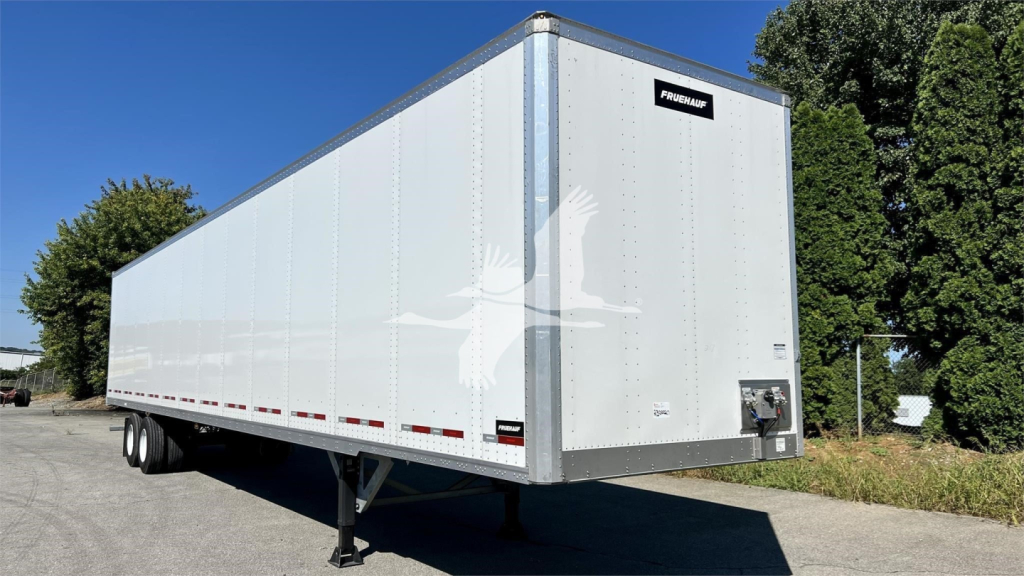
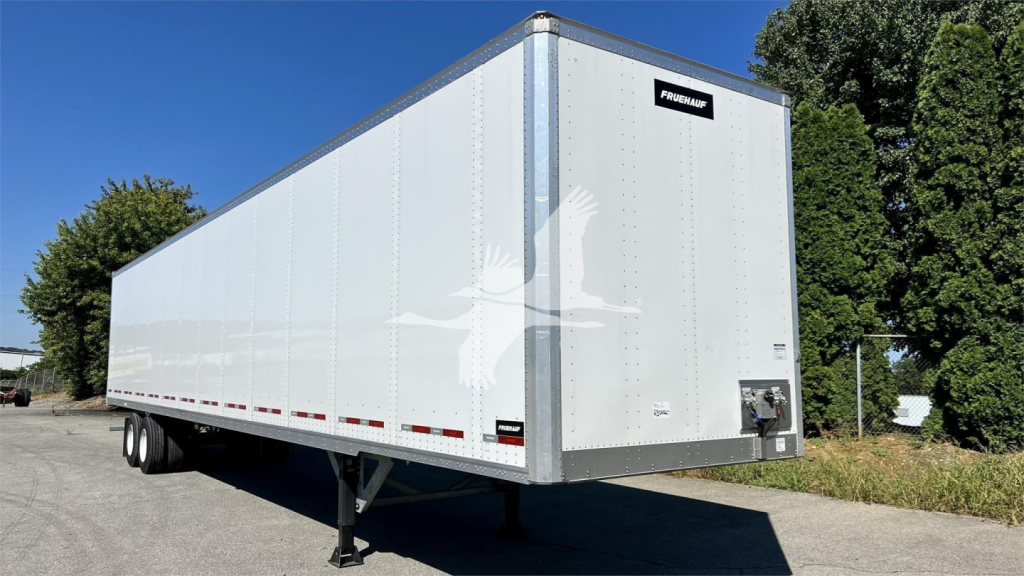
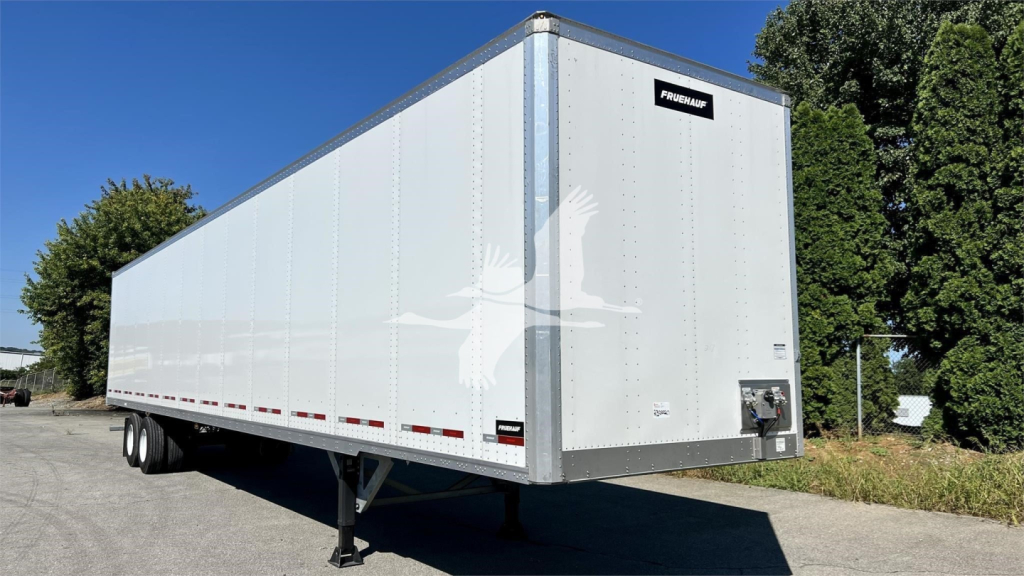
Shop used Fruehauf van trailers built for dry freight with 53-foot dimensions, air ride suspension, plate sides, and durable cargo-ready specs.
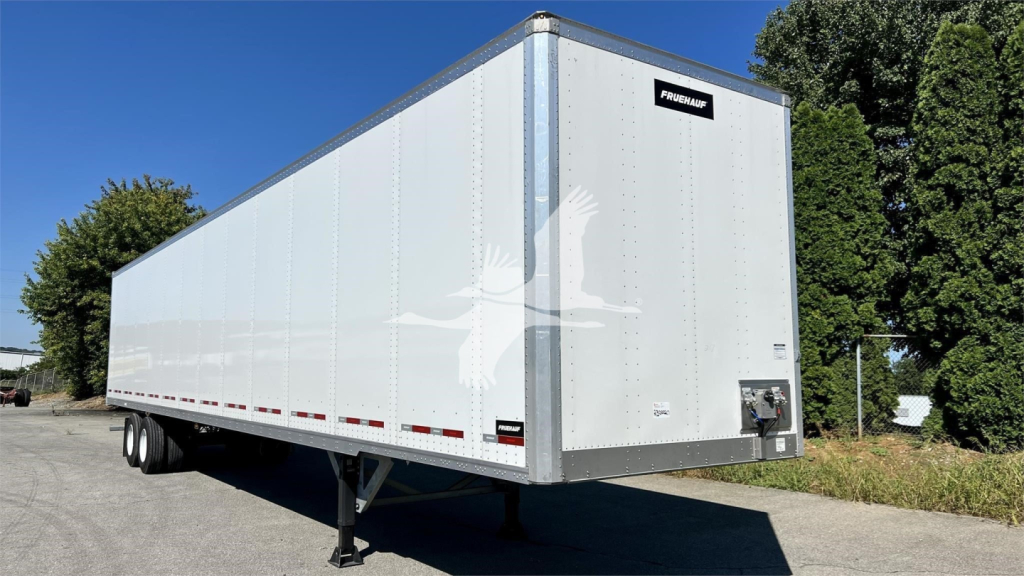
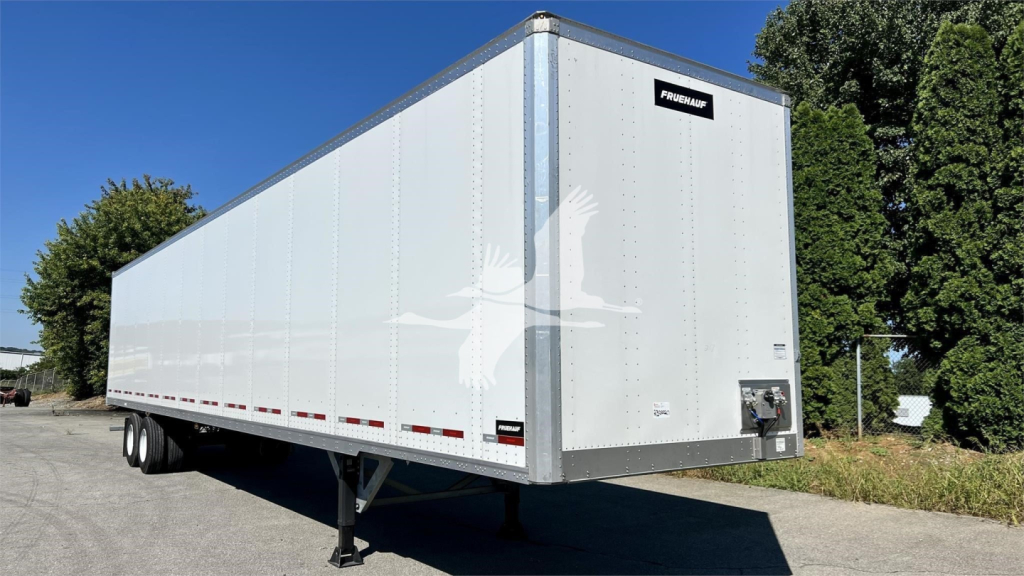
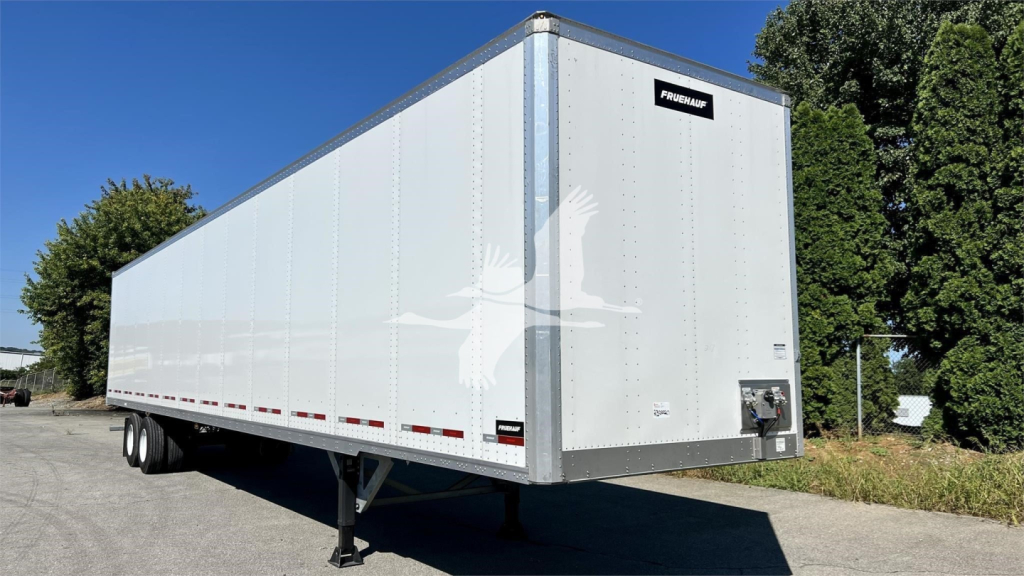
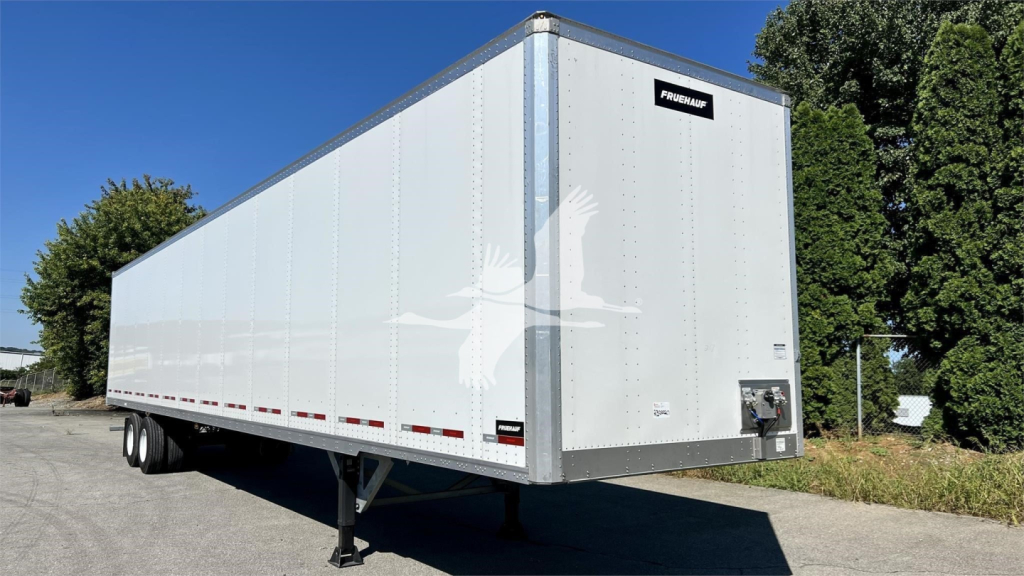
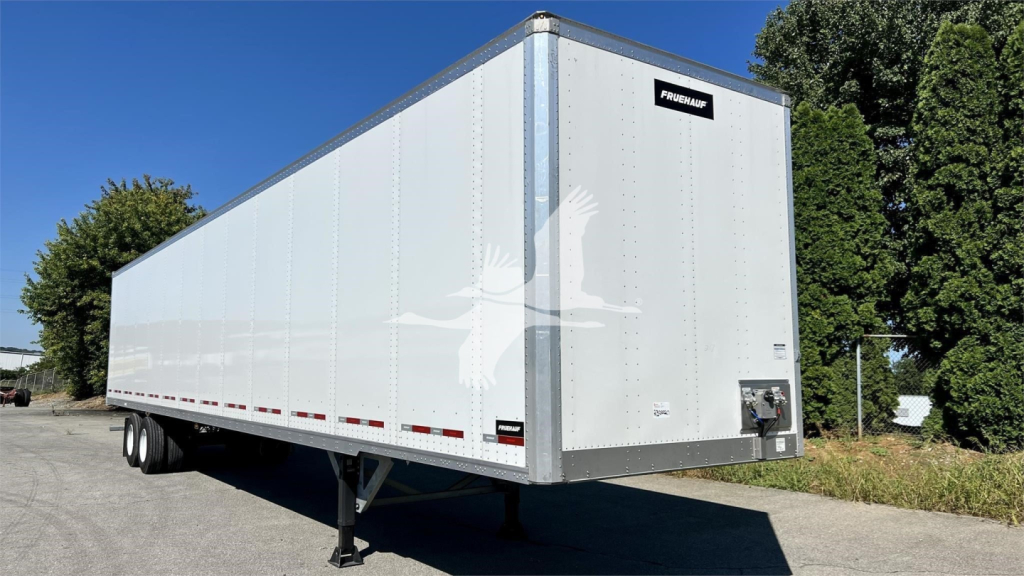
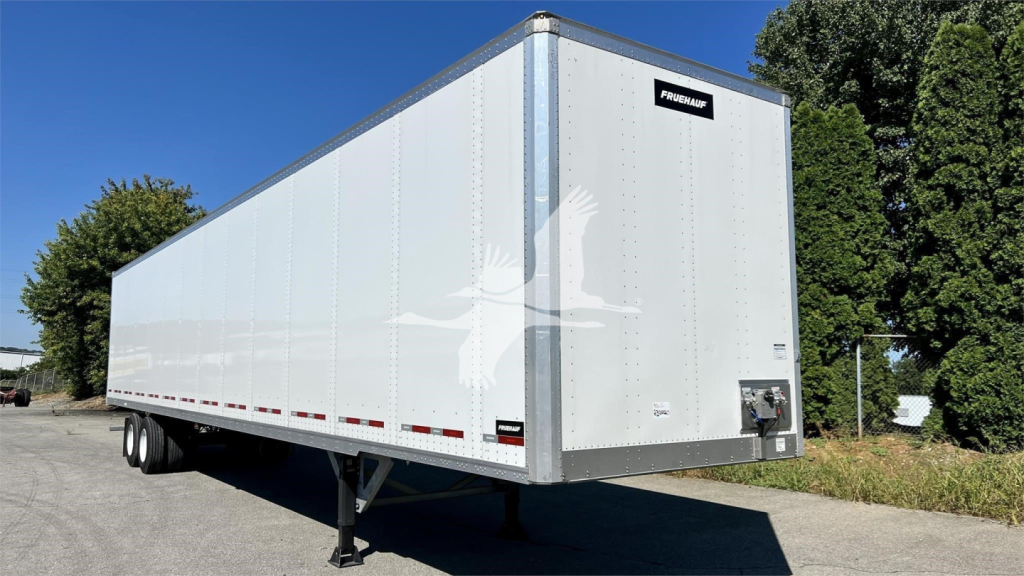
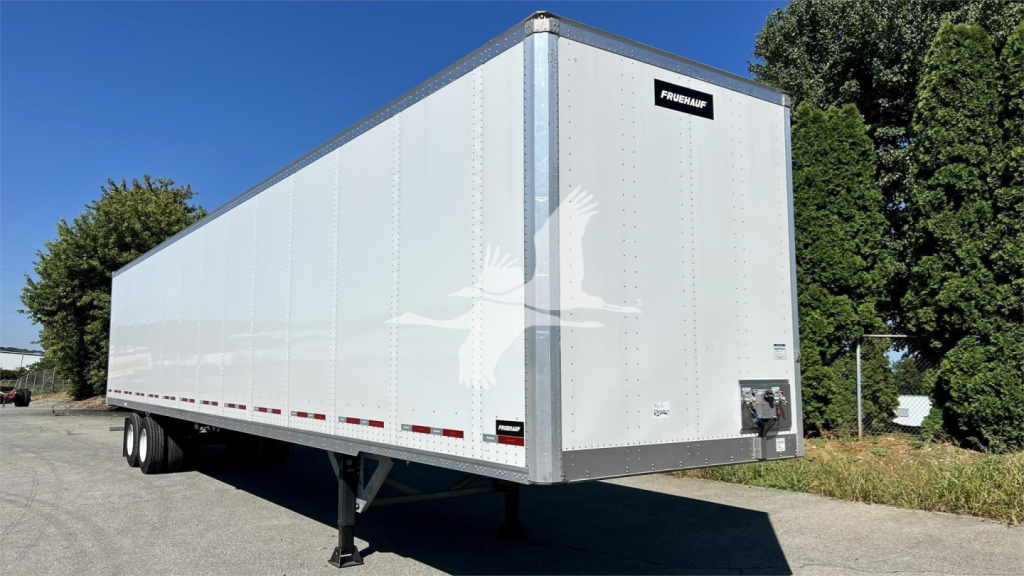
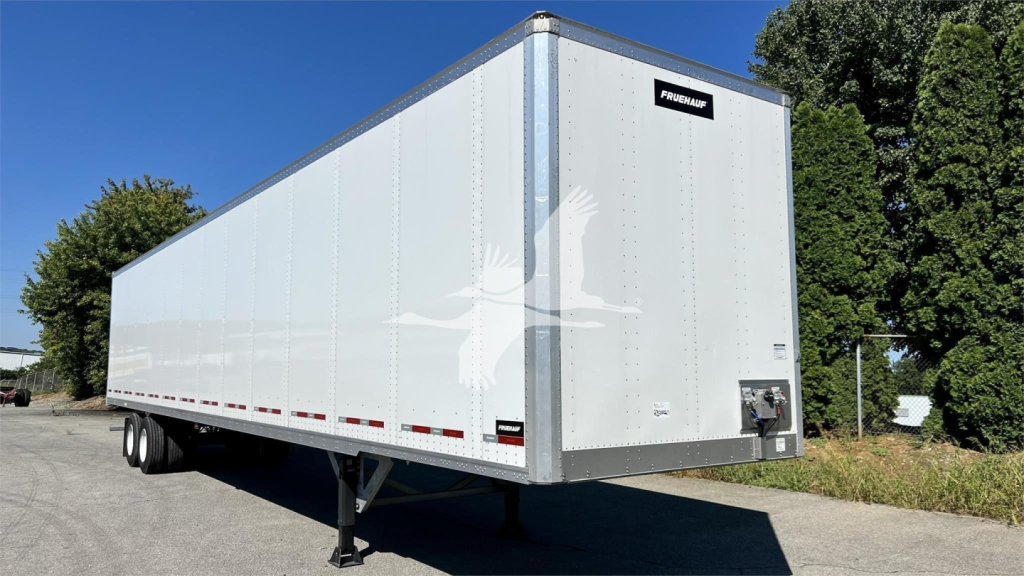
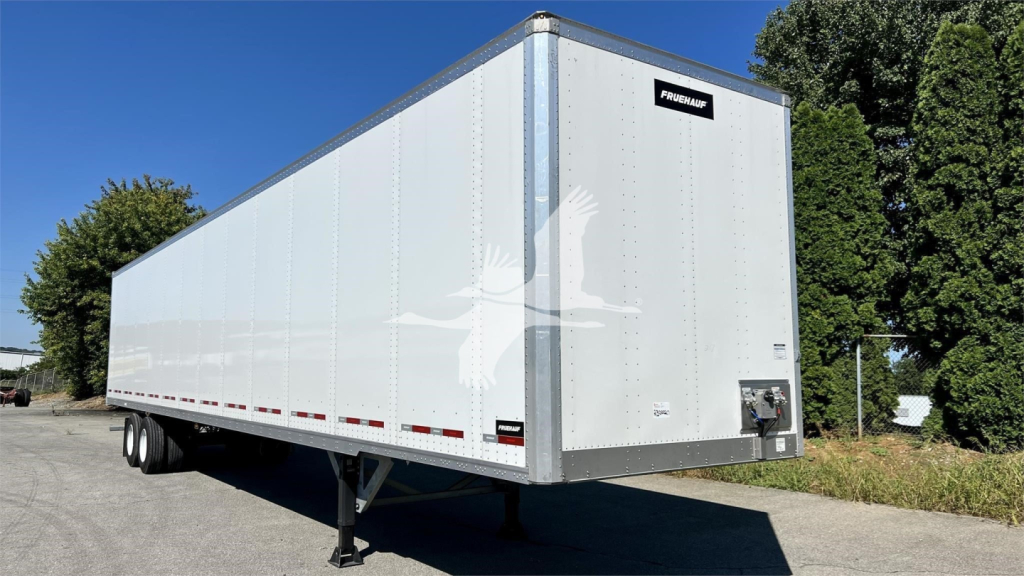
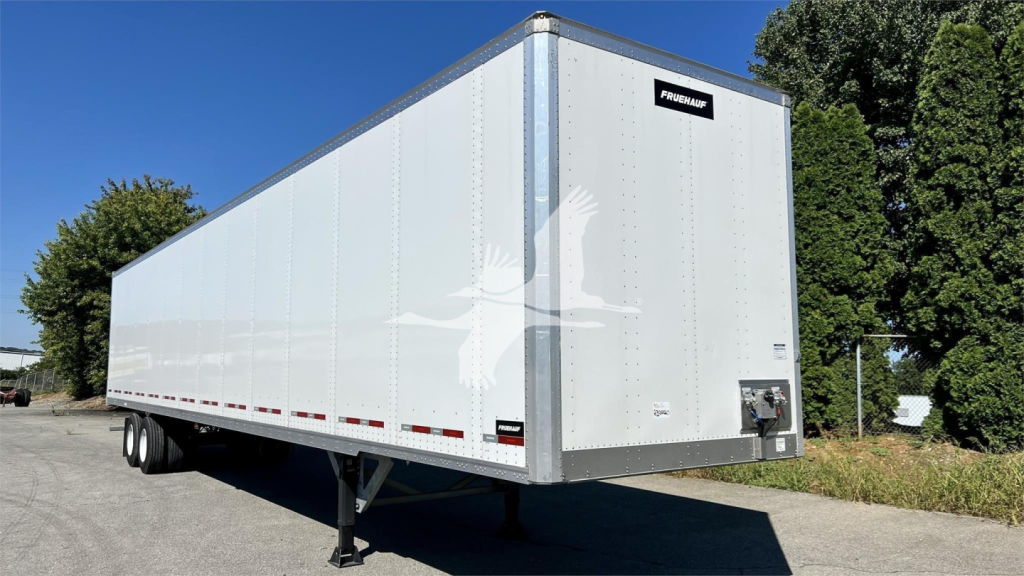
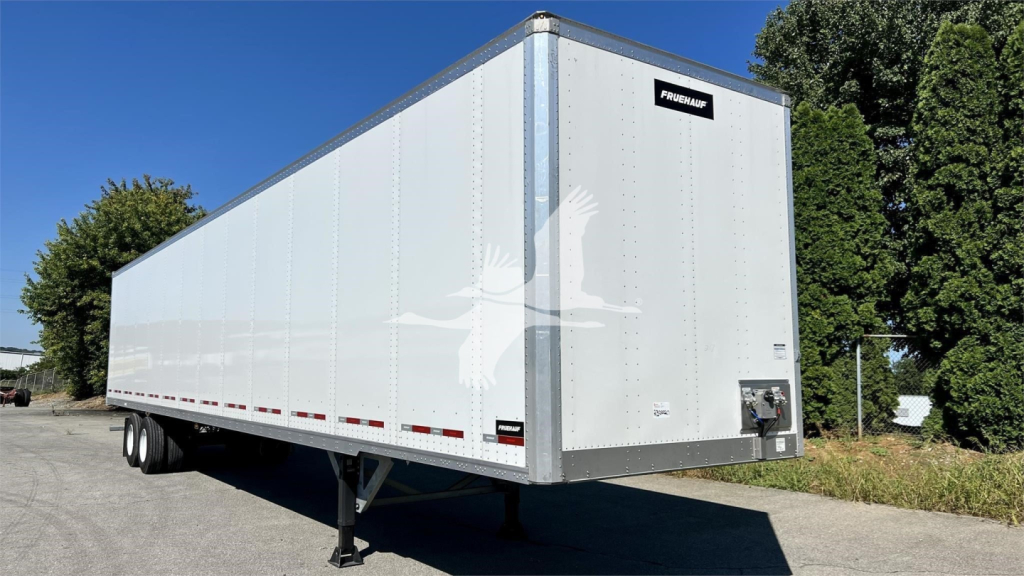
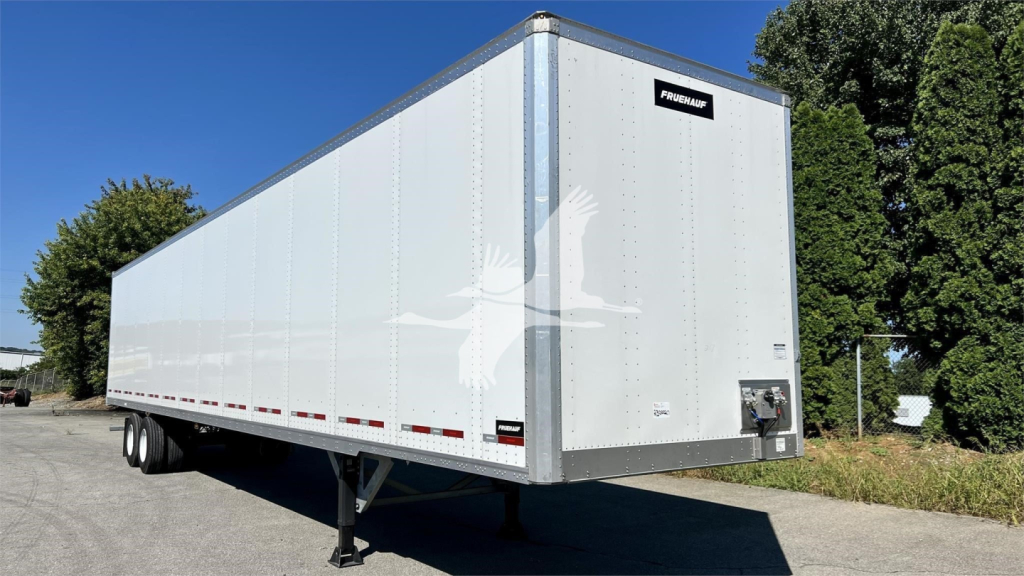
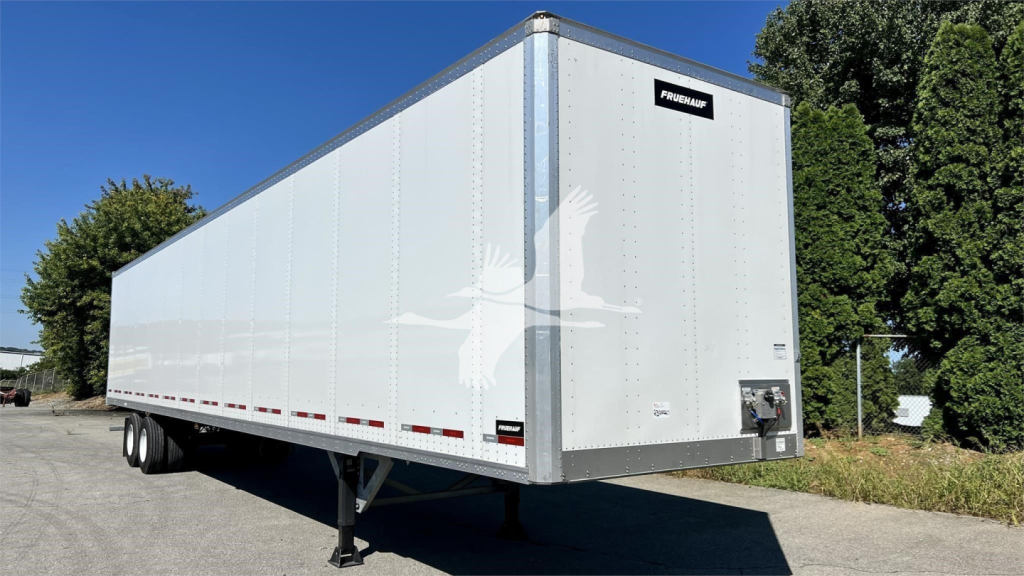
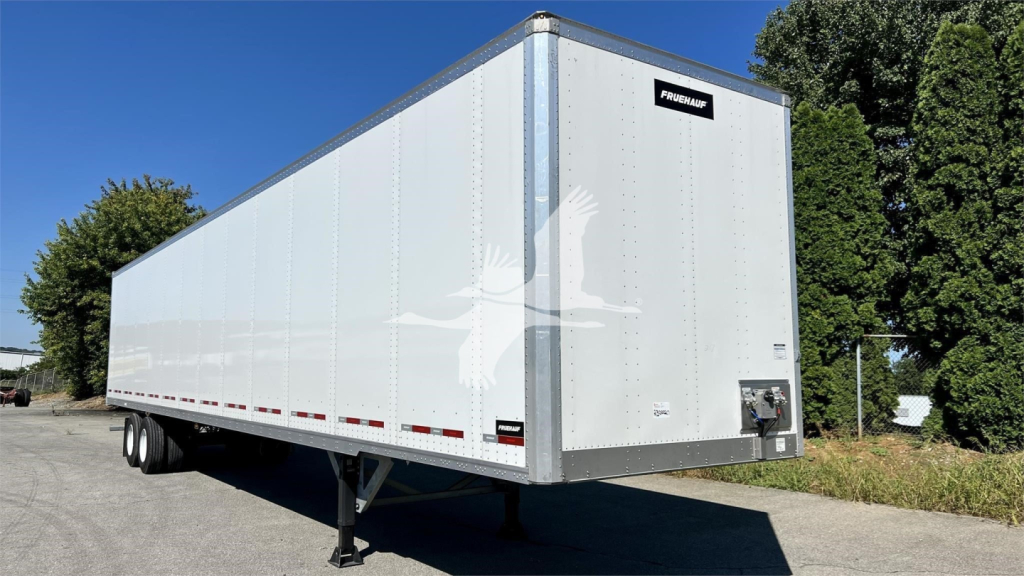
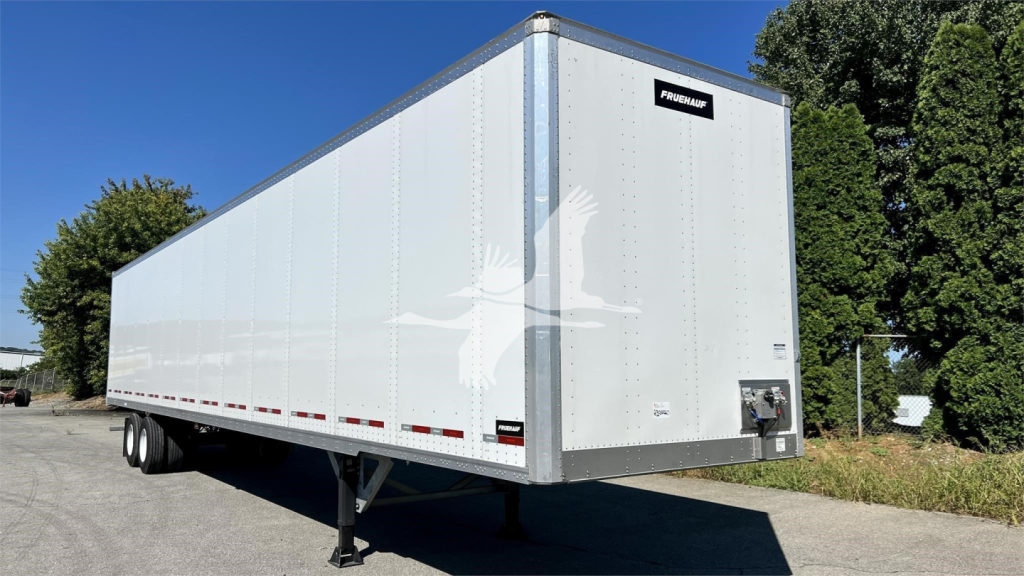
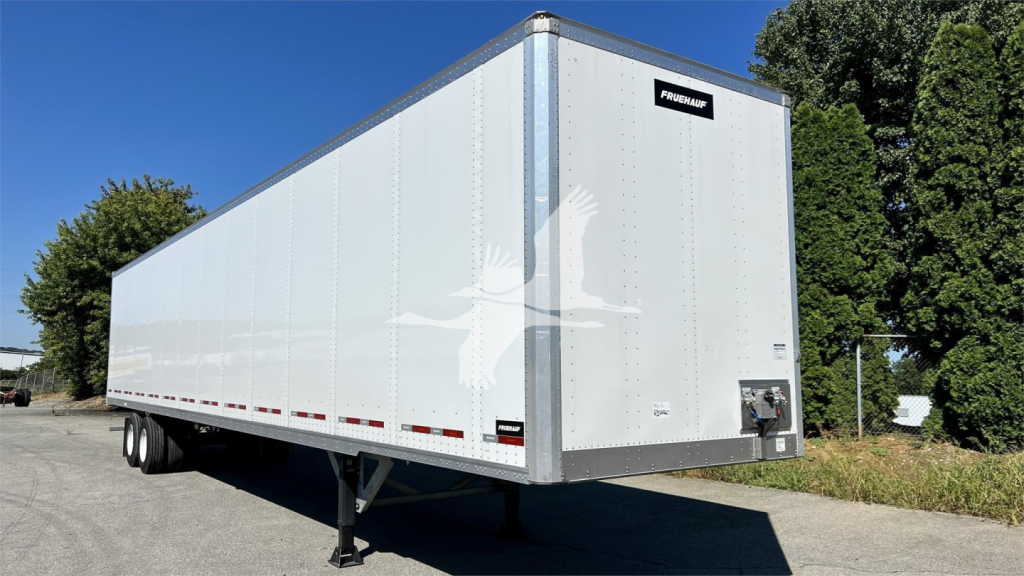
Have used fruehauf van trailer to sell? List it here to reach thousands of buyers.
Used Fruehauf Van Trailers
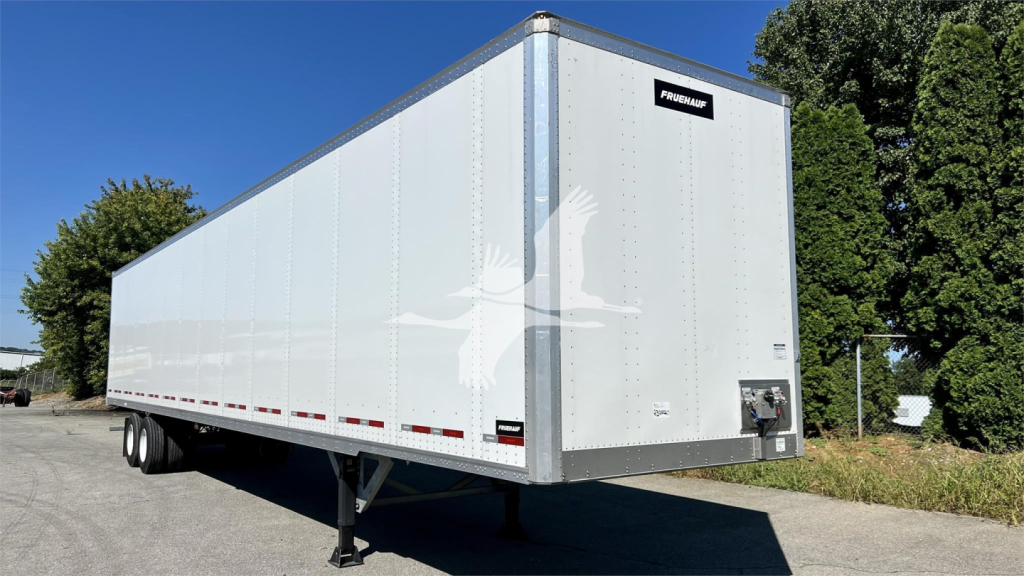
A lot of the value in a used Fruehauf van trailer comes down to the body build. Common specs include plate side construction, galvanized steel components, aluminum roofs, anti-snag roof bows, swing doors, and hardwood flooring in the 1 3/8-inch range. Buyers should pay attention to inside width, inside height, and rear door opening height because those dimensions directly affect cube, pallet fit, and forklift access. Features like scuff liners, HDPE nose scuff protection, full-height nose lining, and 12-inch crossmember spacing are worth noting if the trailer will handle dense freight, frequent dock impacts, or rougher loading conditions.
Running gear and connection geometry matter just as much as the box itself. Many Fruehauf van trailers in this class use tandem axles, air ride suspension, 49-inch axle settings, and a 36-inch kingpin setting, which fits a wide range of fleet tractors and loading dock setups. Suspension packages from Hendrickson or Holland are common, and buyers should evaluate bushing wear, ride height consistency, slider operation if equipped, brake condition, wheel-end service history, and tire size compatibility. Jost two-speed landing gear, galvanized rear frames, bolt-on bumpers, and full-width threshold plates are practical details that affect daily uptime and repair costs more than many first-time buyers expect.
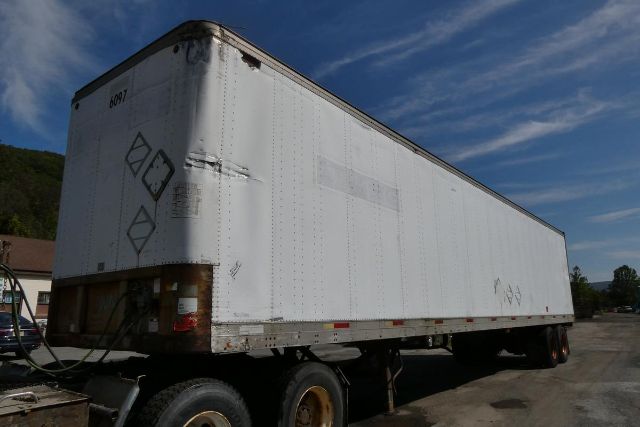
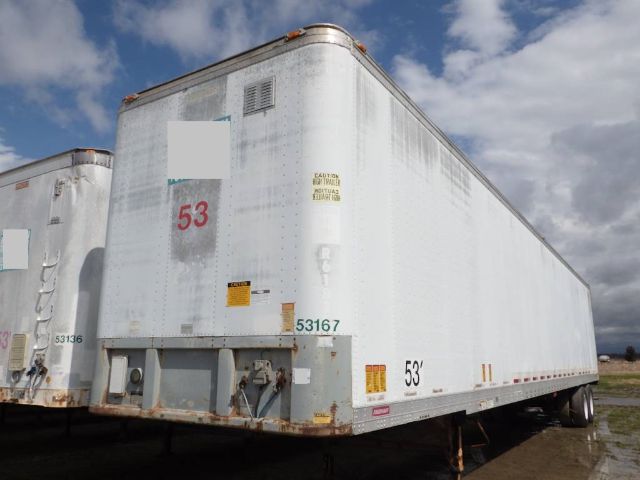
For a used purchase, the key questions are structural condition, cargo area wear, and fleet compatibility. Check the roof for punctures, the floor for rot or fastener pull-through, the rear frame for dock damage, and the sidewalls for delamination, buckling, or prior repairs. Confirm that logistics post spacing matches the type of load securement used in your operation. Fruehauf dry van trailers, also known simply as van trailers or dry vans, are a strong fit for shippers and carriers moving packaged goods, retail freight, paper products, and other non-temperature-controlled cargo. A well-kept used Fruehauf van can be a cost-effective trailer for regional haul, dedicated contract freight, or large fleet replacement cycles.
Frequently Asked Questions about Used Fruehauf Van Trailers
What should I inspect first on a used Fruehauf van trailer?
Start with the floor, roof, rear frame, and suspension. The floor takes constant forklift traffic, so look for soft spots, broken boards, exposed fasteners, and threshold wear. The roof should be checked for patches, punctures, and signs of leaks. At the rear, inspect door alignment, hinge condition, frame damage, and dock bumper wear. Underneath, check crossmembers, air ride components, brakes, wheel ends, and any corrosion on structural steel or galvanized parts.
Are Fruehauf plate van trailers a good choice for general dry freight?
Yes. Plate van construction is well suited for dry freight operations that need a durable trailer body for repetitive loading and unloading. Plate sidewalls, logistics posts, scuff protection, and hardwood floors make this type of trailer practical for palletized consumer goods, packaged products, and contract freight. The value is strongest when the trailer has been maintained well and the interior has not been abused by heavy concentrated loads beyond its intended use.
Why do kingpin setting and axle setting matter on a van trailer?
Kingpin setting and axle setting affect tractor clearance, bridge law compliance, weight distribution, and dock approach characteristics. A common 36-inch kingpin setting and 49-inch axle setting work well in standard fleet applications, but buyers should still confirm compatibility with their tractors, customer docks, and operating states. If the trailer will run in tight urban lanes or specialized weight-sensitive routes, these measurements become even more important.
What cargo features are most useful in a used dry van trailer?
The most useful cargo features depend on how hard the trailer will be worked, but buyers usually benefit from strong scuff liners, full-height nose lining, logistics posts, solid swing doors, and a sound hardwood floor. Interior width and height are also important for maximizing pallet count and cube. Anti-snag roof bows help reduce cargo hang-ups during loading, and a durable threshold plate helps the trailer hold up at the rear where forklifts enter and exit all day.
What is the difference between a van trailer and a reefer trailer?
A van trailer, also called a dry van, is designed for non-temperature-controlled freight. It has an enclosed cargo box but no refrigeration unit, insulation package, or reefer bulkhead setup like a refrigerated trailer. That usually means lower purchase cost, less maintenance complexity, and better suitability for dry goods such as retail products, paper, furniture, and packaged freight that do not require temperature management.