
Used 2024 Fruehauf Van Trailers For Sale
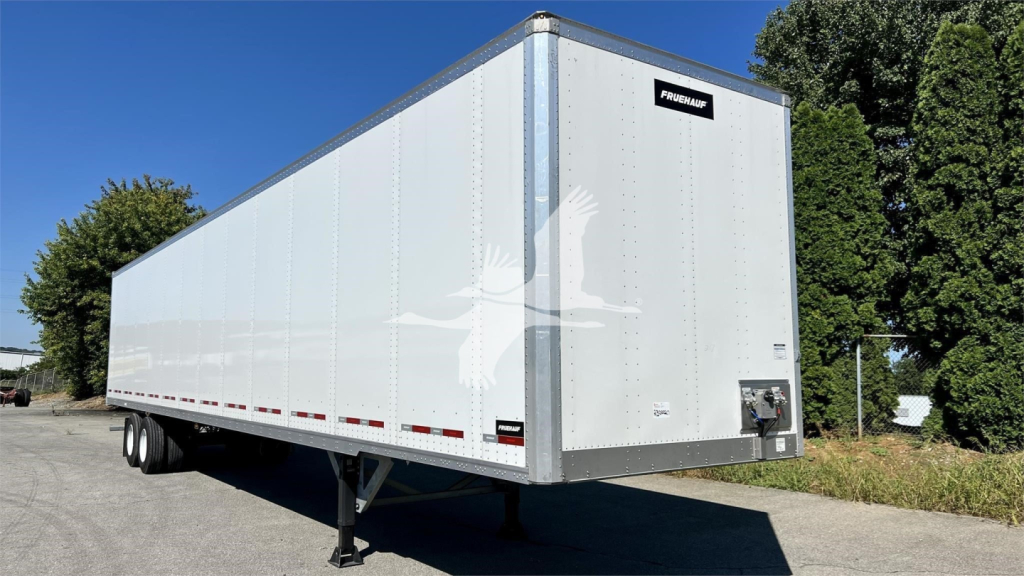
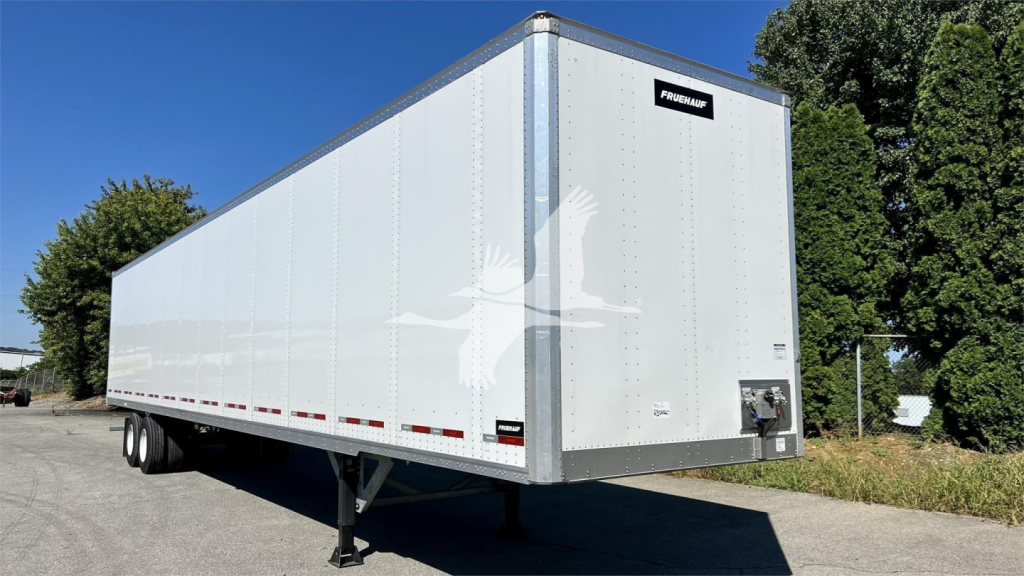
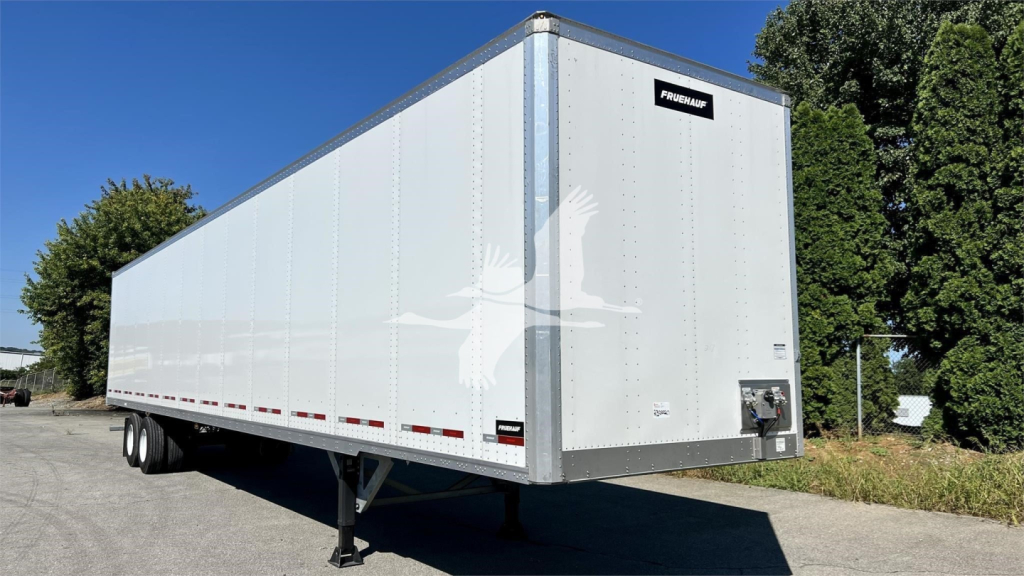
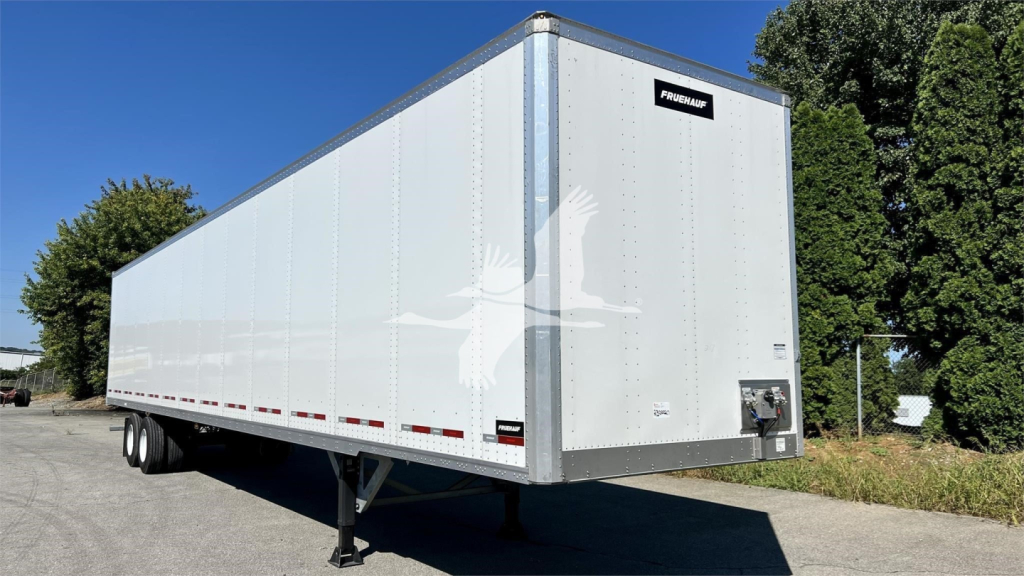
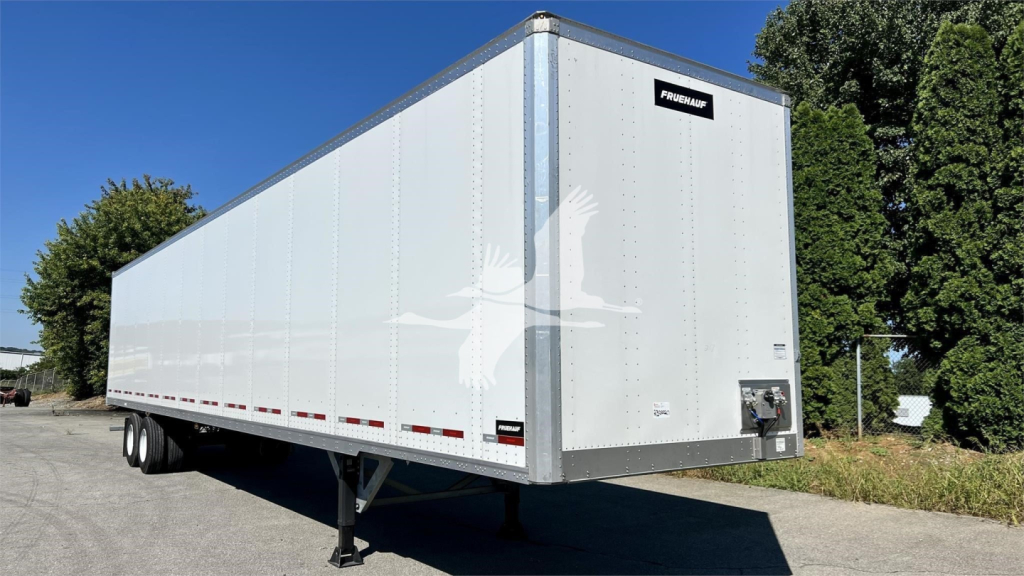
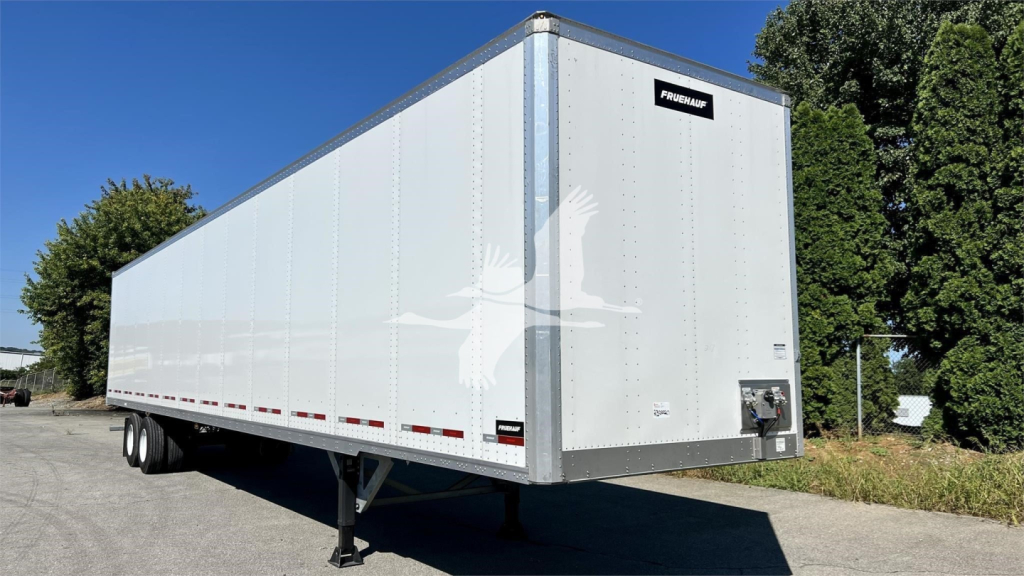
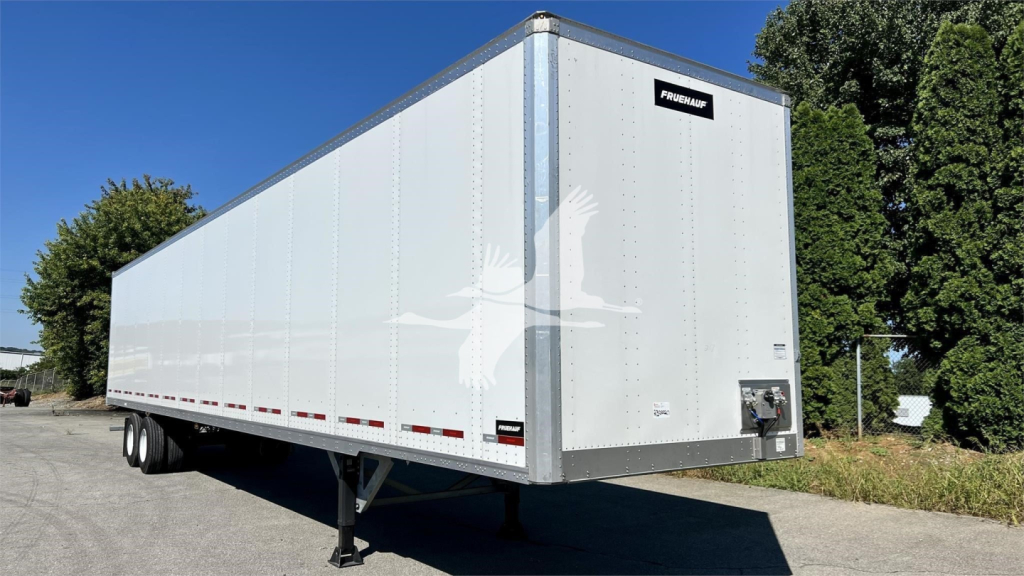
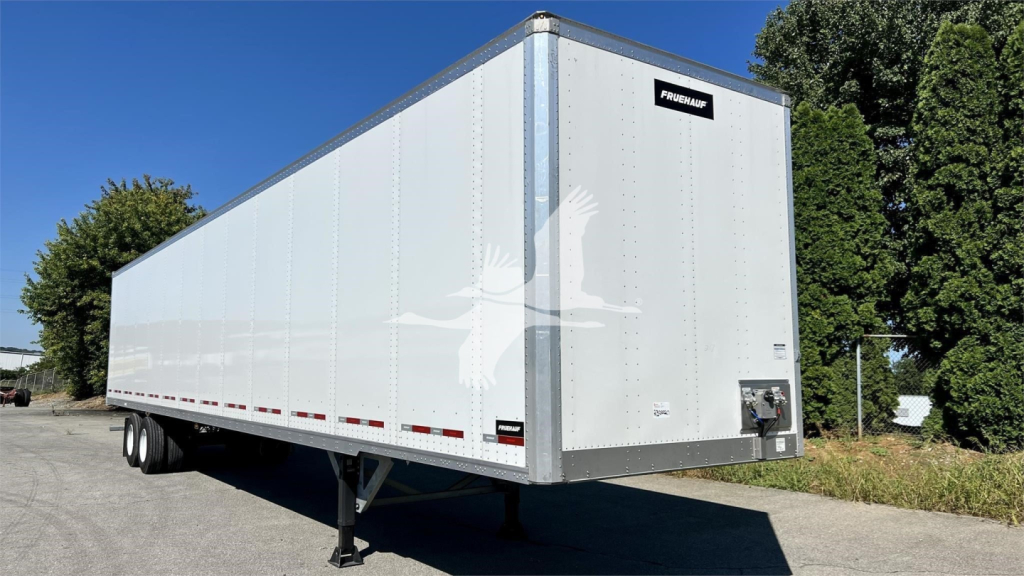
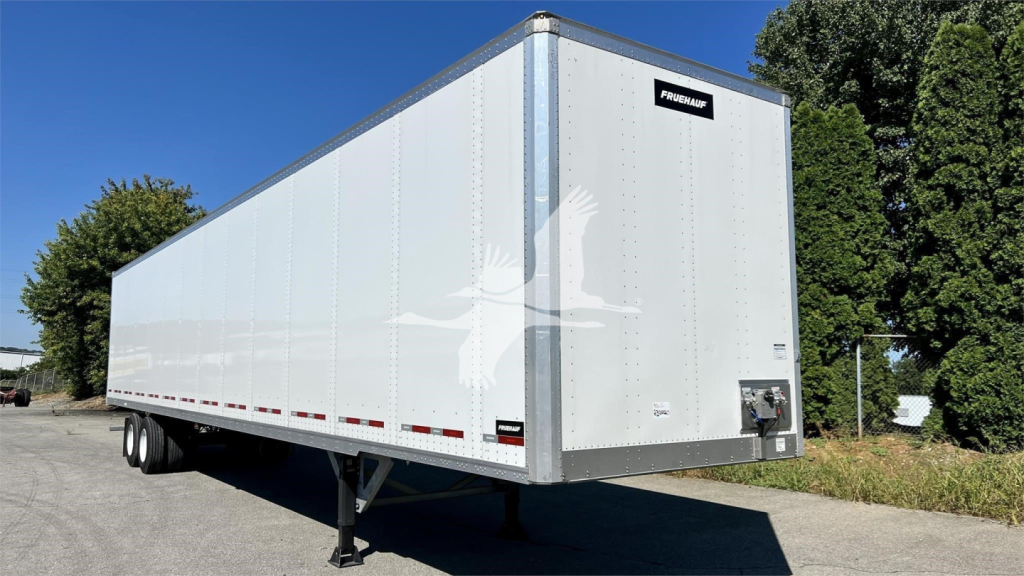
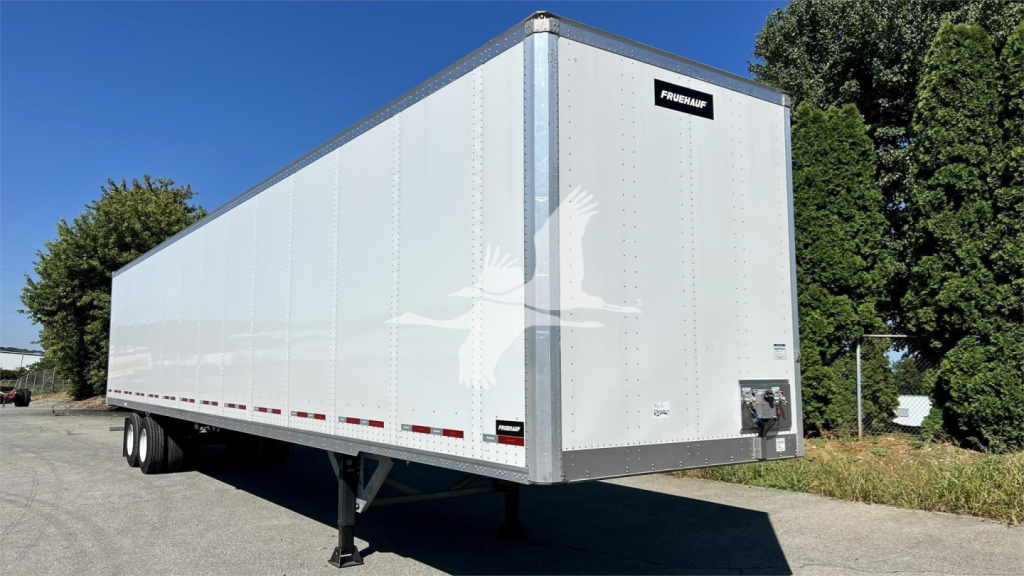
Browse used 2024 Fruehauf van trailers, including 53-foot dry vans with air ride, swing doors, logistics posts, hardwood floors, and tandem axles.
Have used 2024 fruehauf van trailer to sell? List it here to reach thousands of buyers.
Used 2024 Fruehauf Van Trailers
The big buying decisions on a used 2024 Fruehauf van trailer usually come down to sidewall construction, suspension package, and trailer setup for your lanes. Plate side construction with a polyurethane core offers a strong wall for distribution work and helps resist the day-to-day abuse seen in dense freight networks. Common specs include tandem axles, air ride suspension, 295/75R22.5 tires, steel wheels, galvanized rear frame components, and a 36-inch kingpin setting with a 49-inch tandem setting. Buyers running dock freight should pay attention to rear door opening height, threshold plate design, anti-snag roof bows, and scuff protection on the sidewalls and nose. Those details affect loading speed, forklift damage resistance, and long-term maintenance cost.
A used late-model Fruehauf dry van can also be a strong fit for fleets that need a clean, standardized trailer across regional or over-the-road operations. Features such as Series A logistics posts at 48-inch centers, 12-inch crossmember spacing, Jost two-speed landing gear, galvanized bumper assemblies, and rubber dock bumpers are all practical indicators of a trailer spec'd for repeat warehouse use. A 1 3/8-inch laminated hardwood floor with multi-screw fastening remains a common benchmark because it balances forklift durability with repair familiarity. Swing doors are still preferred by many carriers and shippers for full-width dock access and straightforward maintenance compared with more specialized rear door setups.
When comparing used 2024 Fruehauf van trailers, focus less on model naming and more on exact configuration and prior service. Check floor wear, wall lining condition, roof bow integrity, rear frame alignment, suspension brand and bushing condition, brake life, and signs of concentrated forklift impact near the nose, threshold, and lower scuff areas. Also confirm that kingpin setting, tandem slide position, and overall trailer weight fit your state bridge requirements and customer loading patterns. For fleets buying dry vans as core revenue equipment, the right used Fruehauf spec is the one that matches freight type, dock environment, maintenance standards, and trailer pool interchange requirements without adding unnecessary complexity.
Frequently Asked Questions about Used 2024 Fruehauf Van Trailers
What are the common specs on a used 2024 Fruehauf van trailer?
Most used 2024 Fruehauf van trailers in this category are 53-foot dry vans with a 102-inch width and 13-foot 6-inch overall height. Common equipment includes tandem axles, air ride suspension, swing rear doors, logistics posts, laminated hardwood flooring, 295/75R22.5 tires, steel wheels, and a standard 36-inch kingpin setting. Many are also spec'd with galvanized rear frame components, anti-snag roof bows, and scuff protection for dock and forklift use.
Is a Fruehauf plate van a good choice for general freight?
Yes. A Fruehauf plate van is well suited for general dry freight, retail distribution, palletized goods, and warehouse-to-warehouse lanes. Plate side construction offers good durability in high-contact operations, especially where trailers are loaded frequently by forklift. The category is designed for enclosed freight protection, standard dock compatibility, and predictable maintenance, which makes it a practical choice for carriers that need a versatile dry van trailer.
What should I inspect first on a used 2024 Fruehauf dry van trailer?
Start with the floor, rear frame, suspension, and interior wall condition. The floor should be checked for forklift rutting, soft spots, broken boards, and threshold damage. Inspect the rear structure for dock impact, door seal issues, hinge wear, and bumper alignment. On the running gear side, review axle alignment, brake wear, air ride components, and tire condition. Inside the trailer, look closely at the nose area, scuff liners, and plate walls for impact damage or repairs that suggest concentrated abuse.
Why do kingpin setting and tandem setting matter on a van trailer?
Kingpin setting and tandem setting directly affect bridge law compliance, weight distribution, and how the trailer matches your tractors and freight profile. A common 36-inch kingpin setting and 49-inch tandem setting work well for many over-the-road and regional applications, but exact requirements depend on the states you run and the weight of your typical loads. If your operation regularly hauls heavier palletized freight, those dimensions matter because they determine how easily you can scale legal and maintain proper axle loading.
Are swing doors better than roll-up doors on a dry van trailer?
For many fleet applications, swing doors remain the preferred setup because they provide full door opening height and width, have fewer moving parts, and are generally easier to maintain. They work especially well in standard dock operations where maximum rear access matters. Roll-up doors can be useful in some route-delivery applications, but they usually add weight, reduce interior opening clearance, and introduce more components that can wear or require adjustment.