
Used 2017 Van Trailers For Sale in New York
Shop used 2017 van trailers for sale in New York. Compare 53-foot dry vans, specs, axle setups, door styles, and structural features.
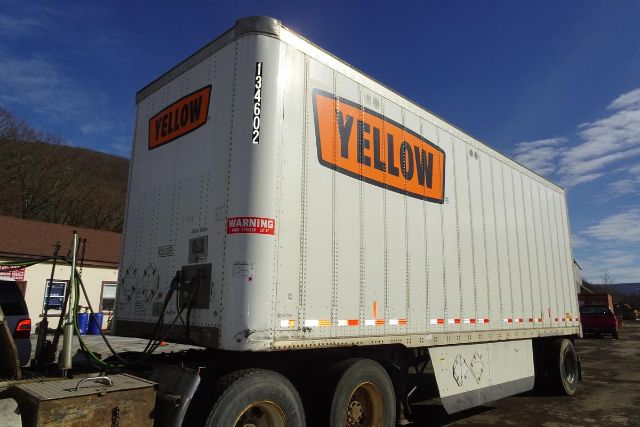
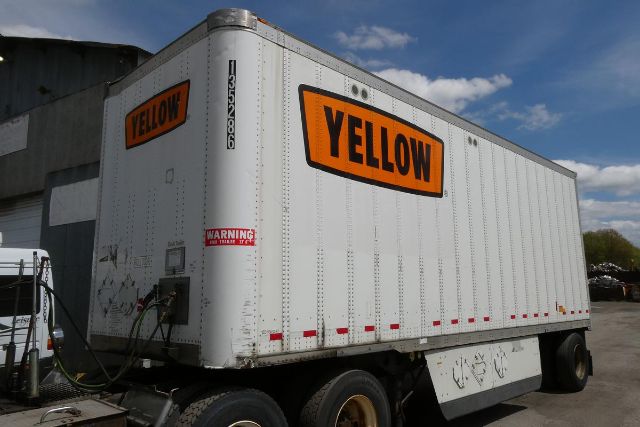
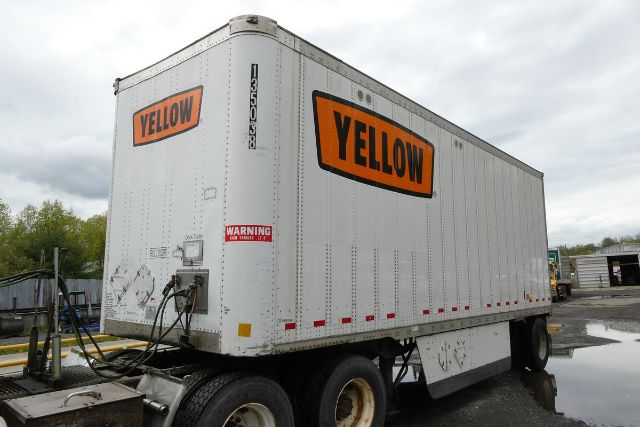
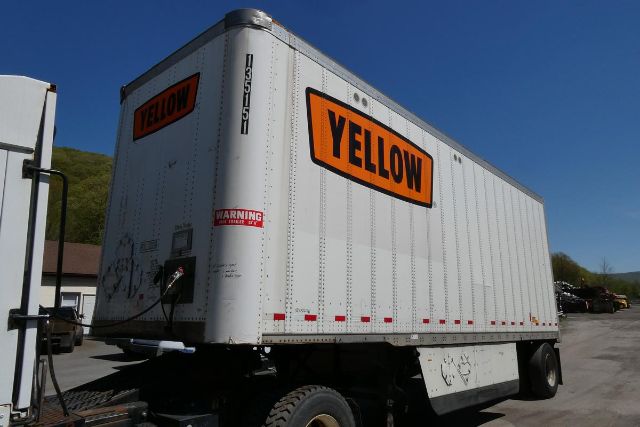
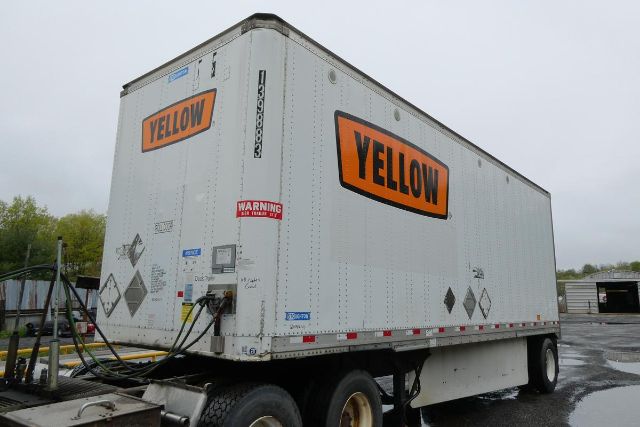
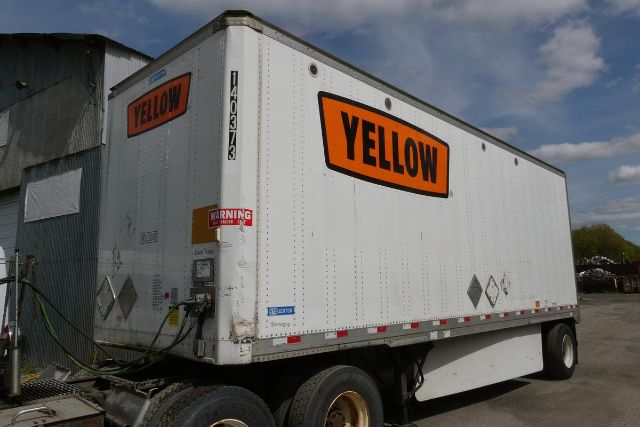

Have used 2017 van trailer to sell? List it here to reach thousands of buyers.
Used 2017 Van Trailers in New York
For linehaul and dock-to-dock freight, the most common setup is a 53-foot van trailer with a 102-inch body, swing or roll-up rear door, and a sliding tandem. Sliding tandems matter in New York because bridge laws, yard layouts, and loading dock conditions can all affect where you need the axle group positioned. Buyers should pay close attention to floor condition, crossmember integrity, roof bows, rear frame wear, and signs of previous sidewall repairs. Inside the trailer, logistics posts or vertical logistics tracks, scuff liners, and a sound wood or composite floor can make a major difference in how useful the trailer will be for mixed freight. Door opening height and width also matter more than many buyers expect, especially for forklift clearance and dense palletized loads.
Regional use in the Northeast adds another layer. Winter road treatment can accelerate corrosion on steel components, landing gear, rear impact guards, hubs, and suspension hardware, so underbody condition deserves a close inspection on any used 2017 van trailer in New York. Buyers should also verify tire size, wheel type, brake condition, air system leaks, and the condition of the slider box if equipped. A spring suspension is still common on many used vans, though some fleets prefer air ride for ride quality and cargo protection. If the trailer will run urban routes, shorter 28-foot pups can be easier to maneuver and may be set up to pull doubles, while a 53-footer is still the standard choice for maximizing cube and revenue on longer lanes.
Construction details often separate one used van trailer from another. Many trailers in this class use aluminum and steel composition to balance durability and tare weight, with wood-over-steel floors remaining common because they are repairable and familiar to most fleets. Aluminum roofs, steel rear surrounds, and roll-up doors are also common specs, but each choice has tradeoffs in weight, maintenance, and dock utility. A serious buyer should confirm GVWR, trailer height, load height, kingpin area condition, brake system type, and any evidence of prior structural repair before committing. On a 2017 dry van, the value is not just in the year stamp. It is in how well the trailer's specs match the freight, the route, and the maintenance standards needed to keep it productive.
Frequently Asked Questions about Used 2017 Van Trailers in New York
What should I check first on a used 2017 van trailer?
Start with the structure and running gear. Inspect the floor for rot, delamination, patching, and forklift damage, then check crossmembers, rear frame, roof, sidewalls, and the kingpin area for cracks or repair history. After that, inspect brakes, hubs, suspension components, slider operation, tires, wheels, lighting, and air system integrity. On a New York trailer, corrosion on steel parts and winter-related wear should be treated as a major buying factor.
Are 53-foot van trailers the best choice, or should I consider a 28-foot pup?
A 53-foot dry van is the standard choice for general freight because it offers the best cube and broadest load compatibility. A 28-foot pup makes more sense for city routes, terminal work, and operations that pull doubles. The right choice depends on your lanes, dock access, and whether payload flexibility or maneuverability matters more to your business.
Why does a sliding tandem matter on a dry van trailer?
A sliding tandem gives you flexibility for axle weight distribution, bridge compliance, and dock positioning. That matters in Northeast operations where state rules, shipper requirements, and tight facilities can all affect trailer setup. A fixed tandem can work well in dedicated service, but a slider usually gives a buyer more operational range in general freight service.
What construction features are common on used 2017 van trailers?
Many used 2017 van trailers use aluminum and steel construction, a wood-over-steel floor, 102-inch width, and either swing doors or roll-up rear doors. Common fleet specs also include aluminum roofs, steel rear door surrounds, and logistics posts or track systems for cargo securement. The exact combination affects tare weight, repair cost, and how well the trailer fits dock work or high-cycle freight.
Is a 2017 used van trailer still a good long-term buy?
Yes, if the trailer has been maintained and the structure is sound. A 2017 model is often new enough to align with current fleet specs and parts availability, but old enough to offer better acquisition value than newer equipment. Long-term value depends less on the model year alone and more on maintenance history, floor and frame condition, brake and suspension health, and whether the trailer's dimensions and axle setup fit your freight.