
Used 2017 Wabash Van Trailers For Sale in New York
Shop used 2017 Wabash van trailers in New York. Compare dry van specs, tandem setups, door styles, floors, roofs, and overall condition.
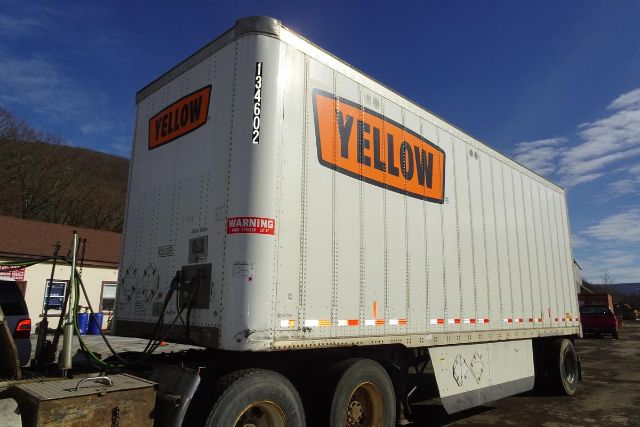
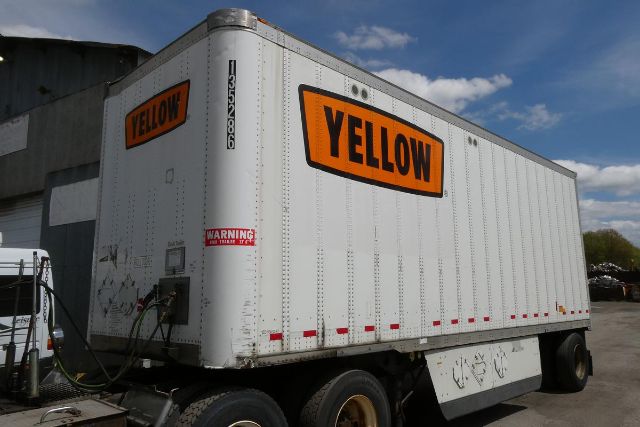
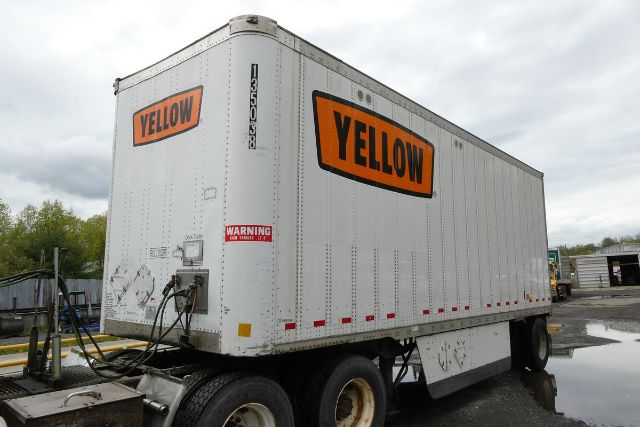
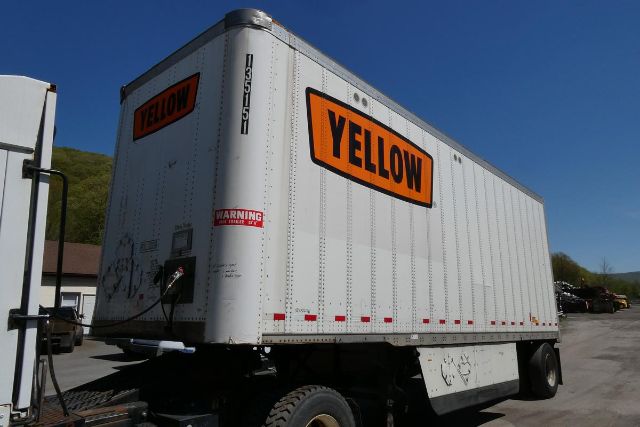

Have used 2017 wabash van trailer to sell? List it here to reach thousands of buyers.
Used 2017 Wabash Van Trailers in New York
A 2017 model year matters because it often lands in a useful middle ground between purchase price and remaining service life. Many Wabash van trailers from this era were built with aluminum roofs, mixed steel and aluminum construction, and wood floors over steel or aluminum crossmember layouts. Buyers should pay close attention to floor wear from forklift traffic, roof integrity, front wall repairs, and side panel condition. Door style also affects daily use. Swing doors are common in full-length dry vans and usually appeal to dock freight operations, while roll-up doors can be useful in certain route applications but add rear frame and maintenance considerations. If the trailer has a sliding tandem, confirm the slider rail condition, locking pin operation, and kingpin setting options for axle compliance and bridge law flexibility.
For New York operations, weight distribution, tire condition, brake performance, and corrosion matter more than they do on a lightly used regional trailer in a dry climate. Road salt can accelerate wear on crossmembers, landing gear, rear impact guards, brake hardware, and electrical connections. Check for ABS faults, air leaks, uneven tire wear, and suspension bushing condition. Common setups in this class include air ride or spring suspension, 295/75R22.5 tires, hub-piloted steel or aluminum wheels, and standard air brake systems. If the trailer will run city freight, grocery, LTL, or high-cycle dock work, rear frame condition, threshold wear, and ICC bumper damage are worth close inspection because they affect both uptime and repair cost.
A used 2017 Wabash van trailer is often judged on how well it matches the freight and lane, not just the price tag. Interior cubic capacity, loaded weight profile, and loading method should guide the decision. A shipper moving light cube freight may prioritize interior height and clean wall condition, while a buyer hauling heavier pallet freight may focus on floor rating, crossmember spacing, and tandem placement. Wabash remains a well-known name in the dry van market because these trailers are straightforward to spec, easy to integrate into mixed fleets, and commonly accepted across a wide range of freight applications.
Frequently Asked Questions about Used 2017 Wabash Van Trailers in New York
What should I inspect first on a used 2017 Wabash van trailer?
Start with the structural and wear items that drive repair cost: floor condition, crossmembers, roof, side panels, front wall, rear frame, landing gear, suspension, brakes, and tires. On a dry van, forklift damage to the floor and threshold is common, and corrosion around crossmember connections can be expensive to correct. Also confirm the tandem slider works properly, the kingpin area shows no cracking or poor repair work, and the doors seal and operate correctly.
Are Wabash van trailers good for general dry freight?
Yes. Wabash van trailers are widely used for general dry freight because they offer standard dimensions, common parts support, and configurations that fit dock freight, retail loads, consumer goods, and palletized shipments. Buyers like them because they are easy to place into mixed fleets and most shops are familiar with their repair and maintenance needs. The right trailer still depends on floor strength, interior condition, and axle setup for the intended cargo.
What specs matter most when comparing used dry van trailers?
The most important dry van specs are length, width, interior height, empty weight, GVWR, axle configuration, suspension type, door style, floor construction, and tandem layout. A 48-foot or 53-foot van with a sliding tandem offers more flexibility for bridge law compliance and weight distribution than a fixed tandem in many applications. Interior dimensions and door opening size matter if the freight involves taller pallets, roll cages, or frequent forklift loading.
How does New York use affect a used van trailer?
New York service can be harder on a trailer because of winter road salt, urban dock impacts, and frequent stop-and-go operation. Buyers should expect to inspect for corrosion on the understructure, brake components, wiring, and rear frame, along with wear at the landing gear and tandem slider. City and regional service can also increase damage at the nose, threshold, and doors, so a close physical inspection is more important than age alone.
Is a 2017 dry van trailer still a good fleet buy?
A 2017 dry van trailer can still be a strong fleet purchase if maintenance history and physical condition are solid. This model year is often old enough to offer a lower acquisition cost than late-model equipment while still being current enough for many fleets that want dependable van capacity without paying new-trailer pricing. The best value usually comes from a trailer with a sound floor, straight structure, good brakes and tires, and no major corrosion or accident repair issues.