
Used 1997 Van Trailers For Sale in New York
Browse used 1997 van trailers for sale in New York. Compare dry van specs, lengths, tandems, floors, doors, and condition factors.
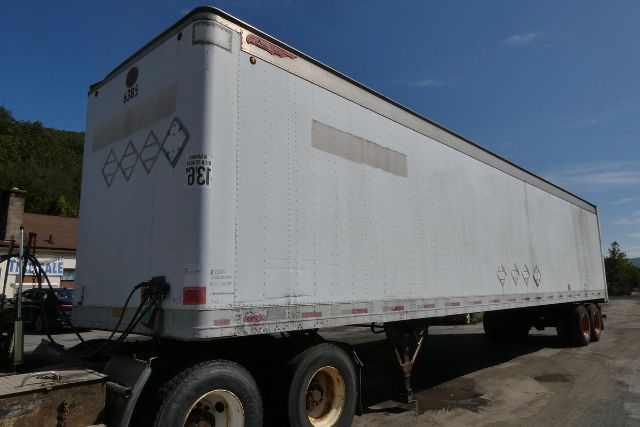
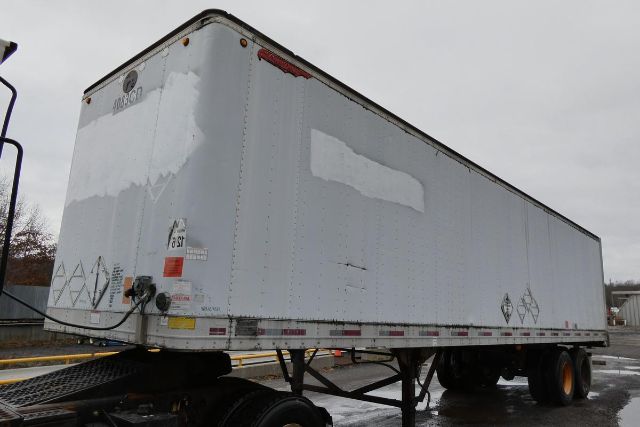
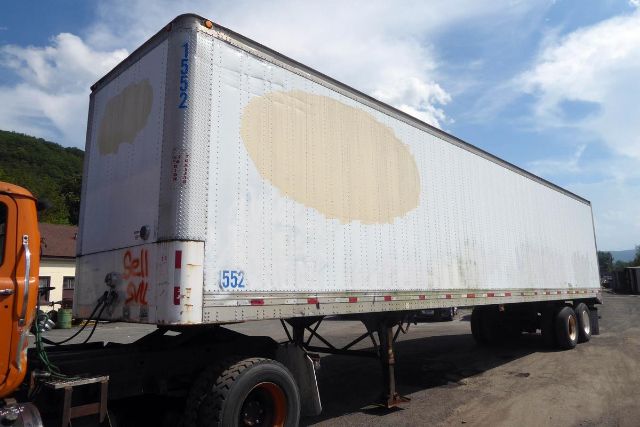
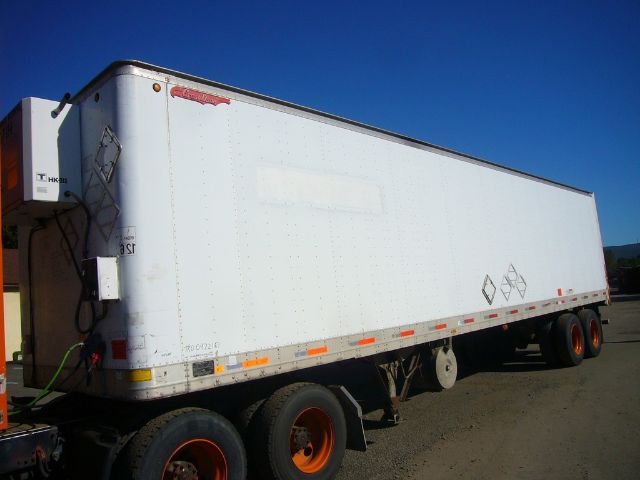

Have used 1997 van trailer to sell? List it here to reach thousands of buyers.
Used 1997 Van Trailers in New York
Most 1997 van trailers were built around the standard dry van dimensions that still fit common freight patterns today, especially 48-foot and 53-foot lengths with 102-inch width. Closed tandem or slideable tandem axle setups are common, along with air ride or spring ride suspensions, air brakes, and steel or aluminum wheel ends depending on prior spec. Trailer construction on this age group is often aluminum sheet-and-post, steel subframe, and wood floor, though some units may have mixed aluminum and steel composition throughout. Buyers should inspect crossmembers, landing gear mounts, slider rails, upper coupler plate, and kingpin area closely, especially on Northeast trailers that have seen road salt.
Application should drive the buying decision. A 1997 van trailer can still work well for palletized dry freight, cartage, dock service, seasonal overflow storage, or dedicated short-haul lanes if the floor rating and door opening fit the freight. Roll-up doors are useful for city and multi-stop work, while swing doors can be simpler and lighter on some older builds. Interior features like scuff liners, logistics posts, translucent roof panels, and aftermarket liftgates can add value depending on the route. If the trailer will be used in New York City or tighter regional operations, check overall height, rear frame condition, tire size, and slider function to avoid problems with bridge clearance, loading docks, and axle compliance.
The best used 1997 van trailers are usually the ones with straightforward specs and a clean structural history. Look for even tire wear, matching axle alignment, solid floor fasteners, dry interior seams, and evidence of consistent PM rather than recent patchwork. A trailer of this age may be best purchased for storage, private fleet support, or lighter-duty freight unless inspection confirms it is road-ready for regular over-the-road use. If uptime matters, pay close attention to brake components, suspension wear, ABS function, and any signs of prior impact at the nose, rear corner posts, or slider assembly.
Frequently Asked Questions about Used 1997 Van Trailers in New York
What should I inspect first on a used 1997 van trailer?
Start with the structural areas that are expensive to repair and critical for safe operation. Check the roof, front wall, rear frame, floor, crossmembers, kingpin plate, slider rails, and suspension mounts for corrosion, cracks, buckling, or poor weld repairs. Then inspect door seals, brake components, tires, lights, and ABS function. On a 1997 trailer, water damage and frame corrosion usually matter more than paint or panel appearance.
Are 1997 van trailers still good for freight hauling?
They can be, but condition determines value more than age alone. A well-maintained 1997 dry van can still handle local and regional freight, dock shuttles, and dedicated lanes if the frame, floor, brakes, and running gear are sound. Many buyers also use this age group for stationary storage or lower-mileage support roles. A thorough inspection is important because older trailers often hide roof leaks, floor rot, or corrosion in the rear structure and tandem area.
What sizes and specs are common on older van trailers?
Common dry van specs include 48-foot or 53-foot lengths, 102-inch width, tandem axles, air brakes, and either spring ride or air ride suspension. Construction is often aluminum sidewalls with a steel subframe and a wood floor. Rear door openings, interior height, and floor condition vary by build and prior use. Some older vans also have liftgates, translucent roofs, logistics posts, or tire inflation systems added later in service life.
Is a 1997 van trailer a good choice for storage?
Yes, many buyers target older van trailers for onsite storage because they provide secure, weather-resistant space at a lower cost than newer road units. For storage use, focus on floor strength, roof tightness, door security, and whether the trailer can still be spotted and leveled safely. Landing gear condition and rear frame integrity still matter, especially if the trailer will be loaded by forklift at a dock or from grade.
What matters most when buying a used van trailer in New York?
Corrosion exposure is a major factor in New York because road salt can accelerate wear on the frame, crossmembers, slider assembly, brake hardware, and landing gear. Buyers should also verify that the trailer's dimensions, axle setup, and overall condition fit the intended routes and loading points. If the trailer will run in urban or regional service, reliable brakes, sound floors, good rear door operation, and a functional tandem slider are especially important.