
Used 1997 Van Trailers For Sale
Browse used 1997 van trailers for sale. Compare dry van specs, dimensions, tandem setup, doors, floor condition, and fleet-ready hauling features.
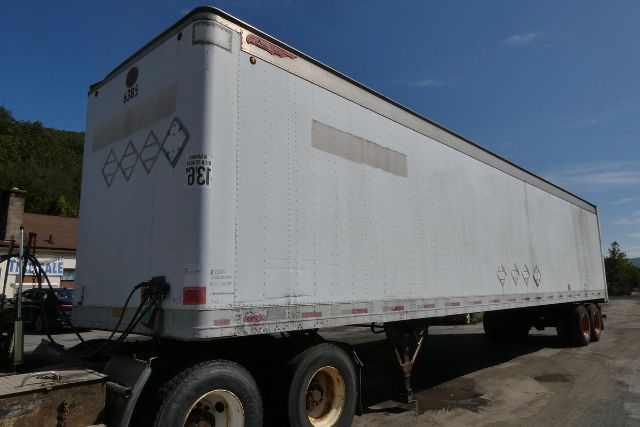
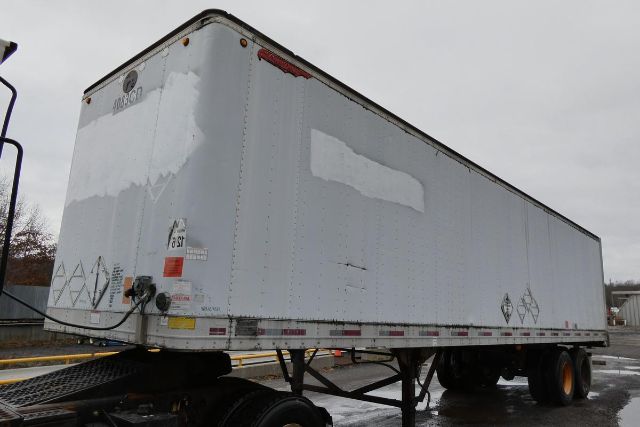
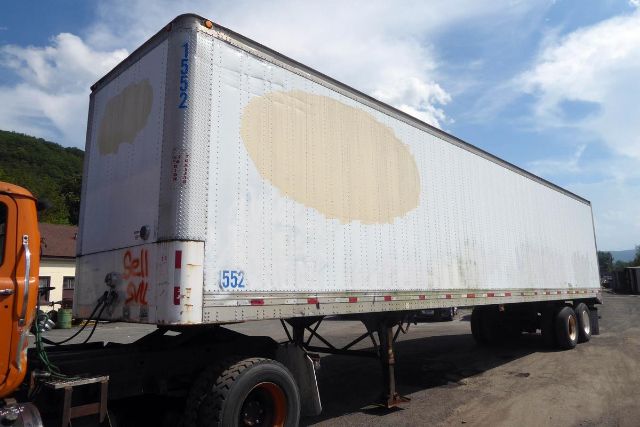
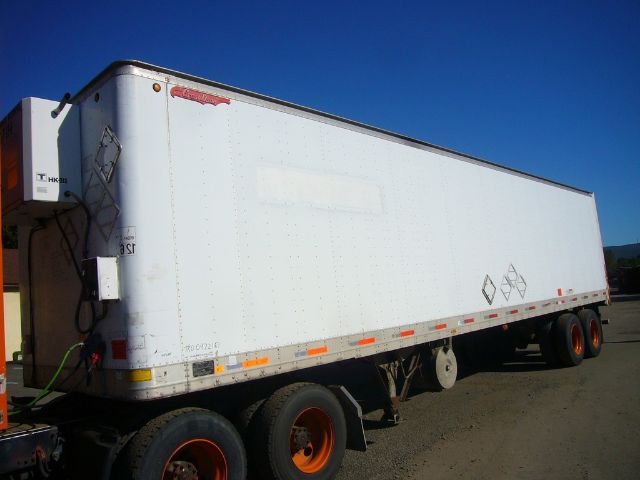

Have used 1997 van trailer to sell? List it here to reach thousands of buyers.
Used 1997 Van Trailers
The first areas to inspect are the roof, sidewalls, crossmembers, floor, rear frame, and suspension. On older van trailers, water intrusion and forklift damage matter more than cosmetic appearance. Check for roof repairs, punctures, bowed rails, soft floor sections, cracked crossmembers, damaged scuff liners, and wear around the threshold plate and rear sill. Swing doors should seal correctly and close square, while roll-up doors should track smoothly without bent slats or excessive cable wear. Buyers should also look closely at the tandem slide, locking pins, brake condition, wheel ends, and tire age, since deferred maintenance in those systems can change the economics of an older trailer quickly.
A 1997 dry van can still make sense for short-haul freight, storage use, seasonal surge capacity, or operations where a lower acquisition cost matters more than having late-model trailer specs. Many trailers from this era were built with hardwood floors, aluminum roofs, and sheet-and-post or plate trailer construction. Some may have logistics posts, scuff bands, translucent roofs, or aftermarket repairs that reflect prior fleet service. If the trailer will be used in a regular over-the-road rotation, verify kingpin wear, landing gear operation, ABS status, brake type, and overall compliance with your state inspection standards. If it will be used for drop yards or static storage, condition of the floor, doors, and water tightness may carry more weight than tire brand or suspension spec.
Comparing used 1997 van trailers for sale comes down to matching condition to application. A well-kept older van can still serve regional freight, warehouse overflow, or dedicated shipper lanes if the structure is sound and the trailer tracks straight. Look for evidence of consistent fleet maintenance, recent brake or tire work, and clean repairs instead of patchwork fixes. The best purchase is usually the trailer with the strongest frame, driest box, and most usable floor life, even if the cosmetics are rough. In this category, serviceability and structural integrity are what separate a cheap trailer from a cost-effective one.
Frequently Asked Questions about Used 1997 Van Trailers
What should I inspect first on a used 1997 van trailer?
Start with the structural components. Inspect the roof for leaks or patches, the sidewalls for impact damage, the floor for rot or forklift breaks, and the crossmembers for cracks or corrosion. Then move to the rear frame, door frame, landing gear, tandem slider, brakes, tires, and wheel ends. On a trailer from 1997, structural soundness and water tightness usually matter more than paint or panel appearance.
Are 1997 dry van trailers still practical for freight service?
They can be, but only if the trailer has been maintained and the application fits its age. Many older van trailers still work well in regional service, short-haul lanes, drop trailer programs, seasonal demand, or dedicated warehouse moves. Buyers planning heavy over-the-road use should be more selective about frame condition, brake system health, floor strength, and overall compliance, because repair costs can add up quickly on an older unit.
What sizes and specs are common on older van trailers?
Common dry van configurations from that era include 48-foot and 53-foot lengths, 102-inch width, tandem axles, hardwood floors, aluminum roofs, and either swing or roll-up rear doors. Some units have sliding tandems, while others are fixed. Equipment can vary widely depending on prior fleet use, so buyers should confirm kingpin setting, suspension type, brake setup, door style, and interior wall construction instead of assuming all older vans are spec'd the same way.
Is a used 1997 van trailer better for storage or highway use?
That depends on condition. A trailer with a dry interior, solid floor, and functioning doors can be a good low-cost storage solution even if it is no longer ideal for daily highway service. For road use, the trailer needs more than a usable box. It needs dependable brakes, legal tires, sound suspension components, a strong rear frame, and safe wheel end condition. Storage buyers can prioritize enclosure and floor integrity, while freight buyers need to evaluate the entire chassis and running gear.
How do I judge value on a 1997 van trailer?
Value comes from remaining service life, not just asking price. A cheaper trailer with floor damage, poor tires, worn brakes, and roof leaks can cost more to own than a higher-priced unit with recent maintenance and a straight, dry box. Review repair history if available, inspect the tandem and rear frame closely, and compare how much immediate work each trailer needs. On older dry vans, the best value is usually the one that can go to work with the fewest structural or safety-related repairs.