
Used 2001 Van Trailers For Sale in New York
Browse used 2001 van trailers in New York. Compare 48-foot and 53-foot dry vans, tandem axle setups, door styles, floors, and roof specs.
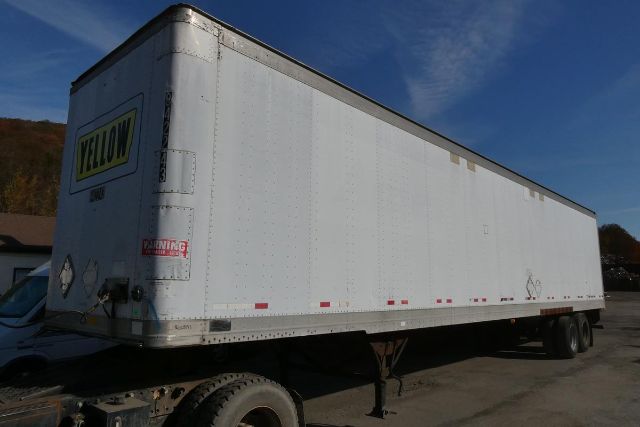
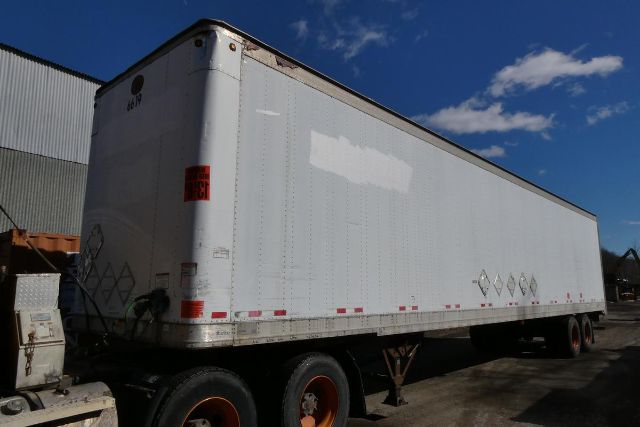
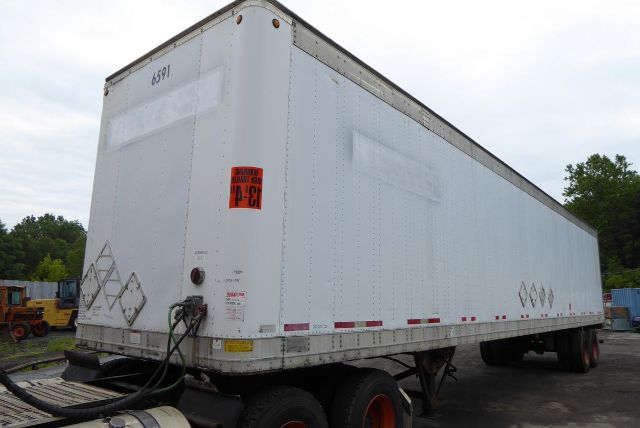
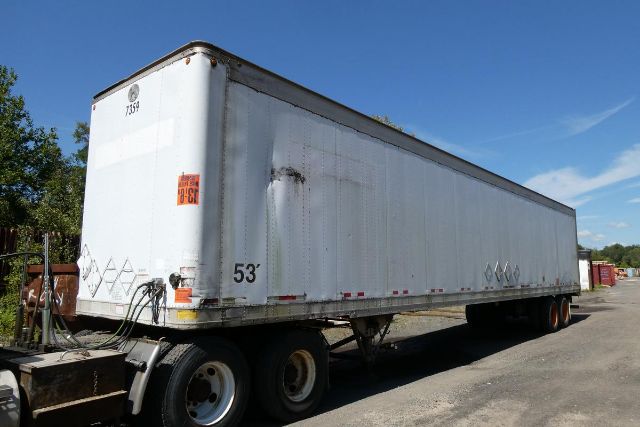
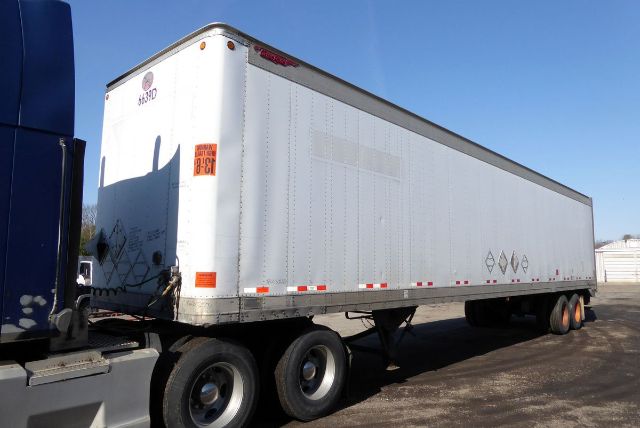
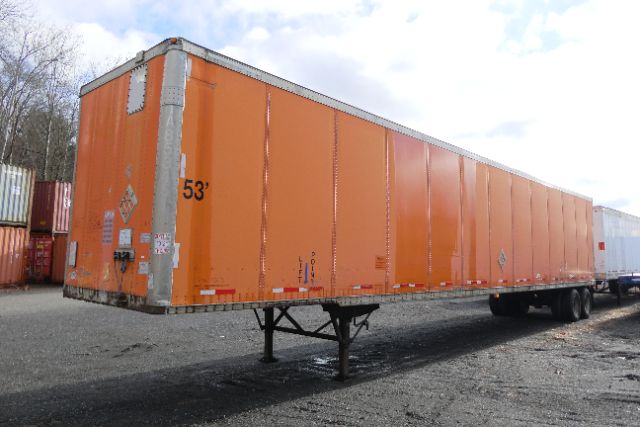
Have used 2001 van trailer to sell? List it here to reach thousands of buyers.
Used 2001 Van Trailers in New York
For Northeast operations, a 2001 van trailer should be evaluated carefully for corrosion, rear frame condition, roof integrity, and slider function. New York buyers often deal with tight docks, urban delivery routes, toll considerations, and winter road treatment, so crossmembers, landing gear mounts, rear sill, and suspension hangers deserve extra attention. Slideable tandems are common and useful for bridge law compliance and dock positioning, but the slider rail, pins, and air system need to move freely. Suspension can be spring ride or air ride, and both can work well depending on the freight. Air ride is generally preferred for more delicate cargo, while spring ride stays common in basic dry freight service.
Door configuration affects how the trailer works day to day. Swing doors are simple and give full rear opening clearance, while roll-up doors are often preferred in frequent dock work because they reduce door-swing issues in tight spaces. Roof construction matters too. Aluminum or translucent roofs can help interior visibility during loading, and scuff liners or side wall protection are worth looking for if the trailer handled heavy forklift traffic. Tire size on older dry vans is commonly 22.5-inch rubber on steel hub-pilot wheels, and buyers should check wheel-end condition, brake components, ABS function, and tire age along with remaining tread.
A 2001 model dry van can still make sense for short-haul freight, storage use, seasonal surge capacity, or dedicated lane work where cost control matters more than fleet image. The best value usually comes from a trailer with a solid floor, straight sidewalls, a watertight roof, and a tandem slider that has not been neglected. Buyers should also confirm interior dimensions, kingpin setting, door opening height, and registration or inspection requirements that apply in New York, especially if the trailer will be used in regular over-the-road service rather than yard or storage duty.
Frequently Asked Questions about Used 2001 Van Trailers in New York
What should I inspect first on a used 2001 van trailer?
Start with structural condition. Check the frame rails, crossmembers, rear sill, roof bows, side panels, and floor for damage, corrosion, or poor repairs. After that, inspect the tandem slider, suspension, brakes, tires, wheel ends, and landing gear. On an older dry van, water intrusion and floor wear from repeated forklift loading are often bigger issues than cosmetic appearance.
Is a 48-foot or 53-foot van trailer better for New York operations?
It depends on the freight and the lanes. A 53-foot dry van gives more cubic capacity and is the standard for many over-the-road loads, but a 48-foot trailer can be easier to handle in tighter urban areas and older loading facilities. In New York, maneuverability, dock space, and route restrictions can matter as much as payload volume.
Are roll-up doors or swing doors better on an older dry van trailer?
Roll-up doors are useful in tight dock environments because they do not require rear door swing clearance, but they add moving parts and can be expensive to repair if tracks or panels are damaged. Swing doors are simpler, usually lighter, and provide full rear opening access. On a used 2001 trailer, condition matters more than preference, so check seals, hinges, locking hardware, and frame alignment closely.
What suspension is common on used van trailers from this era?
Spring ride and air ride are both common on older van trailers. Spring ride is straightforward and durable for general freight, while air ride is often preferred for cargo that needs better protection from road shock. Buyers should inspect bushings, hangers, air bags if equipped, and overall axle alignment because suspension wear can create tire issues and handling problems.
Can a 2001 van trailer still be a good business buy?
Yes, if the trailer matches the application and passes a thorough inspection. Older dry vans are often used successfully for regional freight, warehouse overflow, portable storage, and low-mileage lane work. The key is buying condition, not just price. A lower-cost trailer with a bad floor, leaking roof, or neglected running gear can become more expensive than a newer unit very quickly.