
Used 2001 Van Trailers For Sale
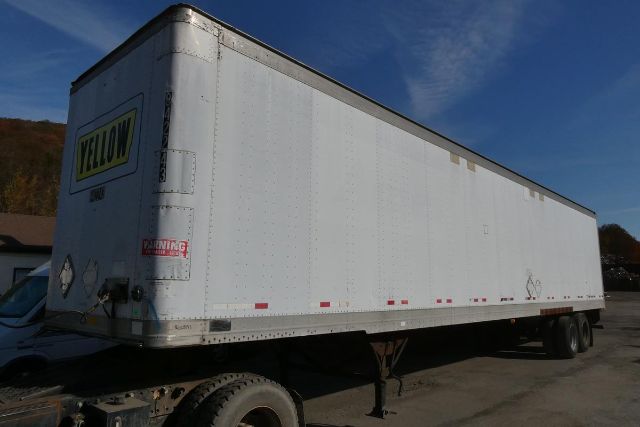
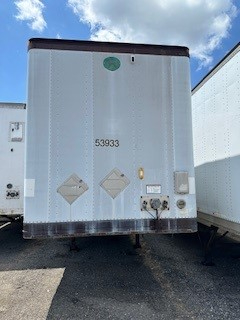
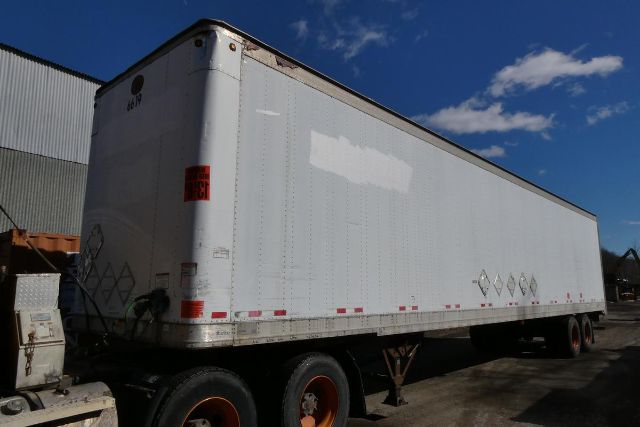
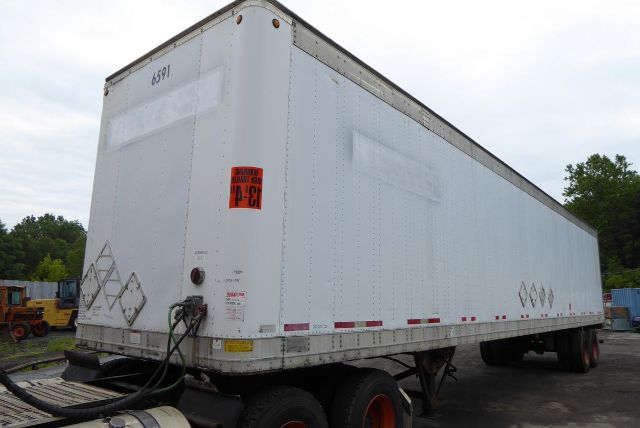
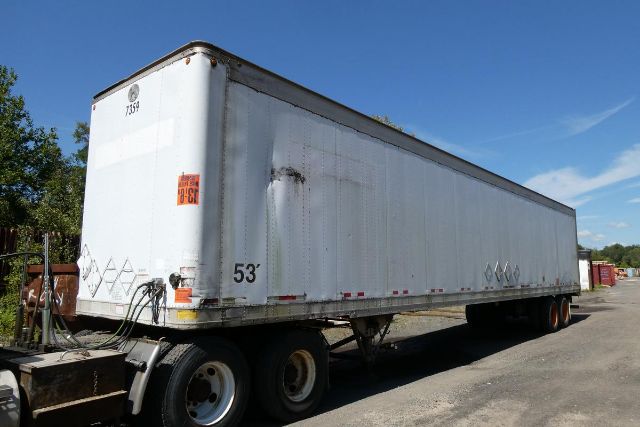
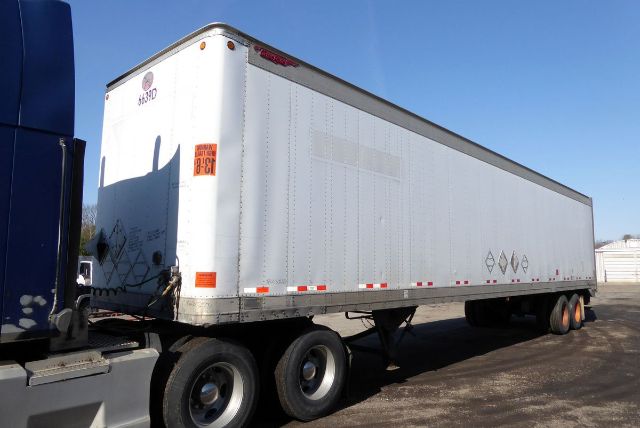
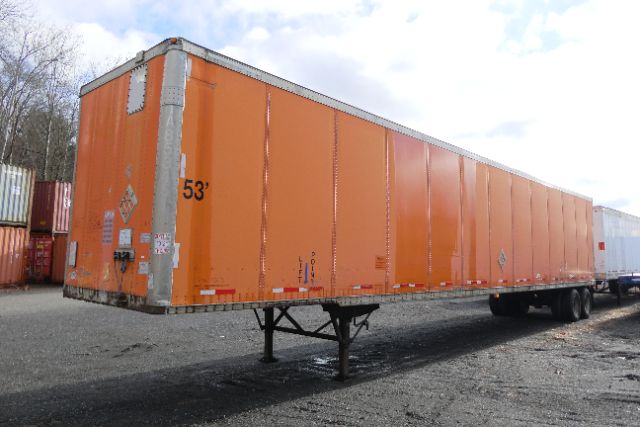
Shop used 2001 van trailers for dry freight hauling. Compare 53-foot and pup specs, doors, suspension, floors, logistics posts, and tandem setup.
Have used 2001 van trailer to sell? List it here to reach thousands of buyers.
Used 2001 Van Trailers
Most buyers in this category are comparing standard 102-inch wide trailers with overall heights around 13 feet 6 inches, wood floors over steel crossmembers, and either swing doors or roll-up doors. Swing doors usually provide a better rear opening and simpler long-term serviceability, while roll-up doors can be useful in tight dock areas or multi-stop delivery work. Common specs include air ride or spring ride suspension, tandem slider setups, steel or aluminum wheels, and 295/75R22.5 tires. Logistics posts, scuff liners, threshold plates, translucent or aluminum roofs, and front or rear vents are all worth noting because they affect loading flexibility, trailer durability, and dock performance.
For a 2001 used van trailer, underbody inspection is critical. Check crossmembers for corrosion, look for patched floors near forklift traffic zones, inspect the rear frame and door header for impact damage, and confirm the tandem slide operates correctly if equipped. Brake type matters too. Many older vans will have drum brakes, while some later-updated units may show component upgrades. Tire age, bushing wear, air leaks, landing gear operation, and signs of prior sidewall repair should all be part of the evaluation. If the trailer will run in high-cube freight, verify inside height and rear door opening height, since older trailers can vary more than newer fleet-standard specs.
A 2001 van trailer often makes sense for fleets and owner-operators who need lower acquisition cost and can manage maintenance in-house. It can also be a solid fit for storage, dedicated local shuttle work, or seasonal freight where annual miles are lower. The right trailer depends on freight profile and loading pattern. High-cycle dock work benefits from strong rear frames, good floors, and durable door hardware. Linehaul applications put more emphasis on suspension, alignment, tire condition, and overall structural straightness. A careful spec review will tell you more than the model year alone.
Frequently Asked Questions about Used 2001 Van Trailers
What should I inspect first on a used 2001 van trailer?
Start with the structure and the wear points that are expensive to repair. Inspect the frame rails, crossmembers, rear frame, roof bows, and floor condition, especially in forklift travel lanes. Check door seals, hinges, and header alignment, then move to suspension, brakes, tires, landing gear, and air system leaks. On an older van trailer, signs of corrosion, poor repairs, or a weak floor usually matter more than cosmetic appearance.
Are 2001 van trailers usually 53-foot dry vans?
Many are 53-foot dry vans, but this category can also include 28-foot pup trailers and some 48-foot units depending on prior fleet use. The most common widths are 102 inches, and overall height is often around 13 feet 6 inches. Buyers should confirm inside height, door opening dimensions, tandem configuration, and axle spacing because those details affect both freight compatibility and operating flexibility.
Is a roll-up door or swing door better on a used van trailer?
It depends on the route and dock environment. Swing doors generally offer a wider, cleaner opening and are usually simpler to maintain over time. Roll-up doors can be convenient for city and multi-stop deliveries where dock space is tight, but they add moving parts and can reduce rear opening height. On a used 2001 trailer, the decision should come down to cargo needs and the current condition of the door system.
What floor and lining features are important on an older dry van trailer?
A strong floor is one of the most important features on any used van trailer because forklift damage is common. Wood floors over steel crossmembers are standard, and buyers should look for soft spots, excessive patching, exposed fasteners, or uneven wear. Interior scuff liners or scuff plates help protect sidewalls, and logistics posts add securement flexibility for mixed freight. If the trailer will handle palletized freight daily, floor condition should be treated as a top-tier buying factor.
Can a used 2001 van trailer still work for commercial hauling?
Yes, if the trailer is structurally sound, roadworthy, and matched to the job. Many older vans remain useful in regional service, warehouse shuttles, seasonal freight, and lower-mileage dedicated lanes. The key is to evaluate total operating cost, not just purchase price. A well-maintained older trailer with solid brakes, good tires, a straight frame, and a serviceable floor can still be productive, while a cheaper unit needing major structural work can become more expensive very quickly.