
Used 2016 Van Trailers For Sale in New York
Shop used 2016 van trailers in New York. Compare 53-foot dry vans, tandem slide specs, door types, floors, suspension, and condition details.
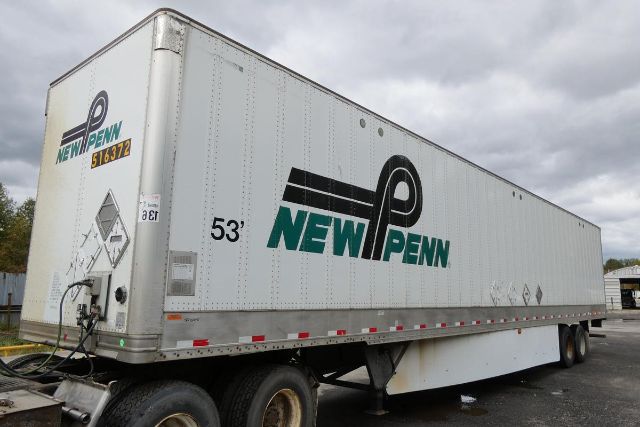
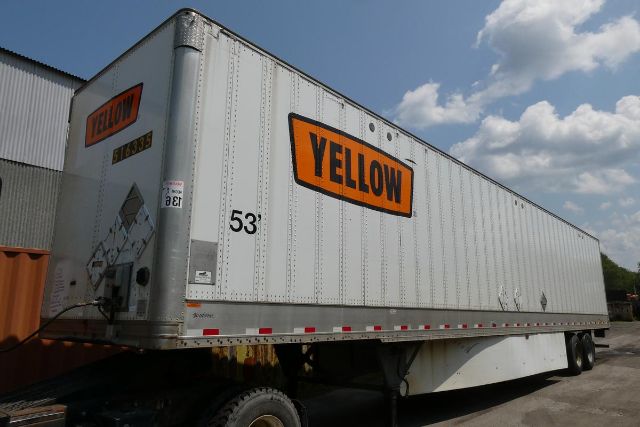
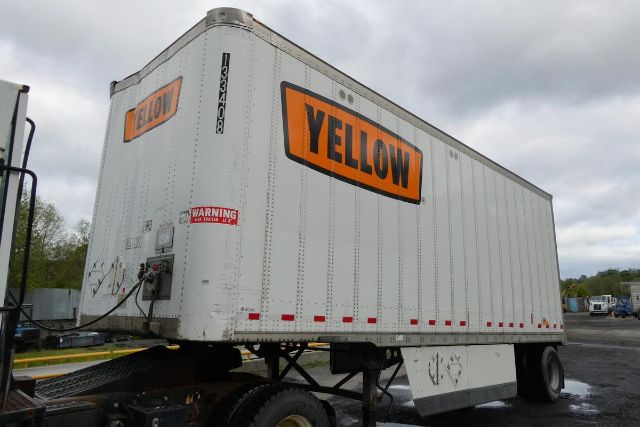

Have used 2016 van trailer to sell? List it here to reach thousands of buyers.
Used 2016 Van Trailers in New York
The key buying decision is usually structure and floor condition before anything cosmetic. A 2016 van trailer may have an aluminum or aluminum-steel composition, with a wood floor over steel crossmembers. Buyers should pay close attention to floor wear from forklifts, crossmember corrosion, rear frame condition, ICC bumper integrity, roof bow damage, and signs of water intrusion around the front nose, seams, and door frame. Interior wall lining, scuff liners, logistics posts, and E-track can add value depending on the freight mix. If the trailer has a translucent roof, side skirts, or side access features, confirm they fit your operation rather than assuming they are upgrades that always help.
Running gear matters because that is where operating cost shows up first. Typical specs in this class include tandem axles, 22.5-inch wheel packages, spring or air-ride suspension, and hub-piloted steel or aluminum wheels. Sliding tandems are common and especially useful for weight distribution and state bridge compliance. Check tire size consistency, brake lining life, drum or rotor condition, slack adjusters, ABS function, air system leaks, and suspension wear points. On used van trailers in the Northeast, corrosion around landing gear, slider rails, crossmembers, and the rear sill deserves a close inspection. Door operation is another high-value checkpoint because hard-closing swing doors or damaged roll-up tracks can turn into daily downtime.
For a 2016 model year, buyers often expect a trailer modern enough for fleet service but old enough to be priced well below new equipment. That makes maintenance history, prior use, and repair quality more important than brand alone. A trailer that spent its life in warehouse distribution may present differently than one that handled heavy beverage, paper, or high-cycle LTL work. Look at empty weight versus payload needs, interior cube, dock height compatibility, and how the kingpin setting works with your tractors and lane requirements. A well-kept used 2016 van trailer can still be a strong asset for regional haul, dedicated contract freight, storage use, or backhaul work if the structure, doors, floor, and running gear are right.
Frequently Asked Questions about Used 2016 Van Trailers in New York
What should I inspect first on a used 2016 van trailer?
Start with the floor, roof, rear frame, and suspension. Floor rot, broken crossmembers, roof leaks, cracked rear door framing, and slider or suspension wear are more important than paint or decals. On a dry van, structural condition determines service life and repair cost faster than almost any other factor.
Are most 2016 van trailers 53-foot dry vans?
Yes, the most common configuration in this category is a 53-foot by 102-inch dry van with tandem sliding axles. Some 48-foot trailers are still in service, but 53-foot vans dominate general freight because they offer the cube and flexibility most shippers want for palletized freight and dock loading.
Is air-ride suspension better than spring suspension on a van trailer?
Air-ride is generally preferred for ride quality and cargo protection, especially for higher-value or damage-sensitive freight. Spring suspension is simpler and can be less expensive to maintain, but it typically delivers a harsher ride. The right choice depends on your freight profile, maintenance practices, and cost targets.
Why do sliding tandems matter on a dry van trailer in New York?
Sliding tandems help with axle weight distribution, bridge law compliance, and dock positioning. In New York and throughout the Northeast, that flexibility is important because route restrictions, urban deliveries, and varying load patterns can make fixed axle placement less practical. A smooth-operating slider is a real operational advantage.
What door type is better on a used van trailer, swing doors or roll-up doors?
Swing doors usually provide the full rear opening and are often preferred for maximum loading width and lower long-term repair complexity. Roll-up doors can be useful for frequent dock work where rear clearance is tight, but they add moving parts and can be costly if tracks, cables, or panels are damaged. The better choice depends on your loading environment and how often the trailer is opened each day.